REVIEW · NAIROBI
8 Days Best of Kenya and Tanzania Safari from Nairobi
Book on Viator →Operated by PERFECT WILDERNESS TOURS AND SAFARIS · Bookable on Viator
This safari is a big wildlife highlight in just 8 days. You start in Maasai Mara, swing through the famous Serengeti, then hit Ngorongoro Crater before finishing at Lake Manyara and returning to Nairobi with border paperwork handled for you. I like that the drive schedule is built around real animal hotspots and not random stops, and I also like the fully narrated feel of a guided trip. One consideration: you’ll do early starts and long drive days, so if you want a slow, late-morning vacation, this might feel like a lot.
What really makes this work is the logistics—pickup in Nairobi, safari-vehicle touring, and smooth movement into Tanzania—so you spend your energy watching animals instead of managing details. The other big plus is your chance at strong sightings thanks to timing (morning drives, river area time, and an early Ngorongoro descent). The main drawback I’d flag is camping-style nights in tents on the Tanzania side, plus a note that the Masai village stop may be treated as optional since it’s listed as both in the plan and not included.
If you’re a family or a first-time safari person, this is a practical way to see major parks without cobbling together a bunch of separate bookings. And from what I’ve learned from guide feedback on past trips, the drivers tend to be punctual, safety-focused, and good at explaining what you’re seeing—names like Sammie, Edgar, and guides such as Paul Oyugi, Peter Kenya, and Benjamin come up often, along with George Mumba for management support.
In This Review
- Key Safari Reasons You’ll Feel It
- Why This 8-Day Kenya-and-Tanzania Route Feels Efficient
- Day 1: Nairobi Pickup to Maasai Mara, Plus Rift Valley Views
- Day 2: Mara River Morning Drive and a Masai Village Cultural Stop
- Day 3: Into Serengeti via Isebania Border, Then Night Game Drive
- Day 4: Serengeti Full-Day Game Drives and the Hippo Pool Stop
- Day 5: Ngorongoro Rim Approach, Nabi Hills Lunch, and Crater Rim View
- Day 6: Early Ngorongoro Descent for Big Sightings
- Day 7: Lake Manyara Half-Day With Birds, Elephants, and Tree-Climbing Lions
- Day 8: Namanga Return to Nairobi on a Morning Luxury Shuttle
- Wildlife Viewing: What You’re Actually Buying With a Guided Plan
- Where You Sleep: Tents, Showers, and the Practical Comfort Setup
- Price and Value: What $3,306 Buys You (and What Costs Extra)
- Best Fit: Who Should Book, and Who Might Want a Different Safari
- Should You Book This Best of Kenya and Tanzania Safari?
- FAQ
- How long is the safari?
- What game parks and areas are included?
- Are airport transfers and Nairobi hotel pickup included?
- Do meals come with the safari?
- Are tents and camping nights part of the trip?
- Is a balloon safari included?
- Can you get a Tanzania visa at the border?
Key Safari Reasons You’ll Feel It
- Maasai Mara + Serengeti in one run: fewer travel days, more game-drive time where it counts
- River timing for bigger odds: time set near the Mara River and hippo/croc areas
- Ngorongoro early descent: the schedule is built for the crater experience at the right time of day
- Tanzania nights in tents (with support): sleeping bag provided and camp setup handled
- Guides that prioritize safety and spotting: past experiences highlight drivers like Sammie and Edgar as consistently careful
Why This 8-Day Kenya-and-Tanzania Route Feels Efficient
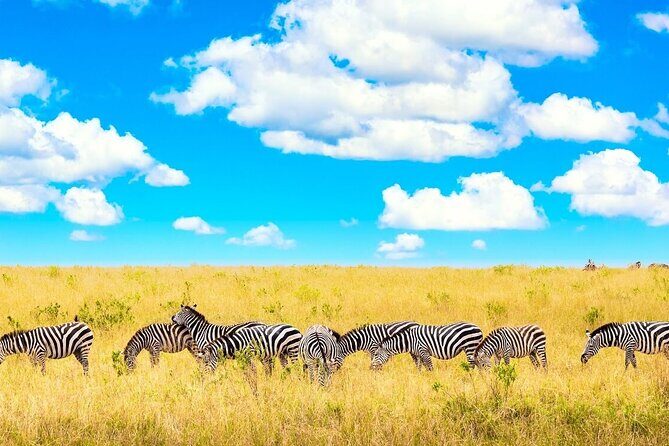
This is the kind of safari that respects your vacation time. Instead of spreading your trip thin, you concentrate on the headline places: Maasai Mara, Serengeti, Ngorongoro Crater, then Lake Manyara. You still get variety—savanna plains, river life, crater scenery, and a lakeside park full of birds and distinct habitats.
The real value is what your guide team handles for you: bookings and logistics, including the border crossing into Tanzania and the return to Kenya via Namanga. That matters because border days can get stressful when you’re figuring everything out on your own. Here, you’re moving as a group with a plan, and that turns what could be a chaotic day into something calmer.
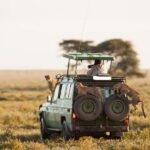
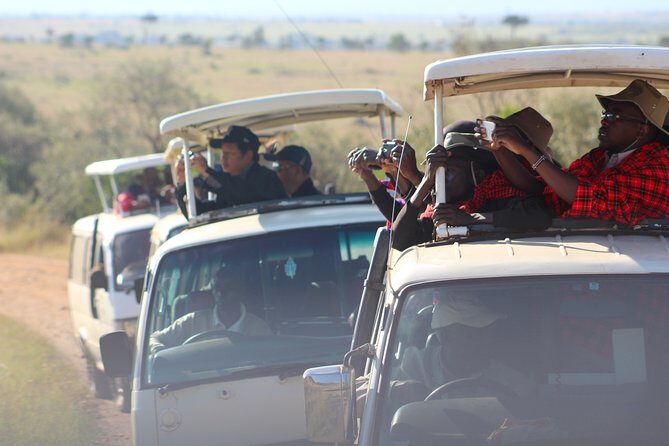
One more smart detail: the vehicle has a pop-up roof for easier viewing. In safari country, height and stability change what you can spot and how comfortable you feel getting photos.
A few more Nairobi tours and experiences worth a look
Day 1: Nairobi Pickup to Maasai Mara, Plus Rift Valley Views
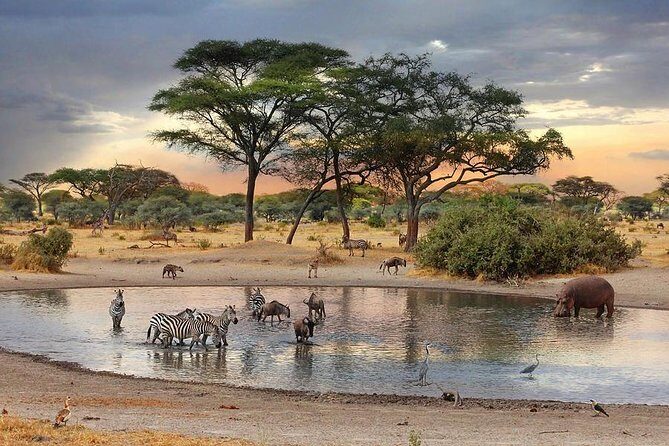
Your day starts in Nairobi with pickup from your hotel or residency within Nairobi CBD, then you roll out toward Maasai Mara. The schedule is straightforward: an early start, a Rift Valley viewpoint stop around 10:00 a.m., lunch in Narok town at about noon, then arrival in Maasai Mara by mid-afternoon. After you get settled, you go straight into an evening game safari drive.
That Rift Valley stop is more than a photo break. You’re looking at one of Africa’s best-known geographic features, a massive rift system that stretches across the continent and creates dramatic changes in elevation and terrain. Even if you’re not a geology nerd, it’s the kind of view that helps you understand why this region creates such different habitats for wildlife.
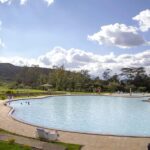
For your first night, you sleep at Lenchada Tourist Camp with a big tent setup: bed, toilet, hot running water, and a shower. There’s also a generator so you can charge phones and cameras. That’s the kind of practical comfort detail that makes a difference when your days start early and your camera battery life matters.
If you prefer softer landings, note that the package includes a complimentary first night at Raha Suites—so you may get a more comfortable Nairobi night before the safari swing. Confirm the exact night-by-night arrangement with the operator when you book, since the itinerary lists both Nairobi and camp lodging elements.
Day 2: Mara River Morning Drive and a Masai Village Cultural Stop
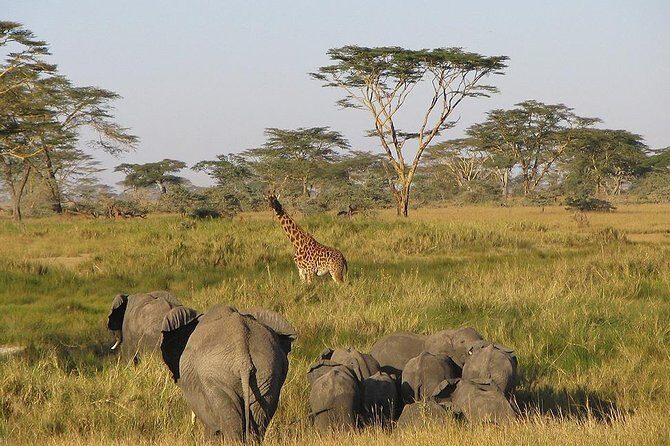
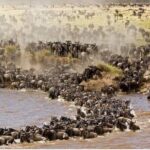
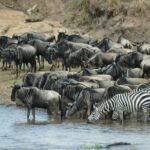
Day two leans hard into wildlife timing. You leave around 7:30 a.m. for a full-day game drive designed to reach the Mara River area, tied to the famous wildebeest movement. The key idea is simple: the Mara River is a concentrated place where wildlife gathers, so your chances grow when your schedule lines up with where animals feed and cross.
You’ll have a picnic lunch in the park around 1:00 p.m., then continue the drive and return to accommodation by about 4:00 p.m. In the evening, there’s an additional cultural visit: a Masai village for about an hour.
Here’s the thing to watch: the “Masai village” is listed as part of the day’s plan, but it also appears as not included. That usually means one of two things: either it’s optional and you can add it, or it’s included in some versions of the itinerary. I’d treat it as a “confirm before you arrive” item so you don’t end up surprised.
Even with that note, the overall flow is strong: big wildlife day in the morning and afternoon, then a culture block when the light turns softer.
Day 3: Into Serengeti via Isebania Border, Then Night Game Drive
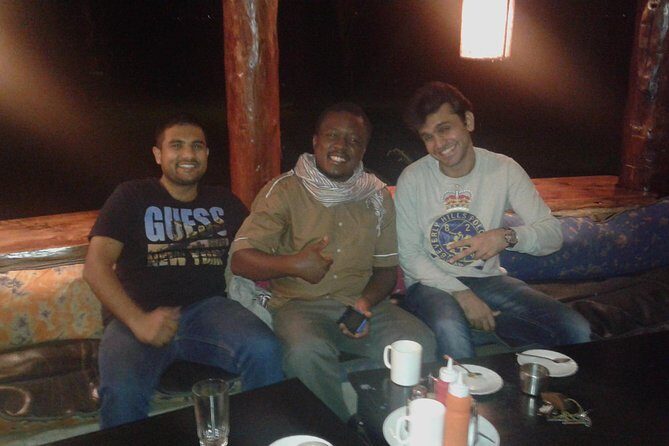
This is a travel-heavy day, but the trip treats the border work like part of the journey rather than an ordeal. You eat breakfast at 6:00 a.m., do a short morning game drive for about 2 hours, then drive to the Isebania border for Tanzania. The crossing process takes about an hour, and you’re expected to meet your Tanzanian driver/guide and chef around midday.
Once you’re across, you start your game drive in Serengeti while heading toward your accommodation. Your day ends with dinner and relaxation, plus an evening game drive en route to the camp or lodge.
Your Tanzania overnight setup is more rugged than the Kenya camps, but it’s still planned. You sleep in tents, with a sleeping bag provided, and camping equipment is set up for you. The camp area is described as safe and protected by armed guards, and you’ll be sharing the general area with other tourist groups from other companies.
One practical note: border days often mean you’ll want to keep your essentials easy to reach—passport, any needed documents, and a small stash of snacks if you’re the type who hates hunger gaps. The itinerary lists meals, but borders can still slow down timing.
Day 4: Serengeti Full-Day Game Drives and the Hippo Pool Stop
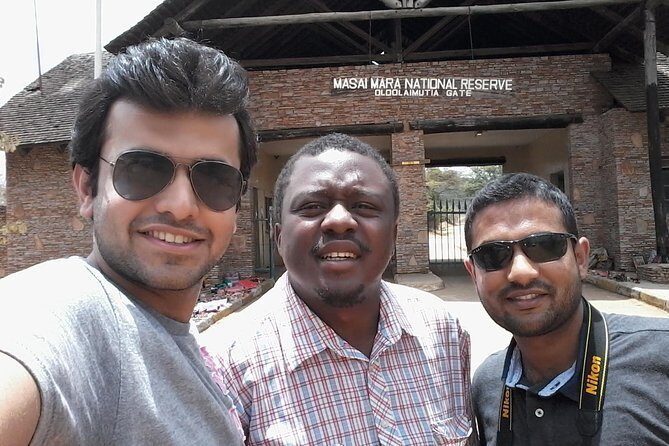
Day four is all about staying out on the plains. You depart around 6:00 a.m., then spend the day on full game drives in Serengeti with a picnic lunch inside the park.
Serengeti is huge. The schedule reflects that by giving your guide room to choose the best positions for sightings rather than racing from one distant place to another. The whole point of a guided approach here is that your driver knows where animals are likely to be during the time you’re out.
You also get a focused stop at the Serengeti Hippo Pool, described as a central area with multiple families of hippos. It’s a great photo moment because hippos sit at eye level for a lot of the day, and the area can bring close, dramatic behavior—especially if you’re there when they’re active.


Day 5: Ngorongoro Rim Approach, Nabi Hills Lunch, and Crater Rim View
On day five, you leave Serengeti at 7:00 a.m. and head toward the crater. The drive includes game viewing as you go through areas like Nabi hills, plus a picnic lunch there. It’s one of those “drive with a purpose” days—less of a straight transfer, more of a wildlife road trip.
Then you reach the crater rim in the evening and do a viewpoint stop. This is a smart rhythm: you get a preview of what’s ahead before the big crater descent day.
Your overnight is camping at a campsite or lodge near the crater rim. The key value here is that you’re positioned for an early morning start on day six.
Day 6: Early Ngorongoro Descent for Big Sightings
This is the day most safari people remember. You depart around 5:30 a.m. for an early descent into Ngorongoro Crater, timed for the early hours when animals can be more active and visibility can be better.
Ngorongoro is described as the world’s largest intact volcanic caldera and home to a dense mix of grazing and predatory wildlife. The itinerary frames it well: volcanic craters create fertile grazing grounds, which pulls in animals and supports high density.
You spend the morning in the crater with a picnic lunch, then depart in the afternoon toward your hotel in the Karatu area.
If you’re thinking about what to pack, this is one of those days where layers matter. It’s early, and crater mornings can feel different from outside the caldera.
Day 7: Lake Manyara Half-Day With Birds, Elephants, and Tree-Climbing Lions
You leave at 7:00 a.m. for a half-day game drive in Lake Manyara National Park. The park is known for diverse terrain and lots of habitats in a smaller area than some parks, which helps the guide make sightings happen faster in limited time.
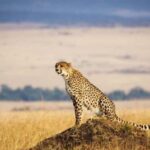
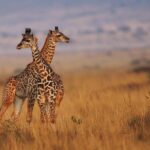
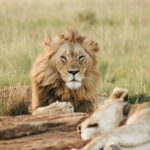
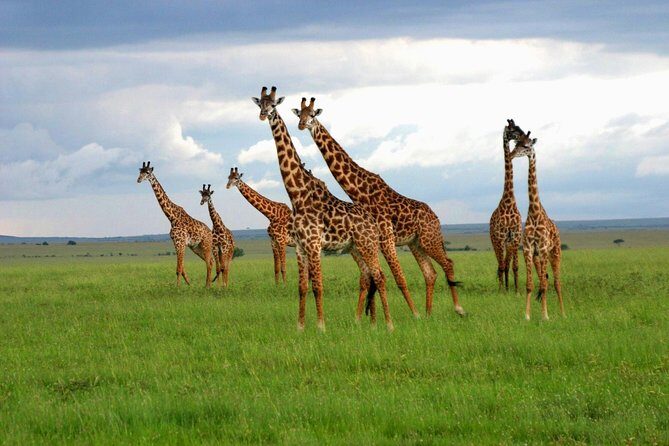
This is also one of the places where the mix of animals can feel almost curated by nature: elephants, tree-climbing lions, flamingos along the lake shore, and a huge list of birds and waterfowl. You can also see buffalo, cheetahs, Masai giraffes, hippos, and impalas depending on where you go and what the day brings.
You’ll have picnic lunch in the park, then drive to Arusha arriving around 4:00 p.m. You check into Venus Premier Hotel for a relaxing dinner on half board. After a long run of drives, that hotel evening feels like a reset button.
Day 8: Namanga Return to Nairobi on a Morning Luxury Shuttle
Your final morning starts with breakfast around 6:30 a.m., then departure for Nairobi on a morning luxury shuttle at 7:00 a.m. You arrive around 3:00 p.m.
You cross back into Kenya via Namanga, the border stop mentioned for the return journey. Then you get dropped off to your hotel or residency within Nairobi CBD.
If you’re planning flight connections, give yourself a buffer. Even when the itinerary says you arrive by 3:00 p.m., borders and road conditions can vary. Build in time so your day doesn’t turn into a sprint.
Wildlife Viewing: What You’re Actually Buying With a Guided Plan
The headline promise here is close wildlife encounters. But what makes that realistic isn’t magic—it’s timing, vehicle setup, and driver skill.
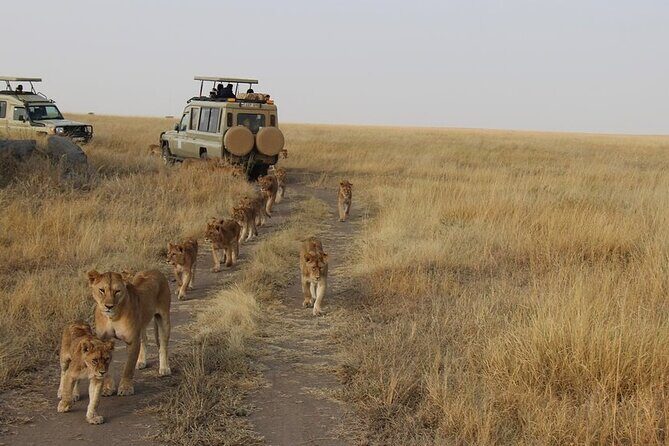
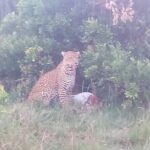
First, you’re using safari drives at points that make sense: morning starts for fresh activity, time near the Mara River for wildlife concentration, and the early Ngorongoro descent that positions you for high-density animal viewing. Second, the pop-up roof vehicle helps you spot animals from a better angle, especially for scanning across open plains.
Third, the human factor matters. Past trip experiences include praise for drivers like Sammie and Edgar being on time, kind, knowledgeable, and especially safe drivers. Other names that show up in guide feedback include Lowe, Paul Oyugi, Peter Kenya, Serevo, and Benjamin. Even without overthinking it, this is the kind of safari where a steady, cautious driver who reads wildlife behavior helps you get more out of every hour.
Where You Sleep: Tents, Showers, and the Practical Comfort Setup
This safari mixes lodging styles, and you should match expectations to each location.
In Maasai Mara (Day 1), you stay at Lenchada Tourist Camp with tent lodging that includes a bed, toilet, hot running water, and a shower. There’s a generator for charging phones and cameras at night. That means your first safari night feels more like supported camping than roughing it.
In Tanzania (Days 3–5 area nights), you sleep in tents again, but with more emphasis on the safari-camp setup. You’re offered a sleeping bag, and camping equipment is provided and set up. The camp is described as safe with armed guards and other groups nearby.
Then you get a more standard hotel night in Arusha at Venus Premier Hotel, which is a nice contrast after days on the road.
If you’re traveling with kids, this mixed lodging style can actually be a plus—tents feel exciting, and the hotel night gives everyone a proper reset.
Price and Value: What $3,306 Buys You (and What Costs Extra)
At $3,306 per person for an about 8-day safari, you’re paying for a package that handles the hard parts: safari vehicle transport with pop-up roof, pickup and drop-off, guided game drives, meals, and the cross-border movement between Kenya and Tanzania. You also get 7 nights accommodation plus the structured daily driving plan that prevents you from losing time to guesswork.
From a value angle, the big included wins are:
- Meals are extensive (breakfast 7, lunch 6, dinner 7).
- Your guide team handles border crossing timing and the handoff between Kenya and Tanzania guides.
- You get consistent game-drive touring without needing to book each park separately.
What’s not included:
- Alcoholic drinks (you can buy them).
- A balloon safari in Maasai Mara if you want it (listed as USD 380 per person).
- The Masai village item is shown as a not-included add-on even though it appears in the day plan, so confirm what you’re paying for ahead of time.
Also, the tour mentions group discounts and a mobile ticket, plus pickup offered and a complimentary airport pickup. Those small touches usually reduce friction—especially if you don’t want to manage paper vouchers.
One more practical note from the cancellation terms: it says you can cancel up to 3 days in advance for a full refund. That’s the kind of flexibility that helps when you’re juggling work schedules or flight changes.
Best Fit: Who Should Book, and Who Might Want a Different Safari
This safari is a good fit if you want:
- Big wildlife parks in one trip: Maasai Mara, Serengeti, Ngorongoro, Lake Manyara
- Guided drives that do the planning for you
- A trip that can work for families, since it’s described as family friendly and says most travelers can participate
- A mix of tent nights plus at least one comfortable hotel reset in Arusha
I’d rethink the booking if:
- You hate early mornings. You’ll start early multiple days, including 5:30 a.m. for Ngorongoro.
- You’re very sensitive to tent camping. The tents are set up with support and, in Mara, include hot water and showers, but it’s still a safari-camp style of sleep.
- You strongly care about a specific cultural stop being included. Because the Masai village is flagged as not included, you should confirm if you’ll get that hour without an extra fee.
Should You Book This Best of Kenya and Tanzania Safari?
If your goal is to hit the famous parks and maximize animal-viewing time in a single week, I’d say yes—with one key homework step: confirm exactly what’s included for the Masai village and whether you want to add the balloon safari.
What I like most is the way the itinerary builds sightings into your schedule: river time, full-day Serengeti, and the early Ngorongoro descent that many safaris only get if you’re willing to start before the sun. Add to that the strong emphasis on safety and guidance from drivers and staff names like Sammie, Edgar, George Mumba, and guides such as Benjamin, and you’ve got a trip that feels organized without losing its wild Africa focus.
Book it if you want a “see the big stuff” safari that runs like a plan, not a collection of stressful logistics.
FAQ
How long is the safari?
It’s an 8-day guided safari starting in Nairobi and returning to Nairobi at the end.
What game parks and areas are included?
You visit Maasai Mara National Reserve, Serengeti National Park, Ngorongoro Crater, and Lake Manyara National Park.
Are airport transfers and Nairobi hotel pickup included?
Yes. The package includes pickup and drop-off to your hotel or airport, plus complimentary airport pickup.
Do meals come with the safari?
Yes. Breakfast is included for 7 days, lunch for 6 days, and dinner for 7 days.
Are tents and camping nights part of the trip?
Yes. In Tanzania you sleep in tents, with a sleeping bag provided, and camping equipment is set up for you. In Maasai Mara, tent lodging includes a bed, toilet, hot running water, and shower.
Is a balloon safari included?
No. A Maasai Mara balloon safari can be arranged on request for an additional USD 380 per person.
Can you get a Tanzania visa at the border?
The information provided says a Tanzania visa can be gotten at the border.
If you want, tell me your travel month and whether you’re traveling as a couple or with kids, and I’ll help you sanity-check what days you’ll likely want the most energy for.