REVIEW · NAIROBI
13-Day Private Wildlife Safari Tour of Kenya and Tanzania
Book on Viator →Operated by Asili Adventure Safaris · Bookable on Viator
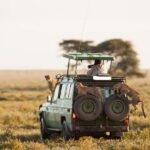
Thirteen days is just enough for serious safari. I like the unlimited game drives approach, and the park variety is the real star: Samburu, Lake Nakuru, Maasai Mara, Lake Victoria, Serengeti, Ngorongoro, and Tarangire all hit different kinds of wildlife and scenery. It’s a tight route, but it’s built for maximum sightings and close wildlife encounters with a guide to help you spot the big stuff.
You also get private trip planning from Asili Adventure Safaris, and their rep Monica is specifically noted for tailoring the safari to what people want. One thing to consider: this itinerary moves steadily, so you should expect long driving days and early starts that are part of the safari rhythm, not a bug.
In This Review
- Key Highlights You Should Know Before You Go
- What Makes This Safari Route Special in Kenya and Tanzania
- The Nairobi Start: 7:00 AM Momentum and a Proper Kickoff
- Samburu National Reserve: Springs, Giraffes, and River Monsters
- Lake Nakuru: Rhinos and a Birdwatcher’s Checklist
- Maasai Mara: Predator Central and Migration Tension
- Lake Victoria and Speke Bay: A Breather Before Serengeti
- Serengeti via Ndabaka Gate: Western Corridor Days With Big Herd Energy
- Olduvai Gorge and Ngorongoro Rhino Lodge: Prehistory En Route
- Ngorongoro Crater: 2000 Feet Down for Africa’s Eden
- Tarangire National Park: Elephants in a Dry Season Mood
- The Arusha Finish: Your Last Morning, Timed to Noon
- Is This Tour Worth the $8,086 Per Person Price?
- Who This Safari Fits Best (and Who Should Think Twice)
- Should You Book This 13-Day Kenya and Tanzania Wildlife Safari?
- FAQ
- How long is the safari?
- Where does the tour start in Nairobi?
- Is this a private tour?
- Which areas or parks are included?
- Is pickup included?
- Do I get a mobile ticket?
- Are admission tickets included?
- When will I receive confirmation after booking?
- What is the cancellation policy?
Key Highlights You Should Know Before You Go
- Unlimited game drives so you’re not counting minutes when animals appear
- Samburu’s specialist wildlife like reticulated giraffes and more than 365 bird species
- Lake Nakuru rhino time + birding with over 400 bird species listed
- Maasai Mara predator-focused days with the famous wildebeest and zebra crossings
- Crossing into Tanzania for Serengeti via Ndabaka gate and the western corridor
- Two Tanzania “icons” in a row: Ngorongoro Crater and Tarangire elephants
What Makes This Safari Route Special in Kenya and Tanzania
This is the kind of safari that keeps the day-to-day feel “alive.” You’re not just repeating the same park view for two weeks. You start with Samburu’s drier river country, pivot to Lake Nakuru’s famous shoreline drama, then push into Maasai Mara where predators and migration energy take over.
Then you cross into Tanzania and keep going to Serengeti—Africa’s best-known wildlife stage—followed by a very different kind of experience at Ngorongoro Crater. After that, Tarangire brings you back to a drier, elephant-heavy rhythm before the trip winds down in Arusha.
The practical win for you is flexibility: with the “unlimited game drives” promise, you can slow down when you’re seeing animals well and still cover a lot of ground. That matters because wildlife spotting is never a straight line.
You can also read our reviews of more private tours in Nairobi


The Nairobi Start: 7:00 AM Momentum and a Proper Kickoff
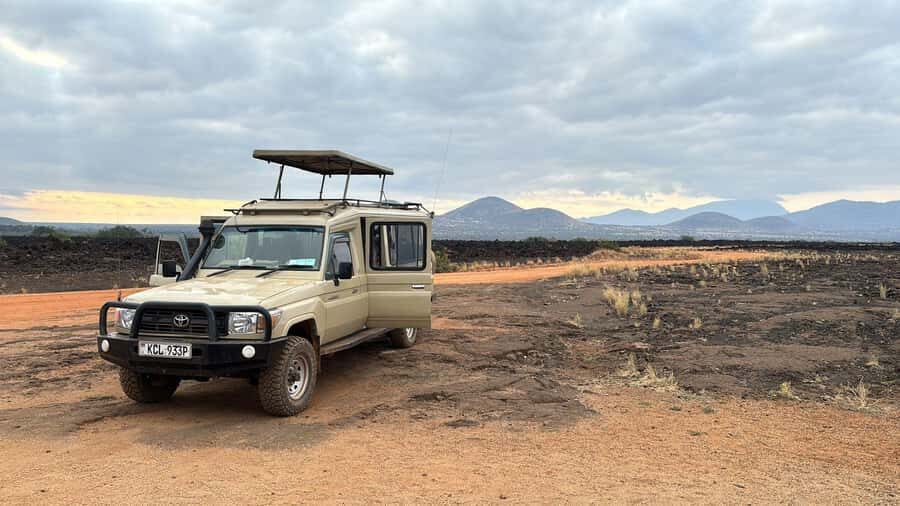
The tour starts at Standard Street in Nairobi with pickup offered, and the start time is 7:00 am. Expect a briefing session with an Asili Adventure Safaris officer right away, then you’re on the road toward Samburu.
If you’ve never done East Africa safari before, this early start is a gift. Animals are often active earlier, and game-viewing tends to be better before the heat climbs too far. It also means you get your first real wildlife day without wasting the morning on logistics.
Also, this tour is private, meaning only your group participates. That usually helps you keep your schedule aligned with what you want to see, whether that’s more time on a grassland track or less rushing between stops.
Samburu National Reserve: Springs, Giraffes, and River Monsters
Samburu is a strong opener because it feels like a real ecosystem, not a generic “safari stop.” You go from Nairobi toward Mt. Kenya and then into Samburu’s open savannah. After lunch at Samburu Sopa Lodge, you get afternoon game drives, then settle in for dinner and the night at the same lodge.
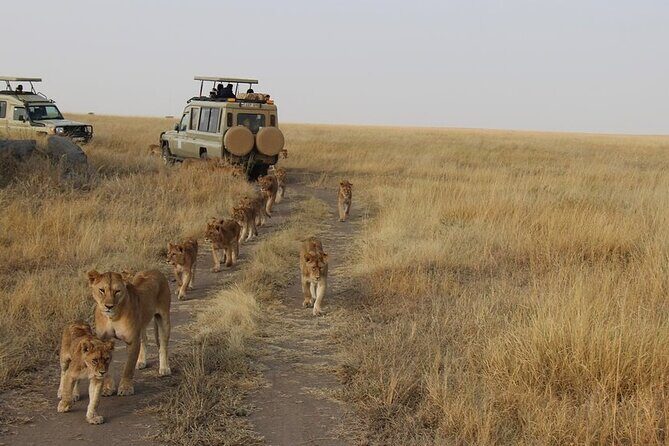
The highlights the route emphasizes are specific: Samburu has permanent springs and wildlife tied to those water points, plus a long list of birds—over 365 species are mentioned. You also have a good chance of seeing the Samburu favorites such as the reticulated giraffe, along with zebras, lions, elephants, and crocodiles along the EwasoNyiro river area.
Day 2 is a full day here with morning and afternoon game drives. That’s important because many of the best sightings happen when you’re not trying to “check a box” and leave after one short drive. If you like the feeling of getting to know a place, Samburu is one of the best two-day introductions in the whole trip.
One small consideration: the itinerary packs in a lot across the whole 13 days. So make sure you treat Samburu as your first real wildlife immersion, not as a “warm-up” you rush through.
Lake Nakuru: Rhinos and a Birdwatcher’s Checklist
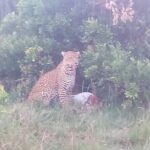
From Samburu, you head to Lake Nakuru after breakfast. You’ll have lunch en route, then an afternoon game drive around the lake. The park area is listed as 180 square kilometers, and the wildlife notes focus on warthogs, waterbuck, buffalo, reedbucks, and the occasional leopard.
Lake Nakuru also gets very specific about rhinos: white rhinos are found in the southern end, and black rhinos were introduced to the park some years ago. Even if rhino sightings don’t happen every single drive, this is the right kind of park for you to try—because the landscape and management are aimed at those conservation goals.
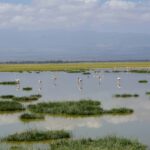
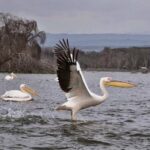
The other big reason to care about Nakuru is birds. The tour information calls it an ornithologists’ delight with more than 400 bird species. If you enjoy hearing birds as much as seeing big animals, Nakuru is a nice change from the big-cat focus elsewhere.
Maasai Mara: Predator Central and Migration Tension
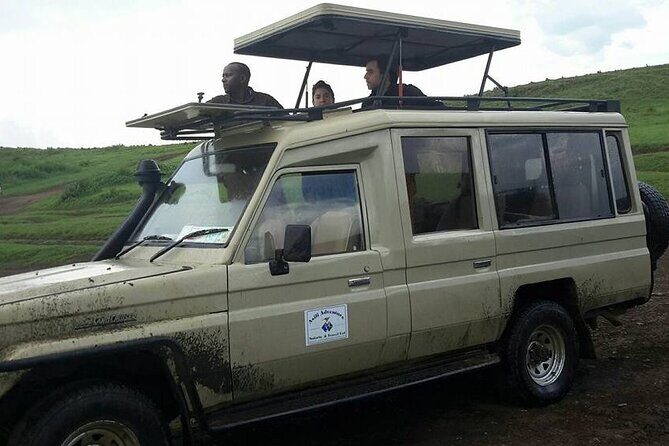
Then it’s Maasai Mara. You drive via the Great Rift Valley floor, stop for lunch, and go for evening game drives with overnight at Enkorok Mara Camp.
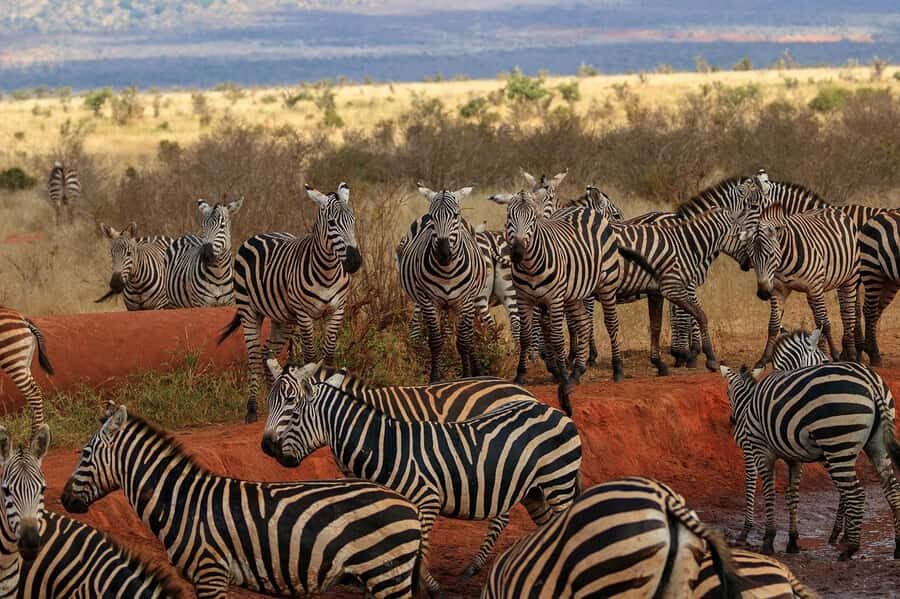
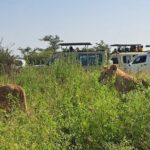
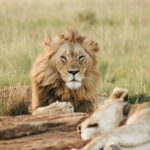
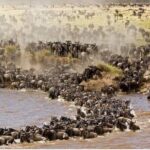
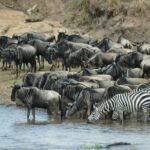
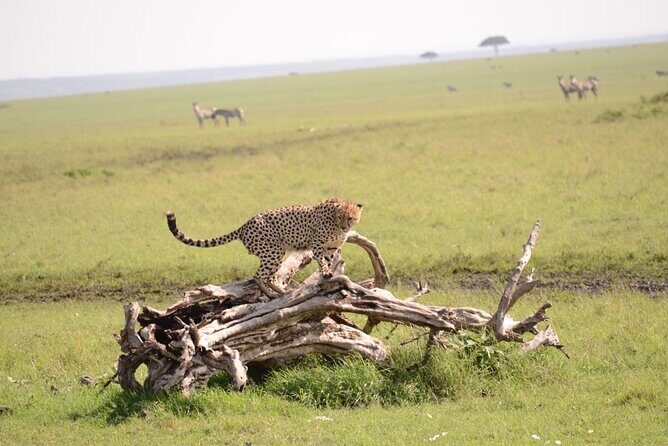
Maasai Mara is built around one idea: large mammals, especially predators. The route description points straight at cheetahs and leopards and calls the Mara a form of predator central. You also get the big migration storyline: huge numbers of wildebeest and zebra each year, and the emotional intensity of a crossing moment.
On Day 5 you’ve got a full day exploring Mara, and Day 6 gives you a useful choice: either do full days out in the field (with lunch served out on the savannah) or return to camp for lunch. That is more than comfort. It helps you match your safari day to what’s happening—stay out if the action is good, go back if you want a slower reset.
If you’re traveling for the photos as well as the animals, plan to spend your Mara time with patience. Mara is the kind of place where your best moment might not be the first sighting of the day.
A few more Nairobi tours and experiences worth a look

Lake Victoria and Speke Bay: A Breather Before Serengeti
This itinerary makes an intentional pivot at Day 7. You leave Maasai Mara after breakfast and head into Tanzania via Isebania Border. Then you reach Speke Bay Lodge and get time for a boat ride on Lake Victoria.
Speke Bay Lodge is on the south-eastern shore of Lake Victoria, and the tour information says it’s about 15 kilometers from Serengeti National Park. The lodge is described as looking like a small village along the lake.
Why this part matters for you: it breaks up the nonstop “park-to-park” rhythm. The boat ride gives your eyes and ears a different kind of wildlife experience than savannah game drives. It also sets you up for Serengeti without feeling like you’re just driving straight through without a mental reset.
Serengeti via Ndabaka Gate: Western Corridor Days With Big Herd Energy
On Day 8, you enter Serengeti via Ndabaka gate for a full day game drive. You head south and west to the western corridor of the park with a picnic lunch, then return for dinner and overnight (the specific lodge isn’t fixed in the info for this day).
Day 9 is your second full Serengeti day, again with morning and afternoon game drives. Meals and overnight are at Mawe Tented camp or similar.
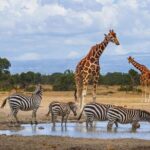
Serengeti gets the most classic “this is why we came” explanation in the itinerary details: it’s listed as 14,736 square kilometers, with a wildebeest population around 2 million and a long list of other species you might see—zebra, gazelles, topi, impala, giraffe, warthog, buffalo, and more. The same description also flags the predators you’re hoping to spot: lion, leopard, cheetah, hyena, golden jackals, and bat-eared foxes.
If you like seeing wildlife move in patterns, Serengeti is the place for that. It’s not just about a single animal—it’s about the system behind it.
One practical thought: with two strong Serengeti days, you can afford to be flexible inside the drives. If your guide finds animals early, you don’t have to abandon the moment to hit a rigid plan.
Olduvai Gorge and Ngorongoro Rhino Lodge: Prehistory En Route
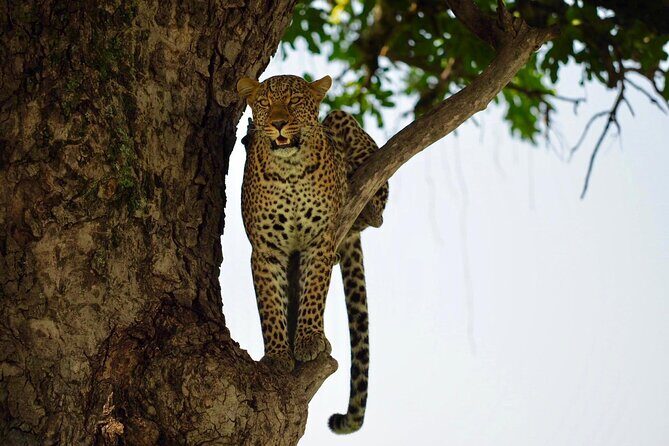
Day 10 connects the safari to something very different: Olduvai Gorge. You start with morning game drives, then return for breakfast. After that, you head south to Ngorongoro crater, with game watching only interrupted by a picnic lunch along the way.
Olduvai Gorge is described as cutting through rock beds from about 2 million years ago to the present, with humanoid bones found dating back over 1.75 million years, plus fossil footprints listed as over 3 million years old. The itinerary also notes an excellent site museum where you can explore the diggings.
Then you end the day at Ngorongoro Rhino Lodge or similar for dinner and overnight.
This stop is valuable because it changes the tone of the trip. You’re still in a wildlife-focused journey, but you’re also seeing evidence of how long human history has been connected to East Africa.
Ngorongoro Crater: 2000 Feet Down for Africa’s Eden
Ngorongoro is the headline event, and the itinerary explains the approach clearly. On Day 11 you have early breakfast, then you head out with a picnic lunch for a full crater tour. You go 2000 feet down the crater by 4-wheel drive, explore the crater, then ascend back for dinner and overnight at one of the listed options: Hhando Coffee Lodge, Ngorongoro Farm House, or Farm House Valley.
The crater is described as often called Africa’s Eden and the 8th natural wonder of the world. More importantly, the tour info reminds you that it sits within the Ngorongoro Conservation Area (NCA).
For you, the big practical value is the contrast: you’re stepping from the broader savannah world into a self-contained crater environment. Wildlife often feels concentrated and visible when you’re on the crater floor, and the descent-as-adventure structure helps the day feel like something special instead of just another drive.
Tarangire National Park: Elephants in a Dry Season Mood
Day 12 shifts you to Tarangire. After breakfast you drive to the park, have lunch, then head out for afternoon game drives. You sleep at Tarangire Roika Tented Camp for dinner and overnight.
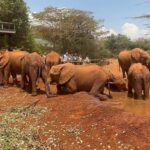
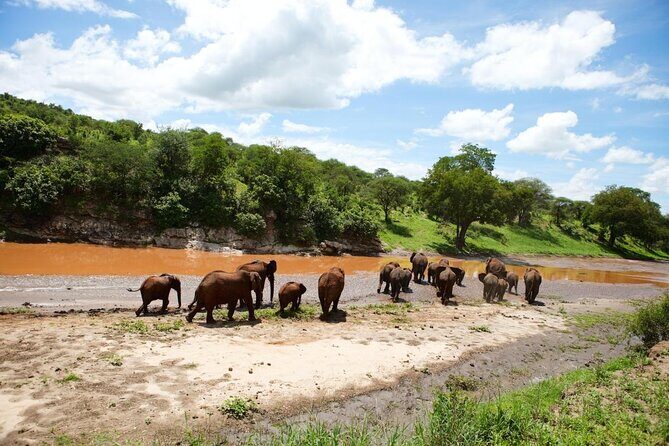
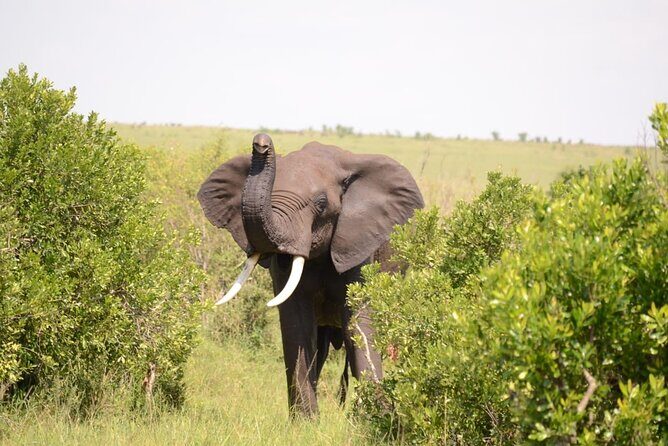
Tarangire’s wildlife story in the route details is vivid and specific: herds of up to 300 elephants scratch the dry river bed for underground streams. The itinerary also notes migratory wildebeest, zebra, buffalo, impala, gazelle, hartebeest, and eland around shrinking lagoons.
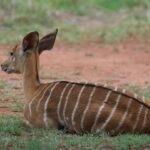
You also get a major “who’s who” predator-and-prey promise: it’s described as the greatest concentration of wildlife outside the Serengeti ecosystem and a smorgasbord for predators. The tour info highlights dry-country antelope like fringe-eared oryx and the gerenuk with its long neck.
If you want elephants that feel like the main event, Tarangire is the right place to close the wildlife run.
The Arusha Finish: Your Last Morning, Timed to Noon
On Day 13, you have breakfast at leisure, then drive to Arusha, arriving by 12:00 pm according to the itinerary detail. This is your unwind day after several packed wildlife days.
If you’re continuing on to another part of East Africa, this timing helps you plan a same-day connection. If you’re flying out later, you’ll likely have time to breathe, shower, and pack without feeling rushed right after your last drive.
Is This Tour Worth the $8,086 Per Person Price?
For $8,086 per person, you’re paying for a private, multi-park safari that stretches across Kenya and Tanzania and includes a full sequence of big-name areas: Samburu, Lake Nakuru, Maasai Mara, Lake Victoria, Serengeti, Ngorongoro, and Tarangire. That route alone is why the cost makes sense if you’re set on variety and you want to avoid piecing together separate trips.
You’re also paying for time-efficiency. This itinerary is built to keep you in the field with unlimited game drives, so you’re not losing much daylight to transit inside the park circuit. And the tour includes specific ticket mentions on key days like the Olduvai and crater days, plus Tarangire.
One more value point comes from service quality that shows up in the provided tour feedback: Asili Adventure Safaris is described as professional and responsive. In those notes, their reps and drivers/guides—including Monica (tailoring help), Martin (Kenya), and Hashim Mkya (Tanzania)—are highlighted for how smoothly things ran from pickup to transfers.
The main “cost reality” for you is expectations. This is not the style of trip where you wander slowly on your own. It’s a guided safari machine. If that matches your travel personality, the price can feel fair. If you want lots of downtime or minimal movement, you might find the schedule demanding.
Who This Safari Fits Best (and Who Should Think Twice)
This tour fits best if you want:
- A first-time safari that hits several top parks in one go
- A wildlife-first itinerary with lots of time in the field
- A private experience where you can stay focused on what you’re seeing
- A mix of animal viewing and one strong cultural/science detour at Olduvai Gorge
It may not fit as well if you:
- Hate early starts or long driving days between parks
- Prefer a slower pace with more free time each day
- Want only one country or only one ecosystem rather than the full Kenya-to-Tanzania sweep
Should You Book This 13-Day Kenya and Tanzania Wildlife Safari?
I’d book it if you want the classic East Africa safari highlights in one organized run, and you care about having enough drive time to actually catch wildlife moments. The combination of Samburu’s river-adapted species, Lake Nakuru’s rhino and bird focus, Maasai Mara’s predator and crossing energy, Serengeti’s big-herd stage, Ngorongoro’s crater concentration, and Tarangire’s elephant-heavy dry-season behavior is a strong mix.
Before you commit, be honest about your stamina. If you can handle a busy schedule and you like being in the vehicle for game drives, this tour style matches well. If you’re looking for a restful vacation with lots of unscheduled hours, you’ll probably feel rushed.
FAQ
How long is the safari?
It’s listed as 13 days (approx.).
Where does the tour start in Nairobi?
The meeting point is Standard Street, Nairobi, Kenya, with a listed start time of 7:00 am.
Is this a private tour?
Yes. It’s described as a private tour/activity, and only your group will participate.
Which areas or parks are included?
The tour covers Samburu National Reserve, Lake Nakuru, Maasai Mara National Reserve, Lake Victoria (with Speke Bay Lodge and a boat ride), Serengeti National Park, Olduvai Gorge, Ngorongoro Crater (Ngorongoro Conservation Area), and Tarangire National Park, finishing with Arusha.
Is pickup included?
Pickup is offered, and the tour starts from your Nairobi hotel as described in the itinerary.
Do I get a mobile ticket?
Yes. Mobile ticket is listed as a feature.
Are admission tickets included?
Admission ticket notes vary by day, with some days listed as included and others listed as free.
When will I receive confirmation after booking?
Confirmation will be received at the time of booking.
What is the cancellation policy?
You can cancel for a full refund up to 24 hours in advance. If you cancel less than 24 hours before the start time, the amount paid is not refunded. The tour also notes it requires a minimum number of travelers.