REVIEW · NAIROBI
Day Tour at Nairobi National Park and Giraffe Centre
Book on Viator →Operated by VALLEY ROCKS TOURS · Bookable on Viator
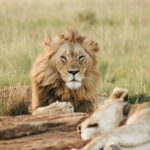
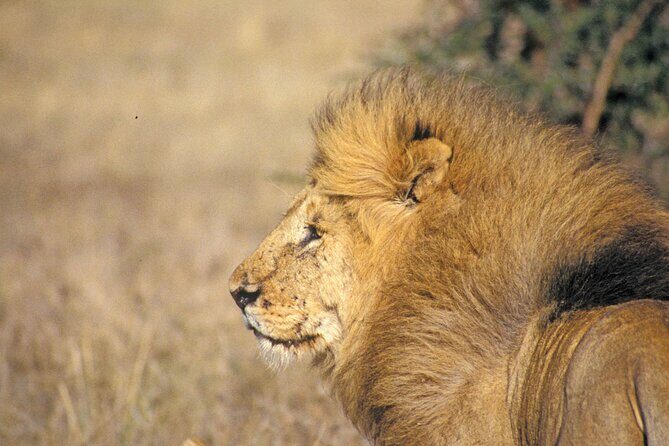
Seeing lions near the skyline feels unreal. This day tour strings together a half-day safari in Nairobi National Park and an up-close stop at the Giraffe Centre, letting you learn about conservation without burning days on long-distance travel.
What I liked most: you get real wildlife time so close to Nairobi—this park sits about 7 km from the city center—and you’re guided through it by people who pay attention to what’s happening in front of you. I also love that the Giraffe Centre part is not just a photo stop; you learn how Rothschild giraffes survive and why habitat and behavior matter, plus there’s an optional cultural stop at Kobe Beads.
The main thing to consider is cost add-ons. The $78 price covers your guide and transport, but park and centre entrance fees are extra, and you’ll also need to plan for lunch.
In This Review
- Key things to know before you go
- Nairobi National Park: Big Five sightings in a city-edge reserve
- How the early 6:00 am start actually plays out
- The game drive: what you can realistically expect to spot
- Leaving the park by 11:00 am: why this pacing is useful
- Giraffe Centre: Rothschild giraffes and hands-on conservation learning
- Kobe Beads Factory (optional): shopping with local impact
- Price and logistics: what $78 really covers
- Who this tour suits best (and who should compare options)
- Practical tips to get more from the day
- Should you book this Nairobi day tour?
- FAQ
- What time does pickup start?
- How long is the tour?
- Are entrance fees included in the price?
- Is lunch included?
- Does the tour include pickup and drop-off?
- Is the Kobe Beads Factory visit included?
- How big are the groups?
- What is the cancellation policy?
Key things to know before you go
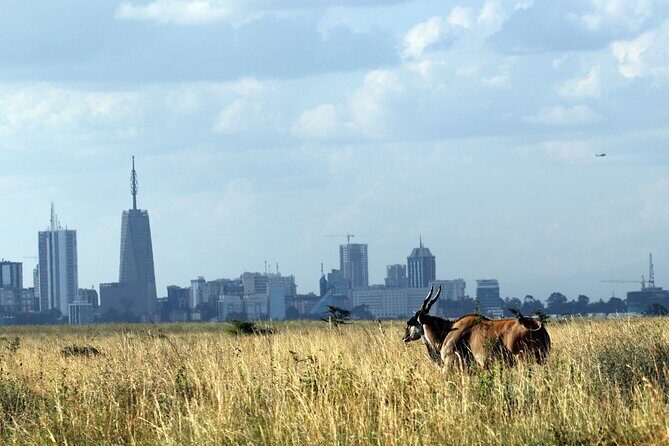
- Nairobi National Park is city-close: about 7 km from downtown, with wildlife and Nairobi skyline views.
- You target 4 Big Five animals (no elephant): rhino, buffalo, cheetah, and lion are the big-ticket aims.
- Rothschild giraffe education: the Giraffe Centre focuses on conservation and day-to-day giraffe survival.
- Kobe Beads is optional and meaningful: handmade ceramics and beadwork made by local mothers.
- Early start: pickup begins at 6:00 am, and you’re out of the park by 11:00 am.
Nairobi National Park: Big Five sightings in a city-edge reserve
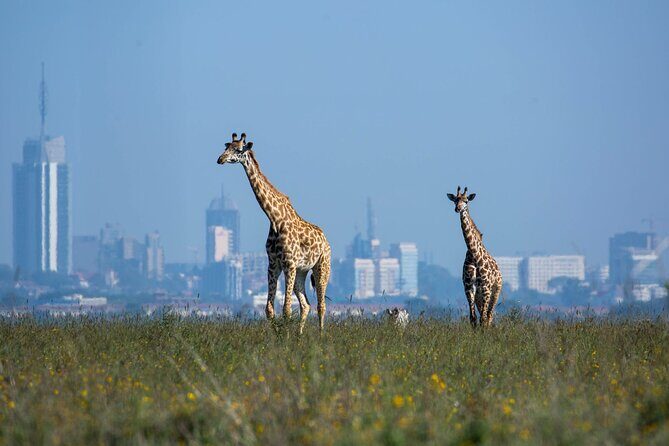
Nairobi National Park is one of those places that changes your expectations fast. You’re still in Nairobi, yet you’re driving through open plains where animals act like they own the road. The view of the skyline in the distance is a constant reminder that this is a rare kind of conservation success: wildlife living right next to a major city.
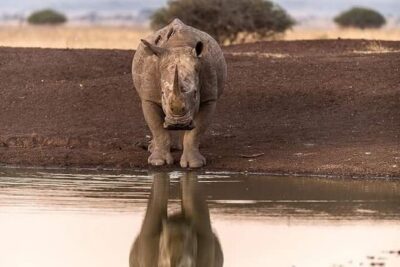
What makes the park especially compelling for a day trip is how much you can pack in. The goal is to see four of the Big Five, with the elephant left out. That means you’re playing for rhino, buffalo, cheetah, and lion, plus the common cast around the plains—zebra, giraffe, and plenty of antelopes and gazelles. If you’ve only got a short window in Kenya, this is a smart way to get a genuine safari feel without spending a whole week on logistics.
And yes, part of the fun here is that you’re not waiting around for hours to get moving. You’re picked up early, you drive into the park with a guide, and you work the game-drive route while animals are most active.
You can also read our reviews of more tours and experiences in Nairobi.



How the early 6:00 am start actually plays out
Your day begins at 6:00 am with pickup, then you head straight for Nairobi National Park. You’ll ride out with your driver guide, and the main event starts once you’re inside: a game drive designed to maximize your chances of seeing wildlife in the time you have.
The park segment runs about 5 hours, and you’ll exit around 11:00 am. That timing matters. Early morning light tends to help with spotting animals and with seeing behavior, not just shapes at a distance. It also means you avoid the harshest heat later in the day, which can influence how active animals are and how comfortable you feel scanning plains for movement.
One practical note: this kind of safari is never a guarantee. What you’re buying is access to a wildlife reserve and a guide who knows where to look and how to read what’s going on. In the feedback I saw, guides like Peter and John were specifically praised for being supportive and professional, and for understanding ecosystems well enough to help people—including kids—follow what they’re seeing.
The game drive: what you can realistically expect to spot
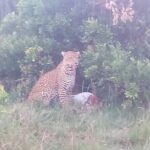
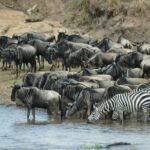
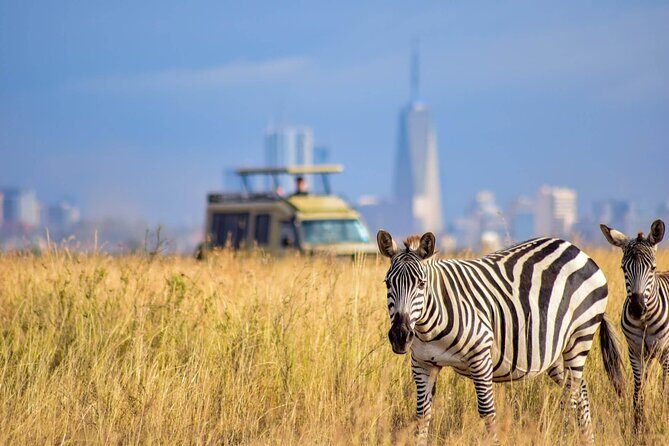
Inside Nairobi National Park, you’re working with an open, plains-style environment. That’s good news for day-trippers because you can often spot animals at varying distances without needing dense-forest navigation. You might catch zebra and giraffe moving across the grass, antelopes and gazelles grazing, and you can also keep an eye out for predators like lion and cheetah.
The standout targets are the ones tied to the Big Five framing. You’re aiming for:
- Rhino: possible sightings depend on where they are that day, but it’s a core target.
- Buffalo: another key species you’re on the lookout for.
- Cheetah: a frequent highlight on game drives when conditions align.
- Lion: often the most dramatic sighting when it comes together.
Also, don’t ignore the smaller moments. One of the strong takeaways from feedback was how guides can point out birds and other details you might miss if you’re only chasing the biggest animals. Even if you’re there for the Big Five concept, you’ll usually get a richer experience by letting the guide slow you down and explain what you’re seeing.
If you want the best chance at sightings and photography, pick a day when visibility is good. One comment I saw specifically pointed out how a sunny day makes the outing even better. You’ll still need luck, but clear weather often makes a noticeable difference.
Leaving the park by 11:00 am: why this pacing is useful
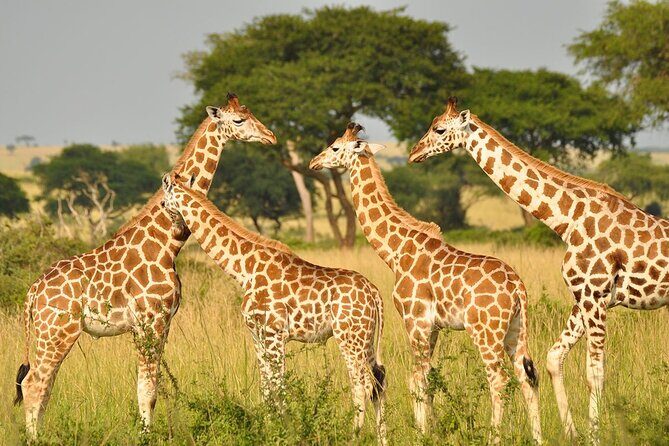
Exiting at 11:00 am keeps the day realistic. You don’t end up exhausted in traffic, and you don’t have to guess how you’ll handle heat and fatigue after a long drive. It also creates a natural rhythm: safari in the morning, learning and rest in the afternoon.
After you leave the park, there’s a break for lunch at a local restaurant. Lunch is not included, so you have flexibility. If you’re hungry, you can order something filling. If you’re the type who wants something quick, you can keep it simple.
Then you head toward the Giraffe Centre for the next phase. This split is a big part of why the tour works for first-timers: you get adrenaline and wildness in the morning, then calmer, educational time afterward.
Giraffe Centre: Rothschild giraffes and hands-on conservation learning
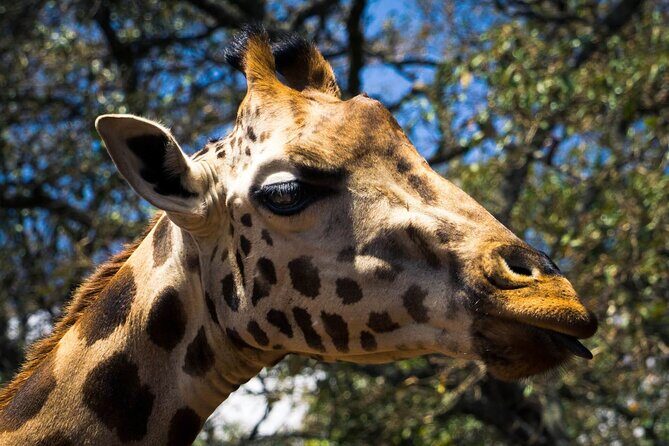
The Giraffe Centre is where the tour stops being only about sightings and starts becoming about meaning. This is a conservation-focused nature education stop, and it’s known for teaching thousands of Kenyan school children each year.
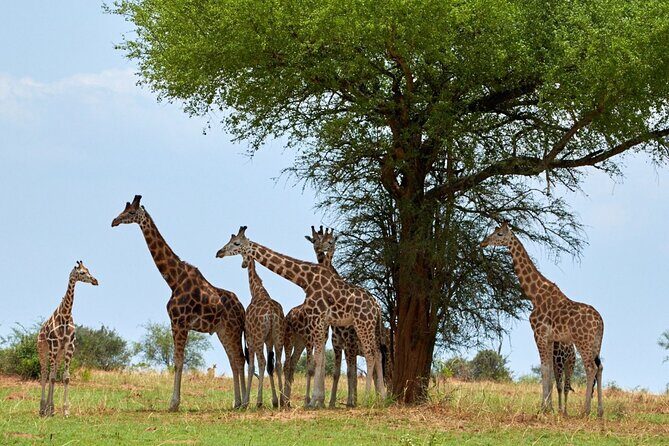
Here’s what I think makes it worth your time: you’re not just looking at giraffes in a fenced environment. You’re learning about the behaviors and habitat preferences that shape how these animals survive. In particular, the education part includes the lifestyle of Rothschild giraffes—a detail that helps you connect the dots between what you see and why it matters.
You’ll also get the experience of watching giraffes roam around the centre. It’s the kind of close-up that lets you notice differences in movement and posture, and it helps you see beyond the classic long-neck photos.
If you like wildlife experiences that come with context, this is the section that tends to land hardest for people. It turns your day into more than a checklist.

Kobe Beads Factory (optional): shopping with local impact
After the giraffes, you may have time to visit Kobe Beads Factory. This stop is optional, but it’s one of the most interesting ways to add a local connection without turning the day into a rushed shopping spree.
The factory experience centers on handmade ceramic beads and beaded products like leather purses and beaded belts. The story is practical and human: it employs local single parents, and the work supports families. The emphasis is on mothers making the products and earning an income through the craft.
What you’ll likely enjoy most is that you can buy souvenirs that feel tied to real people’s work. If you’re the type who hates buying “random things” while on a tight schedule, this is the sort of stop where the purchase can feel like part of the experience, not a distraction.
Price and logistics: what $78 really covers
The listed price is $78 per person for an about 8-hour day with pickup and drop-off. On average, people book it about 13 days in advance, which suggests it’s a popular way to fill limited time in Nairobi.
But here’s the math that matters. The tour price does not include:
- Nairobi National Park entrance fee: $43 USD
- Giraffe Centre entrance fee: $15 USD
- Lunch
So, your out-of-pocket total will be higher than $78 once you add entrances and a meal. Still, the value is solid if you’re looking for:
- a morning game drive with a guide,
- transport that makes a city-edge safari feasible,
- a conservation education stop that’s more than a quick look,
- and an optional local craft factory visit.
Also included are a few small comforts that add up on an early start: a bottle of water and a t-shirt, plus the driver guide throughout. There’s also mention of mobile tickets and group discounts, which can make it easier if you’re traveling with others.
Who this tour suits best (and who should compare options)
This is a great fit if:
- you want a safari experience without committing to a multi-day trip,
- you’re tight on time and want to see major wildlife in one day,
- you value learning as much as spotting animals,
- you like structured days with morning start times and clear endpoints.
It may be less ideal if:
- your priority is elephants or you’re counting on seeing every Big Five member,
- you want the longest possible time in the bush (this is Nairobi NP, not a faraway wilderness reserve),
- you dislike early mornings. Pickup is at 6:00 am.
If you’re comparing options, think of this as a “best-of-Nairobi-safari + giraffe education” day. It won’t replace a full safari circuit experience, but it can absolutely scratch the safari itch fast.
Practical tips to get more from the day
A day like this is mostly about comfort and timing. A few ways to make it smoother:
- Plan for extra entrance fees. Bring cash or a card you can use where you need it. The park and centre fees are separate from the base tour price.
- Dress for early morning and scanning. It can feel cooler at pickup time, then warmer later. Wear layers you can adjust.
- Bring sun protection. Even with early start timing, you’ll be outside for long stretches.
- Keep camera and water handy. Your bottle of water is provided, but you’ll still want easy access.
- Go in with flexible expectations. Wildlife spotting depends on where animals are. The guide helps you work the time well.
If you’re traveling with kids, this tour can work nicely. Feedback I saw mentioned that John helped with understanding the ecosystem for children in a clear, engaging way. Still, you’ll want to bring small patience tools: snacks, a plan for bathroom breaks, and a positive attitude about waiting for the perfect sighting moment.
Should you book this Nairobi day tour?
Book it if you want a smart, time-efficient Nairobi experience that mixes wildlife and conservation learning. The Nairobi National Park portion gives you real animal time close to the city, and the Giraffe Centre adds the kind of educational depth that makes the day feel more meaningful than a quick photo stop.
Skip it or compare alternatives if you’re expecting an elephant-or-nothing safari, or if you’d rather spend the whole day far from Nairobi traffic and city contrast. Also, be honest about the total cost once entrance fees and lunch are added.
For many people, this becomes the easiest “yes” in Nairobi because it hits two strong goals in one go: wildlife early, then learning in the afternoon, with transport handled for you.
FAQ
What time does pickup start?
Pickup starts at 6:00 am.
How long is the tour?
It runs about 8 hours.
Are entrance fees included in the price?
No. Nairobi National Park entrance is $43 USD and the Giraffe Centre entrance is $15 USD. Lunch is also not included.
Is lunch included?
Lunch is not included. There is a break for lunch after the park visit.
Does the tour include pickup and drop-off?
Yes, pickup and drop-off are included.
Is the Kobe Beads Factory visit included?
The Kobe Beads Factory visit is optional. It is listed as included as an option, depending on time and your choice.
How big are the groups?
This activity has a maximum of 100 travelers.
What is the cancellation policy?
Free cancellation is available up to 24 hours in advance for a full refund. If you cancel within 24 hours of the start time, you will not receive a refund.