REVIEW · MOMBASA
Mombasa Half Day City Tour
Book on Viator →Operated by Fort Jesus Museum · Bookable on Viator
Mombasa can feel loud on first arrival. This half-day tour gives you a calm way to understand what you’re seeing, starting at Fort Jesus and moving through key old-town stops. In just about four hours, you’ll get context for a city founded around 900 AD and a feel for local food culture along the way.
What I like most is the small group cap of 10, which keeps things conversational instead of rushed. I also like that the tour pairs major landmarks with everyday places like Marikiti/Macknon Market so you don’t just view history behind walls. You can also choose to add lunch if you want a more satisfying finish.
One thing to consider: this is still a walking tour, and Mombasa streets can be busy and noisy. It’s also weather-dependent, since the experience requires good conditions to run as planned.
In This Review
- Key things to know before you go
- Fort Jesus: the smartest place to start your Mombasa story
- Price and what the $85 buys you in real time
- Old Town on foot: markets, temple visits, and the tusks
- Marikiti/Macknon Market: spices and daily trade
- Shree Cutch Satsang Swaminarayan Temple: faith you can observe respectfully
- The Mombasa Tusks monument: a recognizable photo marker with meaning
- Old town pacing: what you should expect
- Mama Ngina waterfront: finishing near the ferries
- Small-group format: why a 10-person cap matters
- Tuk-tuks and matatus: how to enjoy the chaos without getting stressed
- Lunch upgrade: when it’s worth spending extra
- Weather, walking, and practical comfort
- Who should book this Mombasa half-day tour?
- Should you book it?
- FAQ
- FAQ
- What’s the duration of the Mombasa Half Day City Tour?
- Where does the tour start, and what time does it begin?
- What sites will we see on this walking tour?
- Is pickup included?
- How many people are in the group?
- Is lunch included in the standard price?
- Does the tour require specific weather conditions?
- What is the cancellation policy?
Key things to know before you go
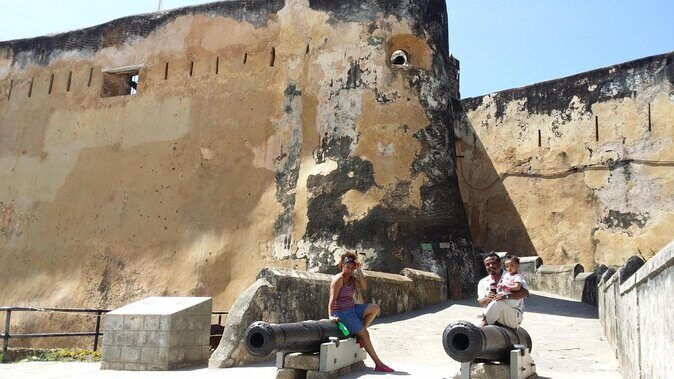
- Fort Jesus first: Start at the UNESCO-listed Portuguese fort to set the story straight fast
- Market time for real life: You’ll visit Marikiti/Macknon Market for spices and everyday local rhythm
- Faith and architecture in one loop: Stop at the Shree Cutch Satsang Swaminarayan Temple
- That elephant tusk landmark: See the famous Mombasa Tusks monument on the old-town route
- Near the ferries to end: Finish at Mama Ngina waterfront, close to the ferry area
- Optional lunch upgrade: Add a local restaurant meal for an extra fee if you want more than snacks
Fort Jesus: the smartest place to start your Mombasa story
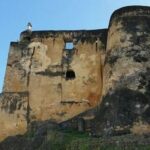
Fort Jesus is the kind of landmark that instantly changes how you read the city. From this 16th-century Portuguese fort, you can look around and understand why Mombasa mattered to traders long before most visitors ever learn the dates. It’s also UNESCO World Heritage, so you’re not just seeing a random stop; you’re seeing a place that carries weight.
When a guide starts with Fort Jesus, it helps you connect the dots instead of collecting sights. You learn what the fort is about, then you move outward through the old town with that context in your head. That makes everything that follows feel more purposeful, especially when you reach the markets and monuments.
If you’re new to Mombasa, this start is extra helpful because it gives you a clear anchor point. Instead of getting overwhelmed by tuk-tuks and matatus right away, you’ll have a handle on the history first, then the street energy feels less chaotic.
You can also read our reviews of more city tours in Mombasa
Price and what the $85 buys you in real time
At $85 per person for about four hours, this tour isn’t trying to be a bargain basement deal. You’re paying for a certified tour guide, a tight route through major sites, and a small-group format capped at 10 people. For many half-day city walks, that guide time is the difference between simply seeing places and actually understanding them.
You also get practical extras: pickup is offered and you’ll use a mobile ticket. Pickup matters more than it sounds in Mombasa, where figuring out routes on your own can eat up precious time. The mobile ticket is convenient because you’re not hunting for paper when you’re trying to meet up and start on time.
Is lunch included? Not by default. You can add it for an extra fee, which is a fair setup because it lets you choose between a lighter morning and a fuller meal. If you’re the type who wants a proper sitting-down break, I’d consider the lunch upgrade.
Old Town on foot: markets, temple visits, and the tusks
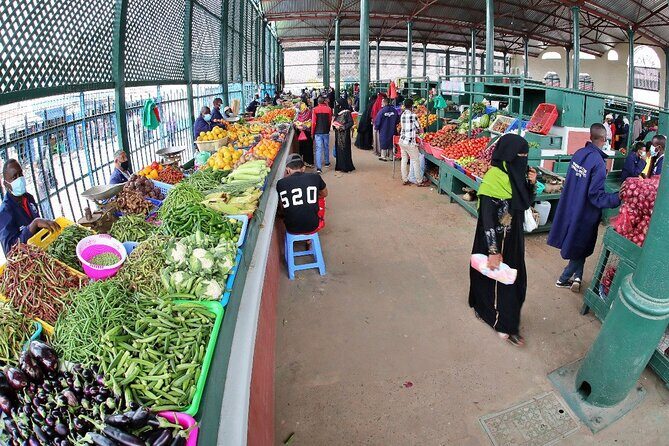
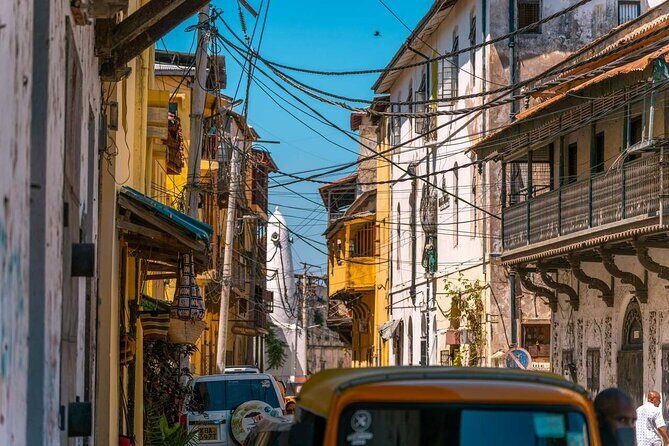
The core of the experience is walking through historic areas with stops that show different sides of Mombasa life. The tour runs through the old town and includes major highlights that most visitors would otherwise have to string together by themselves.
Marikiti/Macknon Market: spices and daily trade
One of the best parts of the route is the market stop at Marikiti/Macknon Market. Markets can become a blur if you’re just passing through, but with a guide, you can slow down and notice the details that tell you how people actually live. You’ll get a focus on local spices, which is useful because it helps you understand what you’re smelling and seeing rather than treating it like a photo stop.
Practical tip: markets are active places. Keep your pace steady, keep your phone secure, and expect some noise and movement around you. The value here is that you get context, not just a quick glance.
Shree Cutch Satsang Swaminarayan Temple: faith you can observe respectfully
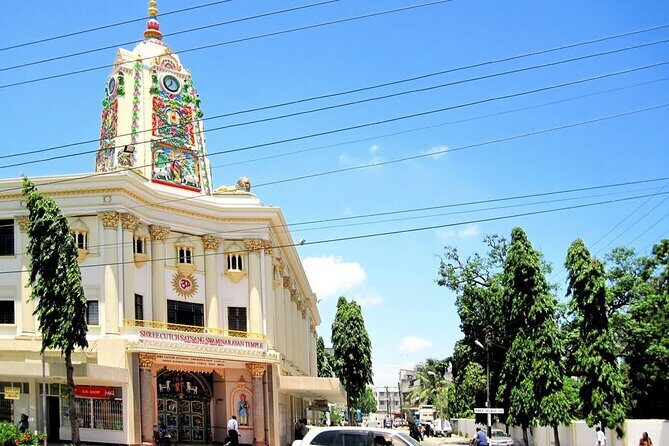
Next comes a stop at the Shree Cutch Satsang Swaminarayan Temple. A temple visit changes the tone of a city tour because it shifts you from trade and monuments to lived religion and community space. This is a good moment to slow down, look carefully at architecture and daily patterns, and understand how different cultural threads sit side by side in Mombasa.
Since the tour is short, you won’t get lost in one place for hours. Instead, you get a focused visit that fits the half-day rhythm, so you leave with a fuller mental map of what makes the city tick.


The Mombasa Tusks monument: a recognizable photo marker with meaning
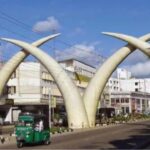
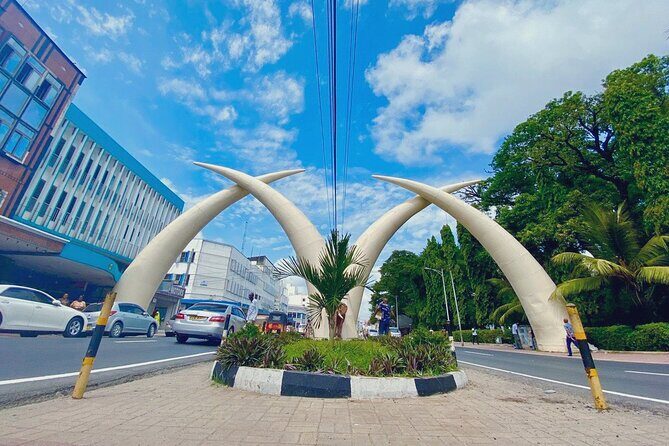
Then you reach the famous elephant tusk monument. I like landmarks like this because they’re easy to spot later and they give you an easy reference point when you’re wandering around on your own afterward. But the best part is having it explained in the bigger context of the old-town route, not just treated as a background object.
If you’re a first-time visitor, these kinds of recognizable stops are gold. They anchor your photos and help you remember where you were and why it mattered.
Old town pacing: what you should expect
This tour is designed to work in one loop: Fort Jesus first, then old-town walking with key cultural stops, then the finish near the waterfront. The four-hour timing means you won’t see everything in Mombasa, but you will see a concentrated set of meaningful highlights in a way that feels organized.
The trade-off: you’ll be on your feet for a good chunk of the morning. If you want a slower, sit-down-heavy day, you might prefer a longer tour or a mix of guided and independent time.
Mama Ngina waterfront: finishing near the ferries
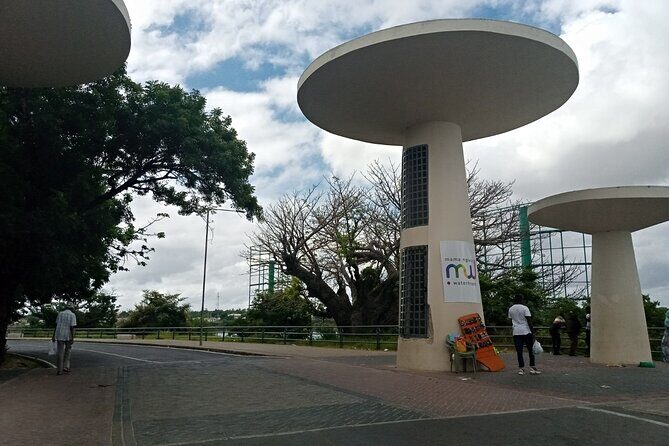
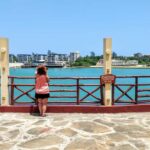
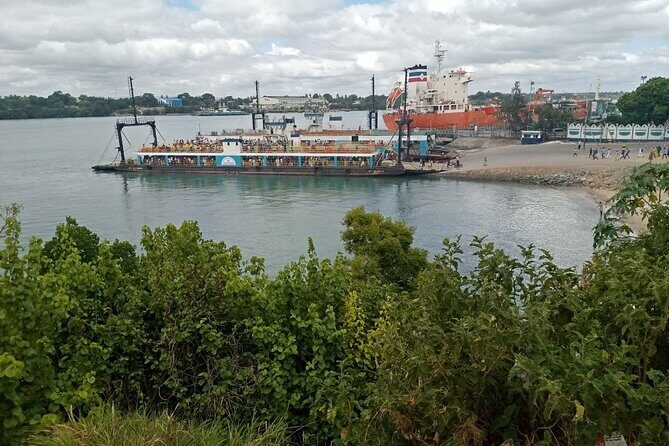
You end at Mama Ngina waterfront, close to the ferry area. That finish spot works because it shifts you from historic streets to a view of how the city connects by sea and movement. Even if you don’t take a ferry, being near the waterfront gives your brain a sense of scale: Mombasa is a trading city, and water is part of the story.
I also like the location for logistics. Finishing near public transport zones makes it easier to continue your day without feeling stuck far from everything. If you have lunch plans or want to keep exploring, this kind of ending position helps.
Small-group format: why a 10-person cap matters
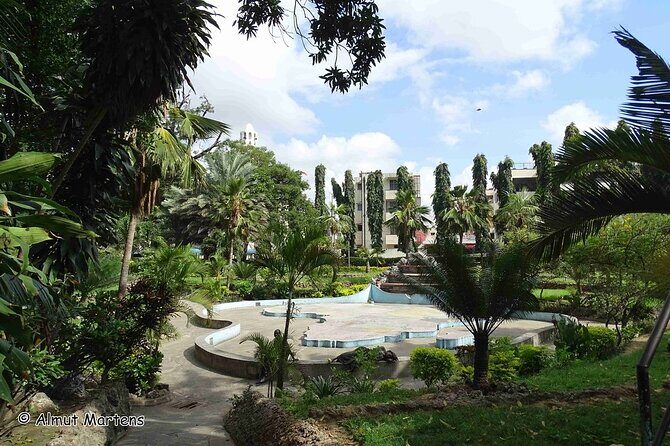
This tour is limited to a maximum of 10 travelers, and that’s not just a marketing line. In practice, smaller groups mean you’re more likely to hear the guide clearly, ask questions, and move at a human pace. It also helps with navigation because your guide can keep the group together without constant waiting.
The reviews ratings tell you the vibe: a 4.6 rating and a strong 91% recommendation signals that people mostly feel the tour is organized and runs smoothly. One detail I’d treat as a big plus: the operator is described as flexible, and the guide was praised for being excellent at explaining the sights with detail. You want that on a walking tour, because small misunderstandings can turn into wasted time.
If you don’t want your day controlled by a big bus crowd, this size feels like the right middle ground. You still get the structure of a guided itinerary, but you don’t feel like you’re herded.
Tuk-tuks and matatus: how to enjoy the chaos without getting stressed
Mombasa has a street sound that hits fast: tuk-tuks darting and matatu minibuses blasting through the noise. This tour doesn’t ignore that reality. It includes a taste of that local transport scene as part of the overall experience, which helps you acclimate rather than fear the traffic.
Here’s how I’d handle it: let the guide lead the crossing and keep your attention on footing. Don’t try to sprint between photo spots. On a guided walk, you’ll often be changing sides of the street or stepping around people and vehicles, and it’s easier when you’re moving with the group.
If you’re traveling with limited patience for loud streets, I’ll be honest: Mombasa can still feel intense. The upside is that once you get context for the city, the noise becomes part of the atmosphere instead of a problem you need to solve.
Lunch upgrade: when it’s worth spending extra
There’s an option to upgrade with a restaurant lunch for an additional fee. I like that this isn’t forced, because not everyone wants a sit-down meal during a half-day plan. If you’re hungry or want a more “done and dusted” ending, a local restaurant stop can make the tour feel complete.
If you do add lunch, plan for a slower finish afterward. Your energy will last longer, but you may not want to rush into more walking immediately. This is also a good choice if you’re trying to make one guided morning do more work for your day.
Even without lunch, the tour ends at a good spot to continue on your own. Just don’t assume you’ll want to eat right after finishing; waterfront areas can take a bit to settle your appetite.
Weather, walking, and practical comfort
The experience requires good weather. That means if conditions are poor, you’ll be offered a different date or a full refund. It’s worth keeping that in mind if you’re planning around a tight itinerary, because this kind of walking tour needs visibility and usable street conditions.
Also, since it’s a walk through historic areas, wear shoes you can trust on uneven surfaces. Bring water. And keep your phone and valuables secure, especially around markets where there’s plenty of movement.
Who should book this Mombasa half-day tour?
This tour is a strong fit if:
- You’re new to Mombasa and want a guided way to understand the city quickly
- You like a mix of UNESCO sights, markets, and cultural stops in one morning
- You prefer small-group pacing over large tour crowds
- You want a guided route that ends in a useful location near transport
It may be less ideal if you:
- Want a slow day with lots of downtime
- Have mobility limits that make walking a challenge
- Are sensitive to busy street noise and constant movement
Should you book it?
If you want a smart first look at Mombasa, I’d book this. The price feels reasonable for the combination of a UNESCO-listed fort, market culture, a Hindu temple stop, and the famous tusk monument, all guided by a certified professional. The small-group cap of 10 is a real quality marker, and the high satisfaction score suggests the tour runs well and stays organized.
I’d book it especially if you plan to explore on your own afterward. You’ll have a clearer mental map of where you are, why the city developed the way it did, and what to look for next.
FAQ
FAQ
What’s the duration of the Mombasa Half Day City Tour?
The tour lasts about 4 hours.
Where does the tour start, and what time does it begin?
The meeting point is Fort Jesus, and the start time is 10:00 am.
What sites will we see on this walking tour?
You’ll visit Fort Jesus, Marikiti Market (also referred to as Macknon Market), the Shree Cutch Satsang Swaminarayan Temple, the Mombasa Tusks monument, and you’ll end near Mama Ngina waterfront close to the ferry.
Is pickup included?
Pickup is offered.
How many people are in the group?
The tour has a maximum of 10 travelers.
Is lunch included in the standard price?
Lunch is not included by default, but you can upgrade to add a restaurant lunch for an additional fee.
Does the tour require specific weather conditions?
Yes. The experience requires good weather, and if it’s canceled due to poor weather, you’ll be offered a different date or a full refund.
What is the cancellation policy?
You can cancel for a full refund up to 24 hours before the experience starts. If you cancel less than 24 hours before, the amount paid is not refunded.