REVIEW · MOMBASA
Mombasa City Tour,Fortjesus,Oldtown,Tusks and Spice Market.
Book on GetYourGuide →Operated by Silvance Okoth Adoyo · Bookable on GetYourGuide
Fort Jesus makes Mombasa feel layered, not just scenic. On this walking city tour, I love how Silvance Okoth Adoyo ties the Portuguese, Arab, and British influences into one clear story, and I also like the hands-on way you move through Old Town and see daily life up close.
You also get a short but focused stop at the Spice Market, where you learn what locals look for in indigenous products, not just what tourists buy. The pacing is tight, so one possible consideration is that the time at each stop is limited, and Fort Jesus museum entrance is not included.
If you want a quick orientation plus real cultural context, this tour hits the sweet spot. If you’re the type who loves lingering for an hour inside a museum, you may want to plan extra time on your own after the tour ends.
In This Review
- Quick hits before you go
- Fort Jesus: Portuguese to British, mapped onto real walls
- Old Town Mombasa Island: where food, faith, and heritage show up daily
- Spice Market in 30 minutes: learning what to look for
- The Mombasa Tusks: 1952, Queen Elizabeth, and a famous photo finish
- Price and what you actually get for $45 per person
- Timing and pacing: how to avoid the common short-tour disappointment
- Who should book this Mombasa city walk
- Should you book the Mombasa City Tour with Fort Jesus, Old Town, Spice Market, and Tusks?
- FAQ
- How long is the Mombasa City Tour?
- What does the tour cost?
- What stops are included in the tour?
- How much time is spent at each stop?
- Is Fort Jesus museum entrance included?
- Is pickup included?
- What language is the live guide?
- Is this a private group tour?
- Where is the meeting point?
- Is there bottled water provided?
Quick hits before you go
- Fort Jesus told as a timeline: Portuguese, Arabs, and British connections in one walking route
- Old Town with culture in focus: food, religion, and heritage of local communities
- Spice Market practical learning: spotting indigenous useful products, not only souvenirs
- Mombasa Tusks monument with a date: built in 1952 to welcome Queen Elizabeth in Kenya
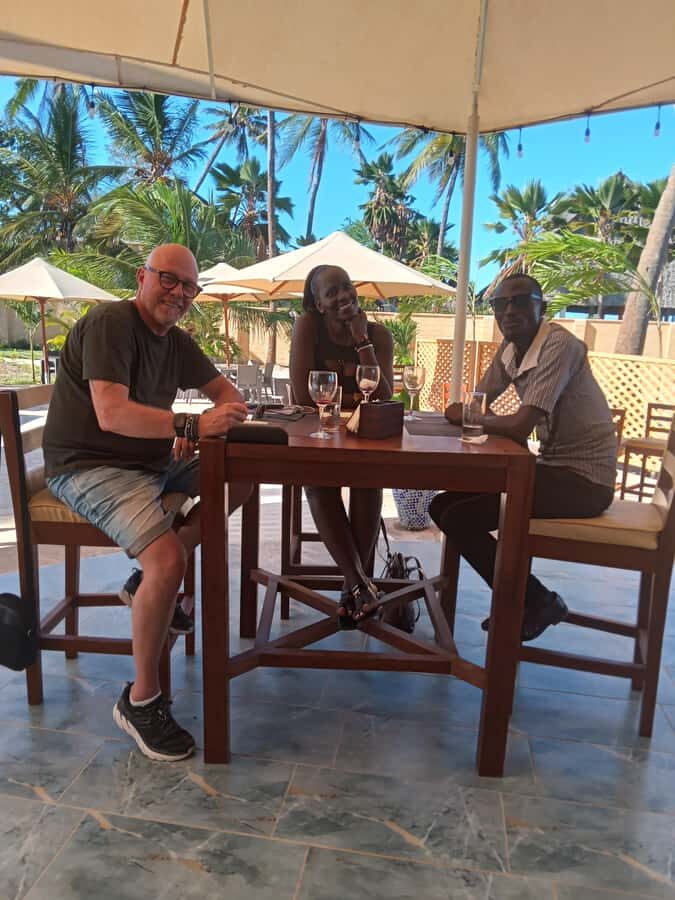
- Private group feel: smaller, more personal pace with a live guide in English or Italian
Fort Jesus: Portuguese to British, mapped onto real walls
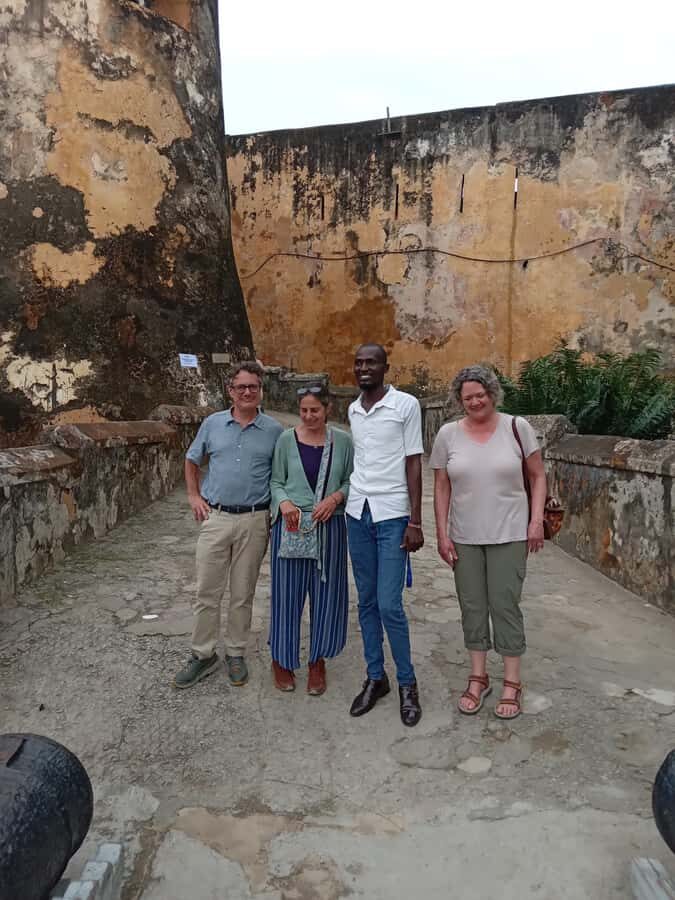
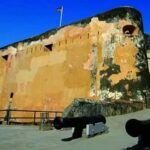
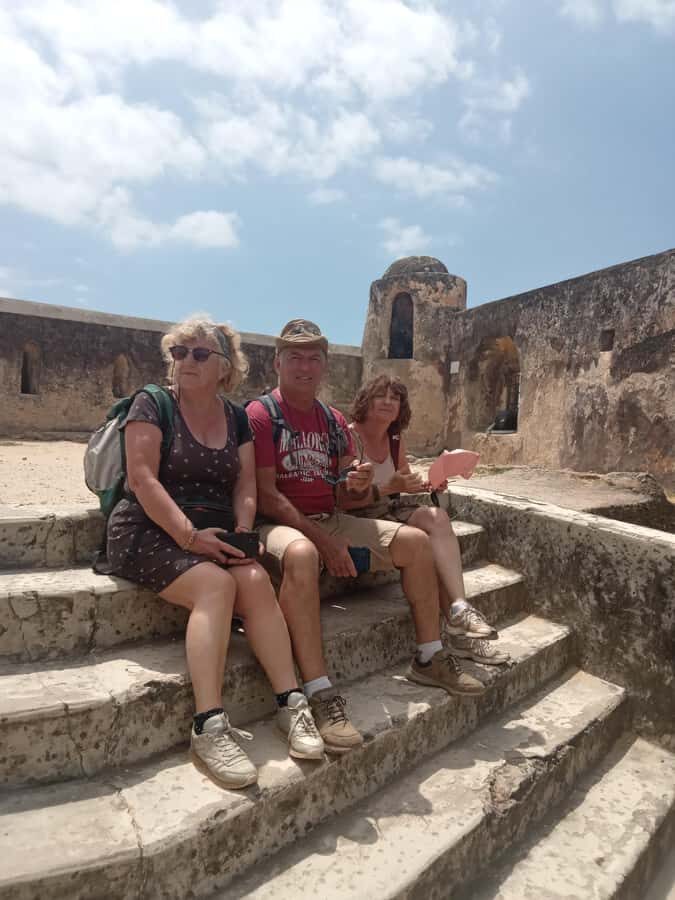
Fort Jesus is the anchor of this tour for a reason. It’s the kind of place where stone feels like evidence. You start here and spend about 2 hours learning how control and culture shifted over time, from Portuguese influence to Arab presence, and then on to the British era. The guide’s job is to connect those eras so you don’t just get random facts or dates you forget later.
What I like most is that the explanation doesn’t stay trapped in the museum-only version of history. It’s delivered in a way that helps you look at the fort itself as a working borderland: a place built for defense, but also for trade routes and contact between people. That’s why even if you only take a few photos, you’ll still walk away with a map in your head.
One practical note: the Fort Jesus museum entrance fee is not included. If you’re curious about artifacts and indoor exhibits, decide early whether you want to pay for that extra time. Since the fort portion is already scheduled at about 2 hours, adding the museum may change how quickly you move through the fort areas.
Another small thing that matters: Fort Jesus is the first stop, so it’s the moment you’ll get your bearings. If you have questions about what you’re seeing, this is the best point in the tour to ask them, because the rest of the route flows from that foundation.
You can also read our reviews of more city tours in Mombasa
Old Town Mombasa Island: where food, faith, and heritage show up daily
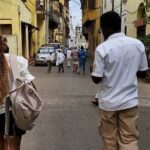
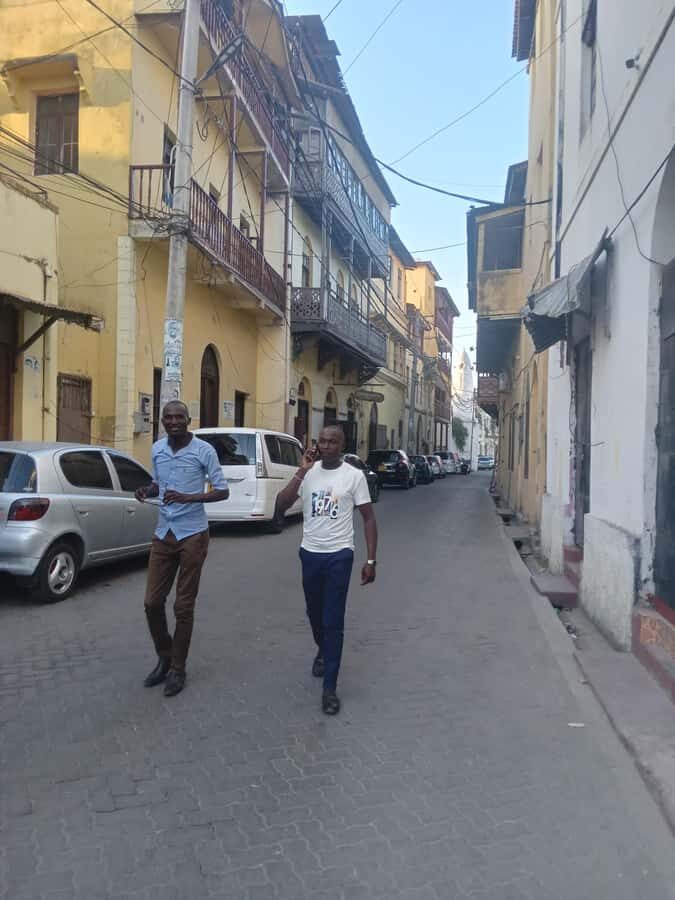
After Fort Jesus, you move into Old Town on Mombasa Island for about 1 hour. This is where the tour shifts from “walls and power” to “people and practice.” The focus is on the local culture: food, religion, and heritage—the everyday stuff that makes a city feel lived in.
Old Town is also where you start noticing how different communities shape the streets. You’re not just walking past buildings; you’re getting context for why certain places matter to locals. Some guests’ experiences also point to the route including sights tied to religion and local food culture, such as an impressive Hindu Temple and the fish market area. Even if you don’t go deep into any single site, the guide’s framing helps you recognize what you’re looking at.
This segment works especially well if you like learning through observation. You’ll likely have photo moments and short guided explanations rather than long museum-style stops. That’s a plus for many people: you keep moving, you see more variety, and you don’t lose momentum.
The drawback is time. One hour sounds like enough until you’re standing somewhere interesting and you want to read every sign or slow down for shopping. If you’re hoping to do a lot of browsing on your own, consider arriving with a plan for what you want to revisit after the tour.
Also, this is a walking portion. Wear shoes you’re comfortable in, and keep water handy. The tour includes a bottle of water, but you’ll still want to move at an easy pace—especially if the weather is warm.
Spice Market in 30 minutes: learning what to look for
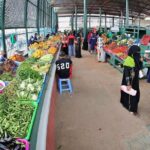
The Spice Market is next, with about 30 minutes for guided exploration. This stop is less about a quick souvenir loop and more about understanding indigenous products and how locals identify useful items.
You’ll learn how to spot and interpret products rather than just follow a list. That matters because spice markets can be confusing if you don’t know what you’re seeing. With a guide, you can connect things like aroma, plant type, and common uses to the items on the stalls. You’ll also get help thinking in practical terms: what’s likely to be used for cooking, what’s used in different forms, and why certain items show up in local trade.
There’s also a human reality here. In a market setting, vendors will often pitch products. Your guide may point out particular stalls or items, and you should feel free to simply observe and compare rather than commit immediately. If you do want to buy, this is the moment to ask questions and check what you’re actually getting.
Time is the trade-off. Thirty minutes means you’ll skim highlights. If your main goal is shopping, you’ll probably want a longer follow-up visit after the tour, using what you learned to make smarter choices.
The Mombasa Tusks: 1952, Queen Elizabeth, and a famous photo finish
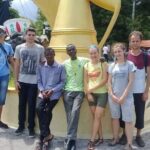
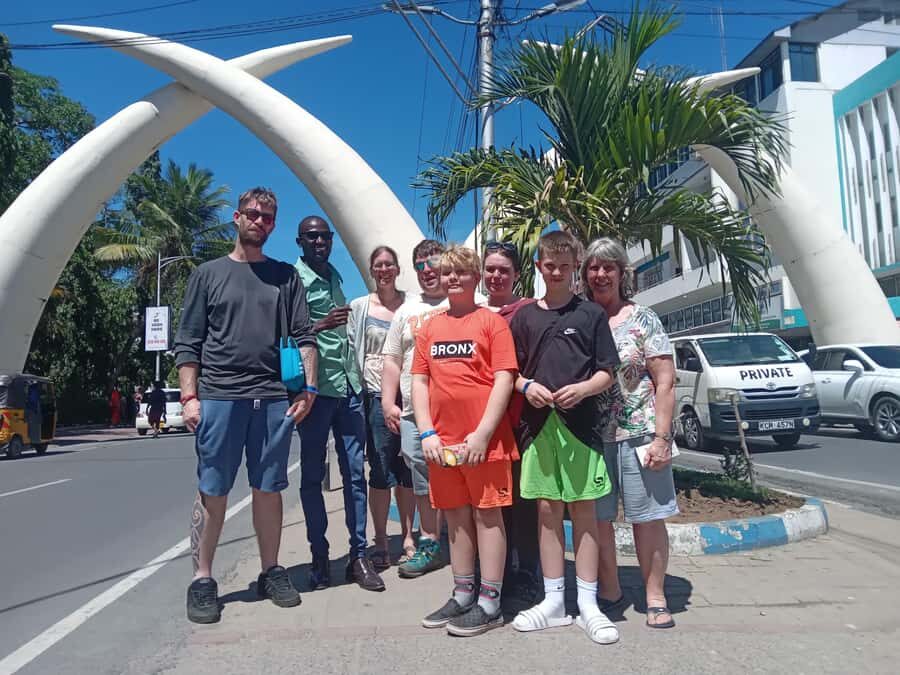
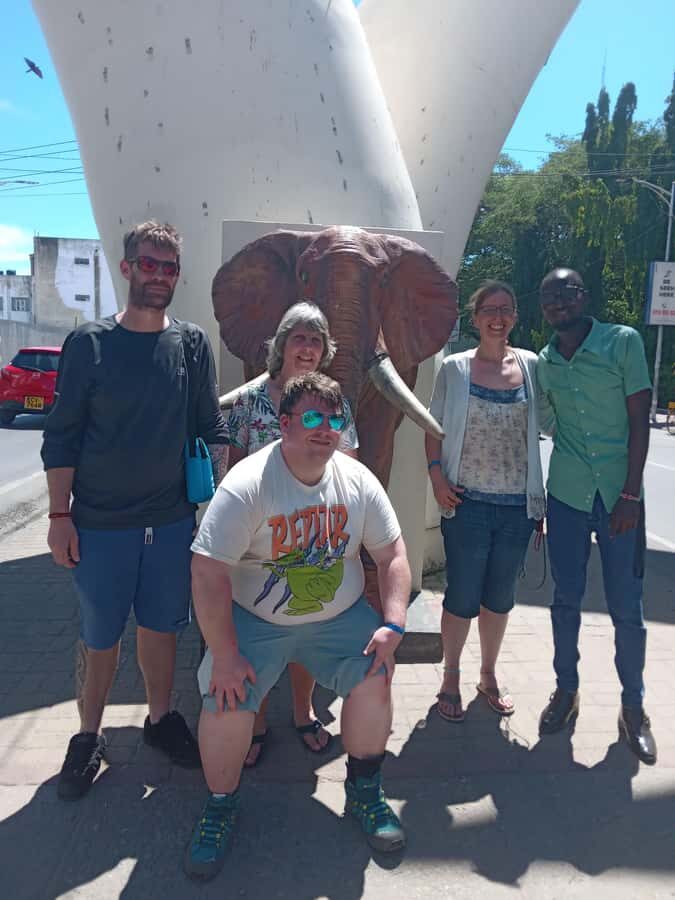
The tour ends at the Elephant tusks monument, with about 30 minutes for a final guided stop and photos. This monument was built in 1952 to welcome Queen Elizabeth in Kenya, and it’s since become a recognizable attraction.
This ending works well because it gives you a clean visual marker for the whole walk. After Fort Jesus and Old Town, you’ve been in “historical context mode.” The Tusks monument brings the story into a single, memorable landmark—one you can point to and tell others about later.
It’s also a good place to reset: you can slow down, take photos, and ask any last questions you saved up. If you’re traveling with kids or you want a low-stress finale, the short 30-minute stop is a practical finish.
If you’re planning to go elsewhere right after, this spot is a convenient reference point. It’s also where a lot of people naturally start talking about what stood out most—so it’s a nice moment to compare notes with your guide and tighten your own understanding of the route.
Price and what you actually get for $45 per person
At $45 per person for a 3-hour private walking tour, the value comes from three things you can feel right away: the order of stops, the interpretation, and the convenience.
First, the route is built to make Fort Jesus make sense before you move into Old Town culture. That sequencing saves you from the common problem of touring “sight by sight” without context. Second, you’re not left to self-explain the city. You have a live guide in English or Italian, which changes the experience from passive sightseeing into active understanding.
Third, logistics are handled inside Mombasa: the tour includes transport (pickup within Mombasa) and a bottle of water. That means you spend less time figuring out how to get between areas and more time walking and learning.
What’s not included is important for your budgeting: entrance fee at Fort Jesus museum. If you add the museum on top of the fort visit, expect to pay extra and possibly adjust how long you spend inside. The smart move is to decide before you arrive at Fort Jesus whether the indoor museum is a must-do for you.
Also, private group matters. Even though the tour is only 3 hours, a private group lets you ask questions, slow down when something catches your eye, and move in a way that feels less rushed than a big group schedule.
You can also read our reviews of more shopping tours in Mombasa
Timing and pacing: how to avoid the common short-tour disappointment
This tour is designed as a compact introduction: Fort Jesus (2 hours), Old Town (1 hour), Spice Market (30 minutes), Tusks (30 minutes). That structure is efficient, but it also means you should go in with realistic expectations.
Here’s how I’d play it if you want the best experience:
- Prioritize Fort Jesus if you’re history-focused. It’s the longest stop and the most interpretive.
- In Old Town, decide what you want more: photos or browsing. With only an hour, trying to do both can be stressful.
- In the Spice Market, treat it like learning time. If you want to shop heavily, plan an extra visit later.
- Save shopping budgets for after you learn. The guide’s explanations help you buy smarter, not just faster.
If you’re the type who hates rushing, you can still enjoy this tour—you’ll just benefit from adding personal time afterward. The tour gives you direction; it doesn’t try to replace a full day of exploring.
Finally, double-check your comfort for walking. The experience is a guided walk, so comfortable shoes and a steady pace are part of making the most of it.
Who should book this Mombasa city walk

This tour is a strong fit if you want:
- a first-timer orientation to Mombasa that connects history to street-level life
- a guide who can explain the Portuguese-to-Arab-to-British storyline without making it feel like a lecture
- a quick, structured way to see Old Town, then finish with a memorable landmark at the Tusks
- a private format with a live guide in English or Italian
It may be less ideal if you’re planning to spend long hours inside museums, because the schedule is tight and Fort Jesus museum entry isn’t included.
Should you book the Mombasa City Tour with Fort Jesus, Old Town, Spice Market, and Tusks?
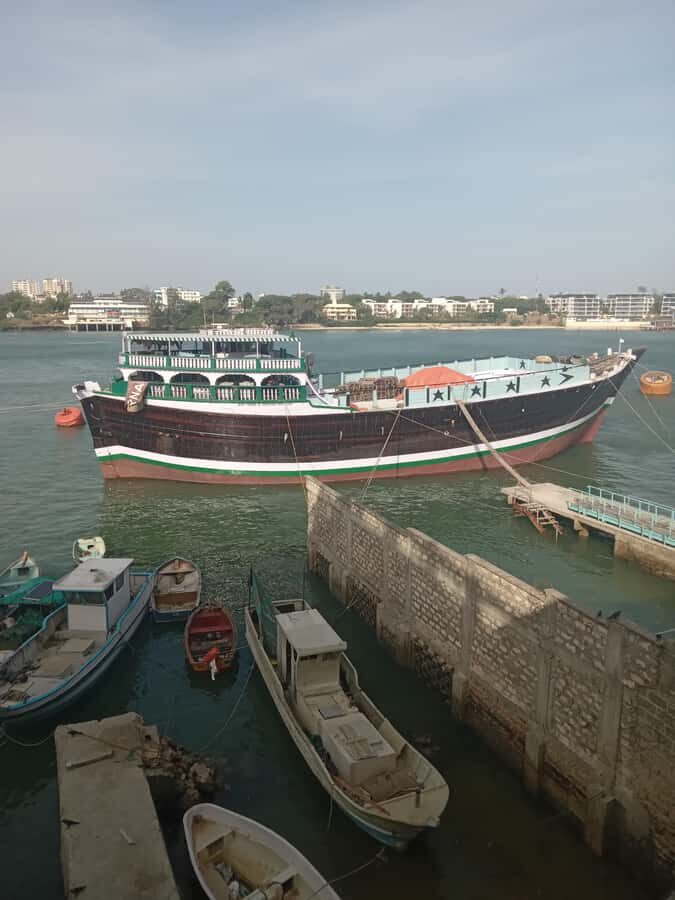
Yes, if you’re looking for a clear, guided overview that helps you understand what you’re seeing rather than just ticking off sights. The best part is the combination: Fort Jesus gives you the historical framework, Old Town shows how culture lives day to day, the Spice Market adds practical learning about indigenous products, and the Tusks monument gives you a satisfying visual finish.
Book it with one expectation kept in mind: this is a 3-hour tour with compact stops. If that matches your pace, you’ll likely find it memorable, easy to follow, and worth the $45.
FAQ
How long is the Mombasa City Tour?
The tour lasts 3 hours total.
What does the tour cost?
The price is $45 per person.
What stops are included in the tour?
It includes Fort Jesus, Old Town (Mombasa Island), the Spice Market, and the Elephant tusks monument.
How much time is spent at each stop?
The schedule is 2 hours at Fort Jesus, 1 hour in Old Town, 30 minutes at the Spice Market, and 30 minutes at the Tusks monument.
Is Fort Jesus museum entrance included?
No. The entrance fee at the Fort Jesus museum is not included.
Is pickup included?
Yes. The tour includes transport with pickup within Mombasa.
What language is the live guide?
The tour offers a live tour guide in English and Italian.
Is this a private group tour?
Yes. It’s listed as a private group.
Where is the meeting point?
You meet at Fort Jesus (the listed meeting area is marked as WMQH+3R Mombasa).
Is there bottled water provided?
Yes. A bottle of water is included.