REVIEW · MOMBASA
Mombasa: City, Fort Jesu, Old Town and Spice Market Tour
Book on GetYourGuide →Operated by Msafiri Relier LLP · Bookable on GetYourGuide
Fort Jesus plus spice air in one tidy route. I really like the Fort Jesus walls and coastal view points, and I also love the sensory overload of the spice market. The main drawback to plan for is the extra Fort Jesus entry fee, plus tight timing around pickup so you do not get left waiting.
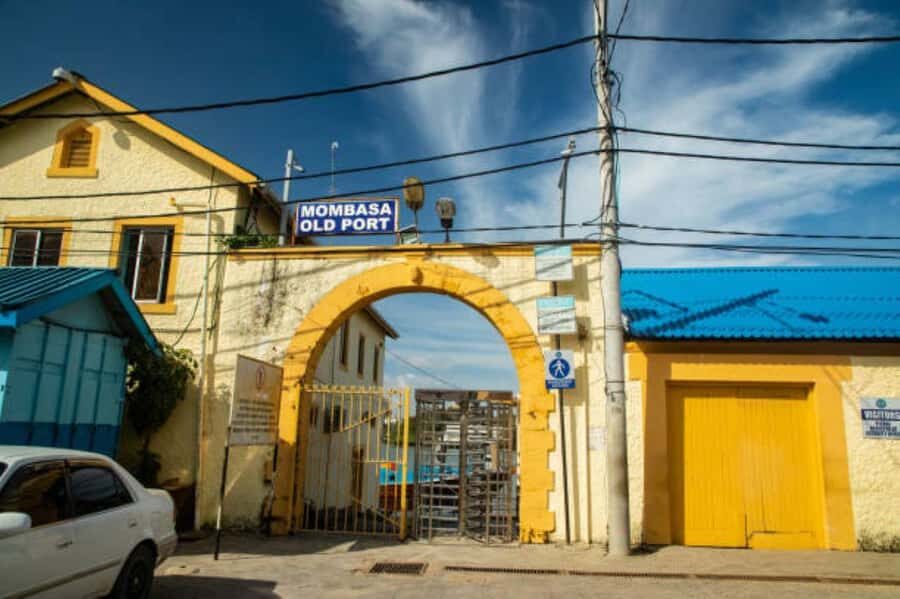
This is a compact way to understand Mombasa’s layers: Portuguese fort history, Swahili street life, and the trade links that brought Arab, Asian, and European influences into the same neighborhood. You’ll walk narrow lanes, stop for a landmark photo at the Mombasa Tusks, then end along Mama Ngina Waterfront with the Indian Ocean breeze.
If you prefer a stress-free day, keep expectations realistic: it runs 3 to 6 hours, you’ll be on your feet in old streets, and the tour may feel fast if you want long, slow browsing time in every shop.
In This Review
- Key highlights worth your attention
- Fort Jesus: the Portuguese fort that explains the whole coast
- Old Town alleys and Swahili doors: where styles collide
- Spice Market: the trade smells are the point
- Mombasa Tusks and Moi Avenue: a quick icon with a timeline
- Mama Ngina Waterfront: ocean views with the day’s pace
- Price and value: what $42 buys you (and what costs extra)
- Transport and guide language: how to avoid a stressful start
- What to bring: small checklist for a 3 to 6 hour walk
- Who this tour suits best (and who should skip it)
- The guide factor: when a great guide changes everything
- Should you book this Mombasa Fort Jesus, Old Town and Spice Market tour?
- FAQ
- How long does the Mombasa City, Fort Jesus, Old Town and Spice Market Tour take?
- What is included in the tour price?
- Is the Fort Jesus entry fee included?
- What languages are available for the live tour guide?
- Do I get hotel pickup and drop-off?
- Where can pickup happen?
- Is there free cancellation?
- Is skip the ticket line included?
- What should I bring with me?
Key highlights worth your attention
- Fort Jesus UNESCO site: A Portuguese-built 16th-century fort that anchors the whole story of Mombasa’s coastline.
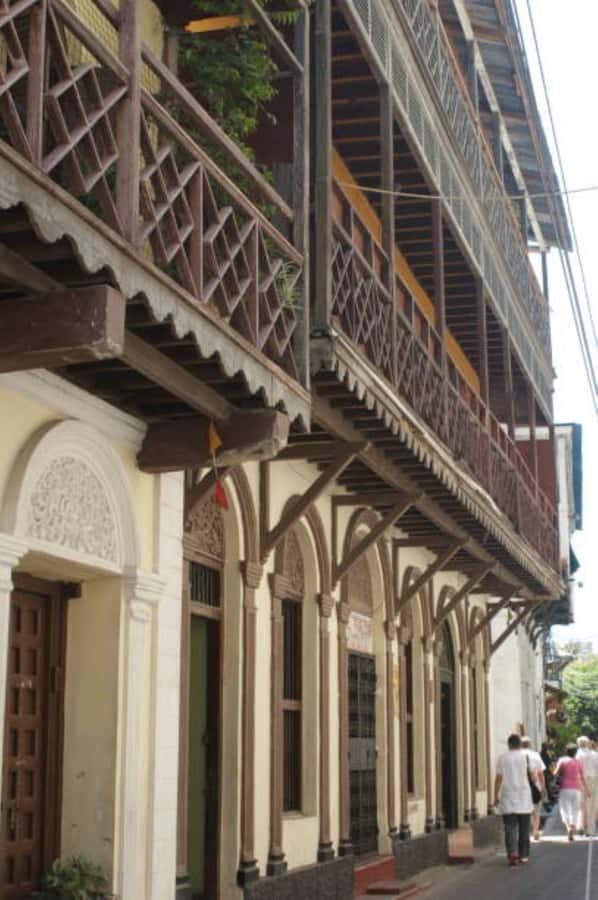
- Old Town door-to-door history: Carved doorways and Swahili architecture that reflect multiple trading cultures.
- Spice Market shopping with your nose: Cloves, cinnamon, and cardamom make this more than just a quick stop.
- Mombasa Tusks photo moment: The letter M landmark made in 1952 to commemorate Queen Elizabeth’s visit.
- Mama Ngina Waterfront wind-down: A promenade drive with ocean views and dhows you can watch as the light changes.
- Tour guide plus photo help: Photography and videography assistance is included, and you might be lucky enough to get Pierre, who’s known for strong French and quality photo sessions.
Fort Jesus: the Portuguese fort that explains the whole coast
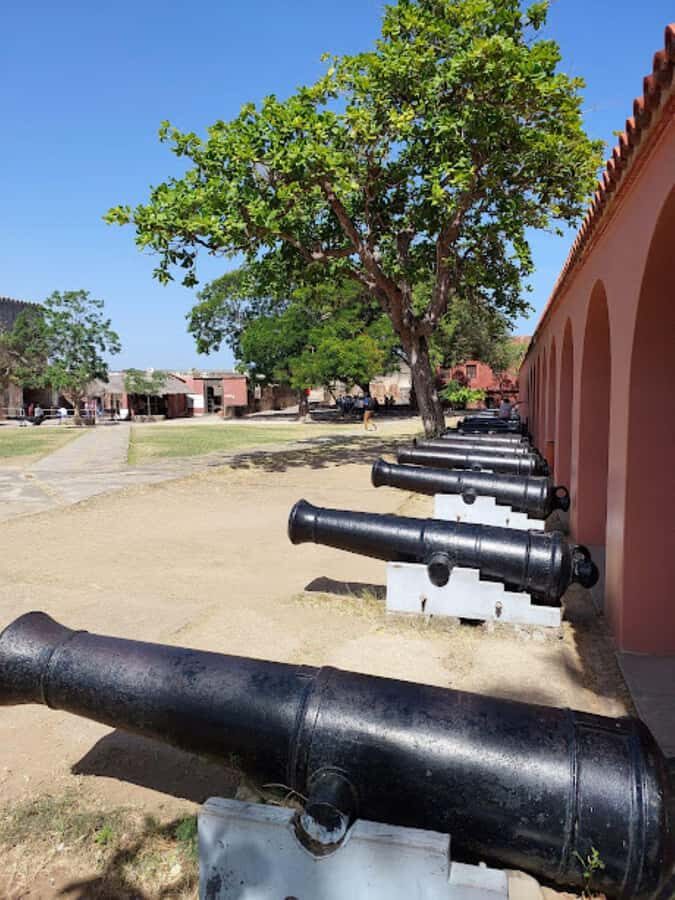
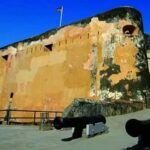
Fort Jesus is the kind of place that gives you context fast. From the start, you get the sense that Mombasa was never just “a beach town.” It was a strategic coastal point, fought over, traded through, and shaped by outsiders who wanted control of the Indian Ocean routes. Even if you only skim a few details, the layout and fort walls help you picture how people moved and defended the shoreline centuries ago.
The practical side matters too. This is a stop where you’ll want comfortable shoes and a camera ready. You’ll be moving through a major site, and it’s also where the tour’s time can feel most “structured.” One thing to budget for: Fort Jesus entry is a mandatory extra fee (listed at $10). If you hate surprises, bring the money (cash is recommended) and keep it ready before you get there.
The experience value here is in the contrast. After the fort, you step into Old Town streets and suddenly the doors, alleys, and shopfronts feel like they connect to real trade networks instead of being random scenery. Fort Jesus sets the stage, and that’s why the rest of the tour makes more sense.
You can also read our reviews of more city tours in Mombasa
Old Town alleys and Swahili doors: where styles collide
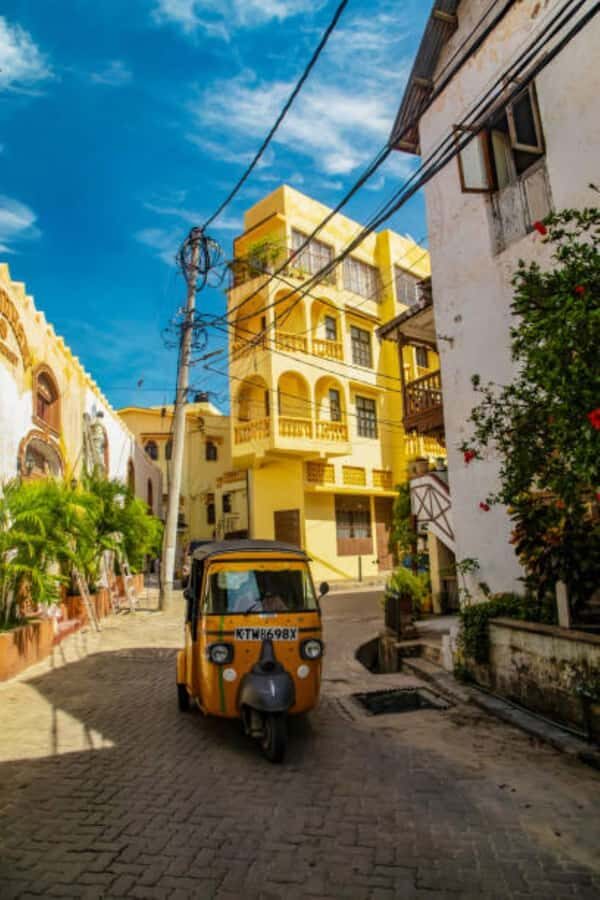
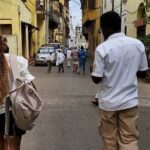
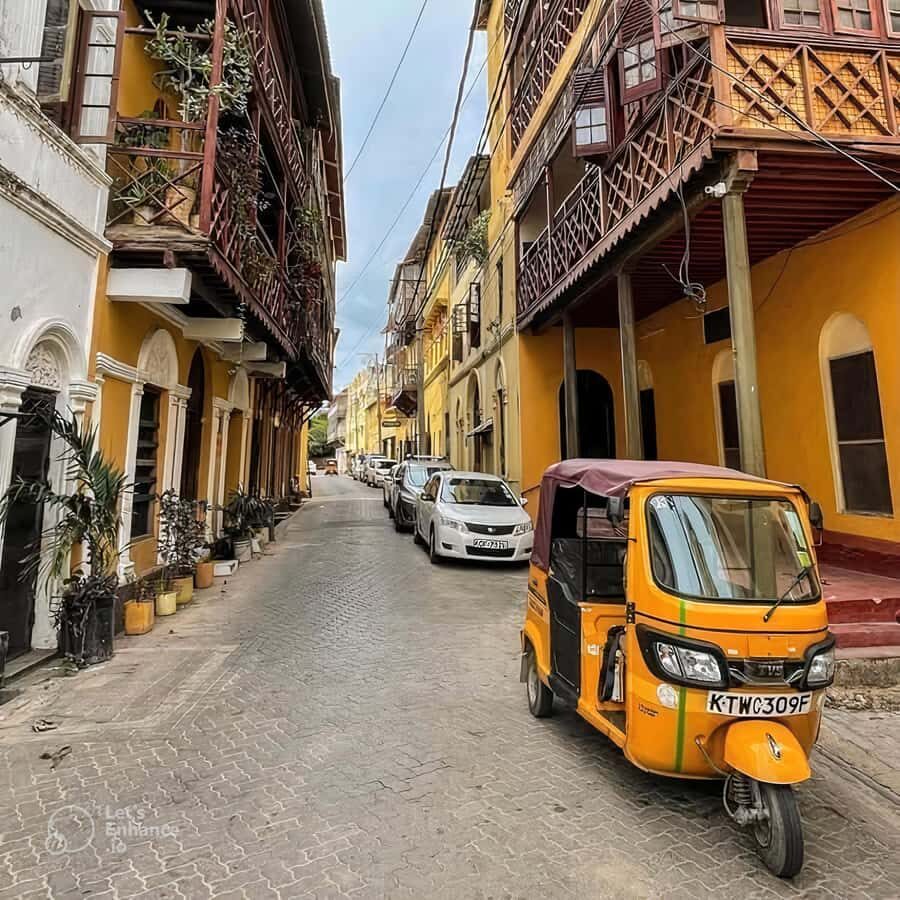
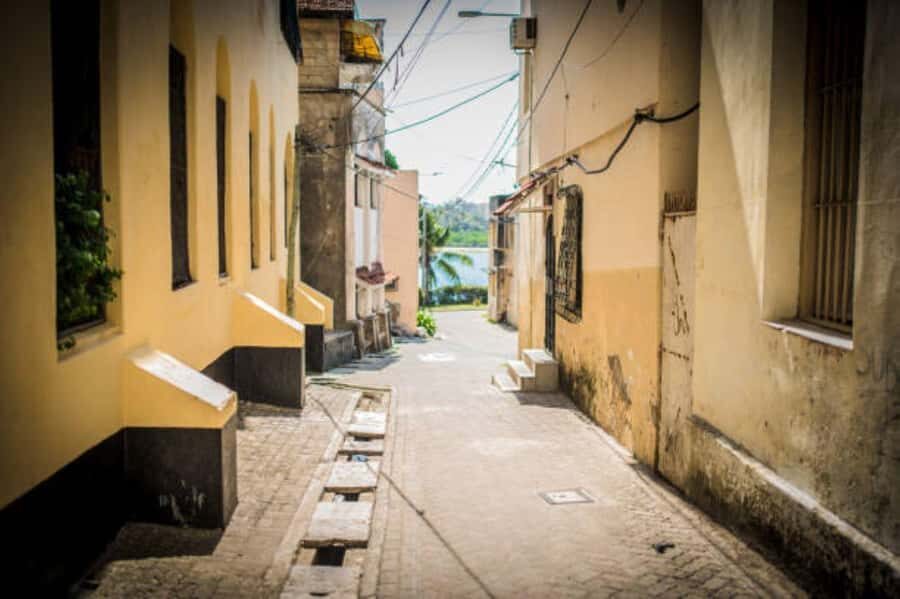
Old Town is where you get to slow down and look up. The streets are narrow, and that change in scale makes a difference. You’re not just passing by buildings; you’re noticing the craftsmanship and how everyday life fits into a compact historic area.
This stop is especially strong for architecture fans, photo lovers, and anyone who likes cultural crossovers. You’ll see Swahili architecture and intricately carved doorways that reflect Arab, Asian, and European heritage. The doors are the real star for most people, because they’re detailed, photogenic, and unmistakably made with pride.
Here’s a practical tip: plan for stops to happen in quick bursts. There are curio shops and traditional-looking houses along the way, so if you want specific items or photos, decide your priority early. If you bounce between everything equally, you may feel rushed by the end of the Old Town segment. I like using a simple rule: pick one “must-buy” category (spices, tea, or crafts) and let the rest be browsing.
Old Town is also a cultural reset button. You move from the fort’s military story to a lived-in neighborhood feel. If you enjoy people watching and street-level travel, this section is where your brain starts assembling Mombasa’s timeline as you walk.
Spice Market: the trade smells are the point
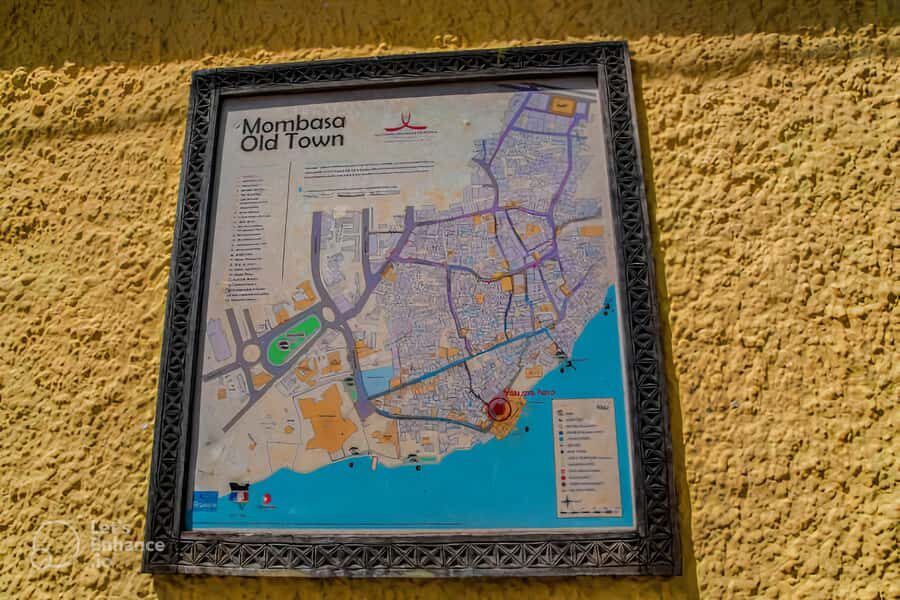
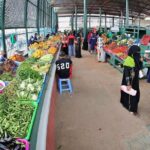
Then you hit the Spice Market, and it becomes very hard not to pay attention. This is one of those stops where your senses do most of the work. Cloves, cinnamon, and cardamom fill the air, and suddenly “spices” stop being a menu word and become a physical experience.
Shopping here is also where you can get good value, if you buy with intent. The tour is built around shopping opportunities, including spices, teas, and handmade crafts. If you have a budget, decide what you’re actually taking home. Spices and tea are easy souvenirs because they’re lightweight and useful. Crafts can be more delicate and may take more care in packing, but they’re often more personal.
A smart approach is to smell first, ask questions second, and only then buy. If you’re buying loose spices, think about whether you want whole pieces (like cinnamon sticks) or ground. Whole tends to keep aroma longer, but it’s a bit more bulky. Ground is convenient, but it can lose punch faster if exposed to air and heat.
One more practical consideration: market shopping can be a little time-consuming, and the tour is still 3 to 6 hours total. If you want deep comparisons, go a touch slower at the start. If you sprint through at the end, you’ll end up paying more just because you feel pressured to finish.
Mombasa Tusks and Moi Avenue: a quick icon with a timeline
After the market, you get an iconic landmark break: the Mombasa Tusks along Moi Avenue. They’re twin tusks forming the letter M, and they were built in 1952 to commemorate Queen Elizabeth’s visit. That historical detail is useful because it tells you these aren’t random statues meant only for selfies. They’re a memory marker from a specific moment in the city’s modern identity.
This stop is short, but it’s a good one. It gives you a landmark reference for later, and it helps you orient the city visually. If you’re traveling with someone who loves “one must-do photo,” this part usually satisfies that need quickly so you can stay happy through the rest of the day.
Mama Ngina Waterfront: ocean views with the day’s pace
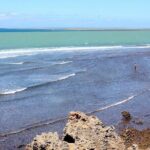
To close, you drive along Mama Ngina Waterfront, a popular promenade overlooking the Indian Ocean. This is a great “exhale” moment. You’re not in a museum now, and you’re not in shop mode. You’re looking out toward the water, feeling the ocean breeze, and noticing the traditional dhows sailing by.
This is also where your photos improve without extra effort. Waterfront light tends to flatter people and buildings, and the moving boats add a sense of life to the frame. If your day started hot, the waterfront often feels like the first real cooling period.
I like ending tours like this because it connects history to a living seascape. Mombasa’s past was made by trade routes, and the waterfront is where you can still see the sea working in the background.
You can also read our reviews of more shopping tours in Mombasa
Price and value: what $42 buys you (and what costs extra)
At about $42 per person, this tour is positioned as a value route: you’re paying for guided touring of Fort Jesus area, Old Town walking time, Spice Market time, and transport between stops using tuk-tuk. It also includes drinking water, free internet, and photography/video assistance.
But you should go into it with one key expectation: Fort Jesus entry fees are not included. The listing gives Fort Jesus as $10 mandatory. That’s normal for many UNESCO-type sites, but you should budget for it early so the day stays smooth.
So is $42 worth it? For me, the answer depends on how you travel.
- If you like having someone map out the day and explain what you’re seeing, the guide and itinerary structure make sense.
- If you prefer total freedom to wander and don’t care about a guided narrative, you might find you can DIY pieces of it cheaper.
- If you want photo support, included help is a small but real quality-of-life bonus.
Also note the time window: 3 to 6 hours. If you’re staying near Nyali, Mtwapa, Bamburi, or Mombasa city center, pickup-and-drop can make it efficient. If you’re on the far edges like Tiwi or Ukunda, travel time can eat into how long you spend at each stop, so you may want to keep your shopping goals tight.
Transport and guide language: how to avoid a stressful start
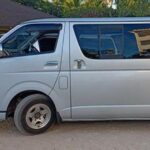
This tour includes pickup from multiple hotel areas and uses tuk-tuk transport during the tour. The actual vehicle for pickup can vary depending on the number of guests. The guide is available in English and French, and the tour is private group, which matters because you’ll get less “herding” than with big group tours.
Still, this is where you should be a little proactive.
1) Confirm pickup details
If pickup is wrong or late, the whole day shifts. Before you go, I’d message to confirm your pickup location exactly as written by the operator and the time window you should be ready. Bring your patience, but also bring your phone.
2) Ask about comfort in hot weather
One practical issue that can ruin a tour is overheating in transit. The area can get very hot, so ask if the pickup vehicle is cooled or comfortable. You do not want to feel cooked before you even start Fort Jesus.
3) Verify the guide’s language
Even when a guide is listed as speaking French, communication quality can vary. If French matters to you, confirm in advance that your guide can comfortably guide in French and keep a conversation going. If you mainly want English, confirm that too, so you can relax.
4) Be clear about ticket payment
Fort Jesus entry is mandatory and comes with a cost. Make sure you understand how many tickets are needed for your party and how payment is handled at the site. Having that clear upfront helps avoid awkward disputes at the entrance.
If you do those four things, you’ll protect the best parts of the tour: walking Old Town with confidence and enjoying the market without feeling rushed or flustered.
What to bring: small checklist for a 3 to 6 hour walk
This tour asks for the basics, and it’s worth following them. Bring:
- Passport and/or ID (passport for entry checks is often the safest route)
- Comfortable shoes (Old Town streets are not shoe-sneaker friendly for fashion-only footwear)
- A hat for sun protection
- Camera
- Comfortable clothes
- Cash (for Fort Jesus entry and any shopping)
- If traveling with kids: passport or ID for children
You’ll also want to think about water and snacks. Drinking water is included, but the tour package doesn’t include food and drinks, so plan a meal before or after if you’re the type who gets hungry on a schedule.
Who this tour suits best (and who should skip it)
This is a good match if you want a structured overview of Mombasa in a short window. It’s ideal for:
- First-time visitors who want Fort Jesus context plus Old Town walking time
- People who enjoy markets and want a chance to shop spices, teas, and crafts
- Photo lovers, since photography and videography assistance is included
- Travelers who like a private group format
It may be less suitable if:
- You use a wheelchair (wheelchair access isn’t suitable per the tour info)
- You have diabetes (the tour info says it’s not suitable)
- You want long, slow time in each shop without a set flow
Also, think about the walking. Even with transport between major stops, you’ll be on your feet for parts of Old Town and during site time at Fort Jesus.
The guide factor: when a great guide changes everything
A tour like this lives or dies on the guide. You get the most out of Old Town door details and Fort Jesus history when the explanation is clear and paced. The tour includes a live guide in English or French, and photography/video assistance is part of the package.
One name worth noting is Pierre. When people get Pierre, they’ve praised his French and his ability to handle quality photo shoots. You should not assume you’ll get him, but if the operator can share guide assignments ahead of time, it’s worth asking.
Even without a “named” guide, you can usually judge quickly once you’re moving: do they point out what matters, and do they keep the pace reasonable? That’s where the tour becomes more than just a checklist.
Should you book this Mombasa Fort Jesus, Old Town and Spice Market tour?
If your priority is a fast, guided route connecting Fort Jesus, Old Town architecture, the Spice Market smells, and a waterfront finish, this tour makes a lot of sense for the money. It’s the kind of day that gives you context and photos without requiring hours of planning.
I’d book it if you:
- Want a guided narrative in English or French
- Plan for the Fort Jesus $10 entry fee
- Like markets but still want someone to keep you on track
- Prefer pickup and a private group format
I’d pause and double-check the “smoothness factors” if you:
- Are arriving at pickup points late or uncertain
- Care a lot about vehicle comfort in high heat
- Need French language guidance specifically and want it to be strong
- Don’t want any ticket payment confusion at the entrance
Do that quick prep, and you’ll likely end up with the best kind of Mombasa souvenir: a clear mental map of the city, plus the scents (and maybe a bag of spices) to keep the memory going long after you leave the coast.
FAQ
How long does the Mombasa City, Fort Jesus, Old Town and Spice Market Tour take?
The duration is listed as 3 to 6 hours, depending on starting times and how the day runs.
What is included in the tour price?
The tour includes Fort Jesus, Old Town, and Spice Market stops, tuk-tuk transport, drinking water, free internet, and photography and videography assistance.
Is the Fort Jesus entry fee included?
No. Park entry fees are not included, and Fort Jesus entry is listed as $10 (mandatory).
What languages are available for the live tour guide?
The live tour guide is available in English and French.
Do I get hotel pickup and drop-off?
Yes. Pickup is included from your hotel reception or place of residence, and drop-off is available at listed locations.
Where can pickup happen?
Pickup locations include areas such as Shanzu, Nyali, Bamburi, Mtwapa, Mombasa, Diani Beach Road, Tiwi Beach, Nyali Beach, and Ukunda.
Is there free cancellation?
Yes. You can cancel up to 24 hours in advance for a full refund.
Is skip the ticket line included?
Yes, skip the ticket line is included.
What should I bring with me?
Bring a passport and/or ID card, comfortable shoes and clothes, a hat, a camera, and cash.