REVIEW · NAIROBI
From Nairobi: Horseback Wildlife Safari with Transfer & Meal
Book on GetYourGuide →Operated by RUYAH ADVENTURES · Bookable on GetYourGuide
Horseback beats the usual Nairobi safari grind, because this day trip turns wildlife time into a quiet ride on the open savannah. You’re picked up in Nairobi, transferred to Central Kenya (about a 2-hour drive), and guided on horseback with views of animals—plus a lunch stop before heading back.
I really like the calm way you see wildlife. Reviews and the activity design both point to a quieter experience on trails than the usual engine-and-speaker game drive, and you can still aim for sightings like giraffes, zebras, and antelopes in their natural setting.
One consideration: it’s not suitable for pregnant women or people with back problems. That restriction matters more than most people expect, because the day includes both driving time and time in the saddle.
In This Review
- Key points at a glance
- From Nairobi to Central Kenya: how this day trip really works
- The transfer and arrival: the part people underestimate
- Your 1-hour guided horseback safari: safe, paced, and built for all levels
- Wildlife spotting from horseback: what sightings can look like
- The lunch stop in a local restaurant: hearty fuel on the way back
- Small group + guides in English and Swahili: what that adds to the day
- What to pack (and what not to do) for a comfortable ride
- Price and value: why $235 can be fair for what’s included
- Who should book this horseback wildlife safari?
- Should you book RUYAH ADVENTURES?
- FAQ
- How long is the horseback wildlife safari from Nairobi?
- Do I need prior riding experience?
- What wildlife might I see during the ride?
- Is lunch included?
- Does the tour include pickup from my hotel or Airbnb?
- Is this tour suitable for pregnant women or people with back problems?
- What’s the cancellation and payment flexibility?
Key points at a glance
- 1-hour guided horseback safari designed for first-timers through experienced riders
- Wildlife viewing from horseback with a chance to spot giraffes, zebras, antelopes, and more
- Hotel/Airbnb pickup from Nairobi plus return transfers (about 2 hours each way)
- Small group feel (up to 10 people) and live English/Swahili guide support
- Lunch included only if you select the meal option (drinks are not included)
From Nairobi to Central Kenya: how this day trip really works
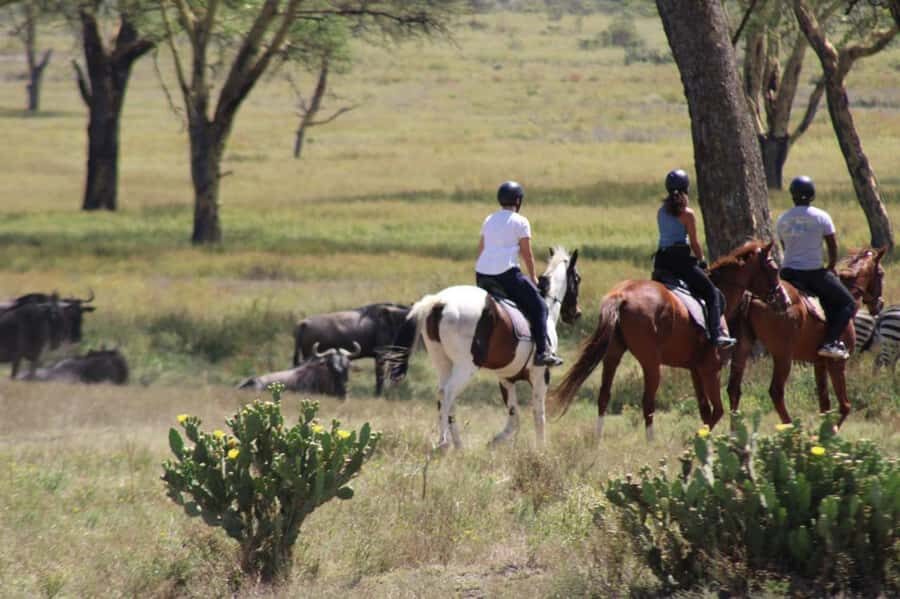
This is one of those Nairobi experiences that feels like a break from the city without turning your whole day into chaos. You start with pickup from your hotel or Airbnb in Nairobi, then settle into a straightforward transfer out to the riding area in Central Kenya. Expect roughly a 2-hour drive each way, so you get a full day outdoors but not an all-day slog.
What I like about this format is that it gives you a change of pace. You’re not just driving through a park; you’re actually moving across the savannah on horseback, following a guide’s pace. That shift changes how you notice the place—sounds, movement, and how quickly animals appear when you’re not bouncing around in a vehicle.
Also, the group size is capped at 10. That matters because it usually means more attention when you’re learning your cues, and less crowding when you’re trying to watch wildlife.
A few more Nairobi tours and experiences worth a look
The transfer and arrival: the part people underestimate
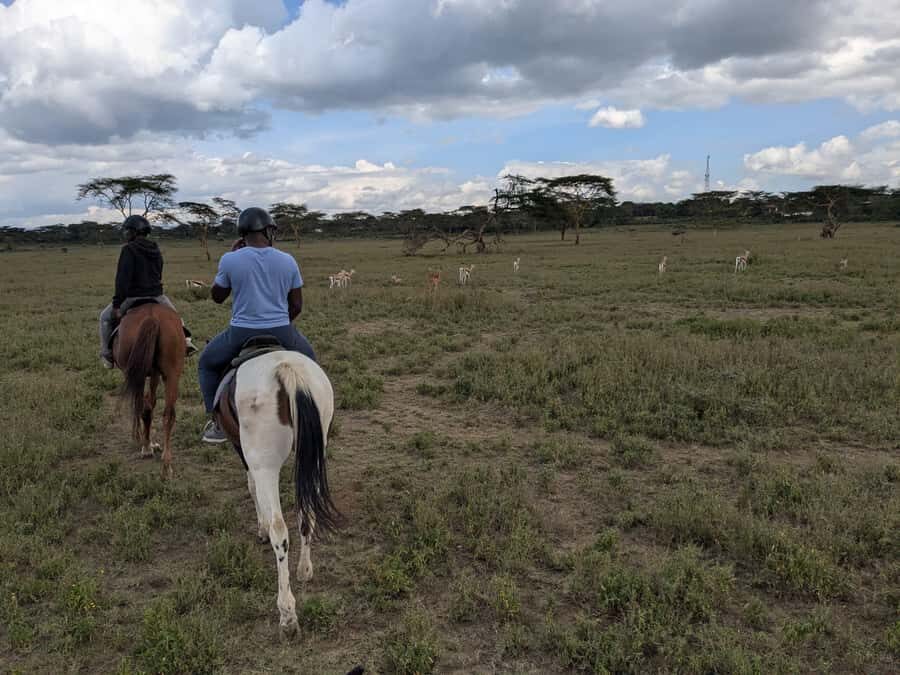
The ride out of Nairobi is not just logistics; it sets your mood. By the time you reach the riding location, you’ve already started switching from city mindset to nature mindset. The activity notes that you’ll be contacted one day prior with details, and you can share your preferred pickup time even if it’s outside listed slots, subject to availability.
When you arrive, you’re welcomed by the guides and introduced to your horse. That introduction is key. Even if you’re an experienced rider, you want to learn how the horse responds in this specific environment and with this guide’s system. One review specifically mentioned that the horses were calm and followed the guide, and that matches what you want in a wildlife-focused ride where everyone needs to move as one group.
Practical tip: treat this as a long day. Build a simple routine—water in the morning, sunscreen, and a hat—because once you’re in the transfer window, you’ll want to feel comfortable from the start.
Your 1-hour guided horseback safari: safe, paced, and built for all levels
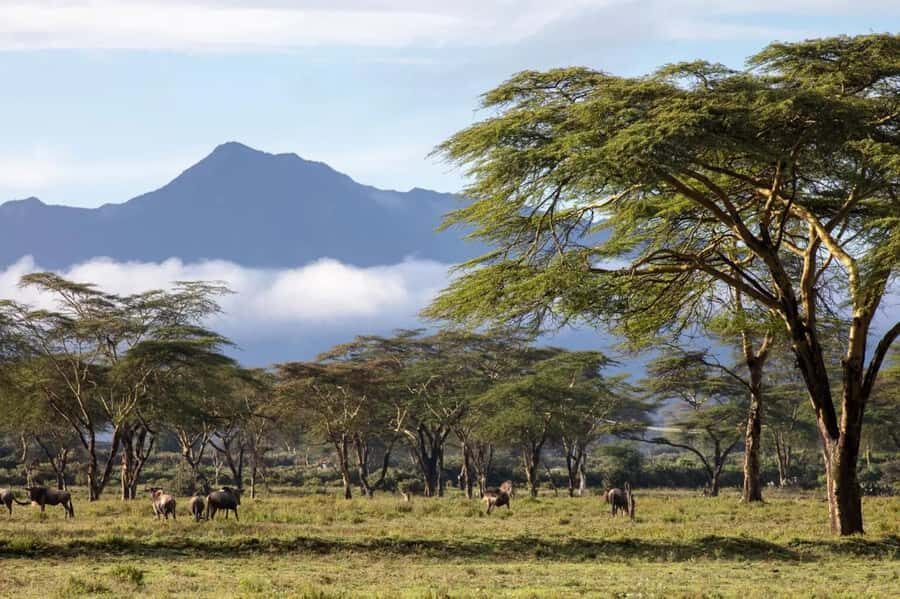
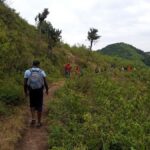
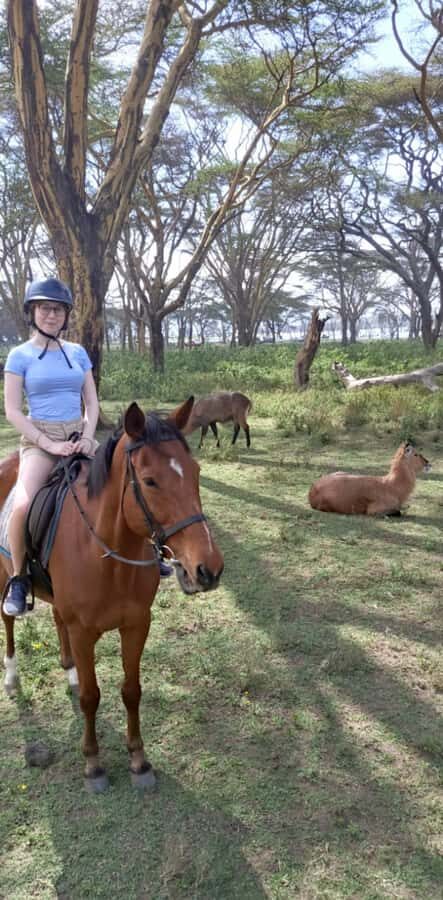
The heart of this experience is the guided horseback safari ride, about one hour. The route is described as peaceful trails and open spaces of the savanna. It’s designed for all levels, including first-timers, and that’s backed up by the type of feedback you’ll see—people reporting they felt safe, got clear instructions, and had calm horses that were easy to manage.
Here’s what that means for you on the ground:
- You’re guided, so you’re not out there improvising around animals.
- The pace is meant to help you watch wildlife, not just “cover distance.”
- You’ll get an introduction before you start, so you know how to work with your horse.
If you’re new, the biggest difference vs. a basic riding lesson is that you’re combining riding with wildlife awareness. The guides’ job is to manage the group and keep things smooth, so the best outcome comes from listening early and following guidance exactly when it comes time to slow down, stop, or move as a unit.
Safety note that you should take seriously: one review included a hard reminder that rider stress can affect how a horse reacts. The lesson is simple—your job is to ride with the horse and the guide’s instructions, not against them. If something feels off, speak up right away and let the guide adjust what you’re doing.
Wildlife spotting from horseback: what sightings can look like
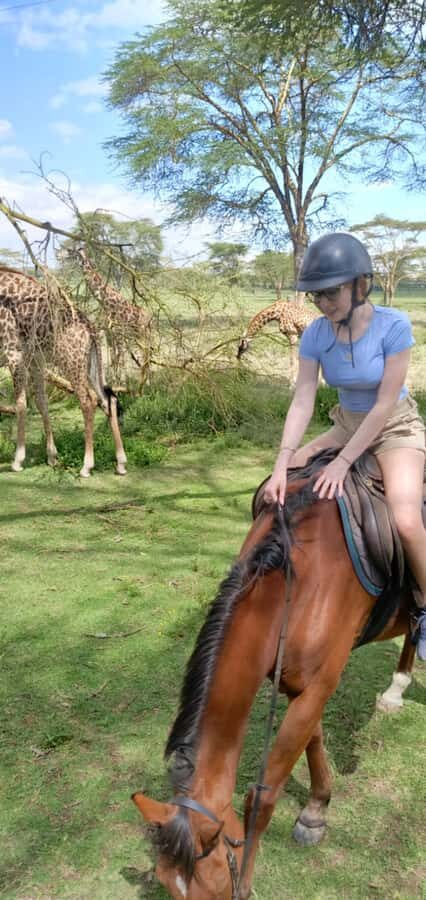
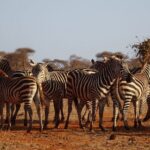
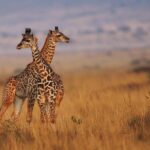
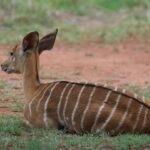
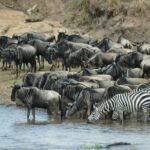
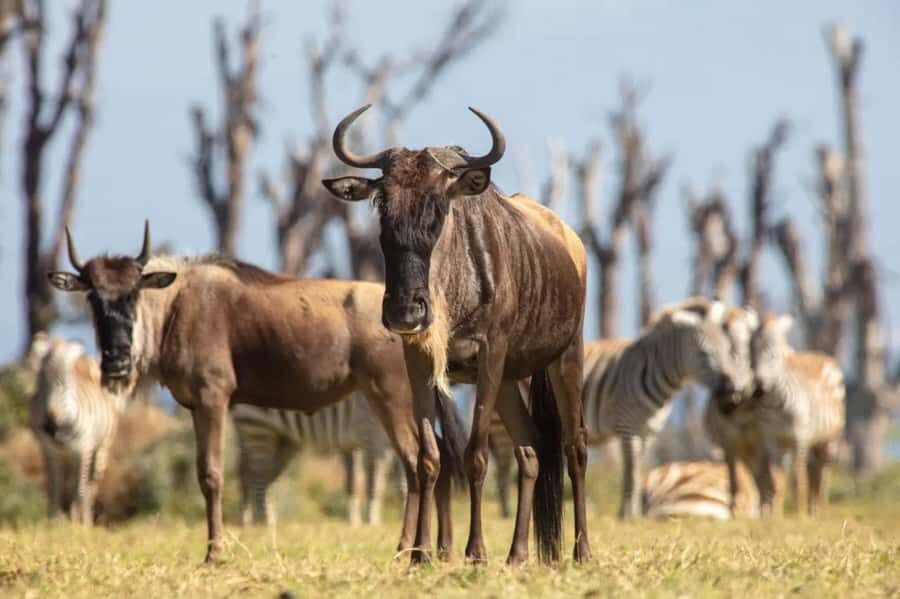
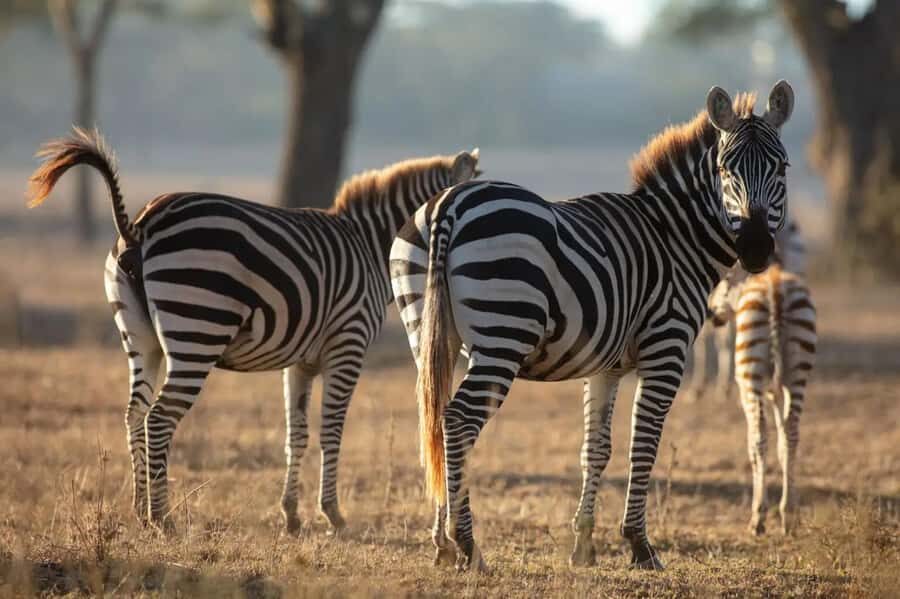
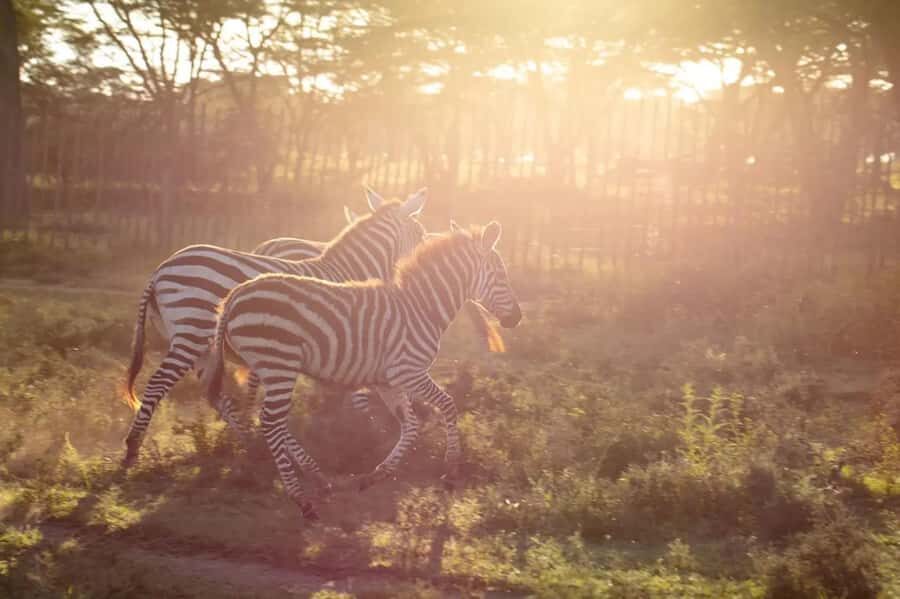
This safari is built for wildlife viewing from horseback, with a chance to spot animals such as giraffes, zebras, antelopes, and more. The key word here is chance. You shouldn’t plan your day around one guaranteed sighting.
But horseback viewing can be rewarding in a different way than a vehicle ride. You’re lower-impact and quieter, and the activity specifically emphasizes the chance to experience wildlife without the sound of engines. That matters because animals react to movement and noise in real time. When the group is calm and the ride is paced well, you can often notice animals appearing with less disruption.
What to do if you want the best odds:
- Keep your attention up and scan slowly; don’t stare at the ground.
- Follow the guide’s positioning—if they shift your angle, it’s usually to improve sightlines or reduce disturbance.
- Be patient. The savannah is large, and sightings can happen quickly.
And one more reality check: you might see animals near enough for satisfying looks, or you might only spot them as distant silhouettes. Both are still part of the experience—this is about being in the environment, not about turning every moment into a checklist.
The lunch stop in a local restaurant: hearty fuel on the way back
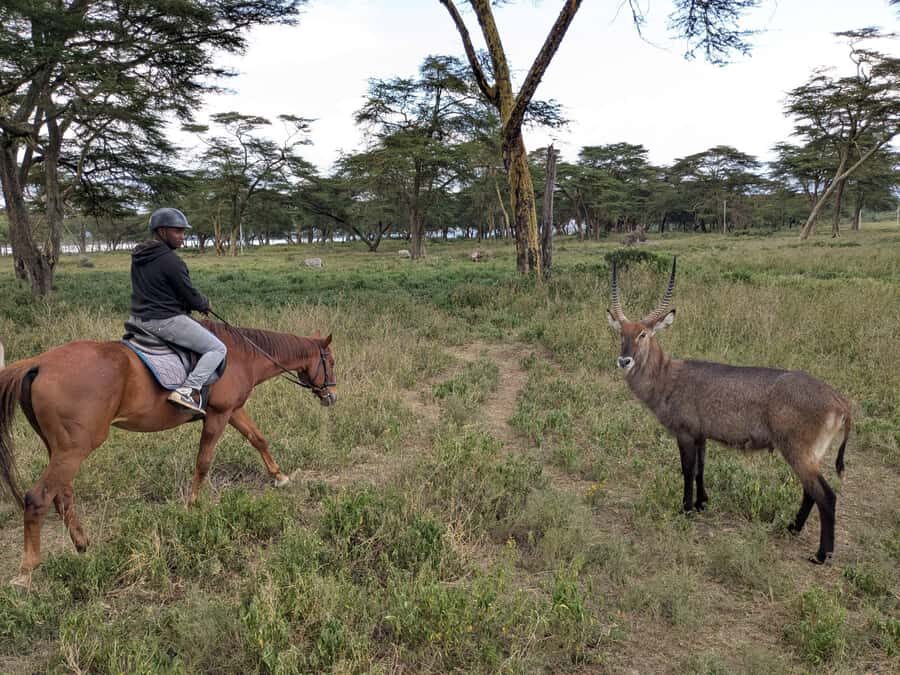
After the ride, you’ll head for a hearty lunch at a selected local restaurant. The activity also mentions that a meal at a conservancy restaurant is included if you select that option.
So you have two practical scenarios:
- If you select the meal option, lunch is part of the tour package.
- If you choose not to, you’ll still have a structured break, but you may need to plan for food based on what’s available through the operator’s normal flow.
A useful detail from one review: someone who chose an option without the included meal still ate from the conservancy restaurant, and described the food as excellent, even mentioning zebra-themed place settings. Even if you skip the included meal option, the conservancy area’s restaurant stop is still worth budgeting time for.
Either way, treat lunch like your recovery block. You’ll likely have a bit of saddle fatigue, and a proper meal helps you enjoy the drive back instead of feeling wiped out.
A few more Nairobi tours and experiences worth a look
Small group + guides in English and Swahili: what that adds to the day
This is a live-guided experience with a guide available in English and Swahili, and the group is limited to 10 participants. That combination usually translates to better control on the ride—more time for questions, and fewer confusion points when you’re adjusting to your horse.
From the review feedback you have, organization seems to be a strong point. People described smooth start-to-finish logistics and clear communication. As a traveler, that’s more than a nice-to-have. When you’re learning what to do around a living animal (your horse) and potential wildlife, clarity reduces stress fast.
Also, having a guide in multiple languages is practical. If you’re more comfortable in English, you’re covered; if you’re picking up Swahili phrases, it’s still a more natural way to connect with local staff and ask simple questions.
What to pack (and what not to do) for a comfortable ride
You’ll have a much better time if you show up ready for sun and saddle time. Bring:
- Hat
- Sunscreen
- Long pants
- Closed-toe shoes
Long pants and closed-toe shoes are about comfort and safety. You’re on a horse, and you want footwear that grips and protects rather than floppy sandals.
And then the rules that protect the experience:
- No smoking
- No alcohol or drugs
- Alcoholic drinks in the vehicle are not allowed
Drinks aren’t included, so plan to buy water as needed where that makes sense. The tour includes a meal option (if selected), but not beverages.
One more small practical point: the day includes transfer time. If you get travel-sore easily, pack something simple like a light layer for the ride and sit where you feel most comfortable.
Price and value: why $235 can be fair for what’s included
At $235 per person, this doesn’t feel like a bargain deal, but it also doesn’t read like a padded-price sightseeing bus. What you’re paying for is the full package:
- Return transfers from Nairobi (hotel or Airbnb)
- About a 2-hour drive each way
- Entry to the game park and conservation fees
- A 1-hour guided horseback safari
- Lunch if you choose the meal option
That mix is the value story. A guided horseback safari with conservation fees and transport included can easily cost more when you try to stitch it together yourself. Here, the operator handles the coordination, and the small group limit keeps the day from feeling overrun.
A smart way to judge value is to ask what you’d otherwise spend. If you’d hire a guide and arrange transport separately, the total usually climbs. If you want a ride-based safari rather than a standard game drive, this package makes financial sense because you’re buying an experience type that’s harder to DIY.
Who should book this horseback wildlife safari?
You’ll probably love it if you want:
- A wildlife day trip from Nairobi that’s not just vehicle-based
- A guided horseback experience that works for different riding levels
- A smaller-group feel with English/Swahili support
- A built-in lunch stop so you’re not hunting for food all afternoon
You should think carefully (or skip) if:
- You’re pregnant or you have back problems, since the tour is not suitable for these situations
- You’re expecting guaranteed wildlife sightings. This is nature. You’re going for a chance to see animals from horseback, not a promised lineup.
Also, if you’re a brand-new rider, come ready to follow instructions and ride with the guide’s cues. The best safety and comfort come from cooperation, not stubborn control.
Should you book RUYAH ADVENTURES?
If you’re balancing time, comfort, and a more personal way to see wildlife, I think this is a strong choice. The standout value is the combination of horseback time plus a guided setup that’s meant for all levels, with a smooth day flow from Nairobi and an optional meal stop.
Book it if you want a calm, guided ride and you’re okay with the reality of wildlife viewing being unpredictable. Skip it if you’re dealing with restrictions like pregnancy or back issues, or if you’re very sensitive to saddle time and long sitting during the transfer.
If you do book, wear your long pants and closed-toe shoes, bring your hat and sunscreen, and take the first minutes with the horse seriously. That’s where your whole day starts to feel easy.
FAQ
How long is the horseback wildlife safari from Nairobi?
The experience runs about 5–6 hours total. The guided horseback safari ride is about 1 hour, and there’s roughly a 2-hour drive each way.
Do I need prior riding experience?
No. The safari is described as suitable for all levels, from first-timers to experienced riders, and you’ll be introduced to your horse when you arrive.
What wildlife might I see during the ride?
The experience highlights the chance to spot giraffes, zebras, antelopes, and other wildlife in their natural environment.
Is lunch included?
Lunch is included if you select the meal option. If you don’t select the meal option, drinks are not included.
Does the tour include pickup from my hotel or Airbnb?
Yes. Pickup is included from your hotel or Airbnb in Nairobi, and you’ll be contacted with pickup details one day prior.
Is this tour suitable for pregnant women or people with back problems?
No. It’s not suitable for pregnant women or people with back problems.
What’s the cancellation and payment flexibility?
You can cancel up to 24 hours in advance for a full refund. There’s also a reserve now & pay later option, so you can book without paying immediately.