REVIEW · NAIROBI
3 days Amboseli, Land of Kilimanjaro
Book on Viator →Operated by Right choice tours and safaris ltd · Bookable on Viator
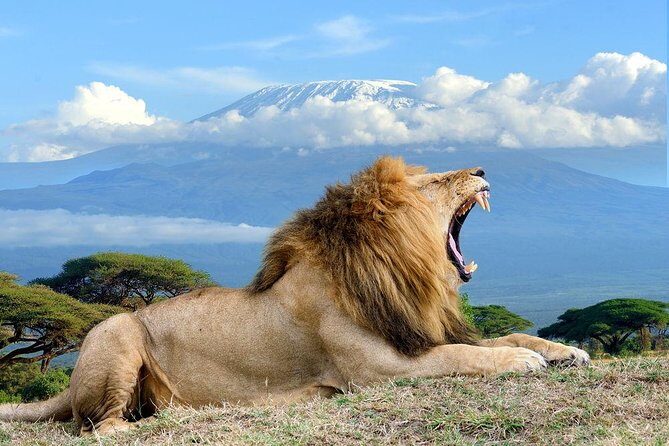
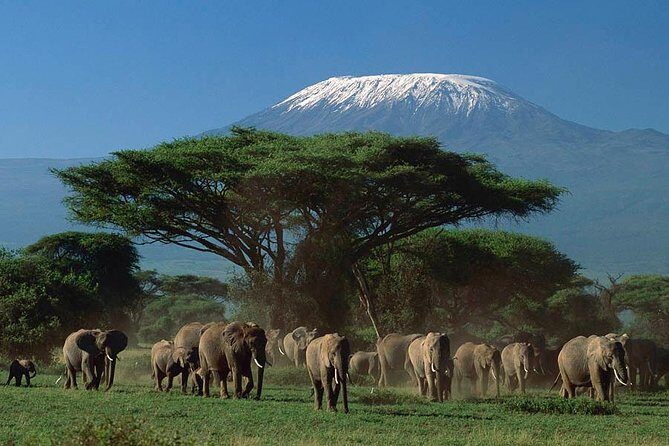
Elephants with Mount Kilimanjaro in the background is the big draw. This 3-day safari from Nairobi pairs private game drives with an all-in feel, so you can focus on wildlife and the scenery without constantly checking plans. You get the classic Amboseli combo: open plains, chances to spot big cats and free-roaming elephants, and that famous Kilimanjaro backdrop.
What I like most is the worry-free structure. You’re picked up early, handled door-to-door with private transportation, and meals are built in across the days. The other win is the pace: one shorter first drive, then a full day in the park, then a final morning drive before returning to Nairobi.
One consideration: it is a short safari, so the emphasis is on efficient park time and not lots of add-ons. If you want long lodge time, extra activities, or a slower rhythm, this may feel packed.
In This Review
- Key highlights you should care about
- Amboseli in 3 days: why this plan works from Nairobi
- Price and value: what you’re paying for in the real world
- Day 1: early pickup, Kibo Safari Camp, and your first Amboseli drive
- Day 2: the long day in Amboseli for predators, zebra, wildebeest, and more
- Day 3: sunrise sightings, Maasai village, and back to Nairobi for lunch
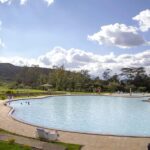
- Kibo Safari Camp: your home base between drives
- Guides make or break the safari, and the names keep showing up
- What to expect on private game drives (and why it feels different)
- Small logistics you should plan for before you go
- Who should book this Amboseli safari
- Should you book this 3-day Amboseli plan or keep looking?
- FAQ
- How long is the Amboseli safari from Nairobi?
- Is pickup from Nairobi included?
- Is this a private tour?
- What meals are included?
- Are park admission tickets included?
- Can I cancel and get a full refund?
Key highlights you should care about
- Private jeep time in Amboseli so your sightings depend less on strangers and more on your guide’s choices
- Kilimanjaro views as your day-long backdrop, especially around early and late light
- All meals included (breakfast, lunch, dinner) with packed lunch on the longer wildlife day
- A Maasai village visit on the return day to connect animals with people
- Guides with strong local credibility, including names like Ken, Apollo, Ken, George, Mr. Opany, and Lawi showing up in accounts
Amboseli in 3 days: why this plan works from Nairobi
If you only have a few days and you want the real safari feeling, Amboseli is one of the most efficient choices near Nairobi. You’re not traveling endlessly just to reach the park. You’re leaving Nairobi early, getting into the action, and doing wildlife drives at the moments when animals tend to be most visible.
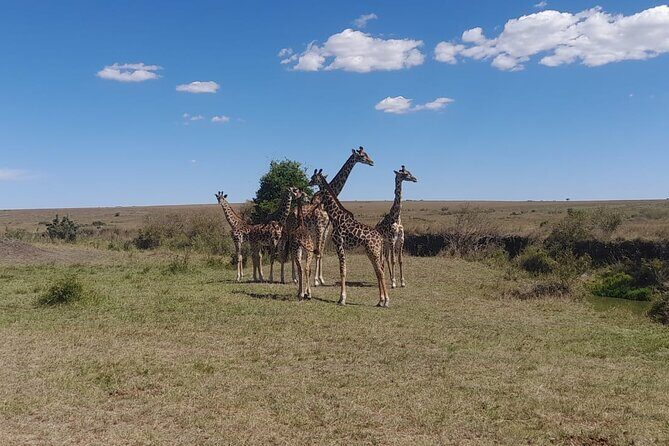
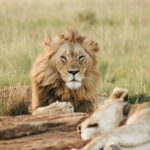
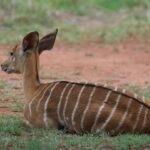
The other reason I like this approach is how Amboseli makes the animals feel close to the story. Mount Kilimanjaro dominates the view, and the park’s open country makes it easier to find your bearings quickly when you’re sitting up high in a safari vehicle. You’re aiming for a broad mix: zebras, wildebeest, giraffes, hippos, lions, and of course those free-roaming elephants.
Short safari trips can either feel rushed or they can feel tight and focused. This one tries to be the good kind of fast: an afternoon on Day 1, a full day on Day 2, and one more early drive on Day 3. That gives you enough time to have real luck without turning the trip into a marathon.
A few more Nairobi tours and experiences worth a look
Price and value: what you’re paying for in the real world
This safari costs $1,680 per person for about 3 days. On its face, that’s not a bargain. But when you break it down, a lot of the cost is covering what actually makes safari time expensive: private transportation, park-adjacent services, and the logistics that keep you from juggling vendors.
Here’s what you’re getting that helps the value math:
- Private transportation included
- All fees and taxes included
- All meals included: dinners (2), lunches (3), breakfasts (2)
- Admission tickets listed as free in the day plan
- Private tour so it’s only your group
Where the value gets real is in the friction reduction. You’re not coordinating with multiple vehicles, multiple schedules, and multiple ticket confirmations while you’re trying to enjoy animals and scenery. You’re also not paying extra just to enter the park and stay fed while you’re in it.
What’s not included (and you should plan for this early):
- International and domestic flights
- Kenya visa fees (if applicable)
- Extra activities
- Drinks, including alcoholic and beverages
- Personal items
If you’re the type who hates surprise line-items, you’ll probably feel calmer with this kind of all-in structure.
Day 1: early pickup, Kibo Safari Camp, and your first Amboseli drive
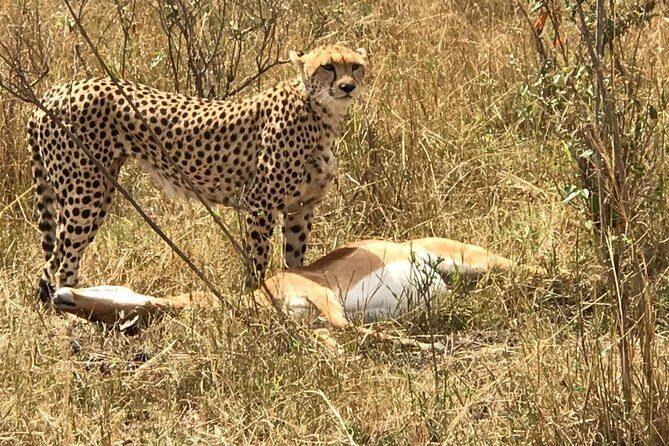
Day 1 starts with very early movement from Nairobi, with pickup offered from your hotel or from the airport area. The day plan calls out an early departure (around the morning start), and the experience start time is listed as 7:00 am. Either way, you’re aiming to arrive in time for an on-the-ground rhythm rather than wasting daylight in transit.
Once you reach Amboseli, you’re checking in at Kibo Safari Camp and settling in for lunch and a short rest. Then comes your first real taste of the park: an afternoon game drive.
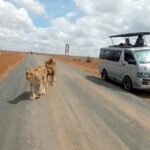
Why the afternoon drive matters: it’s still a wildlife window, but it also gives you a chance to get comfortable with what you’re seeing. You can start spotting the big, iconic animals—giraffes, zebras, and elephants—and you’ll learn how your guide reads the environment, including how Kilimanjaro shows up in the frame.
One small drawback of starting with an afternoon drive is that you might not catch as much peak action as a full morning session. But that’s exactly why Day 2 is planned as the longer wildlife day.
Day 2: the long day in Amboseli for predators, zebra, wildebeest, and more
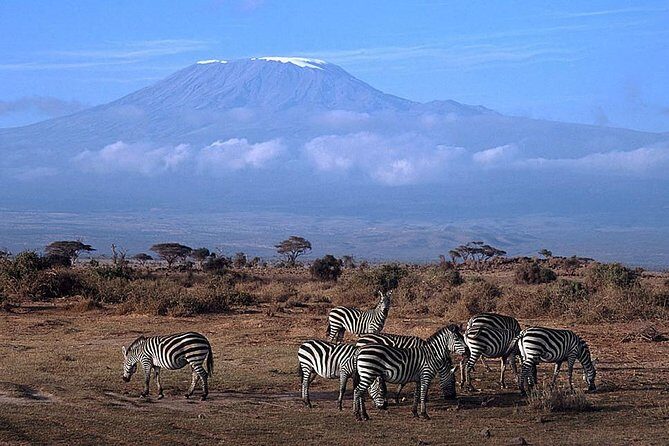
Day 2 is your heavy-hitter day. You’re up for an early morning game drive, then back to the lodge for breakfast. After that, you get the bulk of the day in the park with a packed lunch.
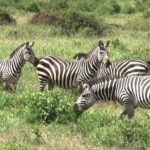
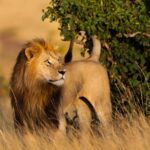
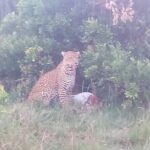
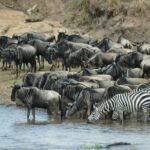
This is where the tour earns its keep. The itinerary focuses on broad safari variety and a good shot at both herbivores and predators. You’re specifically searching for the park’s “popular residents” and the interactions that make Amboseli exciting—predators and their usual opponents, like zebra, wildebeest, giraffe, and hippo, with lions mentioned as a target sighting.
If you’re hoping for the kind of day where you go from one animal moment to the next, this is the right structure. A full day also gives your guide room to reposition when the action shifts. In open-country parks like this, timing and location are everything.
What I’d watch for: some animals are easier at dawn and dusk. If you feel like you’re seeing mostly one type of wildlife, stick with the plan. The long day is built to give you multiple chances rather than one single drive.
Day 3: sunrise sightings, Maasai village, and back to Nairobi for lunch
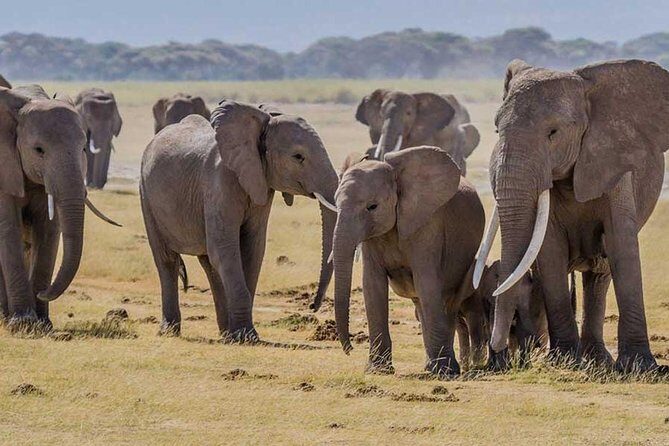
Your final day starts with another early game drive, then you return for breakfast. The plan then includes a stop at a Maasai village. This is the cultural piece that keeps the safari from feeling purely mechanical.
A village visit can be hit or miss depending on how it’s run, but in a short safari like this, it’s a smart inclusion. It gives you a different lens: animals out on the plains, but people whose lives are connected to the same broader region and local traditions.
After breakfast and the village experience, you leave Amboseli and drive back to Nairobi, arriving in time for lunch. You’re then dropped off at your hotel or you can catch a flight back home.
One practical note: Day 3 can feel like a “two-worlds” day. You’ll have the early wildlife energy, then transition into culture, then transition again into travel time. It’s doable, but if you’re the kind of person who needs downtime, plan to treat the drive back as part of the day, not an afterthought.
Kibo Safari Camp: your home base between drives
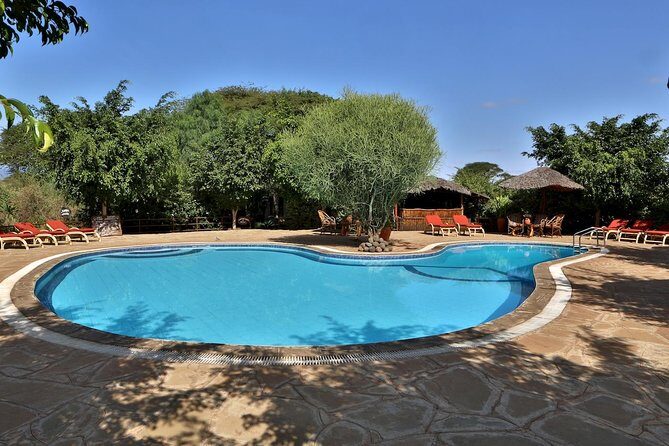
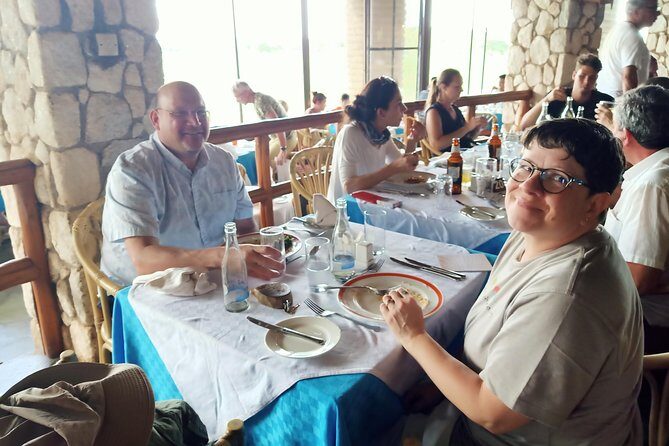
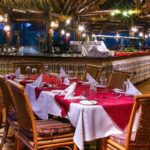
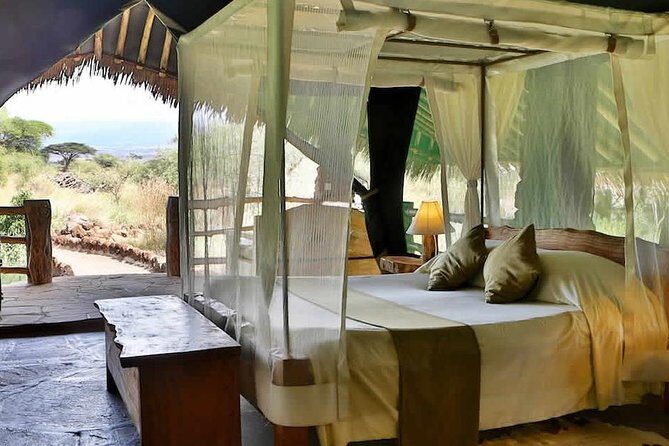
Your base on this trip is Kibo Safari Camp, with two nights scheduled there. The camp is used as the anchor point for meals and rest, so you’re not constantly switching lodging locations during the 3-day window.
That matters more than people think. Every time you change camps, you lose a chunk of time to packing and re-checking details. Here, you get a steadier rhythm: drive, lodge, meal, drive again. That usually leads to a calmer trip and better energy for the next wildlife session.
You’ll also want a lodge that’s comfortable enough to actually rest between early starts. Even without a long list of amenities in the tour info, the camp’s role in the plan tells you it’s meant to support frequent movement without draining you.
Guides make or break the safari, and the names keep showing up
With safaris, the guide’s job is part driving, part interpretation. The tour specifically highlights learning the local ecosystem from your guide, and that’s where the best experiences separate from the merely good ones.
The guide names that come up repeatedly in accounts tied to this kind of safari planning include:
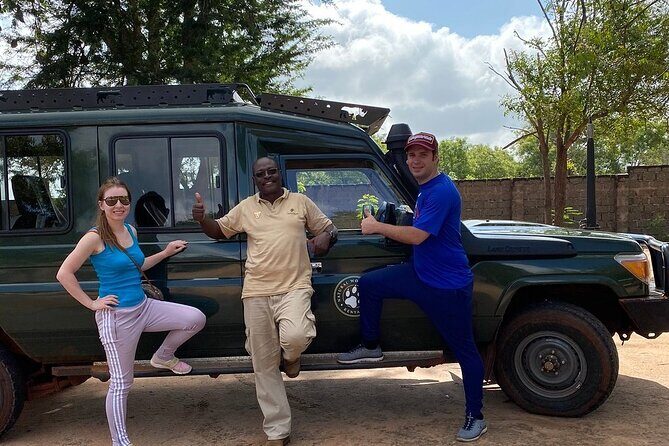
- Mr. Opany, who handled pickup and the road journey from Nairobi
- George, often connected to an easy booking experience and responsive help
- Apollo, described alongside a honeymoon Amboseli setup
- Ken, praised for taking people quickly to animals and fixing the best viewing spots
- Michael, mentioned as friendly, professional, and knowledgeable during the safari
- Lawi, described as a heavyweight driver guide who did not disappoint
Even if you don’t meet the same person, the pattern matters: you’re likely to be in hands that know how to read the park and adjust. On a 3-day itinerary, that matters because you don’t have the luxury of ten tries. You need each drive to count.
What to do when you’re on the first drive: ask simple questions that match the time of day.
- What should we watch for right now?
- Where do elephants usually hang out in this season?
- How do predators interact with prey here?
Good guides will turn those questions into better animal spotting and better stories, without turning it into a lecture.
What to expect on private game drives (and why it feels different)
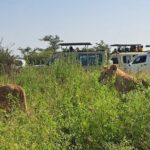
A private tour means your jeep time is focused on your group rather than being shared with a bunch of different expectations. That changes the way your day feels.
In practical terms, it can mean:
- More control over pace and pickup timing within the planned schedule
- More opportunity to stop for a sighting when it’s the right fit for your group
- Less waiting around while the group behind you catches up
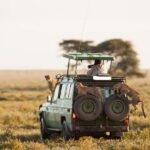
This is especially helpful for first-timers. If you’re seeing lions, elephants, giraffes, and hippos over three days, you’ll want someone to help you make sense of what you’re watching. The tour’s design leans into that with ecosystem learning and a guide-led experience.
Also, the plan calls out a worry-free, all-inclusive feel. When you don’t need to negotiate logistics in the field, you can spend more mental energy noticing animal behavior.
Small logistics you should plan for before you go
The itinerary includes packed lunch on the longer day, plus meals built into the camp schedule. That means you’ll likely spend a lot of time in the vehicle and out on the drives rather than stopping frequently.
So pack with comfort and practicality in mind:
- Layers for early morning and possible temperature swings
- Sun protection for long hours outside
- A small day bag you’re comfortable carrying during drives
- Something easy for lunch days since the plan uses packed food
Also note that the tour offers a mobile ticket and includes pickup, so you’ll want your confirmation details ready on your phone.
Who should book this Amboseli safari
This tour fits best if you:
- Want a first safari that covers multiple iconic animals without needing a week
- Prefer private attention rather than joining a mixed group
- Like a simple plan where transportation and meals are handled
- Want both wildlife and a quick cultural stop with the Maasai village
If you’re a total wildlife machine who wants hours upon hours of tracking, you might find 3 days short. But if you want high-impact sightings, Kilimanjaro views, and a guided experience that doesn’t feel like work, this is a strong match.
Should you book this 3-day Amboseli plan or keep looking?
I’d lean toward booking if your priority is: private jeep time, real wildlife focus, and not spending your trip managing logistics. The included meals and transportation, plus the push for early morning and a full day in the park, make it a smart use of limited time.
I’d be cautious if your travel style is slow and flexible, or if you already know you want lots of extra activities beyond wildlife and the Maasai village visit. This plan is designed to do a few things well, and then send you back to Nairobi.
If you’re aiming to see elephants with Kilimanjaro in the frame and you want a guide-led safari rhythm from start to finish, this one is worth serious consideration.
FAQ
How long is the Amboseli safari from Nairobi?
It’s listed as approximately 3 days.
Is pickup from Nairobi included?
Yes. Pickup is offered, and the tour includes private transportation from Nairobi locations such as hotels or the airport area.
Is this a private tour?
Yes. It’s described as a private tour/activity, meaning only your group participates.
What meals are included?
The tour includes breakfast (2), lunch (3), and dinner (2).
Are park admission tickets included?
The itinerary lists admission ticket free.
Can I cancel and get a full refund?
The policy says free cancellation is available if you cancel at least 24 hours before the start time for a full refund.