REVIEW · NAIROBI
Vegans special safari
Book on Viator →Operated by Pathway Safaris · Bookable on Viator
Kenya’s big cats meet vegan good taste. This 12-day trip is built around vegan meals and a ton of game-drive time, so you’re not choosing between your values and seeing real wildlife. I also like that it strings together Nairobi, the Mara, lakes, conservancies, and two major safari ecosystems, rather than doing a quick hit-and-run. The main thing to weigh is the pace: you’ll be in transit for long stretches as you move between regions, and the itinerary lists a moderate physical fitness level.
What makes it especially compelling is how often conservation shows up in the day, not just as a checkbox. You’ll visit the David Sheldrick Elephant Trust in Nairobi, then spend time in rhino-focused areas like Ol Pejeta, where learning is part of the schedule. Just note this is a private trip for your group, so it can feel more structured than a flexible, independent itinerary.
In This Review
- Key Highlights You’ll Feel Right Away
- A Vegan Safari in Kenya That Actually Makes Sense
- Day 1 in Nairobi: Airport Welcome and That First Wildlife Hint
- Nairobi National Park (Day 2): Big Cats, Plus a Meaningful Elephant Stop
- Maasai Mara Days 3 and 4: When the Safari Rhythm Hits Its Peak
- Lake Naivasha (Day 5): Boat Tour Time and Movie-Location Energy
- Lake Nakuru (Day 6): Rhinos, Flamingos, and a Waterfall Detour
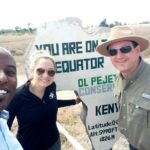
- Ol Pejeta Conservancy Days 7 and 8: Rhino-Focused, Conservation-First
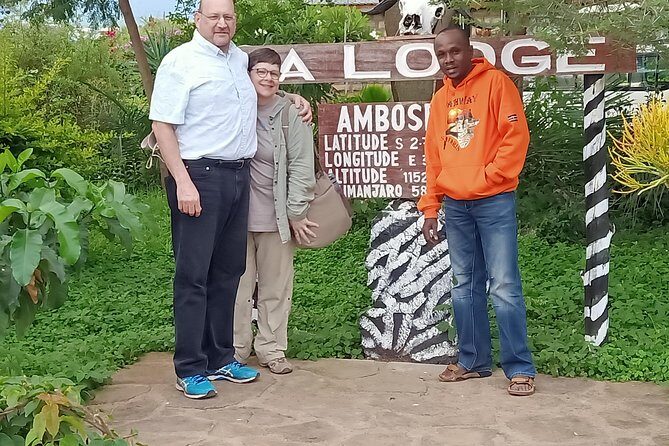
- Amboseli National Park Days 9 and 10: Elephants and Kilimanjaro Views
- Tsavo East Days 11 and 12: Red Elephants and a Final Game Drive
- Price and What You’re Actually Buying
- Logistics, Pace, and Who This Trip Fits Best
- Practical Advice Before You Go
- Should You Book This Vegan Kenya Safari?
- FAQ
- What’s the price per person?
- How long is the safari?
- Where does the safari start and what city is it based in?
- Do you offer pickup?
- Is this tour private?
- What meals are included?
- Are park and conservation entry fees included?
- Is there a flight included, and from where to where?
- What time does the experience start?
- What’s the cancellation policy?
Key Highlights You’ll Feel Right Away
- Vegan meals, including local-style food: the whole safari is planned so you can stay plant-based without constantly compromising.
- Conservation stops that teach: the David Sheldrick Elephant Trust plus Ol Pejeta’s rhino education moments add meaning to the wildlife sightings.
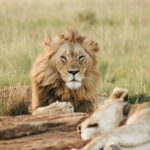
- Maasai Mara focus on prime spotting time: evening game drive and a full day in the reserve give you repeated chances at lions, leopards, cheetahs, and more.
- Lakes that add variety beyond big cats: Lake Naivasha’s boat tour and Lake Nakuru’s birdlife bring a different rhythm.
- Rhino and elephant density across conservancies and parks: Olpejeta conservancy and Amboseli help spread your odds across iconic animals.
- Mombasa ending with an included domestic flight: it finishes in the coast area, with a local flight fare included to Nairobi.
A Vegan Safari in Kenya That Actually Makes Sense
I love the logic of this kind of itinerary: you’re not just doing a regular safari with a side of vegan food. The trip is marketed specifically as a vegan safari, and the schedule repeatedly supports that promise with vegan meals planned as part of your days. If you’ve ever worried that plant-based travel will mean bland breakfasts and constant special requests, this approach is designed to avoid that headache.
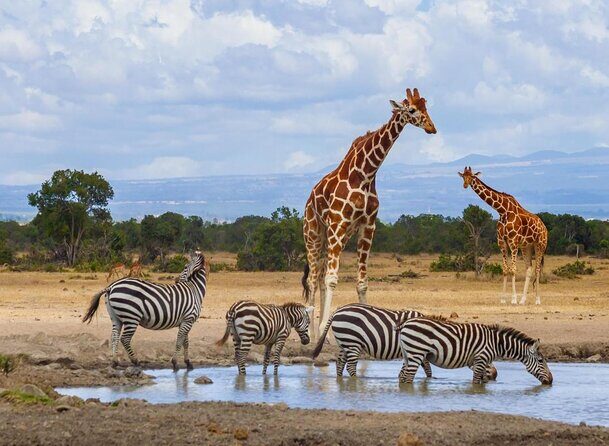
The other thing I like is how the wildlife time is built in. The trip leans hard into game drives across multiple areas, including both national parks and conservancies. That matters because wildlife is never guaranteed; more time searching usually turns into more chances to see different behavior—lions on the move, cheetahs working the edges of a field, or elephants lingering near waterholes.
One more practical point: this is listed as a private tour, so you’re not sharing the schedule with strangers from another language group or another travel style. That can make the day flow better, especially when you’re bouncing between wildlife areas.
A few more Nairobi tours and experiences worth a look
Day 1 in Nairobi: Airport Welcome and That First Wildlife Hint
Your day starts right at Jomo Kenyatta International Airport. You’ll be met and greeted by a representative, then transferred to your hotel for dinner and an overnight stay. It’s a good setup for reducing stress on arrival day because you’re not trying to figure out the city’s logistics right after a flight.
You’ll also pass the fence of Nairobi National Park. It’s the only park close to the city center, and that quick visual contact can be a fun mental warm-up. Even without a full game drive on Day 1, it helps you shift from travel mode to safari mode.
If you’re sensitive to jet lag, I’d keep expectations simple: Day 1 is about landing, eating, sleeping, and getting oriented.
Nairobi National Park (Day 2): Big Cats, Plus a Meaningful Elephant Stop
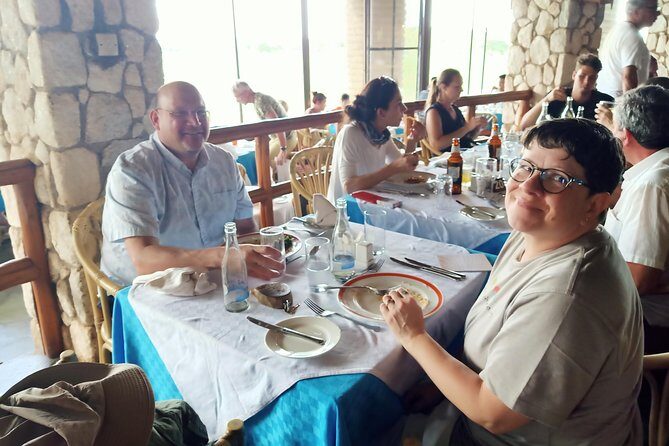
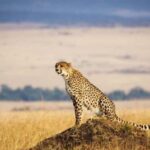
Day 2 is one of the most important starters because Nairobi National Park is compact and close to the action. After breakfast, you drive into the park for a game drive focused on lions, cheetah, buffalo, zebra, giraffe, leopard, and more (including topi). You’re basically getting your first real set of safari sights without needing a full multi-day move-out-of-town plan.
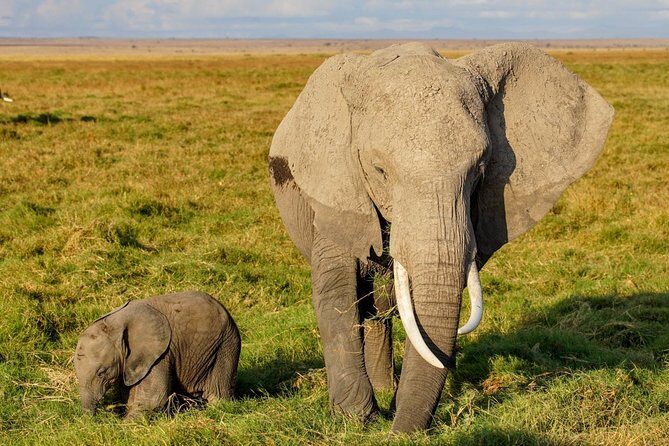
Then comes the David Sheldrick Elephant Trust. You’ll see baby elephants and their mud bath and feeding routines, and you’ll hear their plight. That conservation education is the kind of stop that changes your safari perspective. Instead of seeing elephants only as scenery, you’re reminded that survival is a daily effort and that people are working on solutions.
After that, there’s lunch and a tour of Nairobi’s city center, including the touristic market and Parliament buildings. That mix works well if you like context. You’re not only in “wildlife all day” mode; you’re also seeing how the city operates while still keeping Kenya’s animals at the heart of the trip.
Maasai Mara Days 3 and 4: When the Safari Rhythm Hits Its Peak
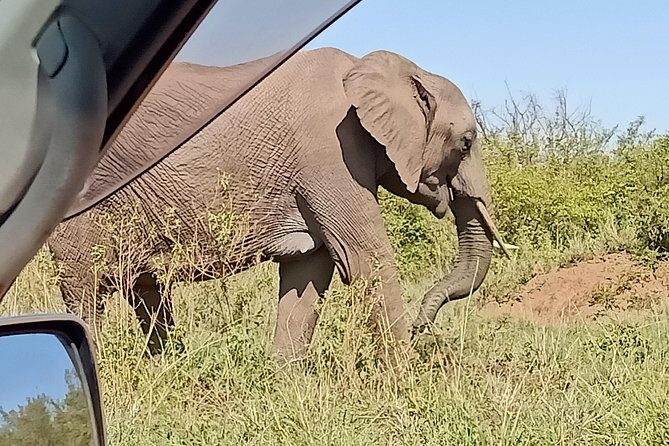
Maasai Mara National Reserve is where the trip turns into the big classic safari. You’ll go via the Great Rift Valley, with a stop at a viewpoint for sightseeing and photography. That’s a nice buffer between regions because it gives you a sense of place instead of just watching the road pass.
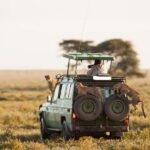
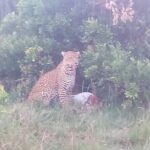
On Day 3, after lunch you head out for an evening game drive around 4pm. This timing is often when animals feel more active, and the itinerary is clearly set around that logic. You’ll search for a lot of the Mara’s stars: lions, leopards, cheetahs, buffalos, hyenas, and rhinos are specifically mentioned as possible sightings. You return for dinner and overnight.
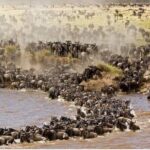
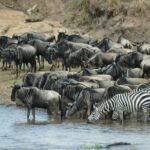
Day 4 is your full day in the Mara. You start with breakfast, then head out for long game-drive time and a real chance at seeing multiple predator-prey moments. You’ll also visit the Mara River and the crossing point during the yearly wildebeest and zebra migration. The key word here is crossing point—it’s one of those places where the environment tells stories, even if your timing doesn’t match a dramatic river stampede every day.
You’ll have lunch under tree shade, continue searching, then exit the park and head back for dinner and overnight. For me, this is the “do it right” day: two Mara days with different light and animal behavior patterns is a strong strategy.
Lake Naivasha (Day 5): Boat Tour Time and Movie-Location Energy
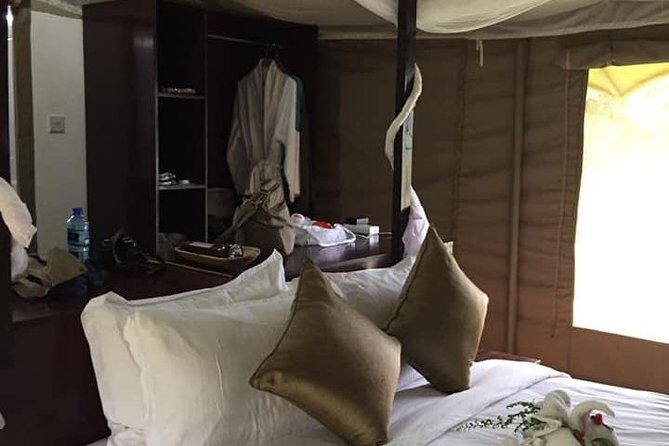
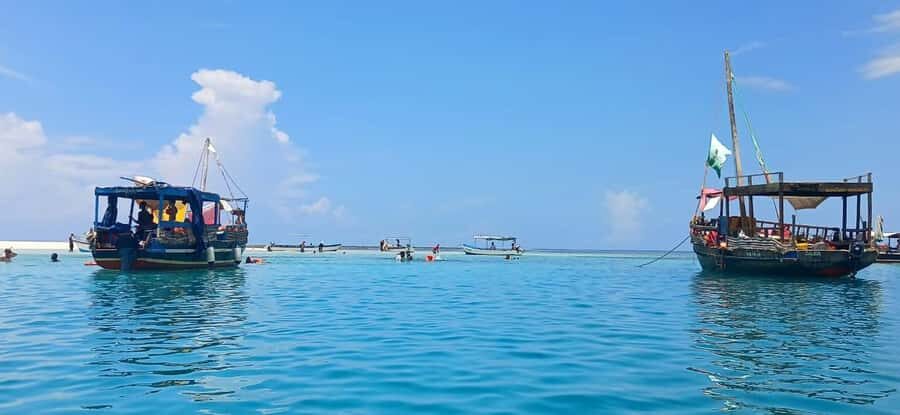
Lake Naivasha adds a different kind of safari day. After checking out, you depart to the lake and arrive at the shores. You take a boat tour where you might spot hippos, giraffes, zebras, water-buck, and lots of birds. Then you visit Crescent Island, described as a place where Out of Africa and Born Free were filmed.
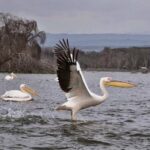
Birdlife here is a major part of the experience. Fish eagle, cormorants, and pelicans are all specifically mentioned, which tells you the boat portion isn’t only about mammals. If you like variety, this day breaks the pattern of purely vehicle-based wildlife.
After a late lunch at your hotel, the rest of the day is at leisure. That’s a real benefit on a packed trip. You can reset, enjoy the slower tempo, and keep your camera charged for the next big jump.

Lake Nakuru (Day 6): Rhinos, Flamingos, and a Waterfall Detour
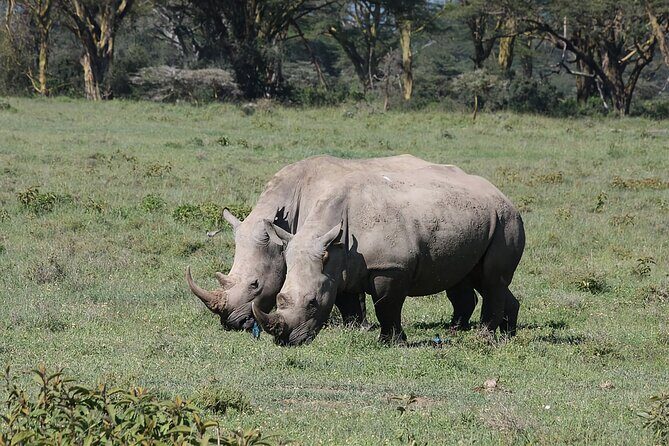
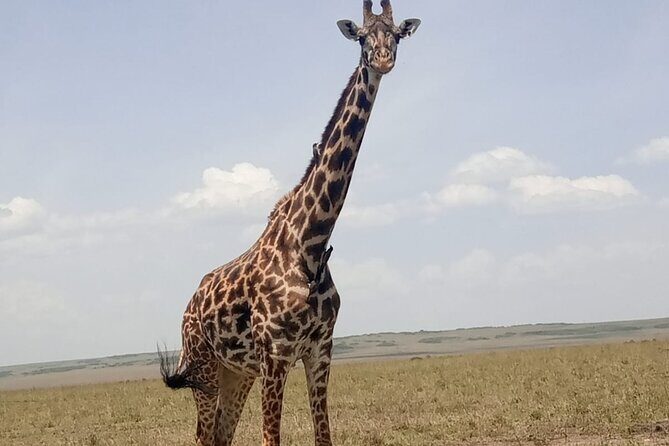
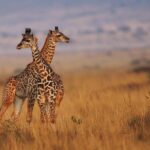
Lake Nakuru National Park is a mix of mammals and birds, with rhinos as the headline. You depart with a packed lunch, then go into the park for game drives looking for rhinos—also noted as Kenya’s first rhino sanctuary—as well as lions, buffalos, Rothschild’s giraffes, and a wide variety of bird species.
Flamingos are specifically called out, along with pelicans, cormorants, and more. That means you’re not stuck waiting for predators. You can get great wildlife moments by simply staying observant as the day unfolds.
There’s also a visit to Masika waterfall, described as a sight to behold. Even if you’re mainly traveling for wildlife, a waterfall stop gives you a stretch break from the vehicle and a chance to photograph something that isn’t an animal.
Ol Pejeta Conservancy Days 7 and 8: Rhino-Focused, Conservation-First
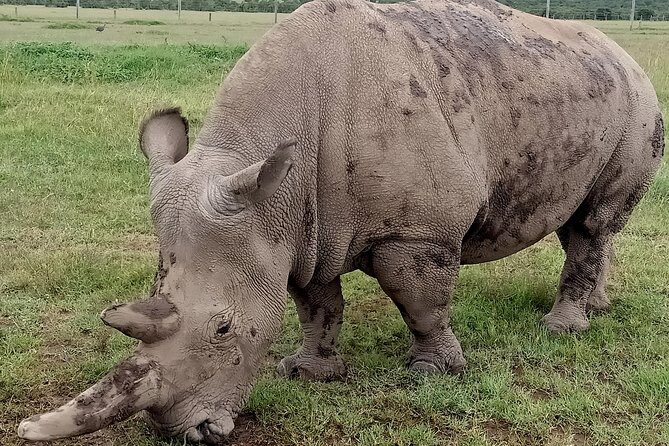
Ol Pejeta Conservancy is where the trip’s “impact” side becomes very real. After breakfast, you head there, arrive for lunch, then enter the conservancy for a game drive. The animal list is impressive and practical: rhinos, lions, elephants, buffalos, giraffes, and cheetahs are specifically mentioned.
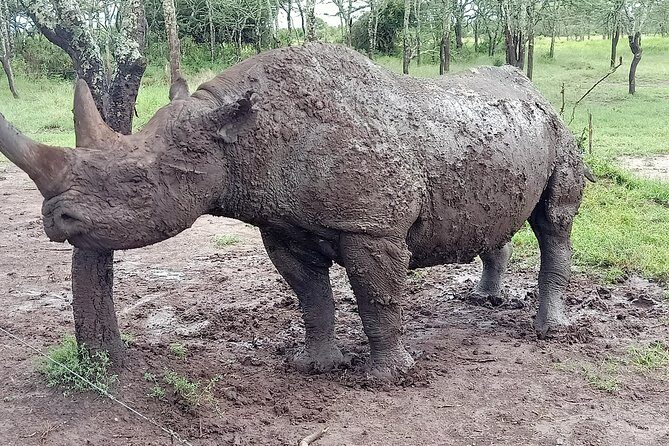
Day 8 is another full day of game drives, with time built in to revisit different parts of the conservancy. This is also where you’ll visit the rhinos grave yard, learning more about the rhinos’ plight.
That rhino grave yard stop matters because it doesn’t sugarcoat what’s happening. It gives you context for why a trip like this is more than a sightseeing product. For many people, that’s what turns the safari from a nice vacation into a trip that feels like it’s doing something.
Amboseli National Park Days 9 and 10: Elephants and Kilimanjaro Views
Amboseli is famous for elephant herds, and this itinerary explicitly frames it that way. After breakfast, you depart for Amboseli, arrive for lunch, then do an evening game drive. You’re also set up for the stunning Mt Kilimanjaro view, which can add a dramatic “Kenya postcard” layer to elephant sightings.
Day 10 is your full day game drive with a packed lunch, plus a viewpoint of the Amboseli ecosystem. This is one of those sections where your odds of seeing multiple elephant moments rise because elephants tend to be more consistently present in certain areas. Still, the itinerary is right to say you’ll have a good chance—wildlife always keeps you humble.
A bonus here is that you’re not only doing predators and grassland chase scenes. Amboseli can feel more open, more expansive, and more about herds, dust, and behavior.
Tsavo East Days 11 and 12: Red Elephants and a Final Game Drive
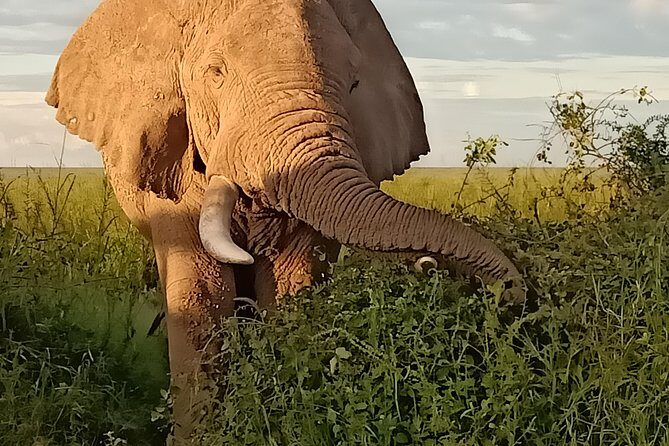
Tsavo National Park East finishes the wildlife arc before the coast. On Day 11, you depart to Tsavo East, arrive for lunch, then take an evening game drive searching for the red elephants of Tsavo. You’ll also look for lions, cheetahs, leopards, and giraffes.
It’s a nice way to end because “red elephants” is a specific, memorable hook, and Tsavo is often different from the Mara rhythm. The day is shorter in the itinerary window (compared with some earlier park days), which can be helpful if you’ve built up safari fatigue.
Day 12 starts with a morning game drive, then you exit the park and drive to Mombasa. You’ll arrive at the airport for your flight to Nairobi Airport, then continue home. That structure makes the end feel tidy: wildlife in the morning, then travel for the finish.
Price and What You’re Actually Buying
At $3,076.93 per person for an approx 12-day safari, the value comes from what’s included, not just the headline rate. This trip includes park and conservation entry fees and government taxes, plus all meals as indicated and accommodation for two people sharing a double room. You also get the local flight fare from Mombasa to Nairobi.
That inclusion matters because Kenya safari costs often rise fast once you add separate park fees, conservation access, and domestic flight logistics. Here, the pricing approach is trying to keep those major elements bundled.
The one clear extra is drinks during meals, which are not included. So if you like soda, juice, or alcohol with dinner, plan on budgeting for that.
Also, note the itinerary is built around multiple regions: Nairobi, Mara, two lakes, a conservancy-focused stretch, Amboseli, then Tsavo. You’re paying for the move itself: shifting ecosystems and doing repeated game-drive days.
Logistics, Pace, and Who This Trip Fits Best
This is listed as a private tour/activity, meaning it’s only your group. That can be a big deal for comfort: less waiting, less schedule confusion, more control over how quickly you want to move through stops like the elephant trust or city-center tour.
The schedule is heavy in wildlife time, but it’s also heavy in movement between areas. Many days include 8 to 10 hours on the day’s plan, and several days start with breakfast then depart quickly to the next park. If you want a safari where you don’t think about timelines, you might find this structured.
On the fitness side, the tour notes moderate physical fitness level. That’s usually a sign you should be comfortable with early starts, long vehicle days, and walking at stops like viewpoints, boat boarding, and conservation facility visits.
Best fit:
- You’re vegan and want a safari built around that from the start.
- You want big-game chances across multiple parks, not just one reserve.
- You like conservation education stops, especially elephant and rhino work.
- You prefer private-group comfort over joining a mixed crowd.
Practical Advice Before You Go
Here are the parts you can plan for using the itinerary rhythm and the kinds of stops involved:
- Bring camera gear that can handle both vehicle dust and boat or lake humidity. Lake Naivasha has a boat tour and lots of birds.
- Pack layers for morning and evening game drives. The itinerary sets at least one evening drive in the Mara, and that timing matters.
- Plan for a few long days in the van. Even when game drives are the main event, you’ll still be traveling between Nairobi, Mara, lakes, conservancy, and the final parks.
- Expect a real conservation tone. The elephant trust includes learning about the elephants’ plight, and Ol Pejeta includes a rhinos grave yard visit.
If you’re the kind of traveler who likes variety—lions one day, flamingos the next, then rhinos and elephant herds—you’ll probably enjoy the flow.
Should You Book This Vegan Kenya Safari?
I’d book it if you want a vegan-first safari that doesn’t feel like an add-on. The combination of Nairobi plus Maasai Mara, then lakes, conservancies, and two major finishing ecosystems is strong for wildlife variety. You also get conservation stops that explain why these parks and projects matter, not just a quick photo and move on.
I’d think twice if you hate long travel days between regions or you want a fully flexible schedule. This trip is structured, and it’s built for safari time every day, with some cultural and conservation stops mixed in.
If your dream is repeated chances at predators and big mammals, plus vegan meals handled as part of the whole plan, this is a solid choice. Pair that with the included park fees and your included domestic flight from Mombasa to Nairobi, and the value starts to make sense.
FAQ
What’s the price per person?
The price is $3,076.93 per person.
How long is the safari?
It’s approximately 12 days.
Where does the safari start and what city is it based in?
It starts in Nairobi, Kenya, with arrival at Jomo Kenyatta International Airport.
Do you offer pickup?
Yes, pickup is offered.
Is this tour private?
Yes. It’s listed as a private tour/activity, and only your group participates.
What meals are included?
All meals as indicated are included: breakfast (6), lunch (10), and dinner (11). Drinks during meals are not included.
Are park and conservation entry fees included?
Yes. All park and conservation entry fees and government taxes are included.
Is there a flight included, and from where to where?
Yes. The local flight fare from Mombasa to Nairobi is included.
What time does the experience start?
The meeting points list a start time of 9:00 pm.
What’s the cancellation policy?
Free cancellation is available up to 24 hours in advance for a full refund. If you cancel less than 24 hours before the experience’s start time, the amount paid will not be refunded. The trip requires good weather, and if canceled due to poor weather, you’ll be offered a different date or a full refund.