REVIEW · NAIROBI
3 Days Best of MasaiMara Wildlife Private Safari, Mid-Range offer
Book on Viator →Operated by Safari Update Travels · Bookable on Viator
Maasai Mara turns every drive into a hunt. This 3-day private safari gives you Nairobi-to-Mara road time, real game viewing, and camp nights with Maasai stories by the fire. I like that the plan is structured around when animals are most likely to show up, not just random touring.
Two things I especially like: you’re getting private transportation (so it’s only your group), and the wildlife focus is clear from start to finish—lions, elephants, giraffes, cheetahs, leopards, and the rest of the Mara cast. One drawback to consider: camp facilities can be hit-or-miss; at least one guest flagged sanitation as needing attention.
If you’re aiming for a classic Kenya safari highlight in a tight timeframe, this is a very workable way to do it. Just remember you’re doing early starts and long drives, because the Mara rewards time on the move.
In This Review
- Key highlights worth centering your expectations
- Why Maasai Mara is the obvious target for a 3-day safari
- Nairobi to the Reserve: plan for a long, early road morning
- Day 1: check-in afternoon, then your first Mara game drive at 4pm
- Day 2: the long game-drive day where Big Five odds get real
- Day 3: morning viewing, optional Masai Village, then back to Nairobi
- Included meals and private transport: what it means on the ground
- Price and value: is $1,100 a good deal for this safari style?
- Guides can make or break the Mara experience: the human factor
- Wildlife and birds you can expect to keep spotting
- Best timing: migration season can change what your trip feels like
- Who this safari suits best (and who might want a different format)
- Should you book this 3-day private Masai Mara safari?
- FAQ
- How long is the safari?
- How much does the safari cost?
- Is pickup included?
- Is this a private tour?
- What’s included in the price?
- What optional activities are available?
- What time does Day 3 start and what time do you return to Nairobi?
- What wildlife and birds should I expect?
- Can I cancel and get a full refund?
Key highlights worth centering your expectations
- Private safari time with pickup in Nairobi and drives run for your group
- Admission tickets included for the park time you’ll spend on game drives
- Two full days of camp-based viewing, including a long Day 2 game-drive stretch
- A huge wildlife list plus birds, with Mara’s reputation for 400+ bird species
- Big Five searching alongside lots of other animals (and some harder-to-see cats)
- Optional Masai Village add-on (extra cost) if you want cultural context
Why Maasai Mara is the obvious target for a 3-day safari
Masai Mara is famous for a reason. It’s one of Kenya’s best places to see wildlife close enough to feel the drama of the plains—zebras and topis grazing, hippos in the water, and predators working the edges of the grass. The park is also built for repeat sightings: in a few short days, you can rack up a mix of big mammals and smaller action you might miss on a quick stop.
This safari is framed around that reality. You’re not just “going to the Mara.” You’re going to spend time on game drives, then sleep in camp, then do it again. That rhythm matters, because animal sightings often come down to timing—what time predators cross, what time herds move, and where water pulls everything in.
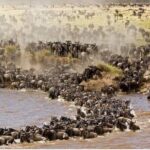
It also helps that the Mara is the marquee spot for wildebeest migration from July through October. If your dates fall in that window, you’re not just chasing animals—you’re chasing one of the biggest natural movements on Earth. Even outside migration season, the Mara’s year-round viewing is a big part of why operators keep the schedule steady.
You can also read our reviews of more private tours in Nairobi

Nairobi to the Reserve: plan for a long, early road morning
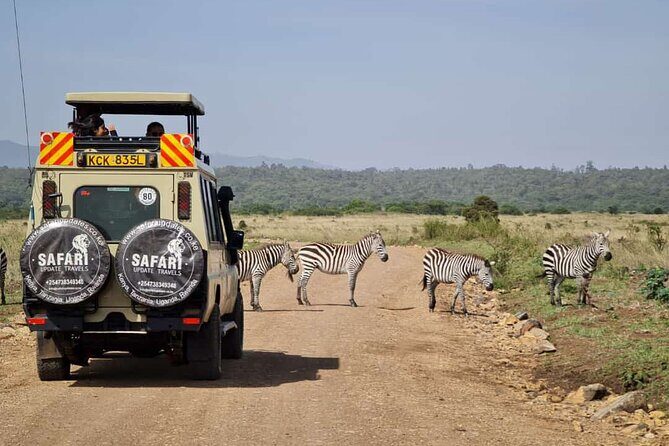
Your safari starts in Nairobi, with pickup offered from a hotel or the airport area. There’s also a listed starting point at City Market, Muindi Mbingu St, Starehe, Kenya, and a listed start time of 8:00 am. On Day 1, the driving plan is described as departing Nairobi around 7:00 am, with a five-hour drive to the reserve area.
That overlap tells you what to expect: this is an early start safari. If you like slow travel, this won’t feel like that. If you’re okay with getting going early to buy yourself more daylight in the Mara, it’s exactly the trade you want.
On the drive, there’s a brief stopover at a Rift Valley viewpoint and in Narok. This gives you a breather before you roll into Mara time, plus a quick sense of the region’s scale before you’re staring out at the plains.
Day 1: check-in afternoon, then your first Mara game drive at 4pm
Day 1 is all about transition. You leave Nairobi in the morning, roll into the Masai Mara area by the afternoon, then go straight into camp life: check in, lunch, and then a first real chance at wildlife.
Later, at around 4:00 pm, you do your first game drive, with the park time listed as 4 hours and admission included. That timing is a classic safari move: late afternoon light can make animals easier to spot, and predators often start working the edges again as the day shifts.
Back at camp late evening, you get dinner and then the kind of camp moment that makes the trip feel more than just a checklist. There’s a bonfire option where you can listen to interesting Maasai stories. Even if you don’t catch every detail, it’s a nice contrast to the dust and focus of game drives.
If you’re the sort of person who hates waiting around, Day 1 still works. Your schedule isn’t empty; it just phases you from “city morning” to “plains evening” without wasting too many hours.
Day 2: the long game-drive day where Big Five odds get real
Day 2 is the main wildlife day. It’s built around full-day game viewing in Kenya’s top wildlife territory. The plan is search-focused, aimed at the Big Five, plus a wide range of other animals you’ll likely keep running into while you chase lions and elephants.
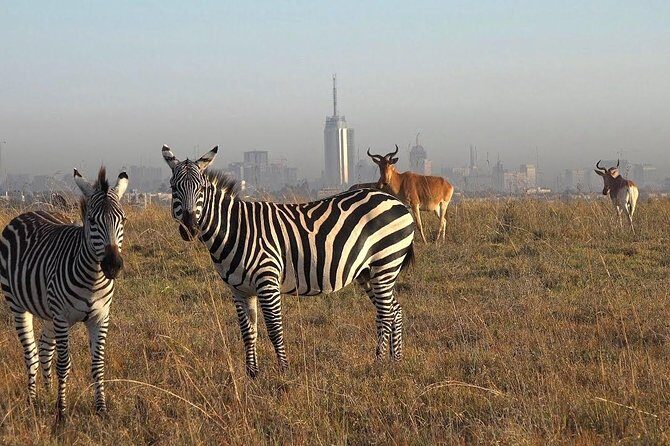
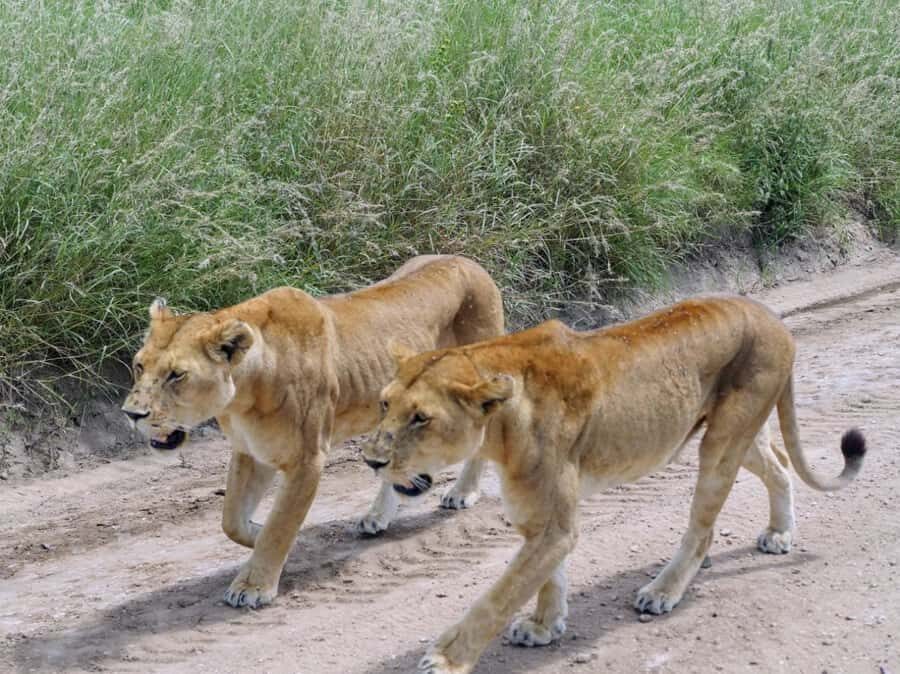
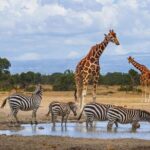
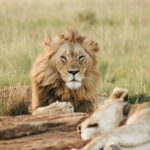
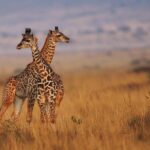
Expect the Mara to deliver a mix like this: zebras, wildebeest, giraffes, baboons, warthogs, jackals, spotted hyena, hippos, impala, hartebeests, and more. Elephants, buffaloes, and zebras are also described as common. Lions are expected in multiple moods—basking after feeding or scanning the plains for their next chance.
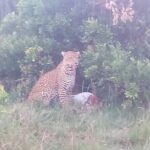
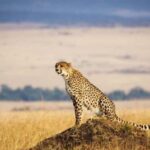
Now, the honest bit: cheetahs and leopards can be harder to spot. That doesn’t mean they’re impossible. It means you’ll spend time positioning, watching, and reacting—exactly what a good guide does in a reserve that large.
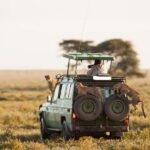
This is also where private driving shows up in real life. You’re not forced into a rigid group pace with random stops. The safari is organized around getting you to the best opportunities, and the schedule supports that.
You’ll do breakfast, lunch, dinner, and overnight at your camp, and your total drive time for the day is listed as 7 hours. That’s a proper safari day. It’s long enough that you’ll settle into the rhythm: scan, wait, reposition, then suddenly the plains give you something worth the pause.
Day 3: morning viewing, optional Masai Village, then back to Nairobi
On Day 3, the safari moves faster. You depart your lodge or camp at 10:00 am. If you want more than wildlife, there’s an optional Masai Village visit that costs $30 per person.
Then you head back to Nairobi, arriving around 16:00 in the afternoon. That makes the third day feel more like a return trip with a final wildlife window, not another full “let’s find everything” day. Still, it works well because you’re not burning extra time on the road after spending two intense days in the reserve.
If your goal is to see the Mara without losing two more days to travel, this pacing is practical. You get your safari core (game drives plus camp nights) and then you’re back in Nairobi in time to reset.
A few more Nairobi tours and experiences worth a look
Included meals and private transport: what it means on the ground
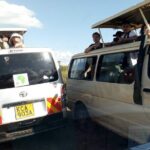
The tour includes private transportation, and that matters more than it sounds. Safari driving is about timing and positioning, and private transport means you can keep your own pace. You’re also told it’s a private tour/activity: only your group participates.
Food is covered too, which is one of the easiest ways to protect your budget and your energy. The package includes breakfast (2), lunch (2), and dinner (2). That means you’re not hunting for meals while you’re in-between drives or worrying about where to eat after a long day.
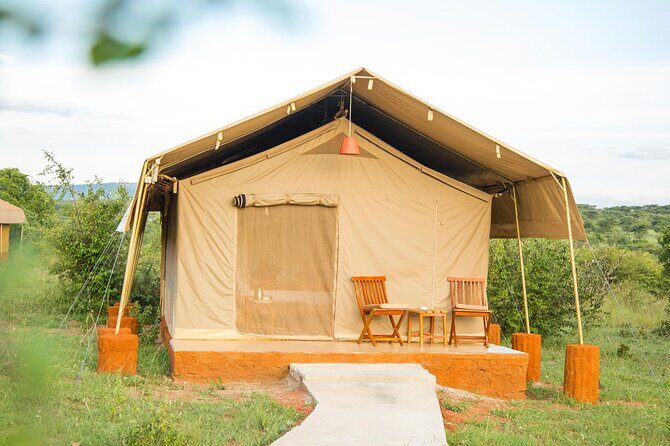
Day 1 includes lunch on arrival and a dinner back at camp. Day 2 covers the full set (breakfast, lunch, dinner) and includes overnight. You’ll also hear about camp moments like bonfires and stories, which help make the evening feel like part of the safari experience instead of just downtime between drives.
One small caution: camp experience can vary. Some reviews praise the food and comfort, while at least one mentioned poor sanitary facilities. That’s not something you can predict perfectly from a description, so it’s worth keeping in mind if comfort standards matter a lot to you.
Price and value: is $1,100 a good deal for this safari style?
At $1,100 per person, this sits in the mid-range band for a private Masai Mara safari. The strongest value argument here is the bundle: private transport, park admission tickets included, and camp meals for multiple days. That combination can be harder to piece together on your own without spending more time coordinating.
You’re also paying for time. Two separate game-drive blocks (Day 1’s first 4-hour drive and Day 2’s long 7-hour day) give you real odds. In a place like the Mara, odds beat hope. The schedule is built around being in the right areas enough times that the probability of good sightings goes up.
That said, you are not buying guarantees. Cheetahs and leopards are noted as harder to spot, and even when animals are around, they don’t always show themselves on cue. So think of the price as paying for structured time, not a promise of every Big Five moment.
If you want a safari where you’re not stuck waiting around for shared logistics and you prefer having your own guide-led focus, the private style is what you’re actually paying for. If you’re traveling solo and want the same focus, this format can make sense even at a higher per-person rate.
Guides can make or break the Mara experience: the human factor
A lot of the safari’s quality comes down to the people running the vehicle and reading the ground. In the accounts tied to this safari, several guide names show up repeatedly, and the themes are consistent: fast spotting, calm handling, and safety focus.
Names you’ll see mentioned include Wycliff (praised for showing a lot and making the guide feel protective), Samuel (praised for pushing toward action quickly), and Kennedy (praised for lion-spotting effort, including multiple lions on a later day). Other guides mentioned include Andrew, Geoffry, Victor, and Steve.
You’ll also see support names from the planning side, like Silas and Linsel, highlighted for smooth communication and helping adjust plans as bookings finalize. That matters because safari scheduling can shift around weather and logistics, and good coordination reduces stress before you ever reach the Mara.
In plain terms: you want a guide who can interpret what they’re seeing and who’s willing to keep searching without making the drive feel frantic. From the feedback connected to this safari, that’s a big part of why the overall rating is so strong.
Wildlife and birds you can expect to keep spotting
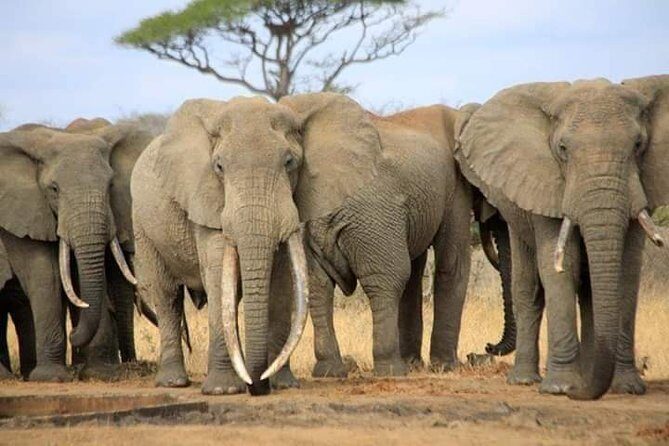
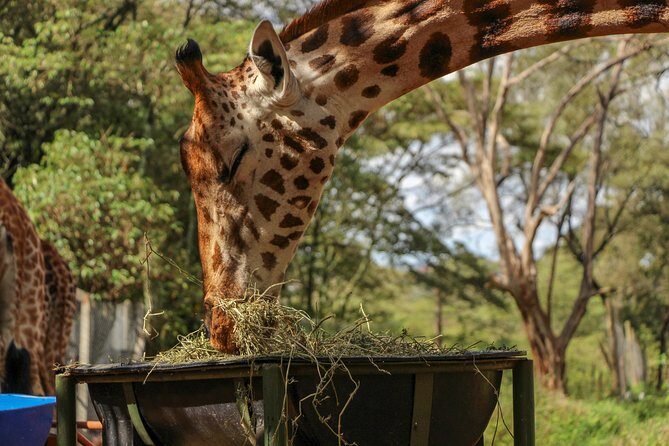
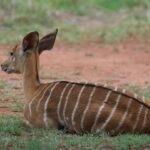
Masai Mara’s game list is big, and this safari’s plan matches that. You’re pointed toward frequent sightings of animals like giraffes, zebras, baboons, warthogs, bat-eared foxes, grey jackals, spotted hyena, topis, impala, hartebeests, wildebeest, and hippos. You’re also told you’ll have chances at elephants, buffaloes, and lions in good numbers.
The big cat section is the one where expectations should stay flexible. Lions are described as common in the reserve, and cheetahs/leopards are described as harder but reasonably common. Translation: you’ll spend a lot of time in predator country, but you still need to accept that nature controls the timing.
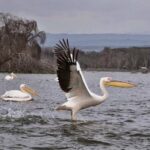
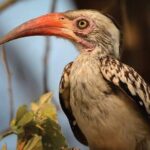
Bird lovers get a bonus. The Mara is noted for more than 400 bird species, with birds in many colors and sizes and birds of prey as part of what you can expect. That means you don’t need a mammal-only mindset. Even when you’re waiting for something to happen, the sky can be doing interesting work.
Best timing: migration season can change what your trip feels like
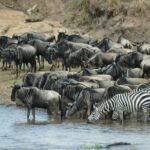
If your travel dates fall between July and October, you’re in the window for the wildebeest migration. The idea is simple: millions move to the Mara from the Serengeti for fresh pastures and water. The description calls it the largest migration of animals in the world, and that’s exactly why this park earns a “bucket list” reputation.
During migration season, the Mara can feel more like a constant flow than a set of isolated moments. Even if you’re not counting wildebeest as your top priority, migration often increases the overall drama: more movement, more feeding, and more predators tracking the flow.
Outside that window, you still have wildlife year-round. The difference is what’s driving the action. Either way, two full safari days is a smart way to increase your chances without turning this into an all-week ordeal.
Who this safari suits best (and who might want a different format)
This works best if you:
- Want a classic Masai Mara highlight in a short time window
- Prefer private planning and transport for your own group
- Like being outdoors for long stretches and don’t mind a full day of driving on the Mara schedule
- Appreciate camp evenings, including bonfire stories, not just daytime sightseeing
It may be less ideal if you:
- Have low tolerance for early departures
- Expect perfect camp comfort and sanitation every night (one issue was mentioned in available feedback)
- Want a guarantee of spotting every Big Five animal
Should you book this 3-day private Masai Mara safari?
My take: book it if you want your time to be spent in the Mara, not in airports, not in waiting rooms, and not in logistics chaos. The schedule is built around real viewing blocks—one first drive on Day 1, then a long Day 2, then a final half-day rhythm on Day 3 before heading back to Nairobi. Add in private transport and included camp meals, and you’ve got a clean safari package for the time you’re giving it.
You should think twice only if camp comfort and sanitation are non-negotiable for you. If that’s you, I’d ask the operator what camp standards are like for the specific lodge chosen in your booking and how they handle sanitation.
If you’re flexible, enjoy the hunt, and want to base your trip around wildlife in Masai Mara, this is a strong use of three days—and a very practical way to chase lions, elephants, and the Mara’s famous action without turning the trip into a month-long production.
FAQ
How long is the safari?
It’s listed as 3 days (approx.).
How much does the safari cost?
The price is $1,100.00 per person.
Is pickup included?
Yes. Pickup is offered in Nairobi (from a hotel/airport area), and the experience also lists a meeting point at City Market, Muindi Mbingu St, Starehe, Kenya.
Is this a private tour?
Yes. It’s described as private, meaning only your group participates.
What’s included in the price?
The tour includes private transportation, breakfast (2), lunch (2), dinner (2), and admission tickets for the game drives mentioned in the itinerary.
What optional activities are available?
An optional Masai Village visit is available for $30 per person.
What time does Day 3 start and what time do you return to Nairobi?
Day 3 departure from the lodge/camp is at 10:00 am, and you return to Nairobi arriving at about 16:00.
What wildlife and birds should I expect?
You can expect many animals listed for Masai Mara, including lions, elephants, giraffes, zebras, baboons, warthogs, hyenas, hippos, cheetahs, and leopards, plus 400+ bird species and birds of prey.
Can I cancel and get a full refund?
Yes. Cancellation is free, and you can cancel up to 24 hours in advance for a full refund. If you cancel less than 24 hours before the start time, the amount paid is not refunded.