REVIEW · NAIROBI
Overnight Private Safari To Masai Mara
Book on GetYourGuide →Operated by Perfect Wilderness Tours and Safari · Bookable on GetYourGuide
Open-roof safari mornings beat alarm clocks. I like how this is a private safari with a pop-up roof 4×4 that makes wildlife viewing and photos feel instant, not trapped behind glass. And I’m a big fan of the guides’ focus on finding action fast, with names like Frederick/Fred, James, Steve, and Anto showing up repeatedly as strong, hands-on drivers.
The big payoffs are the day’s long game-drive window and the chance to spot iconic animals (including a shot at the Big Five) plus plenty of birds. One thing to factor in: the total cost can jump once park fees are added, and your camp experience can vary since the tour uses budget-style tented options or different lodges depending on availability.
In This Review
- Key points before you go
- From Nairobi at 6:00am to the Great Rift Valley viewpoint
- The private 4×4 safari in Masai Mara: how the game drive really works
- Bird watching and the Big Five: what you can expect (and what you can’t)
- Camp night in Rhino Camp (and how the lodge option changes the feel)
- Day 2: a quick reset, then back to Nairobi with a Maasai village stop
- Price and value: how the $595 rate stacks up with park fees
- Who should book this private Masai Mara safari?
- Should you book this Overnight Private Safari to Masai Mara?
- FAQ
- What time is the Nairobi pickup?
- How long is the safari?
- Is the safari vehicle good for photos?
- What animals might you see?
- Are meals included?
- What’s the big extra cost you should plan for?
- Is a Maasai village visit included?
- What accommodation options are available?
- What should I bring, and are pets allowed?
Key points before you go
- 6:00am Nairobi pickup keeps your first safari drive from feeling rushed.
- Great Rift Valley viewpoint stop breaks up the drive with serious geology views from volcanic activity long ago.
- Pop-up roof vehicle makes it easier to shoot photos and scan for birds and animals at higher angles.
- One long game drive day (until evening) gives you more time to find the best sightings.
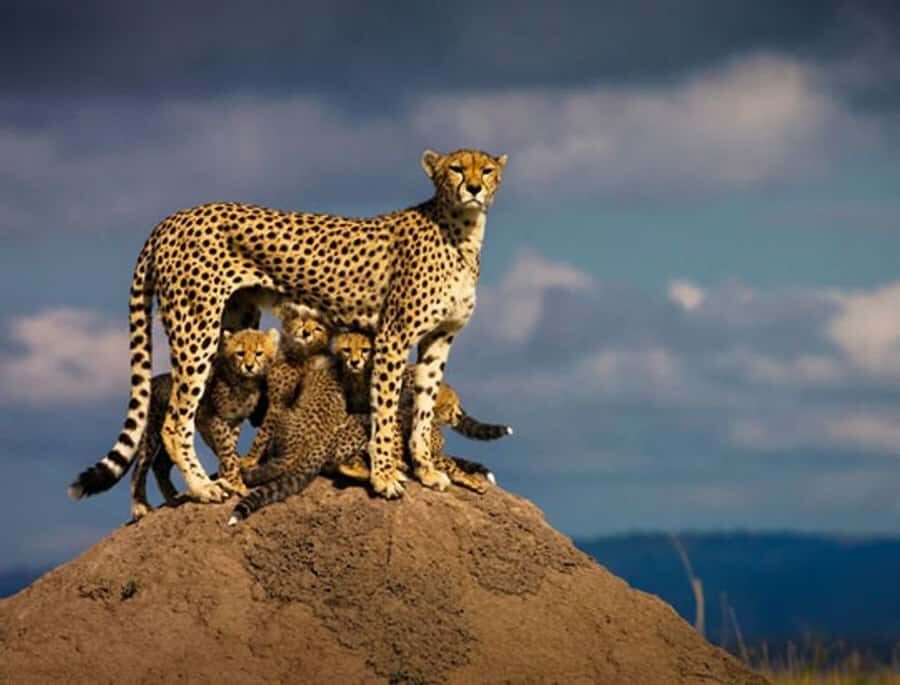
- Big Five odds, not guarantees: your best results come from staying patient and letting the guide work.
- Accommodation choices range from self-contained budget tents to lodge stays, based on availability.
From Nairobi at 6:00am to the Great Rift Valley viewpoint
Your day starts early for a reason: Masai Mara wildlife viewing is all about timing, and those first hours matter. You’ll be picked up from your Nairobi hotel or residence area at 6:00am, then begin the drive to the reserve.
About an important stop: you pause at the Great Rift Valley viewpoint to see the effects of volcanic activity from long ago. This isn’t just scenery for scenery’s sake. It helps you understand why the region looks the way it does—why you’ll later see broad grasslands, scattered acacia, and wildlife spread out in a way that makes spotting possible (and fun) from road-side vantage points.
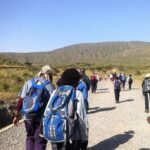
Bring comfortable shoes, because even on safari you’re not just sitting still. The drive also means you’ll want water on hand and a camera ready, since the most photogenic moments often happen when you least expect them.
You can also read our reviews of more private tours in Nairobi
The private 4×4 safari in Masai Mara: how the game drive really works
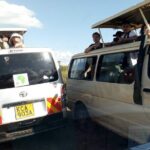
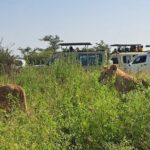
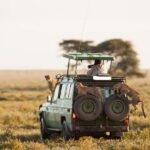
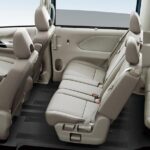
Once you reach the reserve area, you don’t waste time. You’ll go straight into the park and start your game drive, with lunch handled inside the reserve. The safari vehicle is the star: a 4×4 Land Cruiser-style setup with a pop-up roof, made for wildlife watching and photography.
That open-roof feature sounds small until you use it. It gives you a higher viewpoint for scanning trees, tall grass edges, and horizons where birds and predators tend to pop up. It also makes it easier to get sharp photos without awkward camera angles.
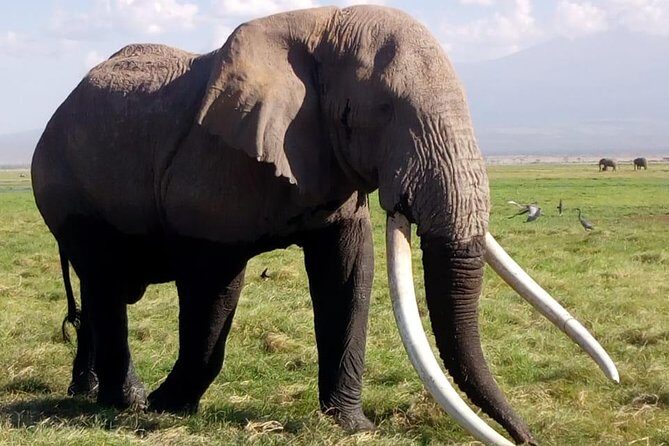
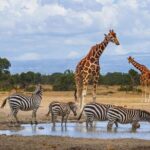
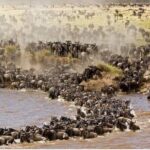
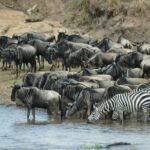
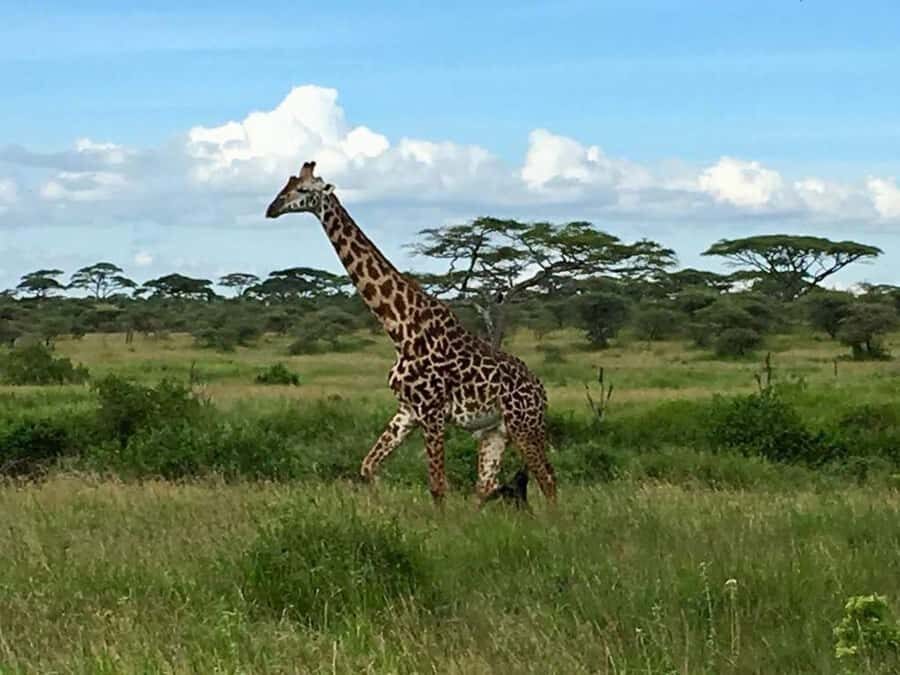
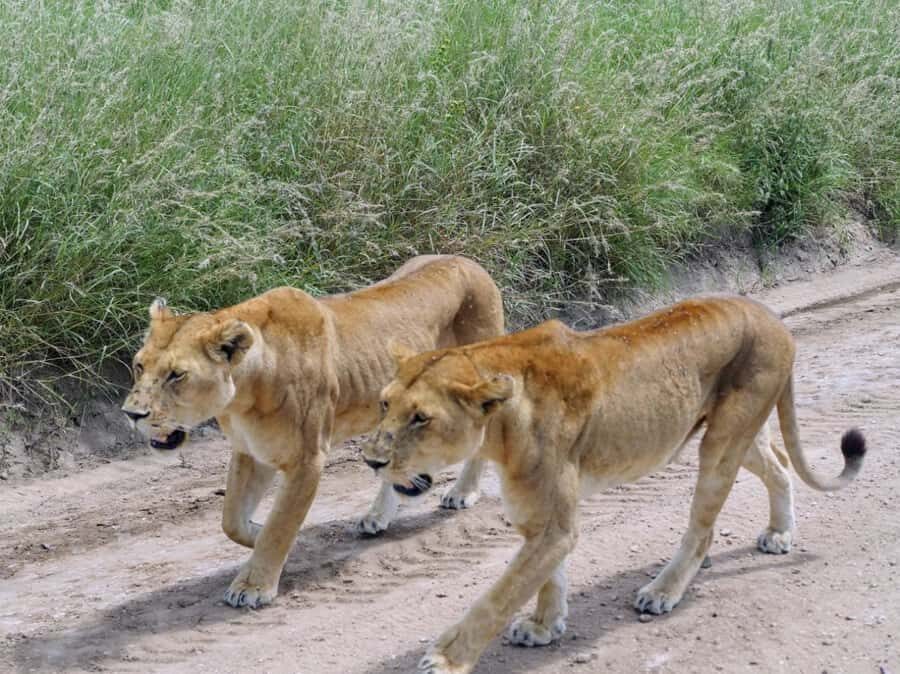
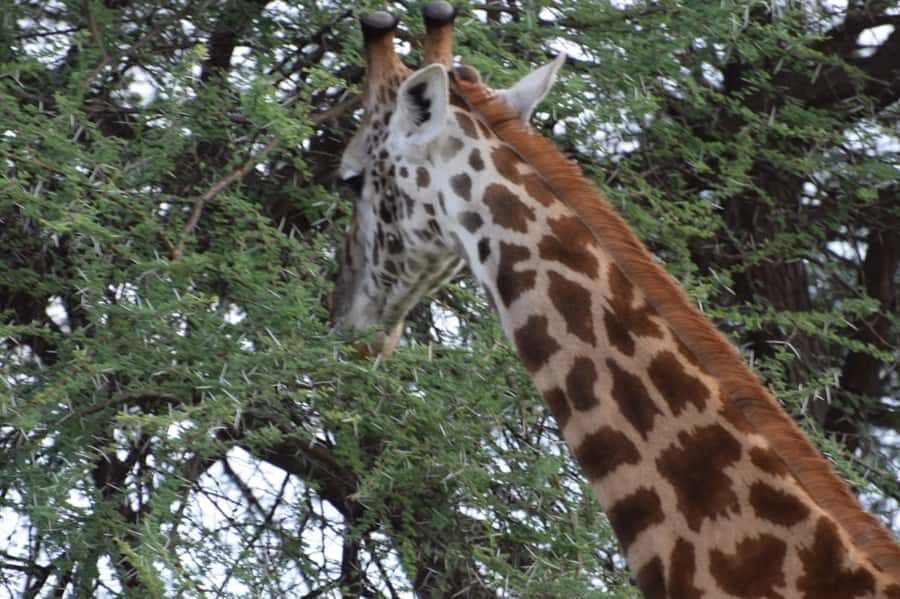
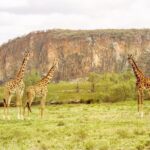
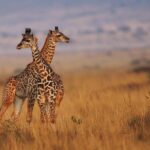
You’ll likely see plenty of familiar starters early on—zebra, giraffe, topi, and Thompson gazelle are specifically mentioned as common sightings on arrival. That matters for two reasons. First, it confirms you’re in the right ecosystem fast. Second, it trains your eyes: once you’ve found the grazers, you’re closer to understanding where predators and scavengers will show up later.
The day’s format is simple: you drive through peak viewing hours, then you keep going until evening. The long run is a real advantage, because animal behavior changes across the day. Instead of one quick loop, you get a fuller shot at the variety that makes Masai Mara special.
Bird watching and the Big Five: what you can expect (and what you can’t)
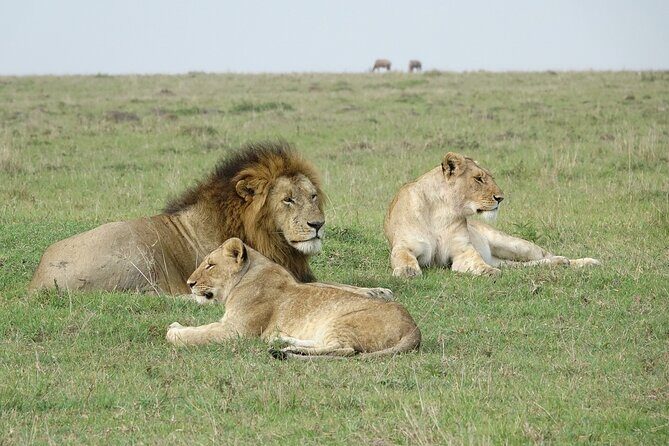
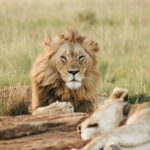
Masai Mara is famous for predators, but you should treat the Big Five as a chance, not a checklist. Your tour is designed to maximize your odds with a pro guide who’s responsible for finding animals and positioning you for sightings and photos.
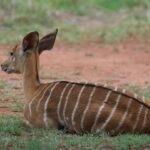
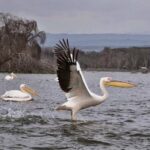
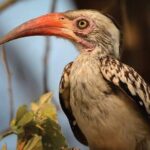
Bird watching is explicitly part of the experience here, which is smart. Many first-time safari plans focus only on mammals, then act surprised when they miss the action happening in trees and grass edges. With the guide scanning actively, you’re more likely to spot different bird behaviors—perching, moving between patches, or showing up around open areas.
If you’re aiming for the Big Five, here’s the practical mindset: you don’t control when animals appear, but you control how long you stay alert and flexible. The tour gives you the time block you need by keeping the game-drive day running into the evening, so you’re not forced into the “one sighting and out” trap.
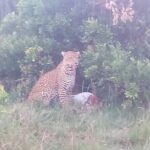
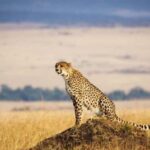
You’ll see enough of the ecosystem to feel like you’re inside a real wildlife routine—grazers first, then larger movements, then the predator story when it happens. And if you get lucky with the classic cats or a leopard moment, it usually comes from patient searching rather than chasing.
Camp night in Rhino Camp (and how the lodge option changes the feel)
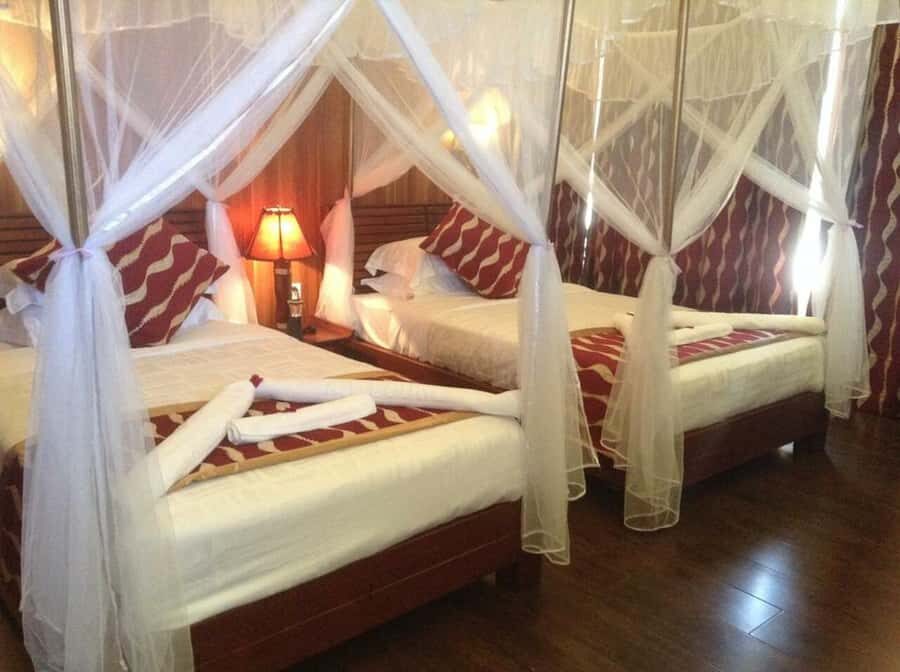
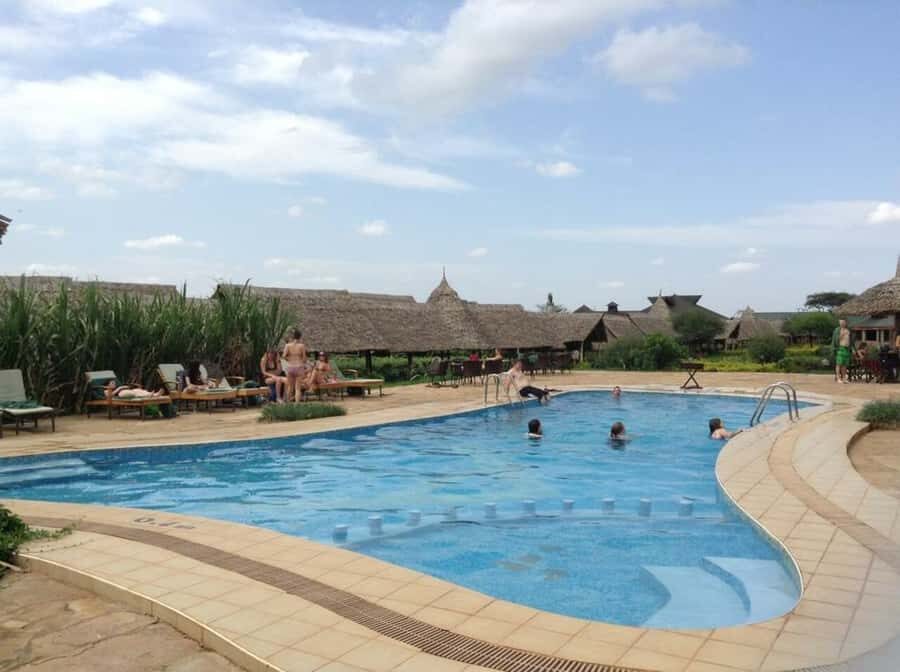
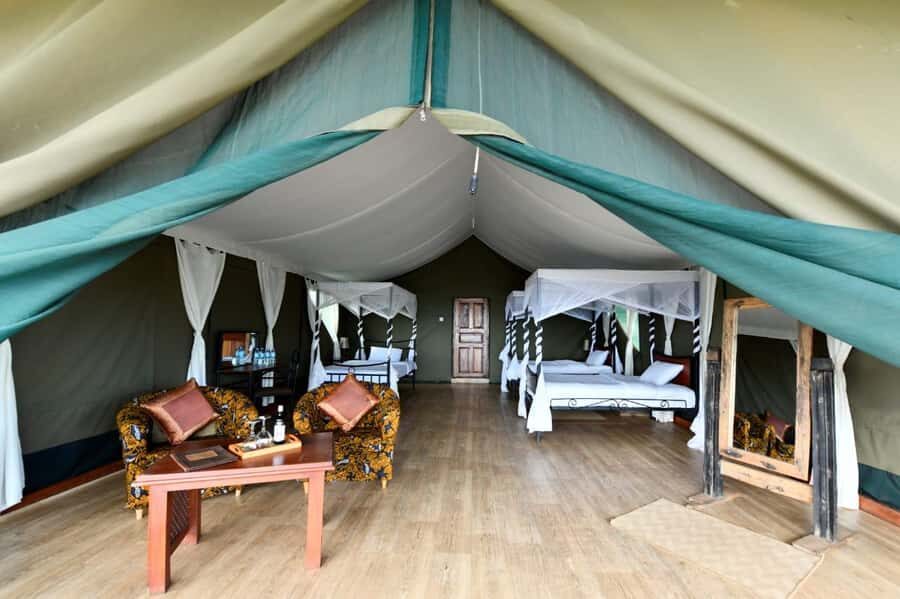
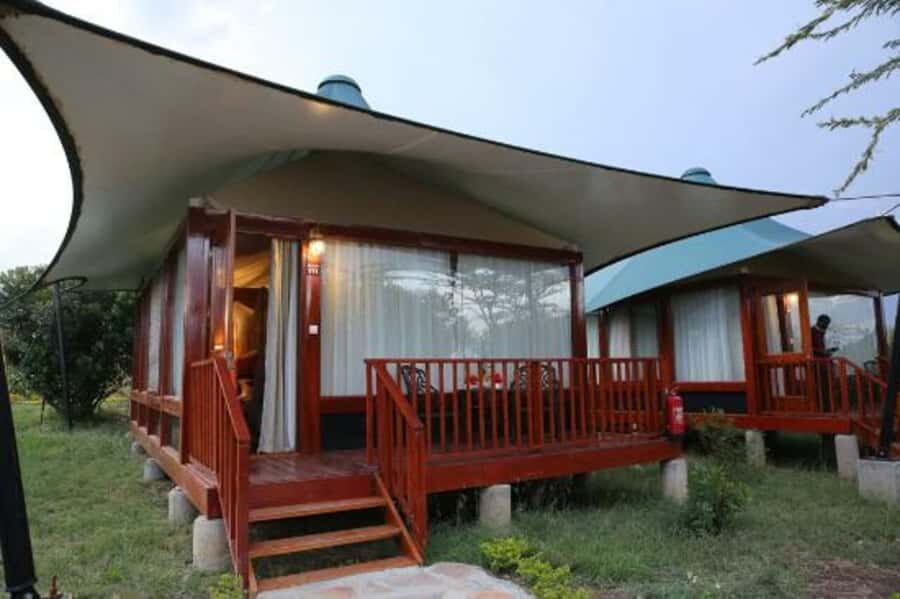
Sleep happens at the camp, and the experience depends on the accommodation you get. The tour can include a budget option in a camp called Rhino Camp, described as having big, private, self-contained tents. If you go the lodge route, the names mentioned include Jambo Mara Safari Lodge or AA Lodge (or similar).
So what should you expect? In budget tented options, you’re paying for function: a private tent, basic comfort, and a location that gets you back on the road quickly. In lodge options, you can expect a more traditional lodge atmosphere, though the exact property can still vary with availability.
A key consideration: safari camps can look different from marketing photos, especially in budget categories. That’s not a deal-breaker for everyone, but it’s worth managing expectations. If you’re the type who needs picture-perfect rooms, double-check what matters most to you: privacy, cleanliness, and how quickly you’ll want to fall asleep after a long game drive.
The night itself is straightforward: dinner, then rest. You’ll want an early bedtime because the next morning begins with breakfast and then checkout for the drive back.
Day 2: a quick reset, then back to Nairobi with a Maasai village stop
Day two starts with early breakfast and then checkout. After that, you head back toward Nairobi. This is not a full second safari day, so the best wildlife time is clearly concentrated on day one.
On the way out, you stop briefly for a Maasai village cultural encounter. This is where you trade the game-viewing lens for a people-and-traditions lens. You can learn about Maasai community life and interact with local Maasai people as you’re traveling out of the reserve.
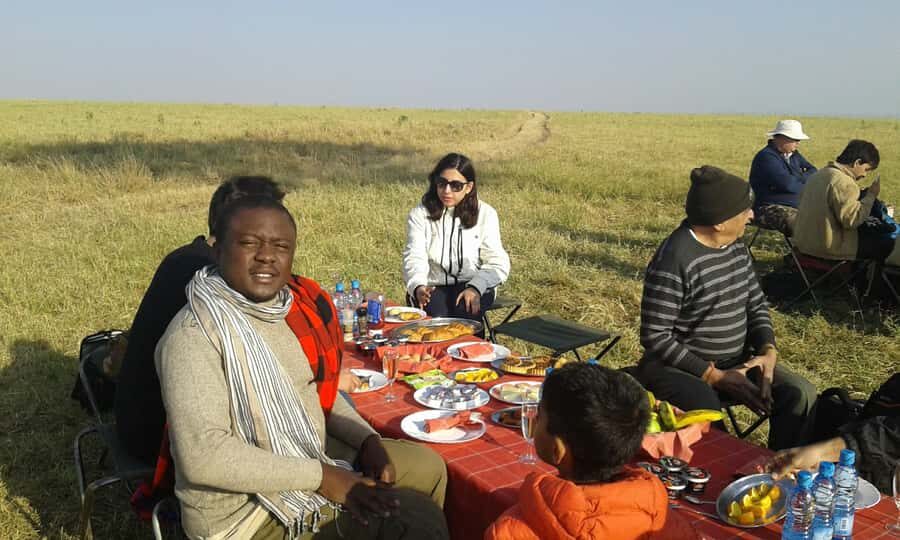
There’s also a meal stop: you’ll get a simple complimentary lunch in a traveller’s motel on the route. Then you’re dropped back at your Nairobi hotel.
If you’re wondering how long you’ll be on the road overall, plan for a travel day. Kenya’s distances are real. The best approach is to treat day two as the “process day” that turns your safari into a full Nairobi return, not as a chance for extra sightings.
A few more Nairobi tours and experiences worth a look
Price and value: how the $595 rate stacks up with park fees
The base price is $595 per person for a 2-day private safari. For a private drive, a 4×4 with a pop-up roof setup, a professional guide, and an overnight camp stay, it’s a reasonable value target—especially if you don’t want to share the experience with strangers.
But here’s the math you shouldn’t skip: park fees for 2 nights are not included. They’re listed as $200 per person from Jan 1 to Jun 30, and $400 per person from Jul 1 to Dec 31. That single line can move your total a lot, so your true budget might be closer to the base rate plus that seasonal fee.
Then there are add-ons. An optional balloon safari is listed at $420 per person, and an optional visit to a Masai village is $20 per person. The itinerary already includes a Maasai village stop as part of the day-two route for cultural encounter, but the add-on cost may matter depending on how your booking labels it.
When I judge value for a short safari, I look at time and access. This tour wins because it’s private, it starts early, and the game drive is given a meaningful chunk of the day. If you’re short on time and want to maximize wildlife opportunities without complicated planning, this structure is the kind that actually delivers.
If you’re traveling in the higher park-fee season, you’ll want to weigh whether the added cost still matches your priorities. For many people, it does—because the Masai Mara payoff isn’t subtle when the animals decide to perform.
Who should book this private Masai Mara safari?
This safari suits you best if:
- you want private vehicle access with an open-roof viewing setup
- you have only 2 days and need a straightforward plan from Nairobi
- you care about both mammals and bird watching
- you prefer a guided, time-efficient route rather than DIY driving
It’s also a good fit for solo travelers, since private doesn’t mean you’re stuck in a crowded vehicle. Couples often like it too, because your guide and driver can adapt road time to what you’re seeing.
If you’re very budget-sensitive, the seasonal park fee matters more than you might expect. If you’re very comfort-sensitive about accommodation appearance, ask questions early about what camp or lodge option you’ll likely receive for your dates.
Should you book this Overnight Private Safari to Masai Mara?
I’d book it if you want a short, well-timed safari focused on real viewing time, with a pop-up roof 4×4 and a guide who works to find animals. The 6:00am start, the Rift Valley stop, and the long first-day game drive all point to an itinerary built for results rather than sightseeing sprawl.
I’d think twice if your budget is tight during the Jul–Dec season, since park fees can significantly raise your total. I’d also treat accommodation as “safari practical,” especially under budget options, and not as a luxury hotel experience.
If you can handle early mornings, flexible wildlife timing, and budget-to-midrange camp expectations, this is a strong way to spend two days getting close to Masai Mara’s wildlife rhythm.
FAQ
What time is the Nairobi pickup?
Pickup is at 6:00am from your residence or hotel within Nairobi.
How long is the safari?
The tour runs for 2 days.
Is the safari vehicle good for photos?
Yes. You travel in a private van/4×4 with a pop-up roof designed for game watching and photography.
What animals might you see?
You can spot animals such as zebra, giraffe, topi, and Thompson gazelle, and there’s a chance to see the Big Five.
Are meals included?
Yes. Lunch and dinner (and breakfast on day two) are included as per the itinerary, and bottled water is provided.
What’s the big extra cost you should plan for?
Park fees for 2 nights are not included: $200 per person (Jan 1–Jun 30) or $400 per person (Jul 1–Dec 31).
Is a Maasai village visit included?
A cultural encounter stop at a Maasai village is part of the day-two route. An optional Maasai village visit price is listed as $20 per person.
What accommodation options are available?
Accommodation depends on availability and can be Rhino camp (budget tents) or a lodge option such as Jambo Mara Safari Lodge or AA Lodge (or similar), with other lodge/tented options listed as equivalent.
What should I bring, and are pets allowed?
Bring comfortable shoes. Pets are not allowed.