REVIEW · KENYA
Watamu: Learn Kenyan Cusine with Jonathan
Book on GetYourGuide →Operated by Kinglee travells · Bookable on GetYourGuide
Cooking with locals beats browsing for souvenirs. This class in Watamu is a straightforward, hands-on way to learn Ugali and chapati from Jonathan, then sit down and eat what you made. I like that it’s private and guided at village pace, not a rushed demo. The only real drawback to plan for is time: at two hours, you’ll learn the basics well, but you won’t become a master baker.
You’ll get picked up, head to the village, and start cooking Ugali from scratch before moving on to chapati and samosas. Or you can skip the travel and have Jonathan come to your house or resort—just tell him your preference by WhatsApp. I also appreciate the practical setup: cooking materials are included, and the class is designed for small groups up to 10.
If you’re looking for a passive activity, this isn’t it. You’ll chop, mix, roll, cook, and taste. Bring a curious mindset, and you’ll leave with skills you can actually use at home.
In This Review
- Key things that make this Watamu cooking class worth your time
- From pickup to the cooking area: how the 2 hours actually run
- Ugali from scratch: the skill that anchors the whole meal
- Chapati-making: rolling, cooking, and learning by repetition
- Samosas and the shared meal: eating what you made, together
- Village class vs. cooking at your resort: choosing the right kind of day
- Option 1: Cook in the village
- Option 2: Have the class at your house or resort
- Price and value in Watamu: why $23 makes sense for what you get
- Who should book this class (and who should skip it)
- What to expect when it comes to communication and comfort
- Should you book this Watamu cooking class with Jonathan?
- FAQ
- Where does this cooking class take place?
- How long is the class?
- How much does it cost?
- Is it a private class?
- Can I choose where the class happens?
- What dishes will I learn to cook?
- Are cooking materials included?
- Is pickup included?
- What languages are available?
- Is the experience suitable for wheelchair users?
Key things that make this Watamu cooking class worth your time
- Cook with Jonathan (with real teaching, not just watching): he’s described as friendly and pedagogical.
- Village-first experience, with an option to stay at your resort: choose your location.
- Learn core Kenyan staples: Ugali and chapati are taught from scratch, with samosas also included.
- Small-group privacy: it’s private and open to up to 10 people, so you don’t get lost in a crowd.
- Language support: English, Italian, and Swahili are available, so you’re not stuck.
- You eat together: the meal is part of the experience, not an afterthought.
From pickup to the cooking area: how the 2 hours actually run
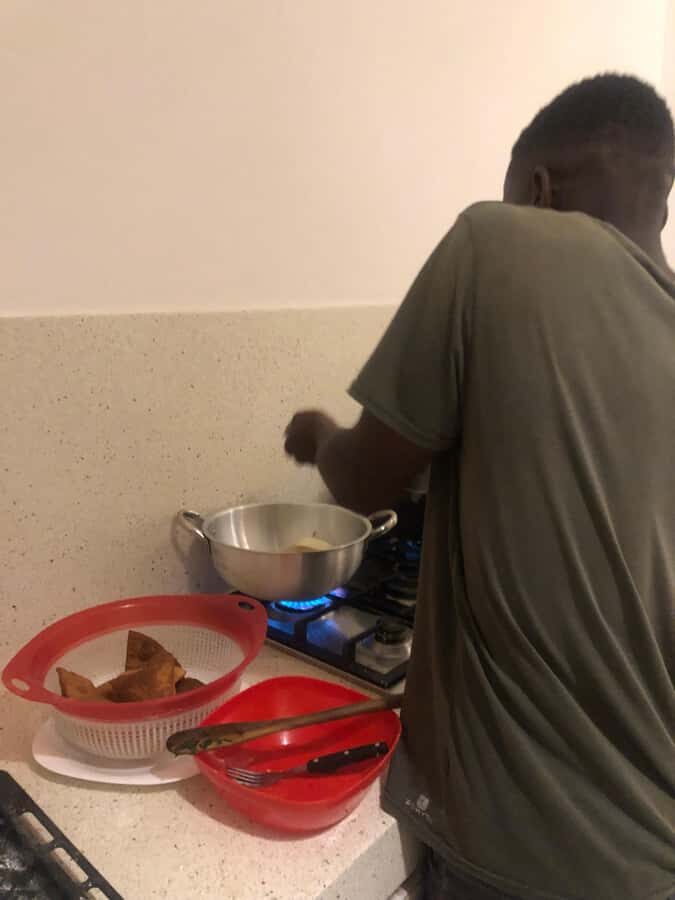
This is a compact class, designed to fit a day in Watamu without eating up your whole schedule. The plan starts with pickup, then you go to the cooking space—either Jonathan’s village or directly to your home/resort, depending on what you choose.
That first transfer matters more than you might think. In a place like Watamu, it can be easy to spend your energy figuring out transport instead of focusing on the experience. Here, private transfer is included, and you’re guided to the right setting so you can get cooking fast.
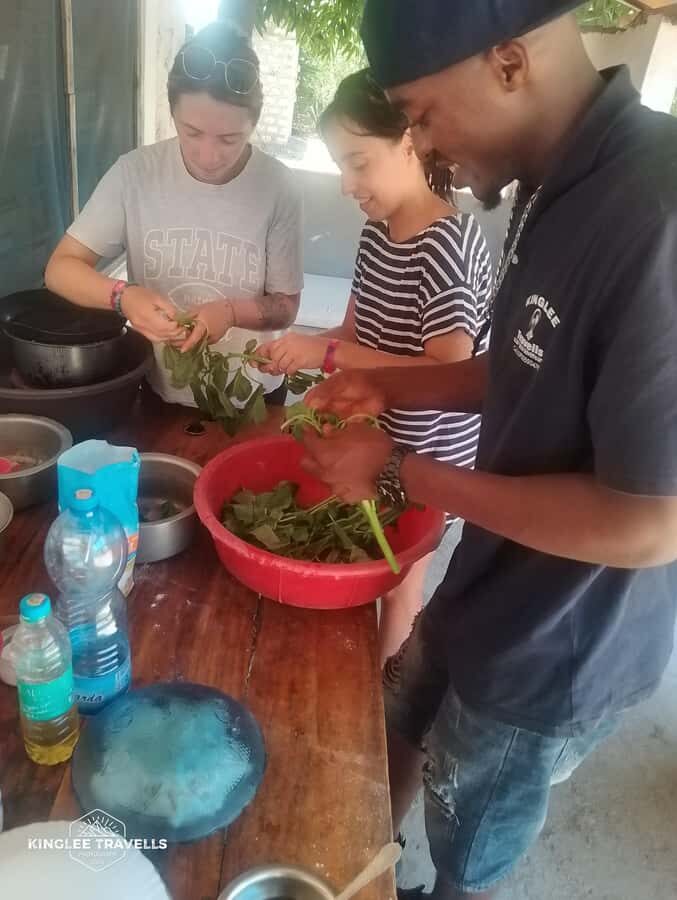
Once you arrive, you’ll shift from visitor mode to helper mode. The class is private-group style, so Jonathan can guide you closely as you work. The teaching approach is hands-on: you make the dough, shape the food, and cook with guidance. There’s no need to be a confident cook—this is built for learning.
My practical tip: message your host by WhatsApp ahead of time about where you want the class (village vs your accommodation) and the right pickup point. That keeps the whole experience smooth and keeps you from losing time.
You can also read our reviews of more tours and experiences in Kenya.



Ugali from scratch: the skill that anchors the whole meal
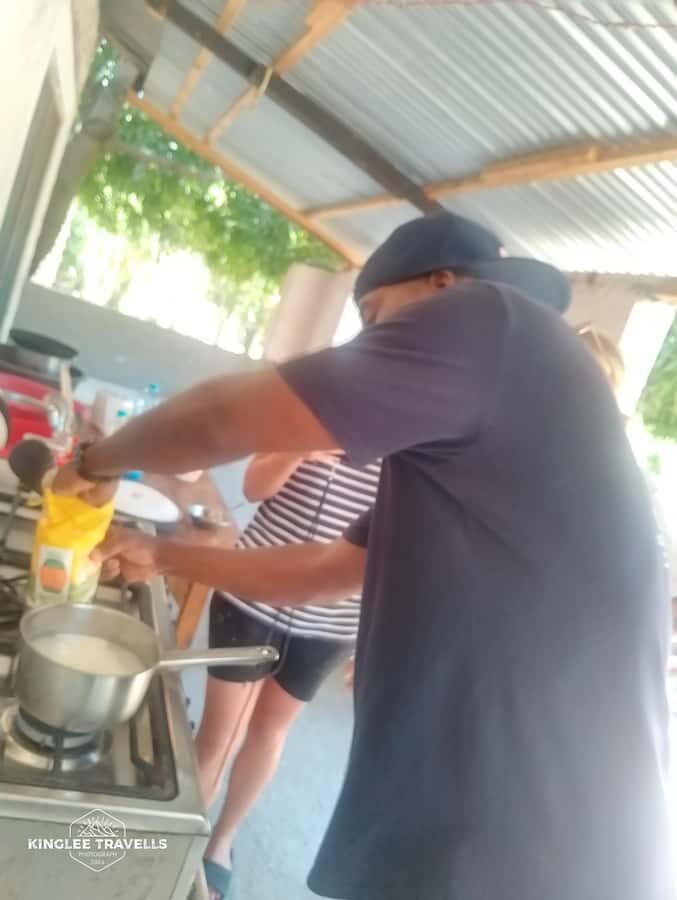
Ugali is the heart of the menu, and it’s also where you learn the most. Jonathan teaches you how to make it from scratch, which is a big deal because ugali isn’t a “buy mix, add water” kind of thing. You’ll learn the process step-by-step, and you’ll taste the result as part of the shared meal.
Why this is valuable: ugali is one of those foods that you can’t really understand from photos. Getting your hands in and seeing how texture changes as you cook gives you real context for Kenyan food—simple ingredients, careful technique, and the right consistency.
In practical terms, expect the class to focus on:
- Getting the base mixture right for a smooth, consistent dough
- Understanding how heat and timing affect texture
- Learning when it’s ready to eat
A lot of cooking classes stop at “here’s the method.” This one puts you in the method. If you like learning by doing, you’ll feel the difference immediately.
Chapati-making: rolling, cooking, and learning by repetition
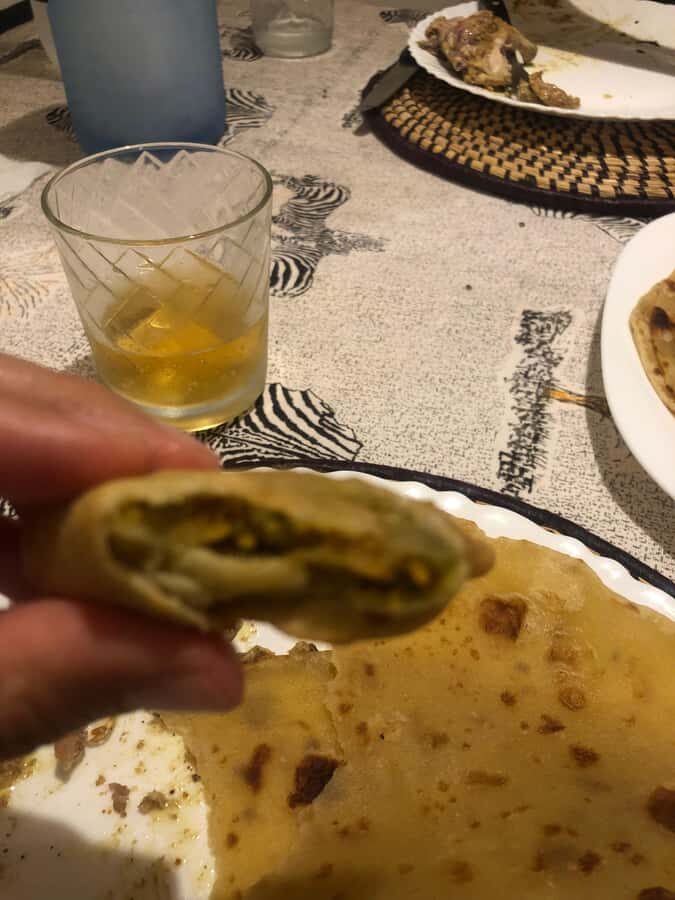
After ugali, you move into chapati. This part is where the class turns from “get it right once” into “make it work consistently.” Chapati rewards practice, and a short class still gives you enough time to see what good dough feels like and how cooking changes it.
Chapati is also a great skill for home cooks because it’s portable. Once you understand the dough and cooking rhythm, you can replicate the result anywhere. That’s a big part of the value here: you don’t only leave with memories—you leave with repeatable technique.
From what’s been shared about the experience, Jonathan’s teaching style is approachable and patient, and the class is designed so language barriers don’t block understanding. If you only know a few Swahili words, that’s fine. Food has its own vocabulary: touch, shape, heat, smell, timing.
Possible consideration: if you’re expecting a “watch everything” class, chapati is going to involve you. You’ll be making choices, rolling and cooking, and checking progress as you go.
Samosas and the shared meal: eating what you made, together
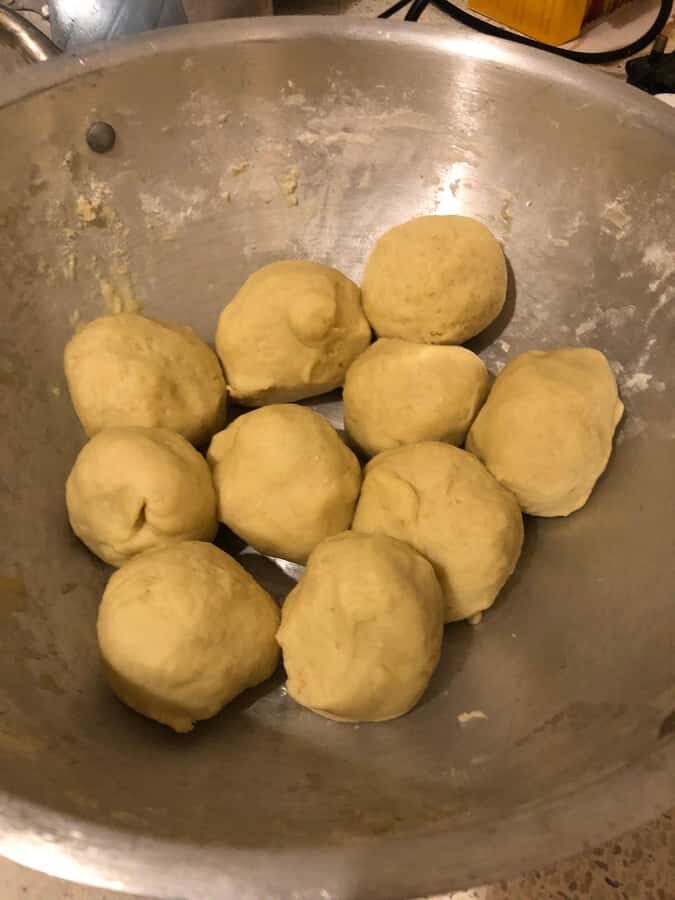
Samosas are included in the class, and they round out the meal experience. In many homes, samosas are a comfort-food kind of treat—something casual that still feels special. Here, you get the point of samosas beyond the final crunch: the act of learning how they fit into a meal you prepared yourself.
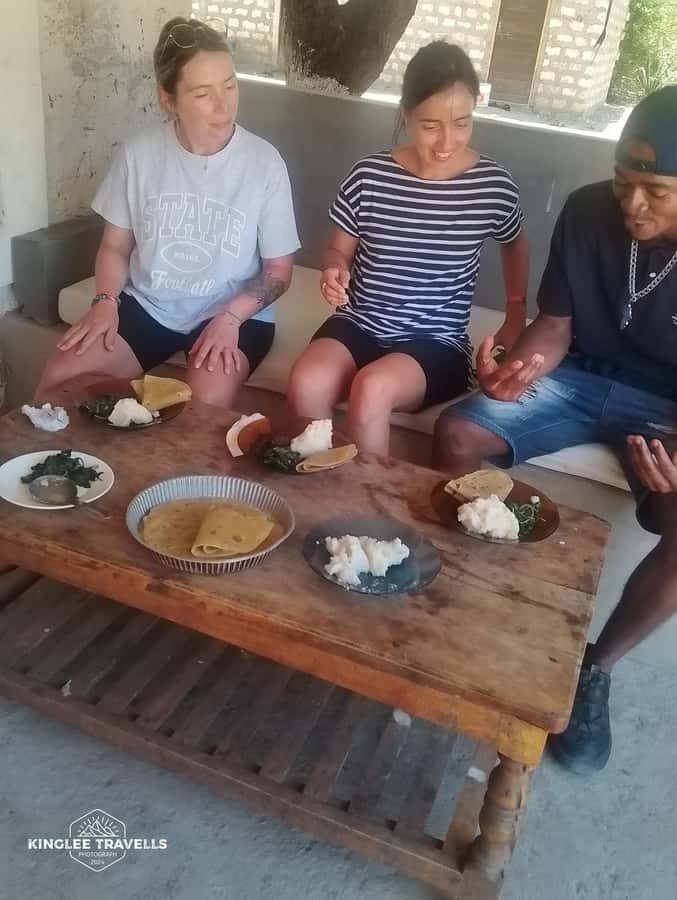
Then you eat together. That “together” piece is more meaningful than it sounds. When you share the table right after cooking, you understand flavors and textures with context. It also turns the class into a conversation—less like a workshop, more like spending time with someone’s kitchen culture.
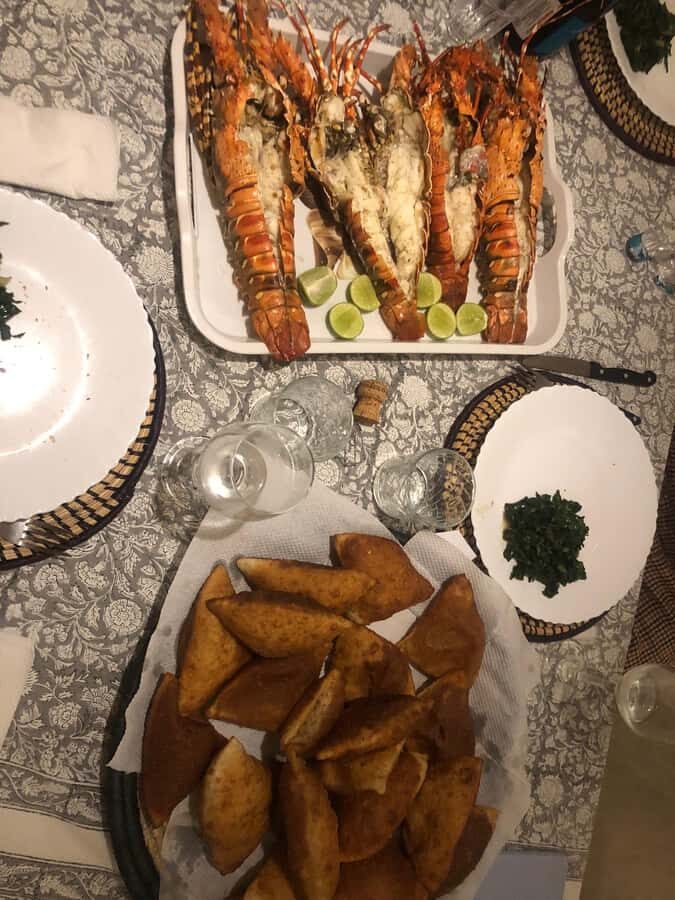
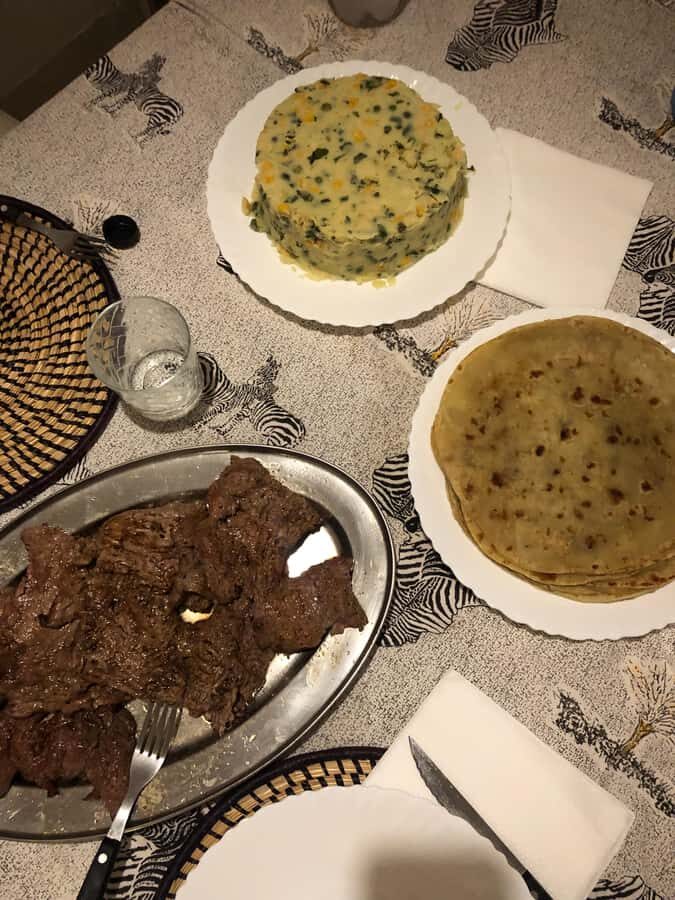
Even better, past sessions have mentioned dishes like spinach alongside the core items. That suggests Jonathan’s menu can reflect what’s available and how the family is cooking that day. So if you’re open to variety, you’ll likely enjoy the meal even more than you planned.
Village class vs. cooking at your resort: choosing the right kind of day
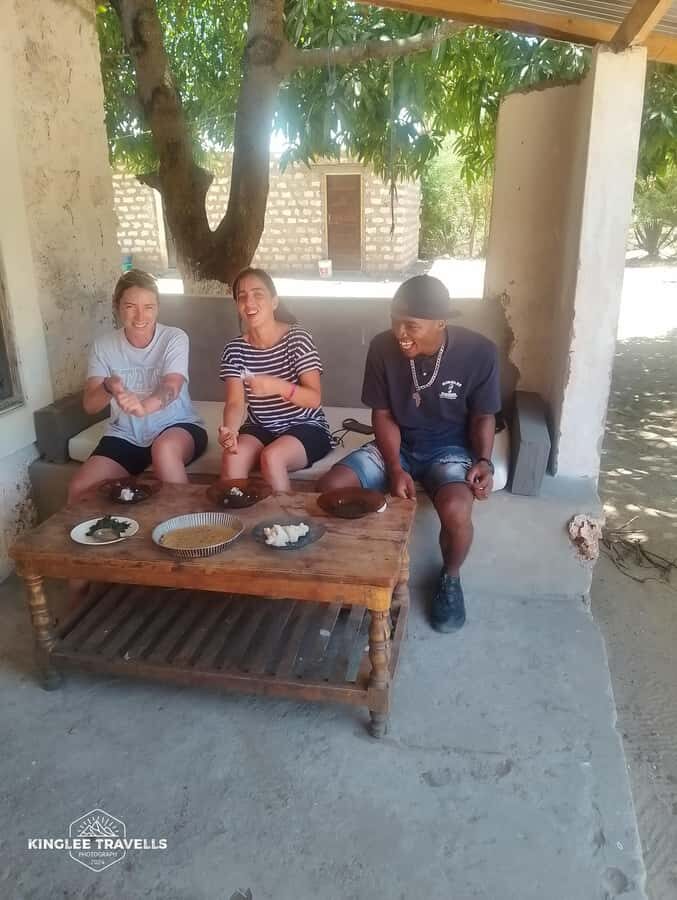
You get a real choice here, and it’s the kind that affects your whole mood for the day.




Option 1: Cook in the village
This is the classic version: pickup, then you go into the village where Jonathan teaches you. The upside is authenticity and immediacy. You’re not just tasting Kenyan food—you’re seeing where the cooking happens and how daily life moves around it.
It’s also a great option if you want to step away from resort routines and spend time in a more local setting.
A small drawback: it can feel more hands-on and informal than a studio class. If you love that, perfect. If you’re looking for a highly polished, hotel-like experience, you may need to adjust your expectations.
Option 2: Have the class at your house or resort
This keeps things easy. You keep the day simple: less travel, more time to focus on cooking. It’s a smart option if you want the lesson but don’t want to manage local movement or logistics.
If you’re traveling with kids, older relatives, or anyone who prefers to stay close to their room, this can be the better match.
Price and value in Watamu: why $23 makes sense for what you get
At $23 per person for a 2-hour, private cooking class, the value is mostly about what’s included.
You’re not paying for a generic food tasting. You’re paying for:
- A private cooking class with a professional cook/host
- Private transfer (pickup included)
- Cooking materials
- A class format that stays small (up to 10 people)
In other words, you’re paying for your time and your access: someone prepares the space, teaches actively, and stays with you through the cooking and the shared meal.
Where this price feels especially fair is if you compare it to typical activities that cost roughly the same but don’t teach you a skill. Here you walk away knowing how ugali and chapati are made, plus you get samosas as part of the experience. That’s the kind of “use it later” souvenir that still pays off at home.
One more practical value note: since it’s private and time-boxed, you don’t waste your trip watching other people cook while you wait your turn. You get the chance to handle the ingredients.
Who should book this class (and who should skip it)
This class is a strong fit if you want:
- Hands-on learning of Kenyan staples (Ugali and chapati)
- A small-group, private pace
- A cultural experience built around food, not just photos
- A practical activity you can remember and repeat at home
It’s also a good choice for couples and solo travelers because private group style can make the experience feel personal. Language support (English, Italian, Swahili) helps too.
You might skip it if:
- You hate getting involved in cooking tasks
- You only want a quick snack without any instruction
- Your schedule is too tight for a full 2 hours with pickup
What to expect when it comes to communication and comfort
Jonathan is listed as an English, Italian, and Swahili host/greeter. That matters because cooking classes go smoother when you understand what you’re aiming for—texture, timing, and steps.
There’s also wheelchair accessibility listed. That’s a real plus if mobility is a concern. The experience happens in real working spaces, so if you have specific needs, you’ll want to message details in advance so the host can set things up well.
My practical tip: wear clothes you don’t mind getting a bit messy. Even if you’re careful, food prep is hands-on.
Should you book this Watamu cooking class with Jonathan?
Yes, if you want an authentic Kenyan food experience with real instruction, not just a taste. This is one of those activities that feels worth the time because it combines culture, hands-on learning, and a shared meal—plus the option to choose your location.
Book it when:
- You want to learn Ugali and chapati basics
- You prefer a private class over large-group tours
- You’re okay with getting hands-on and spending two hours cooking
Consider another option if:
- You’re looking for a purely observational experience
- You’re short on time and can’t handle pickup + cooking + meal
If you do book, send that WhatsApp message early with your preferred location (village or your resort) and any language preferences. Then show up ready to cook. This is the kind of class where you’ll remember the food because you made it.
FAQ
Where does this cooking class take place?
It takes place in Watamu, Coast Province, Kenya.
How long is the class?
The class lasts 2 hours.
How much does it cost?
It costs $23 per person.
Is it a private class?
Yes, it’s a private group experience.
Can I choose where the class happens?
Yes. You can choose to learn at Jonathan’s village or have the class done at your house or resort.
What dishes will I learn to cook?
You’ll learn how to cook Ugali and Chapati, and the class also includes Samosas.
Are cooking materials included?
Yes, cooking materials are included.
Is pickup included?
Yes, pickup/transfer is included.
What languages are available?
The host/greeter supports English, Italian, and Swahili.
Is the experience suitable for wheelchair users?
Wheelchair accessibility is listed as available.