REVIEW · NAIROBI
Private Tour in Kibera the Largest Slum
Book on Viator →Operated by Kibera the LARGEST Slum Tour · Bookable on Viator
Kibera is louder than most guidebooks. This private, $15-per-person tour in Nairobi takes you past the headlines and into everyday life, with a local guide and a strong focus on human resilience. You’ll start at Olympic Primary School and end near the market, with pickup that can be arranged for your group.
Two things I like a lot: first, the variety of stops, from the old railway area to bones recycling and a school visit; second, the way the tour is guided by people connected to Kibera, including Rally, who is described as a former teacher running this type of community-focused work.
One thing to consider: this experience depends on good weather, and because you’re seeing the inner parts of the community, you’ll want to come with a respectful, calm mindset (and not treat it like a photo safari).
In This Review
- Key highlights and what makes it special
- Kibera in Four Hours: what you’re really signing up for
- Old Railway at Kibera: starting with a real timeline clue
- Inside a Kibera homestead: materials, space, and neighbor talk
- Bones recycling and ornaments: turning waste into work
- School time and orphans: edutainment with traditional dance
- Matatu transportation and football: moving like the community
- Toi Main Market finish: seeing trade up close
- Price and value: how $15 works for a private 4-hour tour
- Who this tour is best for (and who should rethink it)
- A few practical tips to make the day go smoothly
- Should you book this Kibera tour?
- FAQ
- How long is the Kibera private tour?
- What does the tour cost?
- Is this a private tour or a group tour?
- Where does the tour start and where does it end?
- What is included in the price?
- Is pickup available?
- What ages can children join?
- Are tickets mobile?
- Does the tour run in any weather?
- Is free cancellation available?
Key highlights and what makes it special
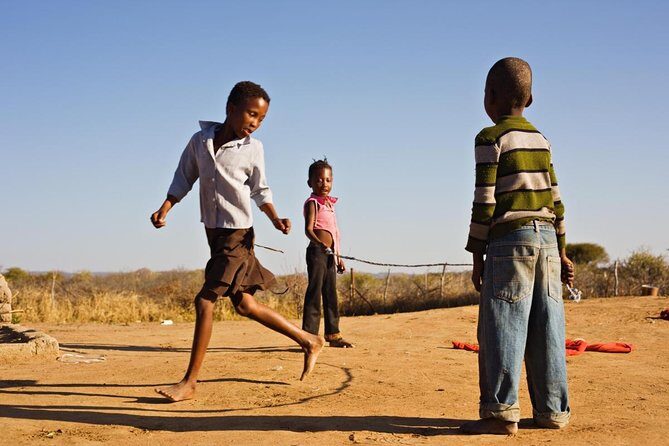
- Private group experience: only your group participates, so you can ask questions and move at a human pace.
- Rally and community-led context: you get explanations rooted in lived experience, not just facts on a signboard.
- Old Railway origin story: the starting point connects Nairobi’s built environment to the 1805 British railway.
- Hands-on life stops: homestead materials, bones recycling into ornaments, and school-based edutainment with dance.
- Local movement: you get to experience transport via matatu and join a football moment with a local team.
- A values-first mission: the tour emphasizes resilience and supports a school called Agape Hope for Kibera.
Kibera in Four Hours: what you’re really signing up for
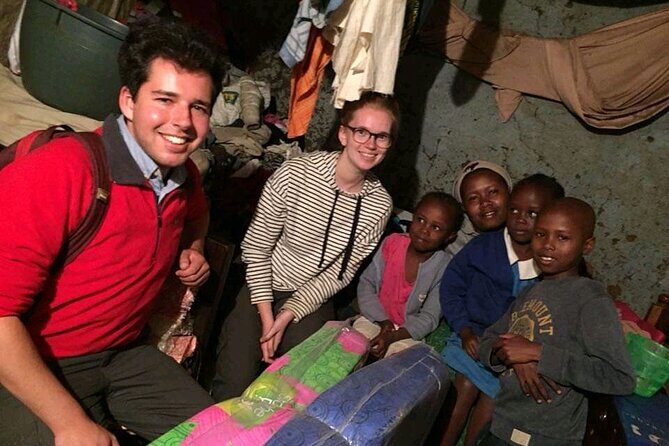
A slum tour can go two ways: either it turns people into a spectacle, or it becomes a real exchange. This one tries hard to be the first kind of experience that leaves you changed for the better. The goal isn’t to point and stare at hardship; it’s to show you how people build community, jobs, and routines even when life is difficult.
You’ll spend about 4 hours seeing “the innermost part” of Kibera and meeting people in their day-to-day spaces—houses, a school environment, and community trade areas. The tour also mixes practical life with culture: school time includes traditional dance where you may be invited to take part, and the itinerary includes a matatu transportation segment plus a football team moment.
The private format matters here. Even though it’s one of the cheapest options, you’re not pushed through with a huge crowd. That makes it easier to keep your questions respectful, and it’s also easier for the guide to explain what you’re seeing in plain terms.
You can also read our reviews of more private tours in Nairobi


Old Railway at Kibera: starting with a real timeline clue
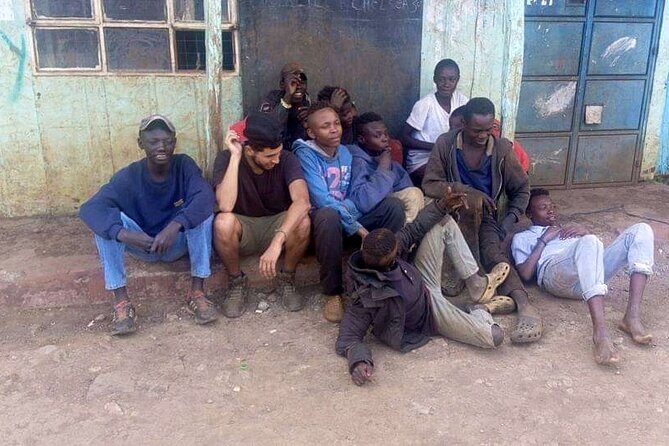
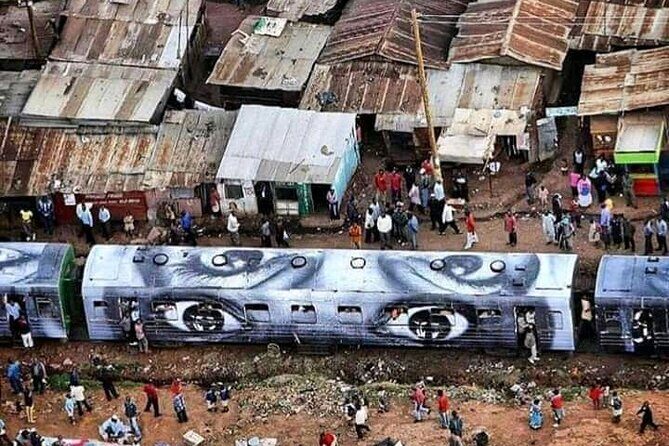
The tour begins at Old Railway, described as the oldest railway brought by the British in 1805. It’s a sharp way to set context fast. Instead of starting with a general lecture, you’re on a physical starting point with history built into the area.
Why this works: it gives you something concrete to hang the rest of the tour on. When you later see homesteads, recycling work, and school programs, you can better understand how a community’s layout and life patterns grew in the shadow of older infrastructure decisions.
What to keep in mind: this opening sets an emotional tone right away. If you’re sensitive to the weight of history or you want everything to feel light and upbeat from minute one, this start might feel intense. But that intensity is also part of the honesty of the tour.
Inside a Kibera homestead: materials, space, and neighbor talk
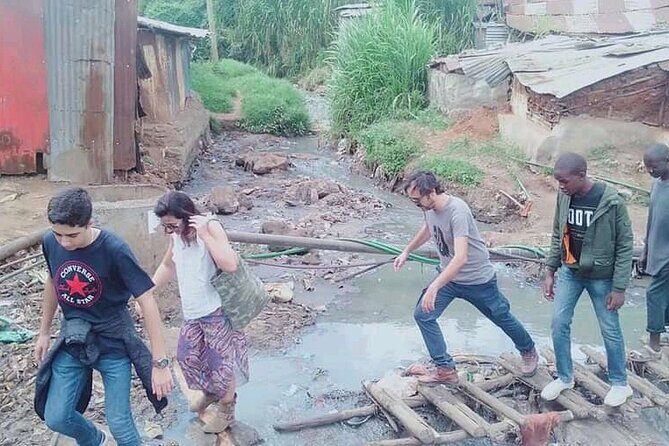
One stop focuses on homesteads and includes an interaction component—visiting a household so you can see the local materials used and learn how people organize daily life in limited space.
This is where your mindset matters most. The best way to enjoy this part is to shift from asking how “poor” it is to asking how people make it work. You’ll get a look at everyday problem-solving: how homes are built, adapted, and maintained with the materials available in the community.
A likely benefit for first-timers: seeing the homestead firsthand tends to break the “slum tour = disaster” mental shortcut. The tour highlights that Kibera is made of different households and different cultures living together as one community, not one uniform picture.
A practical tip: bring your curiosity, but keep it gentle. Ask permission when you want to interact, and follow your guide’s lead on what feels appropriate.
Bones recycling and ornaments: turning waste into work

Another key stop is bones recycling, where you’ll see how bones are recycled into ornaments and learn how this process creates employment. This isn’t framed as a dramatic hardship scene; it’s presented as work—something people do, skills people use, and income that supports families.
Why I think this stop is so important: it changes the conversation from needs to systems. Once you see a recycling workflow tied to ornaments, you start to understand Kibera as an economy, not just an image. That shift helps the tour feel less like pity and more like understanding.
What you might notice: you’ll be exposed to an activity that feels both practical and crafty. If you like maker-style work and want to see what “local business” looks like on the ground, this part can be especially memorable.
It’s also one of the best stops for respectful engagement. Watch closely, listen to explanations, and avoid treating it like a spectacle. The guide is there to connect the dots.
School time and orphans: edutainment with traditional dance

The itinerary includes a stop at a school for orphans, plus time to meet children while they’re at school. The tour also mentions edutainment, including traditional dances from the school—so the experience can be more than a walk-through.
A lot of slum tours talk about children in an abstract way. This one pushes you toward something more human: you see children in a school setting and watch or join cultural performance. The resilience message becomes visible, not just explained.
The tour is also tied to support for a school called Agape Hope for Kibera. That’s not just a slogan. In practice, it changes how the tour feels: it’s aimed at creating education-focused impact rather than feeding a guilt-driven tourist trend.
A consideration: school visits can be emotionally heavy. If you’re going in with a stiff “I’ll stay detached” approach, you might find it harder here than at other stops. On the flip side, if you’re ready for empathy with clear boundaries, this part is often the most meaningful.




Matatu transportation and football: moving like the community
Two itinerary pieces focus on participation: matatu transportation and a chance to play football with the local team.
Matatu ride-along matters because transport is identity. You’re not just standing on the sidewalk looking in; you’re experiencing the rhythm of local movement. A short ride can help you understand how people connect neighborhoods and manage daily logistics.
The football component is similarly powerful because it strips away assumptions. Whether you’re good at football or not, the point is the shared game moment—laughs, effort, and teamwork. It turns the tour into a human interaction rather than a one-way viewing.
Why you’ll probably enjoy this: it adds motion and energy. The tour isn’t only about watching homes and workshops. It gives you a role, even if it’s brief.
Practical advice: wear comfortable shoes you don’t mind getting dusty. And if you’re joining in, listen for the guide’s cues so you don’t disrupt the local pace.
Toi Main Market finish: seeing trade up close

The tour ends at Toi Main Market, in an open area where community goods are sold. That’s a good way to close the loop. You start with history, see work, then you see homes and school life, and you finish where people buy and sell daily essentials.
Markets can be busy, and this one is described as part of where visitors can see items sold in the community. It’s also an opportunity to pick up small souvenirs or things made through local crafts, especially if you’re interested in the work you saw earlier in the tour.
One small note: coffee and/or tea are not included, so if you want a drink after the walk and matatu segment, plan to purchase it on your own at or near the market.
Price and value: how $15 works for a private 4-hour tour
At $15 per person for about 4 hours, this tour offers a lot of structure for the money. You’re not just paying for a guided route—you’re getting admission included, bottled water included, and a private group format.
Also, the guide-led style matters for value. Reviews highlight Rally as kind and professional, and the tour is described as feeling safe with an explanation-heavy approach. That’s what you want for a first-time visit to a place many people only know from distant media.
The “cheapest slum tour” positioning changes the equation. Instead of making this experience feel out of reach, it invites more people—especially those who’ve never been inside a community like this—to understand life at ground level. The risk with lower-priced tours is that quality can suffer. Here, the repeated five-star pattern suggests the opposite: tight guidance, respectful pacing, and a clear mission tied to school support.
Who this tour is best for (and who should rethink it)
This tour is a strong fit for you if:
- It’s your first time learning about Kibera and you want context plus direct encounters.
- You prefer a private group experience over a large tour bus feel.
- You care about education-focused support linked to Agape Hope for Kibera.
- You want culture and participation, not only photo stops.
It might be less ideal if:
- You get overwhelmed by emotional scenes and you need a very light itinerary.
- You can’t handle weather-dependent plans since the experience requires good weather.
- You’re expecting a polished, classroom-style presentation with only historical facts. This is built around real places and real people, including active market and school environments.
If you’re traveling with kids, note that the age for children is from 5 years, and the pace includes interactions and movement.
A few practical tips to make the day go smoothly
If you’re booking, plan like you’re going on a community day rather than a sightseeing bus tour. Here’s what I’d focus on:
- Bring water habits in mind, since bottled water is included but you may still want to pace yourself.
- Pack comfortable walking shoes for homestead paths and market areas.
- If coffee or tea matters to your routine, bring the expectation that it’s not included.
- Go in with respect for boundaries. Ask before taking photos or interacting beyond what your guide leads.
And if you’re worried about safety: multiple comments highlight Rally’s role in making visitors feel safe while showing Kibera and explaining the way of life. Still, use normal common sense and stick with your group.
Should you book this Kibera tour?
If your goal is a meaningful, values-first visit that balances real encounters with education support, I think this is a smart booking. For first-timers, the mix of homestead life, bones recycling, school-based encounters with dance, and hands-on participation through matatu and football creates a full picture in about four hours.
The decision mainly comes down to your expectations. If you want a respectful exchange focused on resilience and community work, this tour fits well. If you’re only looking for a quick, non-emotional photo outing, you may not like the heavier parts of the day.
If you do book, you’ll likely walk away with a clearer understanding of Kibera as a living community—people working, learning, playing, and caring for one another, with Rally and the Agape Hope for Kibera school connection framing the whole experience.
FAQ
How long is the Kibera private tour?
The tour lasts about 4 hours.
What does the tour cost?
The price is $15.00 per person.
Is this a private tour or a group tour?
It is a private tour/activity, so only your group participates.
Where does the tour start and where does it end?
It starts at Olympic Primary School in Nairobi and ends at Toi Main Market in Nairobi.
What is included in the price?
Bottled water and an admission ticket are included.
Is pickup available?
Pickup is offered, and the pick-up point will be flexible for both parties.
What ages can children join?
The age for children is from 5 years.
Are tickets mobile?
Yes, a mobile ticket is included.
Does the tour run in any weather?
The experience requires good weather. If it’s canceled due to poor weather, you’ll be offered a different date or a full refund.
Is free cancellation available?
Yes. You can cancel up to 24 hours in advance for a full refund. If you cancel less than 24 hours before the start time, it isn’t refunded.