REVIEW · NAIROBI
Day Trip: Amboseli National Park & Maasai Village – Nairobi
Book on GetYourGuide →Operated by Gracilie Ventures · Bookable on GetYourGuide
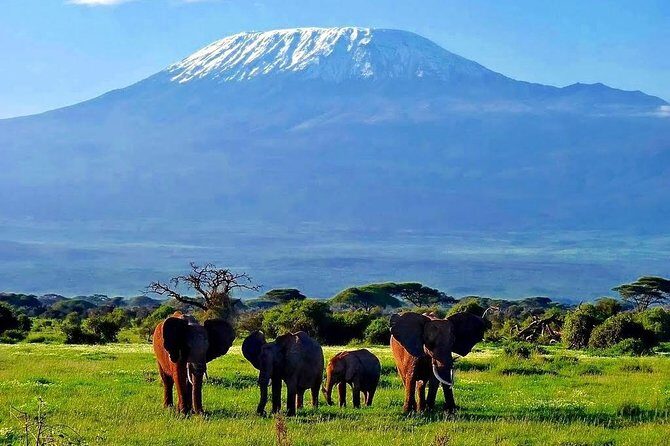
A good safari is about timing. This one gives you Amboseli elephants with Mt. Kilimanjaro showing through the morning haze.
I especially like the pop-up roof safari vehicle for getting your camera high enough to actually track animals at a distance. One thing to consider: it’s a long road day from Nairobi, and the comfort level can vary.
I also like how the day mixes wildlife with culture. You’ll get a guided game experience in the park, then meet a traditional Maasai community for song, dance, and a look at daily life in the huts known as manyattas. Guides can be strong on both animals and local life, with names like Charles and Harrison showing up in past groups.
The main drawback is simple: the drive is long enough that you’ll feel it. If you’re sensitive to sitting for hours, plan for a slower, more patience-testing return ride to Nairobi.
Key things I’d plan around
- Amboseli’s open visibility makes it easier to spot animals than in thicker bush.
- Big elephant herds are the star, often with Kilimanjaro in the background when clouds cooperate.
- Pop-up roof 4×4 game viewing helps you see over heads and tree lines.
- A fixed Maasai village stop means you’ll trade more safari time for culture (plan your expectations).
- Budget for the real extras: park entrance and lunch are not included in the base price.
In This Review
- Why Amboseli from Nairobi Works in One Day
- The Long Drive South: Setting Up for Sunrise Elephants
- Game Drive Time: Pop-Up Roof Views and Elephant Herd Math
- Lunch Between the Planes: What to Budget for
- Maasai Village Visit: Songs, Manyattas, and Questions Worth Asking
- Price and What You Really Pay (Entrance and Village Fees)
- What Makes the Day Feel Smooth (and Where It Can Get Tight)
- Who This Trip Fits Best
- Should You Book This Amboseli and Maasai Day Trip?
- FAQ
- How long is the day trip from Nairobi?
- What parts of the day are included?
- Is park entrance fee included in the price?
- Is lunch included?
- Is the Maasai village visit free?
- What vehicle do you use for the safari?
- How long is the game drive in Amboseli?
- What languages are available?
- Is the tour wheelchair accessible and are pets allowed?
Why Amboseli from Nairobi Works in One Day
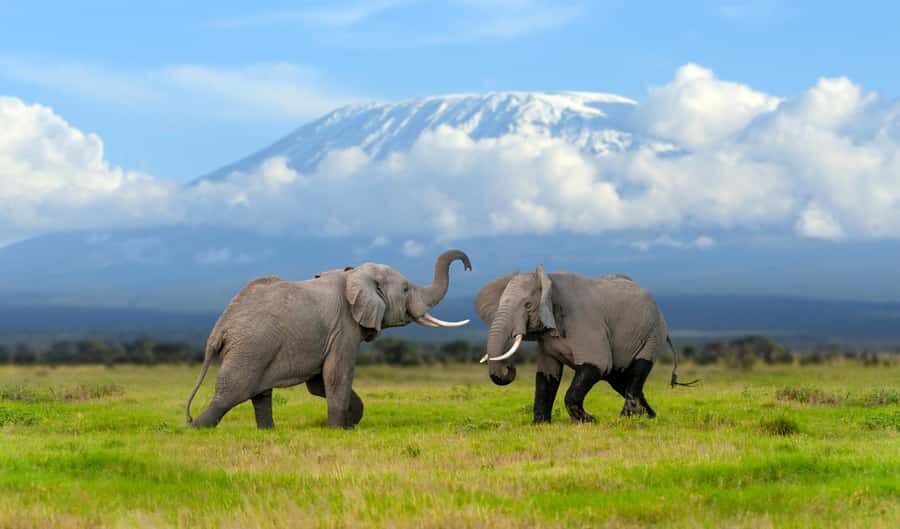
Amboseli is one of Kenya’s most straightforward parks for first-timers. The setting is open: plains, wetlands, and acacia woodland rather than dense jungle. That mix helps wildlife stay visible, and it helps you get photos without constantly playing hide-and-seek.
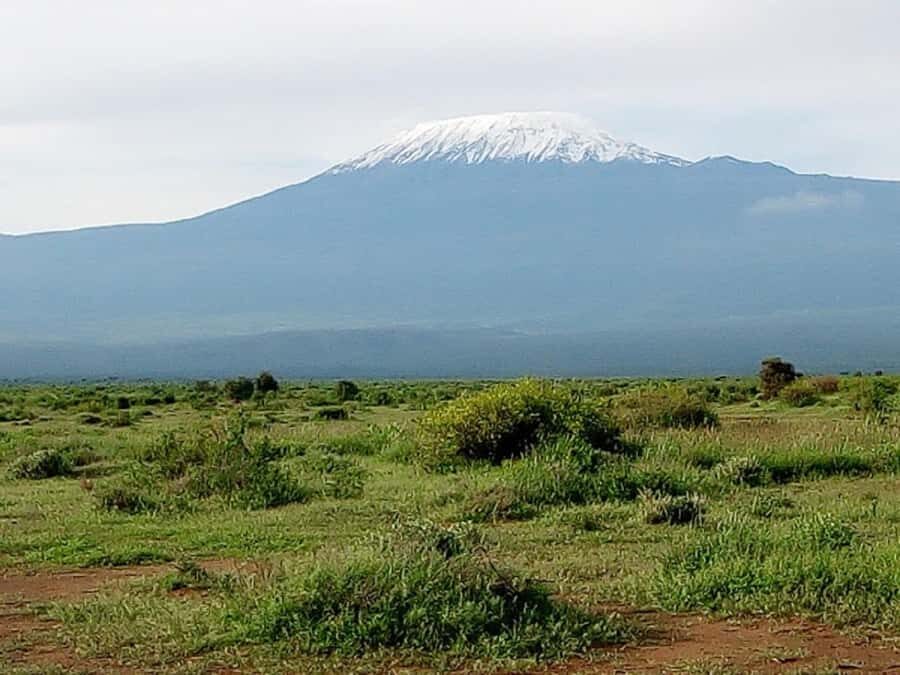
The other big reason this day trip makes sense is the Kilimanjaro connection. Mt. Kilimanjaro is not always clear, but when it is, it turns routine sightings into something special. Even if you don’t catch a postcard-perfect peak, the mountain’s presence changes the whole feel of the savannah.
Finally, the structure of the day is built around your best odds. You start early, do a focused stretch of game viewing, then add lunch and the Maasai village visit before heading back.
The Long Drive South: Setting Up for Sunrise Elephants
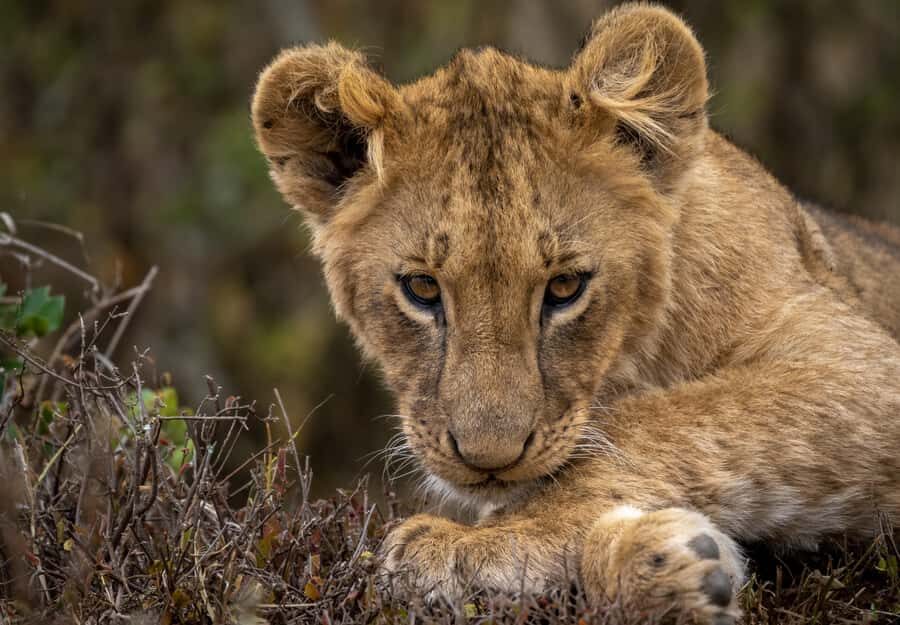
You’ll get picked up from your Nairobi hotel and then ride south in a 4×4/safari-style vehicle for about 3 hours to reach the park area. This is not a quick hop, so think of the drive as part of the safari, not just a transfer.
Here’s the practical trick: treat the first hours like “setup time.” Bring a layer. Morning air can feel cool, and cars can also swing between warm and chilly depending on how often you stop. Comfortable shoes also matter because once you’re out, you’ll be standing and moving more than you expect.
The trip is about timing and patience. Past groups have noted that the road portion can feel uncomfortable for some people, especially on longer stretches. If you’re the type who hates tight seating, wear something stretchy and skip heavy shoes that make you stand less comfortably during stops.
A few more Nairobi tours and experiences worth a look

Game Drive Time: Pop-Up Roof Views and Elephant Herd Math
Once you’re in Amboseli, you switch modes fast. Expect a guided experience with a mix of game drive and scenic driving that totals about 5 hours inside the park. This is the heart of the day.
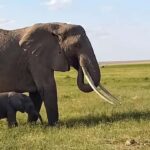
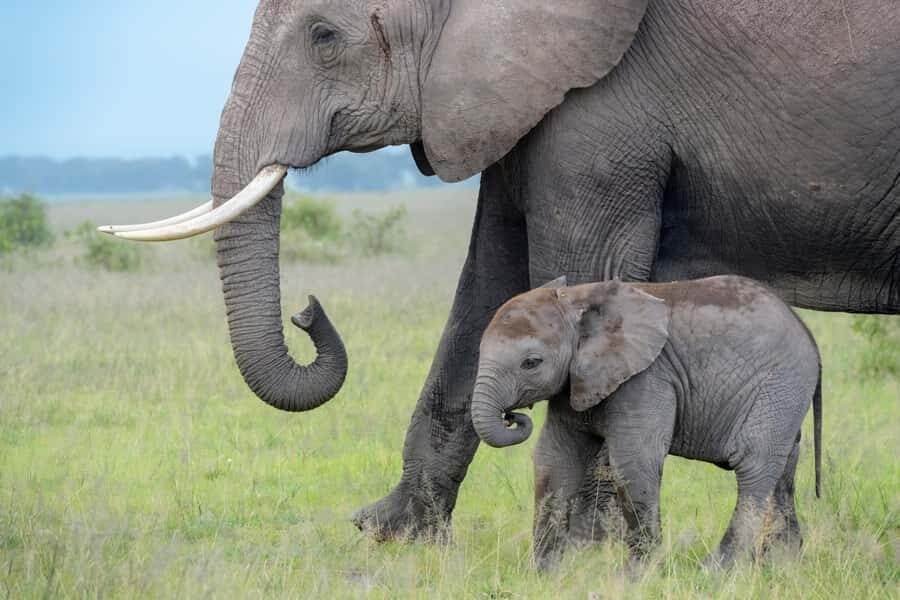
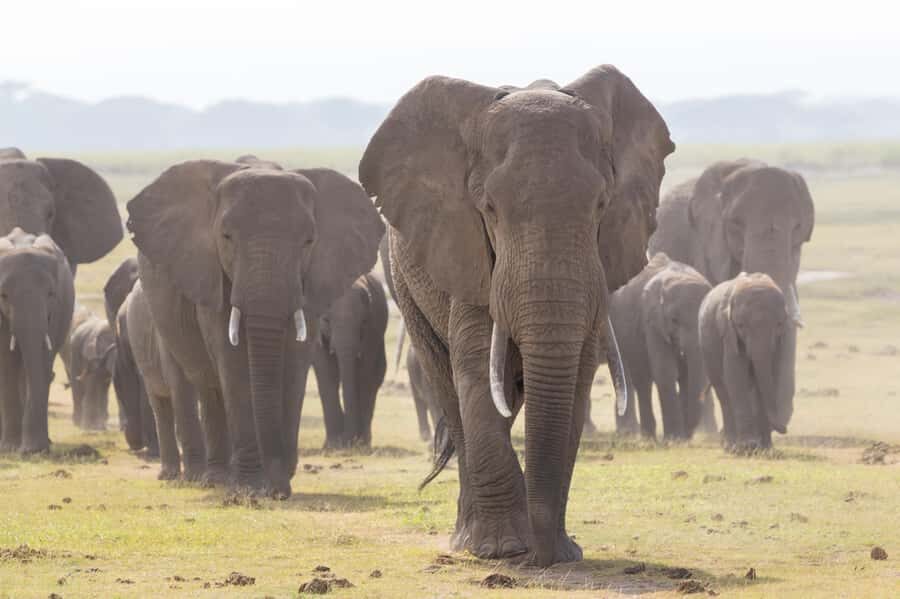
The park is famous for large herds of elephants, and the sightings can be very close-up when the animals are moving along the open plains and wetland edges. Also, elephants in Amboseli often feel less “random.” You start seeing the patterns: where families gather, how herds travel, and what other species show up in the same areas.
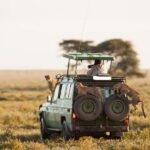
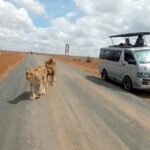
And that pop-up roof feature matters. In a normal car, you can lose sight lines the second you’re behind someone taller—or the moment an animal steps into a dip. With the pop-up roof, you can lift your viewpoint and scan the plains more efficiently. It also makes it easier to spot fast movement like birds and sometimes cats when they cross open ground.
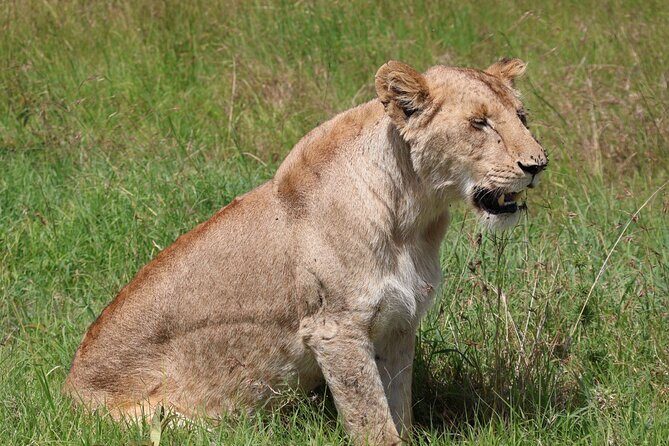
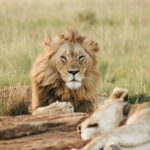
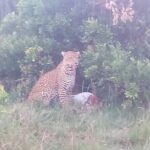
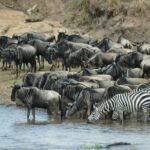
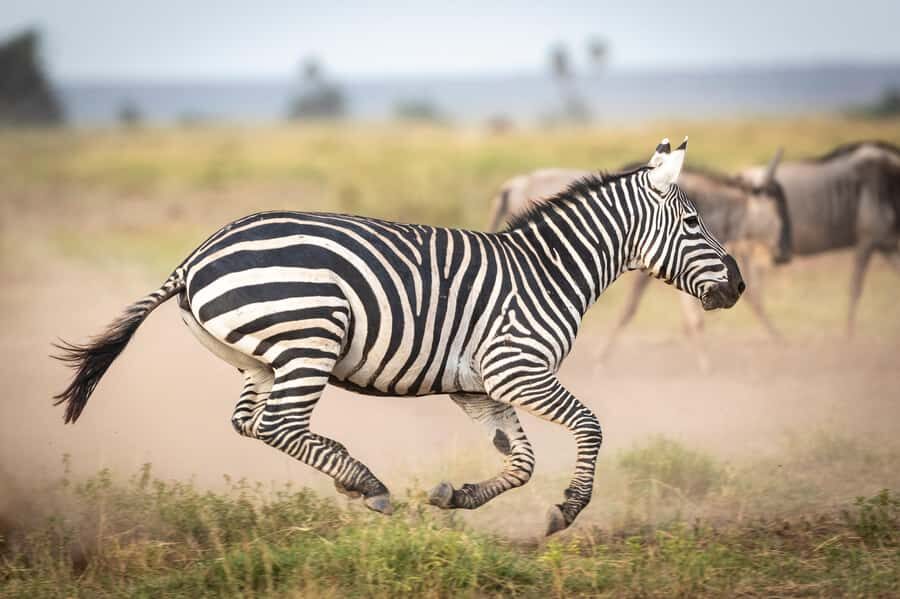
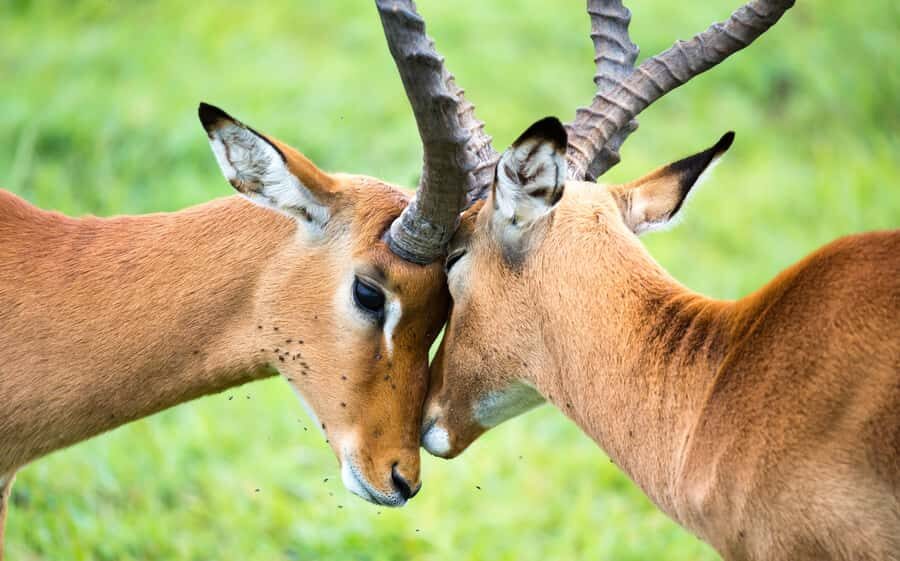
What animals should you hope for? The day is geared toward classic Amboseli sightings: zebras, giraffes, wildebeests, buffaloes, lions, and the occasional lucky moment with cheetahs. You may also see other species like flamingos and hippos in wetland areas when conditions line up. Even when you don’t see everything, the open terrain usually helps you rack up multiple good sightings.
One more thing I like about how these days are run: if the guide is doing their job right, they’re not just driving around. They stop when animals are nearby and explain what you’re seeing so you understand behavior, not just species names. In past outings, guides such as Charles and Kelvin were praised for actively working to maximize sightings.
Lunch Between the Planes: What to Budget for
Lunch is one of those spots where you should read the fine print in your head. Lunch is not included in the base tour price. Depending on how your specific setup runs, you’ll either have a picnic lunch inside the park or a warm meal at a lodge.
Since you’re already paying a park entrance fee separately, I recommend you budget enough for a meal that won’t make you rush. If you want Kilimanjaro views with your lunch break, it helps if the clouds loosen during the midday window. Even when the mountain disappears, midday is still useful because it’s when you get a clearer sense of the terrain you’ll drive through later.
Also, pack a snack for the road if you tend to get hungry quickly. Bottled water is included, but the rest is on you. A small snack keeps you from turning the second half into a grumpy endurance test.
Maasai Village Visit: Songs, Manyattas, and Questions Worth Asking
After lunch, the culture part takes over: a traditional Maasai village visit lasting about 2 hours. Expect a welcome with song and dance, see the traditional huts (manyattas), and hear explanations about Maasai customs and daily life.
This is the moment to slow down. Wildlife viewing is all speed and scanning. A village visit is more about conversation and observation. If you want the experience to feel meaningful instead of staged, come with a couple of respectful questions: how they live, how traditions are taught, what daily routines look like. The guide’s job here is to connect what you’re watching to real life.
A practical heads-up: the village stop is typically a fixed part of the day. Some people love it, some people wish they had more safari time. Either way, you’ll want to approach it as a culture visit first, not an extra “bonus activity.”
What you can take away is not just entertainment. It’s a chance to understand a community that has long been part of this region’s story, and to see how houses, roles, and routines fit together.
Price and What You Really Pay (Entrance and Village Fees)
The advertised price is $100 per person for a full-day experience with hotel pickup/drop-off, a guided safari game drive in a 4×4 vehicle, a guide, and bottled water. That’s a solid base price for a Nairobi-to-Amboseli day, because transport and guiding are usually the expensive pieces.
But two major costs are not included:
- Park entrance fee: $90 per person
- Lunch: not included
- Maasai village visit fee: not included
That means your day’s likely total is closer to $190+ per person before you even think about meals and the village fee. Add those in, and you’re firmly in “worth it if you want Amboseli in one day” territory.
So is it good value? For most people, yes—because you’re getting:
- a full safari block inside Amboseli (about 5 hours)
- a vehicle that supports better viewing (pop-up roof)
- hotel pickup/drop-off
- an actual guide to help you interpret animal behavior and park areas
If you’re trying to do the absolute cheapest option, you’ll need to plan differently. If you want a guided day that removes logistics stress, the price stacks up well.

What Makes the Day Feel Smooth (and Where It Can Get Tight)
This trip is built around clear phases: ride in, safari drive, lunch, Maasai visit, ride back. That flow is good because you don’t spend the whole day guessing what comes next.
The “smooth” part you’ll feel most is during the safari itself. A good guide will keep you scanning, repositioning you when possible, and stopping at the right moments. In past experiences, guides like Harrison and Dennis were highlighted for being attentive and for trying hard to deliver strong sightings—sometimes even a big one like a lion.
The “tight” part is mostly time pressure. If animals are active at the edges of your day, you get what you can. Nature won’t rush for your schedule. If you’re the type who needs hours of slow wandering, you might find the day’s pace brisk. If you like structured safari time, you’ll probably enjoy it.
Who This Trip Fits Best
I think this works especially well for:
- first-time safari visitors who want Amboseli’s elephant focus without planning a multi-day trip
- photographers who benefit from a pop-up roof viewpoint
- people who want wildlife plus a real cultural encounter in one long day
- anyone comfortable with early starts and a full-day schedule
It may not be ideal if:
- you’re very sensitive to long car rides (the road day is a real part of the experience)
- you only want wildlife time and don’t want a culture stop included
Should You Book This Amboseli and Maasai Day Trip?
Book it if your priority is a high-likelihood day in Amboseli with strong elephant viewing and a Kilimanjaro chance, plus a guided Maasai village visit. You’re getting a lot of Kenya in a single day, and you’re not stuck doing the logistics yourself.
Skip it or reconsider if road comfort is your top concern or if you hate fixed schedules. In that case, you might prefer a longer trip where you can spread out drive time and let the day breathe.
If you do book, go in with the right mindset: this is a one-day sprint, so pack for comfort, budget for entrance and lunch, and let the guide do what a good guide does—help you find and understand what’s out there.
FAQ
How long is the day trip from Nairobi?
The duration is about 12 hours.
What parts of the day are included?
You’ll have hotel pickup and drop-off, a guided game drive in a 4×4 safari vehicle, a guided visit to a traditional Maasai village, and bottled water.
Is park entrance fee included in the price?
No. The park entrance fee is listed separately at USD 90 per person.
Is lunch included?
No. Lunch is not included.
Is the Maasai village visit free?
No. The Maasai village visit fee is not included.
What vehicle do you use for the safari?
You’ll travel in a 4×4 safari vehicle with a pop-up roof for better panoramic wildlife viewing.
How long is the game drive in Amboseli?
The Amboseli portion includes about 5 hours for guided tour and wildlife viewing/game drive.
What languages are available?
The live tour guide is in English. An audio guide is available in English, French, German, and Spanish.
Is the tour wheelchair accessible and are pets allowed?
Wheelchair accessibility is listed as available, and pets are not allowed.