REVIEW · NAIROBI
Nairobi City: Walking tour with Lifestyle and History.
Book on GetYourGuide →Operated by Allan · Bookable on GetYourGuide
Nairobi feels like a story on foot. I love the way Allan connects what you see to what Nairobi has been through, and I love the Java House coffee stop where you can sample different types. One drawback: you’ll be walking in sunny weather, so bring sunscreen and plan for heat.
You meet at CJ’s on Koinange Street, get a quick safety briefing, then head out with English and Swahili guidance and a few local words to use right away. Expect plenty of photo stops, short walks between landmarks, and time to talk with people along the way.
The tour also builds in market time—City Market and Masai Market—so you can shop for handmade gifts with help translating and negotiating. If you hate shopping crowds or bargaining, go in with a light plan and focus on learning first.
In This Review
- Key things to love about this Nairobi walking tour
- Starting at CJ’s on Koinange Street (and why that matters)
- The 3-hour walking rhythm: short stops, real talk, steady pace
- Jeevanjee Gardens and McMillan Library: where Nairobi’s stories show up first
- Jamia Mosque photo stop: architecture, respect, and great city photos
- City Market and Masai Market: shopping for handmade gifts without getting lost
- Kencom House, Kencom Matatu Terminus, and the “working city” feeling
- Supreme Court, Parliament, Senate, and the big institutions in your line of sight
- Java House (Mama Ngina St): coffee tasting break that actually fits the day
- Kenyatta International Conference Centre (KICC): the $3 viewpoint question
- Swahili words, chatting with locals, and how the culture part lands
- Money, payment choices, and how to handle markets confidently
- What to bring (and what to skip) for a smoother walk
- Is this tour for you? Who will enjoy it most
- Should you book this Nairobi walking tour with Allan?
- FAQ
- What is the duration of the Nairobi walking tour?
- Where do I meet the guide?
- What does the $35 per person price include?
- How much does KICC entry cost, and how do I pay?
- Do I need cash for souvenirs?
- What should I wear and bring for the walk?
Key things to love about this Nairobi walking tour

- Allan’s local perspective: personal stories and practical explanations for what you’re seeing in the CBD.
- Coffee culture at Java House: a dedicated break to try different coffee styles.
- Landmarks with meaning: you pass key buildings and institutions, not just random streets.
- Market support: local guidance for buying artifacts and souvenirs, including translation.
- Photo-friendly stops: multiple opportunities to shoot architecture and city views.
Starting at CJ’s on Koinange Street (and why that matters)
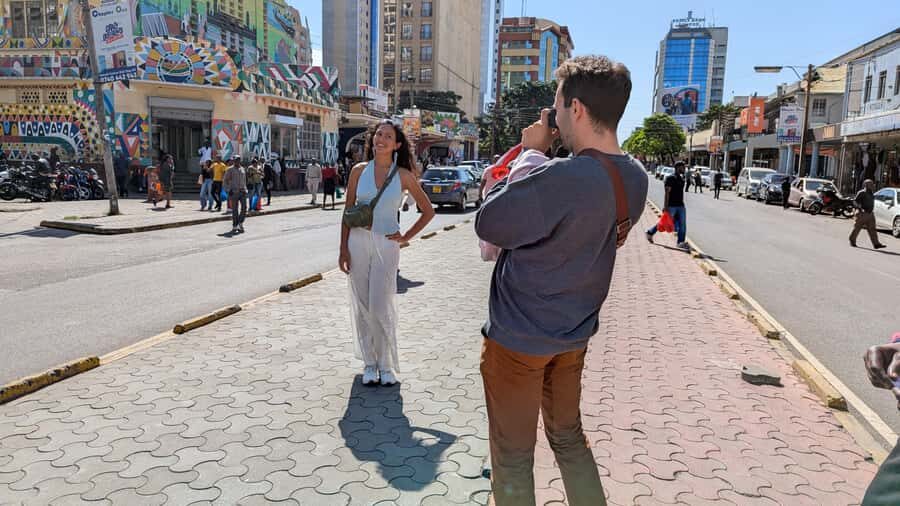
CJ’s is a smart meeting point because it’s easy to find and easy to wait at. You can sit inside, grab a drink, or just use it as a calm starting base before the walking begins. Since the tour starts and ends at CJ’s, your day has a clear rhythm: meet, walk, then roll right into coffee or lunch after.
This also matters for first-timers. Nairobi’s center can feel like “too much” at once—roads, crowds, and big buildings. Starting in a comfortable spot helps you get your head straight before you head into the streets.
You can also read our reviews of more walking tours in Nairobi



The 3-hour walking rhythm: short stops, real talk, steady pace

This tour is designed for a 3-hour window, so it doesn’t drag. You’ll do a pattern that works well on foot: a short guided introduction, a walk to the next spot, then a photo stop or quick look around before moving on again.
There’s also a brief safety check at the beginning. I like that it’s not a long lecture; it sets expectations so you can focus on the sights instead of worrying about logistics.
The main consideration is physical. You’ll be walking in the sun, and the tour isn’t positioned as a slow “sit-down” city ride. You should wear comfortable shoes and dress for warmth, because time spent in the CBD isn’t shaded most of the day.
Jeevanjee Gardens and McMillan Library: where Nairobi’s stories show up first

You begin with Jevanjee Gardens, then move toward the McMillan Memorial Library. These are the kind of places that give you Nairobi’s “why.” You’re not only looking at buildings—you’re learning how the city’s public spaces and institutions shaped daily life and civic identity.
What I like here is the order of the route. Starting with these landmarks early helps you understand the city before you hit the more official-looking streets. By the time you get to mosques and government buildings, you’re better at reading the environment instead of just snapping pictures.
If you’re the type who likes context—naming what you’re seeing and why it matters—this segment sets you up well.
Jamia Mosque photo stop: architecture, respect, and great city photos
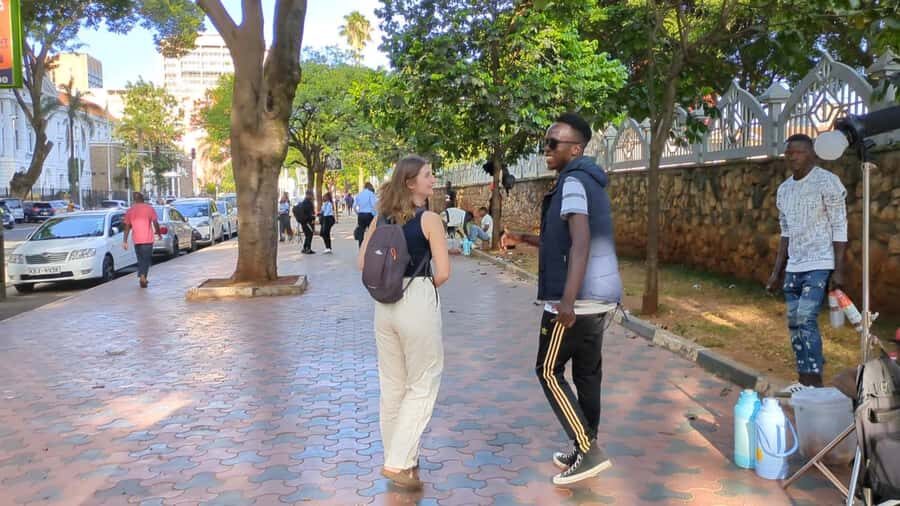
One of the clean photo moments is the Jamia Mosque stop. You’ll have time to look around and take pictures, with guidance from your host while you’re there.
This stop is a reminder that Nairobi isn’t only government and business. Religious architecture adds another layer to the city’s identity, and your guide helps you connect it to the broader social fabric you’ll see throughout the CBD.
Practical tip: treat photo stops like a mini mission. Pause, look, shoot a few angles, then be ready to move. You’ll get more from the day if you don’t linger too long on any one frame.
City Market and Masai Market: shopping for handmade gifts without getting lost

City Market is a major shopping stop, and it lasts long enough to browse properly. You’ll get a guided look while learning how to navigate the area and talk with vendors. Then there’s the Masai Market, with its own chunk of time for browsing and shopping.
Here’s the value of having a local guide: you’re not just buying stuff. You’re learning how the market works—how vendors price items, how conversations flow, and how to ask questions when English is limited.
Cash matters. The tour notes that some vendors don’t accept credit/debit cards, and some accept foreign currency. You’ll also find currency exchange places and ATMs in Nairobi, and your guide can translate when needed. If you want to be efficient, bring some cash specifically for this portion.
A negotiation reality check: one strong piece of advice from past participants is to do the bargaining yourself at the Maasai Market. Your guide can help, but you’ll get better results if you’re the one working the price and pushing the conversation.
You can also read our reviews of more city tours in Nairobi




Kencom House, Kencom Matatu Terminus, and the “working city” feeling
As you walk through the CBD, you’ll pass by spots tied to how Nairobi functions day to day—places like Kencom House and the Kencom Matatu Terminus. These aren’t quiet monuments. They’re part of how people move, trade, and live.
This is where the tour becomes more than sightseeing. You’re watching the working side of the city: movement, signage, and the kind of energy you don’t get from postcards.
Even if you’re short on time, these passes help your brain map the city. You start recognizing key areas later on your own, which makes the rest of Nairobi easier to explore.
Supreme Court, Parliament, Senate, and the big institutions in your line of sight
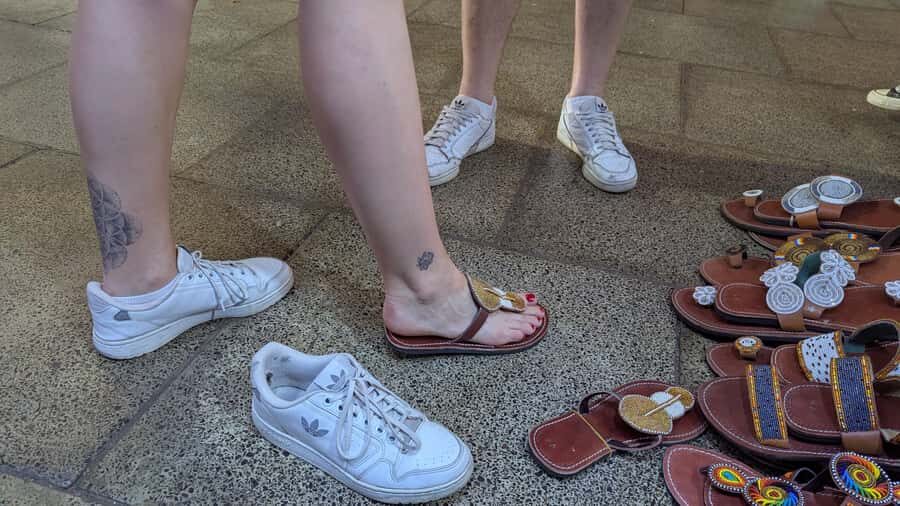
You’ll see major government buildings like the Supreme Court and the Parliament area, plus nearby institutional landmarks such as the Senate and Nyayo House. Some are photo-and-pass-by moments; others get guided attention.
Why this is worth your time: when you understand where government power sits in the city, you understand why certain streets feel the way they do—why they’re busy, why they’re structured, and how Nairobi organizes public space around institutions.
It’s also a good segment for questions. If you want to know how Nairobi developed, how the CBD changed, or what everyday life looks like beyond tourist zones, your guide is set up to explain. That conversation angle is a big part of why this walk works for people who like more than facts-on-a-wall.
Java House (Mama Ngina St): coffee tasting break that actually fits the day
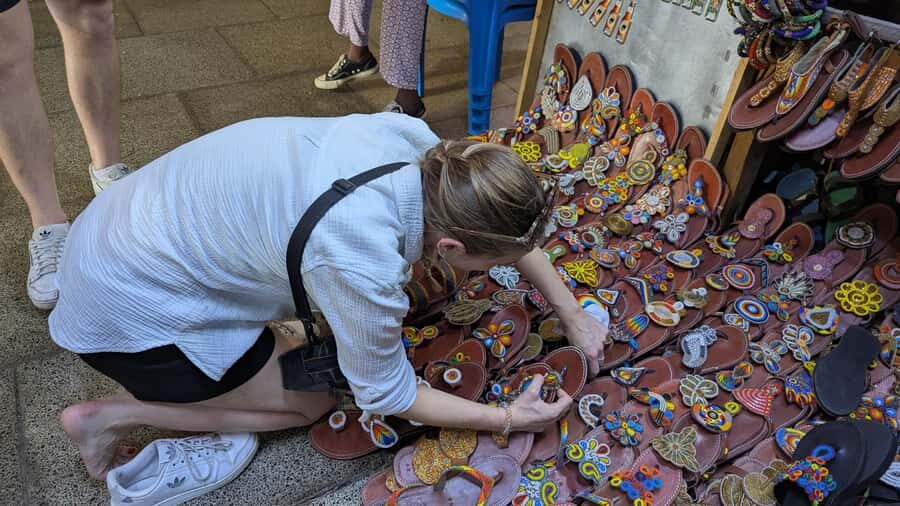
Then you get a proper break at Java House on Mama Ngina Street. This isn’t just a stop to stand in line. You’ll have time to relax, and you can sample different types of coffee, tea, or chai.
One important detail: coffee tastings and drinks are charged separately by the restaurant. The tour itself covers the guide fee, not the menu. Still, I think it’s good value because the break gives you a mental reset in the middle of walking and talking.
This is also a practical moment. You can hydrate, cool down, and regroup before the final sights—especially if the sun is pushing hard.
Kenyatta International Conference Centre (KICC): the $3 viewpoint question
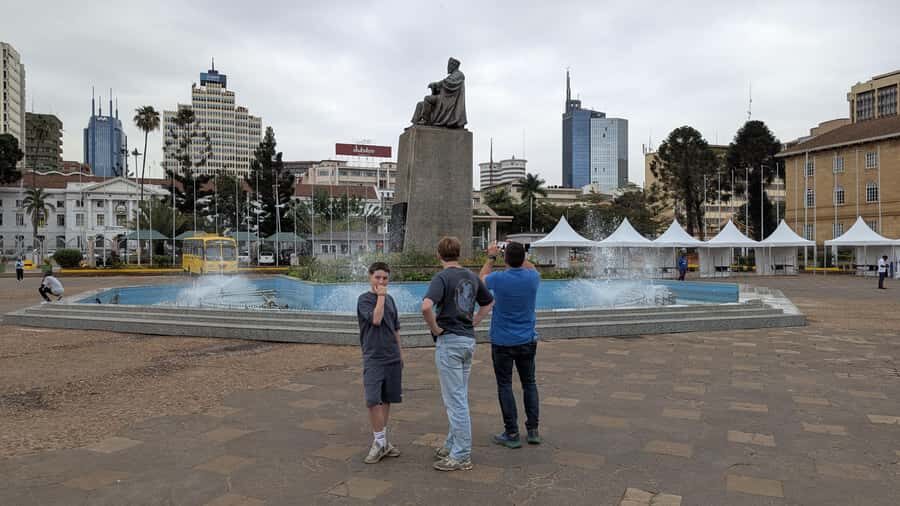
You’ll reach KICC near the end, with a photo stop, guided time, and free time to spend there. If you want entry to the KICC itself, there’s an added fee of $3, paid via card or MPESA. Cash isn’t accepted for that payment.
So is it worth it? If you want the view and you like seeing a city from above, it can be a strong finish. If you’d rather keep spending low or you’d prefer to skip paid entry points, you can still enjoy the walk and the surrounding landmarks without making KICC the main event.
Either way, this stop feels like a “close the loop” moment: you’ve already toured the civic areas below, and now you see Nairobi’s grid and density from the conference center.
Swahili words, chatting with locals, and how the culture part lands
The tour doesn’t only name buildings. You learn some Swahili words during the experience, and the guide encourages interaction with residents along the route.
This matters because language learning on a walking tour isn’t about memorizing vocab lists. It’s about using small phrases to break the ice and understand what’s happening around you. Even a few helpful words can make markets and street conversations feel easier.
Also, based on guide style, don’t be shy about asking questions. Past participants highlight that Allan engages on personal topics too—family, perspectives, and how Nairobi life looks from the inside. That kind of conversation turns “a walk” into something closer to spending time with a local friend.
Money, payment choices, and how to handle markets confidently
Markets are where planning pays off.
Bring some cash if you want to buy artifacts and souvenirs, since some vendors may not take cards. The tour notes that some traders accept foreign currency, and there are exchange points and ATMs nearby. Your guide can help you choose and recommend purchases, plus translate when vendor English is limited.
For KICC, remember the payment rule: $3 entry is paid by card or MPESA, and cash isn’t accepted there. So if you plan to go inside, make sure you’re not running out of options.
One more practical note: do not expect every transaction to be smooth. That’s normal in markets. The goal is to stay calm, ask questions, and use your guide’s translation support when needed.
What to bring (and what to skip) for a smoother walk
You’ll get the best experience by showing up ready for heat and walking.
Bring:
- Comfortable shoes
- Comfortable clothes
- Sunscreen and sunglasses (strongly recommended)
Skip:
- Drones (not allowed)
- Alcohol and drugs (not allowed)
If you’re thinking about tech needs, Allan can also help with an E-SIM or SIM card, and that requires your passport for registration. He can also help book SGR train tickets to Mombasa, if that’s part of your Kenya plan.
Is this tour for you? Who will enjoy it most
This walking tour is a great fit if you:
- Want a fast, guided orientation to Nairobi’s CBD
- Like history and culture mixed with real street life
- Want help with markets and shopping (especially translation and bargaining support)
- Enjoy coffee experiences and don’t mind paying separately for drinks
It’s likely not the right choice if you:
- Are pregnant
- Have heart problems
The day is built around walking in sunny weather and staying active across multiple stops.
Should you book this Nairobi walking tour with Allan?
If you want a practical introduction to Nairobi that goes beyond “look at this building,” I’d book it. The mix of civic landmarks, market browsing with translation help, and the Java House coffee break makes the $35 price feel like more than a basic sightseeing walk. You also get value from the guidance on how to buy artifacts and souvenirs without getting stuck at the language or payment step.
Book it especially if you enjoy learning while you move—short stops, photo moments, and conversations that help you understand how the city works. Just come prepared for sun, bring some cash for shopping, and decide ahead of time whether you want to pay the $3 KICC entry fee for the viewpoint.
FAQ
What is the duration of the Nairobi walking tour?
The tour runs for 3 hours.
Where do I meet the guide?
Meet at CJ’s restaurant on Koinange Street.
What does the $35 per person price include?
The price includes the local guide fee. If you want to sample coffee, tea, or chai, those are charged separately by the restaurants.
How much does KICC entry cost, and how do I pay?
KICC entry costs $3 and is paid via card or MPESA. Cash is not accepted for that payment.
Do I need cash for souvenirs?
Yes, it’s recommended to carry some cash because some vendors don’t accept credit/debit cards. You may also encounter vendors that accept foreign currency, and there are exchange points and ATMs nearby.
What should I wear and bring for the walk?
Wear comfortable shoes and comfortable clothes. The tour involves walking in sunny weather, so sunscreen and sunglasses are recommended.