REVIEW · NAIROBI
Day Tour to Giraffe Center and Karen Blixen Museum
Book on GetYourGuide →Operated by Blaze Safaris · Bookable on GetYourGuide
A visit to giraffes and a writers’ home in one morning. I like how hands-on the giraffe feeding feels, and I also enjoy the shift to Karen Blixen’s story right after—two very different sides of Kenya in only 4 hours. One thing to consider: with only a half-day window, it’s a fast rhythm, so you’ll want to keep your expectations focused on highlights rather than lingering.
This tour is built for people who want real access without lots of planning. I especially appreciate that the English speaking driver-guide can shape the route in a weather-friendly order, and the drive through Nairobi-area traffic can feel a lot less stressful when you’re with someone like Faith, who stays calm and confident.
In This Review
- Key Things I Wouldn’t Skip
- The Big Idea: Two Icons of Kenya, One Short Trip
- Feeding Giraffes at the Giraffe Centre (Where Daisy Rothschild’s Story Lives)
- Understanding A.F.E.W. Kenya: Why the Education Part Is the Point
- How the Day’s Order Works (And Why Weather Matters)
- Karen Blixen’s Home: Out of Africa in Real Space
- Kazuri-Type Crafts: Beads, Paintings, and Real Handmade Finds
- Price and Value: What $63 Buys in This 4-Hour Plan
- The Practical Reality: What You’ll Like Most (and When It’s Not Ideal)
- How to Make the Most of Your Half-Day (Small Tips That Matter)
- Who This Tour Fits Best
- Should You Book This Tour?
- FAQ
- What does the tour include?
- How long is the tour?
- Where do you go on this tour?
- Do you get to feed the giraffes?
- Are meals included?
- Is there a ticket line to wait in?
- What language is the guide?
- What should I bring?
- What are the cancellation and payment options?
Key Things I Wouldn’t Skip
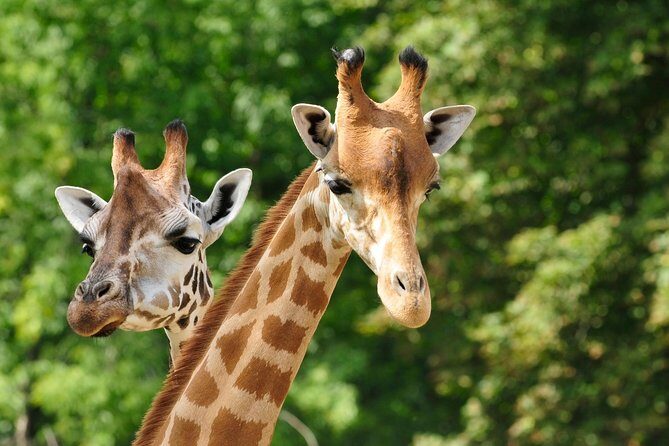
- Rothschild giraffes up close: You feed the animals and learn why this species needs protection.
- Daisy Rothschild’s story: The center is tied to her rescue and the broader conservation effort.
- Karen Blixen Museum visit: Out of Africa connections plus views from the garden over the Ngong Hills.
- A stop at a beads workshop: You can shop real handmade crafts, not just generic souvenirs.
- A tight route that still works: Three stops handled in a sensible order with time kept in mind.
The Big Idea: Two Icons of Kenya, One Short Trip
This is the kind of day tour that makes sense when you want meaning and variety without committing to a full day in the field. You start at a wildlife conservation site you can actually participate in, then you shift to a historic homestead tied to one of Africa’s most famous books and films.
The structure matters. Your schedule is short enough that you’ll feel the energy, but it’s organized enough that you aren’t constantly running back and forth. If you like experiences that are active, story-driven, and practical, this half-day format fits well.
You can also read our reviews of more museum experiences in Nairobi


Feeding Giraffes at the Giraffe Centre (Where Daisy Rothschild’s Story Lives)
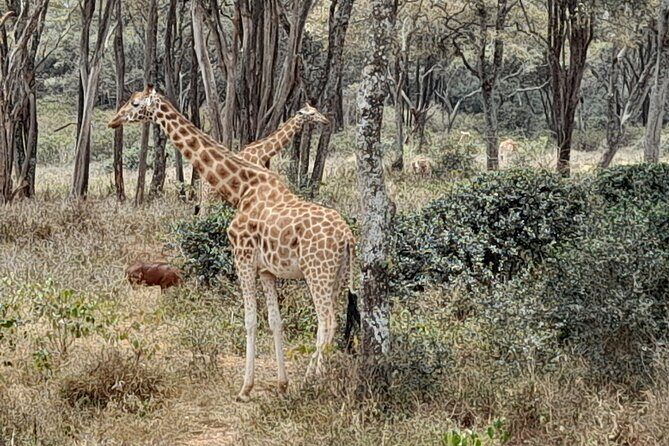
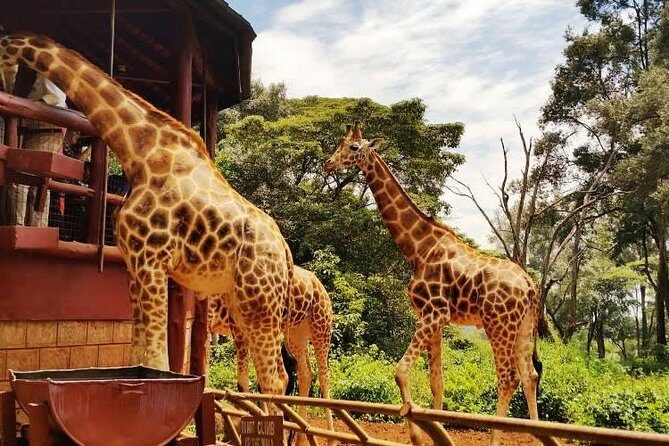
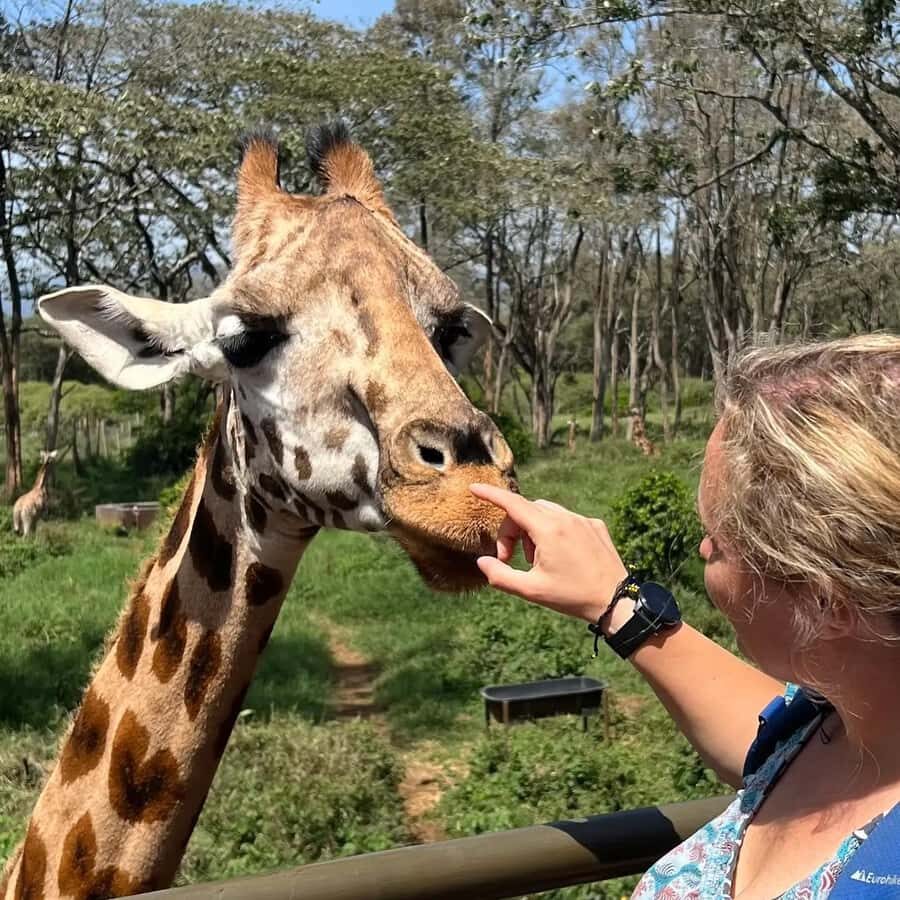
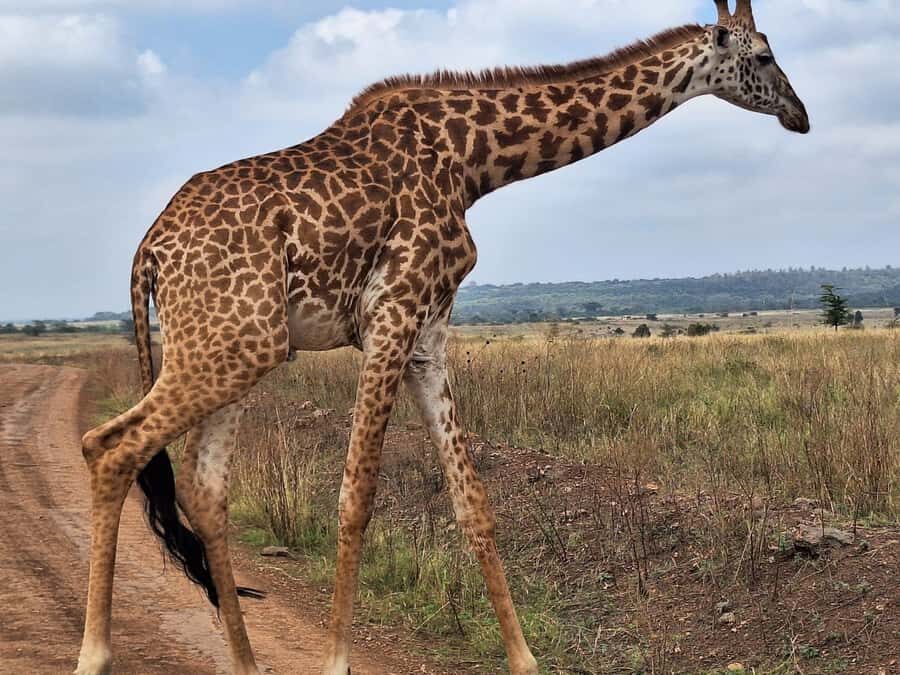
The day begins at the Giraffe Centre, made widely known through Daisy Rothschild, a giraffe calf rescued from the Western Kenya border. Standing close to these animals is a quick lesson in scale: giraffes aren’t just tall; they’re graceful and surprisingly interactive when they’re calm enough for visitors to feed them.
What I like most is the way the feeding isn’t treated like a gimmick. You’re there to learn what’s happening for the Rothschild giraffe, an endangered subspecies that needs protection and public understanding to keep conservation efforts alive.
You’ll also see how a conservation center can be both educational and visitor-friendly. It gives you a reason to pay attention during the visit, because you’re connecting what you’re doing now to why it matters.
Understanding A.F.E.W. Kenya: Why the Education Part Is the Point
The Giraffe Centre was created by the African Fund for Endangered Wildlife (A.F.E.W. Kenya), a Kenyan non-profit organization. Their main purpose is education—especially for Kenyan school children and youth—so the local next generation understands wildlife and the environment as something worth protecting.
That part is easy to miss if you only treat this stop as a photo opportunity. I like that the center frames giraffes in a bigger story: conservation depends on awareness, and awareness depends on people learning early and repeatedly.
If you ask questions, your guide can usually connect the dots between what the center does for giraffes and why the center is positioned as an educational destination for both locals and international visitors. In other words, you don’t just leave having seen giraffes—you leave having learned what support looks like.
How the Day’s Order Works (And Why Weather Matters)
You’ll drive between stops by pop-up safari van, which is a nice way to keep the day feeling safari-ish without needing a full game-drive schedule. The tour is designed to hit the main sites in a sensible order, and your driver-guide may adjust sequencing depending on the weather.
That flexibility matters more than it sounds. A half-day can feel tight, and Nairobi traffic can be chaotic, so having someone like Faith—steady, reassuring, and focused—can make the whole day feel smoother. You’re not stuck guessing what the route will be like; you’re trusting the person behind the wheel to plan the timing.
Also, you get guided touring at both the Giraffe Centre and the Karen Blixen Museum. That helps you avoid that common problem with short tours: seeing places but not understanding them.
Karen Blixen’s Home: Out of Africa in Real Space
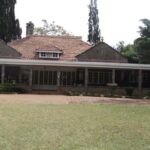
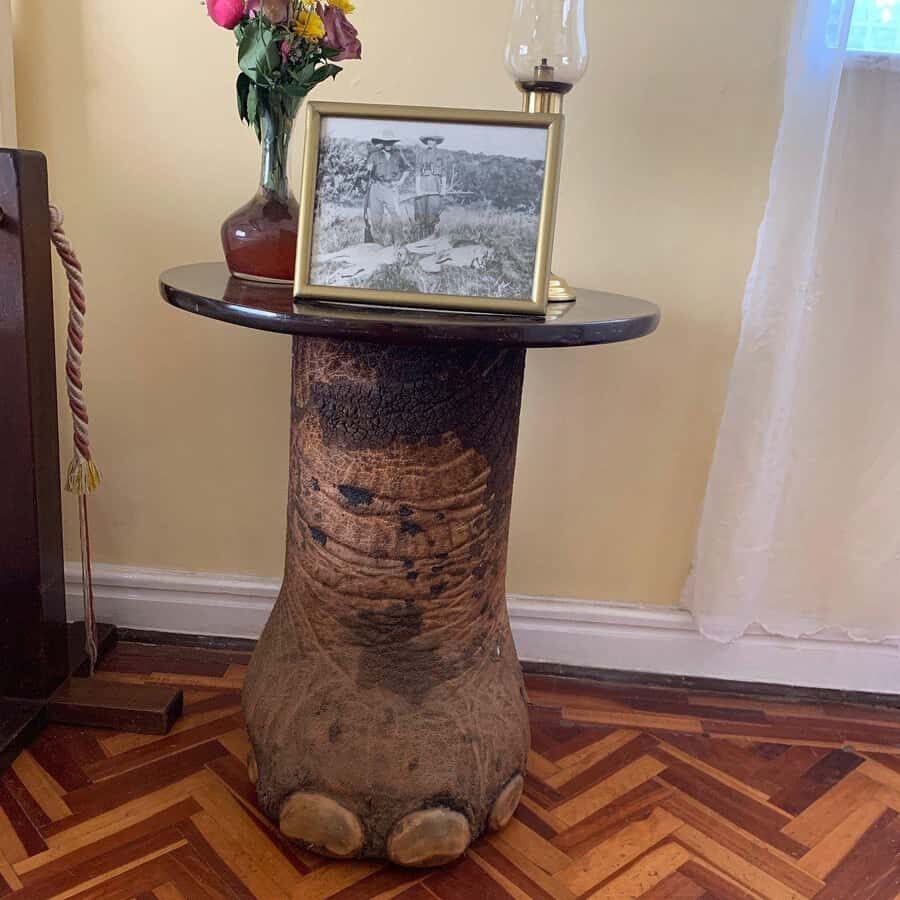
After the giraffe stop, you head to Karen Blixen’s home, a property that became famous through the book and film Out of Africa. Karen Blixen lived in the house from 1917 to 1931, when the farm was sold and she left Kenya. Visiting now, you can feel how the setting helped shape the story.
This museum stop is worth it even if you’re only casually familiar with Out of Africa. The experience is grounded in place: it’s not just a film set recreated for visitors. It’s a preserved homestead tied to time, work, and the surrounding hills.
From the garden, you can enjoy magnificent views of the Ngong Hills. Even if you don’t care about the cinematic connection, the viewpoint gives you a quick sense of why this region became so meaningful in writing and memory.




Kazuri-Type Crafts: Beads, Paintings, and Real Handmade Finds
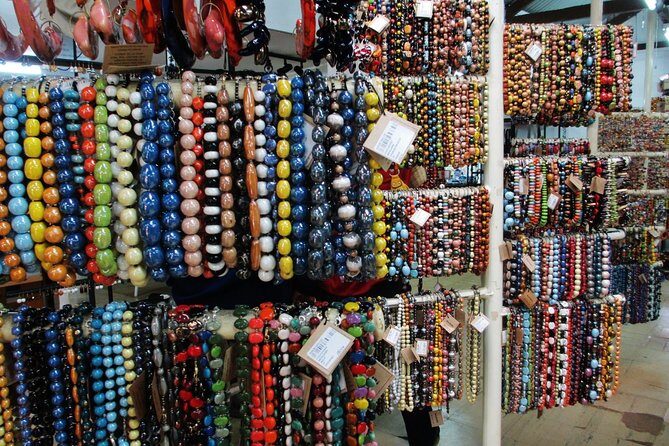
Next comes the beads craft center stop near the museum, with a visit to Kobe beads factory. This is the part of the day where you can slow down just a bit and do something practical: shop for items made by hand.
One detail I appreciate is that the craft focus is on work created by African women—shown through offerings such as paintings and necklaces at nearby Kazuri Ltd.. It’s a useful reminder that “souvenirs” can support real artisans and real livelihoods, not just mass-produced tourist items.
What to do here: look closely at materials and finish. If you’re buying a necklace or a small piece of art, check the clasp or attachment points and take your time comparing styles. This is also a good moment to ask questions about what you’re seeing, since your guide can usually help you interpret what’s being made and why it’s valued.
Price and Value: What $63 Buys in This 4-Hour Plan
At $63 per person for a 4-hour tour, you’re paying for more than transportation. The included items matter: pickup and drop off, transport on a pop-up safari van, and an English speaking driver-guide who stays with you through the day.
Entry fees are included for both the Giraffe Centre and the Karen Blixen Museum. Taxes and levies are included too, and you also get a guided tour at each site. For a short trip, that’s a strong value equation because it reduces the “add-on” cost surprises that can happen when you plan stops independently.
What isn’t included is food and drinks. That means you should plan to eat before or after, and keep water in mind if you’re prone to feeling thirsty in warm conditions. Also, you’ll want to bring your passport or ID card since it’s listed as the required item.
The Practical Reality: What You’ll Like Most (and When It’s Not Ideal)
I think you’ll love this tour if you want:
- a clear route with three major experiences packed into one half-day,
- hands-on wildlife time rather than just looking at exhibits,
- a museum visit that connects to the Out of Africa story,
- a chance to buy crafts in a way that feels tied to local making.
But it’s not ideal if you need long, slow museum time or if you dislike short schedules. With only 4 hours, there’s limited room for wandering far off the guided path. You’ll get the highlights, not a full day of optional detours.
Also, if you’re expecting a traditional safari with game drives and long stretches of wildlife viewing, this tour is different. It’s conservation-plus-culture—smaller scale, more personal, and more educational.
How to Make the Most of Your Half-Day (Small Tips That Matter)
Because the day is tightly structured, your best strategy is to be ready when you arrive. Wear comfortable shoes for walking around the center and museum grounds, and keep layers in mind since the conditions can change as you move between areas.
Bring your passport or ID card, since it’s explicitly required. And if you’re hoping to buy crafts, decide in advance what kind of items you want—necklaces, small art pieces, or gifts—so you don’t get stuck making choices under time pressure.
Finally, ask questions during the guided parts. This is one of those tours where the guide can turn what you’re seeing into something you actually remember. Faith’s style in particular is described as engaging and question-friendly, and a good guide can help you connect the giraffe conservation mission and Karen Blixen’s setting without making it feel like a lecture.
Who This Tour Fits Best
This is a strong choice for:
- first-time visitors to Central Kenya who want a meaningful mix of wildlife and history,
- people who love Out of Africa and want a museum stop that’s tied to real geography,
- anyone who enjoys guided explanations more than independent wandering,
- short-schedule travelers who still want variety without sacrificing too much depth.
It may be less ideal if you’re traveling with very young kids who can’t handle a quick pace, or if you strongly prefer to spend a lot of time at one single site rather than moving between three.
Should You Book This Tour?
If you want a compact day that combines giraffe conservation, Karen Blixen’s story, and a hands-on craft shopping stop, I’d book it. The value calculation is solid for a short tour because key costs like entry fees, guidance, and transport are included, and the guided format keeps you from missing the meaning in each place.
I’d only hesitate if you need a slow day, if you’re only interested in one of the three stops, or if you’re traveling with the kind of schedule that can’t tolerate traffic variability. Otherwise, this is the kind of half-day plan that leaves you feeling you used your time well.
FAQ
What does the tour include?
It includes pickup and drop off, transportation on a pop-up safari van, an English speaking driver-guide, guided tours of the Giraffe Centre and the Karen Blixen Museum, entry fees for both sites, visit to Kobe beads factory, and all government taxes and levies.
How long is the tour?
The duration is 4 hours.
Where do you go on this tour?
You visit the Giraffe Centre and the Karen Blixen Museum, with a stop at a beads craft center near the museum.
Do you get to feed the giraffes?
Yes. Feeding the giraffes is one of the highlights of the Giraffe Centre visit.
Are meals included?
No. Food and drinks are not included.
Is there a ticket line to wait in?
The tour includes skipping the ticket line.
What language is the guide?
The guide is listed as English.
What should I bring?
You should bring your passport or ID card.
What are the cancellation and payment options?
It offers free cancellation up to 24 hours in advance for a full refund, and it also offers a reserve now & pay later option.