REVIEW · NAIROBI
Giraffe Center and Karen Blixen Museum Tour from Nairobi
Book on GetYourGuide →Operated by Cruzeiro Safaris Kenya · Bookable on GetYourGuide
A giraffe in your personal space is reality here. This half-day trip mixes hand-feeding semi-wild giraffes with a guided visit to Karen Blixen’s house, the heart of Out of Africa storytelling. I also like the built-in craft stop near the museum, because it’s an easy way to bring something Kenya-made home without hunting around.
What I like most is how close you get—feeding giraffes by hand with pellets feels different from seeing animals behind glass. The other win is the museum timing: a focused guided tour gives you Karen Blixen context without turning your afternoon into a history lecture.
The one thing to watch is the pacing. If you say yes to shopping, you might lose a little time at the Giraffe Centre—worth it if you’re buying, annoying if your main goal is feeding and lingering.
In This Review
- Key things to know before you go
- Giraffe Center: feeding Rothschild giraffes the right kind of close
- Karen Blixen Museum: the Out of Africa house, minus the movie noise
- Beads and craft shopping near the museum: souvenirs that actually feel connected
- How the half-day schedule works (and how to not feel rushed)
- What you actually get for the price: $99 that buys access and guidance
- Comfort and practical tips (so the day goes smoothly)
- Should you book this Nairobi tour?
- FAQ
- How long is the tour?
- What is included in the price?
- Does the tour include pickup in Nairobi?
- Is feeding the giraffes part of the experience?
- What should I bring for the tour?
- Is the tour wheelchair accessible?
Key things to know before you go
- Hand-feeding the giraffes with pellets, not just looking from a distance
- Karen Blixen’s 1917–1931 home and the Ngong Hills viewpoint from the grounds
- Short guided stops that still pack in two major Nairobi experiences
- Craft shopping nearby (beads and Kazuri-style items) if you want souvenirs
- A semi-wild herd story tied to rescued Rothschild giraffes and conservation education
- Time management matters if you want maximum minutes at the animals
Giraffe Center: feeding Rothschild giraffes the right kind of close
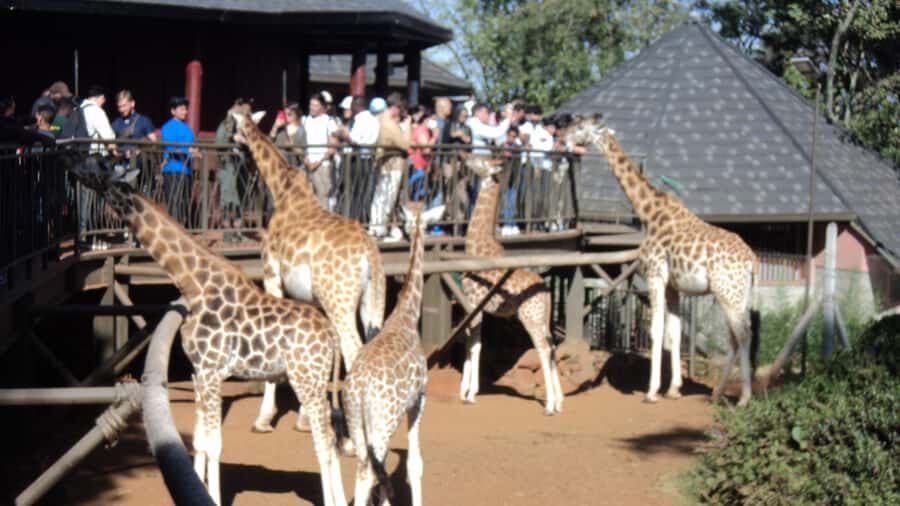
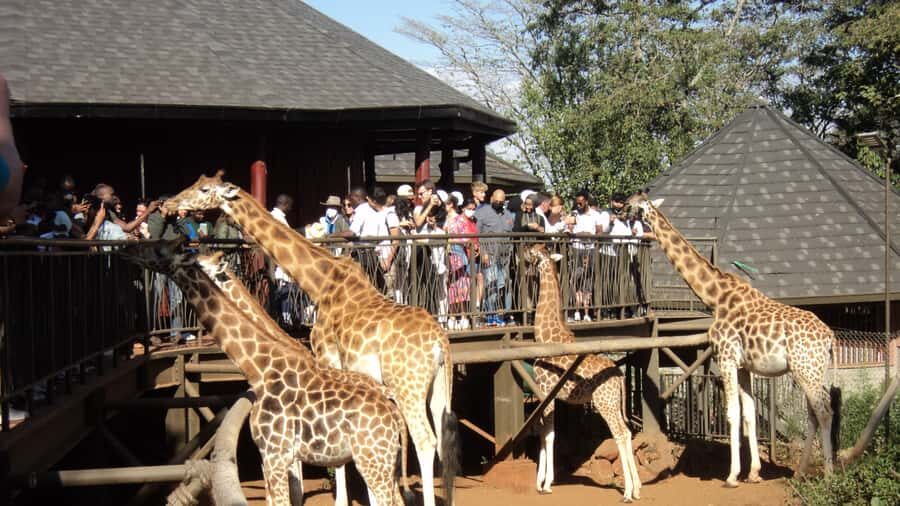
The Giraffe Centre experience starts with a simple idea: you get to see giraffes living in a semi-wild setting and then feed them by hand. These are Rothschild giraffes, and the center is known for its connection to Daisy Rothschild, a calf rescued from the Western Kenya border. Daisy and her family are part of the herd you’ll meet here, so the story isn’t just a label on a sign—it’s tied to how the place works.
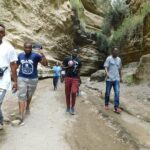
Your guided time includes wildlife viewing and a nature trail walk. One highlight is the walk toward the Gogo River, where you can search for giraffes in a wilder area rather than only standing in the feeding zone. That mix—controlled feeding plus a bit of “look around” searching—is what makes the center feel more like a real habitat and less like a zoo stop.
Then comes the main event: feeding. Expect pellets and a moment when you’re close enough to notice details—tongue, height, and that calm-but-impatient giraffe vibe. The whole point is that you’re participating. If you’re thinking of this as a once-in-a-lifetime photo opportunity, you’re thinking right.
A small heads-up: the Giraffe Centre is smaller than some people expect. That can be a drawback if you wanted a long, slow safari-style roam. But it’s also why it fits neatly into a half-day schedule. You’ll spend your time wisely: enough to feed, ask questions, and take photos, without feeling like you’re stuck all afternoon.
If you care about the conservation side, ask your guide about the education portion. Multiple guides are praised for explaining how the center’s work supports these giraffes and the community around them. Also, you’ll often find helpers on site who can assist with feeding and photos—nice when you want to focus on the moment instead of fiddling with your phone.
You can also read our reviews of more museum experiences in Nairobi



Karen Blixen Museum: the Out of Africa house, minus the movie noise
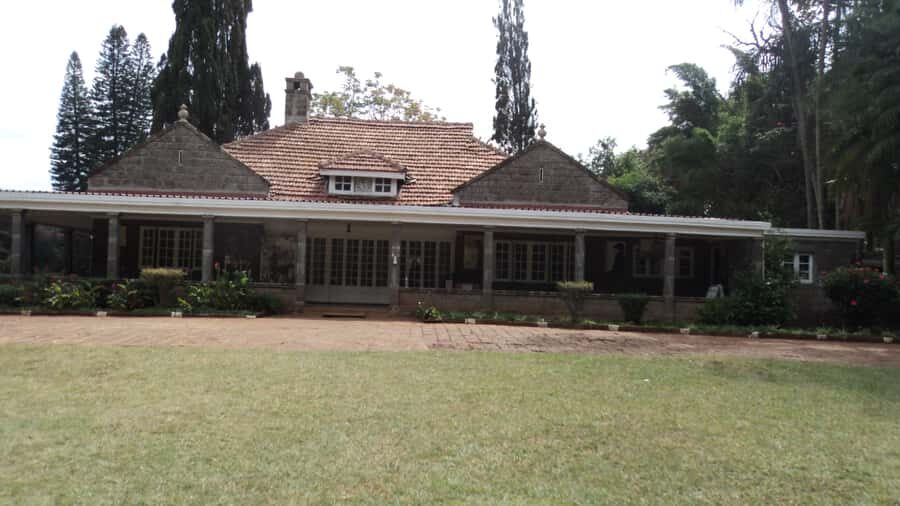
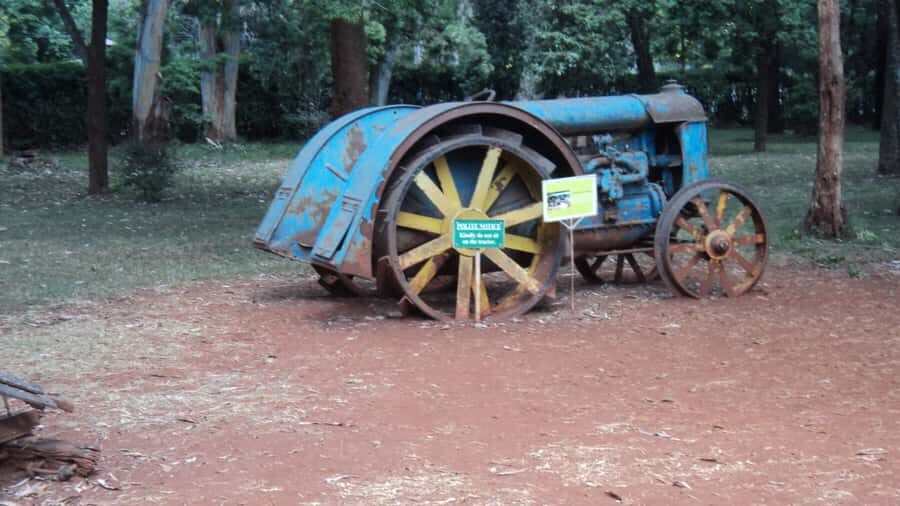
After pickup and the drive, the day typically lands at the Karen Blixen Museum for a guided tour. This is the house where Karen Blixen lived from 1917 to 1931, and it’s where the Out of Africa story takes on real physical scale. The museum visit is about more than famous scenes. It’s about the life, the farm context, and the historical arc behind her years in Kenya.
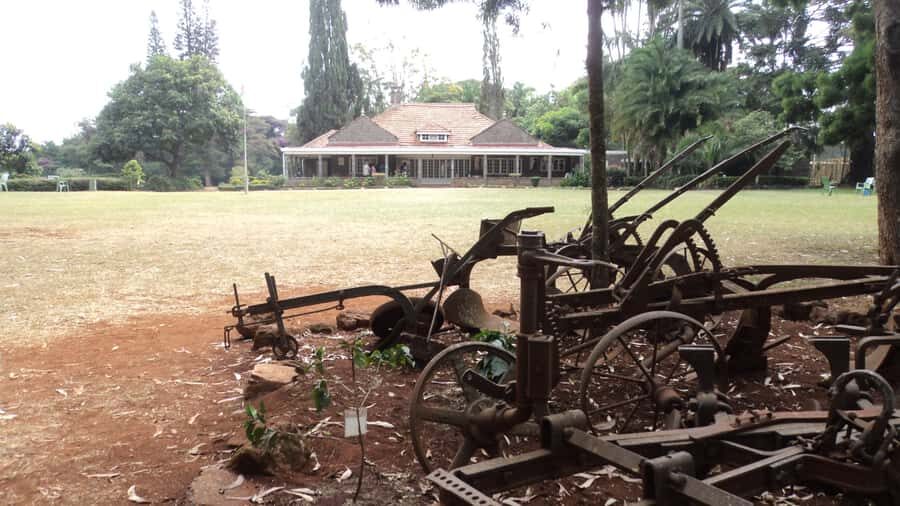
You’ll start with the house tour and then continue through the grounds. From the garden, you get magnificent views of the Ngong Hills, which is a good moment to step back and take in the landscape. Even if you’re not a hardcore history person, those views help you understand why people were drawn to this area in the first place.
The tour timing is tight but reasonable. You get enough time to feel like you learned something meaningful, without racing through rooms. People also tend to describe the Karen portion as an unexpected treat—because it offers more than the headline connection to the film.
One practical note: it’s a guided tour, so you’ll follow the guide’s flow. If you’re the kind of person who loves lingering, you’ll do better if you flag your interests early—like asking where the best garden viewpoints are or what to focus on in the rooms.
Beads and craft shopping near the museum: souvenirs that actually feel connected
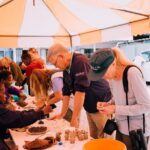
Between the museum and the animal time, there’s a stop for handmade crafts near the area—often described as a beads craft center. This is where the experience gains a useful “local economy” element. You’re not just buying a trinket; you’re stepping into a workshop-style setting where people make items such as beaded pieces.
The tour can also include a stop at Kazuri Ltd., where African women offer items like paintings and necklaces for sale. This matters because you’re shopping in a space designed for artisans and customers, not a frantic roadside stall where you’re guessing quality.
Do I love craft stops? Yes, but with one condition: you should control the time. Some guide-led shopping moments can shorten your animal time. If the giraffes are your top priority, tell your guide you want a quick look and set a shopping limit.
If shopping isn’t your thing, you can still treat this as a cultural pause: you’ll see how the items are presented and you’ll get a sense of the craftsmanship style. Even if you don’t buy, it makes the day feel less like a checklist.
How the half-day schedule works (and how to not feel rushed)
This is designed as a 4–5 hour Nairobi half-day. In practice, it’s a tight loop that starts with pickup from many Nairobi hotels (and even Nairobi airport options). Then you’re in the van, moving between the two big attractions with guide time built in.
A typical flow goes like this: pickup, a drive of about 45 minutes to the Karen Blixen Museum, guided touring there for around 1.5 hours, then another short drive (about 20 minutes) to the Giraffe Centre. After about 1.5 hours at the Giraffe Centre, you head back with roughly 45 minutes for drop-off.
Why does this scheduling matter? Because in Nairobi traffic, timing is everything. You’ll feel it if your visit is overly structured. But it’s also what makes this tour practical for people who want giraffes and Karen Blixen in one shot.
One more pacing reality check: the center visit and museum tour are both guided and time-boxed. That’s good for clarity and focus, but it means you can’t plan on roaming freely for hours. If you want maximum giraffe feeding minutes, keep shopping quick or skip it entirely. You’ll get the best experience by deciding what matters most to you before you arrive.
What you actually get for the price: $99 that buys access and guidance
The price is $99 per person, and the value comes from what’s included. You’re not just paying for two locations. You’re paying for:
- entry fees to both attractions
- transportation between them
- a live English-speaking guide
- feeding the giraffes
That last piece—feeding—matters. It’s not a viewing-only experience. Plus, having a guide helps you understand what you’re seeing, especially at the giraffe center where the conservation and education side is part of the point.
You should also factor in the time-savings. Getting both attractions done without organizing separate tickets and coordinating drives is part of what you’re buying. In a place where planning takes energy, bundled logistics are real value.
If you’re considering adding dinner afterward, there’s an optional path: you can add dinner at the Carnivore Restaurant. It’s a convenient way to turn the day into a full outing, but it’s optional, so don’t plan it if you think you’ll be tired after the tours.




Comfort and practical tips (so the day goes smoothly)
For a Nairobi half-day like this, you’ll enjoy it more if you dress for temperature swings and sun.
Bring:
- comfortable shoes
- a sun hat
Also, wear warm cotton clothing, and depending on weather, you might want sunscreen. A good camera is a smart idea too. You’ll want to capture close-up moments at the giraffe feeding area and the views from Karen Blixen’s garden.
Watch the rules on what you bring. Pets aren’t allowed, and you shouldn’t carry luggage or large bags. Keep it light. This isn’t the day for a heavy daypack and a full suitcase scenario.
One last practical point: the tour isn’t suitable for wheelchair users. If mobility is an issue, you’ll need a different plan.
Should you book this Nairobi tour?

Book it if you want a high-impact half day with two major experiences that are hard to stitch together on your own. This is especially worth it if you care about doing the hands-on part—feeding the giraffes—and then switching gears to the Karen Blixen Museum for context and atmosphere.
Skip or rethink if you’re hoping for a long, slow nature walk or lots of free time. This tour is structured. If you’re easily irritated by shopping pauses, tell your guide you want giraffe time first and souvenirs second. If you’re a fan of craft shopping, the stop can be a pleasant add-on instead of a distraction.
For most people, the sweet spot is clear: you’ll get close to giraffes, you’ll connect the Out of Africa story to the actual house, and you’ll do it with a guide and transportation handled—so your afternoon stays fun instead of stressful.
FAQ
How long is the tour?
The total duration is about 4 to 5 hours.
What is included in the price?
It includes all entry fees, transportation, a guided tour of the Giraffe Centre and the Karen Blixen Museum, and feeding the giraffes.
Does the tour include pickup in Nairobi?
Yes. Pickup is available at Nairobi hotels and at the airport.
Is feeding the giraffes part of the experience?
Yes. You’ll have a chance to feed the giraffes by hand with food pellets.
What should I bring for the tour?
Wear comfortable shoes and bring a sun hat. The guidance also suggests warm cotton clothing and sunscreen depending on the weather, plus a good camera.
Is the tour wheelchair accessible?
No. It is not suitable for wheelchair users.