REVIEW · MOMBASA
2 Days Tsavo East and Ngutuni Sanctuary starting from Mombasa.
Book on Viator →Operated by FRENZY ADVENTURES LIMITED · Bookable on Viator
Two days, big wildlife energy. I love the early-morning safari rhythm and the fact you get four separate game drives with a small group capped at six. The tradeoff is simple: this is a packed 2-day plan, so there’s less slack time if you’re the type who likes to linger.
Staying at Ngutuni Lodge lets you sleep close to the action instead of spending your short trip in the car. Guides matter on safari, and people have specifically praised drivers and guides such as John and Walter for finding animals fast and explaining what you’re seeing. One more consideration: you’ll spend a lot of time in a vehicle, so bring sun protection and something warm for dawn.
In This Review
- Key points before you go
- Tsavo East in Two Days: Why This Pace Works
- Pickup at 6:00 and the Small-Group Advantage
- Day 1: Bachuma Gate Entry, a 2-Hour First Safari, and Ngutuni Lodge
- Day 1 drawback to plan for
- Day 2 Dawn to Mid-Morning: Ngutuni Sanctuary in the Best Light
- What I’d watch for on Day 2
- Four Game Drives: How That Changes Your Odds
- Wildlife You Can Reasonably Expect (and What’s Not Guaranteed)
- Ngutuni Lodge: The Lodge Part You’ll Actually Care About
- Transportation and Timing: What the Schedule Feels Like
- Price and Value: What $742 Covers (and Why It Can Be Worth It)
- Who This Tsavo East and Ngutuni Safari Suits Best
- Should You Book This Safari?
- FAQ
- FAQ
- What time is pickup in Mombasa?
- How many people are in the group?
- Are park admission tickets included?
- Where do we sleep overnight?
- What meals are included?
- How many game drives are included?
- What wildlife might I see on this route?
- Is there free cancellation, and how late can I cancel?
Key points before you go
- Max six travelers means a calmer, easier safari pace than bigger buses
- Four game drives in two days boosts your odds of repeat sightings and better timing
- Ngutuni Lodge overnight keeps the logistics tight and efficient
- Admission ticket is free (included), so you’re not scrambling for extra park fees
- Pickup at 06:00 from Mombasa is early, but it’s how you hit prime animal hours
Tsavo East in Two Days: Why This Pace Works
A short Kenya trip should feel like a greatest-hits album, not a long-distance sprint. This safari is built around the hours when animals are most active—especially the early starts and the slower pace of a morning drive. You’ll cover real ground in Tsavo East, but you won’t be bouncing around to different areas all day.
I like that the schedule doesn’t pretend you’ll do everything. Day 1 is about getting into Tsavo East and settling near the game areas by staying at Ngutuni Lodge. Day 2 focuses on another set of prime viewing windows—then you’re back to Mombasa after lunch.
The real value is how the timing stacks the deck. You’re not just buying “a safari”—you’re buying multiple chances to see the same kinds of animals at different times of day, plus a sanctuary segment that adds variety.
A few more Mombasa tours and experiences worth a look
Pickup at 6:00 and the Small-Group Advantage
The morning starts fast: pickup is scheduled for 06:00 in Mombasa. If you’re used to beach time, this will feel early. But on safari, that’s the whole game—animals tend to be moving when the light is cooler and the day is young.
This trip runs with a maximum of six travelers. That matters more than most people expect. Smaller groups typically make it easier for the guide to adjust the route, keep everyone oriented, and spend time where the action is rather than constantly repositioning because someone is lagging behind.
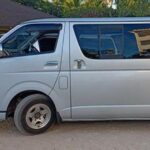
You also get practical extras that reduce stress. Pickup is offered, transfers are part of the package, and you’ll receive a mobile ticket. The logistics are designed for people who don’t want to spend their vacation time on spreadsheets and confirmations.
Day 1: Bachuma Gate Entry, a 2-Hour First Safari, and Ngutuni Lodge
Your first big push is into Tsavo National Park East, entering through the Bachuma gate. After the drive from Mombasa, you get straight into safari mode with a 2-hour game drive before lunch. This is a smart setup because it uses daylight efficiently instead of burning time after you arrive.
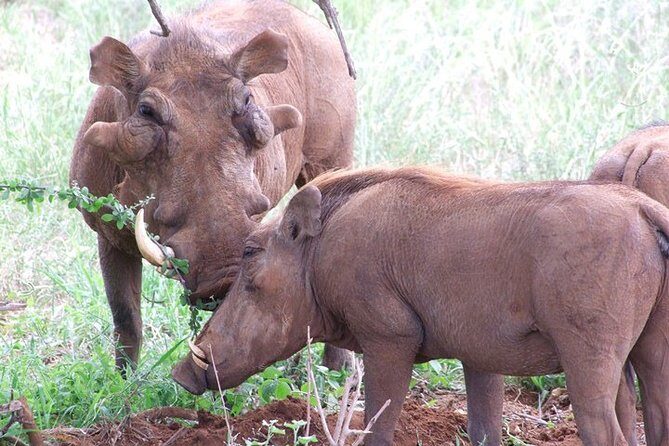
On this initial drive, you’re set up to spot a range of common Tsavo East sightings, including waterbucks, antelopes, and warthogs. Even when the “headline” animals aren’t close, those smaller, active species keep your eyes busy—and they often tell you where herbivores are grazing, which can bring in predators later.
Then lunch lands at Ngutuni Lodge. This is more than just a meal stop. It’s a real reset point in the middle of your safari day, when the heat often rises and animals can move slower. Having lunch in a lodge inside the plan helps you avoid the chaos of trying to find food quickly while still on the road.
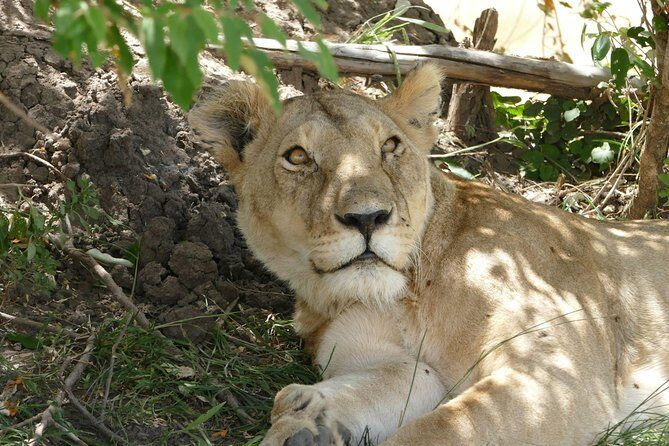
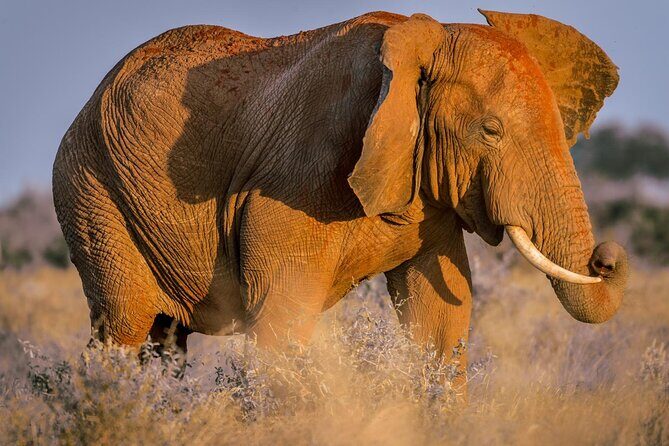
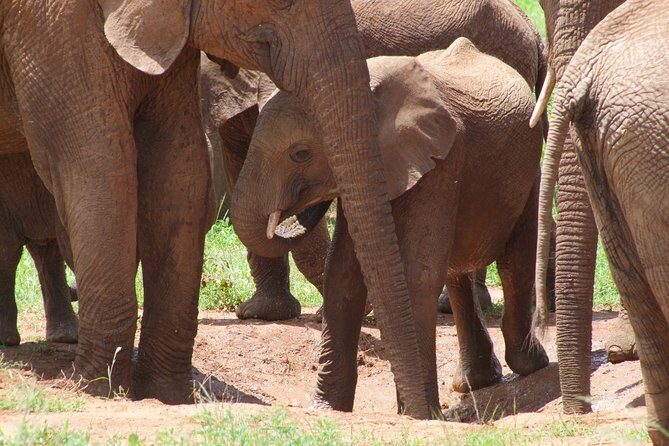
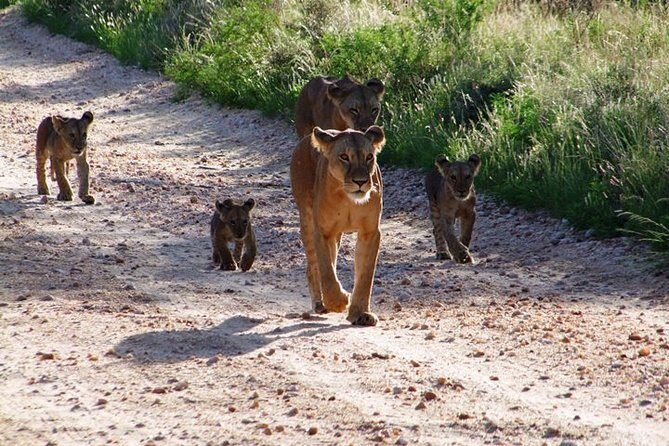
After lunch, you continue with an afternoon game drive in Tsavo East. This is where you may see animals like elephants, giraffes, zebras, lions, and buffaloes, depending on where the wildlife is moving that day. Late-day light can also make spotting easier—shadows help shapes stand out, and animals often come back toward water or open grass areas.
Dinner and overnight are at Ngutuni Lodge, placing you right near the safari rhythm. That reduces the “drive-and-suffer” effect that can happen on quick trips where you’re trying to squeeze too many parks into one night.
Day 1 drawback to plan for
Day 1 can feel long. You’ll start early, do two hours of wildlife viewing before lunch, then another game drive after lunch, and finish with dinner. If you hate long days in the car, you might feel it by evening—even if the sightings are great.
Day 2 Dawn to Mid-Morning: Ngutuni Sanctuary in the Best Light
Day 2 starts with another early wildlife window: an early morning game drive in the heart of Tsavo East. This timing is key. During dawn, you often get calmer conditions and better animal activity. It’s also when herds can look more spread out across the grassland, which helps you scan the horizon without fighting harsh heat.
You’ll be back for a full breakfast at Ngutuni Lodge, which is a welcome break after a morning drive. Food matters here because the rest of the day is still active: after breakfast, you continue with a mid-morning safari focusing on Ngutuni Sanctuary.
That sanctuary segment is an important twist. It’s not just “more of the same.” You’re still in a wildlife setting, but it can feel different in how animals use the space and how the drive flows. This part runs for about 2 hours before lunch time.
Then you have lunch at Ngutuni Lodge and depart back to Mombasa. The schedule is tidy: you get a meaningful safari morning, eat well, and still make it back after lunch without turning the return trip into a late-night ordeal.




What I’d watch for on Day 2
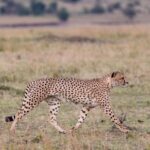
If you care most about predators, dawn and early morning can be your best bet for seeing big cats in the right light or catching activity when prey is moving. Even if lions aren’t guaranteed, you may still get fantastic grazing scenes: elephants and buffaloes, plus antelopes and warthogs in open grassland areas.
Four Game Drives: How That Changes Your Odds
This isn’t a “one-and-done” safari. You get four separate small-group game drives across both days. That structure matters because safari spotting isn’t linear. You might miss an animal at one time, then see it later in the trip when you’re positioned differently or when it chooses to move.
Here’s how the timing helps:
- Day 1 morning gives you first contact after entering the park
- Day 1 afternoon can catch animals returning or shifting their routines
- Day 2 dawn is a fresh reset with better viewing conditions
- Day 2 mid-morning at Ngutuni Sanctuary adds variety and a second chance at good sightings
People who’ve done this route tend to come away talking about long, enjoyable game drives and animals seen at close range. That “close up” feeling often comes down to patience and good guiding—staying respectful, repositioning smartly, and scanning relentlessly.
Also, multiple drives reduce the fear that you’ll waste a whole day if a single drive is quiet. In a short 2-day trip, that’s the difference between a “good day” and a “wow, I’m glad I booked.”
Wildlife You Can Reasonably Expect (and What’s Not Guaranteed)
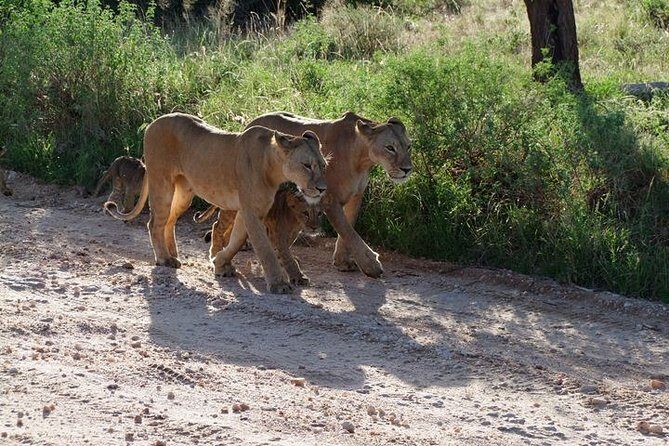
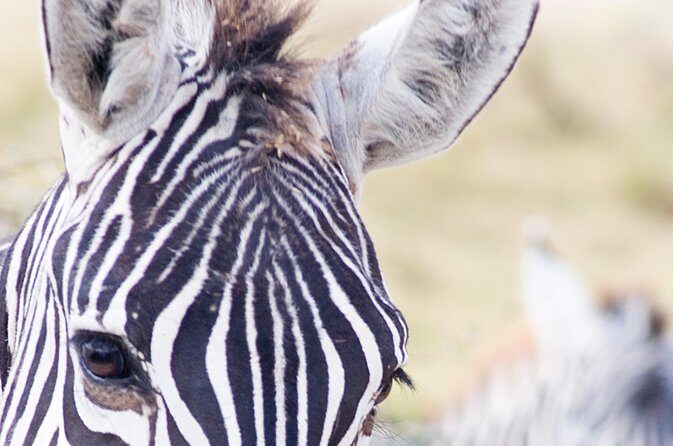
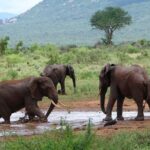
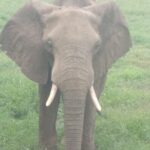
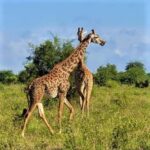
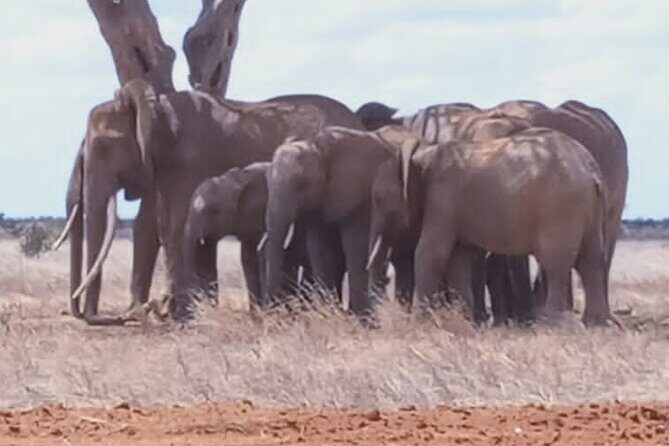
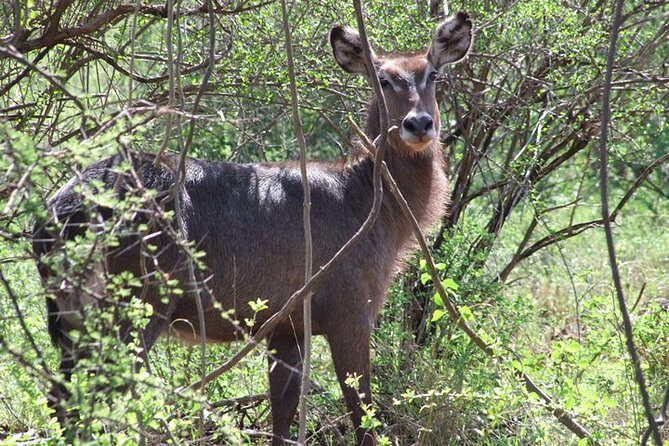
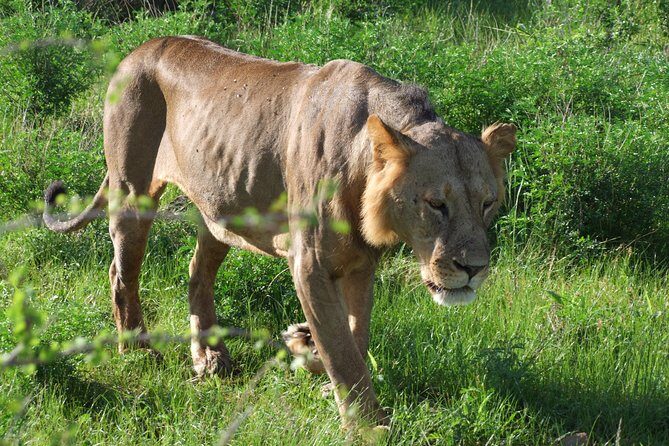
In Tsavo East, you’re in classic “big game” country. Based on what’s specifically listed for this route, you should keep your eyes open for elephants, antelopes, zebras, giraffes, lions, buffaloes, and warthogs. Other sightings mentioned for this itinerary include waterbucks and—on at least one occasion—pumas.
A reality check, though: safari sightings are never guaranteed. Animals move. Weather changes how they behave. And sometimes the most “exciting” sightings are smaller than you expected. The best attitude is to look for activity—tracks, grazing patterns, and movement in open grassland—because that often leads you to the main event.
If your goal is to see as many species as possible in a short time, this itinerary is built for that. The four drives and the mix of Tsavo East plus Ngutuni Sanctuary give you repeated chances across different light and animal routines.
Ngutuni Lodge: The Lodge Part You’ll Actually Care About
People underestimate lodge quality until they’re tired, sweaty, and sunburned. Staying at Ngutuni Lodge as part of the core plan is a big deal because it keeps you grounded between drives. You’re not trying to hunt for a meal after a long day in a place that’s unfamiliar.
Lodge comfort and food come up strongly with this route. Accommodation is described as well maintained, and meals are described as very delicious. That matters because long safari days aren’t glamorous all the time. You want clean comfort, solid meals, and a calm place to recharge.
Dinner and overnight at the lodge also fit the rhythm of the wildlife. When you wake up for dawn, you’re not starting your day with another long drive just to get into the park.
Transportation and Timing: What the Schedule Feels Like
This is a safari designed for efficiency. You’re picked up at 06:00, you drive into the park, you do a first game drive, then you return for lunch, then you go back out for an afternoon drive. Day 2 repeats the pattern with dawn and mid-morning activities, then you’re back after lunch.
What you’ll feel, day to day:
- You’ll adapt to a “morning-first” schedule quickly
- Midday might feel more like a pause, not downtime you control
- The vehicle time is part of the experience, not separate from it
The benefit of this structure is that it gives you multiple wildlife windows without requiring a huge time commitment beyond the 2 days. The drawback is that your energy needs to be ready. If you’re expecting this to feel like an easy stroll, you’ll be disappointed.
Price and Value: What $742 Covers (and Why It Can Be Worth It)
At $742 per person for 2 days, the price isn’t low—but it also isn’t just “drive around and hope.” You’re paying for a package that includes transfers, a guide, four meals, an overnight stay at Ngutuni Lodge, and safari driving time that’s split into multiple viewing blocks.
You also get a key value element: admission ticket is free. In places like Tsavo, that can change the math fast. When park access is included, it’s easier to compare this package to a DIY approach.
Small-group size is another cost driver—and a value one. With up to six travelers, you’re not sharing wildlife time with a crowd that slows down decision-making. That usually improves the feel of the day.
So when is it a good value? If you want a structured safari that’s built around good viewing times and you’d rather pay for planning than manage it yourself, this fits well. If you’re the type who wants to keep changing plans day-to-day, you might find a package schedule a little tight.
Who This Tsavo East and Ngutuni Safari Suits Best
This tour is a great match for:
- You if you’re short on time but still want a real safari experience
- You if you want a small-group feel rather than a big-vehicle crowd
- You if you like the idea of multiple game drives instead of one long gamble
It may not be ideal if:
- You want lots of free time to relax beyond lodge hours
- You hate early mornings and long vehicle time
- You expect a completely private safari every time (the group cap is six, not one)
Guide support is a major part of the value here. People have praised guides and drivers such as John and Walter for making the most of the short window with real animal-finding skill and clear explanations—exactly what you want when time is tight.
Should You Book This Safari?
I’d book this if you want big wildlife chances in a short window and you prefer a smooth plan that handles transfers, lodge, and meals for you. The four game drives give you more chances than most 2-day safaris, and staying at Ngutuni Lodge keeps the logistics from chewing up your time.
I would think twice if you’re expecting a slow, laid-back trip. This is a working schedule built around dawn and daytime viewing. If that sounds like your kind of travel—wake up early, scan grassland, enjoy the rhythm—you’ll likely feel right at home.
FAQ
FAQ
What time is pickup in Mombasa?
Pickup is scheduled for 6:00 am.
How many people are in the group?
The tour has a maximum of six travelers.
Are park admission tickets included?
Yes. Admission is listed as free.
Where do we sleep overnight?
You’ll have dinner and overnight at Ngutuni Lodge.
What meals are included?
Breakfast, dinner, and lunch (2 times) are included.
How many game drives are included?
There are four separate small-group game drives across the two days.
What wildlife might I see on this route?
You may see elephants, antelopes, zebras, giraffes, lions, buffaloes, warthogs, and waterbucks. Pumas have also been mentioned as a possible sighting.
Is there free cancellation, and how late can I cancel?
Yes, cancellation is free up to 24 hours in advance for a full refund. If you cancel less than 24 hours before the start time, the amount paid is not refunded.