REVIEW · NAIROBI
Maasai Village Experience Day Tour
Book on Viator →Operated by Happy Tribe Travel · Bookable on Viator
A real Maasai day starts early in Nairobi. This tour takes you toward Kajiado for real-life village tasks like milking goats and making beadwork, and it often includes the livestock market on Mondays and Fridays. The main drawback is simple: it is a long day, with about 2.5 hours of driving each way plus no lunch included, and there’s no bathroom at the village itself.
What makes this Maasai Village Experience Day Tour worth the money is the mix of culture plus logistics that actually work—air-conditioned pickup and drop-off from Nairobi, bottled water, and a knowledgeable guide who keeps things moving. I also like that you’re not just watching; you’re expected to try a few hands-on activities, learn a few Maasai words, and join the dancing and singing. If you’re expecting a fancy lunch break and endless stops, you’ll want to plan snacks and patience up front.
In This Review
- Key highlights you should know before you go
- What this Maasai Village day feels like from Nairobi
- The long drive to Kajiado: why the timing matters
- Along the way: first glimpses of Maasai life and the Kajiado plains
- Bisil on market day: Mondays and Fridays bring the noise
- Inside the manyatta: ugali, goat milking, beadwork, and dancing
- Photo stops in Kajiado: herders, firewood carriers, and open space
- Kitengela Mall and a primary school stop: breaks plus giving back
- Guides and respectful hosting: how Simon, Sharon, and Dennis shape the day
- Price and value: is $100 fair for a full cultural day?
- Who should book this Maasai village tour, and who should pause
- Should you book the Maasai Village Experience Day Tour?
- FAQ
- How long is the Maasai Village Experience Day Tour?
- What time does the tour start in Nairobi?
- Do you include pickup and transfers?
- Is lunch included?
- Is there a bathroom at the Maasai village?
- What if the tour can’t run due to weather?
Key highlights you should know before you go
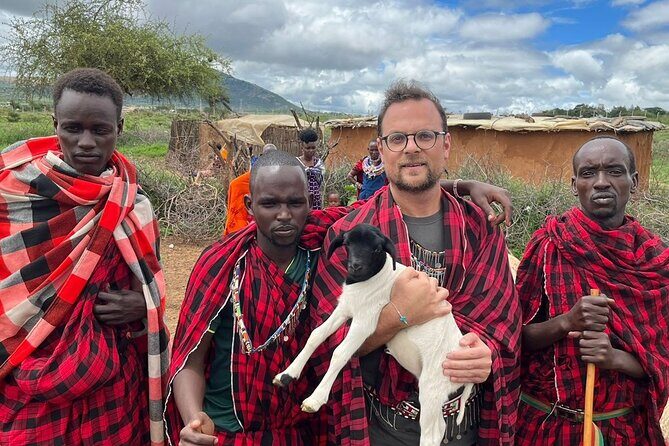
- Hands-on village activities: goat milking, ugali cooking, learning beadwork, and joining in singing and dance
- Market day option (Mondays/Fridays): lively livestock trading, plus Maasai beadwork, herbs, and attire
- Easy Nairobi start: hotel or airport-style pickup, air-conditioned vehicle, WiFi, and bottled water
- Real photo moments in Kajiado: Maasai herders with animals, women carrying firewood, and open plains
- Respectful rules: closed shoes, modest dress, and no professional or commercial photography
- Donations welcome: bring clothes, school supplies, toys, and food staples if you want to help
What this Maasai Village day feels like from Nairobi
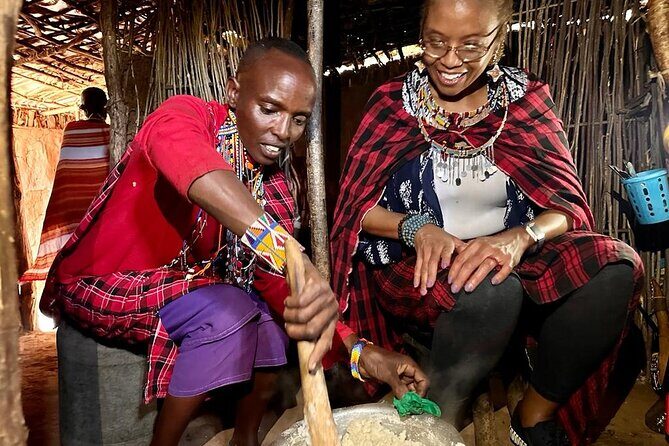
This is a Kenya cultural day where you spend less time in offices and more time in daily routines. You’ll start with a drive out of Nairobi toward Maasai country around Kajiado, where the scenery gets wider and the animal herds start to show up. The goal is clear: you’re there to learn how Maasai families live, not just take pictures from the outside.
The best part for me is the participation. You’re shown how to do village activities and you get chances to try them—milking goats, cooking a basic meal like ugali, and making beadwork. Many people also pick up a few Maasai words so you can greet people properly instead of only saying hello and walking away.
You’ll also feel the day’s rhythm shift when you enter a manyatta (a Maasai homestead). It’s more conversation and shared time than a strict bus-tour checklist. Just keep expectations realistic: this is community life, so the schedule can flex a bit, and you’ll want to stay respectful when things move at a slower pace.
You can also read our reviews of more tours and experiences in Nairobi.



The long drive to Kajiado: why the timing matters
Plan for a full 6 to 8 hours total, and understand that the drive is a big chunk of it. The route is about 2.5 hours one way, so this trip is not a quick hop. The upside is that you get time to watch how Kenya changes outside the city—first towns with mixed economic activity, then more open pastoral life with goats, donkeys, and cows.
There are also practical break stops built in. You’ll have bathroom breaks along the way (there’s no bathroom at the village), plus a short pause in town for snacks or coffee. Group tours can run into timing changes due to traffic and rest breaks, and the tour aims to be back in Nairobi before 4pm.
If you’re prone to getting carsick, take steps early: bring water, avoid heavy meals before you leave, and bring something small to keep you comfortable. This kind of cultural day works best when you treat the drive as part of the experience—not just the prelude.
Along the way: first glimpses of Maasai life and the Kajiado plains

Before you reach the village activities, you’ll pass through an area where Maasai people are the predominant residents. This early stop is where you start to see the wider plains of Kajiado, hills, and the vegetation that supports grazing. It’s also a chance to spot everyday economic activity—since it’s like any town in Kenya, you’ll see commerce and movement alongside pastoral routines.
A big reason I think this stop is worth it: it helps you understand what you’re driving toward. You’re not jumping from Nairobi traffic into a village stage show; you’re watching the region gradually shift. You can also use this time for photos—especially animals and Maasai herders on the move.
One note on photography rules: you can absolutely take photos, but the tour states that professional cameras or commercial photography are not allowed. For most people, a phone or standard non-commercial camera works fine.
Bisil on market day: Mondays and Fridays bring the noise
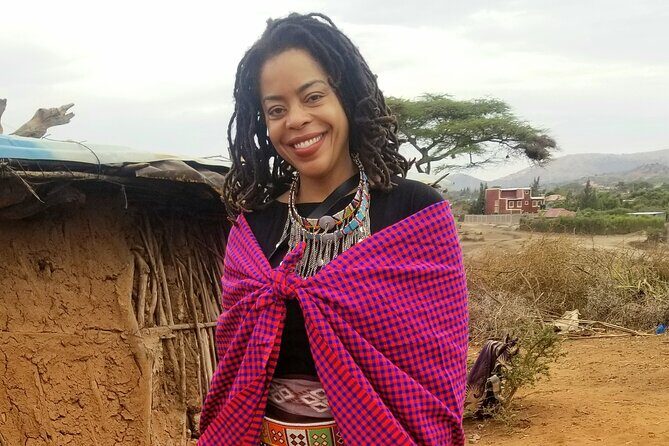
On Mondays and Fridays, you get an extra layer to the day at Bisil during a livestock market stop. This is when the market feels like its own living world: animals for sale, plus trade in Maasai beadwork, herbs, and traditional attire. The energy is chaotic in the best way—lots of people, lots of voices, and plenty happening fast.
You’ll have about an hour here. That’s long enough to look around, ask basic questions through your guide, and buy small souvenirs if you want them. It’s also a photographer’s dream moment, especially if you like candid scenes rather than posed shots.
What to watch for: markets are social spaces and people are working. Stay polite, ask before getting close, and let your guide handle any introductions. If you’re hoping for a massive multi-day bazaar, you might be surprised by what you actually see in that single hour—but the experience is still powerful because it’s real commerce and real Maasai participation.
Inside the manyatta: ugali, goat milking, beadwork, and dancing
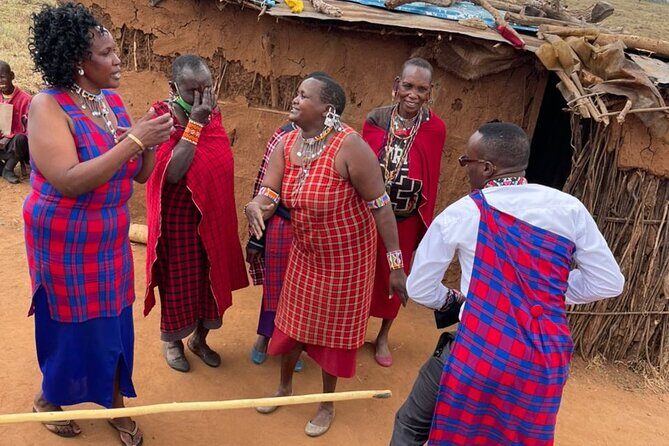
The main event is the Maasai village experience itself, and it lasts about 3 hours. This is where the day shifts from watching to participating. You’ll learn a few Maasai words, you’ll be guided through beadwork, and you’ll have hands-on chances with daily tasks.
Expect activities along these lines:
- Milking goats (hands-on, not just a demonstration)
- Cooking a basic meal like ugali
- Entering a manyatta and learning about life inside it
- Dancing and singing with village members
Some experiences also include extra village skills, depending on the host family and what’s happening that day. In the feedback I saw, people mentioned things like learning about making fire and even meeting baby goats as part of the activities. The exact mix can vary, but the tone stays the same: you’re treated like a learner, not a spectator.
How to make this part go well:
- Go in with modest, patient energy. People’s time and routines come first.
- Wear closed shoes and dress decently. The tour asks for modest clothing for all genders, ideally with pants and a cover-up.
- Expect this to be a “try it” day. You don’t need experience—you need a willingness to participate.
Also, remember the village has no bathroom. The tour includes two bathroom stops along the way, so use those breaks. In short, plan your comfort early, then focus on the activities once you arrive.

Photo stops in Kajiado: herders, firewood carriers, and open space
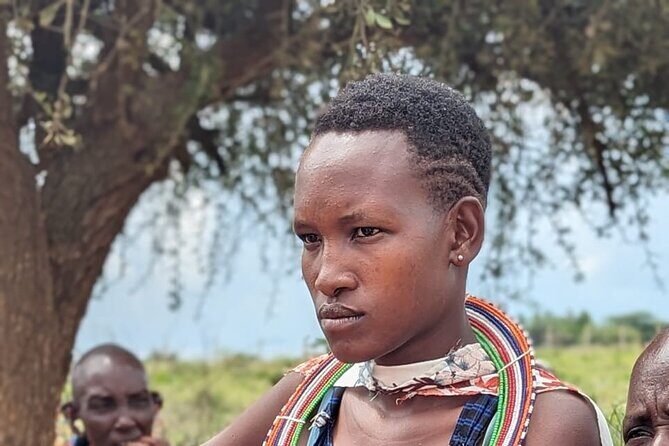
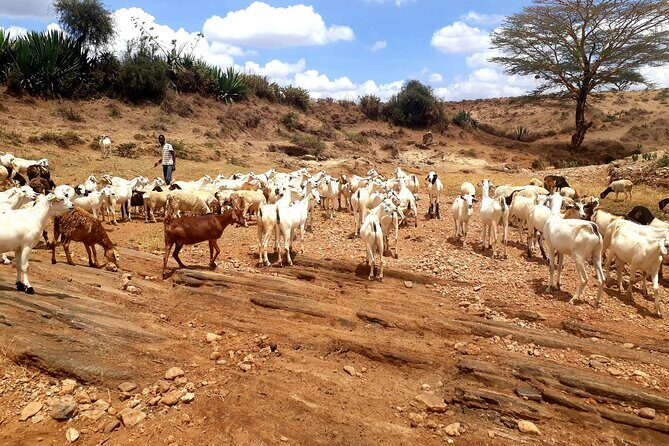
Between village time and later breaks, you’ll also get chances to view and photograph the wider region around Kajiado. This isn’t just pretty scenery; it’s everyday Maasai life in motion. You may spot Maasai herders moving their animals to find pasture, and you can also notice women carrying firewood on their backs—details that make the day feel grounded rather than staged.
A practical tip: if you’re serious about photos, bring a fully charged phone and consider a small power bank. The day has several short stops, and you may want to shoot quickly when the moment appears.
Keep your posture respectful while photographing. If someone is busy working, don’t block paths. Let your guide set expectations, and if you’re unsure, ask before getting too close.
Kitengela Mall and a primary school stop: breaks plus giving back
After the village time, the tour includes a stop at Kitengela Mall. This is about 20 minutes—long enough to use the bathroom, grab a snack or tea/coffee, and pick up simple necessities. It’s also a chance to use an ATM if you plan to purchase souvenirs or bring donation items later.
Lunch is not included, so this mall stop can be your practical safety net. If you’re the type who gets hungry fast, don’t wait until late—plan a snack here and keep your energy steady for the return drive.
Then there’s an Ilbisil stop connected to a local primary school. You’ll pass through the school area to see activities and drop donations if you’re carrying them. The tour explicitly allows donations, and it lists examples like clothes, school supplies, kids toys, teaching aids, and food items such as cooking oil, maize flour, and dry grains.
Two smart ways to approach this:
- Keep donations simple and useful. Stick to items listed as accepted.
- Carry money in case you want to buy small necessities or souvenirs during the day.
This is one of the best parts of the tour for people who like to do more than take. It turns your visit into something you can point to later as support.
Guides and respectful hosting: how Simon, Sharon, and Dennis shape the day

Your guide can make or break a cultural day, and this one has strong signals in the feedback. People highlighted guides like Simon and Sharon for being friendly, energetic, and able to explain Maasai history and daily life clearly. Others mentioned Dennis, including Dennis Console, for being upbeat and for supporting the visit in a way that felt both fun and genuinely helpful.
In practice, a good guide does three things:
- Handles introductions so you don’t feel awkward.
- Explains what’s happening in plain language so you can ask questions.
- Keeps the schedule running with realistic bathroom and timing stops.
You’ll feel this during the driving segments too. Many people said the guide helped make the long ride pass faster and gave a sense of what to expect before each step of the day.
Also, you should know the tour has a clear boundary around photography. Professional cameras and commercial photography aren’t allowed, which helps keep the focus on respectful participation rather than a production-style shoot.
Price and value: is $100 fair for a full cultural day?
At $100 per person, this isn’t a bargain-bin outing. But it can be good value if you treat it as a full-day logistics package plus a guided cultural experience, not just a village visit.
Here’s what you’re paying for, based on what’s included:
- Air-conditioned vehicle and Nairobi pickup/transfer options
- Bottled water and WiFi on board
- Entry/admission charges
- A knowledgeable guide
- The main village experience activities
- Group discounts (when available)
- A mobile ticket
What costs extra (and you should plan for):
- Lunch is not included
- Alcoholic beverages are not included
- Souvenirs and donation items are yours to manage
The big question is time. With about 2.5 hours of driving each way, this day costs time as well as money. If you’re only in Nairobi briefly, it’s still a solid choice because you get an organized route out to Maasai country with structured stops.
If you hate long drives and prefer short, flexible outings, you might find the schedule a bit tight. But if you want a real day with conversation, tasks, and music, $100 can make sense.
Who should book this Maasai village tour, and who should pause
This tour fits best if you:
- Want more than photos and want to try tasks like cooking or beadwork
- Like meeting people and asking questions in a guided setting
- Can handle modest dress requirements and a no-bathroom-at-village setup
- Prefer a safe, structured day with clear rules
You might want to think twice if you:
- Expect a big-city style timetable with lots of long stops
- Need a guaranteed lunch break
- Dislike participating in farm and village routines (even simple ones)
- Are hoping for professional-grade commercial filming
The tour also caps group size at a maximum of 50 travelers. That helps with crowding, but it still means you’ll be in a group dynamic. Come with patience, and let your guide manage the flow.
Should you book the Maasai Village Experience Day Tour?
If your goal is a real Maasai day with hands-on activities, music, and a guide to translate what you’re seeing, I’d say this is a strong booking. The biggest wins are the practical support—pickup, WiFi, water, admissions—and the fact that you do more than observe.
I’d skip it only if you want minimal driving, a formal sit-down lunch, or you’re uncomfortable with the reality of village life (no bathroom on site, modest dress, and rules around photography). Otherwise, this is the kind of day that gives you more than a memory shot. It gives you context, conversation, and small skills you can carry home.
FAQ
How long is the Maasai Village Experience Day Tour?
The tour runs about 6 to 8 hours.
What time does the tour start in Nairobi?
The start time is 8:00 am.
Do you include pickup and transfers?
Yes. Pickup is offered from Nairobi, including airport or hotel transfers, and you travel by air-conditioned vehicle.
Is lunch included?
No. Lunch isn’t included, though you’ll stop at Kitengela Mall where you can buy snacks or food.
Is there a bathroom at the Maasai village?
No. There’s no bathroom at the village, but the tour makes two bathroom stops along the way.
What if the tour can’t run due to weather?
This experience requires good weather. If it’s canceled due to poor weather, you’ll be offered a different date or a full refund.