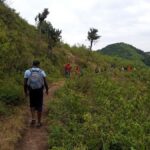
REVIEW · NAIROBI
Kevins Kibera Slum Tours
Book on Viator →Operated by Kevin’s Kibera Slum Tours · Bookable on Viator
Kibera is not a postcard. This private, half-day walk through Nairobi’s Kibera gives you a front-row look at everyday life—led by a born-and-bred guide like Ismael (Kevin’s brother) who can take you to places most visitors never reach, including a family home.
I love the mix of real-world stops: a craft/bone workshop, an orphanage school, and the main street market—so you don’t just see hardship, you also see work, community, and pride. I also like that the tour is guided and structured, with round-trip pickup from your hotel, so you can focus on asking questions instead of figuring out routes.
One big consideration: the walking can be treacherous. If you’re elderly, have balance issues, or hate uneven ground (especially after rain), this tour may not be a good fit.
In This Review
- Key things to know before you go
- Why Kibera with Kevin’s team feels personal (and practical)
- How the 4-hour plan actually plays on the ground
- The walking route: crafts, school, home, and street-level landmarks
- Bone workshop and local craft work
- Orphanage school: learning as a daily fight
- Kevin’s house and family home visit
- Landfill and train track: the harsh realities nearby
- Main street market: community economy in action
- Safety, comfort, and what to wear on this route
- What to pack
- Who should think twice
- Price and value: what $65 buys you here
- Who this tour suits best
- Practical tips for getting the most from your tour
- Should you book Kevin’s Kibera Slum Tour?
- FAQ
- How long is the Kibera slum tour?
- What time does the tour start?
- How much does the tour cost?
- Is this tour private?
- Is hotel pickup and drop-off included?
- What’s included in the tour price?
- Are food and drinks included?
- Is the ticket delivered digitally?
- What should I know about weather and cancellations?
- Is it suitable for most travelers?
Key things to know before you go

- Resident-led access to Kibera, with guides like Kevin and Ismael who live the day-to-day reality.
- Family home visit, which turns the tour from watching to understanding.
- Stops that explain the community’s system, including an orphanage school and local market life.
- Hands-and-feet tour: the route includes rough, uneven paths and ground that can be messy.
- Value-focused half-day: 4 hours total with structured sightseeing and hotel pickup, not just a drive-by.
Why Kibera with Kevin’s team feels personal (and practical)

Kibera isn’t something you should try to “self-tour” your first time. It’s too easy to miss the context, get lost, or end up doing the awkward tourist version of pity. What works here is the human thread—guides from inside the community, with the trust and relationships that make conversations possible.
The vibe is often described as welcoming, and that makes sense. When your guide is someone like Ismael, a longtime resident, people tend to recognize the tour as something that’s meant to be respectful and informative, not disruptive. You get time to ask questions and a sense of what’s normal day-to-day rather than just dramatic snapshots.
And yes, there’s a lot to process. But the tour does a good job of pacing your attention: school and crafts first, then neighborhood landmarks, then market life. You leave with a clearer picture of how people live, learn, work, and help one another—rather than only feeling shocked.
You can also read our reviews of more tours and experiences in Nairobi.



How the 4-hour plan actually plays on the ground

This is a private half-day tour in Kibera, running about 4 hours total. The main on-the-ground portion is listed as 3 hours in Kibera, with specific stops along a walking route. It starts at 8:00 am, which is a smart time in Nairobi: you’re more likely to get steadier conditions and better visibility before the day gets hotter.
The tour also includes front-door pickup and drop-off from your hotel anywhere in the city, which matters more than it sounds. In a place like this, the less time you spend navigating logistics, the more respectful and comfortable the experience stays for everyone.
Also note what’s not included: food and drinks. If you tend to get shaky or cranky when hungry, plan accordingly. I’d treat this like a morning activity and bring water (and maybe a small snack) so you can focus on what you’re seeing.
The walking route: crafts, school, home, and street-level landmarks

The itinerary centers on one main area—Kibera—where your guide moves you through a sequence of places that explain daily life from multiple angles.
Bone workshop and local craft work
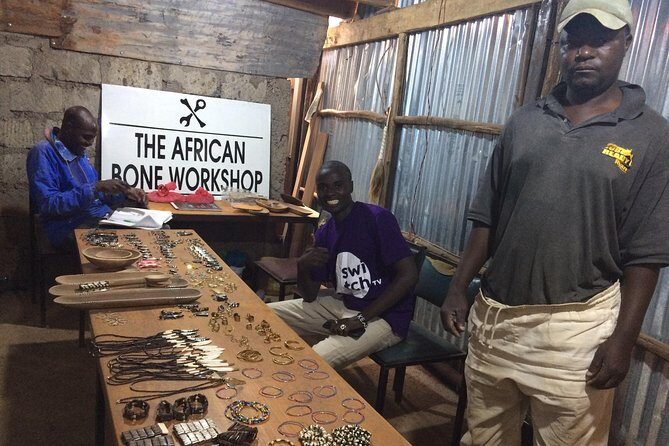
One of the first stops is an African bone workshop (often described as bone jewelry-making/craft work). This is one of those places that can change how you think about survival and creativity. People aren’t only managing shortages. They’re producing goods, learning skills, and building income through work that connects the community to the outside world.
What I like about starting here is that it balances the emotional weight of the neighborhood with something tangible: a craft process, tools, and the logic of making and selling. It helps your brain shift from “scene” to “system.”
Orphanage school: learning as a daily fight
Next comes an orphanage school. You’re not just viewing classrooms; you’re seeing why education matters so much in a community that’s fighting for basic support. Reviews emphasize how moving this part is, and that lines up with what this stop represents: schooling as hope that continues even when resources don’t.
A key value here is the chance to see learning as something organized—not vague. Schools in underserved areas can be patchwork, so seeing how this one functions helps you understand what people are trying to protect and grow.


Kevin’s house and family home visit
Then there’s a standout moment: Kevin’s house and family (your guide’s family home experience). This is where a tour stops being “history class” and becomes “human conversation.” You get a view of where people live and how daily routines happen in tight spaces.
From the reviews, this is also the part people remember most strongly—because it’s where you see the family as family, not as a lesson. It’s also where your guide’s role becomes clear: they’re not performing concern; they’re sharing their own world.
Practical thought: family home visits are intimate. Expect you’ll be asked to follow your guide’s pace and cues. Keep your questions thoughtful and avoid turning it into a show-and-tell.
Landfill and train track: the harsh realities nearby
The route also includes a landfill and the train track. These stops can be hard to look at, but they’re part of how Kibera is shaped economically and physically.
This isn’t just “poverty theater.” The value of these landmarks is that they show what’s happening at the margins of city infrastructure—where waste management, movement, and housing overlap. You’ll likely feel discomfort here, and that’s normal. The point is to see the full picture: not only homes and schools, but the external pressures and nearby realities that affect daily life.
Main street market: community economy in action
Finally, you reach the main street market. This is where you see social life plus commerce—neighbors trading, people working, and daily needs getting handled without romantic exaggeration.
What I like about the market stop is that it brings your understanding back down to earth. After visiting schools and homes, the market shows you how community members keep things running: food, small goods, and everyday transactions that make life function even under difficult conditions.
Safety, comfort, and what to wear on this route

If there’s one theme in the feedback, it’s that the walk is not for everyone. People report feeling safe with a resident guide, and that’s an important difference from random street wandering. Still, safety has two sides: trust and terrain.
The terrain can be uneven and precarious. Reviews specifically mention that it can be treacherous, and that it’s especially risky after rain. That’s why footwear matters.
What to pack
- Close-toed shoes you don’t mind getting dirty.
- Clothes you can move in on rough ground.
- A small buffer of patience: this is a walking tour with uneven surfaces.
Who should think twice
If you have balance or mobility limitations, or you’re traveling with elderly folks, I’d be cautious. The overall format is active. One of the most repeated pieces of guidance is simply: don’t book if you can’t handle uneven, sometimes unstable ground.
Price and value: what $65 buys you here

At $65 per person, this isn’t the cheapest activity in Nairobi. But it is trying to buy you something more valuable than distance: context, access, and a resident guide.
Here’s what you’re paying for:
- A private tour for your group (not a crowded scramble).
- Hotel pickup and drop-off across the city.
- A guided route through multiple meaningful stops.
- A Kibera guide included throughout.
What’s not included is food and drinks, so factor that in. Also, admission is listed as free for the main stop area, which helps keep your total costs from ballooning.
In practical terms, I’d compare this against the cost of a typical “sightseeing hour” that just shows you scenery. This tour gives you conversation, close-up visits, and a structured path through education, work, and neighborhood landmarks. For many people, that’s the rare kind of Nairobi experience that changes how you understand the city.
One more value note: tours are often booked about 27 days in advance on average. If you want a specific day, don’t leave it to the last week.
Who this tour suits best

This works especially well if you want your Nairobi trip to include more than wildlife drives and big viewpoints. If you like learning from people’s real routines—how they work, raise children, and build opportunities—you’ll likely find this tour stays with you.
It also seems to be a strong option for:
- Solo travelers who want a guided experience rather than improvising.
- Families who can handle walking. One review mentioned a couple and kids around ages 8 and 9 finding it meaningful.
- Anyone who appreciates seeing craft work and schools, not just “conditions.”
What it may not suit:
- Anyone who needs a fully smooth, easy walk.
- Travelers who want a quick overview with minimal time in a local neighborhood.
Practical tips for getting the most from your tour

This tour is emotional. Your best experience comes from how you show up.
- Ask your guide real questions. Let them explain what you see, and don’t rush to make assumptions.
- Keep your pace respectful. If people are busy running their day, treat the tour like you’re visiting someone’s life, not consuming it.
- Plan for dirt and fatigue. Even when the experience is rewarding, the physical part is real.
And keep your mindset balanced. You’re going to see hardship, and you’re also going to see skill, community, and everyday normalcy. The best tours don’t only focus on what’s broken—they also show what people are building.
Should you book Kevin’s Kibera Slum Tour?
I’d recommend this tour if you want an honest, resident-led half-day in Nairobi that includes real places: a craft workshop, an orphanage school, a family home visit, and neighborhood landmarks like the landfill area, train track, and main market.
Don’t book it if you can’t manage uneven walking, or if you’re traveling with someone who struggles with balance—this route is hard on the body. And because food and drinks aren’t included, plan your morning so you’re not hungry or dehydrated.
If you do book, I think you’ll come away with a clearer, more human understanding of Kibera—one that’s harder to forget than any wildlife photo.
FAQ
How long is the Kibera slum tour?
The tour runs about 4 hours total, with around 3 hours spent at stops within Kibera.
What time does the tour start?
The start time is 8:00 am.
How much does the tour cost?
It costs $65.00 per person.
Is this tour private?
Yes. It’s a private tour/activity, and only your group participates.
Is hotel pickup and drop-off included?
Yes. The tour includes front-door pickup and drop-off from any hotel accommodation in Nairobi.
What’s included in the tour price?
The tour includes a Kibera guide.
Are food and drinks included?
No. Food and drinks are not included.
Is the ticket delivered digitally?
Yes. The tour includes a mobile ticket.
What should I know about weather and cancellations?
This experience requires good weather. If it’s canceled due to poor weather, you’ll be offered a different date or a full refund.
Is it suitable for most travelers?
Most travelers can participate, but expect uneven and sometimes difficult walking. Close-toed shoes and physical readiness help a lot.