REVIEW · MOMBASA
From Mombasa: Tsavo National Park Full-Day Group Trip
Book on GetYourGuide →Operated by Kenya Bush Expeditions tours and events · Bookable on GetYourGuide
Tsavo East feels far more wild than the drive suggests. You’re leaving Mombasa for Galana River elephant country in one long day, with game drives that start as soon as you pass the main gate. It’s a simple plan if you want real wildlife without committing to a multi-day safari.
What I like most is the structure: you get a clear push into the park right after arrival, then a second game drive later in the day. I also like that lunch is handled inside the camp area at a lodge, so you’re not stuck with a snack break and a rushed exit.
One drawback to keep in mind is timing. The day runs on the road for hours, and when traffic stretches the return drive, you’ll feel it.
In This Review
- Key takeaways before you go
- Tsavo East in One Long Day: why this safari works
- Getting from Mombasa: pickup zones, road time, and the traffic tax
- Entering through the main gate: how the first game drive sets the tone
- Lodge lunch inside the camp: food you’ll actually want in the middle of the day
- The afternoon drive: Galana River drama and Yatta Plateau scale
- Wildlife chances: what you might see, and what you should not expect on a one-day trip
- Guide quality and vehicle comfort: where the day can rise or wobble
- Price and park fees: the real value of $153
- What to pack for Tsavo East comfort and quick entry
- Who this Tsavo East day trip is best for (and who may want more time)
- Should you book? My decision guide
- FAQ
- What’s included in the Mombasa to Tsavo East day trip?
- Are national park fees included in the price?
- How long is the trip from pickup to return?
- When do we start the safari after arriving at Tsavo East?
- What meals are provided during the day?
- What wildlife can I expect to see?
- What languages are available for the guide?
- Is there an audio guide option?
- What should I bring with me?
- Is the tour wheelchair accessible?
Key takeaways before you go
- You start game drives early after entering through the main gate, which helps you use your limited safari time.
- Lunch is included inside the park area at lodge settings, so your break stays part of the safari rhythm.
- Tsavo East’s highlights are specific: dust-red elephants near the Galana River and the long Yatta Plateau lava-flow scenery.
- Wildlife quality depends on luck and timing (even with good guiding), so manage expectations and don’t hunt for one species only.
- Vehicle comfort and guide style can vary—and that can change how much you enjoy the same sights.
- Budget for park fees on top of the listed tour price, since entry isn’t included.
Tsavo East in One Long Day: why this safari works
Tsavo East National Park is huge in the way that matters: there’s space for animals to move, and space for you to have that wide-open feeling even during a one-day visit from Mombasa. The big draw here is the park’s mix of rivers, grasses, and volcanic terrain, with the Galana River area often producing some of the most memorable elephant moments.
The other reason I like this type of trip is logistics. You’re not trying to coordinate multiple transfers or guess your own route. With hotel pickup, a planned entry time, and an afternoon drive built in, you get a solid safari day without needing to be a safari planner.
The trade-off is that one day compresses everything. You’ll likely see a lot, but you won’t cover every corner of the park, so your best results come when the guide positions the vehicle well and you’re ready to be flexible.
A few more Mombasa tours and experiences worth a look
Getting from Mombasa: pickup zones, road time, and the traffic tax
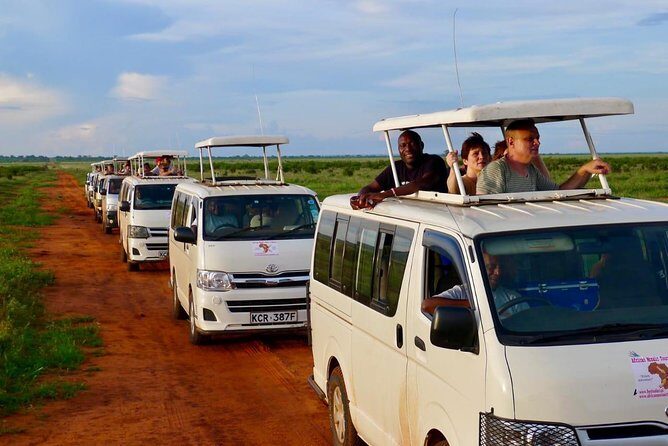
Pickup is from Mombasa hotels, either on the north or south coast side. You’ll start with a brief introduction, then head out by van for about 3 hours to reach Tsavo East’s main gate. This is long enough that you’ll want to settle in with sunglasses, water, and a plan for comfort.
Two practical things to know:
First, even if the schedule says smooth sailing, coastal traffic can slow the return. One day can turn into extra hours on the road, and you’ll feel it after the safari heat and dust.
Second, this is a full-day commitment. The tour is listed as 8 hours, but the real experience is a long day built around travel, park time, and lunch.
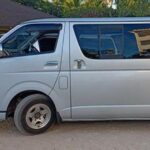
If you’re easily car-sick, bring what helps you most (not just plain water). And if you care about comfort, it’s worth paying attention to the vehicle condition when you board. On this kind of day, a noisy, older van can wear you down faster than you expect.
Entering through the main gate: how the first game drive sets the tone
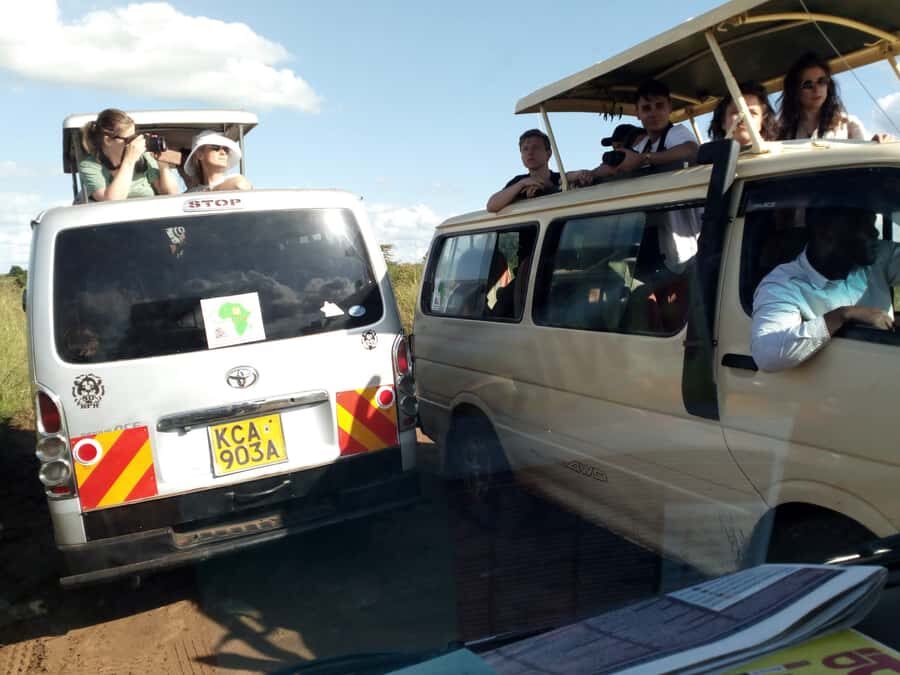
The moment you enter Tsavo East through the main gate, the plan is to start your game drive. That detail matters because it reduces dead time. Instead of waiting around, you’re out looking for animals while the light is still good and before the day fully heats up.
Game drives here aren’t just about speed. The best outcomes come when the guide keeps scanning and actively works the area. Some experiences reported strong animal-spotting and helpful explanations, with guides putting in effort to locate wildlife and tell you what you’re seeing.
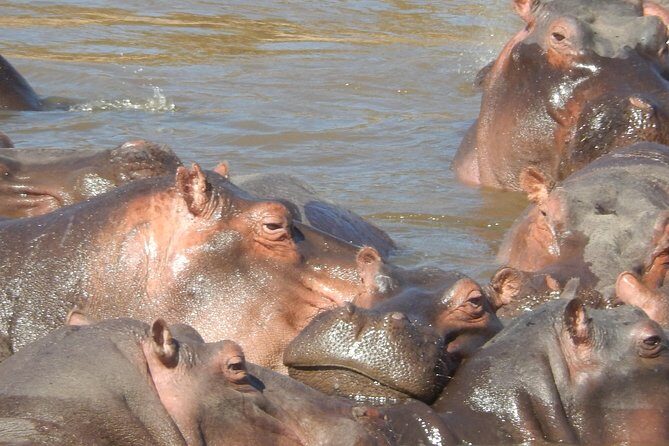
Since your time inside is limited, you’ll get more out of the experience if you focus on “signs of life,” not only big-ticket animals. In Tsavo East, you can go from seeing dust-red elephants to spotting hippos near water or watching smaller antelope and bird activity as the vehicle moves through different habitats.
And yes, you should expect dust. Even when the driving is careful, you’re in open-road safari country, so sunglasses are not optional.
Lodge lunch inside the camp: food you’ll actually want in the middle of the day
Lunch is included and served as a hot meal in a lodge setting inside the camp area. It’s not an afterthought stop; it’s timed so you can cool off, reset your energy, and then go back out for the afternoon drive.
From what you’ll likely experience, this lunch break is a buffet-style meal. That’s useful because you can move quickly to what you want, and you’re not stuck waiting for one entrée. Bottled water is included too, which helps because the day can run warm.
One tip: don’t treat lunch like a lazy meal with a long sit. The safari rhythm matters. If you want to stay sharp for the afternoon drive, keep your lunch efficient, sip water, and be back to the meeting point when the driver signals.
The afternoon drive: Galana River drama and Yatta Plateau scale
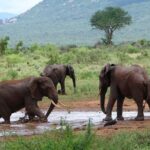
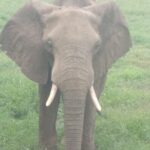
Tsavo East has a pair of attractions that explain why people remember this park. The first is the Galana River area, famous for elephant behavior near water. Think dust-red giants wallowing, rolling, and spraying, with the river shaded by palms. If you’re lucky with timing, you’ll see water-focused moments that feel unusually vivid for a day trip.
The second is the Yatta Plateau, described as the world’s longest lava flow. Even if you don’t get a geology lecture, you’ll feel the scale in how the terrain stretches and how animals move across it. That plateau can change the way you see the park: it’s more open in places, with long sightlines that make scanning easier.
Afternoon game drives can be a little quieter in terms of big action, but they’re great for observations: antelope behavior, bird activity, and the chance to catch wildlife moving toward water or shade. If your morning was heavy on one kind of sighting, the afternoon often balances the story.
Also, remember the schedule expects leaving the park around 3 pm for the drive back to the coast. That means your best strategy is to keep your eyes open and enjoy the whole half-day, not only chase the final highlight.


Wildlife chances: what you might see, and what you should not expect on a one-day trip
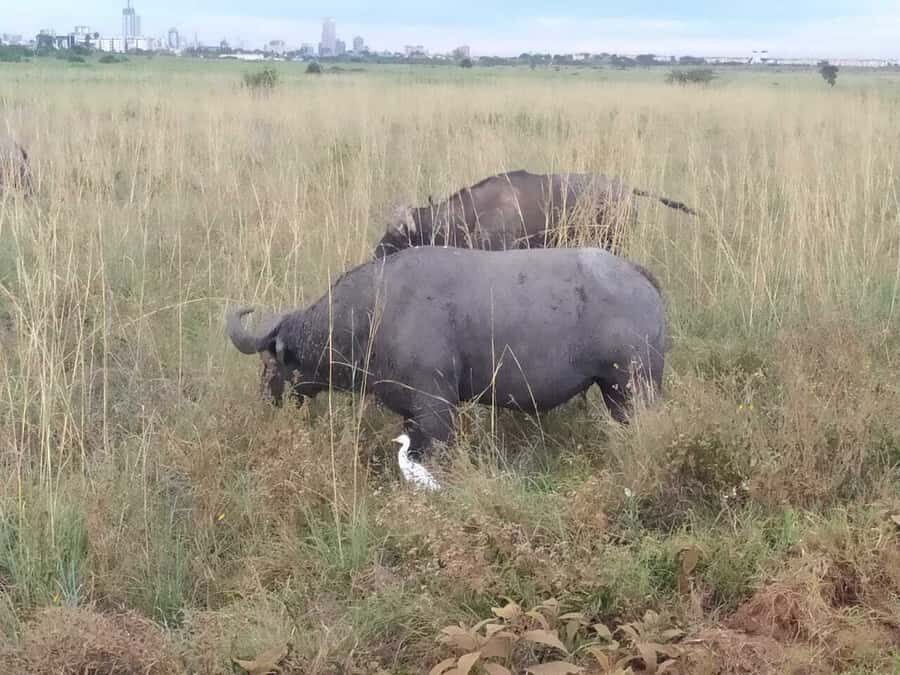
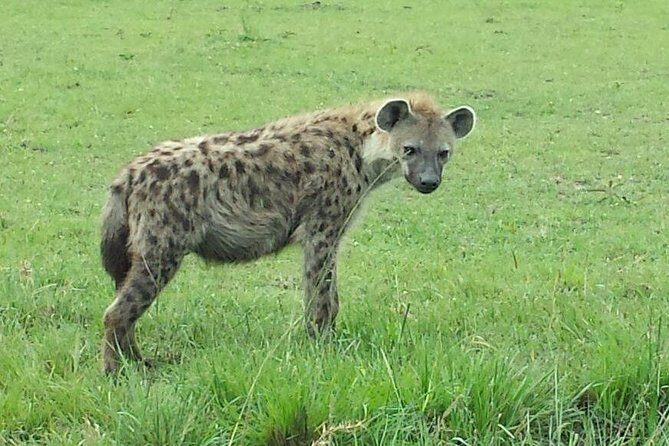
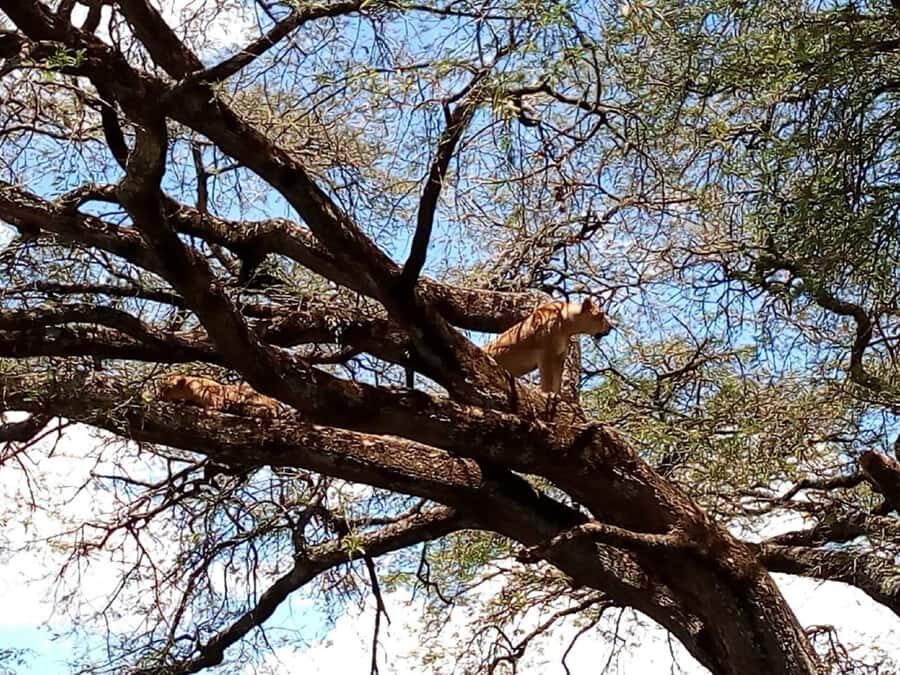
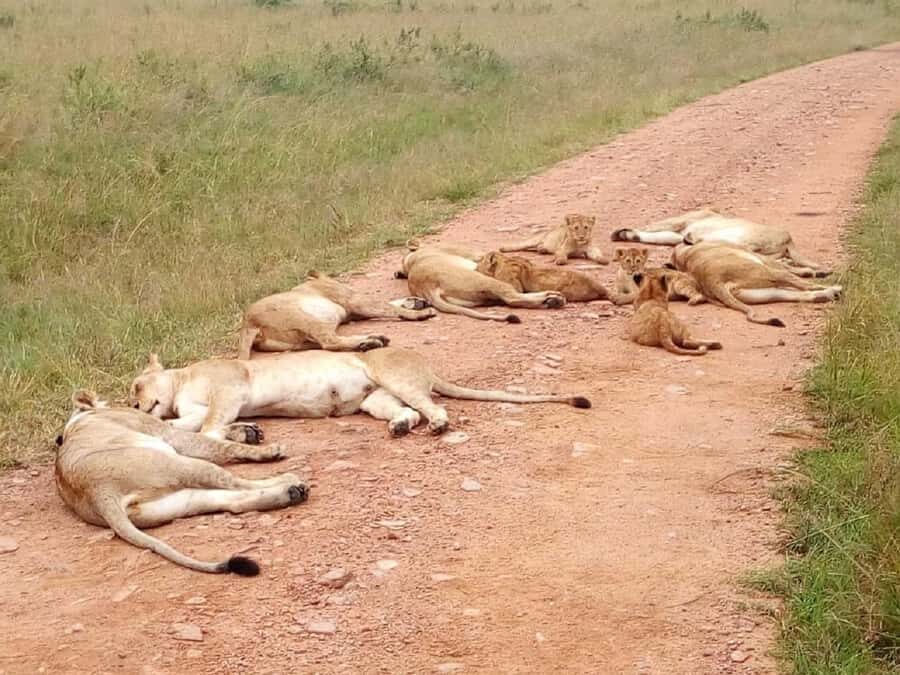
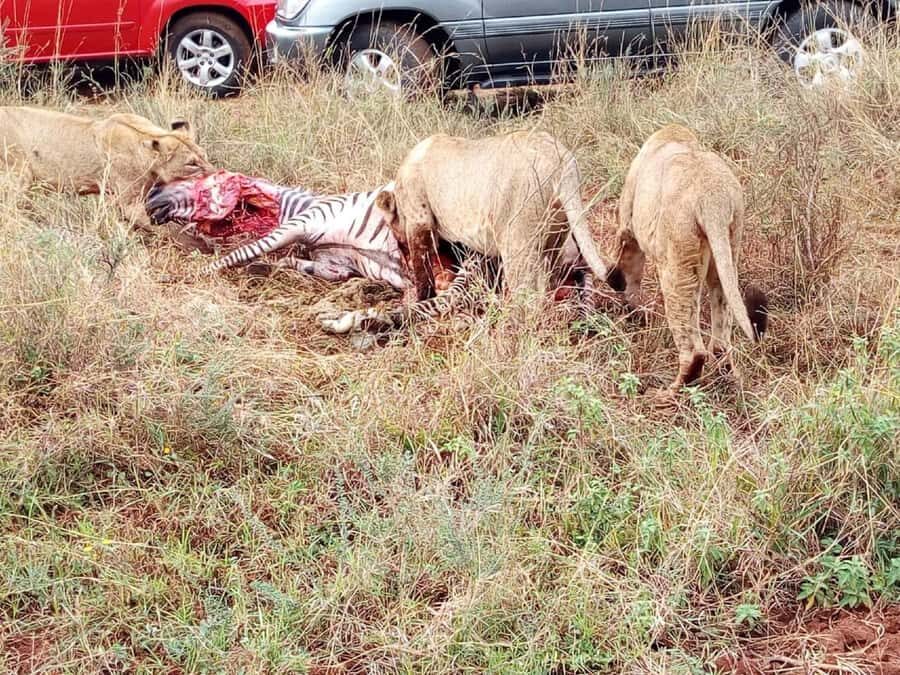
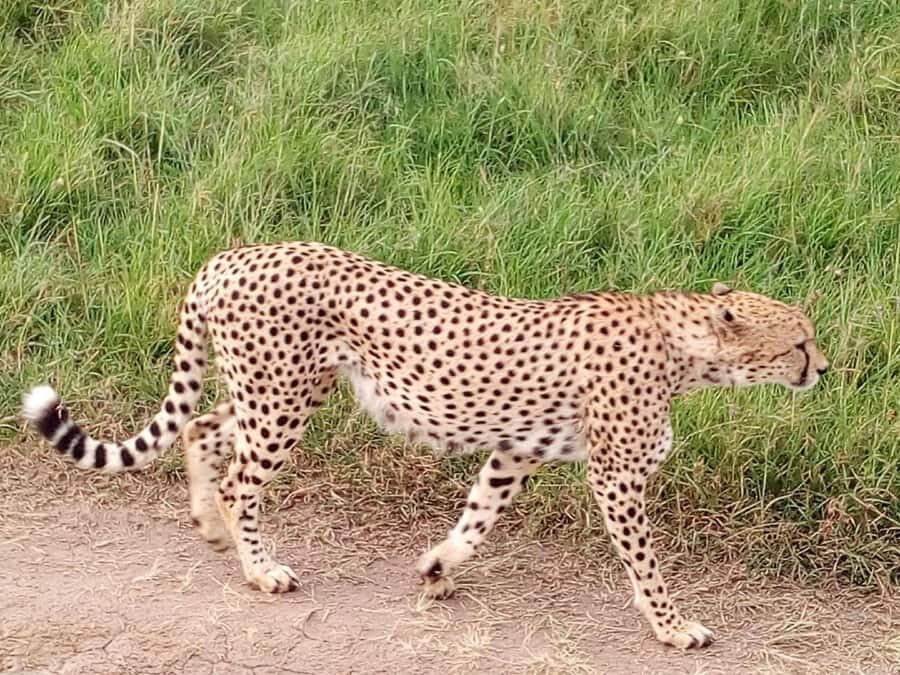
Tsavo East is known for large mammals and strong animal presence across many habitats. The park is home to big species like elephants, rhino, buffalo, lion, and leopard, along with hippo pods, crocodile, waterbucks, and a variety of antelope such as lesser kudu and gerenuk. Bird life is a big deal here too, with hundreds of recorded species.
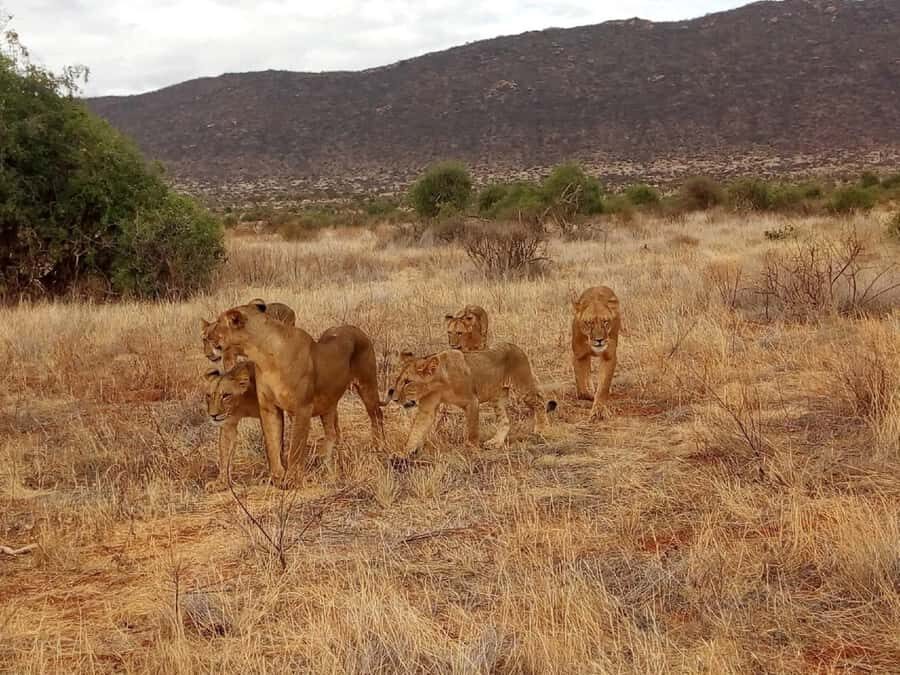
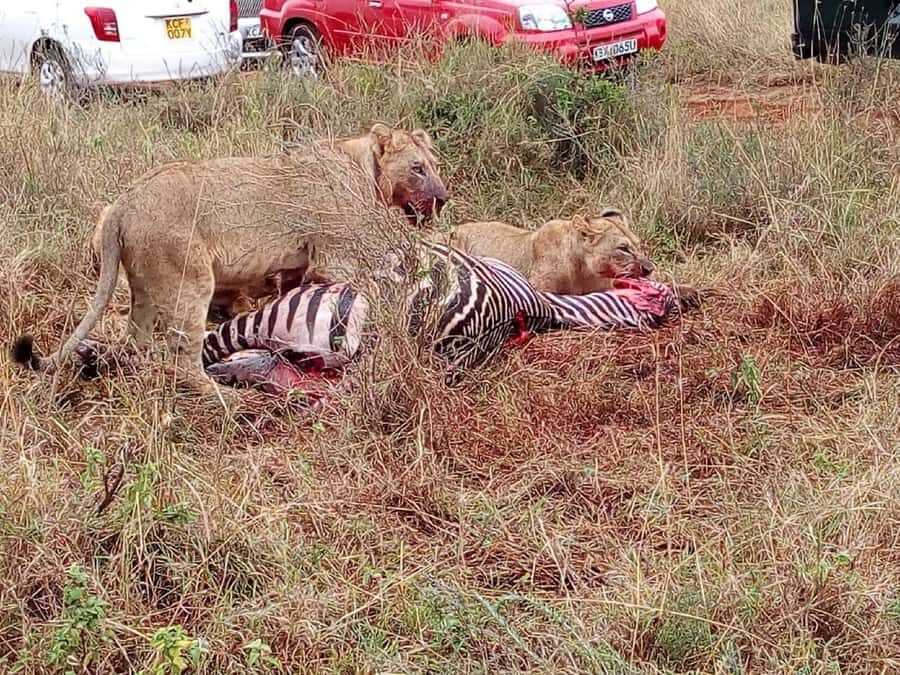
What does that mean for your day? It means you’ll have real odds of seeing major animals, not just “generic savanna views.” Many safari days in Tsavo East produce memorable close encounters with elephants and a mix of other species like giraffes, zebras, impala, warthogs, and ostriches.
Still, this is a one-day trip. Even with excellent guidance, you can’t force rhino or lion sightings. A park’s animal density can vary with season and with where vehicles are positioned. So I’d plan your mindset around variety: look for evidence of wildlife everywhere, and treat each new sighting as a bonus.
One more practical point: if your group is quiet and your guide is scanning carefully, you’ll catch more. Wildlife often shows up when you stop trying to spot it at a distance and instead follow the movement patterns—tracks, waterlines, and shade edges.
Guide quality and vehicle comfort: where the day can rise or wobble
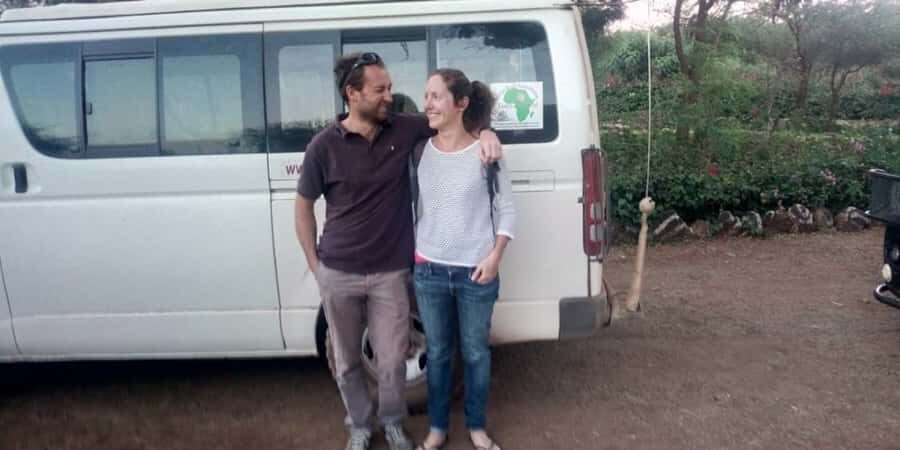
This safari lives or dies on two things: how well the guide searches and how the vehicle experience feels during long drives. The good side of this trip is that there are guides who work hard to find animals and provide meaningful explanations in languages including English, German, and French. Some guides also make adjustments during the game drive, repositioning and backtracking based on what they see.
You may also encounter a situation where the guide focus is more driver-style than guide-style. In at least one experience, the driver handled the game drive without the same level of on-the-ground explanation. When that happens, you might still see animals, but you’ll get less context and less help turning a sighting into a story.
Vehicle comfort is a second factor. Some days run smoothly with good conditions. Other experiences mention older, noisy vehicles, which can make the day tiring—especially on the return drive when you’re already fatigued.
Here’s my practical advice: when you meet your group, ask one simple question early. For example: what should we watch for today? When a guide can answer clearly and explain what they’re looking for, you’ll usually enjoy the safari more, even if the sightings don’t go exactly as you hoped.
Price and park fees: the real value of $153
The tour price is listed at $153 per person, with lunch, bottled water, and hotel pickup/drop-off included. That’s a fair structure for a full-day safari from Mombasa because the cost isn’t just the park entry—it includes transport time, a driver/guide, and a planned schedule that starts inside Tsavo East rather than dragging you around first.
But there’s an important extra cost: national park fees are not included and are listed as $80. That means your all-in cost is closer to $233 per person before any drinks. In safari terms, that can still be good value for a day trip, but you should price it as a real safari day, not a bargain day.
Another value factor is timing. When the vehicle starts the game drive quickly at the main gate and the schedule holds, you’re buying back time—time that you can’t get once you’re already inside the park and it’s late afternoon. When the road gets delayed on the way back, it doesn’t change what you pay for, but it changes how much safari you feel you earned.
If you’re comparing options, I’d look at the total cost with park fees and ask yourself whether you’d rather spend more for a longer safari. A one-day trip is efficient, but a multi-day trip gives you more chances to hit different zones and species patterns.
What to pack for Tsavo East comfort and quick entry
This is a sun-and-dust environment, so pack for heat and visibility. You’ll want:
- Passport or ID card (you’ll need it for entry)
- Sunglasses
- Sun hat
Also bring sunscreen and something for dry skin if you’re prone to it. Even if you don’t feel too warm in the van, the park time is what matters, and game drives can leave you dusty and sun-exposed.
If you take photos, bring a lens hood if you have one. The dust can soften shots, and quick wiping helps when you’re hopping between sightings.
And if you like a buffer, carry a small cash amount for tips and any on-the-spot needs. Alcoholic drinks aren’t included, and purchases are available, so if that matters to you, plan ahead.
Who this Tsavo East day trip is best for (and who may want more time)
This works best for you if:
- You’re in Mombasa and want a serious wildlife day without multiple nights away
- You enjoy the hunt for animals and don’t need every top predator on a checklist
- You prefer small groups or private options if you can arrange them
It may not be perfect if you:
- Want the deepest park experience in one go (one day limits where you can go)
- Are sensitive to long car time and return delays from traffic
- Care a lot about getting a constant, detailed commentary throughout the full drive
If your dream trip includes elephants and a chance of big cats, this is a strong candidate. If your dream is rhino-focused or you’re traveling for very specific sightings, you might be happier with a longer safari plan where you can follow animal patterns over multiple days.
Should you book? My decision guide
Book this trip if you want an efficient way to get into Tsavo East National Park from Mombasa and you’re excited by river-country elephants and big open terrain. The best days happen when your guide actively searches, repositions, and keeps the safari moving after entry through the main gate.
I’d be cautious before booking if you already know you dislike long drives, or if you’re counting on a specific animal. One-day safaris rely on luck and timing. Also, treat the national park fee as part of your budget and plan for the real total cost, since $80 entry can change the value equation.
Overall, this is the kind of day trip that earns its keep when you show up ready for dust, heat, and the joy of scanning until something big appears.
FAQ
What’s included in the Mombasa to Tsavo East day trip?
Lunch, bottled water, the driver/guide, and hotel pickup and drop-off are included.
Are national park fees included in the price?
No. National park fees are listed separately as $80.
How long is the trip from pickup to return?
The duration is listed as 8 hours, with about 3 hours driving to the park and about 3 hours driving back.
When do we start the safari after arriving at Tsavo East?
You start the game drive as soon as you enter the park through the main gate.
What meals are provided during the day?
You get lunch in the park at a lodge setting. Alcoholic drinks are not included.
What wildlife can I expect to see?
The park is home to elephants, rhino, buffalo, lion, leopard, hippos, crocodiles, waterbucks, and several types of antelope, plus bird life.
What languages are available for the guide?
The live tour guide is available in English, German, and French.
Is there an audio guide option?
Yes, an optional audio guide is listed with English, German, and Italian.
What should I bring with me?
Bring your passport or ID card, sunglasses, and a sun hat.
Is the tour wheelchair accessible?
Wheelchair accessibility is listed as available.