REVIEW · MOMBASA
Mombasa Full Day City tour & Haller Park
Book on GetYourGuide →Operated by Mombasa Tours · Bookable on GetYourGuide
History and animals share the same road. In this one-day private tour, you connect Mombasa’s colonial and Swahili-era landmarks with a real wildlife sanctuary at Haller Park, ending the day with nature and close-up animal moments. You’ll also get great photo stops around the Tusks (Mapembe) area, plus time in Old Town for hands-on culture.
What I like most is the way the day pairs big-story history with easy-to-picture details: Fort Jesus is explained as a Portuguese fortress tied to coast control and the spice trade. I also like the practical payoff of Haller Park, especially the giraffe feeding meal and the chance to see the older, standout tortoise.
One thing to consider: the day is full, so you may feel some pressure on breaks. There’s also the common cost add-on you should plan for, since Fort Jesus and Haller Park entrance fees are not included in the tour price.
In This Review
- Key takeaways
- Why this Mombasa city-and-park day works
- Tusks (Mapembe) and the photo garden with flying foxes
- Fort Jesus: Portuguese walls, spice trade strategy, and early visitors
- Old Town Mombasa: Swahili and Orman Arab homes with talk-friendly balconies
- Market browsing for beads, spices, and street-food style scenes
- Haller Park: giraffe feeding, crocodiles, and a tortoise older than many tourists
- Timing, transport, and what’s included in your movement day
- Price and value: how $60 adds up (and what you should budget extra)
- Who this tour suits best
- Final decision: should you book this tour?
- FAQ
- What does the tour include?
- How long is the Mombasa full day tour?
- Is Fort Jesus entrance fee included?
- Is Haller Park entrance fee included?
- Is lunch included in the tour price?
- What languages is the live guide available in?
- Is this a private group tour?
- Is the booking refundable if plans change?
Key takeaways
- Mapembe Tusks (Tusks/Mapembe): aluminum landmark built in 1952, famous for photos
- Fort Jesus: Portuguese fort from 1593–1596, tied to East African spice trade control
- Old Town architecture: Swahili and Orman Arab buildings with balconies facing each other
- Market stops: souvenirs, beads, spices, and street-food style browsing
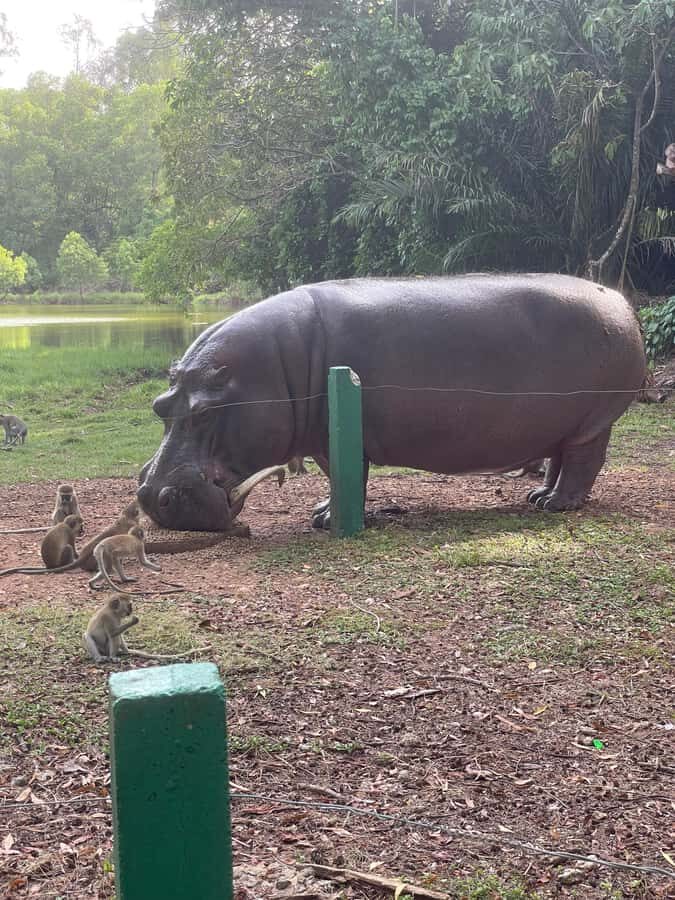
- Haller Park sanctuary: ecological restoration plus animal highlights like giraffe feeding and a tortoise over 150 years old
- Guide support: clear explanations in English or Swahili, plus photography help
Why this Mombasa city-and-park day works
This is the kind of day plan that helps you avoid the usual Mombasa problem: you either do history and miss nature, or you do nature and miss the city. Here, you get both, and you don’t have to switch tour styles mid-trip.
You’ll ride around in a tuk tuk for part of the day, and you’ll get guided context at the big landmarks so the places don’t feel like random stops. The tour is also set up as a private group, which usually means less waiting and more flexibility if you want extra time for photos.
It’s still one full day, so think of it as a “see the highlights, learn the meaning” option rather than a slow wander. If you’re traveling with limited stamina, plan water breaks and keep your expectations realistic.
You can also read our reviews of more city tours in Mombasa
Tusks (Mapembe) and the photo garden with flying foxes
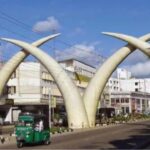
Your day often starts at the Tusks (Mapembe)—the aluminum landmark locally known as Mapembe. These tusks were constructed in 1952 to commemorate the visit of Queen Elizabeth II to Mombasa shortly after she ascended to the throne. That detail matters because it gives you a reason the landmark exists beyond aesthetics.
The tusks are also one of those spots where the photo payoff is immediate. If you like architecture shots or portrait-style pictures with a distinctive backdrop, this stop is built for that.
Right next to the tusks, you’ll find a garden with plenty of plants and flying foxes. It’s a nice contrast to the urban landmark feeling: same area, softer mood. For planning, I’d treat this as your “camera warm-up” stop and get a few angles before moving on.
Practical tip: wear shoes that handle uneven ground, because you’ll likely do some short walks between viewpoints.
Fort Jesus: Portuguese walls, spice trade strategy, and early visitors
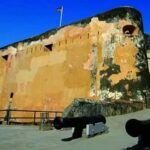
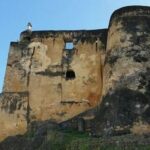
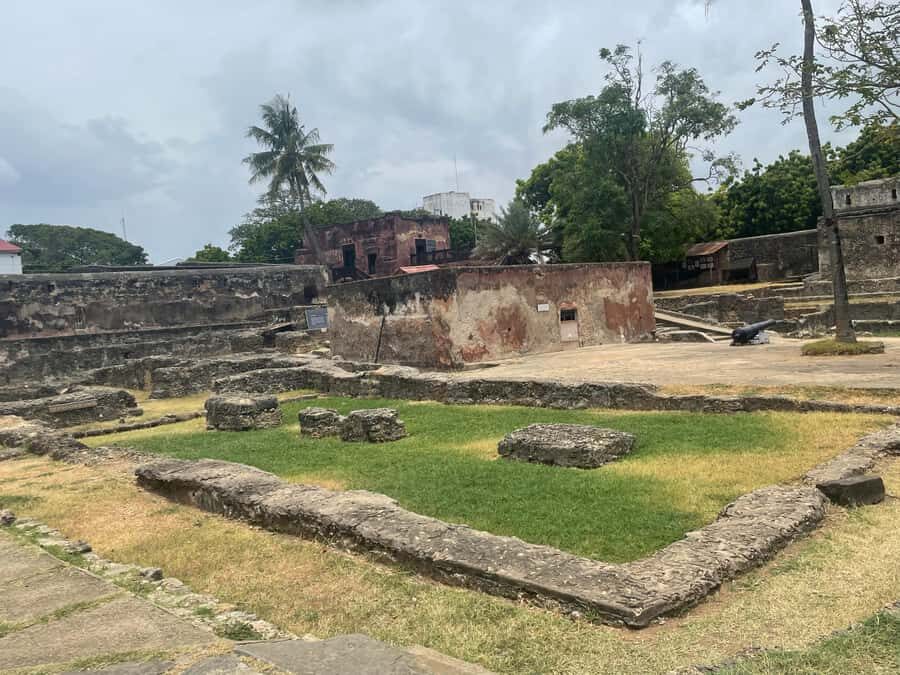
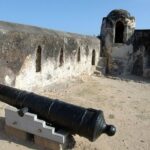
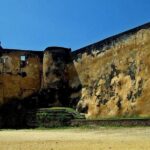
Next, the tour targets Fort Jesus, one of Mombasa’s most famous historical sites. The fort was built between 1593 and 1596 by the Portuguese, and the reason is very specific: it protected Portuguese interests along the East African coast, especially routes tied to the lucrative spice trade.
What I like about this stop is that the explanation ties the building to geography. Instead of treating Fort Jesus like a museum object behind glass, you understand it as part of a bigger system: European control, coastal access, and trade power.
Fort Jesus is also known for preserving the history of early visitors to Mombasa. So if you’re the type who enjoys walking through places and picking up the “why,” this is one of the stronger moments in the day.
One possible drawback: because it’s a major landmark and the day is packed, don’t expect a relaxed pace with long free time. If you tend to lose track of time when you’re reading and photographing, plan to move with your guide’s timing.
Old Town Mombasa: Swahili and Orman Arab homes with talk-friendly balconies
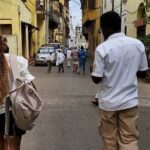
After Fort Jesus, you shift into Old Town, where you get a different kind of Mombasa story. This area is known for preserving homes and traditions connected to the Swahili people and the Orman Arabs who settled along the coast.
A detail I think you’ll appreciate: many buildings have been there for over 100 years, and they have a distinct layout. One of the most charming features mentioned is the way balconies face each other, so people could chat across the space. That’s a small architectural choice with a big social meaning.
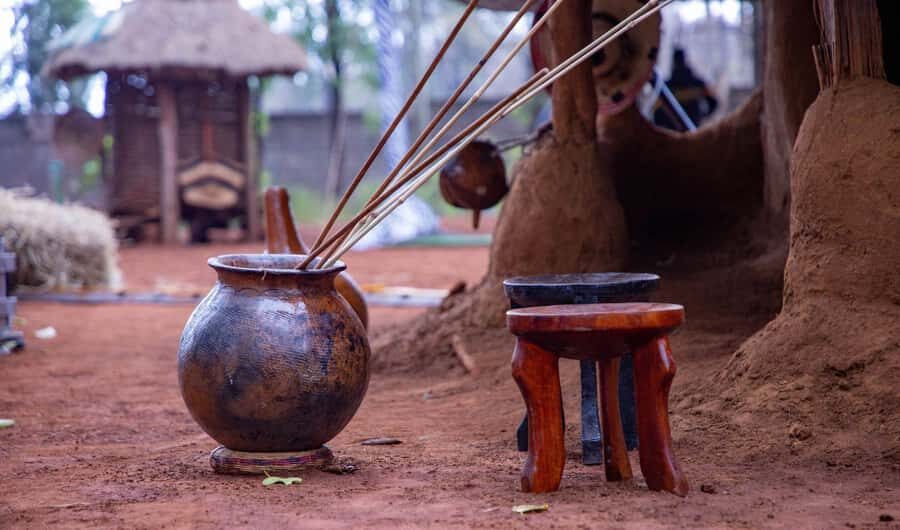
Old Town is also where you get a taste of Mombasa’s everyday texture. You’ll likely pause for browsing in areas known for shops and crafts, and you’ll see how the neighborhood supports visitors looking for keepsakes.
If you care about street-level culture, this section is your chance to notice how people move through spaces—not just how the buildings look.
Market browsing for beads, spices, and street-food style scenes
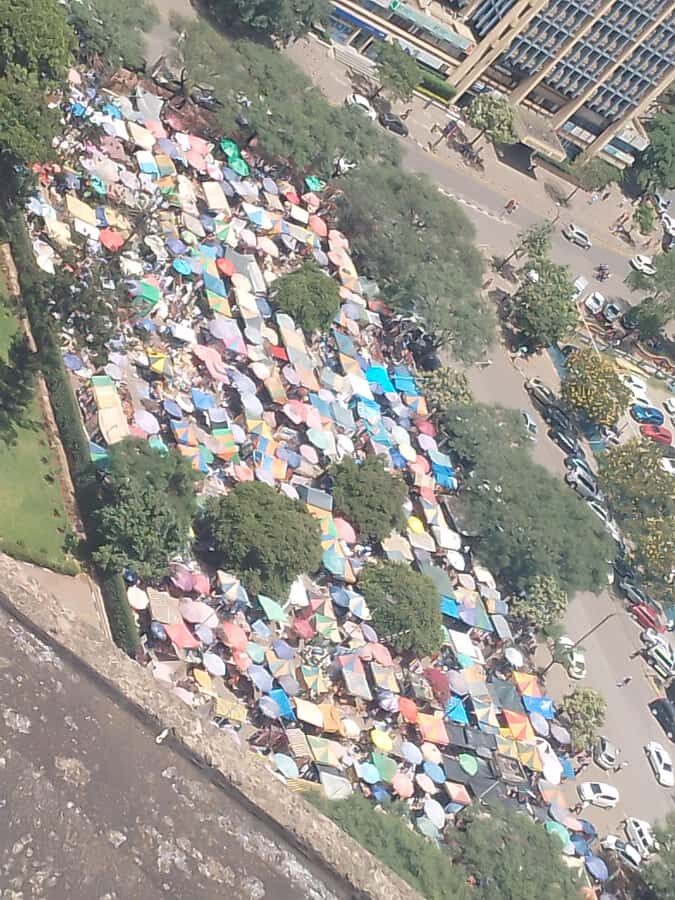
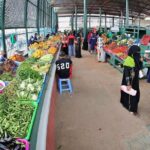
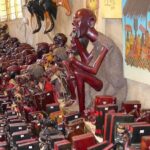
A city tour here wouldn’t feel complete without stepping into the kinds of stops where locals shop and visitors pick up memories. This tour includes time around market areas, so you can see souvenirs like beads, plus spices and the kinds of snacks that show up in street-food culture.
Even if you don’t plan to buy much, browsing helps you understand what’s “for sale here” and why it’s memorable. Mombasa isn’t just monuments; it’s also a working coastal trading zone.
Shopping reality check: in places like this, prices can vary depending on how you ask and what you’re buying. If you want the best value, be ready to take your time, compare, and decide your budget before you get swept up in the moment.
If food is part of your plan, keep it practical. Don’t chase something you can’t confidently identify, and don’t treat this as a guaranteed lunch solution.
A few more Mombasa tours and experiences worth a look
Haller Park: giraffe feeding, crocodiles, and a tortoise older than many tourists
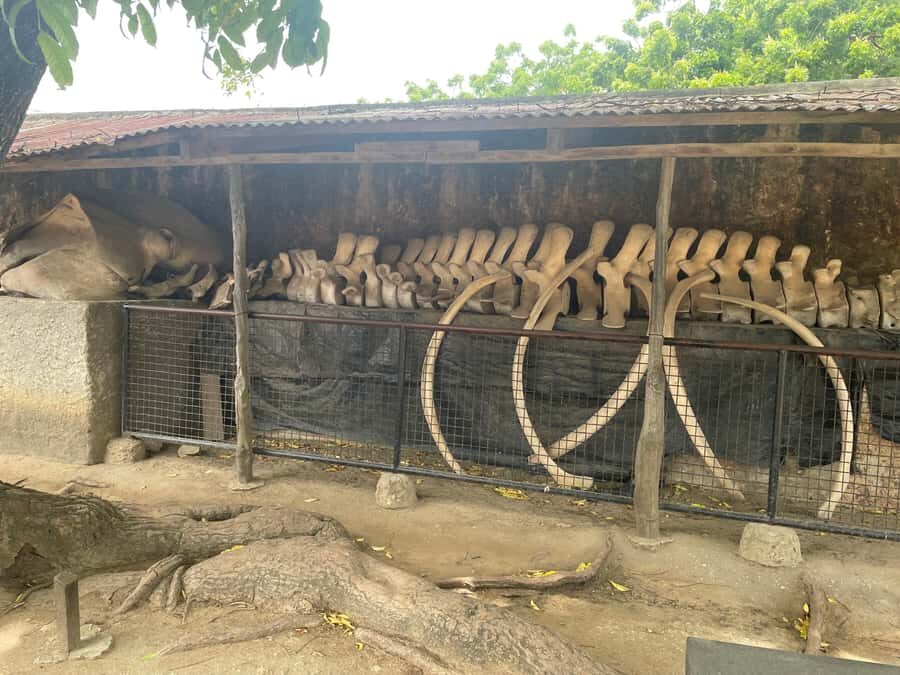
The day ends at Haller Park, a well-known nature park and wildlife sanctuary. The park’s origin story is a big part of why it’s worth your time: it was created from a former limestone quarry site, then restored into a thriving habitat. That kind of transformation tends to make animal encounters feel less like “show” and more like habitat.
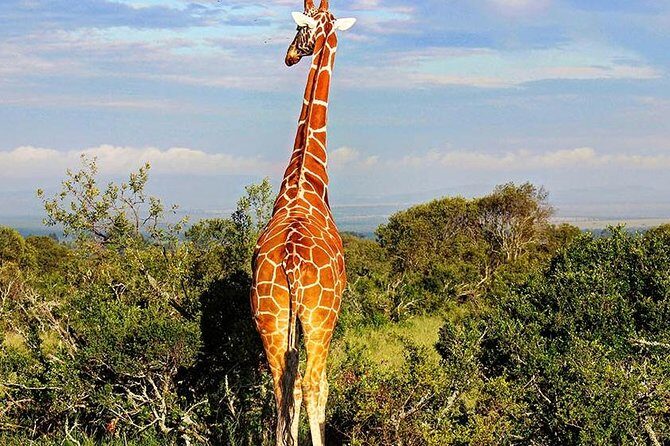
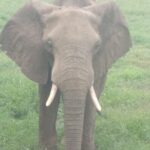
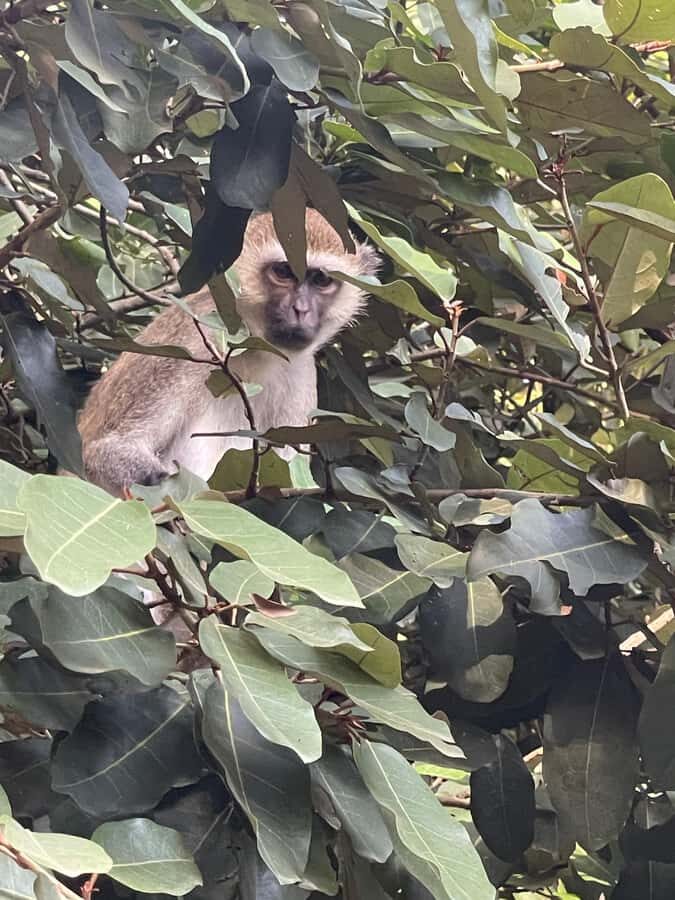
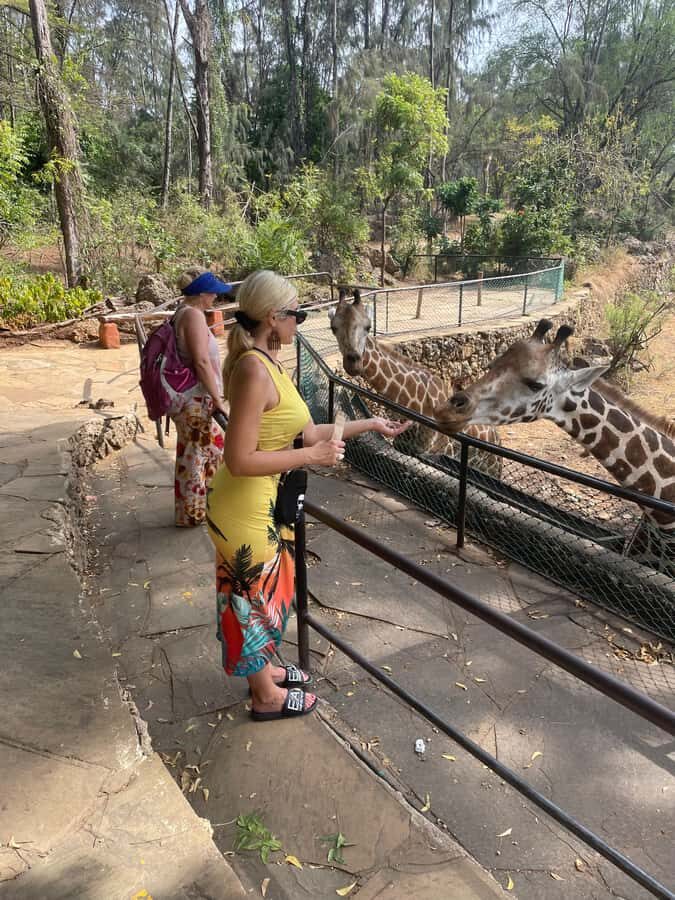
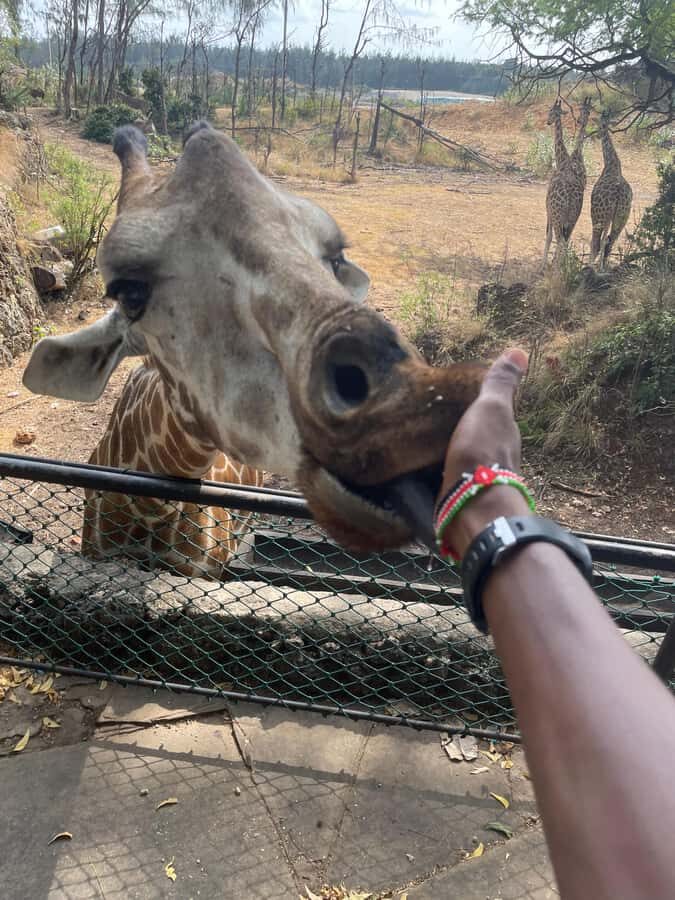
Expect to see a range of animals, including giraffes, monkeys, crocodiles, tortoises, and ostrich, along with many plants. And yes, the giraffes are a highlight.
A standout included moment is the giraffe feeding setup, plus you’ll have a giraffe meal as part of the experience. This is one of the few times in a day tour where you get more than viewing—you get an activity you can’t easily replicate on your own without planning.
There’s also a specific “wow” detail worth knowing: the park is noted for having an old tortoise over 150 years old. If you’re into animal life cycles and how long some creatures can live, this is the kind of sight that sticks.
Practical tip: wear light layers and closed-toe shoes. Even on a sunny day, animal sanctuaries can have uneven paths.
Timing, transport, and what’s included in your movement day

This is a full-day format, so logistics matter. You’re picked up from your hotel and dropped back after the tour. For hotels within Mombasa, pickup is listed as free, while hotels outside Mombasa may have a small extra charge.
You’ll also get a tuk tuk ride during the day. That adds local flavor and keeps the day from feeling like only one long drive.
The tour includes a few helpful extras that reduce hassle:
- a bottle of water or soft drink
- photography assistance
- an included giraffe feeding meal
- a professional tour guide (English and Swahili are available)
The mention of internet included is listed as part of the experience, which may help you keep maps and messages running during the day. If you rely on data constantly, still treat it as “nice to have,” not a reason to stop carrying your own plan.
One planning note from the day’s structure: there isn’t any separate mention of a full meal included. Lunch costs are not included, and a few people have flagged that break time can feel tight on a schedule like this.
If you’re sensitive to long days, I’d bring a small snack and plan to buy or grab something on your own if needed.
Price and value: how $60 adds up (and what you should budget extra)
The price is $60 per person for a full day that mixes three major city landmarks and an animal sanctuary, with a live guide and pickup/drop-off support.
Is it a bargain? For many visitors, yes—because the structure reduces your time spent figuring out transit and entry logistics. You’re also getting practical “guide labor” for the day: clear explanations in English or Swahili, plus photography help.
But don’t miss the two key add-ons not included:
- Fort Jesus entrance fees
- Haller Park entrance fees
- Lunch charges
So the real budget is $60 plus those site fees plus your meal. Still, for a day that includes a guide, transport support, water, and the giraffe feeding portion, the value tends to land well—especially if you’d otherwise pay for multiple separate visits and local transport.
If you’re traveling as a couple or small group, the private format usually makes the cost feel even more efficient.
Who this tour suits best
This tour is a strong match if you want:
- a single day that covers Mombasa highlights without heavy planning
- history explained clearly at Fort Jesus
- an ending that’s not just museums, but a real wildlife sanctuary visit
- photo opportunities at the Mapembe Tusks and guided stops along the way
It’s also a good fit for first-timers who want a coherent “Mombasa story” from colonial-era architecture into Swahili Old Town culture and then out into restored habitat.
Who might want a different option: if you need long, unhurried breaks for eating or bathroom stops, a full-day schedule can feel tight. The day is built to hit several key areas, so pace matters.
Final decision: should you book this tour?
I’d book this tour if you want a clean, efficient day that mixes landmark history with animal sanctuary time, and you’re happy to handle lunch and entrance fees on your own. The big win is how the guide support turns major sites like Fort Jesus and the Old Town into something you can actually understand, not just walk past.
If you’re the type who loves photo moments, the Tusks and the surrounding garden area are worth the effort. And if you’re bringing kids or anyone who gets excited by animals, Haller Park’s feeding activity and the long-lived tortoise make the ending feel special.
Just go in with one realistic mindset: it’s a packed day. Plan for that, and you’ll get a lot out of it.
FAQ
What does the tour include?
It includes a professional tour guide, internet, a tuk tuk ride, bottle of soft drink or water, photography assistance, a giraffe meal for giraffe feeding, and hotel pickup and drop-off (free for hotels within Mombasa, with a little extra charge for hotels outside Mombasa).
How long is the Mombasa full day tour?
The duration is listed as 1 day.
Is Fort Jesus entrance fee included?
No. Fort Jesus entrance fees are not included.
Is Haller Park entrance fee included?
No. Haller Park entrance fees are not included.
Is lunch included in the tour price?
No. Lunch charges are not included.
What languages is the live guide available in?
The live tour guide is available in English and Swahili.
Is this a private group tour?
Yes, the tour is listed as a private group.
Is the booking refundable if plans change?
Free cancellation is offered, with cancellation up to 24 hours in advance for a full refund.