REVIEW · NAIROBI
3-Day Samburu safari from Nairobi
Book on Viator →Operated by Bencia Africa Adventure & Safaris · Bookable on Viator
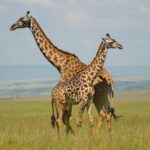
Samburu feels like Kenya’s side door. I love the small group feel and the pop-up roof safari vehicle for long, easy viewing, and I love the chance to chase rare northern Kenya species like reticulated giraffes and gerenuks. The tradeoff: you’ll start early and spend a lot of the day on the road in between game drives.
This is a classic northern safari arc—from Nairobi out toward Mount Kenya and Nanyuki, then into Samburu’s harsher, more dramatic terrain. You get guided time where it counts (morning and evening drives), plus a real wildlife focus in both Samburu National Reserve and Shaba National Reserve. On top of that, the operator includes professional English-speaking guiding and even AMREF air rescue coverage, which is the kind of detail that makes me feel calmer when you’re far from hospitals.
For $630 per person, what impressed me most is how much is packaged in: transport in a purpose-built minivan, park/game-drive fees, and your core meals. Alcohol isn’t included, so plan on buying drinks separately if you want them.
In This Review
- Key highlights that make this safari worth your time
- Why Samburu (and Shaba) matters beyond the usual safari list
- Nairobi pickup to Samburu: the Mount Kenya and equator detours that break up the drive
- Day 1 in Samburu: check in, siesta options, and the evening drive near elephant bedroom tower
- Day 2: Samburu mornings, Shaba predators, and sunset searching
- Day 3: the final Samburu morning and the long return to Nairobi
- Transport, guides, and safety: what’s actually included
- Value for $630: what your money covers and what to plan for yourself
- Practical tips to get the best sightings (without getting stressed)
- Should you book this 3-day Samburu safari from Nairobi?
- FAQ
- What is the price for this 3-day Samburu safari from Nairobi?
- How long is the safari, and what’s the daily timing like?
- What’s included in the tour price?
- Are park fees and game drives included?
- Is alcohol included?
- What happens if the safari is canceled due to poor weather?
Key highlights that make this safari worth your time
- Small-group max of 6 travelers: easier conversation with your guide and more flexible spotting stops.
- Pop-up roof transport: keeps your sightline strong during bumpy drives and when animals pop up close.
- Samburu plus Shaba: you’re not doing the same reserve twice; Shaba adds more chances at rare species.
- English-speaking driver/guide: you’ll get context while you’re scanning grasslands and river corridors.
- AMREF air rescue coverage: a reassuring safety net to know is included.
- Meals built in (2 breakfasts, 2 lunches, 2 dinners): fewer decisions, less hassle after long drives.
Why Samburu (and Shaba) matters beyond the usual safari list
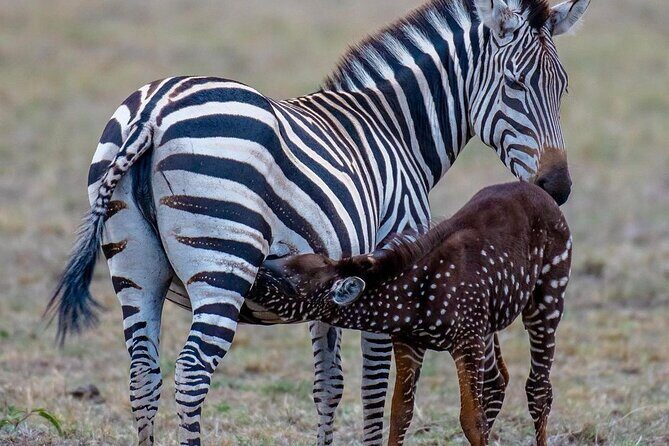
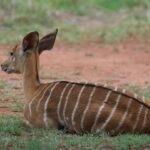
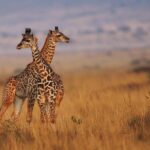
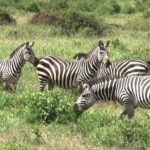
If your Kenya checklist only includes the big, famous species, Samburu quickly corrects that in a good way. This region is known for species you don’t see everywhere, including the reticulated giraffe and the long-necked gerenuk. You’re also in country where the Ewaso Nyiro River is known for crocodiles, which tells you the ecosystem here is not just dry savanna—it’s a living corridor.
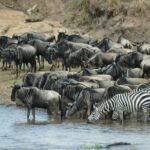
On this route, Shaba National Reserve is the extra ingredient. It’s where your afternoon game drive specifically targets rare northern wildlife like Grevy’s zebra and the blue-necked ostrich, and where you spend time searching for prowling predators. That predator-focused approach matters because Samburu and Shaba aren’t about quick photo ops at a watering hole. You’re driving, watching, listening, and learning how animals move across this kind of terrain.
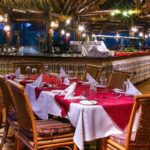
I also like that the itinerary balances “scan time” with actual rest. You’ll return to camp for dinner and sleep on Day 1, and you’ll have downtime after lunch on Day 2 before your next evening drive. That keeps you from turning the trip into one long endurance event.
A few more Nairobi tours and experiences worth a look
Nairobi pickup to Samburu: the Mount Kenya and equator detours that break up the drive
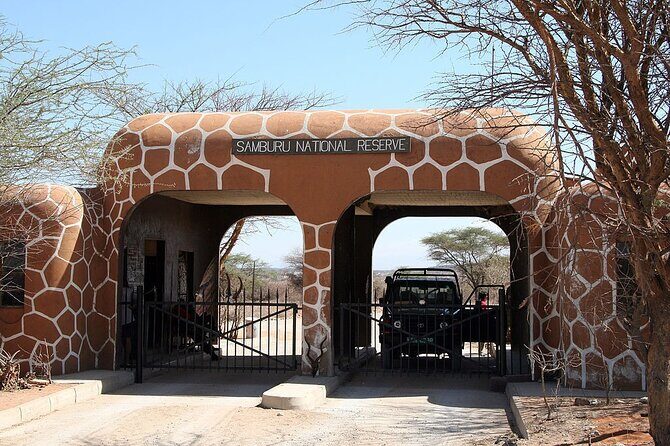
Most safari days start early, and this one really does. Your pickup is listed around 6:30 am after breakfast, but the start time information shows 7:30 am—so treat the morning as an early departure either way. The key is simple: set your alarm like it’s the earliest time listed, and you’ll feel relaxed instead of rushed.
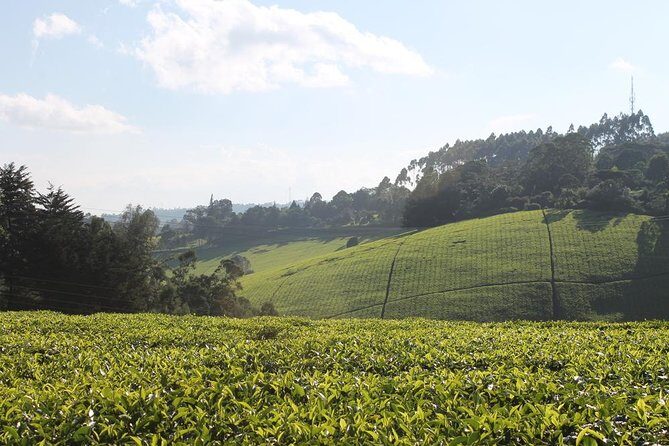
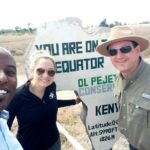
You’ll drive through the agricultural country around Mount Kenya, with a stop where you can spot the Del Monte pineapple company area. This is one of those details that helps you picture how Kenya’s farmlands connect to the wildlife zones farther north. Then you cross the equator right before you reach Nanyuki, one more reminder that this is not a flat, generic route.
After crossing into the Nanyuki area, you’ll eat lunch at a budget hotel, then continue through Isiolo toward Samburu. That lunch break is practical: the drive days can be long, and a planned meal helps you avoid turning it into a snack-and-stress kind of day.
Why I like these “in-between” stops: they keep you from feeling like you’re just trapped in a vehicle until the safari starts. You still lose time to driving (that’s unavoidable), but at least the time has a story.
Day 1 in Samburu: check in, siesta options, and the evening drive near elephant bedroom tower
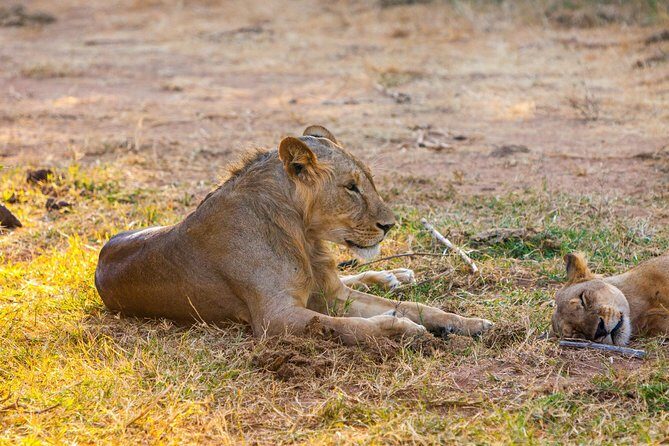
Once you arrive, you check into the camp and get a little breathing room. The schedule even leaves you an option for swimming or an afternoon siesta before the first real game driving. That matters because Samburu mornings can be cool and clear, while late-day heat can get intense—so taking a break before the evening drive helps your body handle the longer wildlife hours.
Your first game drive is described as near the elephant bedroom tower, with a drive time of about two hours. The name alone gives you a clue: this is an area associated with elephants, and your guide is positioning you where elephants are likely to be using the terrain. Even if you don’t see a “tower moment,” the driving approach here is about putting you in the right part of the reserve while animals are active.
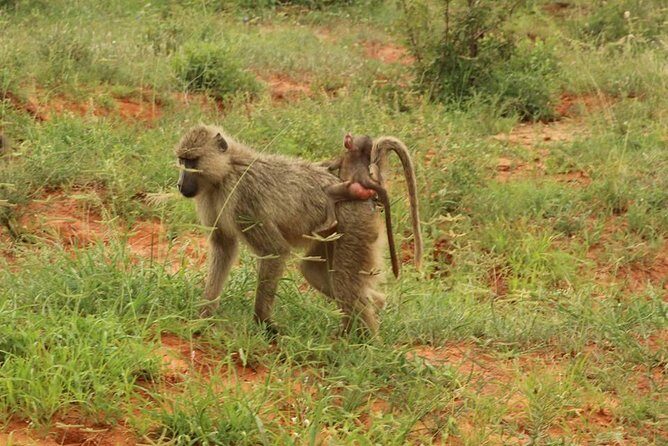
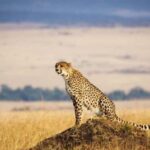
On Day 1, your evening game drive is the part with the widest animal listing. You’re aiming to spot elephants, cheetah, cape buffalo, hippos, olive baboons, warthogs, and other wildlife. I wouldn’t treat any list as a guarantee—wildlife is wild—but having both daytime building blocks and an evening search is a smart strategy. Evening light also makes it easier to spot motion and silhouettes against the darker brush.
Practical takeaway for your own planning: bring a light layer for early mornings and late evenings, and keep your camera ready before the drive starts. I’ve found that the best sightings often happen in the first minutes when the vehicle is still close and the guide is communicating clearly.
Day 2: Samburu mornings, Shaba predators, and sunset searching
Day 2 is built around two different kinds of wildlife time. First comes a full morning game drive in Samburu National Reserve, followed by lunch and rest, then an evening drive. After that, the day continues with an afternoon game drive in Shaba National Reserve focused on rare wildlife and predators.
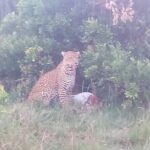
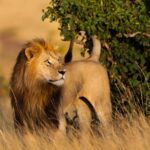
In the Samburu morning, the targets include leopards, hippos, elephants, lions, and giraffes, plus other species. This is the period where you’ll do the most “eyes-on” scanning. It’s also when the guide’s skill really shows: knowing where to slow down, when to stop, and how to read animal movement cues.
After returning to the lodge for lunch, the schedule gives you relaxation time. Use it. Hydrate, eat well, and don’t rush back to the vehicle until it’s time—your energy affects how well you enjoy the evening drive.
The evening drive is timed for sunset and the kind of light that helps you see details in fur, eyes, and movement. You’re basking under that changing sky, but the real purpose is animal activity and visibility. If you’re the type who gets restless waiting for animals, this is where your mindset matters: wildlife watching is about patience, not instant results.
Then comes Shaba National Reserve for a 3-hour afternoon game drive. This part is explicitly about rare northern species like Grevy’s zebra and the blue-necked ostrich, plus searching for prowling predators. If you want a safari that feels tailored to Samburu’s special animals—not just a repeat of a generic circuit—this Shaba stop is a key reason to choose this itinerary.
Day 3: the final Samburu morning and the long return to Nairobi
Day 3 starts with a morning out discovering Samburu’s rugged and diverse terrain. The schedule doesn’t list specific animals for that morning, which is honestly how it often works in real reserves—your best chances depend on what the guide finds in the moment.
You’ll then return to the lodge for breakfast and depart for Nairobi. The day’s driving time is listed as about 10 hours, so plan for a final day that’s mostly transit. Bring what you need for comfort: water, snacks if you’ve chosen to buy them separately (alcohol and drinks aren’t included), and something for the boredom factor like downloaded music or a podcast.
This is also where a good guide makes the ride feel shorter. Even if you’re tired, the driving back is a chance to ask questions about what you saw over the last two days—why certain animals were where they were, how the river corridor affects movement, and what to watch for on the next drive.
A few more Nairobi tours and experiences worth a look
Transport, guides, and safety: what’s actually included
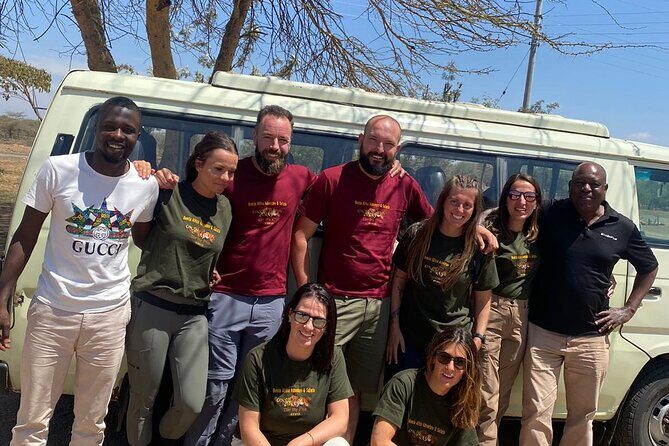
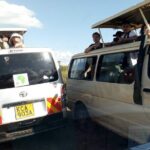
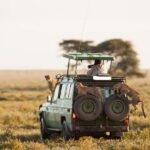
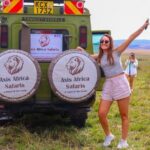
This safari runs in a safari-modified minivan with pop-up roof and is fully equipped for game viewing. That pop-up roof is more than a comfort feature. It keeps you from constantly changing angles, helps when animals appear suddenly, and makes it easier to film without battling for window space.
You’ll also travel with a professional English-speaking driver/guide. In the operator’s team, the owner Alfred is described as patient with questions, and Joseph is praised for being very experienced and for explaining animals and the environment clearly. That combination—expert spotting plus understandable explanations—is exactly what I want on a multi-day safari, especially if this is your first time in Kenya’s northern reserves.
One more inclusion that’s worth noting: air rescue by AMREF. It doesn’t mean you’ll need it, but knowing it’s included helps you relax and enjoy the experience with fewer worries about distance and access.
Value for $630: what your money covers and what to plan for yourself
At $630 per person for a 3-day safari, this package is strongest when you look at what’s included—not just what the reserve is.
Included items that add real value:
- Hotel and airport pickup/drop-off
- Safari-modified minivan with pop-up roof
- English-speaking driver/guide
- AMREF air rescue coverage
- Entry fees and taxes and game drives as per the itinerary
- Meals: 2 breakfasts, 2 lunches, 2 dinners
What’s not included:
- Alcohol drinks and beverages you purchase
For me, the best value piece is the combination of transport + game drives + entry fees. On safari, those costs add up fast when they’re handled one by one. Here, you’re paying for a full program with guided drives and meals, which usually means fewer surprise expenses once you’re on the ground.
Still, two considerations before you book:
- You’re in the “wild and remote” part of Kenya. That means schedules can feel firm and you won’t have a lot of free time to wander.
- You’ll spend long hours in the vehicle across multiple days. If you’re extremely sensitive to road time, choose your expectations carefully.
Practical tips to get the best sightings (without getting stressed)
Here’s how I’d set you up for success, based on how this itinerary operates:
- Dress for early mornings and evening drives. Wear layers you can peel off as the day warms up. Safari days swing in temperature.
- Bring sun protection. North Kenya sun can be sharp during drives, and long game-drive hours mean you won’t always get shaded stops.
- Keep essentials in reach. Water, camera, and phone power should be easy to grab when the guide slows or stops.
- Let the guide do the spotting. Your job is to scan and watch the guide’s signals. Most of the time, the difference between a good sighting and a missed one is timing.
- Be ready for predator searches. Leopard and cheetah sightings aren’t predictable. The advantage here is time spent searching, not just driving past likely habitat.
Also, one small mindset shift helps: treat each drive as a chance to learn. Even when you don’t get the headline animal, you’ll still see how Samburu and Shaba function—how animals share space with rivers, open ground, and thorny cover.
Should you book this 3-day Samburu safari from Nairobi?
I think you should book if you want a focused northern Kenya safari with a small group, guided game drives in both Samburu National Reserve and Shaba National Reserve, and a real emphasis on rare wildlife like reticulated giraffes, gerenuks, Grevy’s zebra, and blue-necked ostrich. You’ll also appreciate the structure: pickup, meals, park fees, and key drives handled for you.
Don’t book if:
- You hate early starts and long driving days.
- You’re only chasing a very specific, common-city safari checklist and don’t care about northern species and predator searching.
- You want lots of free time to explore on your own between drives (this itinerary keeps you on a schedule).
If you’re flexible, enjoy wildlife watching, and want a Kenya experience that feels different from the usual “drive, stop, photo, repeat” pattern, this one is a strong fit. You’ll spend your days where animals are actually moving, and you’ll come away with the kind of sightings that stick—especially the northern species that make Samburu its own world.
FAQ
What is the price for this 3-day Samburu safari from Nairobi?
The price is $630.00 per person.
How long is the safari, and what’s the daily timing like?
It runs for 3 days (approx.). You’re picked up in the early morning (the pickup is listed around 6:30 am), and the start time information also shows 7:30 am, so you should plan for an early departure.
What’s included in the tour price?
It includes hotel and airport pickup and drop-off, transport in a safari-modified minivan with pop-up roof, professional English-speaking driver/guide, AMREF air rescue coverage, all entry fees and taxes and game drives as per the itinerary, plus meals (2 breakfasts, 2 lunches, 2 dinners).
Are park fees and game drives included?
Yes. Entry fees, taxes, and game drives are included as per the itinerary.
Is alcohol included?
No. Alcohol drinks and beverages are available to purchase, but they are not included.
What happens if the safari is canceled due to poor weather?
The experience requires good weather. If it’s canceled due to poor weather, you’ll be offered a different date or a full refund.