REVIEW · NAIROBI
Nairobi city sights, Giraffe Encounters and Bomas Kenya Tour
Book on Viator →Operated by Rustic Nature Tours · Bookable on Viator
Some cities start with a skyline; Nairobi starts with a story. This tour strings together KICC rooftop views, a close-up stop at the Giraffe Centre, and a full cultural show at Bomas of Kenya. You get a tight, practical day that covers both “city first” and “Kenya culture and wildlife” without feeling rushed between stops.
What I like most is the mix of experiences: you’ll see Nairobi’s downtown layout from the KICC roof and then trade that concrete view for a semi-wild giraffe encounter. I also appreciate the hands-on craft stops, where you can watch the making and buy directly if you want. One consideration: the day runs about 7–8 hours, so it’s best if you’re comfortable spending a good chunk of time in a car between locations (traffic can be real).
Guides are a big part of the experience. In the past, people have praised guides like Melvin, Kelvin, Dennis/Denis, and Faith for being on time, friendly, and flexible with the pace. Expect photo tips at the giraffes and a smooth schedule that keeps the day moving while still leaving time at each stop.
In This Review
- Key things that make this Nairobi day work
- Nairobi from above first: KICC, Uhuru Park, and the city walk
- Giraffe Centre: feeding Rothschild giraffes without the heavy “safari” day
- Beads & leather workshop: seeing craft become product
- Utamaduni Craft Centre in Karen/Langata: a craft stop with breathing room
- Bomas of Kenya: 30+ dances across 53 ethnic communities
- Guides and pacing: why people keep naming them
- Price and value: what $95 buys in a full Nairobi day
- Who this tour suits (and who should think twice)
- Should you book Nairobi city sights, giraffes, and Bomas?
- FAQ
- How long is the Nairobi city sights, Giraffe Encounters and Bomas Kenya Tour?
- What’s included in the tour price?
- Is lunch included?
- Can I feed the giraffes?
- How many stops are included and what are they?
- Is this tour private?
- Do I need to buy tickets separately for the big attractions?
- What’s the cancellation policy?
Key things that make this Nairobi day work
- KICC rooftop time for instant city orientation before you go anywhere else
- Rothschild giraffes in a semi-wild setting, plus a chance to feed them
- Hands-on craft viewing at a beads and leather workshop made by African women
- Utamaduni Craft Centre in a converted Kikuyu house, with a garden restaurant break
- Bomas of Kenya performances featuring multiple ethnic traditions and warrior displays
- Hotel pickup and drop-off plus bottled water, which matters when the day runs long
Nairobi from above first: KICC, Uhuru Park, and the city walk
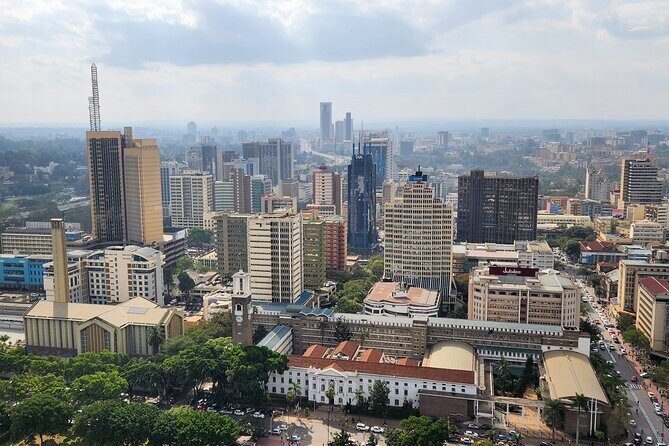
Most Nairobi days feel like a blur of traffic and traffic lights. This one starts with a smarter rhythm: skyline views, then you learn how the city pieces fit together. You’ll begin at Kenyatta International Conference Center (KICC), a tall, recognizable building on Harambee Avenue. The best part is the rooftop viewpoint, where you can get 360-degree city context and see how Nairobi’s center and horizons relate. It’s the kind of stop that makes later sights easier to understand because you’re not guessing where things are.
After that, you head toward a viewpoint in Uhuru Park. The timing is useful because it’s early in the day—you’re not tired yet, and the walk gives you a pause from the rooftop and the hotel pickup motion. Uhuru Park also connects the city’s physical layout to Kenya’s national story, which helps you place what you’re seeing beyond just the buildings.
Then comes a Central Business District walk. This part is less about “one monument” and more about learning the city in motion. You’ll be walking through the real rhythm of downtown, and your guide will share stories along the way. The value here is simple: Nairobi can feel confusing at first. Even a short orientation walk can make the rest of your trip easier, whether you’re planning transport later or just trying to recognize neighborhoods.
Trade-off: KICC and the downtown walk are both outdoors or semi-outdoor depending on how the day runs, so plan for sun and moving weather. Bring a hat and drink water—this tour includes bottled water, but you’ll still want to stay ahead of heat and dryness.
You can also read our reviews of more city tours in Nairobi

Giraffe Centre: feeding Rothschild giraffes without the heavy “safari” day
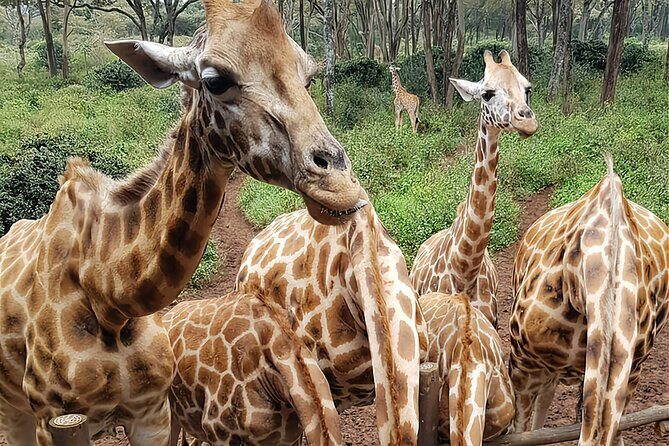
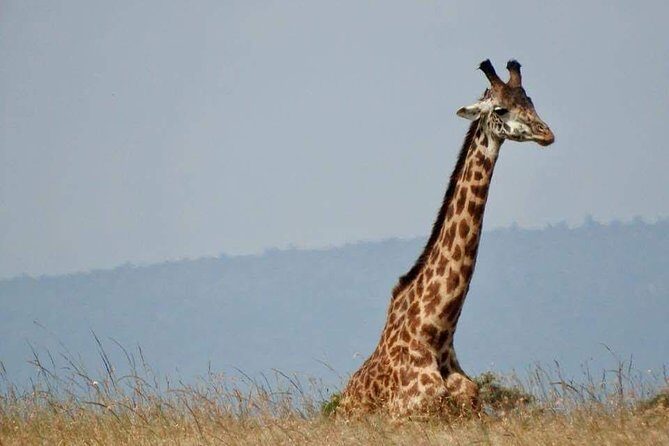
Then Nairobi changes gears. At the Giraffe Centre, your focus shifts to a specific, impressive animal: Rothschild giraffes. These are described as one of Kenya’s three sub-species, and the setting is semi-wild—meaning you’re not watching giraffes from a distant, sterile barrier like you might in some attractions. You get a chance to watch their behaviors and learn what conservation efforts look like in practice.
The big “wow” moment is the chance to feed the gentle giants. That turns the experience from passive viewing into something more memorable (and yes, you’ll likely want photos). The value of this stop isn’t just the animal—it’s how the visit frames conservation. You’re not only seeing giraffes; you’re seeing why protected habitats and careful care matter.
A practical note: this is the kind of encounter where timing and calm behavior help. Listen closely to your guide and follow the instructions at the feeding area. If you’re sensitive to crowds, you may want to keep expectations flexible, since giraffe feeding tends to bring out the camera crowd energy.
Why this stop is worth it: it avoids the long, early-morning logistics of a full safari day while still delivering wildlife time and a conservation message.
Beads & leather workshop: seeing craft become product
Next up is a stop that many Nairobi tours skip—or rush through. Here you’ll visit KOBE TOUGH Beads & leather, where you can watch craftsmanship being made. The tour description emphasizes that the items are meticulously handcrafted by African women, with vibrant colors and intricate designs.
Even if you don’t plan to buy, this is a great “pause” in the day. Craft workshops turn the question from “What do I want to see?” to “How is this made?” That’s often when people remember the trip later, because it’s a different kind of travel learning.
This stop is also relatively short (about 30 minutes) and the ticket entry is included. That matters because it keeps the day balanced. You get a cultural look without burning hours before lunch and the evening performance.
Possible consideration: because buying is an option, you might feel tempted to shop. If your budget is tight, set a limit before you arrive. If your budget is flexible, ask questions about materials and how pieces are made—it’s a better way to shop than just grabbing what looks good.
Utamaduni Craft Centre in Karen/Langata: a craft stop with breathing room
After the beads and leather stop, you continue to Utamaduni Craft Centre, often described as a top craft shop in Nairobi. It’s set in a converted Kikuyu house with multiple shops inside, so it feels like walking through craft rooms rather than browsing in a generic store strip.
What I appreciate about this stop is that it’s not only shopping. The grounds include a large garden restaurant, which gives you a real break. If you’re the type who needs a sit-down reset after an active morning, this helps. It’s also the kind of stop where you can take your time packing purchases, if you want to buy and get items secured.
The Karen/Langata area matters too. The tour context ties the area to famous writer Karen Blixen and the surrounding views toward the Ngong hills. Even if you only catch glimpses, the setting is part of the experience—this is a calmer side of Nairobi compared with the downtown start.
Practical tip: if you plan to do any shopping, this is the moment. The tour includes time here (about 1 hour), and it’s one of the only points in the schedule designed for browsing slowly.
Bomas of Kenya: 30+ dances across 53 ethnic communities

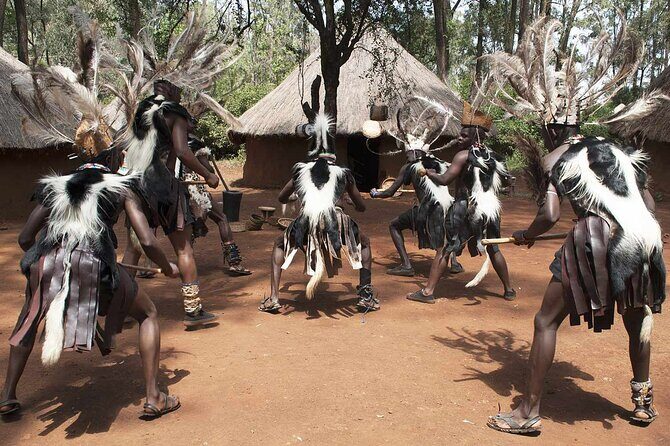
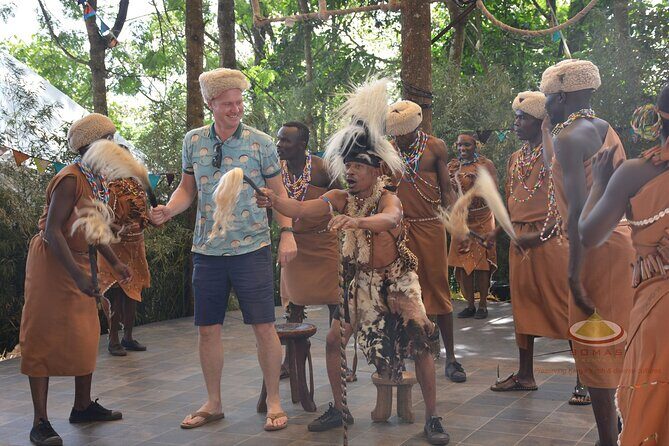
The day finishes with what many visitors remember most: the Bomas of Kenya cultural performances. This is where the tour turns from “see and shop” into “watch and understand.” The center preserves and promotes cultural values across Kenya, and the show format includes performances representing 53 ethnic communities.
The description is clear: daily performances include more than 30 traditional dances. And it highlights two standout categories—Samburu and Maasai warriors—which are often visually powerful and easy to recognize because of the performance style.
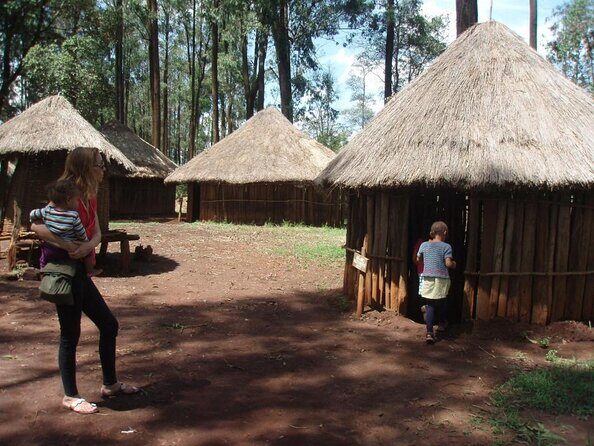
The homestead setup and the structure of the show matter. You’re not just sitting in one dark theater for a single performance. You get an informative session plus visits to different homesteads, so the dances connect to real-life cultural settings rather than existing as separate entertainment.
This stop is scheduled for about 3 hours, and it’s the perfect length for a full cultural session without feeling endless. If you want lunch, it’s optional before this portion—so your timing depends on your appetite and how you handle heat.
One consideration: cultural shows can vary in how long they feel depending on your personal interests. If you love dance and storytelling, this is a high-value capstone. If you’re exhausted from driving time, bring energy snacks and pace yourself.




Guides and pacing: why people keep naming them
A lot of tours promise “great guides.” What makes this one stand out is the pattern of specific feedback about how guides handle the day.
People have praised guides such as Melvin, Kelvin, Dennis/Denis, and Faith for:
- arriving on time and keeping the car clean and comfortable
- explaining things clearly at major stops like the KICC rooftop
- staying flexible, including adjusting the route for requests
- making sure you have enough time at each activity instead of rushing
- giving practical help with photos, especially at the giraffe feeding area
- offering extra local touches, like pointing you to an authentic place to eat when requested
That last point is worth noting for your decision-making. A tour guide who can adapt can turn a standard itinerary into a day that matches your priorities—wildlife time, craft time, or pure city orientation.
Price and value: what $95 buys in a full Nairobi day
At $95 per person, this tour is priced like a value day rather than a “premium safari package.” For that amount, you’re getting:
- hotel pickup and drop-off
- private transport plus bottled drinking water
- paid entries for KICC, Bomas of Kenya, and the Giraffe Centre
- private transport time that strings together Nairobi sights efficiently
- craft and shop time that isn’t just photo-snaps
Lunch is not included, and tips are not included, which is normal for tours like this. But because major admissions are already covered, you’re less likely to get hit by surprise costs mid-day. You also get a day structure that works well if you only have a short window in Nairobi.
The timing helps too: it’s described as commonly booked around 45 days in advance. That’s a good sign for reliability, but it also means you should lock it in early if you’re traveling during busy seasons.
Who gets the best value: first-time visitors who want wildlife plus culture plus city orientation in one day, and people who prefer private guide attention over bus tours.
Who this tour suits (and who should think twice)
This works best for:
- first-timers in Nairobi who want a day plan that covers the basics fast
- travelers who enjoy wildlife, but don’t want a full-day safari drive
- people who like cultural performances with context, not just watching from a distance
- shoppers who care about seeing craft being made (and not only buying souvenirs)
It may be less ideal if:
- you strongly dislike long drives or time in a vehicle
- you want a totally unstructured day (this schedule is built to hit five main stops)
- you’re not interested in cultural performances—Bomas is a major portion of the day
Still, even if you’re not a dance person, the homestead and explanation elements can make it more meaningful than a standard show.
Should you book Nairobi city sights, giraffes, and Bomas?
If you want a practical Nairobi introduction, I think you should seriously consider booking. This tour mixes city orientation (KICC and downtown walking) with one of Kenya’s easiest “wildlife moments” (the giraffes) and finishes with a cultural performance that’s longer than a quick stop. The schedule is paced so you can actually enjoy each part, and the guide-driven flexibility has shown up repeatedly in past experiences.
Book it if your ideal day is: see the city, meet an animal up close, watch craft being made, then end with a full cultural show. Skip it only if you’re trying to keep driving time to a minimum or you already have other plans that cover giraffes and cultural performances.
FAQ
How long is the Nairobi city sights, Giraffe Encounters and Bomas Kenya Tour?
The tour runs about 7 to 8 hours total.
What’s included in the tour price?
The tour includes pickup and drop-off at your hotel, private transport, bottled water, and admission to KICC, Giraffe Centre, and Bomas of Kenya.
Is lunch included?
Lunch is not included. You have an optional lunch purchase before the Bomas portion.
Can I feed the giraffes?
Yes. At the Giraffe Centre, you’ll get a chance to feed the Rothschild giraffes.
How many stops are included and what are they?
The main stops are KICC, Uhuru Park viewpoint, Giraffe Centre, KOBE TOUGH beads & leather, Utamaduni Craft Centre, and Bomas of Kenya.
Is this tour private?
Yes. It’s listed as private, meaning only your group participates.
Do I need to buy tickets separately for the big attractions?
No. Admission for KICC/city tour, Giraffe Centre, and Bomas of Kenya is included.
What’s the cancellation policy?
You can cancel for a full refund up to 24 hours before the experience starts. If you cancel within 24 hours of the start time, the amount paid is not refunded.