REVIEW · NAIROBI
14-Day Serengeti Maasai Mara Amboseli Tarangire Zanzibar
Book on Viator →Operated by Silver Spark Africa Safaris · Bookable on Viator
Big cats and crater walls in 14 days. This Kenya-to-Tanzania journey strings together Maasai Mara and Serengeti game drives with Zanzibar downtime so you get wildlife intensity and then a real breather. I like the way the route is built around classic viewing zones, from Mara’s river country to Serengeti’s open plains, then it shuts the laptop and lets you enjoy Stone Town and beach time. One thing to consider: the flights from Arusha to Zanzibar and Zanzibar back to Nairobi are not included, so you’ll want to budget and plan those legs early.
I also like that it’s a private tour built for your group pace, with airport/hotel pickup and in-vehicle guidance throughout the safari days. In feedback, the team behind the trip is often praised for smooth handling of transfers, lodging, and the day-by-day flow, with guides like David, Paul, and Geoffrey named more than once.
In This Review
- Key Highlights You’ll Care About
- From Nairobi Pickup to Maasai Mara: Rift Valley Road Sense
- Maasai Mara Game Drives: Big Five Country With Mara River Energy
- Lake Nakuru: Flamingos and Birding That Feels Like a Different Vacation
- Lake Elementaita and Hot Springs: A Calm Break Between Safari Days
- Amboseli National Park: Elephant Herds and Kilimanjaro Photo Chances
- Tarangire Into Tanzania: Baobabs, Dry-Season Water, and Fewer Crowds
- Serengeti: Two Days of Open Plains and Big Cat Probability
- Ngorongoro Conservation Area and Olduvai Gorge: Crater Walls, Then Human-Story Time
- Zanzibar Arrival: Flight Timing, Cool Juice, and Real Downshifting
- Spice Tour Near Stone Town: Herbs, Medicine, and How the Coasts Earn Their Reputation
- Nairobi Farewell: A Circuit That Ends Before It Drains You
- Price and Value: What $5,000 Really Buys You Here
- Who This Tour Fits Best (and Who Might Feel Strained)
- Should You Book This 14-Day Maasai Mara Serengeti Ngorongoro Zanzibar Safari?
- FAQ
- How long is the safari and beach trip?
- What is the starting and ending point?
- How much does it cost?
- Is pickup included?
- Is this a private tour?
- Are flights included?
- What meals are included?
- Which parks and places are included?
- Are there any extra-fee activities?
- What is the cancellation window for a full refund?
Key Highlights You’ll Care About
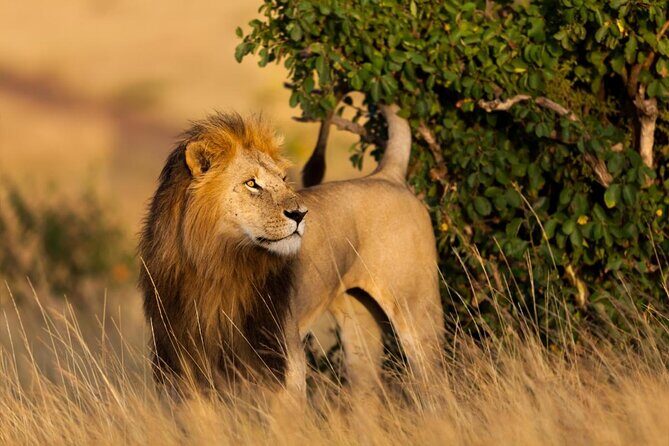
- Maasai Mara full-day drive in the Mara Triangle along the Mara River, right where the action concentrates
- Rift Valley lakes for birds, including Lake Nakuru’s flamingo area and Lake Elementaita’s hot-spring unwind
- Amboseli elephant country with frequent opportunities for Mount Kilimanjaro views from within Kenya
- Serengeti twice, with both packed and picnic-style breaks to keep you out in the field longer
- Ngorongoro crater + Olduvai Gorge in one focused day, with crater wildlife tied to permanent water
- Zanzibar after safari, including beach time plus optional spice and Stone Town excursions
From Nairobi Pickup to Maasai Mara: Rift Valley Road Sense
Your trip starts in Nairobi, with pickup from Jomo Kenyatta International Airport or your hotel, plus a pre-departure briefing before you roll. You’re not just thrown onto a bus and told to figure it out. This matters in Kenya and Tanzania because the days move fast, and small timing issues can snowball once you’re driving between reserves and crossing borders.
Day 1 has you driving toward Narok County, described as Maa country, and passing viewpoints of the Great Rift Valley escarpment. That’s a practical warm-up: you get your bearings early, and you start to understand why these parks look the way they do. Then it’s lunch at the lodge before an afternoon game drive.
What I like here is the pacing. You arrive, eat, settle, and only then head out. That reduces the “rush, scan, panic” feeling you sometimes get on first safari days. The possible drawback is also part of the reality: driving days in this circuit are long, and by the time you’re in Mara you’ll feel it in your legs and neck. If you’re someone who hates transit, plan to treat the safari vehicle rides as part of the experience, not a chore.
You can also read our reviews of more tours and experiences in Nairobi.


Maasai Mara Game Drives: Big Five Country With Mara River Energy
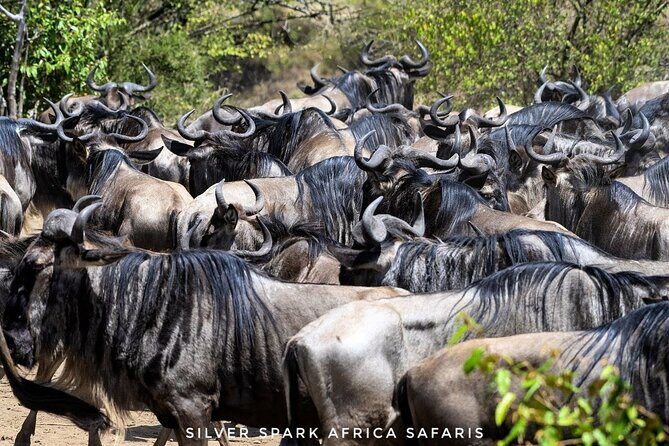
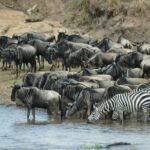
Masai Mara is the big headline for a reason. On Day 2, you get a full-day game drive with a picnic lunch, in Mara Triangle country along the Mara River. The description focuses on lush grassland and acacia woodlands, which is the kind of habitat where you don’t just see animals—you see animal movement.
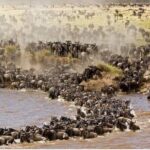
This is also where the Great Migration story comes alive. The trip notes the seasonal movement of more than 1.5 million wildebeest, zebra, and other grazers from Serengeti into the Mara in search of food and water. Even if you’re not traveling specifically during peak migration, you’re still in an ecosystem that supports big cat hunting patterns year-round.
I like that this day is built as a full field day rather than a short drive-and-out situation. Your best wildlife viewing comes from time on the road and time parked when something interesting happens. The Mara is the kind of place where you’ll remember the moments that weren’t planned.
A practical tip: in Mara and beyond, wildlife sightings aren’t guaranteed on demand. But you can maximize your odds by being ready to react quickly—camera up, eyes moving, and you let your guide do the driving math.
Lake Nakuru: Flamingos and Birding That Feels Like a Different Vacation
After Mara, the route swings into Lake Nakuru National Park. Day 3 is a morning departure, then check-in and lunch, and an afternoon game drive. The big draw here is birds. The tour description calls Nakuru a bird lover’s hub, saying it has over 400 bird species and that flamingos live on the lake and in the surrounding savannah grasslands.
This is a nice change of pace from the big-animal focus of Mara. You trade the constant scanning for wingbeats, calls, and color. You also get a different kind of safari skill: learning to look at smaller movements and bird behavior, not just the most obvious mammals.
The downside is simple: if you came for only big cats and elephants, you might feel like the day is slower. But if you’re open to the idea that wildlife includes feathers and behavior, Nakuru is a strong “reset day.” It helps you come back sharper for the next safari blocks.
Lake Elementaita and Hot Springs: A Calm Break Between Safari Days
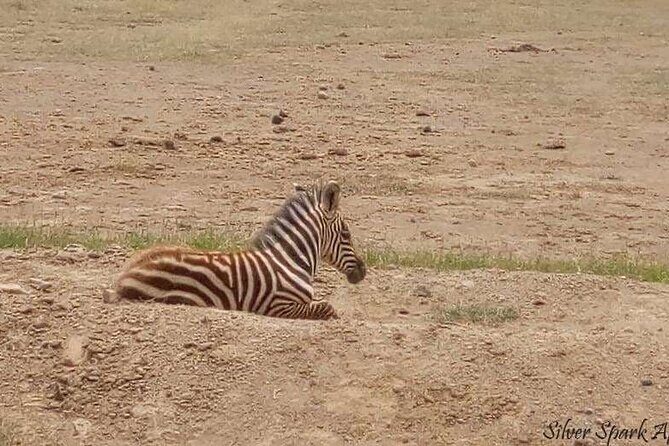
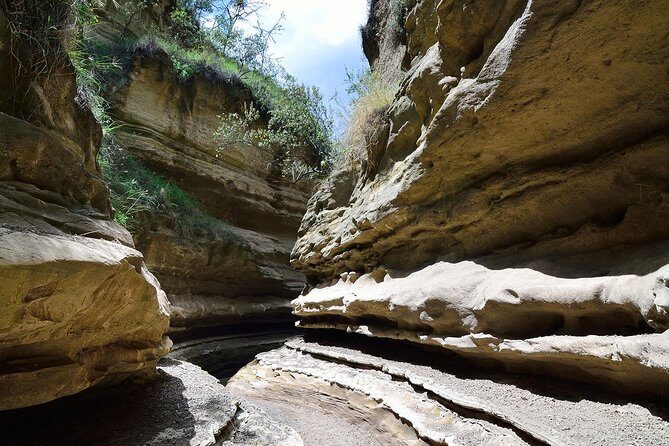
Day 4 takes you to Lake Elementaita National Park, another Rift Valley soda lake. You get a welcome drink, then a late afternoon guided leisure walk along the bird-rich lake. The description highlights concentrations of Greater and Lesser flamingos, which lines up with the general theme: this is a bird-forward stop.
After that walk, you end at a hot-spring for a relaxing dip, then dinner and a campfire feel in the evening. This is one of the more emotionally smart parts of the itinerary. You’ll be doing a lot of early mornings and vehicle time across the trip, so a day designed for slower movement and simple rest helps you avoid the safari burnout that can hit even the most enthusiastic wildlife fans.
One consideration: hot springs depend on basic comfort conditions—what the weather is doing, how crowded the area feels, and what you personally enjoy. But even if you don’t fully soak, the point is that you’re not rushing from one driving day to another without a reset.
Amboseli National Park: Elephant Herds and Kilimanjaro Photo Chances
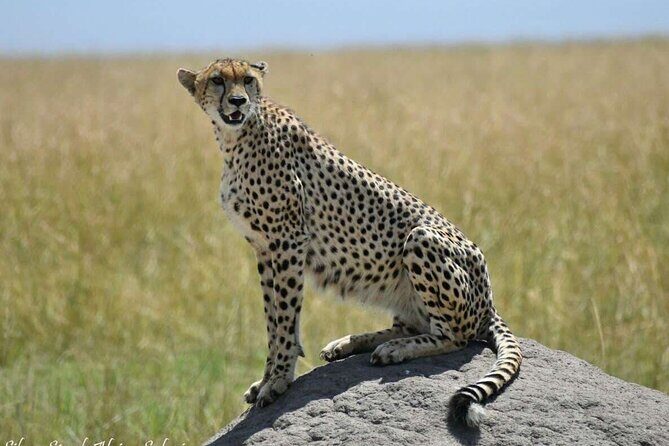
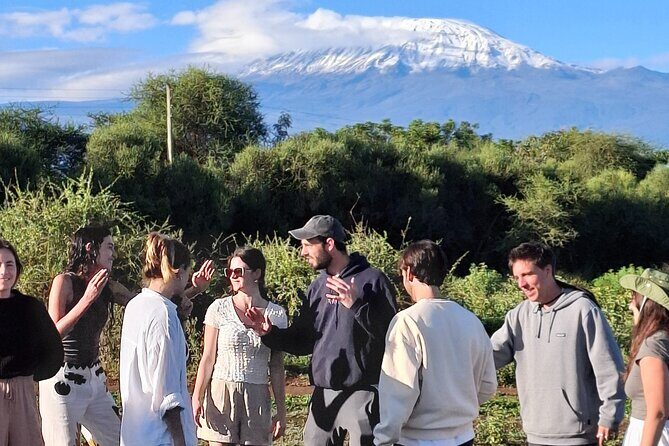
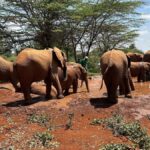
Amboseli is your classic Kenya elephant stop, plus the Kilimanjaro view factor. Day 5 drives you south through Maasai County into the plains below Mount Kilimanjaro in neighboring Tanzania. A picnic lunch is described en route with the Kilimanjaro backdrop, and once you reach Amboseli you’re in a park known for majestic elephant herds.
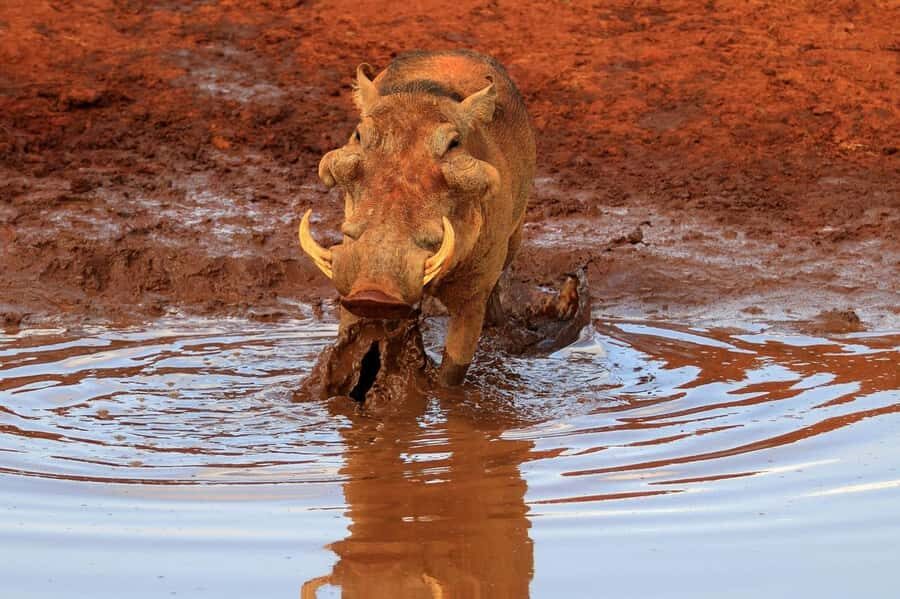
The trip notes great opportunities for seeing wildlife like lion, elephant, leopard, rhino, cheetah, buffalo, and plains game. On Day 6, you get an early morning start with packed lunch for a full day game drive. Amboseli is also described as one of the best-known elephant destinations in Kenya, with elephant sightings tied to big marshy areas and with Observation Hill mentioned as a key vantage point for views.
I like that Amboseli is repeated. One day can be exciting, but elephants and big-tusk herds tend to be situational. Timing matters, and second chances help.
The trade-off: Amboseli is not the only place with elephants in this circuit, and the Kilimanjaro visibility can vary with weather. You’re setting yourself up for those postcard-style moments, but you’re also doing it in a realistic way—wildlife first, views as a bonus.

Tarangire Into Tanzania: Baobabs, Dry-Season Water, and Fewer Crowds
Day 7 is a border-crossing and a scenery shift. You drive from Amboseli, then head toward the Namanga border where you handle immigration clearance, and transfer into Tarangire National Park.
Tarangire is described as a lesser-known game reserve in Tanzania, often with fewer tourists than the headline parks. It’s also framed as a strong wildlife and birding option, especially during the dry season when the Tarangire River becomes a key water source. The terrain features a high number of baobab trees, which gives you a very different look compared with the open plains you’ll see in Serengeti.
What you’ll likely enjoy most here is variety. The route logic is smart: after Mara and Nakuru/Elementaita, you move into elephants and then into a park where animals gather around limited resources. That tends to create more predictable viewing patterns than a park where water is everywhere.
As always, game drives are about being in the right place at the right time, and Tarangire’s dry-season water focus is a big reason it works.
Serengeti: Two Days of Open Plains and Big Cat Probability
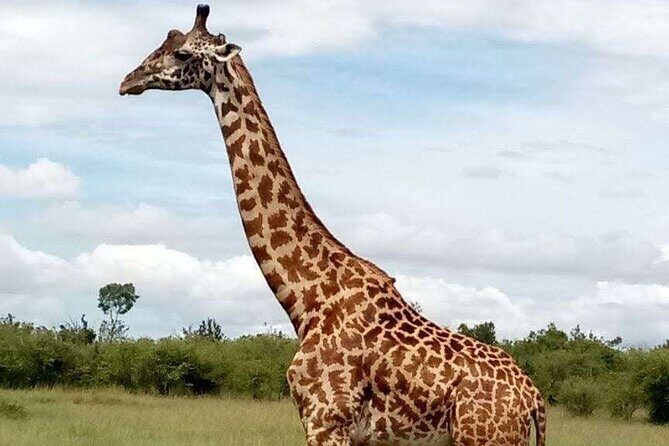
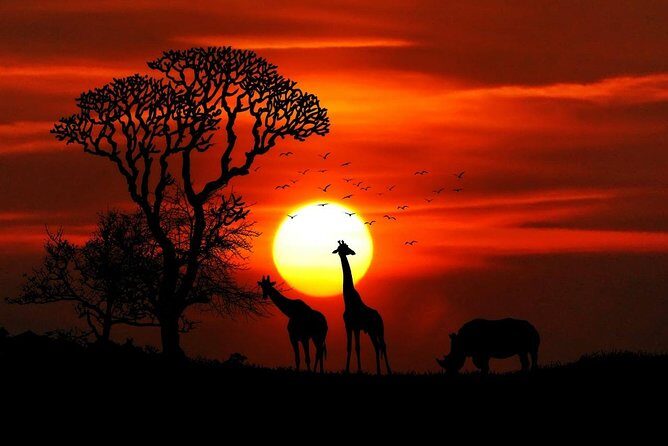
You enter Serengeti on Day 8, with a transfer from Tarangire. Day 8 is your first Serengeti game drive, and Day 9 gives you a full-day drive. The itinerary emphasizes that Serengeti is to Tanzania what Mara is to Kenya: a best-known big game destination built around herds, predators, and the drama of the plains.
The description of the Serengeti is detailed and useful for setting expectations:
- It’s dominated by vast, open plains with lots of wildlife year-round.
- Buffalo are common, plus resident elephant and giraffe.
- All three big cats are described as often seen.
- Lions can be found on kills.
- Cheetah are described as common on the southeastern plains.
- Leopard are often in or near big trees along the Seronera River.
- More than 350 bird species are recorded.
I love the structure of having two separate days. Wildlife isn’t a one-time performance. You’ll see different animals at different times, and you’ll notice different hunting patterns as your eyes adjust to the habitat.
If you’re the kind of person who gets impatient with long waits, you’ll still want to accept that in the Serengeti the pauses are part of the show. Your best moments can come when you stop, watch, and let the environment do its work.
Ngorongoro Conservation Area and Olduvai Gorge: Crater Walls, Then Human-Story Time
Day 10 is a special one: transfer toward Ngorongoro crater via Olduvai Gorge. The trip description calls Ngorongoro a volcanic crater about 20 km wide with 600 m walls. On paper, that’s already impressive. In real life, this kind of structure changes how you view wildlife because the crater floor holds permanent water. That creates strong wildlife density and steady viewing.
You also get lunch overlooking the crater and then leisure time in the afternoon. Accommodation is listed at Eileen’s Trees Inn, which gives you a defined base for the night.
Olduvai Gorge is included as a stop on the way, and the description focuses on discoveries of 3.5-million-year-old fossil fragments related to early human civilization. That’s a different kind of awe from lions on the move. It’s also a mental reset that keeps the day from becoming only about watching animals.
A practical note: crater days can involve more physical effort than you expect because you’re often dealing with steep viewpoints and changing temperatures. If you’re packing layers, this is where it pays off.
Zanzibar Arrival: Flight Timing, Cool Juice, and Real Downshifting
Then you jump from safari to coast. Day 11 has you check out of your hotel in the morning, then head to Arusha/Kilimanjaro Airport depending on departure time. You fly to Zanzibar, arrive, and get picked by a hotel driver. The description even notes a cold glass of juice on arrival, which is a small detail, but it’s the kind of human touch that makes the handoff feel smooth.
Zanzibar is your base for the next three days, with relaxing time emphasized. Day 11 is mostly settling in.
Day 12 keeps it easy: buffet breakfast, free time in a cool and quiet environment, a walk around the hotel compound, and time to interact with local market areas. Beach time is the main plan, and there’s an optional excursion to Old Stone at extra fee.
The trip also frames Stone Town as a living Swahili trading center with mosques and winding lanes, shaped by a mix of Arab, Indian, and European influences over more than a millennium. That matters because Zanzibar isn’t only beaches. It’s streets, doors, and history you can see and walk through at your own speed.
Spice Tour Near Stone Town: Herbs, Medicine, and How the Coasts Earn Their Reputation
On Day 13, you go on an excursion to spice and fruit plantations close to Stone Town for a famous spice tour, at extra fee. The key point in the description is the emphasis on information: the tour focuses not just on spices, but also organically grown herbs and how they’re used for medicine, cosmetics, and cooking.
You also get regional context included in the tour narrative, including descriptions of Pemba’s hilly, lushly vegetated terrain and a coast lined with mangroves and lagoons. Offshore coral reefs are described as some of East Africa’s best diving.
Even if you don’t scuba, it’s useful to understand why Zanzibar is known for both land and sea experiences. The spice tour gives you a lens for the island beyond souvenirs: what grows here, why it grows, and how people have used it for generations.
Nairobi Farewell: A Circuit That Ends Before It Drains You
Day 14 finishes the loop back to Nairobi. You’re transferred to the airport for your ticket home, via Nairobi or direct through Dar es Salaam. This is a good ending style for two reasons: you don’t burn your final day doing more driving, and you get the chance to connect your memories of wildlife to a cleaner, lighter travel rhythm on the way out.
The best way to think about a safari-plus-Zanzibar plan like this is not as one big vacation, but as two vacations stitched together. If you treat the safari days as a single “world” and the Zanzibar days as a second “world,” you’ll leave happier instead of fried.
Price and Value: What $5,000 Really Buys You Here
This tour is priced at $5,000 per person, with long lead-time bookings in the market. The value question is really about what’s included versus what isn’t.
Based on the details provided, you get:
- Accommodation across the route
- Meals: breakfast every day listed, plus lunch and dinner for 13 days each
- Pickup and transfers associated with the circuit (including airport/hotel pickup at the start and airport transfer at the end)
- Guided safari days with picnic or packed lunch setups described on key drives
Not included are the flights from Arusha to Zanzibar and Zanzibar to Nairobi. Those flights can shift the final cost enough that you should plan them early, not as a last-minute patch.
So is it “worth it”? If you want the combination of Maasai Mara + Serengeti + Ngorongoro + Zanzibar without stitching the logistics together yourself, you’re paying for that convenience and the schedule design. And multiple guides are referenced in the feedback, suggesting the operator runs with consistent people in the driving seat.
One more value note from feedback: some people describe it as a fair deal for the price, especially when they’re starting from scratch as safari novices and need planning help. The named responsive team members (including Abongo, Kepha, and Obongo) show up in multiple comments, which hints that the planning support is not only a sales pitch.
Who This Tour Fits Best (and Who Might Feel Strained)
This is a strong match if you:
- Want big game viewing in both Kenya (Mara) and Tanzania (Serengeti and crater country)
- Like variety: birds at Lake Nakuru and Lake Elementaita, elephants at Amboseli, then Zanzibar beaches and spice tours
- Prefer a private setup where your group drives as one unit rather than sharing the schedule with strangers
You might feel less happy if you:
- Hate long travel days. The circuit includes road time, check-in rhythms, and at least one border day.
- Are trying to keep costs ultra-tight, since you’ll still need to budget for the two flight legs and optional excursions that are listed as extra fee.
Also, one practical heads-up from past feedback: a Canadian traveler reported payment-method frustrations where Wise and Revolut options didn’t work with their bank setup. You can reduce risk by confirming accepted payment methods before you commit.
Should You Book This 14-Day Maasai Mara Serengeti Ngorongoro Zanzibar Safari?
Book it if you want a classic East Africa “greatest hits” route done in one organized sweep: Mara and Serengeti for predators and migration drama, Ngorongoro for crater density and Olduvai Gorge for deep-time perspective, then Zanzibar for recovery and culture.
Don’t book it if your heart is set on a slower, less structured trip with no flight legs you must arrange and no optional add-ons you may want to pay for.
If you do book, I’d plan your flight budget immediately and ask the operator to confirm what you’re expected to cover in Zanzibar for the spice tour and any Old Stone-style excursion you’re considering. And if you care about migration timing, aim for the popular August and September window mentioned in feedback, since that’s when the Mara is often a prime stage for the wildebeest story.
Overall: this is a high-energy circuit with real emotional range—wildlife intensity up north, then a beach and spice reset in Zanzibar. If that mix sounds like your kind of travel, you’ll likely love the way it flows.
FAQ
How long is the safari and beach trip?
It runs for 14 days.
What is the starting and ending point?
The trip starts at Jomo Kenyatta International Airport in Nairobi and ends at the same airport.
How much does it cost?
The price listed is $5,000 per person.
Is pickup included?
Yes. Pickup is offered from the airport or your hotel, and there are airport transfers at the start and end of the trip.
Is this a private tour?
Yes. It is private, and only your group participates.
Are flights included?
No. Flights from Arusha to Zanzibar and from Zanzibar to Nairobi are not included.
What meals are included?
Accommodation is included, along with breakfast for 14 days, and lunch and dinner for 13 days each.
Which parks and places are included?
You’ll visit Maasai Mara National Reserve, Lake Nakuru National Park, Lake Elementaita, Amboseli National Park, Tarangire National Park, Serengeti National Park, Ngorongoro Conservation Area (including Olduvai Gorge), and Zanzibar (including time near Stone Town).
Are there any extra-fee activities?
Yes. The Old Stone excursion is listed as extra fee, and the spice tour is also listed as extra fee.
What is the cancellation window for a full refund?
You can cancel up to 24 hours in advance for a full refund. If you cancel less than 24 hours before the start time, the amount paid is not refunded.