REVIEW · NAIROBI
Amboseli Day Tour from Nairobi
Book on Viator →Operated by Wasili Kenya Safaris · Bookable on Viator
Kilimanjaro in a day trip can happen. This Amboseli day safari is a fast, focused way to get out of Nairobi and into elephant country, with an early arrival that gives you a real shot at seeing Mount Kilimanjaro from the park. The best part is that you still come back to Nairobi at dinner time.
I love how the schedule is built around wildlife time: an early pickup, an on-the-ground arrival at Amboseli, then a full game drive window. I also like the human side of the experience, with an included stop to meet a Maasai community near the park (it’s typically an extra fee, but the chance is there).
One thing to plan for: not everything is included in your ticket price. Park entry, lunch, and the Maasai village visit are listed as extras, and the day runs long—so it’s an early start you’ll feel by mid-afternoon.
In This Review
- Key Things to Know Before You Go
- Nairobi to Amboseli: The Big-Picture Value of a One-Day Safari
- The Pickup and Drive Out of Nairobi (Why 5 a.m. Makes Sense)
- Arriving in Amboseli at 8:45: Where Elephants and Kilimanjaro Overlap
- Game Drive in Amboseli: What the Wildlife Time Really Gives You
- Maasai Community Stop: Culture Meets Time Constraints
- Kilimanjaro Views: The Best Strategy Is Timing + Patience
- Guides and Vehicles: Why People Keep Mentioning Names
- Price, Duration, and the Real Math of Value
- What to Pack and How to Stay Comfortable on a 13–15 Hour Day
- Is This Tour for You?
- Should You Book This Amboseli Day Tour?
- FAQ
- What time does the tour pick you up in Nairobi?
- What time do you arrive in Amboseli?
- How long is the day trip?
- Is pickup and drop-off included?
- What’s included in the price?
- What isn’t included?
- Is the Maasai community visit part of the itinerary?
- Will I definitely see Mount Kilimanjaro?
- How big is the group?
- What is the cancellation policy?
Key Things to Know Before You Go
- Early pickup is real: you’ll start around 5:00 a.m., which helps you get to Amboseli before the heat and crowds build.
- Game drive time is the heart: the park portion includes a major drive period (about 5 hours).
- Kilimanjaro views depend on weather: expect your best chances early, with haze and cloud cover affecting visibility.
- Extra costs are common: park entry fees, lunch, and the Maasai village visit are not included.
- Your guide matters: several guides are highlighted in past experiences, including Peter and Julius, with strong wildlife-spotting skills.
- Group size is large on paper: the maximum is 99 travelers, though the day still feels organized due to the transport setup.
Nairobi to Amboseli: The Big-Picture Value of a One-Day Safari
This is the right tour if you’re short on time but still want the real safari rhythm: leaving Nairobi before sunrise, arriving while animals are more active, then spending the bulk of your time on the ground in Amboseli. It’s not a relaxed “let’s meander” day. It’s more like a well-run sprint with a clear goal—wildlife first, culture second, and back to Nairobi before you’re stuck eating dinner in the park.
At $190 per person, you’re paying for the long-distance logistics to the Kenya–Tanzania border region and back, plus guided time in the park. The included items are straightforward: transport, pickup/drop-off, drinking water, and game drives. The areas where you’ll likely spend more are also clearly called out: park entry fees, lunch, and the Maasai village visit.
If you’ve been thinking you need two nights to “do Amboseli right,” this tour proves you don’t. You won’t get the slow, lingering safari feel of an overnight stay, but you can still hit the key moments: elephants, wide-open views toward Kilimanjaro, and a guided look at the Maasai way of life.
You can also read our reviews of more tours and experiences in Nairobi.


The Pickup and Drive Out of Nairobi (Why 5 a.m. Makes Sense)
The day begins early—your guide/driver picks you up around 5:00 a.m. from your hotel or the airport. The plan is to reach Amboseli at about 8:45 a.m., which is a smart timing choice. Animals tend to be easier to spot in the morning, and driving in daylight helps everyone feel calmer on a long road.
It’s also worth saying out loud: the early start isn’t just for optics. It’s how the tour compresses a major park experience into a single day. One review noted a guest asked for a slightly earlier pickup (4:30 a.m.) to improve Kilimanjaro viewing. Even with that kind of request, the basic idea stays the same: dawn is your best friend here.
Practical tip: dress for morning cold and early sun. The day can swing from cool to warm fast, and you’ll be in the vehicle for hours. Pack layers you can manage without fuss.
Arriving in Amboseli at 8:45: Where Elephants and Kilimanjaro Overlap
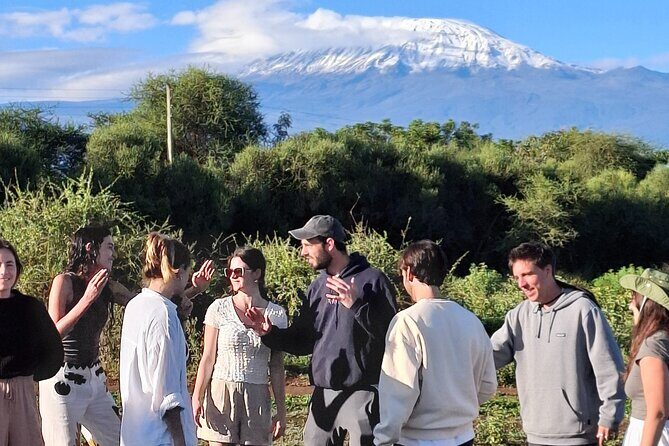
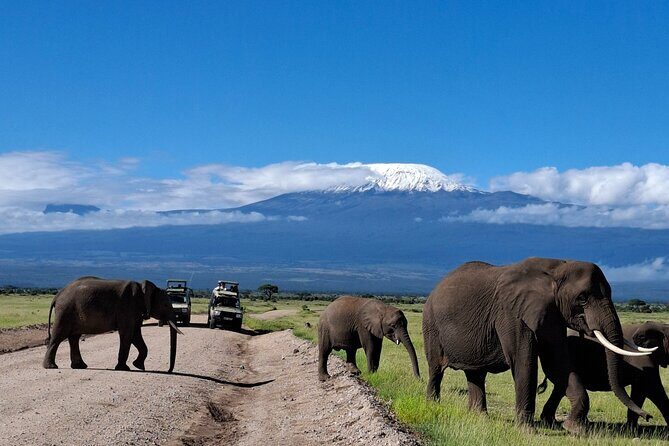
Amboseli National Park sits under the shadow of Mount Kilimanjaro, and the view is a big part of why people make the trip. The park name is linked to a Maasai word meaning salty dust, and that detail hints at the park’s mix of dry and wet areas. You can find different habitats here—from the dry bed of Lake Amboseli to wetlands and savannah-like stretches.
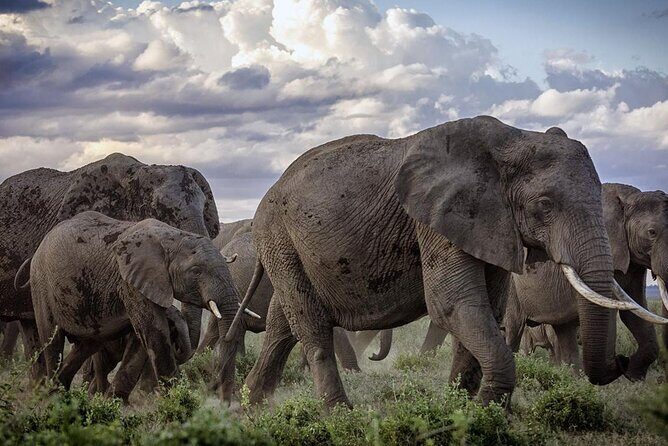
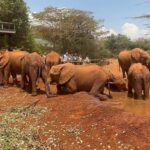
When you arrive around 8:45 a.m., you’re stepping into an environment designed for big herds and long sightings. One reason Amboseli is famous is how often elephants show up and how close the park experience can feel compared with some other destinations. The terrain and how animals move through it creates chances for memorable moments—especially if your guide knows where to look.
This is also where Kilimanjaro becomes a “maybe.” Clouds, haze, and timing can change what you see. One visitor described seeing Kilimanjaro for only a short window before it clouded over, while another highlighted a guide spotting the mountain through haze earlier than others noticed. So yes, you want the early schedule—but you also want to keep your expectations flexible.
Game Drive in Amboseli: What the Wildlife Time Really Gives You
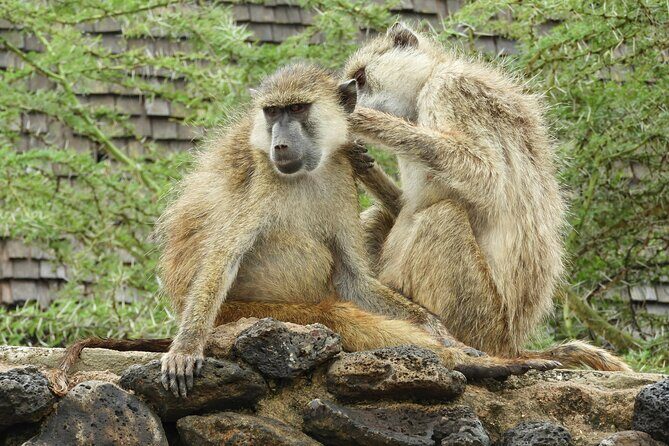
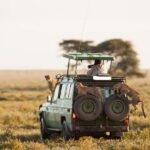
The itinerary centers on the park game drive, with about 5 hours allocated in Amboseli. That’s enough time to do more than one thing: chase sightings when animals are active, reposition when the view opens up, and catch the variety that makes Amboseli feel different from a “one animal” safari.
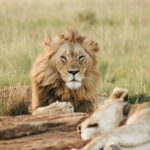
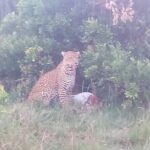
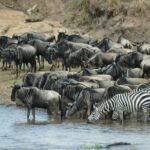
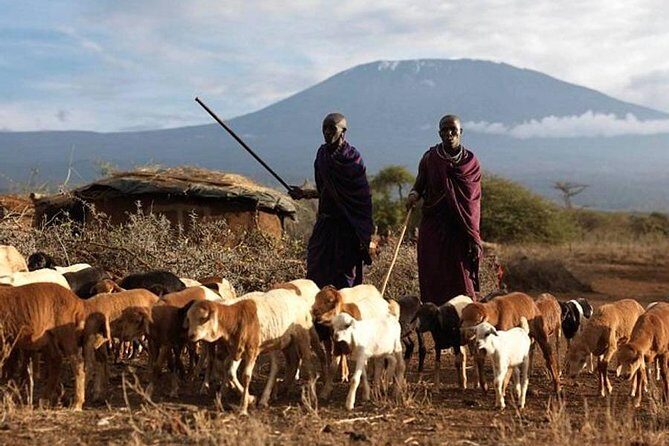
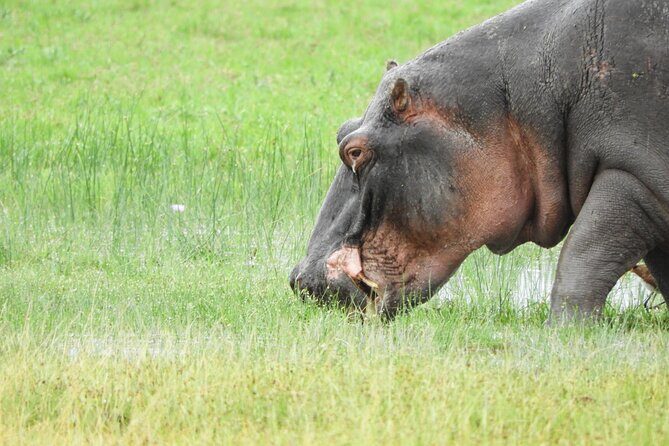
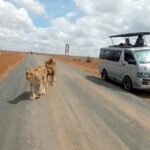
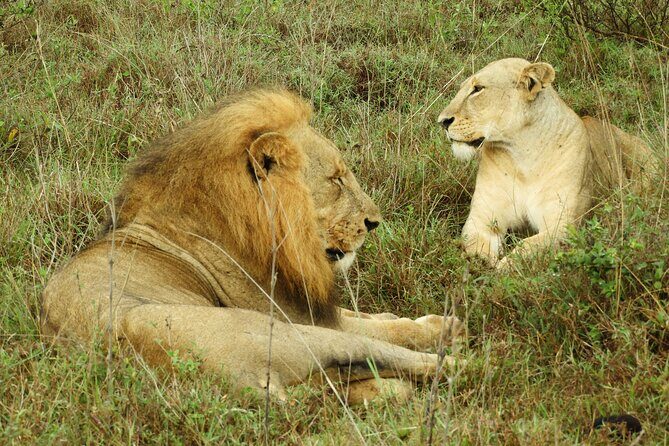
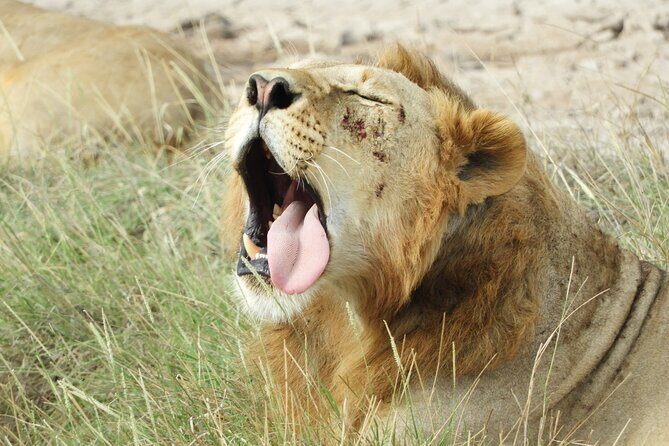
From past experiences, you can expect a mix of large mammals and birds. Guests have reported seeing elephants, zebras, giraffes, hippos, and more. Lions and cheetahs also show up in the record of sightings from guide-led outings, which is a reminder that predator sightings are never guaranteed—but good guides clearly increase your odds by putting you in the right places at the right times.
A key point: Amboseli has areas where you may be limited in how close you can get. One review noted there are designated trails, and that can mean animals are sometimes farther away than you’d like. The trade-off is that the park keeps things safer and more structured, and it often still delivers strong sightings—especially when elephants move closer to the trail or your vehicle gets positioned well.
Maasai Community Stop: Culture Meets Time Constraints
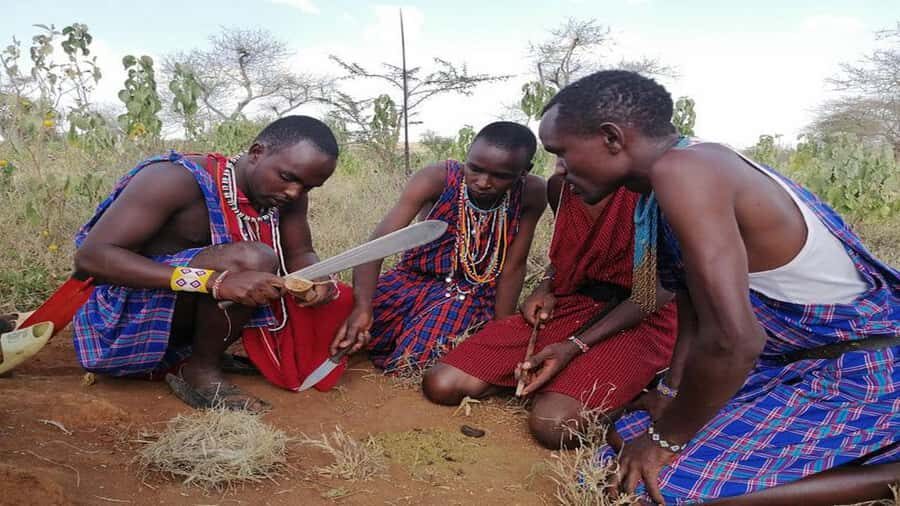
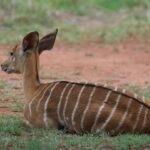
The tour includes a chance to visit a traditional Maasai community near the park. This is the second major highlight because it balances animal-focused time with a cultural perspective on how people live around the ecosystem.
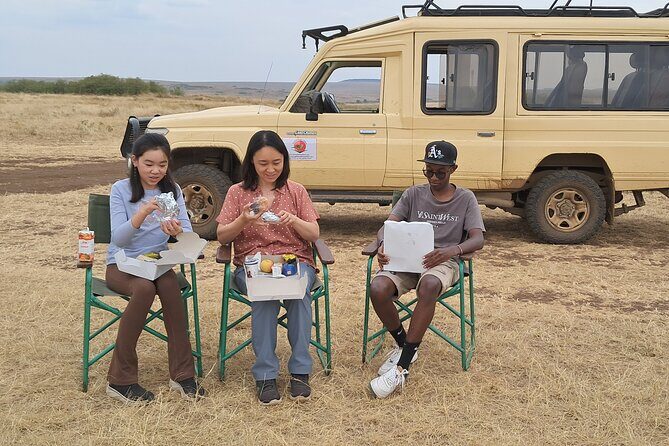
Here’s the practical part: the Maasai village visit is listed as not included. That means you’ll likely pay on the day (fees or options can vary, but the tour description makes it clear this is an extra). The good news is that the option is part of the plan, so you’re not left wondering whether culture will be squeezed in at the end.
Also, remember this is a structured stop inside a long day. You’ll want to approach it with the right mindset: you’re there to learn how community life works and what the visit includes, not to treat it like a theme park photo session. If you’re respectful, it’s often one of the most memorable parts of a safari day because it puts animals and land into a human context.
One thing to watch: the Maasai visit timing can matter. If you care a lot about doing it, ask your driver/guide early in the day how they plan to fit it between game drives and the return drive. That keeps you from feeling rushed at the end of an already long schedule.

Kilimanjaro Views: The Best Strategy Is Timing + Patience
Mount Kilimanjaro is the reason many people book Amboseli, but visibility is not something you can control. You can control two things: when you’re in the right place, and how patient you are when the mountain is hidden.
The tour’s early arrival and morning start help. Reviews also highlight guides using the haze effectively—one guide was credited with spotting Kilimanjaro earlier than guests noticed it, suggesting that good guidance helps you read the conditions and position the vehicle.
What you should do with this information:
- Bring a camera lens you can use quickly from inside the vehicle.
- Don’t plan your emotional reaction around one exact moment. If clouds roll in, you’ll still likely get great elephant sightings and open park views.
- If the mountain appears, take the photo, then enjoy the animal sightings too. You’re on safari for wildlife first.
Guides and Vehicles: Why People Keep Mentioning Names

A big reason this tour earns top scores is the human factor. Past experiences repeatedly praise guides for wildlife spotting and calm driving. Names that come up include Peter and Julius, with additional mentions of Henry, Evans, Kim, and Ebhantus. Across these accounts, the pattern is consistent: guides help you see more, explain what you’re looking at, and keep the day running safely.
What that means for you: don’t treat the driver as a taxi. This is the person who can turn a long day into a good one by finding animals and making the best use of your limited time.
If you have interests—like elephants, birding, or predator chances—tell your guide at pickup. Several reviews highlight guides who adjusted to what people wanted to see and who had strong insight into animal habits. In a one-day format, that kind of communication is the difference between a generic drive and a safari day that feels purposeful.
Price, Duration, and the Real Math of Value
Let’s talk money in a way that helps you decide.
You’re paying $190 per person, and the day runs about 13 to 15 hours. That’s long, and it includes the transport and game drives, plus drinking water and hotel/airport transfers. When you compare this to the cost of arranging private transport plus guided park time, the price can feel reasonable—especially if you’re staying in Nairobi and don’t want to wrestle with separate bookings.
But value depends on your “add-ons.” Park entry fees, lunch, and the Maasai village visit are not included. So your true day cost is the ticket plus those extras. If you budget for them up front, the tour reads as a clean, organized way to hit the Amboseli highlights without losing a full day to planning.
The average booking lead time is about 34 days, which suggests people plan this safari in advance. That can help you lock a spot and reduces stress when your Nairobi timeline is tight.
What to Pack and How to Stay Comfortable on a 13–15 Hour Day
The tour is built for dawn starts and long road time. Comfort is not a luxury here—it’s how you keep your energy for the game drive.
Bring:
- Warm layers for early morning
- Sun protection for the midday drive and park time
- A small day bag that’s easy to open from the vehicle
- Cash or a card plan for park entry, lunch, and the Maasai village visit (since these aren’t included)
- A camera and/or binoculars if you have them
Also, plan your expectations around vehicle comfort. You’ll be traveling for hours, then sitting for wildlife viewing. It’s the kind of day where you’ll be happiest if you treat rest as a strategy: hydrate, snack when you can, and avoid spending the morning hungry or underdressed.
One more small lesson from experience: if you’re easily thrown off by delays, have a calm buffer. An early pickup window matters, and one past experience included a late arrival that left a guest waiting. That’s not the norm you want, but it’s a useful reminder to coordinate meeting points and keep your phone ready.
Is This Tour for You?
This Amboseli day tour from Nairobi is a strong fit if:
- You have limited time and need a one-day safari solution
- You want a classic wildlife morning plus a culture stop
- You’re comfortable with an early wake-up and a long day
- You want the Kilimanjaro view chance without booking an overnight
It might be less ideal if:
- You hate early starts and long road days
- You want lunch and park fees fully bundled in one price
- You’re traveling for a slow, restful safari pace with minimal driving
If you’re the kind of traveler who loves efficient itineraries—where the day has clear goals—you’ll likely enjoy this format.
Should You Book This Amboseli Day Tour?
I’d book it if you want Amboseli highlights and you can handle logistics. The structure makes sense: early departure, morning arrival, a focused game drive, and a return to Nairobi in time for dinner. When guides are on their game—as many past experiences describe with Peter and Julius—you can get outstanding wildlife sightings and strong Kilimanjaro moments, even if conditions change.
I’d double-check your budget for the extras. If park entry fees, lunch, and the Maasai village visit aren’t a problem for you, this tour becomes a straightforward way to “do Amboseli” without committing to several days. If you want everything all-in with zero surprises, you might need a different package.
FAQ
What time does the tour pick you up in Nairobi?
Pickup is typically around 5:00 a.m. from your hotel or from the airport.
What time do you arrive in Amboseli?
The plan is to reach Amboseli at about 8:45 a.m.
How long is the day trip?
The total duration is about 13 to 15 hours.
Is pickup and drop-off included?
Yes. Pickup and drop-off from your Nairobi hotel or the airport are included.
What’s included in the price?
Transport in the tour van, pickup/drop-off, drinking water, and game drives are included.
What isn’t included?
Park entry fees, lunch, and the Maasai village visit are not included, along with souvenirs and other extras.
Is the Maasai community visit part of the itinerary?
Yes, there is an opportunity to visit a local Maasai community, but the Maasai village visit is listed as not included in the price.
Will I definitely see Mount Kilimanjaro?
Visibility depends on weather and timing. The mountain can be seen in good conditions, especially in the morning, but clouds and haze can affect what you get.
How big is the group?
The experience has a maximum of 99 travelers.
What is the cancellation policy?
Free cancellation is available up to 24 hours in advance for a full refund. Canceling less than 24 hours before the experience start time isn’t refundable.