REVIEW · NAIROBI
Masai Village Experience (Day trip)
Book on GetYourGuide →Operated by MICHOORE TOURS & TRAVEL · Bookable on GetYourGuide
Goats, spears, and crafts, all in one day. This Masai village trip is interesting because you’re not just watching Maasai culture—you’re learning it from community members, with a live performance layer. I love the hands-on bits like milking a goat and practicing spear throwing, and I love the live dance and music that turns stories into something you can feel.
I also liked that the day is run with a private guide (Alex is one example you may get), plus an on-site guide (Alfred in one case) who keeps the explanations clear and real. You get round-trip transport from Nairobi, so you spend less time figuring out logistics and more time asking questions.
One heads-up: the village visit is about 2.5 hours, so if you hate time pressure, plan for a faster pace and accept that a lot of the day is travel.
In This Review
- Key things that make this day trip worth your time
- From Nairobi pickup to Maasai bomas: how the day really runs
- The village time: cooking, weaving, milking goats, and daily roles
- Cultural performance and spear practice: learning through participation
- Cattle market and craft shopping: what you’ll actually spend your time on
- Is $111 a fair price for a private Nairobi Maasai day trip?
- Who this tour suits best (and who should think twice)
- Practical tips: get more out of the visit
- Should you book this Masai village day trip?
- FAQ
- How long is the Masai Village Experience?
- Where does pickup happen?
- Is this tour private?
- What’s included in the price?
- Is lunch or food included?
- Will there be cultural performances?
- Can I buy crafts or souvenirs?
- Can I cancel and still get a refund?
Key things that make this day trip worth your time
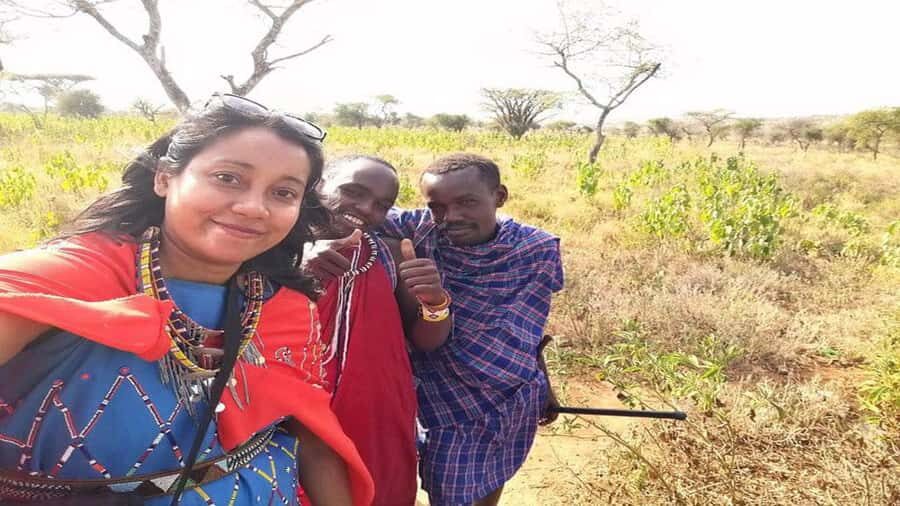
- Hands-on demonstrations like cooking basics, weaving wrist bands and necklaces, and learning how fire is made
- Role-based explanations from Maasai community members about men’s and women’s responsibilities
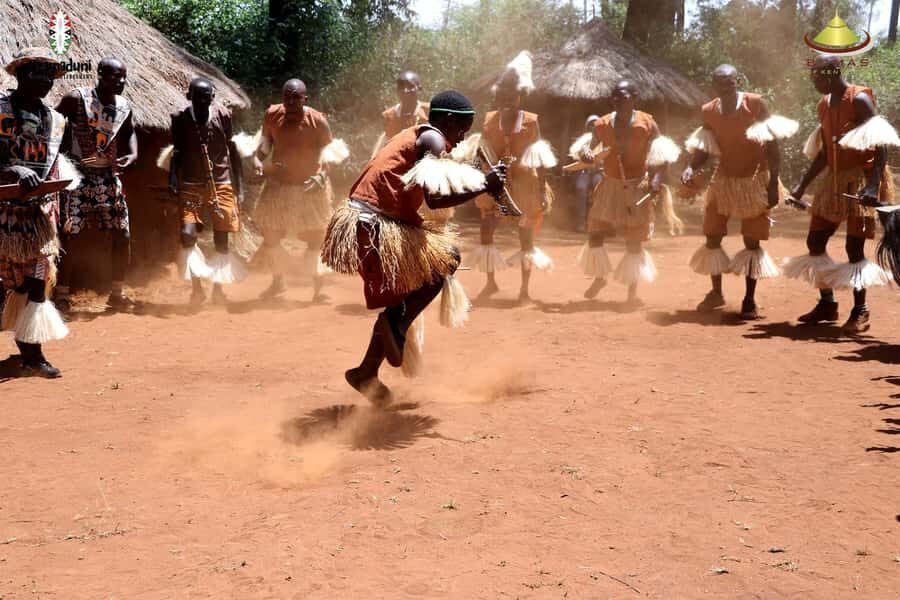
- Live entertainment with dance and song woven into the visit
- A market-and-shopping stop so you can see everyday commerce, not only ceremony
- Clear value package for a private day trip: driver/guide + hotel pickup + entertainment included
From Nairobi pickup to Maasai bomas: how the day really runs
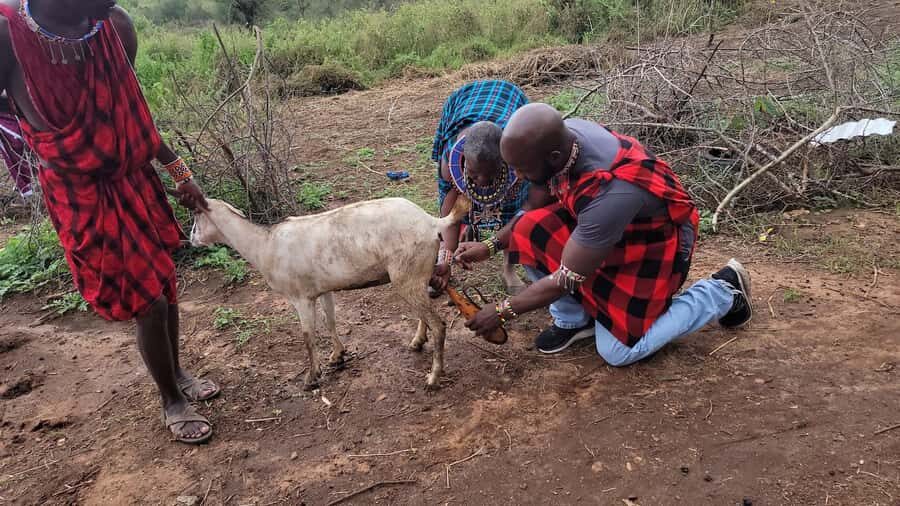
Your day starts in Nairobi with hotel pickup and drop-off, guided in English. You’ll meet your driver/guide at the bay or lodging area, then you’re off—simple and straightforward, no wandering around searching for the right vehicle.
There’s a short break (about 10 minutes) along the way. Think of it as a reset so you can arrive at the village fresh enough to concentrate on what’s happening next.
This tour is designed for one main goal: you get a face-to-face look at indigenous Maasai life, the day-to-day stuff that doesn’t fit into wildlife-only Kenya itineraries. You’ll get the distance covered by round-trip transportation, so you don’t lose your afternoon to transport hassles.
A few more Nairobi tours and experiences worth a look



The village time: cooking, weaving, milking goats, and daily roles
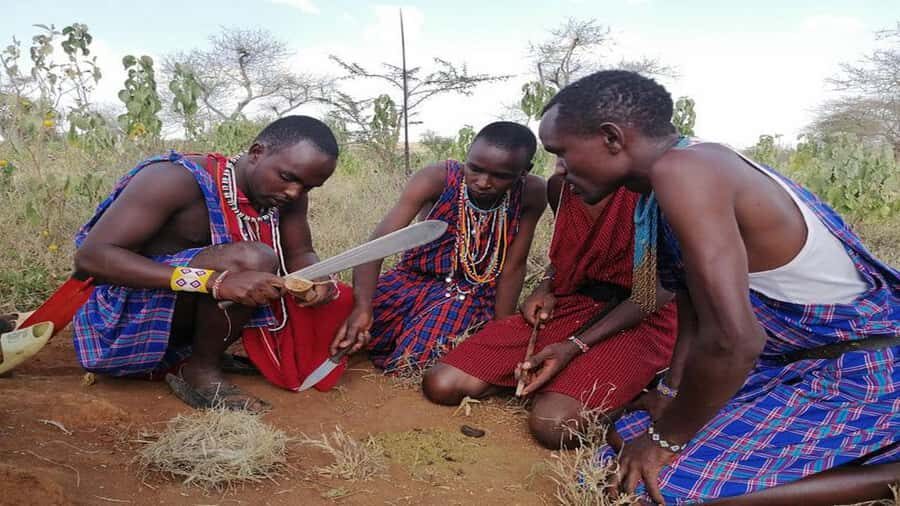
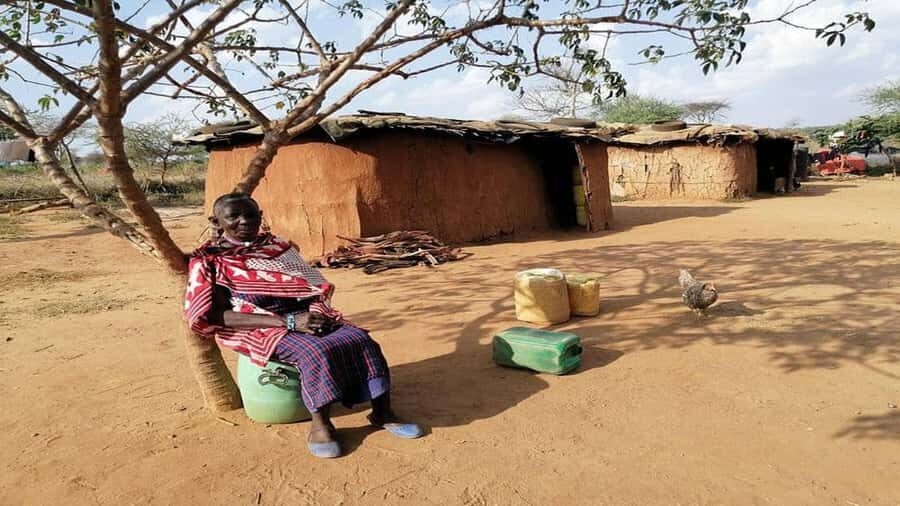
The heart of the experience is the Maasai village visit (about 2.5 hours). This is where you’ll see how everyday life works—food preparation, weaving crafts, and how community roles are taught and explained.
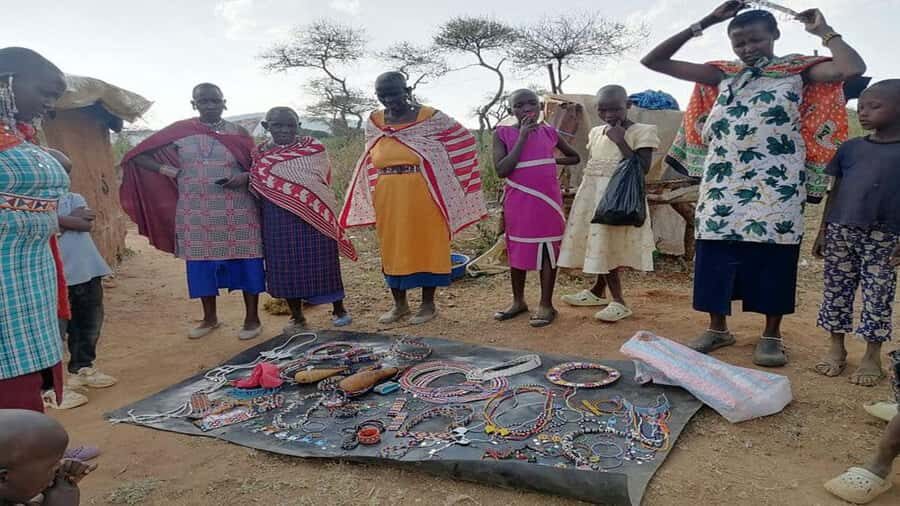
One of the strongest parts is watching women prepare food and cook, because it’s practical knowledge, not staged theater. You’ll also get to see weaving in action—making items like necklaces and wrist bands—and the patterns and steps make more sense when someone explains the purpose behind them.
You should also expect animal-life lessons. In multiple visits, guests end up learning about goats and the milking process, which connects the “craft” side of the village to the “work and survival” side. It’s a reminder that for many communities, skills are lived daily, not saved for special occasions.
And if you’re curious about social structure, you’ll likely hear clear explanations of roles for women and men. In one English-guided experience, a Masai man spoke about those roles and how they show up in daily life—plus he guided practical activities like spear throwing and taught how men start a fire.
Cultural performance and spear practice: learning through participation
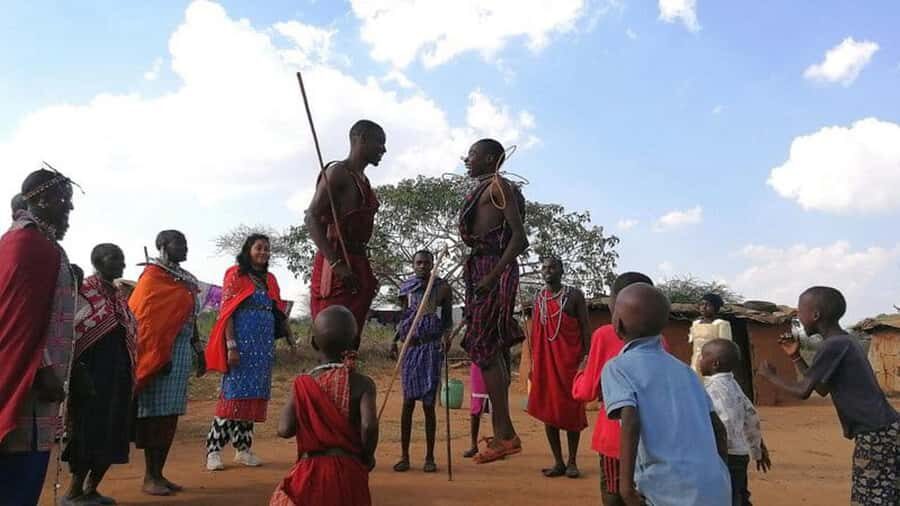
Cultural performances aren’t treated as a separate add-on here—they’re part of how meaning is communicated. You’ll have live entertainment, and dance and song tend to work like a conversation: you watch, you listen, then you ask questions.
The best moment for many people is the hands-on learning. You might get the chance to practice throwing a spear and experience how that skill is taught. It won’t feel like a video game, and it won’t pretend to be one either—more like a short, guided introduction where the point is understanding the role and effort behind the skill.
You may also see how fire is made during the visit. Even if you’ve seen fire-making demonstrations elsewhere, watching it in a context where people also cook and work gives it more weight. It’s less “performance” and more “this is how the day functions.”
A lot of this comes down to the guide experience. If you get Alex as your guide, at least one booking notes that he explained everything in detail and managed extra time stops while still keeping the schedule on track—like adding a KiCC building stop and local food. That’s the kind of flexibility you’ll appreciate if you’re working around flight timing.
Cattle market and craft shopping: what you’ll actually spend your time on
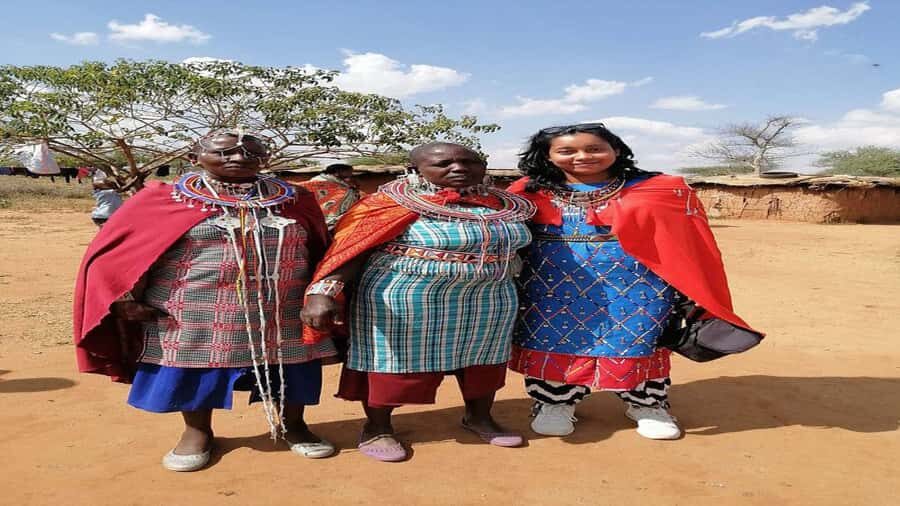
After the core village activities, the day includes a stop for refreshments plus visits connected to daily commerce—specifically the cattle market and the shopping town. This matters because it shows how community life includes trade and movement, not just cultural presentation.
You’ll have time to browse and purchase authentic crafts. This part is often the most personal because it’s not just souvenirs—it’s the craft-making you saw earlier, now tied to an item you can take home. If you buy something, you’re funding the skills you just watched.
One practical point: food and drinks aren’t included. That means the refreshment stop is helpful, but you should still budget for whatever you want to eat or drink during the day. If you’re the type who needs a full lunch to feel human, plan accordingly.
Also note that souvenir photos are available to purchase. If photos are important to you, keep an eye out for what’s offered so you’re not surprised by extra costs later.
Is $111 a fair price for a private Nairobi Maasai day trip?
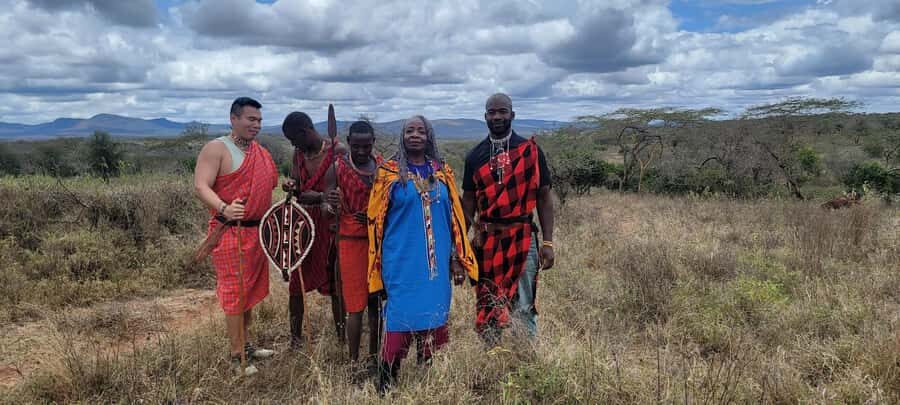
At $111 per person, the value mainly comes from three things: private transport, a live guide, and entertainment included in the price. You’re not paying just for a “photo stop.” You’re paying for a whole day structure that gets you picked up, driven out, guided through the visit, entertained, and returned to Nairobi.
Here’s how I’d think about value as a shopper:
- If you were to organize transport + driver time + a guided cultural visit yourself, your cost usually climbs fast—especially for a day trip that needs timing and local coordination.
- The tour includes live entertainment, so you’re not left hunting for cultural experiences on your own once you arrive.
- It’s private and guided in English, which makes a big difference when you want real explanations, not just a quick scripted overview.
Where the price can feel less “all-in” is in the extras you’ll likely want. Food and drinks cost extra, and crafts and souvenir photos are additional. So if you’re traveling on a tight budget, consider setting a spending cap for purchases before you go in.
Still, for many visitors—especially people on short schedules—this is a clean, time-efficient way to get meaningful cultural contact without burning hours on logistics.





Who this tour suits best (and who should think twice)
This trip fits best if you want interaction and explanation. If you like asking questions, watching how skills are taught, and turning what you see into a better understanding of how people live, you’ll probably enjoy the pacing.
It also works well for people with limited time in Nairobi. You get a single-day structure with hotel pickup and drop-off, plus the option of airport pickup (Jomo Kenyatta Intl Airport) during checkout. If your schedule is tight, that matters.
It might feel less ideal if you’re the type who wants long stays in one place. The village visit is about 2.5 hours, and the rest of the day is driving plus breaks. One past experience even flagged that the activity can feel short with a lot of driving—so if you hate travel time, adjust your expectations.
If you’re primarily chasing Kenya’s wildlife and landscapes, this won’t scratch that itch the same way a safari day might. Think of this as a culture-focused day, where the main “wow” is human life, not animals on the horizon.
Practical tips: get more out of the visit

Go in ready to participate, not just observe. The experience is built around things you can learn and try—like weaving, cooking basics, and spear throwing—so let yourself be a beginner.
Be ready for questions and answers. One of the advantages here is that you can ask about traditions and daily roles directly, and the guide interaction makes those explanations stick. If you’re a bit shy, start with simple questions like how skills are learned or what certain crafts are used for.
Bring extra budget for what’s not included. Since food and drinks and souvenir photo purchases aren’t covered, it’s smart to plan for at least some spending beyond the $111. If crafts catch your eye, decide what you want ahead of time so you can shop calmly when you’re there.
And if your schedule is tight—say, you’re catching a flight—this is the kind of itinerary where a guide’s timing matters. In one account, Alex helped ensure the visit stayed on schedule so the airport plan worked smoothly. If flights are involved, be clear with your pickup time needs during booking.
Should you book this Masai village day trip?
If you want a culture-first Kenya experience from Nairobi in just one day, I think this is a strong option. The biggest reason to book is the structure: private transport, English guidance, live entertainment, and hands-on village learning all bundled into one day.
You should book if you’re curious about how daily life works—food prep, weaving, goat milking, fire making, and the roles of women and men—and you like meaningful Q&A.
I’d hesitate if you’re only looking for “big adventure” time in one spot, because the day is time-balanced and driving takes up real hours. In that case, shorten your expectations of the village itself and treat the trip as a focused introduction rather than a long immersion.
If you match that mindset, you’ll leave with more than photos—you’ll leave with stories you can actually explain.
FAQ
How long is the Masai Village Experience?
The duration is 1 day, with the Masai village visit lasting about 2.5 hours.
Where does pickup happen?
Pickup is available from Nairobi hotels, and airport pickup is also offered (Jomo Kenyatta Intl Airport).
Is this tour private?
Yes. It’s listed as a private group.
What’s included in the price?
Included items are the driver/guide, hotel pickup and drop-off, live entertainment, and the private tour.
Is lunch or food included?
No. Food and drinks are not included, and lunch is listed as not included.
Will there be cultural performances?
Yes. Live entertainment is included as part of the experience.
Can I buy crafts or souvenirs?
Yes. You can purchase authentic crafts during the visit, and souvenir photos are available to purchase.
Can I cancel and still get a refund?
Yes. Free cancellation is available up to 24 hours in advance for a full refund.