REVIEW · NAKURU
Kenya: 7-Day Big 5 Safari Tour from Nairobi
Book on GetYourGuide →Operated by Exellent African Wilderness Tours · Bookable on GetYourGuide
Big Five safari days start fast and stay exciting. This route strings together Maasai Mara, Lake Nakuru, Naivasha, and Amboseli so you get different ecosystems, different wildlife moods, and different photo chances without doubling back.
What I like most is how much game time you get, especially in Maasai Mara with a full day plus a sunset drive. You also get a fun change of pace with Hell’s Gate on a bike and a boat ride on Lake Naivasha for bird watching and hippo time.
One thing to think about: park entrances and some add-ons aren’t included, and the tour runs as a join-first-then-private format, so your schedule and group comfort can shift midway.
In This Review
- Key highlights worth planning for
- Entering The Big 5 Route: How this itinerary earns its stars
- Price and logistics: What $247 buys you, and what you must budget for
- Day 1: Nairobi to Maasai Mara via Great Rift Valley viewpoints and sunset drive
- Day 2: Maasai Mara full day—Big Five chasing with Mara River crossings in mind
- Day 3: Maasai Mara to Nakuru—optional culture stop, then rhino time
- Day 4: Lake Nakuru + Naivasha lunch + Hell’s Gate biking + boat ride on the lake
- Day 5: Naivasha to Amboseli—classic Kilimanjaro views and big-plain safari energy
- Day 6: Amboseli full day—elephants, giraffes, cheetahs, and a viewpoint that pays off
- Day 7: Amboseli back to Nairobi—end the trip with a clean finish
- How the group-to-private split changes your experience
- What made the experience shine in real-world feedback
- Who this tour fits best (and who should think twice)
- Should you book this Kenya Big 5 safari?
- FAQ
- Where does the safari start and end?
- Which parks are included on the 7-day route?
- Do you get game drives and what kind of vehicle is used?
- Is there a boat ride during the trip?
- Is there a biking activity included?
- What wildlife viewing is the tour specifically focused on?
- What is not included in the tour price?
Key highlights worth planning for
- Pop-up roof 4×4 jeeps for easier spotting on game drives
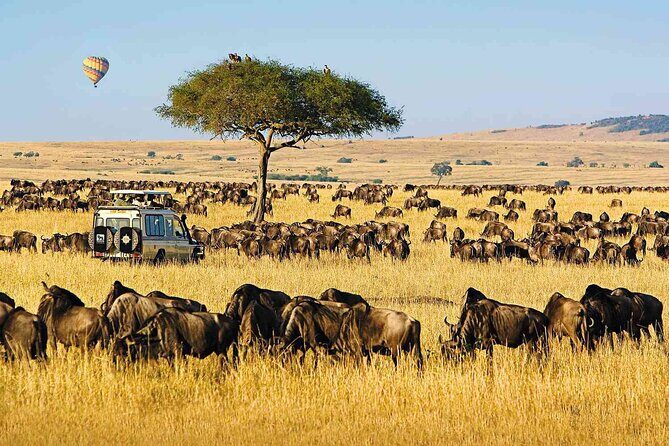
- Maasai Mara river area where wildebeest often cross between ecosystems
- Lake Nakuru rhino focus, including a shot at rare white rhinos
- Hell’s Gate biking safari plus Lake Naivasha bird and hippo viewing by boat
- Amboseli + Kilimanjaro views with great opportunities from viewpoints
- A split pace: group travel first, then private from Naivasha to Amboseli
Entering The Big 5 Route: How this itinerary earns its stars
This tour is designed like a best-of sampler of Central Kenya wildlife country. You start in the Maasai Mara ecosystem, then move into Rift Valley parks that feel different day to day: Nakuru for rhinos and birds, Naivasha for waterbirds and Hell’s Gate for active safari time, then Amboseli for big herds and classic Kilimanjaro backdrops.
If you’re chasing the Big Five, the biggest win is timing and variety. You’re not only in one park hoping for everything. You’re in multiple habitats where different animals show up in different patterns.
It’s also a practical trip for people who don’t want to stitch logistics together themselves. You’ll have a professional English-speaking guide, 4×4 cruiser jeep transport, and built-in game drives on most days, not just one short outing.
A few more Nakuru tours and experiences worth a look
Price and logistics: What $247 buys you, and what you must budget for
$247 per person can sound like a bargain or a red flag depending on what’s covered. The good news is that this price structure includes major costs that would normally hit you hard on safari: 6 nights’ accommodation, meals as per the itinerary, game drives, and the Lake Naivasha boat ride.
It also includes transport in a 4×4 cruiser jeep with a pop-up roof, which matters a lot for spotting animals quickly without leaning into awkward angles.
What’s not included is the stuff that can add up fast in Kenya: visa fees, international flights, park entrances, and personal expenses. Also, there’s at least one optional add-on you might choose to pay for (like the Masai village visit). So the real value question for you is simple: if you’re the type who wants guided drives, meals, and organized park-to-park movement, this layout can feel like solid value.
If you’re the type who wants ultra-flexible touring and you hate “included schedule” pacing, you might feel boxed in. And if you’re comparing only the headline cost while ignoring entrances, it’s easy to be surprised later.
Day 1: Nairobi to Maasai Mara via Great Rift Valley viewpoints and sunset drive
Your day starts with an 8:00 AM pickup from your hotel. Then you head toward Maasai Mara, stopping at a Great Rift Valley viewpoint where you can see the Rift Valley floor. It’s a nice warm-up because it sets the geography before you get to the wildlife part.
You arrive at Miti Mingi Eco Camp or similar in time for lunch, check in, and then the day’s “real action” starts late afternoon. You’ll do a sunset game drive from 4:30 PM to 6:30 PM, which is prime time for both movement and mood lighting.
A quick practical note: bring layers. Even when daytime feels warm, evening drives can get cool, and you’ll be sitting still for long stretches.
Day 2: Maasai Mara full day—Big Five chasing with Mara River crossings in mind
This is the biggest wildlife day. After breakfast and checkout routines, you’re set loose for a full day in Maasai Mara hunting the Big Five. Expect lots of stops, lots of scanning, and a strong chance to see different animals moving through different areas.
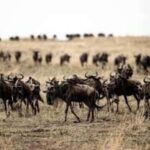
You’ll have picnic lunches inside the reserve, which is part of what makes this feel like a real safari day instead of a drive-and-check-box day. You’ll also go toward the Mara River area where wildebeest often cross into Mara from Serengeti. Even though it’s not guaranteed on every day, it’s smart that the itinerary is built around that river zone because that’s where the drama tends to happen.
This day also includes the kind of wildlife that’s easy to miss when you only do short drives: resident hippos and crocodiles at the Mara River banks are a major clue that you’re in the right water-and-predator zone.
Day 3: Maasai Mara to Nakuru—optional culture stop, then rhino time
Breakfast first, then checkout, then your next leg starts. There’s an optional Masai village visit for $20 per person, which can add context if you want to balance wildlife with a human lens. If you skip it, you’ll still make steady progress toward Lake Nakuru.
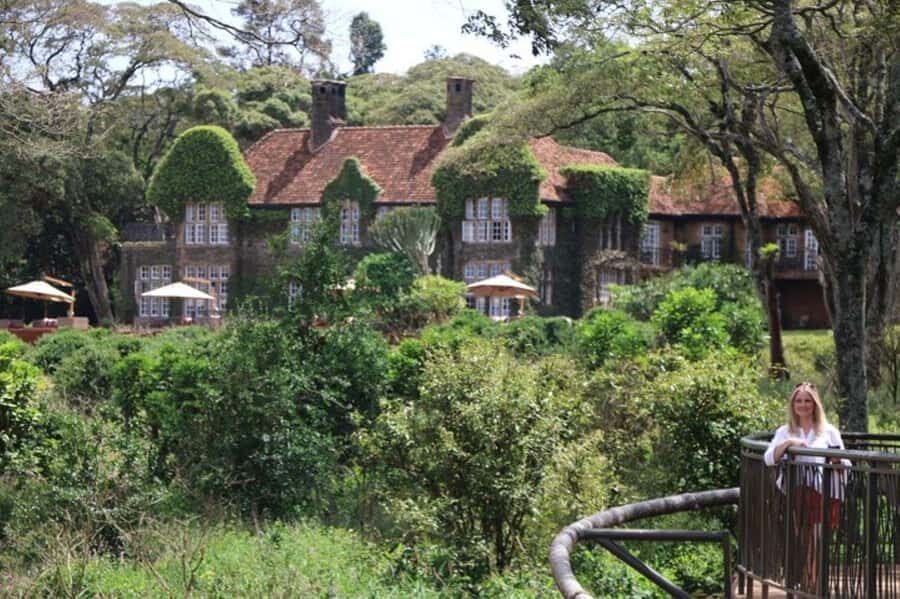
Then it’s a drive to Nakuru, arriving in time for lunch. After that you’ll have downtime and an overnight stay at a lodge/camp area such as Lanet Matfam or similar.
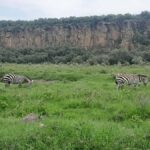
Nakuru is a smart pivot day. The moment you leave Mara, the wildlife “texture” changes. It’s less open-sky plains chasing and more of a concentrated park feel with birds, rhinos, and a strong chance to see animals in calmer, photo-friendly settings.
Day 4: Lake Nakuru + Naivasha lunch + Hell’s Gate biking + boat ride on the lake
This day is packed, and that’s a good thing—Rift Valley days are usually your “wow” days because everything clusters in a short time.
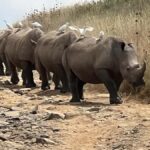
You depart by 7:00 AM straight to the park for a game drive focused on Lake Nakuru. This is where you’re looking for white rhinos—rare and very much a centerpiece species for many visitors. Flamingos can also be possible, since the park can host pink flamingos depending on conditions.
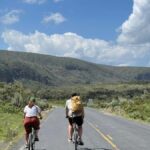
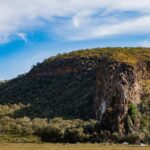
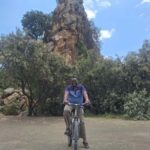
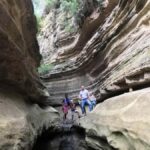
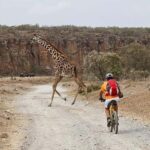
The game drive is about 3 hours, then you move on to Naivasha with roughly a 1-hour drive and lunch at Astorian Hotel (or similar timing at that point in the day). After lunch, you head to Hell’s Gate for a biking safari.
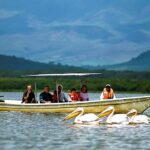
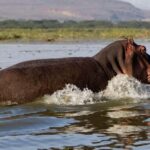
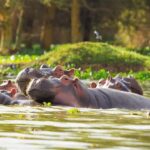
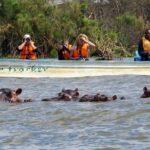
Then you finish the day with a 1-hour boat ride on Lake Naivasha. The focus is practical: bird watching and hippo viewing. If you like seeing animals through a slower, calmer lens—without the constant engine noise of a jeep—that boat portion can be a highlight.
For biking day, plan for comfort. You’ll want sunscreen, water, and shoes that work on uneven ground. The tour doesn’t describe gear details, so don’t assume anything will be provided for you.
Day 5: Naivasha to Amboseli—classic Kilimanjaro views and big-plain safari energy
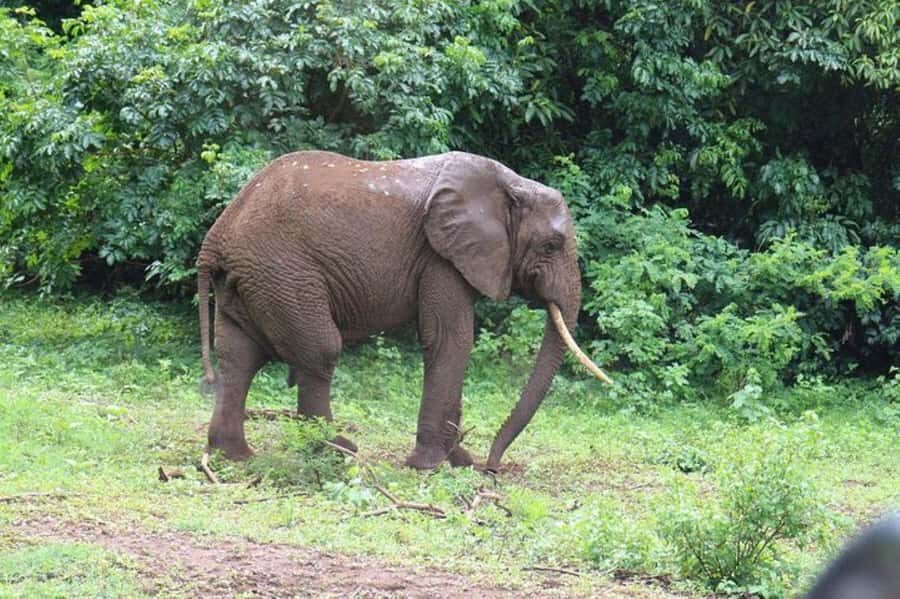
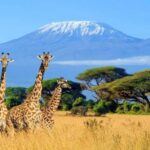
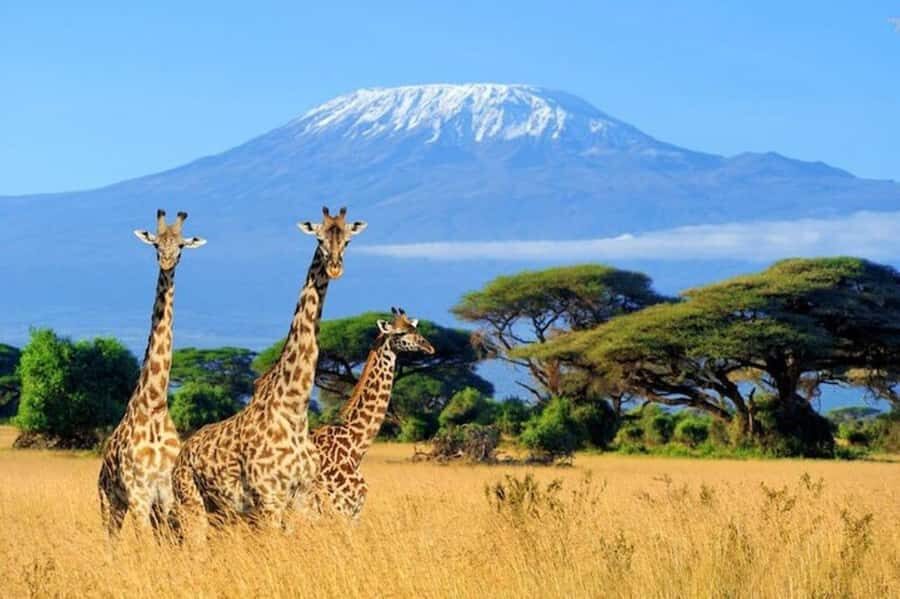
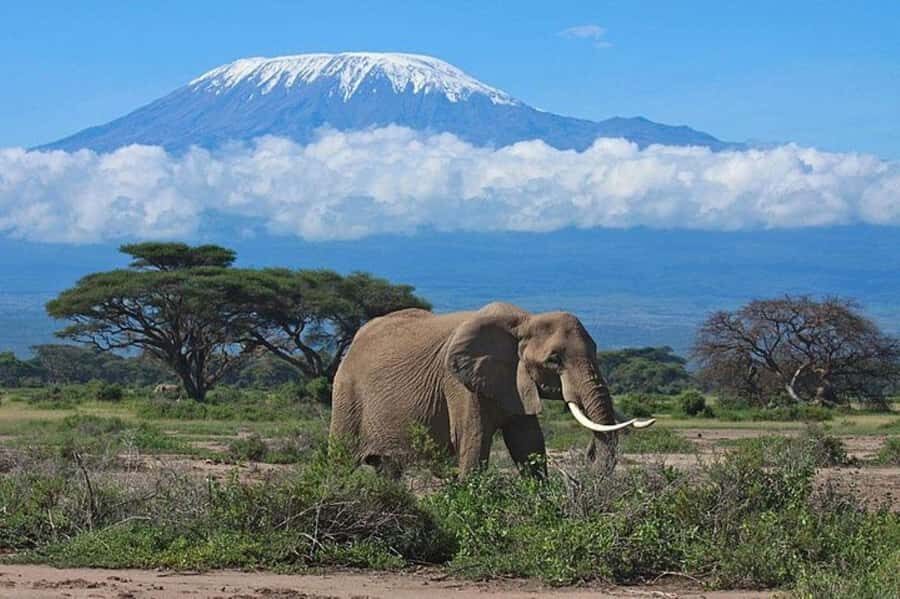
Breakfast and then you drive to Amboseli National Park, famous for the way Mount Kilimanjaro can dominate the scenery. When conditions cooperate, it’s one of the most iconic safari backdrops in East Africa.
You arrive for lunch, then check in at Amboseli Wildbeest Camp or similar and get a short rest. The afternoon includes an evening game drive with views of Kilimanjaro across the park’s open areas.
This is where the safari “feels” different. Amboseli’s open plains can make spotting easier in some ways, but animal movement can also be spread out, so you’ll still be doing lots of scanning from the jeep.
Day 6: Amboseli full day—elephants, giraffes, cheetahs, and a viewpoint that pays off
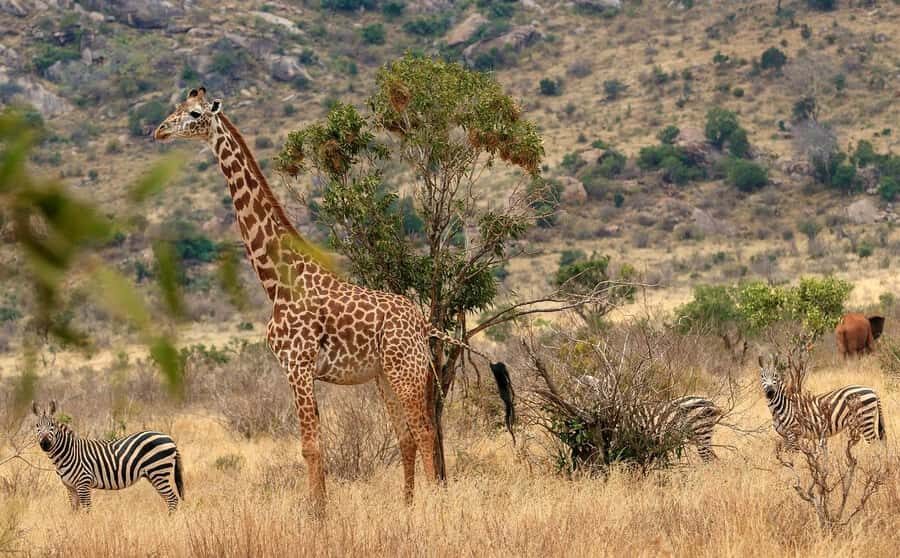
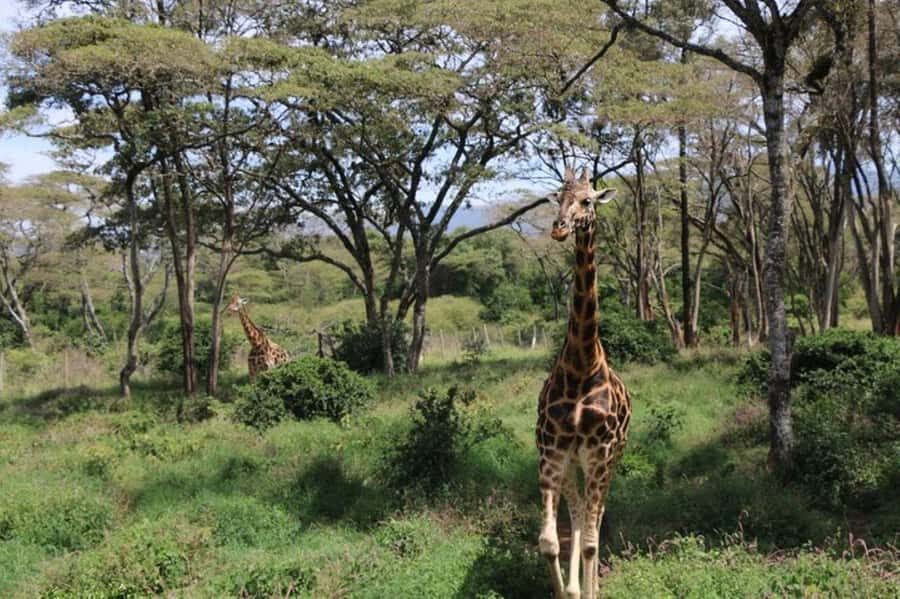
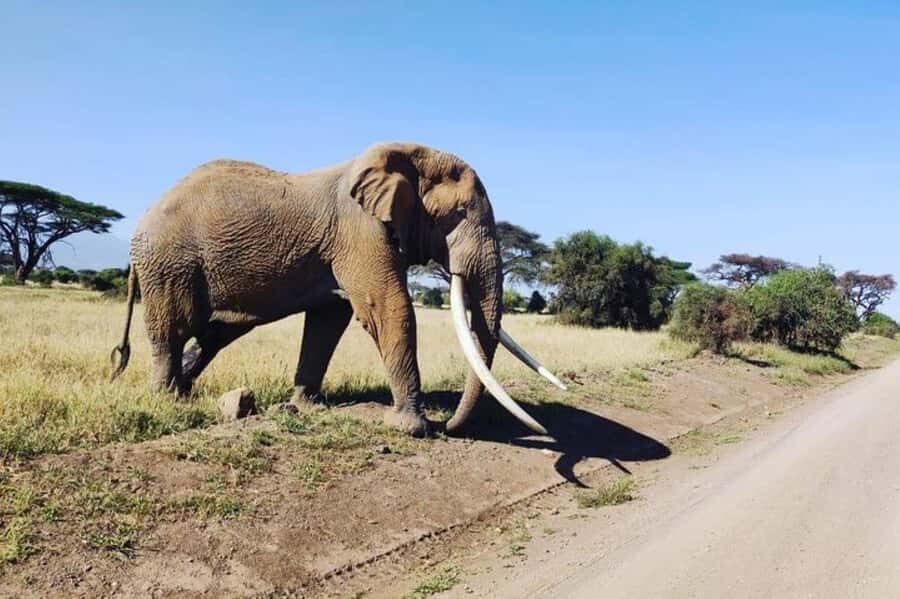
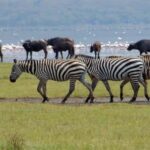
Today is the longest Amboseli day. After breakfast, you spend the day in the park. Amboseli is known for large elephant herds, and it’s also where you can see a wide range of other animals like giraffes, zebras, cheetahs, and lots of birds.
There’s also a named viewpoint area: Observation Hill, which gives panoramas of the peak and the park’s plains and swamps. That matters because it gives you moments off the road where you can see how the environment connects—water, marshy areas, and grazing zones that pull animals into the same general “working lanes.”
If you care about photos, this kind of viewpoint time helps you get more than just vehicle-window shots.
Day 7: Amboseli back to Nairobi—end the trip with a clean finish
After breakfast, you check out and return to Nairobi. You’ll be dropped at your hotel or the airport.
For many people, that last day is about not rushing your packing. You’ve already done the wildlife-heavy days—so keep an eye on your timing, but don’t expect anything dramatic on the drive home.
How the group-to-private split changes your experience
One of the defining features here is the pacing split. The itinerary runs first as group joining from Nairobi to Naivasha, then becomes private from Lake Naivasha to Amboseli.
In plain terms: the first part can mean more waiting around for everyone to arrive, and your schedule may feel more “managed by the group.” The second part can feel smoother and more flexible because you’re not coordinating with as many different travel parties.
This is also where a real-world detail from past experiences matters. One guide and provider coordination story included an external transfer request handled well, but there was also a situation where a detour for other guests added about 3 hours to a transfer drive. The takeaway for you is simple: if you have a tight follow-on schedule, build a buffer.
What made the experience shine in real-world feedback
The strongest praise centers on organization and communication. One reviewer credited Faith for quick replies and regular WhatsApp check-ins during the journey—basically making it easier to relax because you’re not wondering what happens next.
Guide reliability also came up clearly. Another reviewer highlighted Castro for being punctual each morning and reacting quickly when animals were spotted. That kind of responsiveness can make a real difference on safari, because good sightings often don’t last long.
There was also praise for handling special requests beyond the standard plan. An extra transfer plus a train-related add-on were described as perfectly carried out. That’s a meaningful detail for you if you want your safari to mesh with a second leg of your trip.
The main caution from feedback is value perception. One review called the tour overpriced. Others were happy with the outcome and even mentioned seeing both the Big Five and the so-called Ugly Big Five. The practical middle ground: treat the price as good value only if you plan to use the included game drives and accept that entrances and other fees come later.
Who this tour fits best (and who should think twice)
You’ll probably love this safari if you:
- Want Big Five-focused travel without building your own route
- Like variety: river action in Mara, rhinos and birds in Nakuru, bike + boat in Naivasha, then elephants and Kilimanjaro views in Amboseli
- Appreciate guided structure, professional English-speaking guiding, and game drives that are planned around timing
You might think twice if you:
- Are ultra budget-first and don’t want to deal with extra costs like park entrances (not included)
- Have very tight onward travel plans and can’t absorb possible detours during group segments
- Only want one park and don’t want the day-to-day movement
Should you book this Kenya Big 5 safari?
If your priority is a strong, organized Big Five circuit with real diversity across parks—and you’re okay budgeting for park entrances—you should feel good about booking this kind of itinerary.
I’d especially consider it if you care about the special pieces: the Mara River crossing zone planning, Lake Nakuru’s rhino focus, the Hell’s Gate biking, and the Lake Naivasha boat ride. Those moments are what turn a safari from a list into a story you remember.
Just do one thing before you pay: confirm how you’ll cover entrance fees and any optional extras you might want, and keep a little cushion in your calendar for the group portion of the trip.
FAQ
Where does the safari start and end?
The tour starts with pickup in Nairobi and ends with a drop-off in Nairobi at your hotel or at the airport.
Which parks are included on the 7-day route?
The itinerary includes Maasai Mara National Reserve, Lake Nakuru National Park, Hell’s Gate National Park, Lake Naivasha area activities, and Amboseli National Park.
Do you get game drives and what kind of vehicle is used?
Yes. You’ll have game drives using a 4×4 cruiser jeep with a pop-up roof for easier animal viewing.
Is there a boat ride during the trip?
Yes. You’ll do a boat ride on Lake Naivasha for bird watching and hippo viewing.
Is there a biking activity included?
Yes. The itinerary includes a biking safari in Hell’s Gate National Park.
What wildlife viewing is the tour specifically focused on?
It’s Big Five oriented, with special emphasis on white rhinos at Lake Nakuru and Mount Kilimanjaro views across Amboseli. You may also see hippos, crocodiles, elephants, giraffes, zebras, cheetahs, and lots of birds depending on conditions.
What is not included in the tour price?
Visa fees, international flights, park entrances, and personal expenses are not included.