REVIEW · NAKURU
4 Days 3 Nights Masai Mara, L.Nakuru Jeep.
Book on GetYourGuide →Operated by Resorto Africa Tours · Bookable on GetYourGuide
Rift Valley days feel unreal fast. This 4-day Maasai Mara and Lake Nakuru jeep safari packs prime wildlife time, with a pop-up roof Land Cruiser built for clear game viewing and photos, plus full-board stays in budget hotels. I especially love the early morning game drives, when animals feel active and the savannah is at its most alive.
My other big win is the variety: you get classic Masai Mara Big Five action, then shift gears to Lake Nakuru’s bird-heavy shoreline with standout sightings like the Rothschild giraffe and massive pink-flamingo flocks. One key consideration: park entrance fees and optional add-ons cost extra, and the exact add-on experience can vary by day and operator choices.
In This Review
- Key takeaways before you book
- Day 1: Nairobi to Maasai Mara, with Rift Valley viewpoints and an afternoon hunt
- Day 2: Masai Mara sunrise to picnic lunch, and the Mara River game-changers
- Day 3: Masai Mara checkout and the 5-hour transfer to Lake Nakuru
- Day 4: Lake Nakuru early game drive, then birding along the lake shores
- Vehicle, guide, and group rhythm: why this affects your sightings
- Where the $332 price really lands: value math and extra costs you must plan
- Wildlife expectations: what you can hunt for in each park
- What to bring (and what to avoid) for fewer headaches
- Who this safari fits best
- Should you book this 4-day Masai Mara + Lake Nakuru jeep safari?
- FAQ
- Are park entrance fees included in the safari price?
- What kind of vehicle is used for the game drives?
- What meals are included?
- Does the tour include accommodation?
- Is a Maasai village visit included?
- Do I need to bring drinking water?
- Can I cancel for a full refund?
- Is pickup included, and where does it happen?
Key takeaways before you book
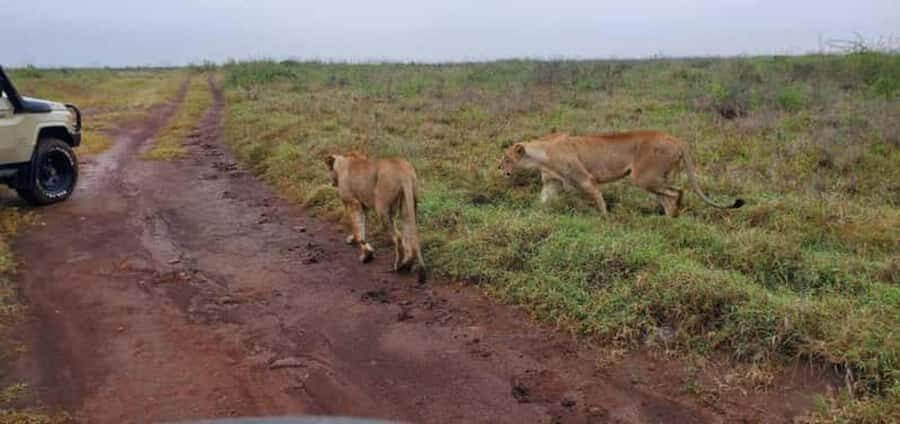
- Pop-up roof Land Cruiser for easier spotting and better wildlife photos from the jeep
- Two very different parks: predator-heavy Mara drives, then Nakuru’s lake and birding focus
- Mara River timing window for the wildebeest migration season (July to October)
- Full board at budget hotels, so you’re not spending time hunting meals after long drives
- Optional cultural visit to a Maasai village costs extra, and you’ll want to confirm it in advance
Day 1: Nairobi to Maasai Mara, with Rift Valley viewpoints and an afternoon hunt
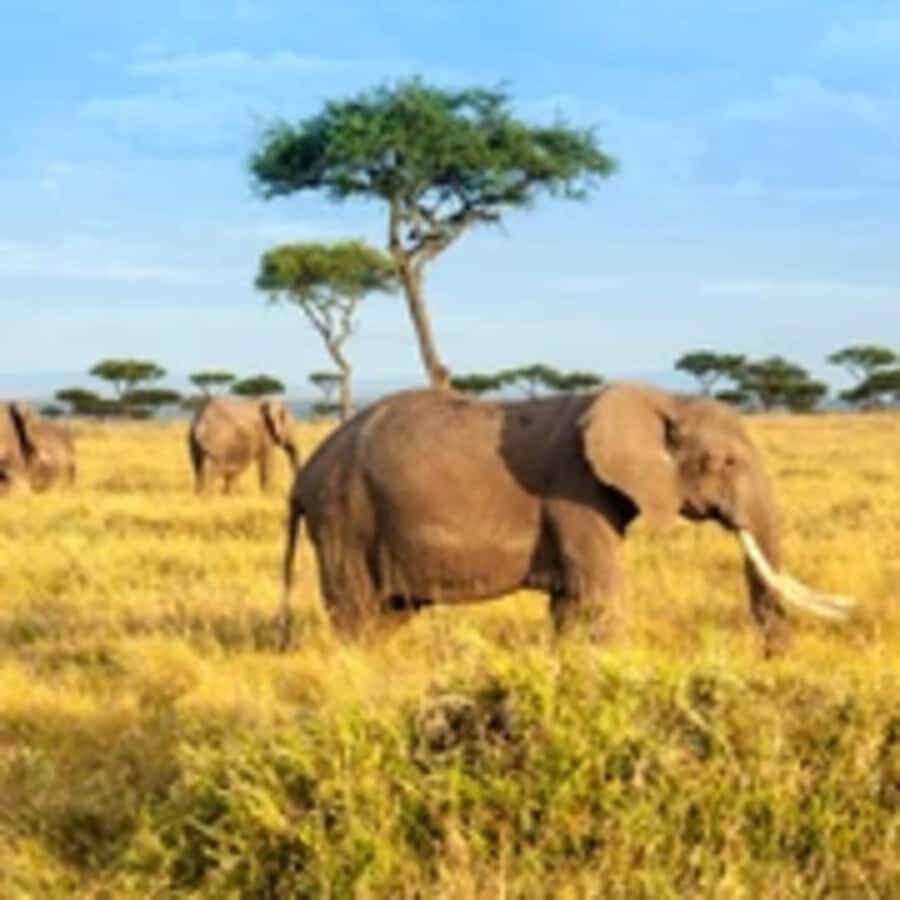
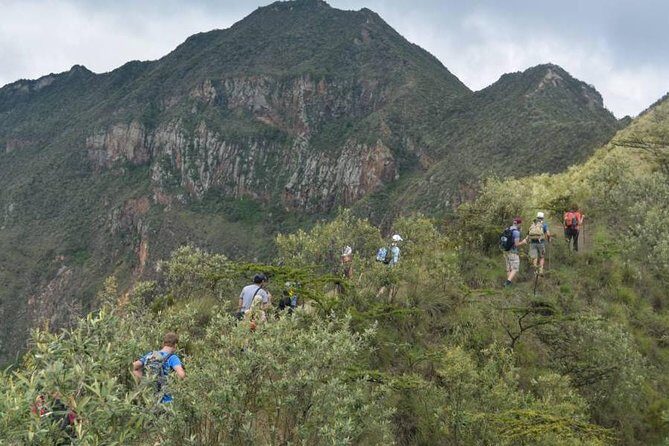
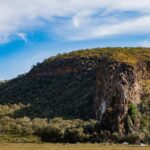
Day 1 starts with an early push out of Nairobi. The drive to Masai Mara takes about 5–6 hours, and it’s not just “getting there.” Along the way, you pass through scenery around the Great Rift Valley area, with stopovers at viewpoints where you can step out, stretch, and take photos before the safari pace takes over.
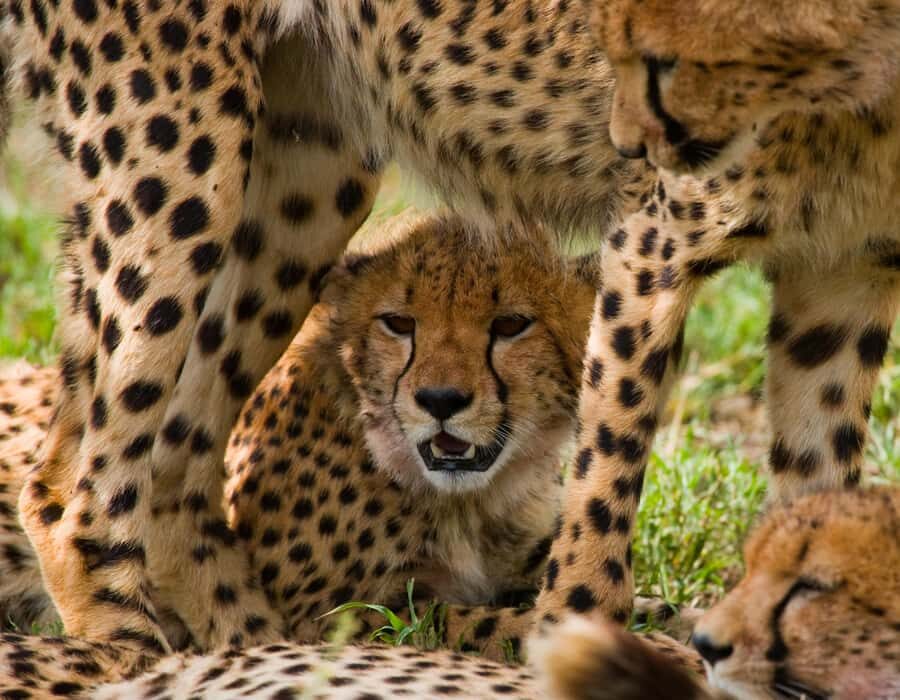
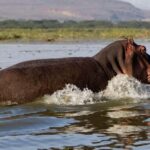
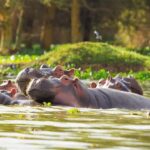
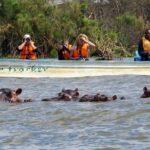
Once you arrive, you check into a budget hotel in Masai Mara and have time for lunch. Then comes the best part of the day: an afternoon game drive. Expect a wide cast of safari stars—lions and cheetahs (when luck is with you), plus hartebeests and wildebeest moving across the plains. You’re also likely to spot elephants and buffalo, and you may even see animals that pop up near water, like hippos.
As the light drops, the Mara often turns into a “small details matter” kind of place. You might catch Maasai giraffes, baboons, warthogs, and foxes, while predators and scavengers track the rhythm of the day. Dinner is back at the hotel, and since it’s a long travel day, you’ll be glad you’re not planning meals or transport separately.
A few more Nakuru tours and experiences worth a look
Day 2: Masai Mara sunrise to picnic lunch, and the Mara River game-changers
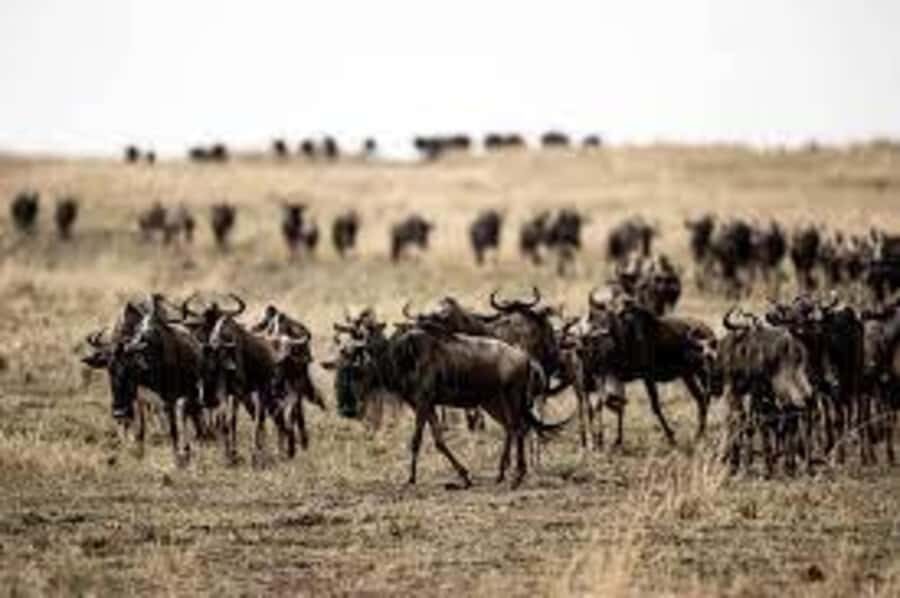
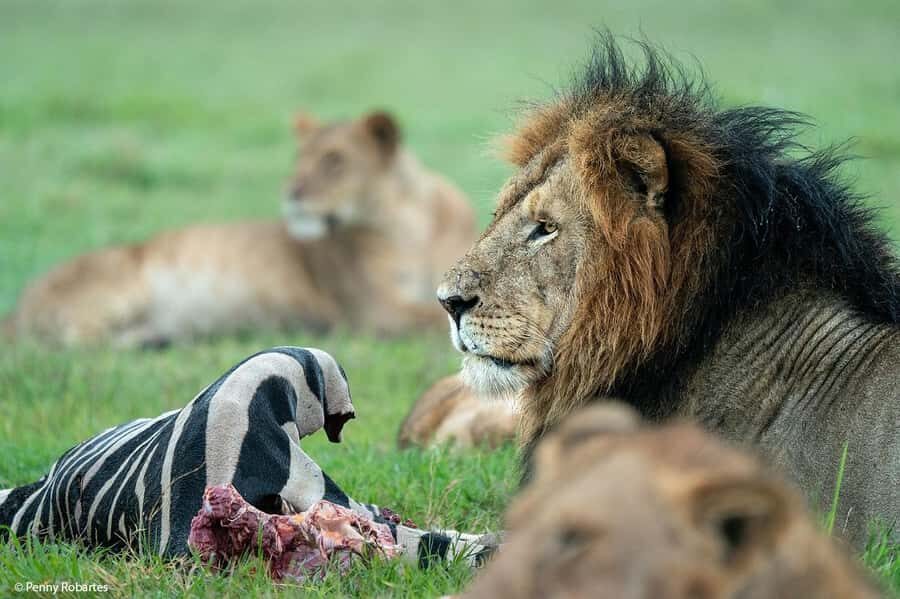
Day 2 is the real engine of the trip: a full day of safari in Masai Mara National Park. It starts with an early morning game drive, which is the smartest time to look for predators. The sun rises over open savannah, herbivores graze, and hunters often use the quieter light to make their moves.
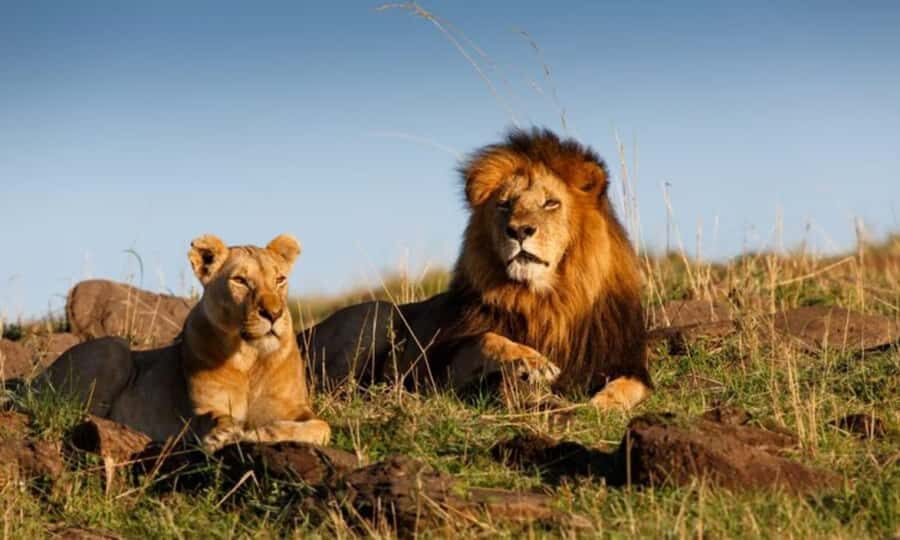
This is the day you focus on the Big Five—lions, leopards, elephants, buffaloes, and (when conditions allow) white or black rhinos. The route can shift depending on where animals are, but the goal stays the same: keep scanning, keep moving, and try to turn sightings into clear moments you’ll remember.
At some point, you’ll take a break for a bush picnic lunch inside the reserve. That break matters because it makes the day feel like more than just driving. You still get the safari atmosphere—sounds, heat, and wildlife energy—but with food and time to reset.
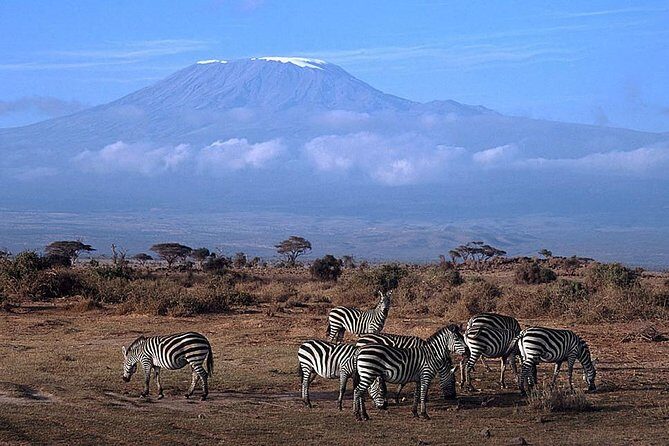
Then you head toward the Mara River, because it’s a major stage for the wildebeest migration, which happens each year from July to October. If your trip falls in those months, this is when the safari can feel extra dramatic. If it’s outside that window, you can still expect wildlife concentration around water areas, which is useful in its own way.
You return to your hotel in the evening for dinner, and that’s where the full-board setup earns its keep. You don’t need to hunt for restaurants after a long day on rough roads.
Day 3: Masai Mara checkout and the 5-hour transfer to Lake Nakuru
On Day 3, you check out of Masai Mara and head for Lake Nakuru National Park. The drive is about 5 hours, so you’ll spend a good chunk of the morning moving from one ecosystem to another.
You also have an optional cultural stop: a visit to a Maasai village along the park boundaries. If you choose this, it costs $20 per person, so treat it as an add-on you decide intentionally, not something you assume is included. It can be a good palate-cleanser after two days of wildlife focus—just make sure you confirm the timing so it doesn’t squeeze your game-viewing plans.
When you arrive at Lake Nakuru, you’ll have lunch and then check into a budget hotel. This day is designed more for transition and recovery than for peak game-drive intensity. You’ll refresh, rest, and be ready for the morning of Day 4, when Nakuru’s lake-area wildlife can be excellent.
Day 4: Lake Nakuru early game drive, then birding along the lake shores
Day 4 begins early again. You’ll head out for a morning game drive in Lake Nakuru National Park, aiming for active wildlife when visibility is best.
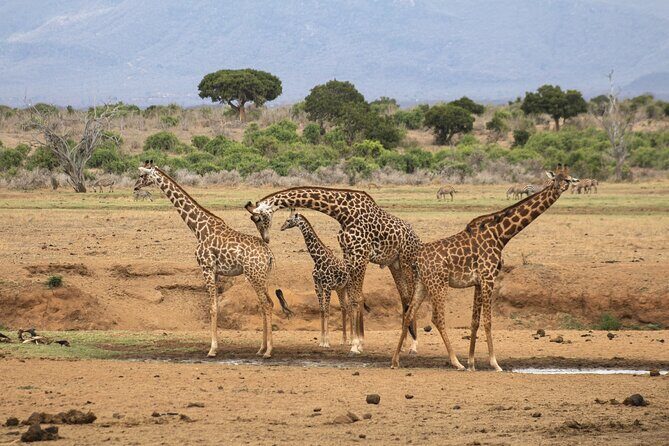
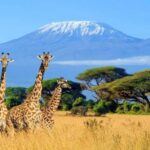
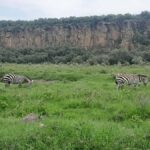
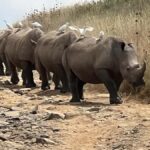
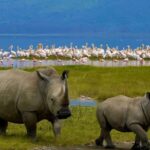
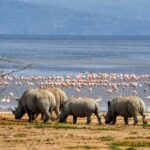
Lake Nakuru has a different “soundtrack” than the Mara. You’re still looking for larger animals—rhinos and buffaloes are specifically mentioned—plus the Rothschild giraffe, which is a standout because it’s not something you see everywhere on a short itinerary.
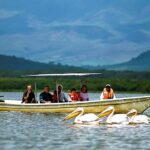
Then comes the signature Nakuru moment: the lake and its birds. You can expect thousands of pink flamingos, along with pelicans, cormorants, cormorants, ostriches, kingfishers, storks, herons, and eagles. This is one of those places where wildlife isn’t only about mammals and predators. It’s also about patterns—flocks, water activity, and the way the shoreline becomes a wildlife corridor.
After the morning safari, you return for lunch, check out, and transfer back to Nairobi. By the time you’re in the city, you’ll feel the trip’s rhythm: long drives, early starts, and reward-heavy game viewing concentrated into a short window.
Vehicle, guide, and group rhythm: why this affects your sightings
This safari uses a Land Cruiser group vehicle with a pop-up roof. That small detail matters. It makes it easier for you to see over heads and keep your camera aligned when animals appear at the edge of the road.
The guide component also shows up in reviews as a major factor. In one recent safari experience, the guide Cassandra Dan was praised for spotting hidden animals with impressive eyesight, especially during cloudy and rainy weather. The practical takeaway for you: a good guide changes your odds. They’ll know where to look, how to position the vehicle, and when to push forward to capture more sightings.
At the same time, one review also flagged a potential annoyance: the vehicle was changed multiple times during the trip, and the schedule wasn’t always clearly communicated in advance. That doesn’t mean your trip will be like that. But it does mean you should travel with a simple habit: confirm the next step each evening and ask what changes are expected before you get moving.
Where the $332 price really lands: value math and extra costs you must plan
The listed price is $332 per person for 4 days / 3 nights, but it’s essential to separate what’s included from what’s not. You’re getting a real value package on the big-ticket logistics: safari transport, accommodation, guide service, game drives, and meals.
Included:
- Transport in a Land Cruiser group (with pop-up roof)
- Full board at budget hotels in both parks
- English guide service
- Game drives
- En route lunch and meals on full board
Not included (and this is where your budget planning matters):
- Drinking water
- Park entrance fees
- Maasai village visit (if you add it): $20 per person
Park fees by season:
- Masai Mara:
- January–June: $200 for 2 entries
- July–December: $400 for 2 entries
- Lake Nakuru: $96 throughout the year
So your real “all-in” safari cost depends on your travel month. If you’re in January–June, park fees for Masai Mara are lower than mid-year. If you’re traveling July–December, plan on the higher Mara rate.
One more money note from real trip experience: an add-on boat safari showed up as a surprise extra in one case, priced at $20. I can’t promise that will happen on your dates. But I strongly recommend you ask ahead of time what optional activities might appear day-of, and what they cost.
Wildlife expectations: what you can hunt for in each park
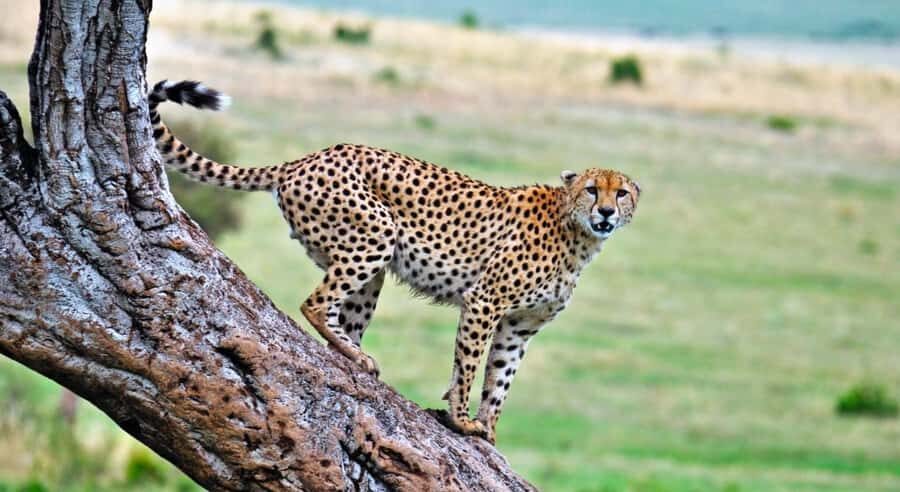
If you like “checklist safari” planning, this itinerary is built for it.
In Masai Mara, focus on:
- Big Five targets (lions, leopards, elephants, buffaloes, and rhino chances)
- Typical open-plains animals like wildebeest and hartebeests
- Water-related sightings like hippos when the schedule lines up
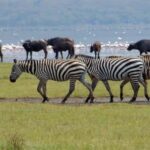
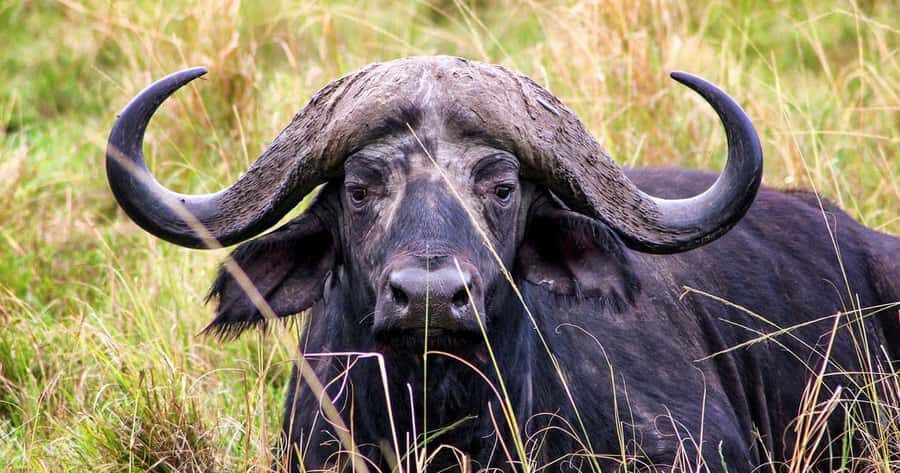
- A lot of “in-between” wildlife: giraffes, baboons, warthogs, foxes, jackals, and spotted hyenas
In Lake Nakuru, expect:
- Rhino and buffalo sightings (when conditions align)
- The Rothschild giraffe
- A strong birding moment: flamingos plus pelicans, cormorants, and other lake-shore species
You’ll see a mix of predator drama and calmer viewing. If your best wildlife memories usually come from one perfect close pass, early drives increase your odds. If you love birdlife and big animal behavior around water, Nakuru is the place to lean into.
What to bring (and what to avoid) for fewer headaches
The “small stuff” here can save you time and discomfort on safari.
Bring:
- Comfortable shoes
- Biodegradable sunscreen
- Comfortable clothes
- Binoculars
Avoid:
- Pets
- Alcohol and drugs
One practical tip: if you’re bringing binoculars, make sure they’re easy to grab fast. During game drives, the best sightings often happen quickly, and you don’t want to fumble with gear.
Who this safari fits best
This trip is a good match for you if:
- You want two famous parks in a short 4-day window
- You’re okay with early starts and long drives
- You like group safari comfort with a spotting-friendly vehicle
- You want full-board simplicity at budget hotels
It’s not suitable if you are pregnant, and the tour data also says it’s not for people over 95 years.
Should you book this 4-day Masai Mara + Lake Nakuru jeep safari?
I’d book it if you want a straightforward safari that hits the big wildlife highlights without making you plan meals, transport, or guides yourself. The pop-up roof Land Cruiser, full-board meals, and strong focus on early game drives make it feel efficient for the price.
I would pause and plan carefully if you’re trying to keep a tight total budget, because park entrance fees are a major additional cost and the Mara fee changes by season. Also ask questions about optional add-ons (like cultural visits) so you know what you’re paying for and when it happens.
If you’re ready to trade a bit of comfort for wildlife time, this is a solid choice.
FAQ
Are park entrance fees included in the safari price?
No. Park entrance fees are not included. Masai Mara entrance is $200 for 2 entries from January to June, and $400 for 2 entries from July to December. Lake Nakuru entrance is $96 throughout the year.
What kind of vehicle is used for the game drives?
The safari uses a Land Cruiser group vehicle with a pop-up roof, designed for easier wildlife viewing and photography.
What meals are included?
The safari includes meals on a full-board basis. That covers meals during your stay at the budget hotels in Maasai Mara and Lake Nakuru, plus an en route lunch.
Does the tour include accommodation?
Yes. You stay at budget hotels in Masai Mara and Lake Nakuru for the 3 nights included in the package.
Is a Maasai village visit included?
A Maasai village visit is optional and costs $20 per person.
Do I need to bring drinking water?
Drinking water is listed as not included, so you should plan to have water available for the trip.
Can I cancel for a full refund?
Yes. You can cancel up to 24 hours in advance for a full refund.
Is pickup included, and where does it happen?
Pickup is included if you’re staying within Nairobi CBD hotels, along Westands ABC Place, Mai Mahiu along the way, and Narok Town along the way.