REVIEW · NAIROBI
Nairobi’s Best:Elephants,Giraffes Center & Karen Blixen Tour
Book on GetYourGuide →Operated by Savannah Horizons Safaris · Bookable on GetYourGuide
Baby elephants change your mood fast.
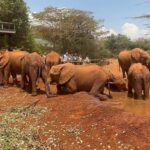
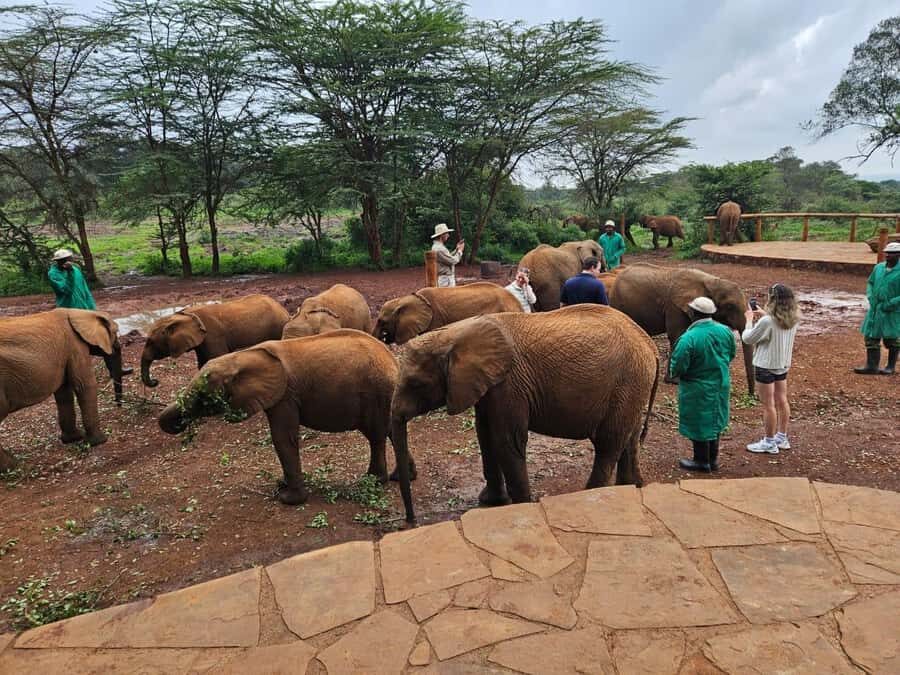
On this Nairobi half-day private tour, you go straight to David Sheldrick Wildlife Trust for a one-hour elephant orphanage presentation, with a real chance to get close to rescued babies under trained supervision. Two things I like a lot: the up-close elephant encounters and the structured, no-stress timing that gets you there for the presentation window. One drawback to plan for: the day can cost more than the base price once you add the separate elephant orphanage, giraffe center, and Nairobi National Park conservation fees (depending on what you choose).
This is the kind of outing that feels simple on paper but meaningful in person. You get hotel pickup, transport by private vehicle (open-top van), and a guaranteed slot—so you’re not wrestling with schedules. Also, the stop at Kazuri Beads and a craft shop makes the day feel more than a single animal visit.
If you care about animal-spotting, you may be in good hands. One English-speaking guide named Watson has been praised for finding lots of animals, which matters if your schedule includes a game-drive segment.
In This Review
- Key things you’ll notice on this tour
- David Sheldrick in Nairobi: why this works as a half-day
- The timing: 9:30 pickup, 10:45 arrival, lunch by 1:30
- The one-hour presentation and close elephant contact
- Craft shopping at Kazuri and the wood crafts store
- Optional add-ons: Giraffe Center, Karen Blixen Museum, and what costs extra
- Price and value: $32 base cost vs. the true day total
- The transport and comfort details that matter
- Who should book this tour, and who might not
- My take: should you book Nairobi’s Best elephants + Karen Blixen?
- FAQ
- FAQ
- What time does pickup happen for this tour?
- When do you arrive at the elephant orphanage?
- How long is the elephant presentation?
- Is there time for questions during the elephant visit?
- Does the price include the elephant orphanage entry fee?
- Is the giraffe center entry fee included?
- Is the Karen Blixen Museum entry included?
- What’s included in the tour price?
- Are food and drinks included?
- Should you book or not?
Key things you’ll notice on this tour
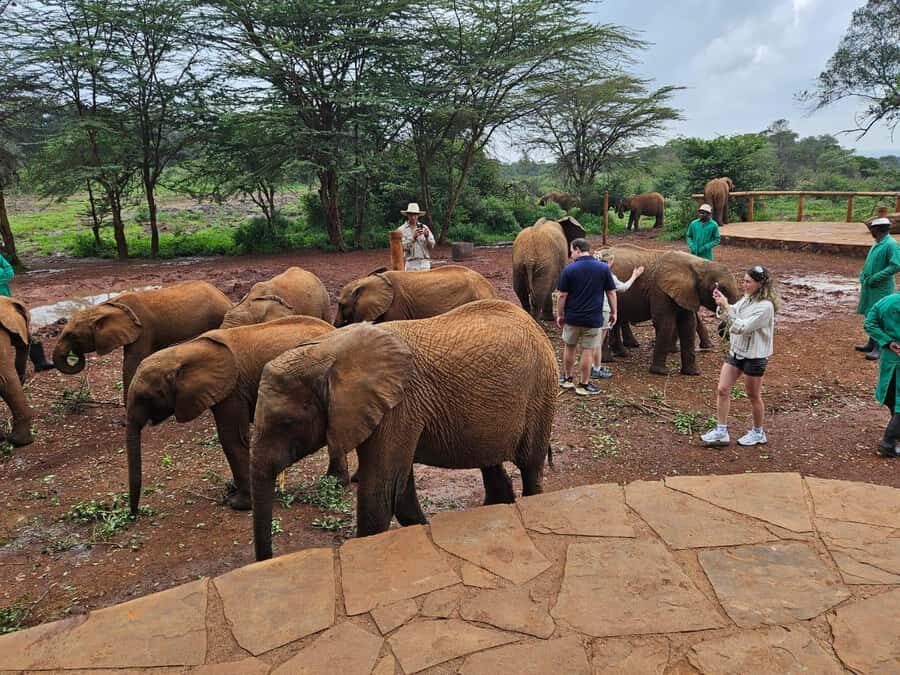
- David Sheldrick presentation runs for about one hour at 11:00, timed so you don’t miss the best viewing window.
- Close contact happens under supervision, so you can enjoy the moment without needing to guess safety rules.
- Kazuri beads and leather/craft stops give you practical shopping options for gifts and souvenirs.
- A private vehicle with hotel pickup keeps this low-fuss, especially if you want to avoid long taxi strings.
- Entry and park fees are separate, so you’ll want to budget for the extra tickets.
David Sheldrick in Nairobi: why this works as a half-day
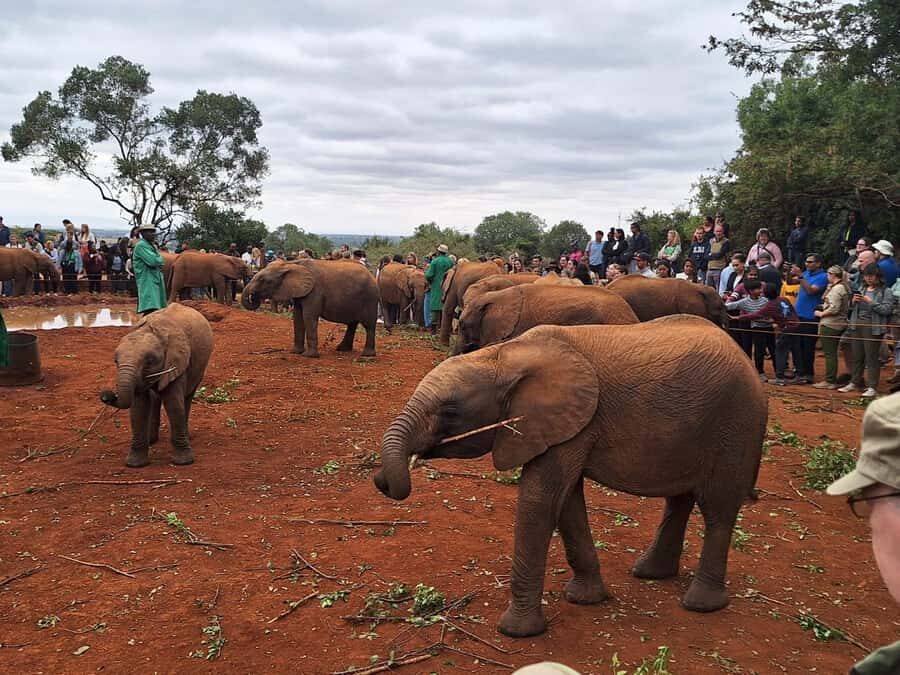
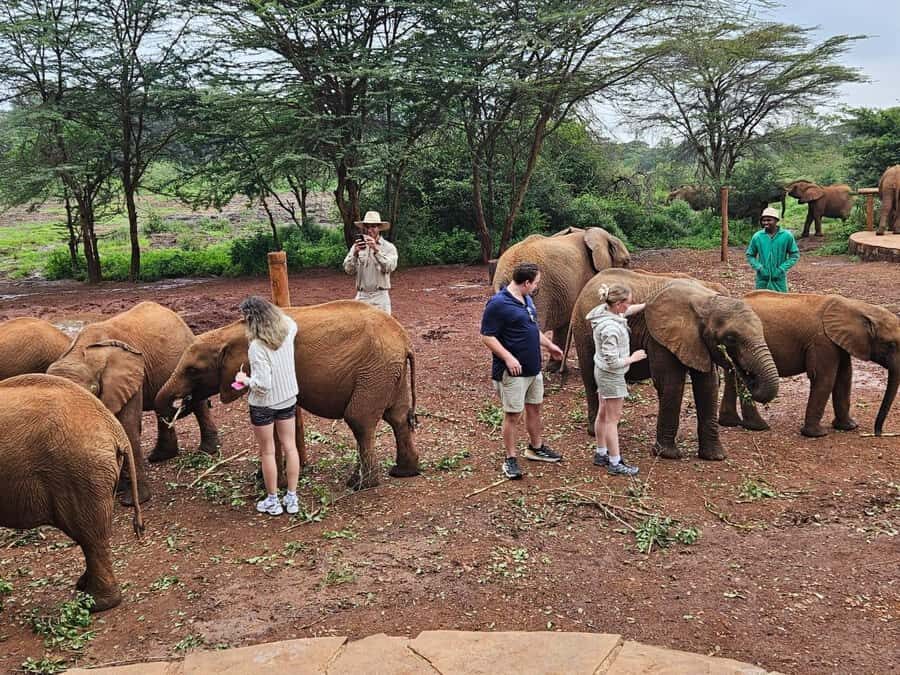
David Sheldrick Wildlife Trust is one of the best-known places in Kenya to see rescued orphaned elephants up close. The reason it’s so special isn’t just cuteness (though yes, it’s very hard to stay serious when baby elephants approach). It’s that you’re watching an active conservation effort in action—rescued calves raised and supported by a team of trained professionals.
You get a one-hour presentation, and that structure matters. Instead of wandering around without context, you start with an explanation of how the trust supports elephants and why those rescue-and-rehabilitation steps are so critical. Then you have time to ask questions and experience the close-contact viewing.
For many people, the emotional highlight is the contrast: tiny bodies, big presence, and a sense that these are not zoo animals doing a routine. They’re individuals in a conservation program. If you’re coming to Nairobi for wildlife without spending a full day driving, this is one of the more focused ways to do it.
You can also read our reviews of more tours and experiences in Nairobi.



The timing: 9:30 pickup, 10:45 arrival, lunch by 1:30
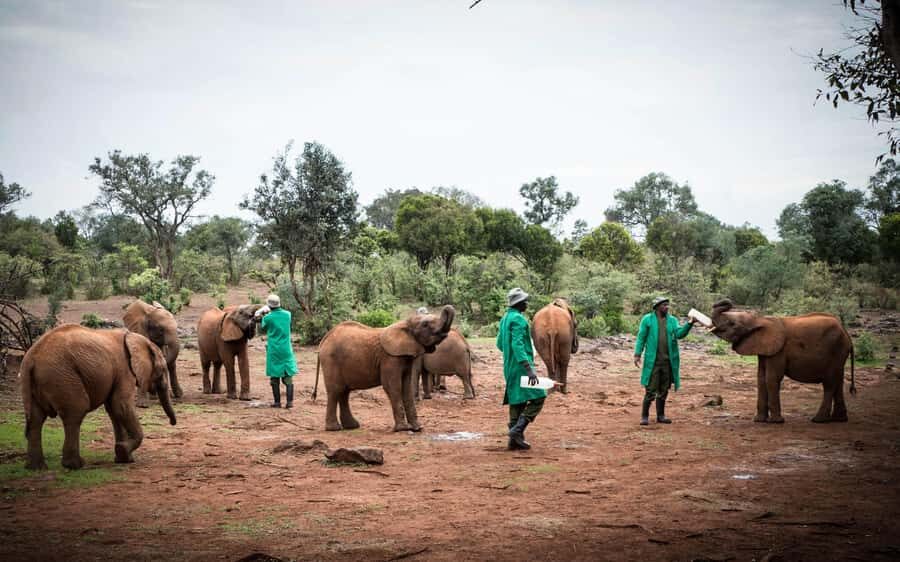
This tour is built like a schedule that respects your daylight. Here’s the flow you should expect:
- 9:30 am: pickup from your Nairobi hotel/residence.
- 10:45 am: arrive at David Sheldrick park.
- 11:00 am: presentation begins and runs for about 1 hour.
- After the presentation: you get time for questions and supervised close contact with the elephants.
- By 12:30 pm: you head toward a local wood crafts store for gifts, and you may also visit Kazuri beads.
- 1:30 pm: lunch is set for Nairobi Mamba Village.
- Later: your driver drops you back at your lodge.
Why that matters: you’re not burning the day in traffic. You’re catching the main elephant viewing at a set time, then stacking worthwhile cultural shopping stops afterward. It also helps you avoid that Nairobi problem where one delayed start can knock everything else off.
One practical tip: wear comfortable shoes and keep a light layer with you. You’ll be outdoors during transfers and waiting around for the elephant presentation window.
The one-hour presentation and close elephant contact
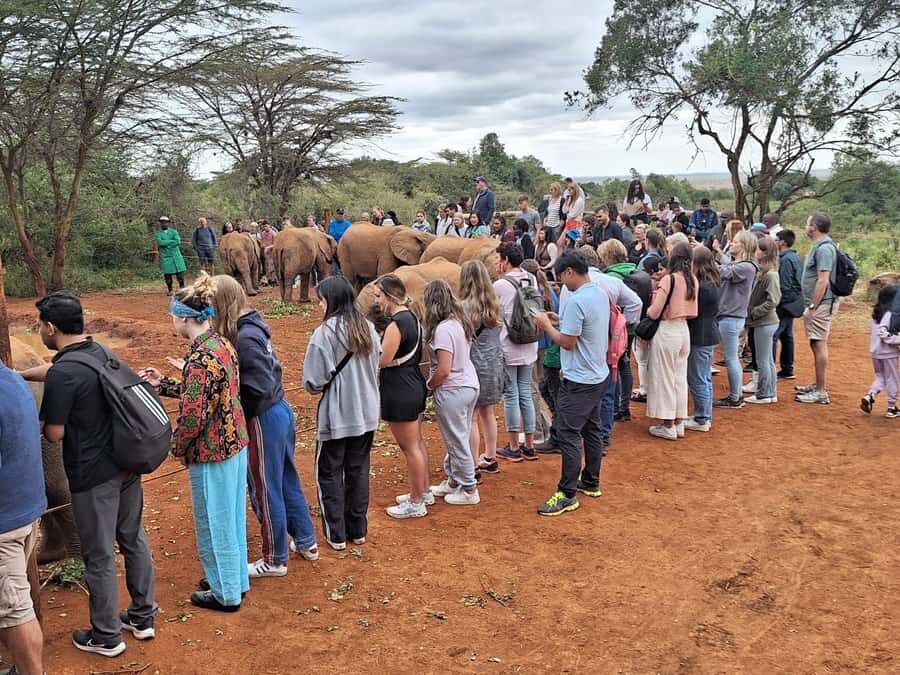
At 11:00 am, the presentation kicks off for about an hour. This is your best chance to understand what you’re seeing—rescue work, rehabilitation, and how elephants fit into broader conservation goals. You’ll have a window to ask questions too, which is where a good guide/driver can really help you connect the dots between the calmness you feel at the viewing gate and the serious work happening behind the scenes.
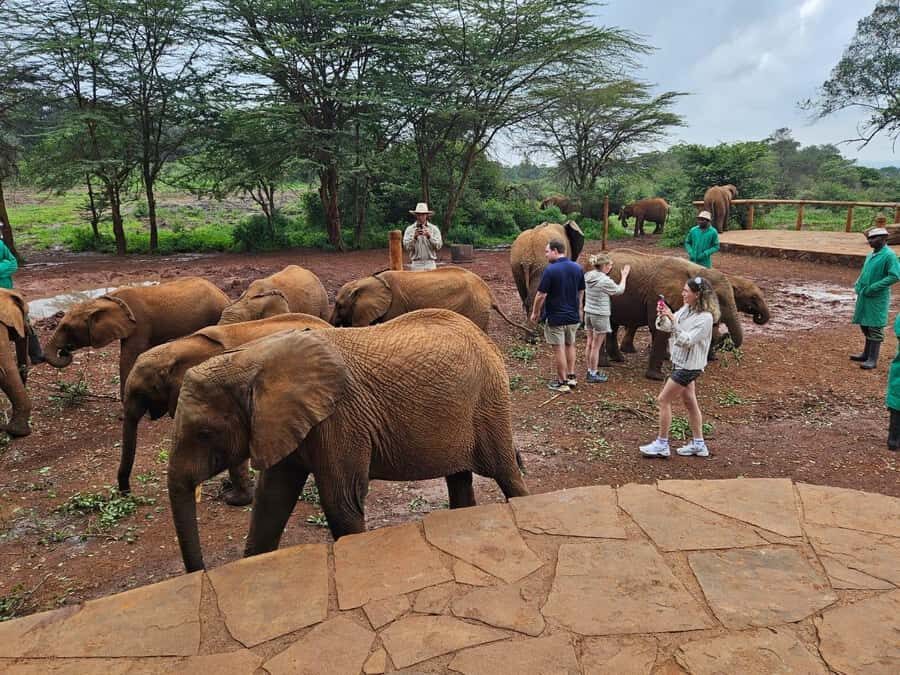
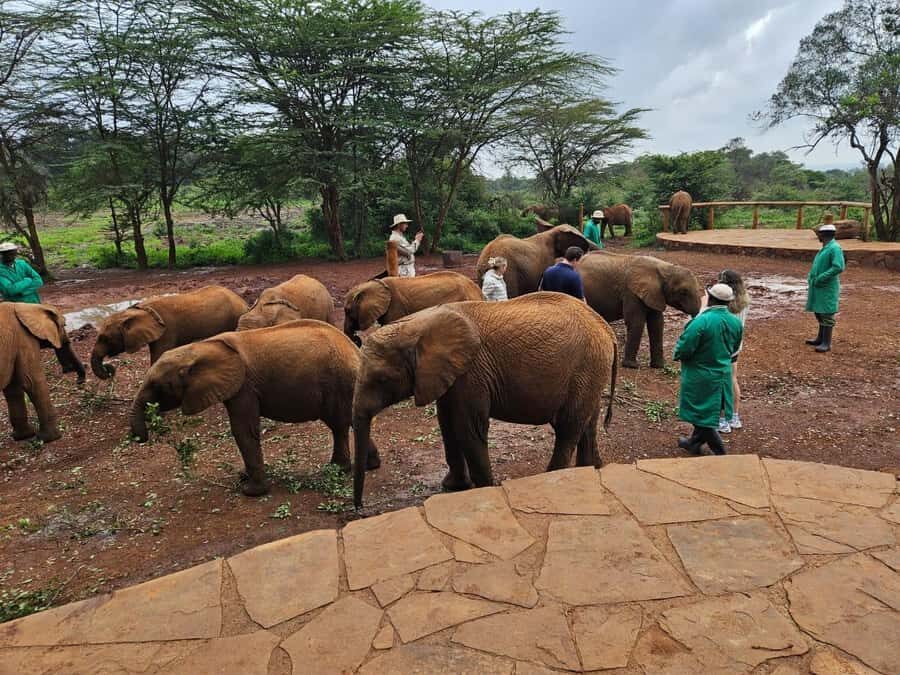
After the presentation, you’re given supervised close contact. That’s important. Elephant viewing can go from magical to stressful if rules are unclear. Here, the design is that you’re interacting under the watch of trained professionals, so you can focus on the moment instead of worrying you’re missing a safety detail.
Also, you should expect that this portion of the day is the emotional center of the tour. The craft stops are fun, but the elephant time is the reason most people book. If you’re the type who wants wildlife experiences with context, the question period helps a lot.
Craft shopping at Kazuri and the wood crafts store
After the elephant portion, you move into shopping mode—without it turning into a chaotic market sprint.
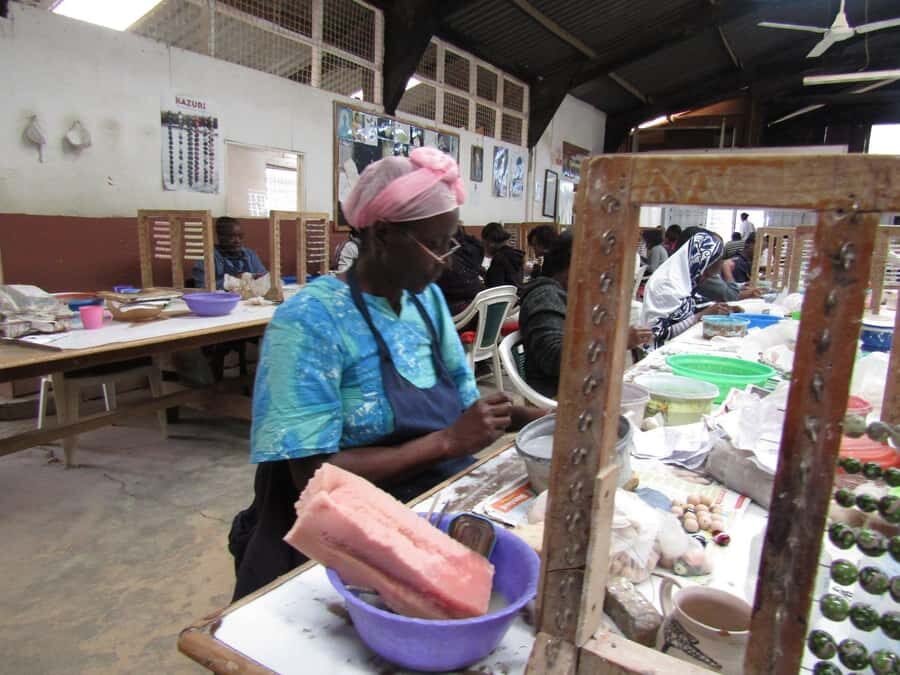
By around 12:30 pm, you’re driven to a local wood crafts store for gift shopping. Then you can visit Kazuri beads as part of the experience (your schedule makes room for it during this afternoon window).
Kazuri beads are popular for a reason: they’re a recognizable craft with good variety for souvenirs, and they’re a solid option if you want something you can’t easily get at home. You’ll also see leather factory-style stops referenced as part of the included experience, which suggests this tour is designed to give you multiple “buyable” cultural items, not just a quick photo stop.
Value angle: these shopping stops are worth it when they’re not rushed. Here, you’re given a block of time after the main elephant event, so you can browse calmly and compare items rather than buying the first thing that catches your eye.
One consideration: since the tour includes a guaranteed slot and a set timetable, you’ll want to have your gift budget in mind before you arrive. It’s easy to lose track of spending when baby elephants have just softened your resolve.
Optional add-ons: Giraffe Center, Karen Blixen Museum, and what costs extra
This experience is branded as Elephants, Giraffes Center & Karen Blixen Tour, but your exact add-ons depend on the option you choose. Here’s what’s clearly flagged as extra costs:
- Elephant Orphanage entry fee: $20 per person (depending on the option chosen)
- Giraffe Center entry fee: $15 per person
- Karen Blixen Museum / hotel: $12
- Nairobi National Park conservation fees: $80 per person plus $2 processing fee (via KWS eCitizen credit card link)
So the key idea: the base tour price is only part of your total. If you want all three experiences—elephants, giraffes, and Karen Blixen—you should plan for the separate tickets and park fees.
Also note a small but important reality check: one negative experience flagged that the total cost can feel higher than expected once you add the elephant orphanage and National Park entrance fees. That doesn’t mean the experience isn’t worth it—it means you should budget before you go, and confirm which sites are included in your chosen option.
If you’re trying to keep things simple, treat this as an elephant-first day and decide on giraffe and Karen Blixen based on your time and your budget.

Price and value: $32 base cost vs. the true day total
On paper, $32 per person for a private, half-day experience sounds like a good deal. The value comes from what’s handled for you:
- hotel pickup and drop-off
- private vehicle transport
- an English-speaking guide/driver
- bottle drinking water
- a guaranteed slot
- elephant presentation experience
- craft factory/ shopping stops (Kazuri and leather factory tour are listed as included)
But the day’s total depends on separate fees. Food and drinks are also listed as not included, though you’re scheduled for lunch timing at Nairobi Mamba Village. And park or site entry fees (especially elephant orphanage and Nairobi National Park conservation fees) can significantly change the total.
Here’s how to think about it:
- If your option includes only the elephant presentation plus craft stops, your spending stays relatively controlled.
- If your option bundles giraffe center and/or includes any Nairobi National Park driving, you’ll need to add those fees to your mental budget.
Practical advice: before you commit, ask yourself which parts you truly care about most. For many people, elephants + Kazuri + lunch timing is the sweet spot. If giraffes and Karen Blixen are must-dos, plan to pay the extra tickets so you don’t feel surprised mid-day.
The transport and comfort details that matter
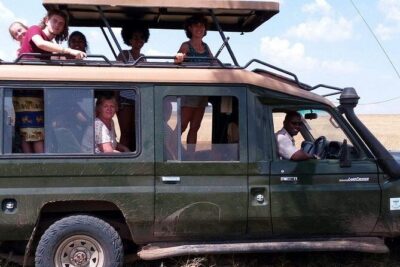
This is a private group tour using a private vehicle, with transport by an open-top van listed as part of the experience. That can be great for feeling connected to Nairobi’s pace, but it also means sun and movement are part of the experience.
The tour also includes skip the ticket line. That’s not a small thing. In a timed itinerary, saving minutes reduces stress, and it helps you get to the elephant presentation without feeling like you’re chasing your own schedule.
Other helpful inclusions:
- English live tour guide
- wheelchair accessible (so the operator is set up for accessibility needs)
- bottle drinking water
Who should book this tour, and who might not
This tour fits best if you want:
- a half-day Nairobi wildlife/conservation experience
- a structured elephant visit with a presentation and supervised viewing
- a blend of wildlife plus craft culture (Kazuri beads and wood crafts shopping)
- private transport so you’re not timing rides across town
It may be less ideal if you:
- hate adding multiple entry tickets to your plan
- want a long, slow itinerary with no fixed timings
- are very budget-focused and don’t want to pay separate site/park fees
If you’re traveling with kids, this is likely to land well because the elephant presentation is human-paced, scheduled, and designed for viewing with clear supervision. If you’re an adult who just wants the quickest path to the most meaningful elephant time, this format also works.
My take: should you book Nairobi’s Best elephants + Karen Blixen?
Yes, I’d consider booking it—with one condition: confirm exactly which add-ons your option includes so your total cost matches your expectations.
The elephant portion is the heart of the day, and this tour is organized around the elephant presentation time, with supervised close contact and time to ask questions. That’s a strong setup for anyone who wants the conservation context, not just a quick sighting.
Then you get a practical bonus: Kazuri beads and craft shopping, plus a lunch stop timing around 1:30. It’s a nice way to use your time in Nairobi without turning the day into a checklist of random stops.
Just don’t treat the headline price as your final number. Once you factor in elephant orphanage entry, possible giraffe center, and possible Nairobi National Park conservation fees, the final total is where you should decide.
FAQ
FAQ
What time does pickup happen for this tour?
Pickup is scheduled for 9:30 am from your Nairobi hotel/residence.
When do you arrive at the elephant orphanage?
You arrive at David Sheldrick park at about 10:45 am.
How long is the elephant presentation?
The presentation starts at 11:00 am and lasts for about 1 hour.
Is there time for questions during the elephant visit?
Yes. You’re given a chance to ask questions and interact with the friendly elephants under supervision.
Does the price include the elephant orphanage entry fee?
No. Elephant Orphanage entry fee is listed as extra at $20 per person (depending on the option chosen).
Is the giraffe center entry fee included?
No. The Giraffe Center entry fee is listed as $15 per person.
Is the Karen Blixen Museum entry included?
No. The Karen Blixen Museum hotel entry is listed as 12 USD and is not included.
What’s included in the tour price?
Included items are pickup and drop-off, private vehicle transport, driver/guide, bottle drinking water, transport by open-top van, a game drive component, Kazuri beads and leather factory tour, and a guaranteed slot.
Are food and drinks included?
Food and drinks are listed as not included. Hot coffee/tea is available for purchase, and alcoholic beverages are available to purchase.
Should you book or not?
If elephants are your top priority and you want private transport plus meaningful conservation context, this tour is a strong match. Just confirm your option’s extra fees (elephant orphanage, giraffe center, and any National Park conservation fees) so you can enjoy the day without budget surprises.