REVIEW · NAIROBI
3 Days to Maasai Mara N/R.
Book on Viator →Operated by PONGEZI AFRICA SAFARIS · Bookable on Viator
Three days. One big animal show.
This private Maasai Mara safari is built around classic wildlife timing: a Rift Valley stop on the way out, game drives at the best light of day, and nights sleeping right inside the reserve. You get picked up from your hotel (or the airport), then you spend the days chasing elephants, buffalo, lions, and more with a guide who can steer you toward where the action is.
What I like most is the setup for high-quality viewing: multiple game drives across three days, not just one or two rushed outings. I also like that meals and accommodation are handled, so you’re not doing the safari math every hour.
One possible drawback to plan for: this trip is very wildlife-focused, with early starts and set return times. If you’re trying to fit other Nairobi plans or a tight flight connection, the schedule can feel packed, so give yourself buffer time.
In This Review
- Key things that make this Maasai Mara safari work
- Leaving Nairobi: Rift Valley viewpoints and a smooth start
- Day 1 at Mara Sekanani Camp: afternoon game drives and sunset waiting time
- Full-day Mara River action: migration, crocodiles, and predator hunting
- Day 3 sunrise drive: early light, lion cub chances, and back to Nairobi
- What you’re really paying for: value at about $1,990 per person
- Guides and sightings: how private time changes everything
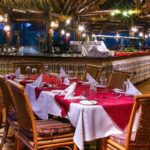
- Camp life at Mara Sekanani: meals, downtime, and the human side
- Practical expectations: timing, comfort, and what to pack
- Should you book this private 3-day Maasai Mara safari?
- FAQ
- What’s included in the tour price?
- Is this safari private or shared with other travelers?
- What time do you return to Nairobi on the last day?
- What animals does the safari focus on?
- Do you go to the Mara River during the trip?
- What fitness level is needed?
Key things that make this Maasai Mara safari work
- Camp inside the reserve: you wake up closer to wildlife and spend more time on game drives.
- Rift Valley viewpoint stop: a quick scenic break before the Mara game country.
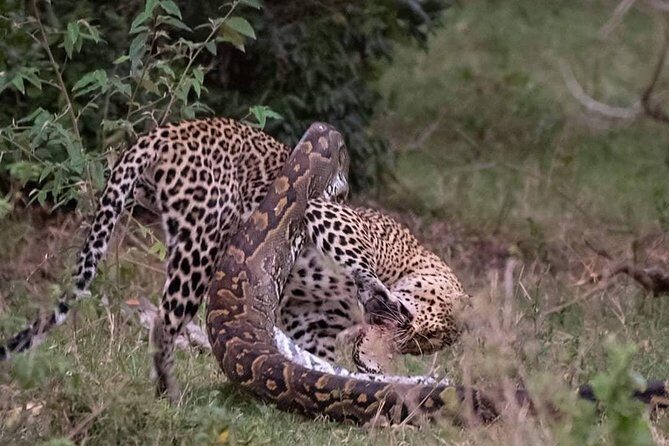
- Mara River migration timing: a full day aimed at river crossings and predator drama.
- Sunrise and sunset drives: more animals are active during low light, plus the sky is unreal.
- Private safari for your group: you’re not sharing the experience with strangers.
Leaving Nairobi: Rift Valley viewpoints and a smooth start
Your safari starts with pickup from your hotel or from Jomo Kenyatta International Airport. That matters more than people think. In Kenya, roads and timing can make or break the first day, and a managed transfer keeps you from losing half a day just getting sorted.
Before you reach Maasai Mara, you stop at a viewpoint of the Great Rift Valley. It’s not a long stop, but it’s a useful one: you get a quick sense of why this region is so dramatic. Then you roll into the Mara area for lunch at Mara Sekanani Camp, which helps you settle in before the first real drive.
Fitness-wise, you should be comfortable with a day that includes travel, time in a safari vehicle, and long stretches outdoors. The trip calls for moderate physical fitness, which usually means you can handle sitting for hours and moving around camp without needing special accommodations.
A few more Nairobi tours and experiences worth a look
Day 1 at Mara Sekanani Camp: afternoon game drives and sunset waiting time
After lunch, you head out around 15:30 for your first game drive. The timing is intentional. Late afternoon in Maasai Mara is when many animals start moving again, and the light makes it easier to spot coats, stripes, and movement at distance.
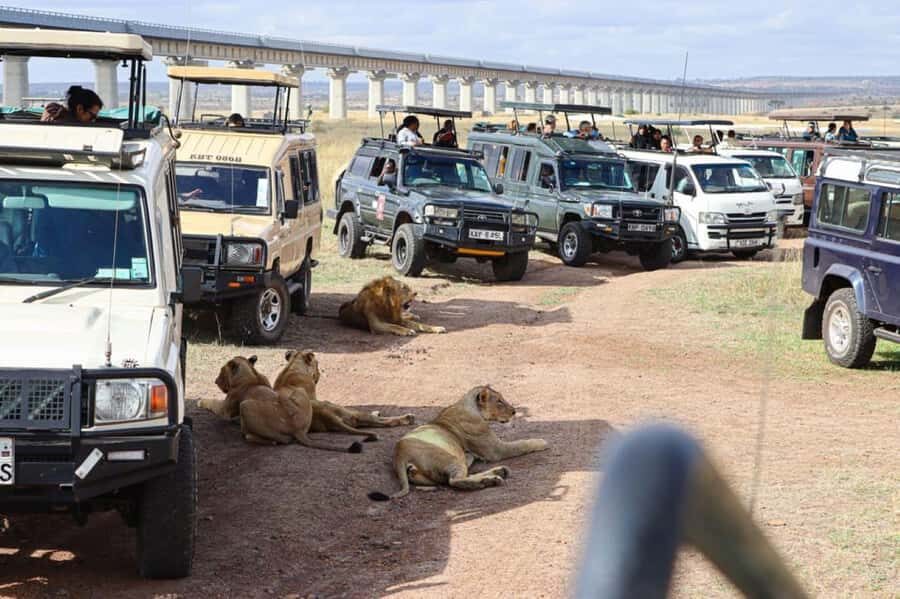
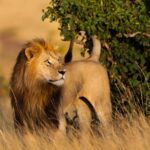
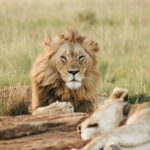
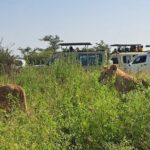
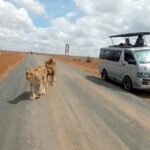
During this drive, you’re looking for big, classic species like elephants, African buffalo, and lions. Even when wildlife sighting is unpredictable, this is the smartest way to structure Day 1: you arrive, eat, settle, and then go out during the “sweet spot” for animal activity and visibility.
Then comes the part people remember most: the sunset. You’re scheduled to wait for it and return to camp around 16:30. That gives you two wins:
- you’ll get the best sky colors without staying out so long you’re exhausted
- you’ll preserve energy for the longer day ahead
Sleeping at Mara Sekanani Camp inside the reserve adds something subtle but real. You’re not leaving the wildlife area every day; you’re in the game country. That tends to make the whole trip feel tighter and more “alive,” especially at dawn when everything is quiet except the birds.
Full-day Mara River action: migration, crocodiles, and predator hunting
Day 2 is your biggest wildlife day. You’ll do a full day game drive with a picnic lunch, for about 9 hours. This is where Maasai Mara stops being a location and starts being a story you can watch in real time.
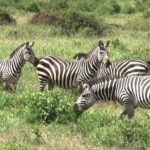
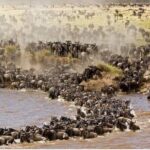
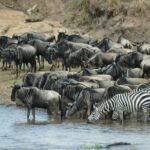
Your guide takes you toward the Mara River, timed for the migration. The dramatic highlight here is the river crossing: wildebeest and other migrators moving through a narrow stretch of water while predators take advantage. Crocodiles are a key part of this drama, and the schedule specifically calls out that interaction.
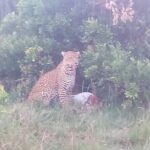
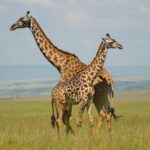
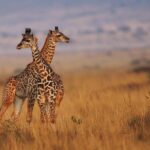
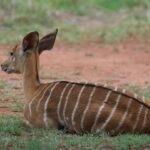
This day is also about variety. In addition to wildebeest, you’re set up to look for cheetahs, leopards, hippopotamus, giraffes, and even a chance at the black rhinoceros. That last one is a big deal because it’s not a guaranteed sighting anywhere; you’ll want to keep your expectations flexible and let your guide do the searching.
A practical tip: plan to be patient. On long safari days, the best sightings often happen after a bit of waiting. Your job is to stay alert and ready for sudden movement—your guide’s job is scanning and position-finding so you don’t spend hours parked in the wrong place.
Also, think of Day 2 as your “return on investment” day. You’re paying for time in the reserve, guided drives, and the logistics that let you focus on seeing animals instead of figuring out routes, meals, and entry. A long, structured day like this is exactly how that value shows up.
Day 3 sunrise drive: early light, lion cub chances, and back to Nairobi
On Day 3, you head out early for animals while they’re active. The schedule also includes a sunrise focus, which is both a viewing advantage and a mood advantage. Dawn drives often deliver calmer roads, clearer sight lines, and less heat haze than midday.
What you’re aiming for includes lion cubs, plus cheetahs and other wildlife. The idea is simple: go when animals move, not when they rest. Being back by breakfast is also part of the design. You’re scheduled to return before 09:00, then you leave for Nairobi at 10:00 with lunch on the way.
Back in Nairobi, you’re dropped at your residence or at Jomo Kenyatta International Airport. If you’re flying, this is the key timing to watch: you’ll likely still have a half-day rhythm ahead of you once you’re back, but you won’t have an extra “buffer day.” Plan your return flight carefully so you’re not rushing straight out the door.
One more thing: three days in Maasai Mara can feel both short and intense. The schedule includes early mornings, a full day, and a sunset wait. That’s great for wildlife, but it means you’ll want to rest well in camp and keep your packing simple.
What you’re really paying for: value at about $1,990 per person
At $1,990 per person, this is not a budget safari. But value isn’t just cost; it’s what you get for the money.
Here’s what’s clearly covered:
- Round-trip transfers from your hotel or the airport
- All meals during the safari period
- Accommodation at Mara Sekanani Camp
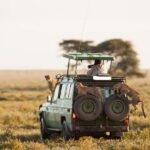
- Transport in a safari vehicle
- Game drive entry is marked as free for the reserve
So the big part of what you’re buying is time and ease. You’re not coordinating lodging, deciding where to go each day, or paying separately for basic safari necessities. You also get a private setup for your group, which usually means more flexibility in how long you stay with sightings.
Where value can vary is in what you’re expecting from the whole trip. Since the program is built around wildlife viewing, if you want lots of separate add-ons—like extra cultural activities beyond what camp life provides—you might need to spend more. If you’re happy with a tight wildlife schedule, the price-to-experience ratio tends to make more sense.

Guides and sightings: how private time changes everything
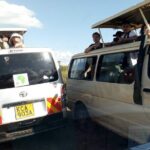
This is a private safari, meaning your vehicle and guide are focused only on your group. That matters in Maasai Mara, where the best sightings often depend on where you are and how quickly you can reposition.
From the experience style people describe, the standout factor tends to be the guide’s animal knowledge and route decisions. Names like Joseph and Weru show up as examples of guides who keep things running smoothly, know where to go, and help you get better viewing angles.
Even with an excellent guide, remember one reality: wildlife isn’t scheduled on a clock. The Mara River crossing and predator drama can be spectacular, but other big cats may appear when conditions line up. Your best strategy is to stay adaptable, listen to your guide, and be ready to move.
If you want your safari to feel extra good, ask your guide before each drive what they’re prioritizing that day. It doesn’t have to be a formal talk. Even a simple plan—today is “river action” versus “search for big cats”—helps you understand why you’re spending time where you are.
Camp life at Mara Sekanani: meals, downtime, and the human side
A lot of safari experiences fail because the “off time” is terrible. Not here. You’re scheduled for lunch at camp, then you return for the evening at a reasonable time on Day 1, and you’re back each night for lodging inside the reserve.
What people often praise is the camp food and the service. In other words, you can eat well after long drives, and you’re not stuck in a miserable routine between sightings. That makes a difference because safari days are mentally draining. Good meals and friendly staff help you reset so you’re not running on fumes for sunrise on Day 3.
You may also see some Masai culture in the way the camp environment connects with the local community. The program itself is focused on wildlife drives, but camp life is where cultural details often show up naturally—through interactions and daily routines.
Practical expectations: timing, comfort, and what to pack
This tour moves at safari speed. That means:
- Early start for the sunrise drive on Day 3
- a full 9-hour day on Day 2
- a late afternoon drive and sunset waiting period on Day 1
For comfort and visibility, you’ll want to dress for big temperature swings. Even if daytime feels warm, mornings and evenings can cool off quickly in the reserve.
Pack for long days outdoors:
- binoculars if you have them (not mandatory, but helpful)
- a light rain layer
- sun protection (hat, sunscreen)
- layers for early mornings and evening wind
- a camera strap or secure bag for quick shooting
Also, set your expectations about wildlife photography. When the action happens—like river crossings—things move fast. You’ll get better shots if you keep gear ready rather than unpacking every time.
Should you book this private 3-day Maasai Mara safari?
Book it if:
- you want a true wildlife-first itinerary with multiple drives
- you like the idea of sleeping inside the reserve rather than commuting out
- your group prefers private time and a guide who can focus on your sightings
- you’re excited for sunrise and sunset game viewing
Consider booking something different (or adding extra planning) if:
- you have a very tight flight schedule and hate early-morning logistics
- you’re hoping for a lot of scheduled culture stops beyond what camp life naturally offers
- you want lots of open free time without structure
If your main goal is to maximize animal time in Maasai Mara over three focused days, this is a strong fit. It’s not trying to be everything. It’s trying to put you where the animals are, at the times that matter most.
FAQ
What’s included in the tour price?
The price includes round-trip transfers (from your hotel or airport), all meals, accommodation at the camp, transport, and access for the game drives (listed as admission ticket free). You also receive a mobile ticket.
Is this safari private or shared with other travelers?
It’s a private tour/activity, so only your group participates.
What time do you return to Nairobi on the last day?
On Day 3, you have breakfast before 09:00, then you leave for Nairobi at 10:00. You’ll be dropped at your residence or at Jomo Kenyatta International Airport.
What animals does the safari focus on?
You’ll be searching for elephants, African buffaloes, lions, giraffes, cheetahs, leopards, hippopotamus, and more. The schedule also mentions chances to see black rhinoceros.
Do you go to the Mara River during the trip?
Yes. Day 2 is designed as a full-day drive toward the Mara River during migration, with attention on the wildebeest crossing and crocodiles.
What fitness level is needed?
The trip calls for moderate physical fitness, which generally means you should be comfortable with long days, early starts, and spending time outdoors in a safari setting.