REVIEW · NAIROBI
6 Days Masai Mara, Lake Nakuru and Amboseli Budget Group Safari
Book on Viator →Operated by JungleRoam Safaris (Kenya) · Bookable on Viator
Elephant country meets flamingo lakes in six days. This budget group safari links Masai Mara for Big Five-style action, Lake Nakuru for serious flamingo viewing, and Amboseli for jumbo elephants plus Kilimanjaro views. I especially like the rhythm of early starts and long enough game-drive blocks in Mara, and I also like how meals are planned with picnic lunches so the day keeps moving. One real tradeoff: Lake Nakuru is scheduled with shorter game-drive time than Masai Mara and Amboseli.
What also caught my attention is the human side. In feedback tied to JungleRoam Safaris, guides like Francis and Solomon earn credit for spotting animals and staying calm when you have lots of questions, with support from people such as Chesi in the background. On safari, that matters, because your best sightings often come down to patience and getting into the right viewing spot at the right time.
In This Review
- Key things to know before you go
- A budget route that hits Kenya’s biggest icons
- Nairobi to Masai Mara: the 7:30am start and the Rift Valley viewpoint
- What to watch for
- Masai Mara’s big five chances: two days, including migration season expectations
- Why this full-day pacing works
- What you’ll likely focus on
- Lake Nakuru: flamingos, rhino possibilities, and bird-life overload
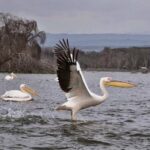
- The real Nakuru highlight: flamingos at the shore
- The tradeoff to accept
- Amboseli National Park: jumbo elephants and Kilimanjaro in the frame
- The Kilimanjaro photo strategy
- Day 5 and Day 6: why two mornings in Amboseli is a smart bet
- Group size and the real feel of a “small group” safari
- What you’re really paying for at $1,130
- Food, comfort, and the early-morning tradeoff
- How the guide makes or breaks your sightings
- My booking advice: who this safari is for
- Should you book this 6-Day Masai Mara, Lake Nakuru, and Amboseli safari?
- FAQ
- How long is the safari?
- Where does the tour start in Nairobi, and what time does it begin?
- What parks are included in the route?
- Is Mt. Kilimanjaro included in the experience?
- Will I be able to see flamingos?
- Is a Masai village visit part of the trip?
- What meals are included?
- Are park admission tickets included?
- What group size should I expect?
- What is the cancellation policy?
Key things to know before you go
- Masai Mara drives are the main event: two full days devoted to this park, with picnic lunches inside.
- Flamingos at Lake Nakuru are the headline: the lake is packed with Greater and Lesser flamingoes.
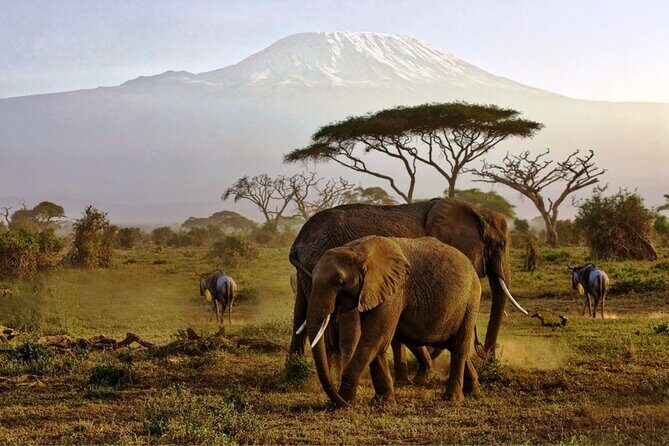
- Amboseli is built around elephants and Mt. Kilimanjaro: expect early chances for big sightings and photos.
- Picnic lunches help keep the pace: you’re not stuck hunting for food between parks.
- Group size cap is high (up to 105): it’s still a group safari, so expect some busyness during pickups and departures.
- You get optional culture time: a Masai village visit can be added on the Lake Nakuru day.
A budget route that hits Kenya’s biggest icons
This is one of those safari routes that tries to do a lot without pretending it’s private. In six days you’re moving through three of Kenya’s most famous areas: Masai Mara, Lake Nakuru, and Amboseli. You’re also stacking three different styles of wildlife viewing—open savanna predator country, lake-edge bird life, and elephant-dense plains with Kilimanjaro in the frame.
For value, the smart thing here is the structure: you’re not just “driving past” places. You have dedicated game-drive time in Masai Mara, then you shift to Lake Nakuru for its signature wildlife, then you spend two game-drive mornings in Amboseli for elephants and mountain views. That’s exactly what most budget travelers want: enough time to make the wildlife the point of the trip, not just the background.
A few more Nairobi tours and experiences worth a look
Nairobi to Masai Mara: the 7:30am start and the Rift Valley viewpoint
Your day begins in Nairobi with a 7:30am meeting on Biashara Street. From there, you’ll head toward Masai Mara, using a stop at a Rift Valley viewpoint to stretch the trip with a real “wow” moment before you get into game-viewing mode.
This first day is about positioning. You’ll have lunch en route, then once you check in, you go out for an afternoon game drive. That sequence is practical: it gets you past the long “travel fog” early, so you still have time to see wildlife when your energy is decent.
What I like about this setup is how it reduces wasted daylight. On many short safaris, Day 1 turns into pure transit. Here, you start with sightseeing on the way and still get into the reserve before the day ends.
What to watch for
Your biggest early-game challenge is usually visibility and timing. Afternoon drives can be great for big cats if the sightings line up, but if you’re chasing the most iconic moments, you’ll want to treat Mara’s second day as your top priority.
Masai Mara’s big five chances: two days, including migration season expectations
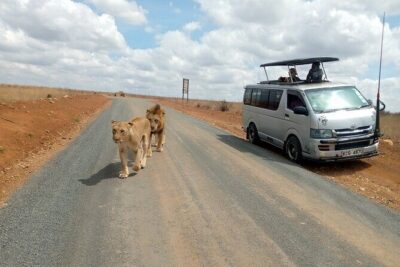
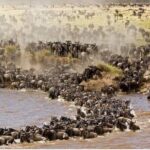
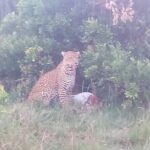
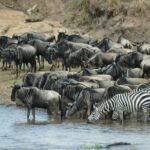
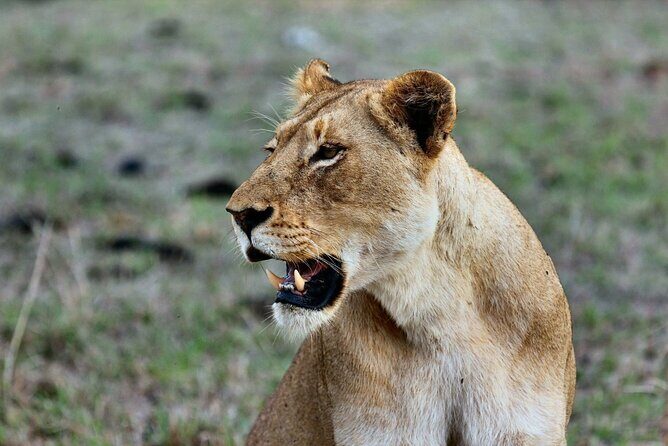
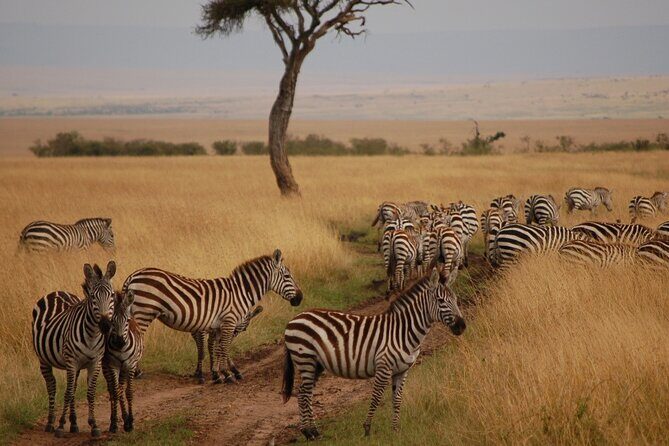
Masai Mara is where the safari magic gets serious. You’ll spend a full day exploring Masai Mara looking for the Big Five and big cats, with picnic lunches inside the reserve. This is also where the schedule leans into the famous wildebeest migration story—millions of wildebeest and zebra moving across the region, with predators following in their wake.
Here’s the honest way to frame this: migration viewing depends on season and movement patterns, and no budget itinerary can guarantee it. But Mara is famous because when timing clicks, you get the kind of raw, cinematic animal behavior that’s hard to reproduce anywhere else.
Why this full-day pacing works
A full day in the Mara helps in two ways:
- You get more chances to find animals that prefer different parts of the day.
- You’re not “rushed” into leaving the moment you hit a slow patch.
It also gives your guide more time to work the terrain. On safari, you’re constantly trading between shade, waterholes, and grass height. Having time to adjust is what turns a good day into a memorable one.
A few more Nairobi tours and experiences worth a look

What you’ll likely focus on
Even if the Big Five don’t all show up, Masai Mara is a predator playground and a herbivore magnet. Expect plenty of grazing action, then the cat-and-crocodile-level attention shift when movement gathers. In practical terms: keep your camera ready, but also keep your eyes open for the small signals—where the animals are facing, where attention concentrates, and how quickly the group shifts its focus.
Lake Nakuru: flamingos, rhino possibilities, and bird-life overload
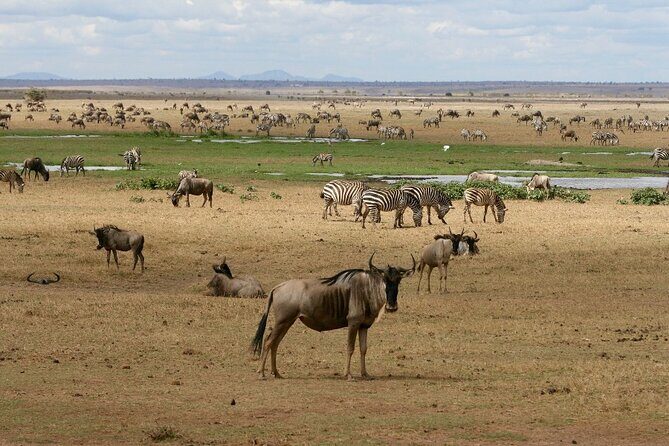
Lake Nakuru is a sharp change of pace. After early breakfast, you travel to the park with a picnic lunch en route and arrive in the evening. There’s also an optional Masai village visit option that can be added on the way.
This is a great day for two reasons. First, you’re heading into a “signature habitat” rather than staying purely on open savanna. Second, Lake Nakuru is built for people who love wildlife variety—especially birds.
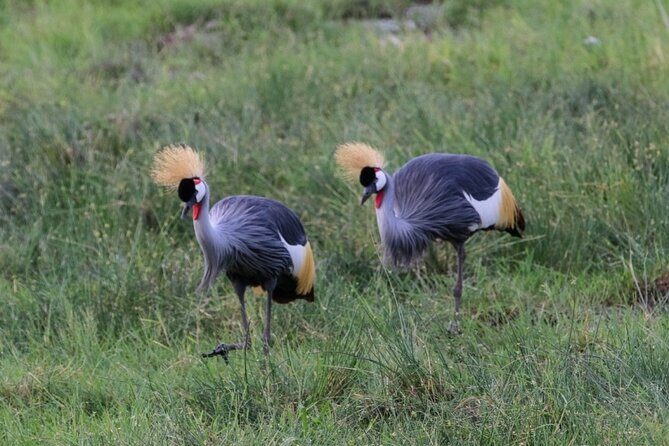
The wildlife list tied to this park includes Greater and Lesser flamingoes in large numbers, plus white and black rhino, buffalo, lions, zebra, gazelles, and an impressive set of water and land birds. If you’re the type who likes to spot details, you’ll also see mentions of animals such as colobus monkey, rock hyrax, and hippo, along with many other species.
The real Nakuru highlight: flamingos at the shore
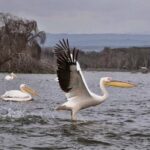
If your trip is partially motivated by flamingos, this is the stop. Lake Nakuru is famous for flamingos lining the shoreline, and the sheer scale is why so many safari plans squeeze it in. You’ll want to bring something for bird watching comfort—good sunglasses and patience—because once you spot the main groups, you’ll likely keep returning to them for different angles.
The tradeoff to accept
Here’s the practical snag: Lake Nakuru’s scheduled game drive time is shorter than Mara and Amboseli. Day 4 includes a morning game-drive block described as extensive but set at a shorter duration, and you arrive late on Day 3. So this park can feel more like a “featured viewing day” than a long, slow wildlife deep-stroll.
If you want long hours of game driving above all else, Masai Mara will likely satisfy you more.
Amboseli National Park: jumbo elephants and Kilimanjaro in the frame
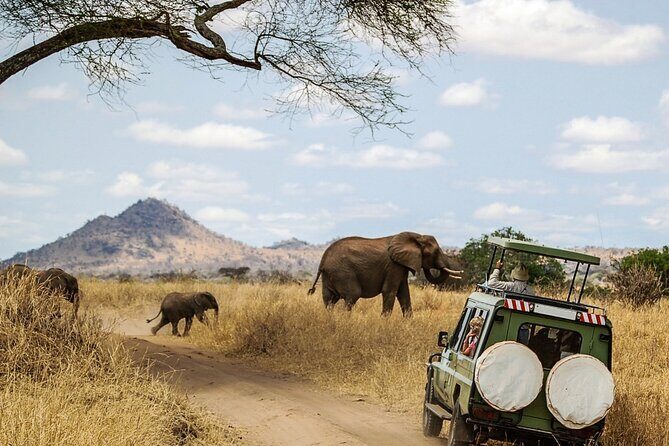
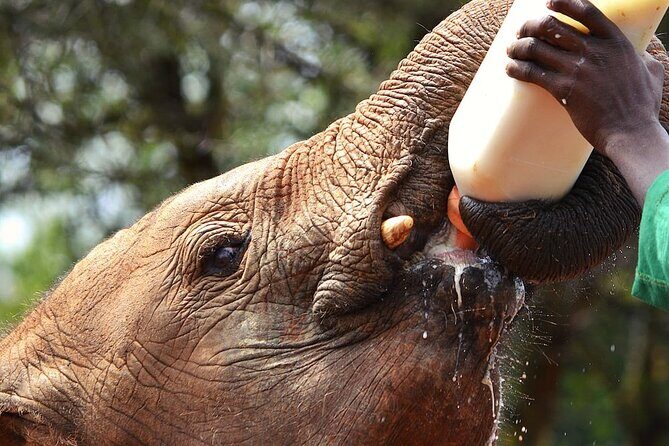
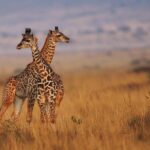
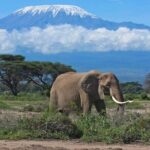
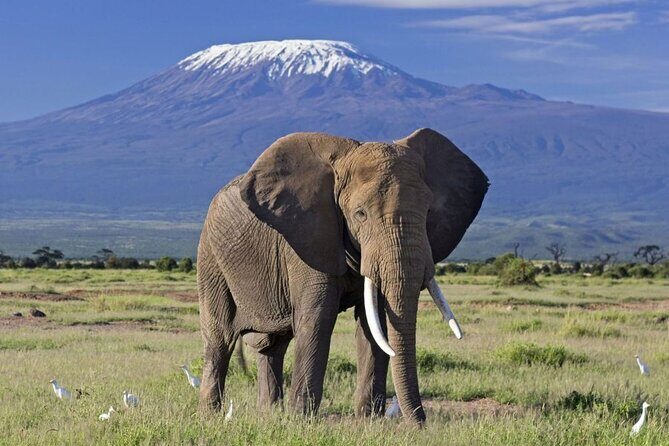
Amboseli is the elephant stop, and the reason is simple: this park is known for large African elephants often called jumbos. You’ll also have time for giraffes, lions, and a wide variety of animal and bird species, and the schedule keeps pointing you back to one visual goal: Mt. Kilimanjaro, often referred to as the white roof of Africa.
You transfer from Lake Nakuru to Amboseli after breakfast, with lunch en route. Dinner is at your overnight stay, then the next day starts with a pre-morning game drive. This timing matters. Early light can improve visibility, and early animal activity can raise your odds of seeing elephants moving and feeding.
The Kilimanjaro photo strategy
Amboseli gives you a rare chance: you’re not just hearing about Kilimanjaro, you’re trying to see it while you’re surrounded by wildlife. The schedule includes pre-morning departures focused on photographing Kilimanjaro and looking for big elephants.
What I suggest you do: treat the mountain as the bonus, not the only goal. If the weather or cloud cover doesn’t cooperate, the day can still deliver through elephants, giraffes, and predator sightings. But if it does cooperate, you’ll likely feel like you’ve stepped into an Africa postcard that still has dust and fur and noise.
Day 5 and Day 6: why two mornings in Amboseli is a smart bet
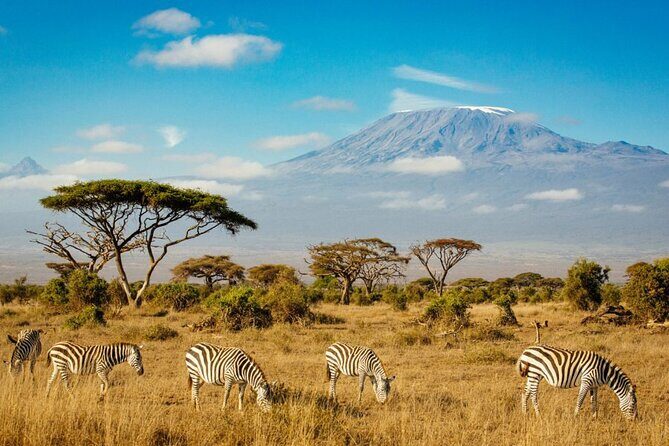
One of the better decisions in this safari design is that Amboseli isn’t just a one-morning stop. You get two pre-morning game-drive sessions. That increases your odds of:
- seeing elephants at different distances and angles,
- catching different wildlife activity peaks,
- and getting another shot at Kilimanjaro views when conditions shift.
Then on Day 6, you depart Amboseli for Nairobi after breakfast, with a picnic lunch served en route and an arrival time around 3pm at the pick-up point.
This is a solid ending structure. You end with enough daylight for travel comfort, and you’re not arriving super late. It also helps you keep your packing realistic—no frantic late-night scramble at the finish line.
Group size and the real feel of a “small group” safari
The safari is described as a small group adventure, but the cap lists up to 105 travelers. That sounds contradictory at first, and it’s worth thinking through what it can mean day to day.
In practice, bigger caps can still create a comfortable experience if you’re primarily interacting within your vehicle and your guide keeps the flow organized. But you should assume you’ll see some crowding around logistics moments—check-in, departures, and possibly when schedules overlap during sightings.
If you hate group energy, this may not be your favorite style of trip. If you’re flexible and you treat safari as a group activity anyway, it can be a great way to keep costs down while still hitting top parks.
What you’re really paying for at $1,130
At $1,130 per person for six days, you’re paying for more than park access. You’re paying for the hard part: getting from Nairobi into remote reserves and back again, plus keeping the day organized with game drives and meals.
A useful way to judge value is to look at how many “wildlife hours” you get versus how many “waiting hours” you tolerate. This plan gives you:
- two Mara days built around wildlife viewing,
- a Lake Nakuru stop centered on flamingos,
- and two Amboseli mornings focused on elephants and Kilimanjaro.
Meals are also a big cost saver. The included list shows breakfasts 5 times, lunches 6 times, and dinners 5 times. That’s exactly what matters on safari, because searching for food while you’re moving between parks would eat up time and money.
Is it a private-safari price? No. Is it trying to be? Also no. This is for people who want the iconic Kenya stops without paying private-guide premiums.
Food, comfort, and the early-morning tradeoff
Safari comfort is mostly about expectations. You should expect long days, dust, and early starts. This tour schedules early mornings on multiple days, including pre-morning game drives in Amboseli and an early start into Lake Nakuru.
In the feedback around JungleRoam, accommodations are described in general terms as camp style, hotel, or cottage options. The key takeaway for you: the standard may vary, so your best move is to pack for everyday safari life rather than luxury hotel routines. Comfortable layers matter, and so does a sense of humor when the day starts before you’ve had your full cup of courage.
Food-wise, the picnic-lunch approach is a win. You’re less likely to lose game-drive time to meal stops, and it keeps the day steady. The included breakfasts and dinners mean you’re not constantly negotiating where the next meal happens.
How the guide makes or breaks your sightings
On safari, the guide is half the experience. The feedback connected to this company highlights guides who are patient with questions and skilled at finding animals from good positions.
Names that show up in that positive feedback include Lucky Peter Kapino, Dennis, Joseph, Solomon, and Francis. It also mentions Julius Gikonyo (Juli) as a guide who helped a family enjoy the trip, and Chesi as a key contact who stayed responsive during planning.
You can’t control who you’ll get, but you can control what you bring to the relationship. If you stay calm, ask clear questions, and follow the guide’s instructions during sightings, your day usually runs smoother—and you get more chances to enjoy what’s in front of you instead of stressing about what’s not.
My booking advice: who this safari is for
This safari is a strong fit if you want:
- Top-name parks in a short time,
- a budget-friendly price point for a full Kenya route,
- and the mix of savanna and lake viewing that makes the wildlife feel fresh.
It may not be ideal if you want:
- the maximum number of hours in Lake Nakuru,
- a super-quiet, low-group experience,
- or a super-luxury comfort level.
If you’re traveling as a couple, a solo traveler, or a small group who wants the basics done well, this kind of route can be a smart choice. If you’re bringing kids, the early starts will still be the main challenge, but the schedule is built around active game viewing, not long idle days.
Should you book this 6-Day Masai Mara, Lake Nakuru, and Amboseli safari?
If your goal is to see Masai Mara wildlife, flamingos at Lake Nakuru, and elephants with Kilimanjaro views in Amboseli—without spending private-safari money—this is a sensible plan. The biggest reason to book is the time distribution: Mara gets real attention, Amboseli gets two mornings, and Nakuru gives you the signature flamingo payoff even with shorter viewing blocks.
The biggest reason to pause is the tradeoff at Lake Nakuru. If your heart is set on hours of game driving there, you’ll likely feel the time compression. If your heart is set on flamingos and bird life, the schedule works.
If you’re flexible about sightings (and accept that the Big Five and migration are never guaranteed), this is a good value way to cover three Kenya heavy hitters in one trip.
FAQ
How long is the safari?
It’s listed as 6 days (approx.).
Where does the tour start in Nairobi, and what time does it begin?
The meeting point is Biashara Street (Biashara St, Nairobi, Kenya) and the start time is 7:30am.
What parks are included in the route?
The tour goes to Masai Mara National Reserve, Lake Nakuru National Park, and Amboseli National Park.
Is Mt. Kilimanjaro included in the experience?
Yes. Amboseli days include a pre-morning game drive focused on photographing Mt. Kilimanjaro, referred to as the white roof of Africa.
Will I be able to see flamingos?
Lake Nakuru is described as famous for thousands of flamingos on the shore, and flamingos are specifically highlighted.
Is a Masai village visit part of the trip?
There is an optional Masai village visit on the Lake Nakuru day.
What meals are included?
Breakfast is included 5 times, lunch is included 6 times, and dinner is included 5 times.
Are park admission tickets included?
For Masai Mara days (Day 1 and Day 2), admission tickets are listed as included. For Lake Nakuru and Amboseli days (Days 3 to 6), admission tickets are listed as free.
What group size should I expect?
The activity lists a maximum of 105 travelers.
What is the cancellation policy?
Free cancellation is available up to 24 hours in advance for a full refund. If you cancel within 24 hours of the start time, the amount paid is not refunded.