REVIEW · NAIROBI
Nairobi: Purple Tea Farm Gatura Greens Day Trip
Book on GetYourGuide →Operated by Safari Ride Expeditions · Bookable on GetYourGuide
A purple tea farm is not what you expect near Nairobi. This Gatura Greens day trip pairs hands-on tea picking and processing with a guided tasting, then sends you off to bamboo trails and a waterfall swim. It’s a full day that mixes culture, food, and quiet nature in Central Kenya.
What I like most is the hands-on part: you don’t just watch tea—it’s tea picking, roasting, hand-rolling, and drying, plus you package your own blend as a take-home souvenir. I also love the way the lunch is built around the farm, with a multi-course meal and teas included.
One thing to consider: the waterfall trek can feel a bit challenging. The good news is it’s short enough to be manageable, and the payoff is a real waterfall moment.
In This Review
- Key highlights worth your time
- The real draw: Purple tea plus a full day of hands-on work
- Getting there from Nairobi: drive time, comfort, and what to expect
- First stop: the host welcome and tea tasting ceremony
- In the tea fields: picking leaves the way it’s meant to be done
- The farmhouse process: roasting, rolling, drying, and making your own blend
- Bamboo forest trek to the waterfall: calm nature with one real challenge
- Waterfall swim: the fun part, with a bit of common sense
- Lunch at the farm: three courses, local ingredients, and tea in the menu
- Price and value: $54 plus the farm entry fee changes the math
- Who this trip suits best (and who might want to skip it)
- Practical tips to make the day smoother
- Should you book the Purple Tea Farm Gatura Greens day trip?
- FAQ
- FAQ
- How long is the Nairobi: Purple Tea Farm Gatura Greens day trip?
- What is the price of the tour?
- Is the farm entry fee included in the price?
- What activities are included in the day?
- What food and drinks are included?
- Do I need to bring my own transportation from Nairobi?
- What language is the guide, and is the tour wheelchair accessible?
Key highlights worth your time

- World’s first Purple Tea Farm (Gatura Greens) and a proper introduction to how tea is grown locally
- Pick, process, and blend your own tea so your souvenir isn’t generic
- Guided tea-tasting ceremony with a range of teas, including purple tea
- Bamboo forest trail that leads to a standout waterfall
- Waterfall swimming time, when conditions and comfort allow
- Farm-fresh lunch with locally sourced ingredients and teas worked into the meal
The real draw: Purple tea plus a full day of hands-on work
If you only want a quick photo stop, skip this one. This trip is built around doing the things: picking leaves, learning the steps of processing, and tasting as you go.
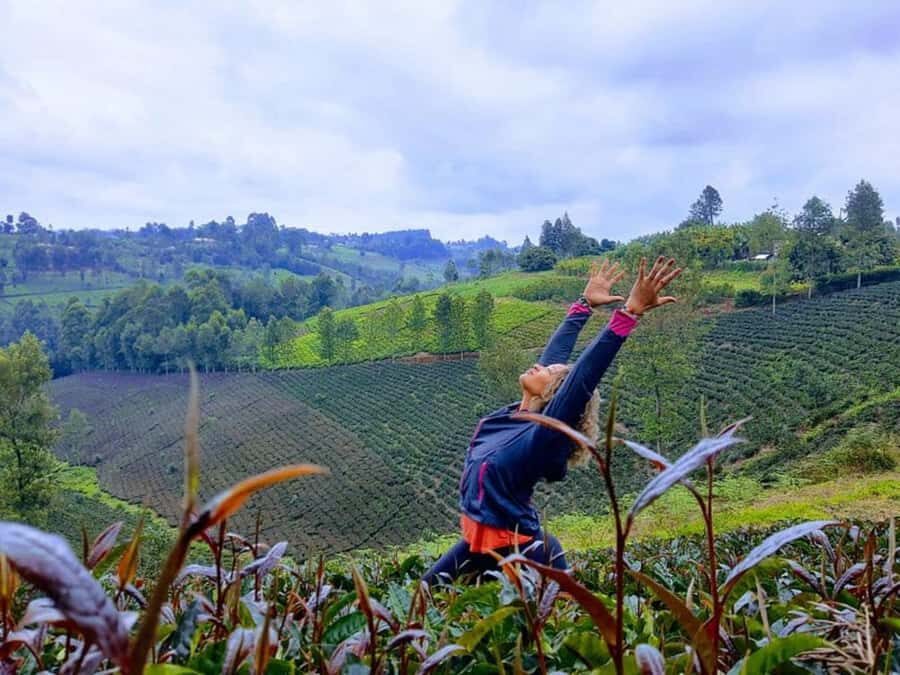
Gatura Greens is described as the world’s first Purple Tea Farm, and the day’s flow gives you context for that claim. You’ll hear how Kenyan tea traditions connect to what you’re seeing in the fields, and you’ll spend time learning why tea flavor depends so much on leaf handling and processing—before you get to the tasty part.
Even the timing works for most people. You start with hotel pickup in Nairobi, you reach the highlands area after a drive that’s around two hours, and you’re back in town the same day. It’s long enough to feel like an experience, not a half-day blur.
A few more Nairobi tours and experiences worth a look


Getting there from Nairobi: drive time, comfort, and what to expect
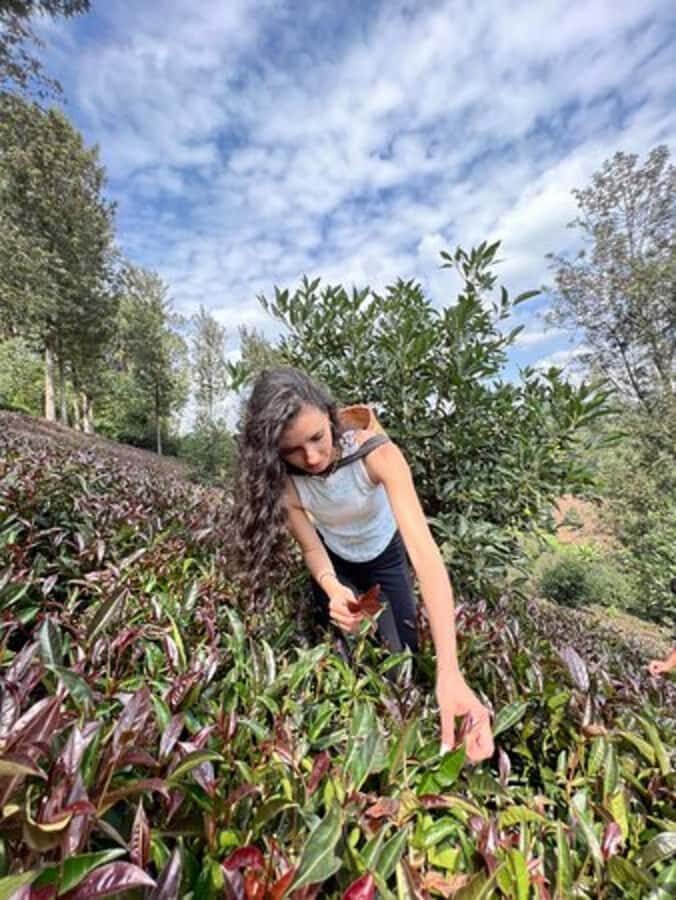
The trip runs about 8 hours total, with hotel pickup and drop-off included. That matters because it saves you the planning headache of coordinating transport to a working farm out of town.
Along the way, you’re not just commuting—you’re heading into Central Kenya’s farming country, where the pace slows down. In practice, the driver experience can make the day easier; one driver named James is specifically mentioned as friendly and flexible, which is exactly what you want on a long-ish ride with a fixed schedule.
Bring water and plan to wear comfortable shoes. The day includes a forest walk and potentially slippery patches near the waterfall area, so you’ll be glad you didn’t pack fashion footwear.
First stop: the host welcome and tea tasting ceremony
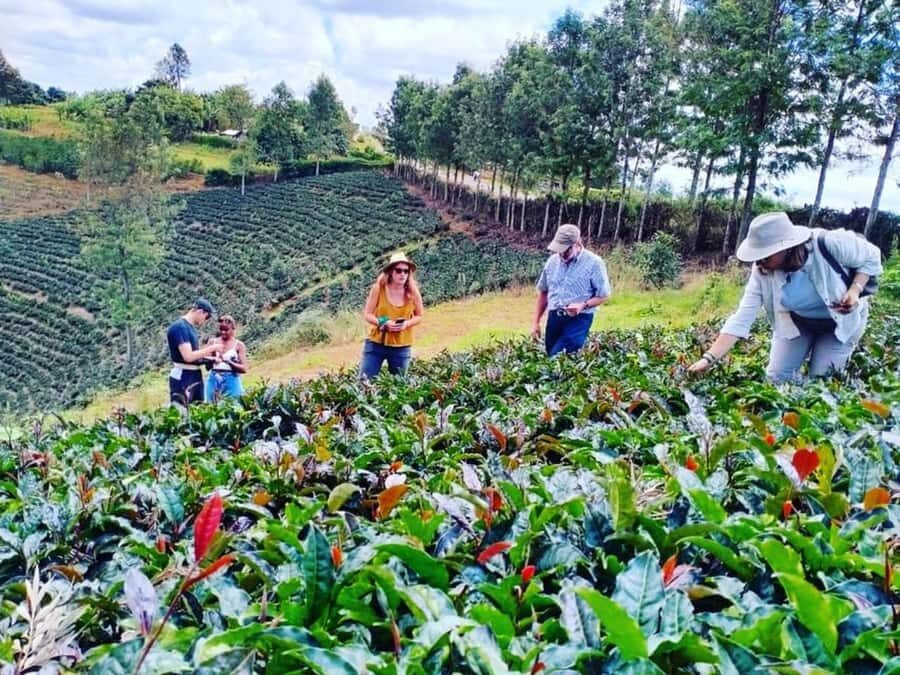
When you arrive, the vibe is calm and guided. You’re greeted by the host and brought into the story behind Kenyan tea cultivation—how it’s grown, what makes the processing different, and where purple tea fits in.
Then comes the tea-tasting session. You’ll sample a selection of teas, with the rare and striking purple tea included. This is one of the best parts of the day because tasting teaches you what you’re looking for later when you’re picking and processing leaves.
A practical tip: slow down and pay attention to aroma. Kenyan teas can show different notes depending on how they’re handled, so the tasting helps you understand what the farm is doing beyond just making tea.
In the tea fields: picking leaves the way it’s meant to be done
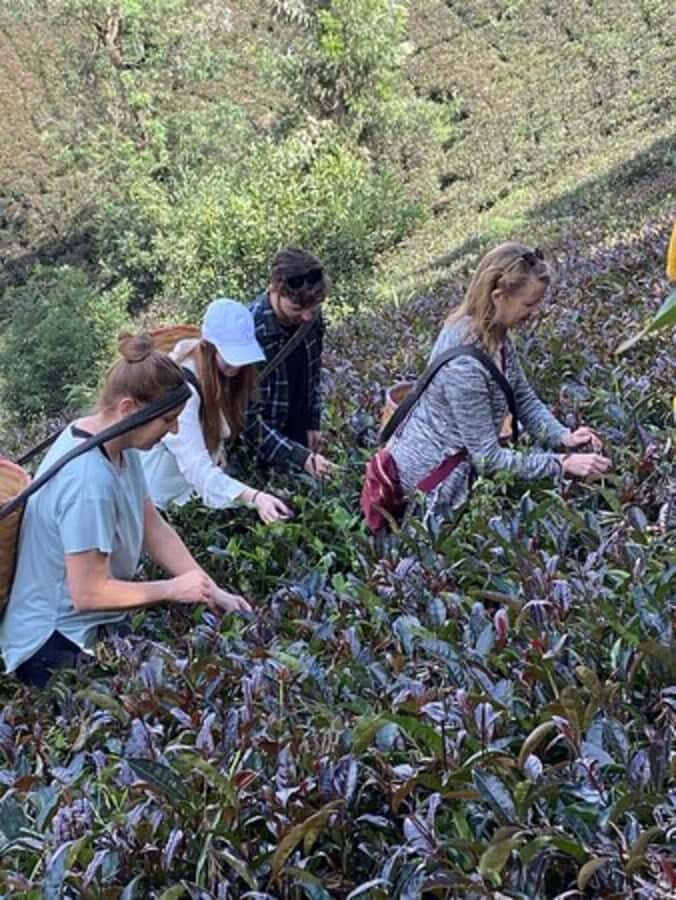
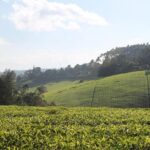
After tasting, you step into the tea fields for hand-picking. This is where the tour becomes truly hands-on. You’re guided on how to pick the right leaves and how careful handling matters.
One of the most satisfying aspects is that you’re learning the basics you could actually use if you ever visit a tea-growing area again. It also makes the processing lesson feel real—because you’ve seen where the raw material comes from.
Expect a mix of standing, walking, and careful movement through the rows. If you’re sensitive to sun, bring a hat and use sunscreen. The tour is outdoors, and Kenya’s light is no joke.
The farmhouse process: roasting, rolling, drying, and making your own blend
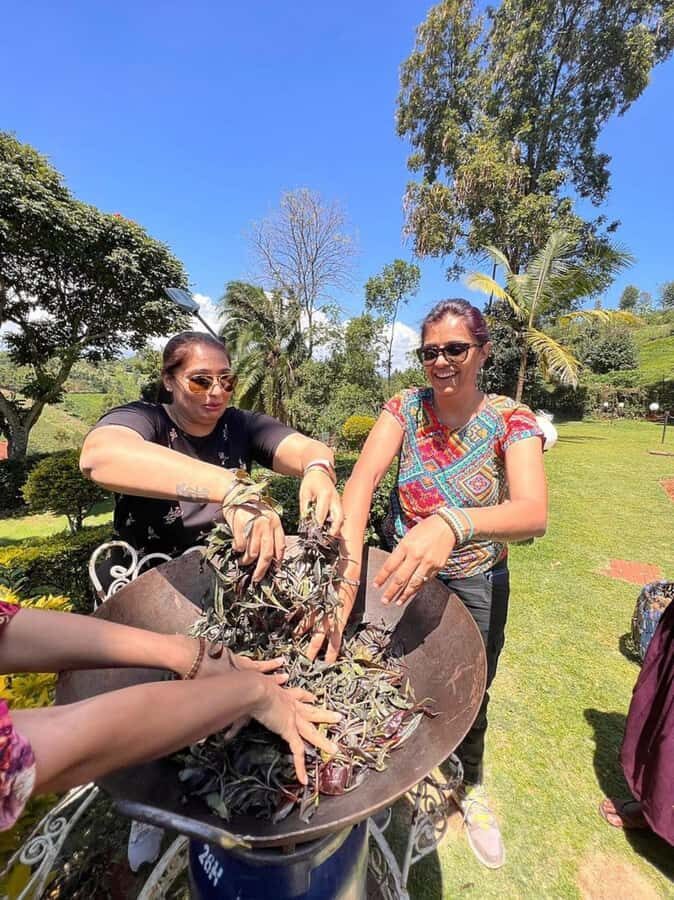
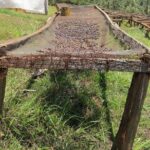
Back at the farmhouse, you get the full tea-making sequence as a guided experience. You’ll learn about roasting, hand-rolling, and drying—three steps that shape flavor and aroma in big ways.
Then you craft a custom blend. This part turns the tour from educational into personal. You’re not only leaving with tea that was made on-site; you’re leaving with something you helped build and package.
If you like thoughtful souvenirs, this one wins. A bag of tea from a store is fine, but tea you made in the process—from leaf handling to the blend—feels different, and it’s the kind of souvenir you actually use.
A few more Nairobi tours and experiences worth a look






Bamboo forest trek to the waterfall: calm nature with one real challenge
Next you head out for a trek through a bamboo forest. The route is described as tranquil and scenic, and it’s one of those “walk and reset” parts of the day.
Still, don’t assume it’s flat and effortless. The waterfall trek is described as challenging but doable. That’s your signal to take it seriously: wear grippy shoes and pace yourself.
The reward is the waterfall itself. It’s a towering, dramatic payoff that makes the walk worth the effort. Bring your camera if you’re into photos, but also leave time to just stand there and breathe. The silence in these spots is part of the appeal.
Waterfall swim: the fun part, with a bit of common sense
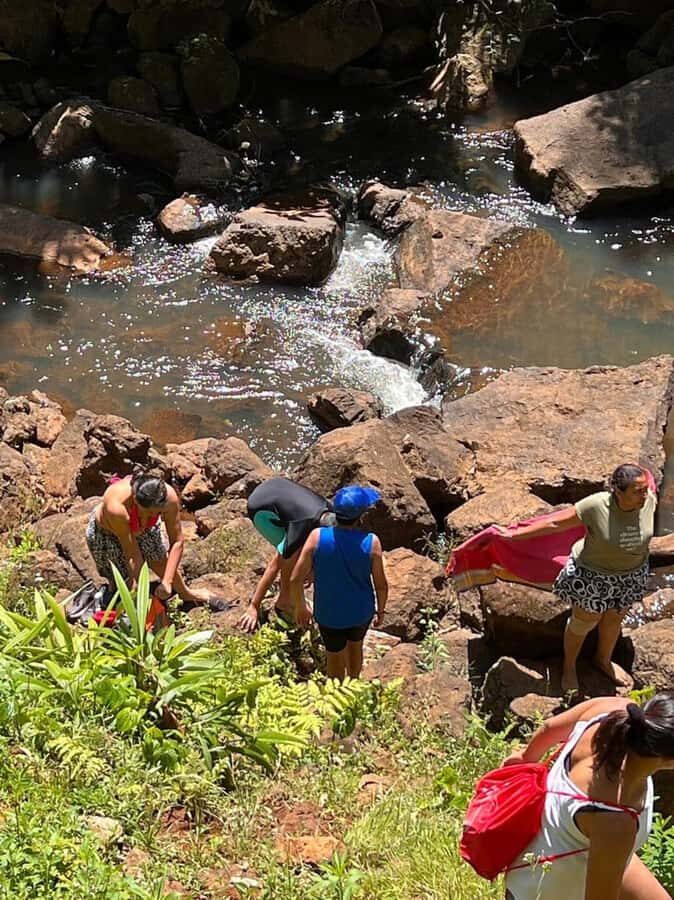
Swimming at the waterfall is included as part of the experience. For most people, this is where the day becomes memorable in a loud, joyful way—cool water, photos, and that post-walk energy.
But use common sense. Water conditions can vary, and the safest move is to follow the guide’s instructions about where it’s comfortable and how to enter. If you’re not sure about cold water, you can still enjoy the scenery without pushing it.
Lunch at the farm: three courses, local ingredients, and tea in the menu
The lunch is a major part of the day, not an afterthought. You’ll sit down for a three-course meal made with fresh, locally sourced ingredients, served with stunning countryside views.
What’s especially notable is that teas are worked into the meal. Some menus include teas infused into the food experience, so you’re continuing the tasting theme—only now you’re tasting tea as part of the dishes.
If you care about value, this is one of the reasons the day works. You’re not paying just for tea lessons and photos—you’re paying for a full farm day that includes a real meal you’ll remember.
Price and value: $54 plus the farm entry fee changes the math

The listed price is $54 per person for an 8-hour day trip. But the farm entry fee is $45 per person and is not included, which means your all-in cost is closer to $99 per person (before any other personal extras).
Is that worth it? For the right traveler, yes—because you’re paying for more than a guided walk. You’re paying for:
- tea picking and the tea-making process
- a guided tasting ceremony
- creating and packaging your own blend
- a three-course lunch at the farm
- the waterfall trek and swimming time
- pickup and drop-off from Nairobi
If you were only interested in scenery, there are cheaper ways to get countryside views. But if you want a hands-on food and culture experience with a take-home product, the pricing starts to make sense.
Who this trip suits best (and who might want to skip it)
This day trip is ideal if you:
- love tea or want a real tea origin story, not just a tasting flight
- enjoy hands-on activities like picking and processing
- want nature time outside Nairobi that doesn’t require a multi-day plan
- like the idea of a take-home souvenir you made yourself
It’s also a solid choice for groups that prefer privacy; it’s described as a private group, which usually means you won’t be packed in with strangers.
Consider skipping (or choosing a gentler option) if you don’t want to do any trekking. The forest walk is described as challenging but doable, so it’s not a totally effortless stroll.
Practical tips to make the day smoother
A few small things can make a noticeable difference:
- Wear comfortable, grippy shoes. You’re walking in a forest and moving around near the waterfall area.
- Pack sun protection. Outdoor time plus tea fields means you’ll be exposed for stretches.
- Bring a light layer. Depending on the highland weather, it can feel cooler in shaded areas.
- Expect a schedule with multiple activity switches. The day is structured: fields, farmhouse, tasting, trek, lunch, then return.
- Plan your souvenir budget. The custom blend packaging is part of the experience, but you’ll likely want extra tea gifts if you find a blend you love.
Should you book the Purple Tea Farm Gatura Greens day trip?
If you want an authentic Kenyan tea day with real participation—picking leaves, making tea, tasting multiple varieties, and ending with a waterfall walk and swim—this is a strong choice. The balance is what stands out for me: learning plus doing, then nature plus food, all in one day.
I’d book it if you’re the type who values experiences that end with a take-home product you made yourself. If you’re only in Nairobi for a quick stop and just want views, you may find the added farm entry cost harder to justify.
One more nudge: if you’re lucky with your guide and driver, the day gets even better. A host named Paula and a driver named James are both mentioned as professional and flexible, and that kind of calm, caring service fits perfectly with a day that moves from tea to forest to waterfall.
FAQ
FAQ
How long is the Nairobi: Purple Tea Farm Gatura Greens day trip?
The duration is listed as 8 hours.
What is the price of the tour?
The price is listed as $54 per person.
Is the farm entry fee included in the price?
No. The farm entry fee is $45 per person and is not included.
What activities are included in the day?
The included activities are guided farm tour and tea-making process, tea picking and processing, a tea-tasting session, a waterfall trek and swimming, plus lunch at the farm. Hotel pickup and drop-off are also included.
What food and drinks are included?
Lunch at the farm is included, and soft drinks and drinking water are included as well.
Do I need to bring my own transportation from Nairobi?
No. Hotel pickup and drop-off in Nairobi are included.
What language is the guide, and is the tour wheelchair accessible?
The guide is English-speaking, and the tour is listed as wheelchair accessible.