REVIEW · NAIROBI
Nairobi: Giraffe Center, Elephant Orphanage and Bomas Tour
Book on GetYourGuide →Operated by GRACEPATT SAFARIS · Bookable on GetYourGuide
Giraffes and elephants, plus culture, in one tight Nairobi day. This tour strings together three big hits—Giraffe Centre, the David Sheldrick Wildlife Trust, and the Bomas of Kenya—so you’re not spending the whole trip figuring out transport. I especially like the chance to feed endangered Rothschild giraffes and the way the elephant orphanage lets you watch young rescues closely. One thing to consider: it’s a full schedule, with parts done on foot, so comfortable shoes matter.
The flow is built for efficiency: pickup in Nairobi, guided stops, and a professional driver to handle getting you between sites. I also love that the cultural show at Bomas isn’t just a quick add-on—it’s a real Kenyan music-and-dance experience. The main drawback is time at each place can feel short if you’re the type who wants to linger, especially at the cultural venue.
In This Review
- Key things to know before you go
- A practical Nairobi day plan: wildlife first, culture at the end
- Hotel pickup and getting around smoothly in Nairobi
- Giraffe Centre: feeding Rothschild giraffes and learning the conservation story
- David Sheldrick Wildlife Trust: young rescued elephants at the heart of the mission
- Kazuri Beads Factory: pottery and jewelry making in Nairobi
- Bomas of Kenya: music, dance, and a full cultural finish
- Price and value: what $245 covers, and what may cost extra
- What I’d bring and how to get the best day out of each stop
- Who this tour is best for (and who may want a different pace)
- Should you book this Nairobi Giraffe Centre, Elephant Orphanage and Bomas Tour?
- FAQ
- How long is the Nairobi Giraffe Centre, Elephant Orphanage and Bomas Tour?
- Where does the tour pick up and drop off?
- Is there a live guide?
- Can I skip the ticket line?
- What’s included in the price?
- What extra fee might I need to pay?
- Is there walking involved?
- What’s the cancellation policy?
- Can I reserve now and pay later?
Key things to know before you go
- Rothschild giraffe feeding at Giraffe Centre: a hands-on conservation experience you can do up close.
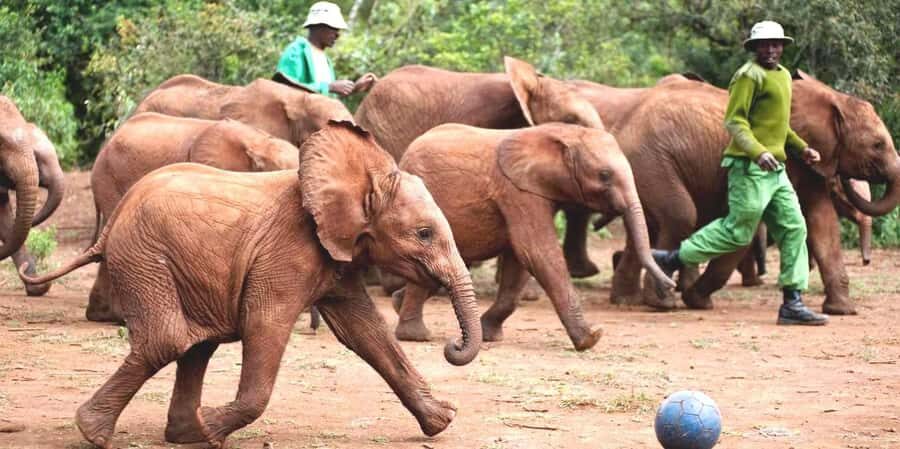
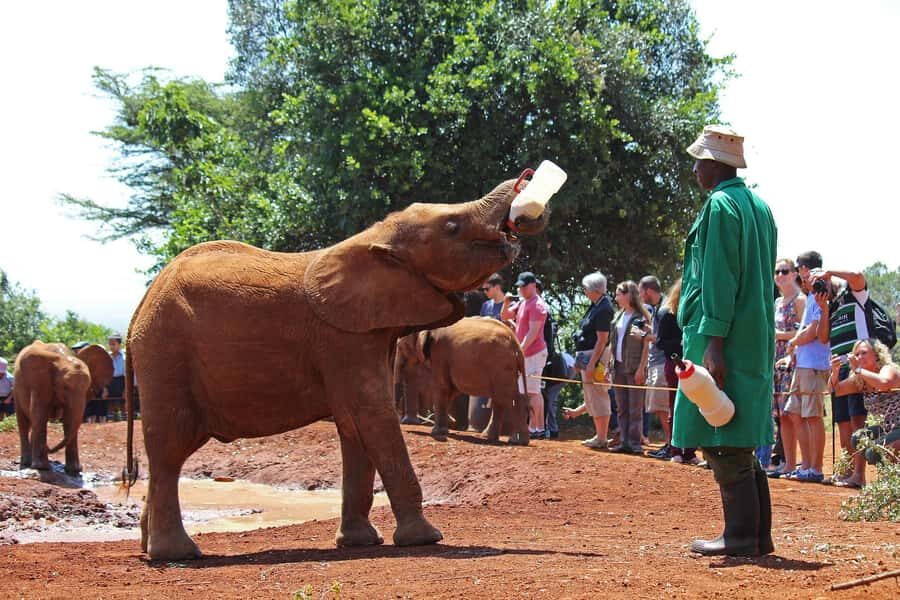
- David Sheldrick Wildlife Trust visit: see rescued young elephants, including feeding-time moments.
- A guided, multi-stop day: less logistics stress, more time watching and learning.
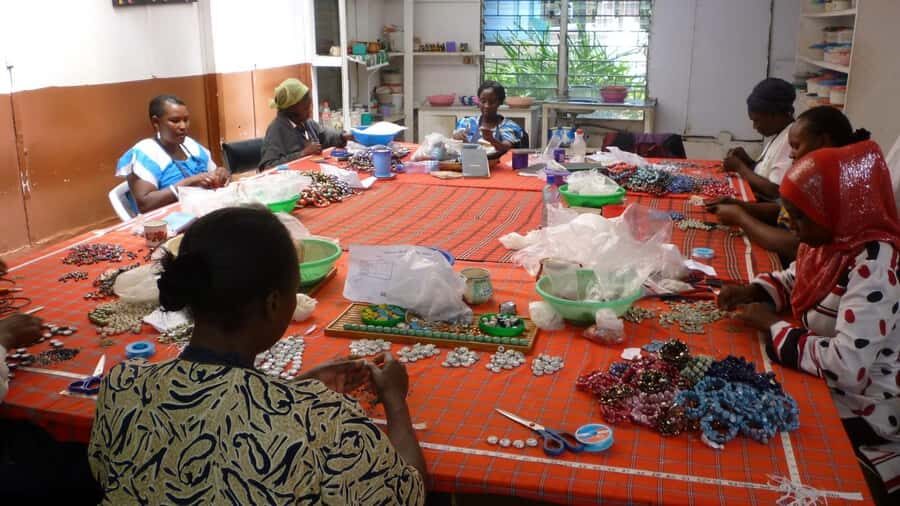
- Kazuri Beads Factory stop: see how pottery and jewelry are made in Nairobi.
- Bomas of Kenya dance and music: a strong cultural finish to balance the wildlife stops.
- Nairobi National Park conservation fee may be required for the elephant site access (extra cost).
A practical Nairobi day plan: wildlife first, culture at the end
If you want a Nairobi itinerary that actually gets things done, this format makes sense. You start with the animal encounters that most people come for—giraffes, then elephants—and you finish with a cultural show so the day doesn’t feel like a single long safari-style sprint.
I like that you’re not choosing between wildlife and culture. The elephant orphanage gives you a serious conservation angle, the giraffe centre adds something lighter and hands-on, and then Bomas brings the human side of Kenya into the same day.
You can also read our reviews of more tours and experiences in Nairobi.



Hotel pickup and getting around smoothly in Nairobi
Your day starts with pickup within Nairobi from two central options (Nairobi CBD area or Nairobi). That matters because Nairobi distances can add up fast, and a pro driver guide keeps the pace realistic.
The tour is scheduled for about 8 hours, so you’re moving between stops rather than settling into one location for half the day. Also note: there are portions done by foot, so plan for some walking even though it’s mostly a guided sightseeing day.
A detail I appreciate here is that the tour includes skip-the-ticket-line for key entry points, which helps you lose less time to queues and more time watching the animals and the cultural program.
Giraffe Centre: feeding Rothschild giraffes and learning the conservation story
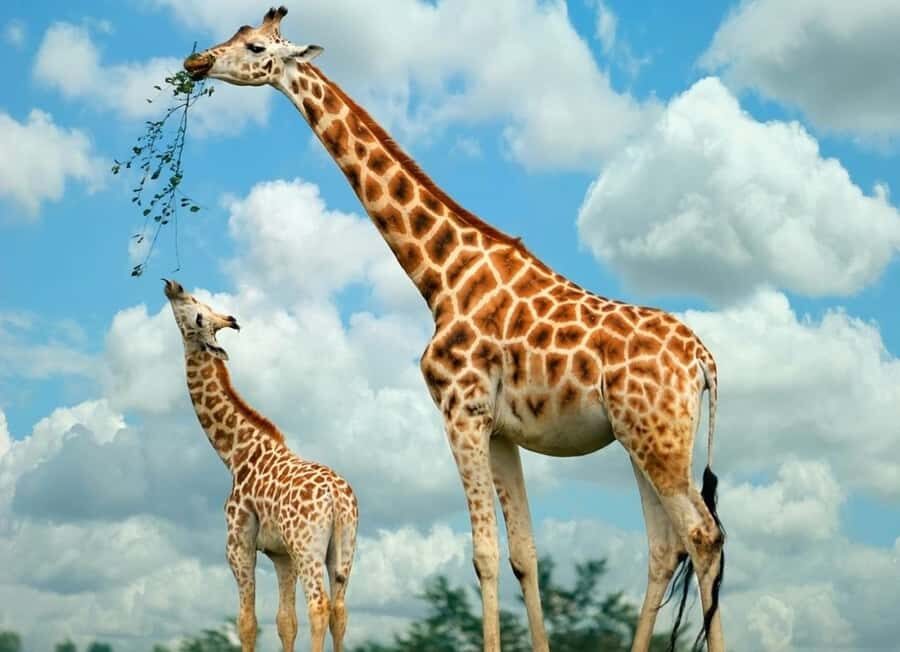
This is the stop I’d call your warm-up. At the Giraffe Centre, you get the chance to feed Rothschild giraffes, including time to interact and learn about the center’s work with the animals in their care.
Why this matters for you: giraffe feeding isn’t just a photo moment. It’s a way to understand the stakes behind conservation for a species that’s described as endangered. The feeding experience also helps you slow down. You’re watching behavior up close—how they approach, how staff manage safety, and how calm the process can be with the right guidance.
Practical note: the tour is guided, so follow instructions carefully during feeding time. If you want the best experience, go in with a calm, patient mindset. The animals control the pace more than you do.
David Sheldrick Wildlife Trust: young rescued elephants at the heart of the mission
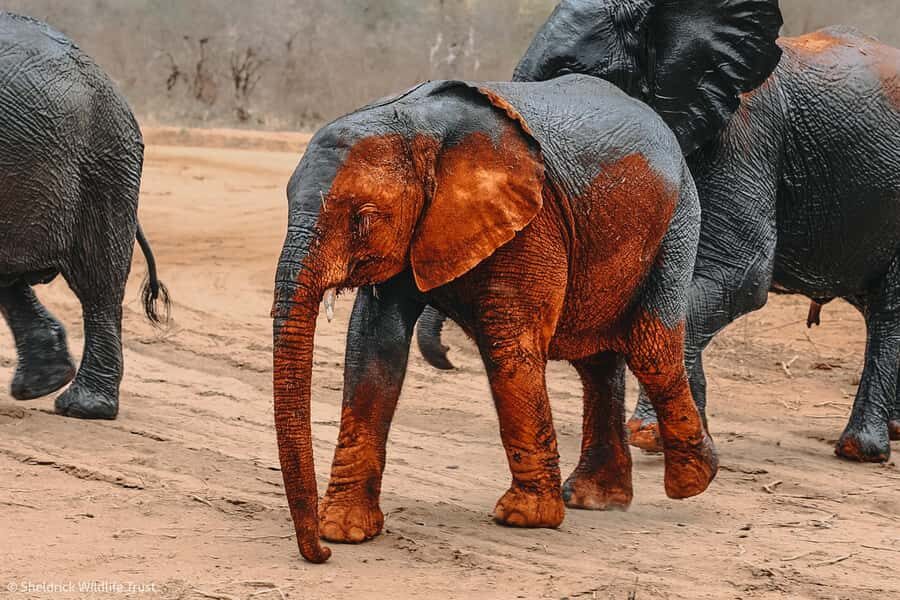
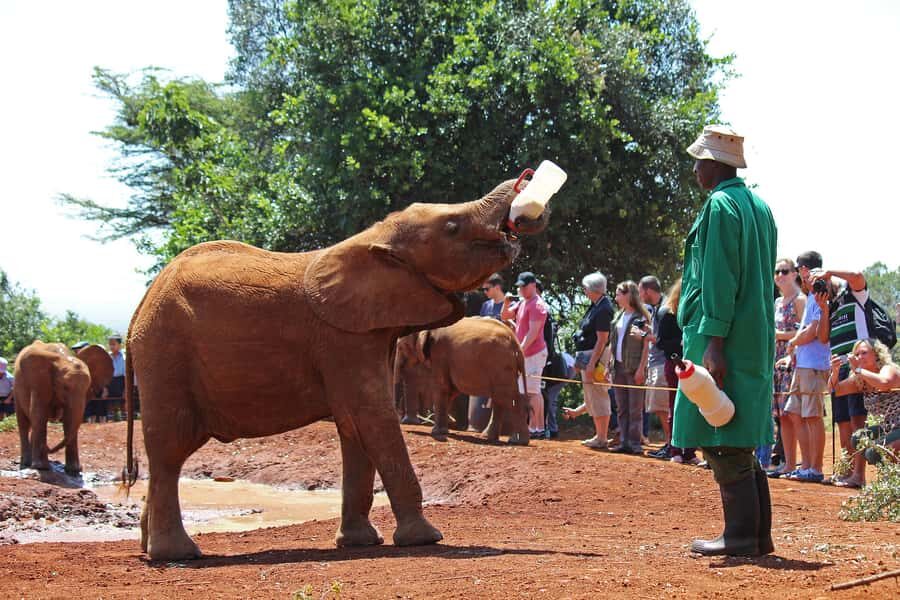
Then you head to the David Sheldrick Wildlife Trust, where the emotional main course is the rescued young elephants. This is one of those places where the guide’s context helps. You’re not only watching them feed and interact—you’re also learning about the conservation work behind rescuing and raising elephants.
What you can expect day-of: you’ll visit with a guided approach, and you’ll spend time with the elephants where feeding is part of the activity. Seeing young elephants interact with each other and respond to care gives the whole conservation message a concrete, human-scale reality.
One key consideration for planning: the tour includes entrance fee(s), but access to the elephant orphanage involves a mandatory Nairobi National Park conservation fee (stated as USD 85 per adult and USD 60 per child). Don’t wait until you’re there to figure it out—build it into your total budget so the day stays stress-free.
Also, this is a high-attention, guided environment. If you’re hoping for total quiet and long unguided wandering, this might feel more structured than that. If you like learning while you watch, it’s a big plus.
Kazuri Beads Factory: pottery and jewelry making in Nairobi
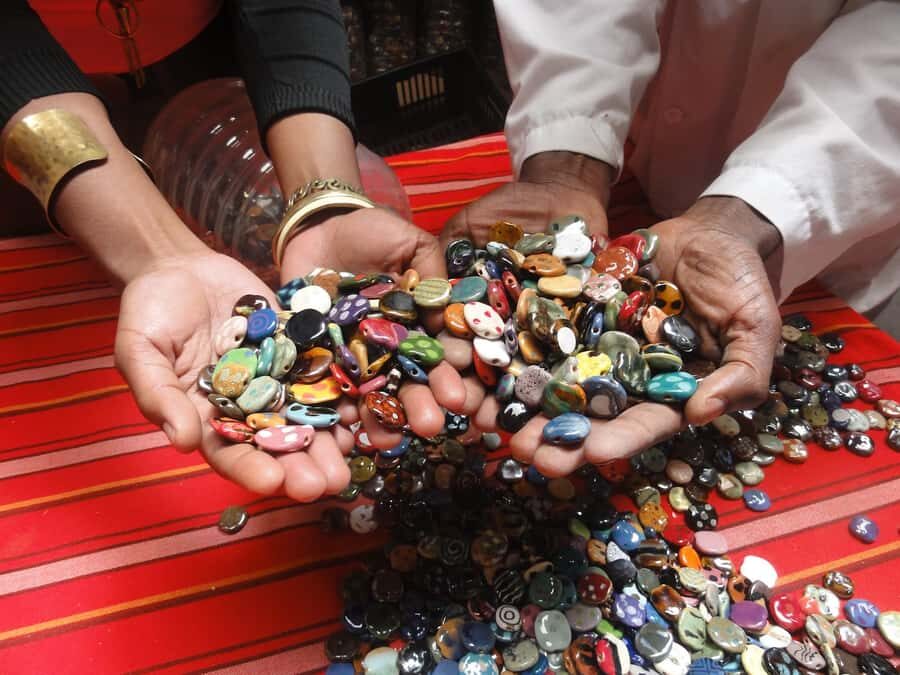
Between elephants and Bomas, there’s a cultural craft stop at Kazuri Beads Factory. You’ll visit a guided area focused on how pottery and jewelry are made, including the stages that go into producing one of Kenya’s recognizable exports.
Why I think this stop works even if you’re not a shopper: seeing the process turns a product you might already recognize into something more personal. You can connect the dots between materials, labor, and the finished beadwork. Even if you keep spending limited, watching how the craft moves from raw inputs to finished pieces gives you a better feel for local industry.
A small practical tip: plan for your time here to be mostly watching, not browsing forever. If you want souvenirs, decide earlier rather than later so you don’t feel rushed.

Bomas of Kenya: music, dance, and a full cultural finish
You end at the Bomas of Kenya for a cultural dance show. Expect local music and dance and a more performance-driven side of Nairobi culture than the daytime visits.
This is the stop where you switch gears from conservation intensity to celebration and storytelling. It’s also a useful counterbalance: after elephants and giraffes, the show gives you something to listen to, watch, and enjoy with your full attention.
If you want the best experience, stay present during the program and don’t treat it like background entertainment. The value here is in the rhythm and the way dance and music reflect Kenyan cultural traditions.
If you’re short on time (or you’re the type who wants extra hours at each site), remember that you might wish you had more time at Bomas. The program is a strong closer, but the day’s overall 8-hour length means you’re fitting everything in.
Price and value: what $245 covers, and what may cost extra
The listed price is $245 per person for about 8 hours and includes:
- Pickup and drop-off within Nairobi
- Professional driver guide
- Giraffe Centre entrance fee
- Elephant orphanage entrance fee
- Cultural dance entrance fee
That already helps value because you’re paying for multiple entries and local transport in one package, rather than coordinating separately.
Now for the one extra item that can change your total: there’s an added Nairobi National Park conservation fee for access to the elephant orphanage (USD 85 adult / USD 60 child, described as mandatory). Even with that extra, the pricing can still make sense if you want the full combo day without planning headaches.
My way to judge value for your budget:
- If you’d otherwise pay separate transport and timed entry tickets, the package usually feels fair.
- If you’re traveling as a family, the child vs adult conservation fee differences matter a lot, so calculate your total before booking.
What I’d bring and how to get the best day out of each stop
Because you’ll do some walking and spend time outside, pack like you’re going for comfort and practicality, not fashion. Think:
- Comfortable, closed shoes for the foot portions
- Sun protection (hat or cap, sunglasses, sunscreen)
- A light layer, since Nairobi evenings can shift
- A camera with extra battery or storage
Inside the wildlife centers, follow guide instructions closely. Feeding and elephant viewing are managed for safety and animal welfare, so the smooth experience you want depends on respecting those boundaries.
Also, use the guide’s context. This tour isn’t just about seeing animals and moving on. When the guide explains what the centers are trying to do, your experience feels more meaningful and less like a checklist.
Who this tour is best for (and who may want a different pace)
This is a great fit if you want:
- A high-value sampler day: giraffes, elephants, craft making, and Kenyan dance
- A guided experience with a driver so you don’t juggle Nairobi logistics
- Animal-focused sightseeing that stays relatively comfortable compared with self-driving
You might want a different plan if:
- You hate schedules and want long, slow stays
- You’d rather spend an entire afternoon at one venue instead of splitting time across multiple stops
- You have limited tolerance for walking, even if it’s only partial
Should you book this Nairobi Giraffe Centre, Elephant Orphanage and Bomas Tour?
I’d book it if you’re visiting Nairobi for a short window and you want a day that covers the headline experiences without turning into a transport puzzle. The biggest selling points are the hands-on giraffe feeding, the emotionally important David Sheldrick Wildlife Trust elephant visit, and the cultural finish at Bomas of Kenya.
Just do the math first because of that mandatory conservation fee for elephant site access. If you’re comfortable with a structured 8-hour day and you pack comfortable shoes, this combo tour is a solid way to see Nairobi’s animal conservation work and Kenyan culture in one go.
FAQ
How long is the Nairobi Giraffe Centre, Elephant Orphanage and Bomas Tour?
It runs for about 8 hours.
Where does the tour pick up and drop off?
Pickup and drop-off are within Nairobi, with options including the Nairobi CBD area and Nairobi. The same two drop-off options are listed.
Is there a live guide?
Yes. You’ll have a live English-speaking tour guide and driver guide.
Can I skip the ticket line?
Yes, the tour includes skip-the-ticket-line.
What’s included in the price?
Included are pickup/drop-off within Nairobi, a professional driver guide, the Giraffe Centre entrance fee, the elephant orphanage entrance fee, and the cultural dance entrance fee.
What extra fee might I need to pay?
You may need to pay an additional mandatory Nairobi National Park conservation fee to access the elephant orphanage: USD 85 per adult and USD 60 per child.
Is there walking involved?
Yes, some portions are done by foot.
What’s the cancellation policy?
Free cancellation is available up to 24 hours in advance for a full refund.
Can I reserve now and pay later?
Yes, it offers reserve now & pay later, with the option to book your spot and pay nothing today.