REVIEW · NAIROBI
4 Days Masai Mara Camping Safari
Book on Viator →Operated by Best Camping Tours Kenya · Bookable on Viator
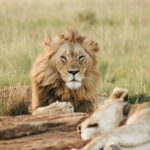
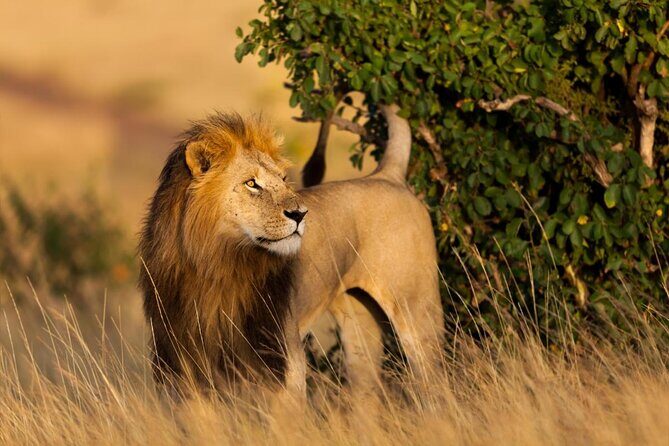
Game drives start early and end with the Mara River in your head. This 4-day Masai Mara camping safari is built for people who want zero rental-car stress and a tight schedule of wildlife time, with multiple drives across the day and a real chance at iconic sightings. I especially like how the plan focuses on different parts of the reserve at different times, including the search for big cats like the black-maned lion you’ll hear folks mention in the Mara.
Second, I like the practical “fed and comfortable” setup: hot lunches, full camp dinners, and camping with gear rental handled, plus guided moments like the picnic at the hippo pool. A named highlight from guides and drivers in their customer stories includes people like Mohammed and drivers such as Ben, praised for patience and good spotting. One consideration: park/vehicle/guide fees are not included in the price, so you should budget a bit extra on top if you’re comparing costs.
In This Review
- Key highlights that matter in real life
- Why Masai Mara is easiest as a planned camping safari
- Nairobi pickup, Rift Valley road time, and how the day starts
- Game drives that change with the light: mornings, afternoons, and focus shifts
- Morning drive: cool air, active predators
- Afternoon drive: wider search and sunset energy
- The Big Five approach: don’t force it, track it
- Day 3 on the Mara River: the migration myth you can actually watch
- Camp life: private campsite, gear handled, and meals that keep you going
- Price and what you still pay for: value check
- Who this safari fits best (and who should think twice)
- Should you book this Masai Mara camping safari?
- FAQ
- What time does the safari start?
- Is pickup from Nairobi included?
- Are meals included?
- What wildlife experiences are included in the reserve?
- Are park fees included?
- How large is the group?
- What is the cancellation or weather plan?
Key highlights that matter in real life
- Early mornings and late afternoons: you get the light and animal activity windows that make sightings more likely
- Full-day Mara River route: time aimed at the wildebeest and zebra crossing story (when the movement is happening)
- Hippo Pool picnic time: you can step out and watch hippos and crocodiles from the rocks
- Private campsite with gear rental: less hassle than arranging camping equipment on your own
- Small group size (max 14): easier to keep the vibe focused and the logistics smooth
- Multiple game drives in different park areas: not just the same loop again and again
Why Masai Mara is easiest as a planned camping safari
The Masai Mara is huge in “where do we even go” terms. Even if you’re an experienced traveler, trying to self-drive with a map app and guesswork can waste your best wildlife hours. This style of safari solves that with a ready itinerary and a driver who knows where game is likely to show up.
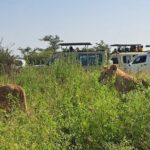
I like the rhythm here: you’re not just doing one long drive and hoping for the best. You’ll do morning and afternoon game drives, then a full day where the focus shifts toward the Mara River area and the migration storyline. That matters because animals don’t move on a schedule that matches your camera battery.
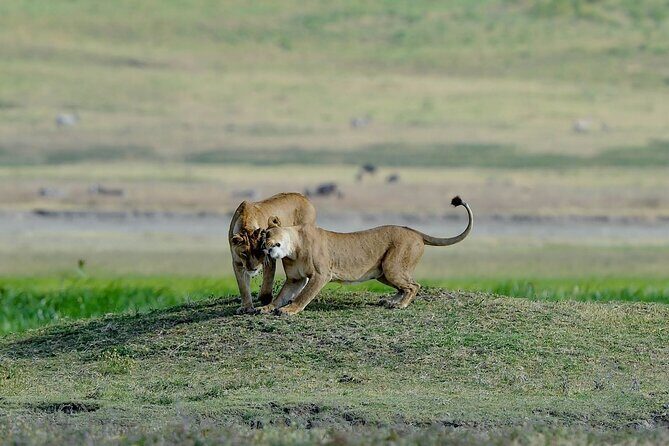
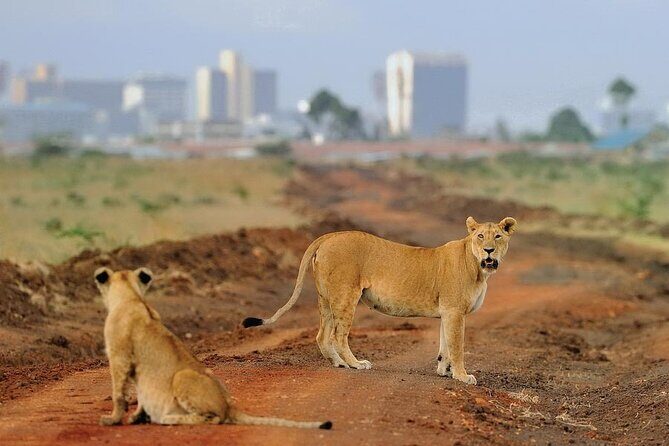
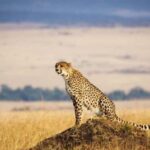
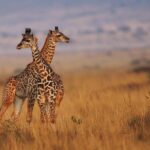
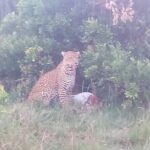
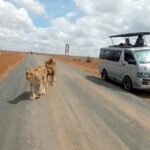
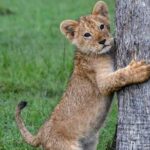
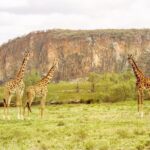
On the “wildlife” side, you’re chasing the big stuff: Big Five potential is part of the intent, but you’re also looking at the smaller drama that often makes the day feel like the Mara. Think lions on the move, leopards that might be spotted in a tree line, elephants working the edges of the park, and the constant background of plains game. The itinerary also explicitly calls out hyena and other predators during the cooler morning drives.
One more thing: this is camping, not a hotel safari. That changes the mood in a good way. When you camp in the Mara area, the day’s sounds follow you. Even if you do not see everything on your “must-list,” the whole place feels like it’s happening in real time.
A few more Nairobi tours and experiences worth a look
Nairobi pickup, Rift Valley road time, and how the day starts

Most safari disappointments come from bad timing: long transfers that eat the first hours of your first game drive. Here, the day begins with an early transfer from your Nairobi hotel to the safari office for a full briefing. That briefing step is more than paperwork. It’s where you get the pacing and expectations so you don’t start the first drive thinking you missed something.
After that, you’ll travel out of Nairobi via the Great Rift Valley toward the Masai Mara. Road time can be part of the adventure, but it’s also where you want good planning. In this trip, you’re not left hanging. You’ll reach camp for a hot lunch after arrival, then head out for an afternoon drive.
That structure is smart for two reasons:
- You get a meal and a reset before wildlife time.
- You still get a game drive on Day 1, instead of losing the day to transit.
On the return day, it’s also handled in a “don’t rush me” way. You’ll depart Masai Mara after breakfast at around 7:00, stop for a hot lunch in Mai Mahiu, and then arrive back in Nairobi around 15:00 for airport or hotel drop-off. If you have an evening flight, you’ll want to plan carefully, but having a predictable arrival time helps.
Game drives that change with the light: mornings, afternoons, and focus shifts
The single best thing about this safari is how it uses the day. Game viewing is not the same at 06:30 as it is at 15:30. The itinerary is built around that reality.
Morning drive: cool air, active predators
Day 2 starts with an early to-rise push, heading into the park for a full morning game drive after breakfast and a hot cup of chai or kahawa. The pitch here is simple: cooler early weather can improve spotting conditions, and the animals often feel more “on the move” in the morning.
You’re specifically aiming for lions, leopard, cheetah, and hyena during these early hours. Even if you never guarantee a leopard sighting, morning drives tend to deliver more movement and more of that “sudden stop and look” feeling when the driver finds activity.
Afternoon drive: wider search and sunset energy
Later on, you’ll go again at around 15:30 for an afternoon drive. The plan tries to explore different parts of the park on every drive, which is key. If your itinerary repeats the same area, you might see the same species multiple times with less variety. Here, the schedule is trying to reduce that.
There’s also time for the Mara sunset before heading back to camp. That part isn’t just scenery for a postcard. It’s a chance to soak in the area after a hard day of scanning and waiting.
A few more Nairobi tours and experiences worth a look


The Big Five approach: don’t force it, track it
I’m going to be blunt: seeing the Big Five depends on timing, luck, and the animals’ choices. But this safari is built to maximize your odds by:
- giving you multiple drives across multiple days,
- covering morning and afternoon windows,
- shifting the focus on predator-rich habitats when it makes sense.
Your best strategy as a guest is to stay flexible. When the driver slows down and commits to a sighting, it’s usually because something is happening. On safaris like this, patience is part of the job.
Day 3 on the Mara River: the migration myth you can actually watch
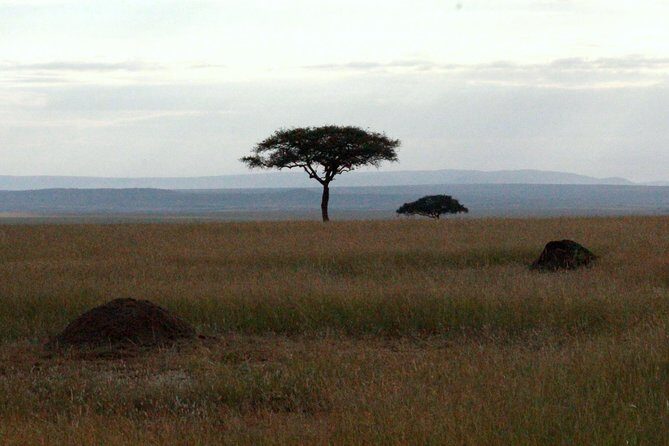
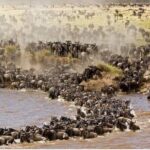
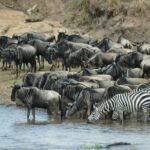
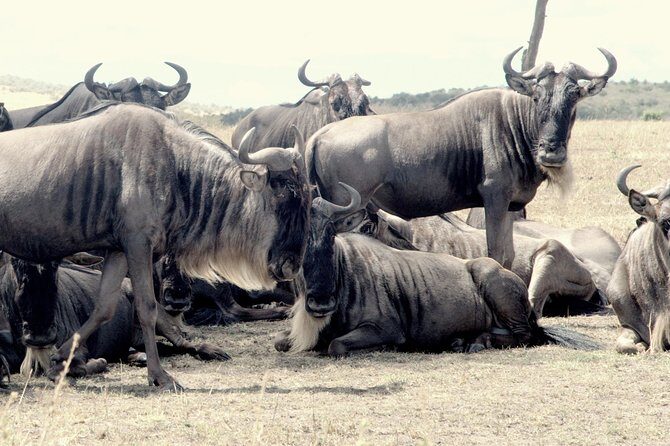
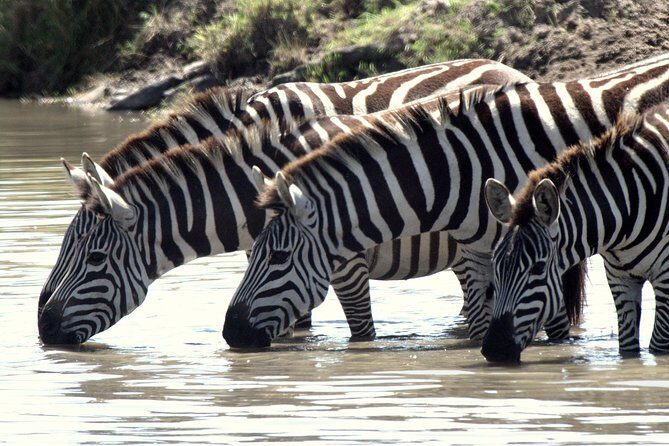
Day 3 is the one that changes the whole pace. Instead of another morning-plus-afternoon split, you’ll do an all-day game drive aimed along the Mara River. The highlight here is searching for signs tied to the wildebeest and zebra crossing story—one of the world’s famous wildlife spectacles.
Even when you don’t see a full crossing, the day can still deliver because you’re watching for signals: herds moving, tracks, river-edge behavior, and all the predators that show up when prey is near water. This is where many safaris feel most alive, because the ecosystem is playing out in front of you, not just in random sightings.
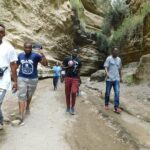
The plan then moves to the Hippo Pool for a picnic lunch. This is one of those moments where your brain switches from waiting inside the vehicle to standing outside and watching the river drama directly. You can come out of the vehicle and sit on the rocks to view hippos and crocodiles in the water below.
You’ll also have the chance for a short walk with a warden. That’s a smart add-on because it helps you translate what you’re seeing—tracks, behavior cues, and how animals use the river corridor. Even a brief guided walk can make the rest of the day feel more meaningful.
Camp life: private campsite, gear handled, and meals that keep you going
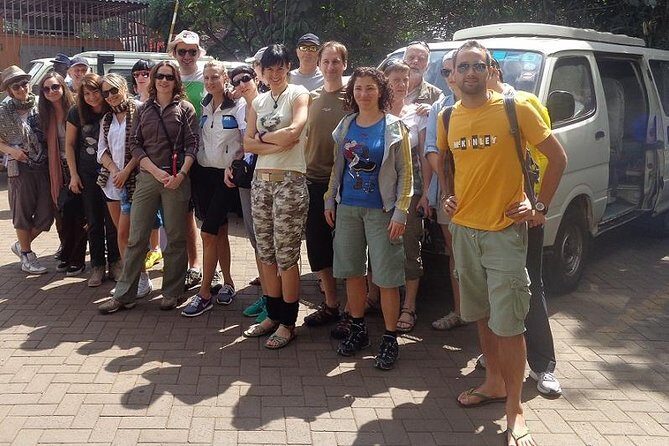
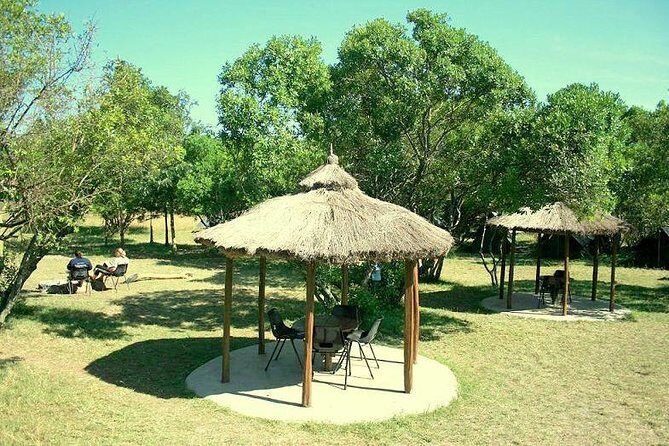
Camping safaris are great when the logistics are tight. Here, you’re staying at a private campsite with camping gear rental included. That’s a big deal if you’re traveling without camping experience or you don’t want to buy gear you’ll use once.
The daily meal plan is also practical:
- you’ll have breakfast on the mornings you start early,
- lunches are hot and timed to keep you from feeling drained,
- dinners are provided after each game drive day.
That matters more than you think. On wildlife days, hunger turns into irritability and tired eyes. Fed guests scan better and enjoy the slower moments more, like watching a lion patrol without rushing to the next spot.
What you should expect at camp is a “reset and recharge” rhythm. The schedule is paced so you can eat, rest, and sleep after wildlife drives. Since the group is capped at 14 travelers, the camp atmosphere tends to feel organized rather than chaotic.
Price and what you still pay for: value check
The price is $1,150 per person for a 4-day Masai Mara camping safari. That number looks simple until you compare it to what you’d pay if you tried to DIY the same experience: vehicle rental, driver, fuel, park access planning, meals, and—if you’re camping—equipment.
This tour includes meals (lunches, dinners, breakfasts) and camping gear rental. It also includes the main safari structure: pickup, briefing, planned game drives at multiple times of day, and the river/hippo pool day with a picnic.
But there’s one line you should not ignore: guest and guide/vehicle park fees are not included. Also, the itinerary notes admission ticket free in multiple days, but the vehicle/park fees line can still change your total cost depending on your situation. If you’re budget-conscious, ask what fees you should expect before you book.
On the payment/value side, it’s also worth noticing the trip size and how the operation is described across years. The repeated praise for careful organization and safety instincts—especially stories that mention small children—suggests this operator runs a consistent operation, not a one-off scramble. Even if you’re not traveling with kids, calm logistics reduce stress and make it easier to enjoy the wildlife.
Who this safari fits best (and who should think twice)
This 4-day Masai Mara camping safari is a strong choice if you want:
- a planned schedule with multiple game drives,
- camping without arranging gear yourself,
- pickup in Nairobi and a set return plan,
- time outside the vehicle at the Hippo Pool.
It’s also a good fit for first-time safari goers. The briefing early on helps you get your bearings fast, and the day structure makes it easier to understand when you’ll be driving versus resting.
It might be less ideal if:
- you dislike early starts and long road days,
- you’re expecting a fully all-inclusive price with no extra fees,
- you want a purely luxury lodge setup (this is camping).
For photographers, the morning-afternoon structure is a plus. For families, the stories about safety and staff care are encouraging, but you should still consider your child’s tolerance for long drives and early wake-ups.
Should you book this Masai Mara camping safari?
If your main goal is to maximize wildlife time without the headaches of self-planning, I’d put this near the top of your shortlist. The combination of early drives, afternoon drives, and a full day on the Mara River is exactly how you get more chances at predators and more chances at the big migration story.
I’d book it if you:
- want meals provided and gear rental handled,
- like the idea of camping in the Mara area,
- value a small group cap and organized transfers.
I’d think twice if the extra park/vehicle/guide fees would make your budget uncomfortable, or if early mornings are a dealbreaker. In that case, compare options that clarify the total “all-in” cost up front.
Overall, this trip is built for people who want Masai Mara to feel like a real safari adventure, not a transportation problem. If that’s you, you’ll likely come away with the kind of memories that stick to your brain for years.
FAQ
What time does the safari start?
The meeting start time is 7:00 am, with the Day 1 transfer and briefing scheduled for early morning from your Nairobi hotel.
Is pickup from Nairobi included?
Yes, pickup is offered from your Nairobi hotel area, and you’ll also get drop-off back to the airport or your hotel on the final day.
Are meals included?
Yes. The package includes 3 breakfasts, 3 dinners, and 4 lunches.
What wildlife experiences are included in the reserve?
You’ll go on game drives at different times of day in Masai Mara National Reserve, and you’ll also visit the Hippo Pool on the Mara River for a picnic lunch.
Are park fees included?
Guest and guide/vehicle park fees are not included, even though admission ticket free is shown for the days listed.
How large is the group?
The maximum group size is 14 travelers.
What is the cancellation or weather plan?
The experience is non-refundable and cannot be changed for any reason. If it’s canceled due to poor weather, you’ll be offered a different date or a full refund.
If you want, tell me your travel month and how many people are going. I can help you sanity-check whether the timing suits the Mara River crossing chances and how to plan around the early starts.