REVIEW · NAIROBI
From Nairobi: Lakes Nakuru & Naivasha National Park Day Tour
Book on GetYourGuide →Operated by GRACEPATT SAFARIS · Bookable on GetYourGuide
Waking up before sunrise pays off here: you roll into Lake Nakuru National Park early and get wildlife while the light is still working for you. Two things I really like are the chance to hunt for pink flamingos (when conditions line up) and the fact that your day isn’t just one park.
You also get a focused circuit: morning game drive around Nakuru, then an optional afternoon boat on Lake Naivasha for bird watching and hippos. The boat part is where the day turns from game-drive to slow-and-peaceful water time.
One possible drawback to plan for: the timing can be tight. If you miss early animal viewing due to traffic, entry delays, or late arrival, you may find wildlife is hiding in shade later in the day, and the lunch/boat timing can feel rushed.
In This Review
- Key things to know before you go
- The 6 a.m. start: Nairobi to Lake Nakuru without losing the day
- Lake Nakuru National Park: pink flamingos, rhinos, and big-game chances
- The lodge lunch stop: how to avoid losing your best wildlife window
- Leaving Nakuru around 3:00 PM for Naivasha: timing and light shift
- Lake Naivasha boat ride: eagle feeding, hippos, and the reality of “about an hour”
- Private vehicle, small group, and why the guide actually shapes the day
- Price and value: what you’re really paying for
- Who should book this Nairobi lakes day trip
- Should you book this tour?
- FAQ
- What time does the tour start and end?
- Is the boat ride on Lake Naivasha included?
- Are park entry fees included in the tour price?
- How long is the day trip?
- Is lunch included?
- Is the tour guide provided in English?
Key things to know before you go
- Early start matters: pickup at 6:00 AM helps you reach Lake Nakuru while animals still move.
- Flamingos are seasonal: you might see huge numbers, but some days are better for other birds.
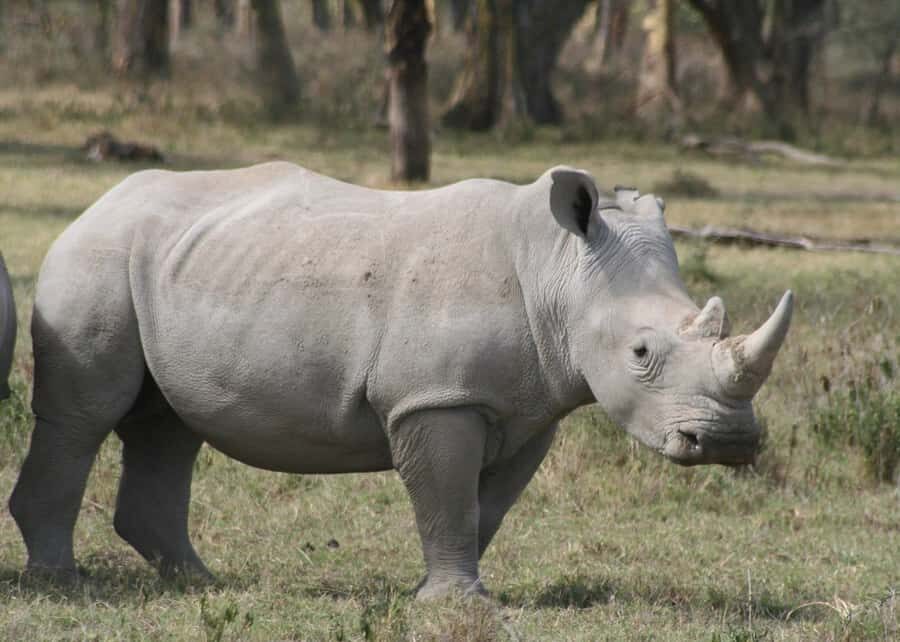
- Rhinos are a big draw: Nakuru is known as a rhino sanctuary, so keep your eyes up at every turn.
- Naivasha adds variety: a boat ride focuses on birds, eagle feeding, and hippos.
- Afternoon light affects photos: Naivasha’s island views can be backlit depending on timing.
- Bring snacks and patience: lunch is not a guaranteed long break, and entry issues can add delays.
The 6 a.m. start: Nairobi to Lake Nakuru without losing the day
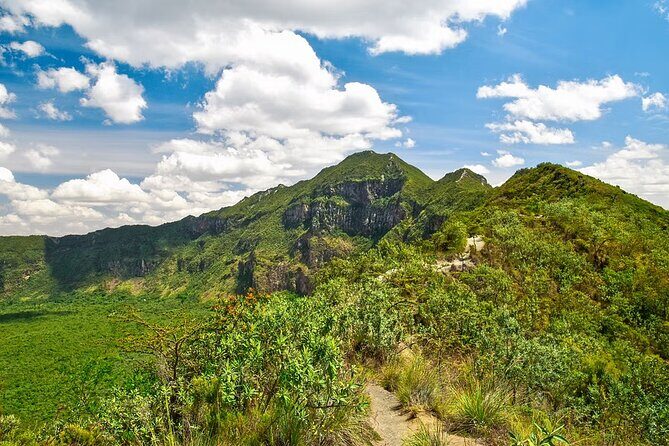
This is a proper day safari, not a “sleep in and hope” plan. Pickup is at 6:00 AM, and that early departure is your ticket to a better chance of spotting wildlife while animals are still active. The drive from Nairobi takes about 3.5 to 4 hours, and it’s a real mix of scenery and road time.
A few road realities can shape the experience. Kenya roads can include many sleeping policemen, which means the vehicle slows down often. There’s also a stretch that’s popular with slower trucks, so you won’t always cruise. By the time you’re finally near the park entrance, you’ll understand why the early start is the difference between “great sightings” and “most animals already tucked in.”
On the way back, there’s a practical tip: if you can use the Expressway rather than surface streets, it can save time. This isn’t included, but it’s worth considering if you’re trying to avoid an extra-long late evening.
For me, this part of the day is about positioning. You’re paying for time and access, so you want the clock working for you.
You can also read our reviews of more tours and experiences in Nairobi.
Lake Nakuru National Park: pink flamingos, rhinos, and big-game chances
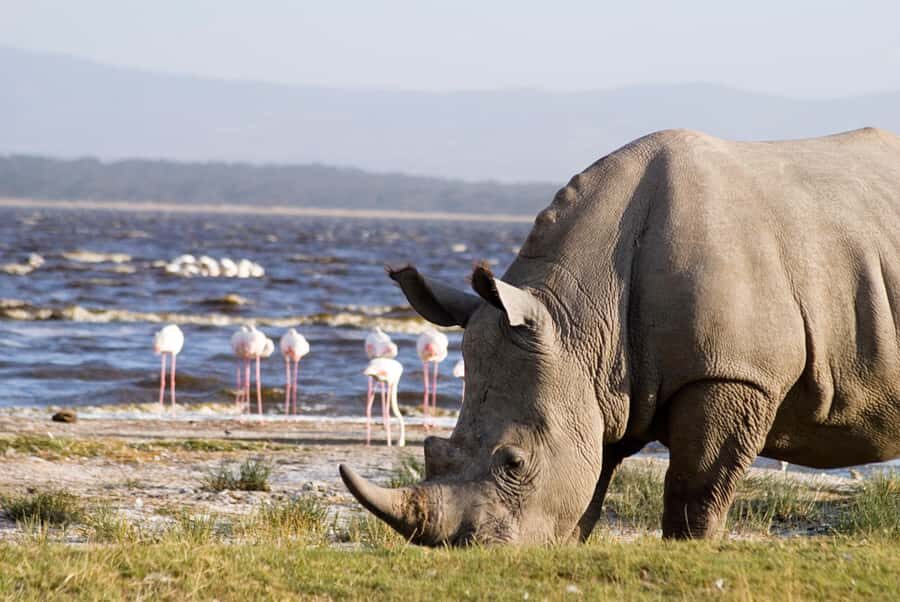
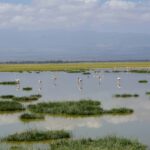
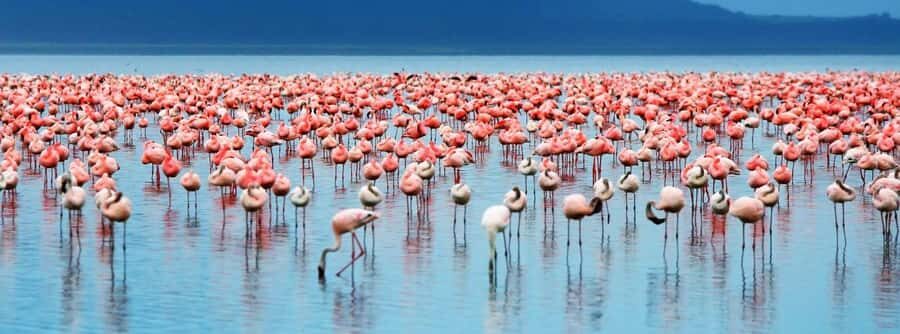
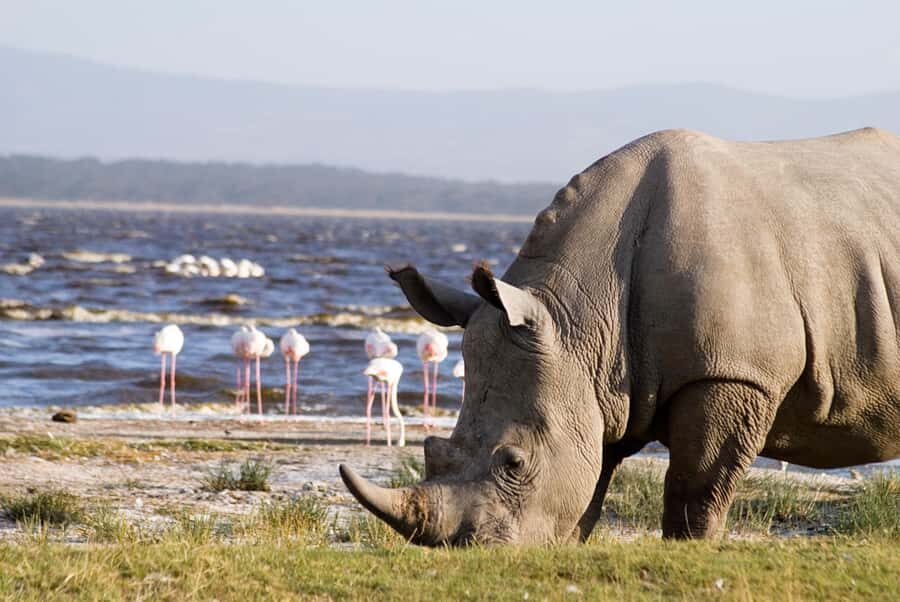
Lake Nakuru is famous for birds, and it lives up to the hype in a very visual way. The lake can host over 400 bird species at times, and the flamingo action can be dramatic, especially when the conditions are right. You may see up to around two million greater and lesser flamingoes, plus tens of thousands of other birds. That’s why people call it Birds’ Paradise.
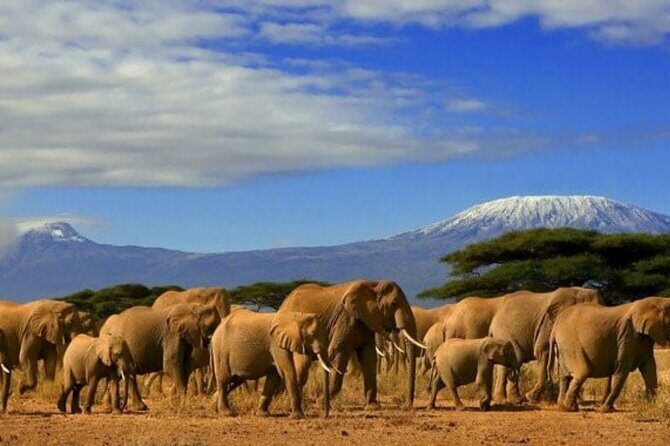
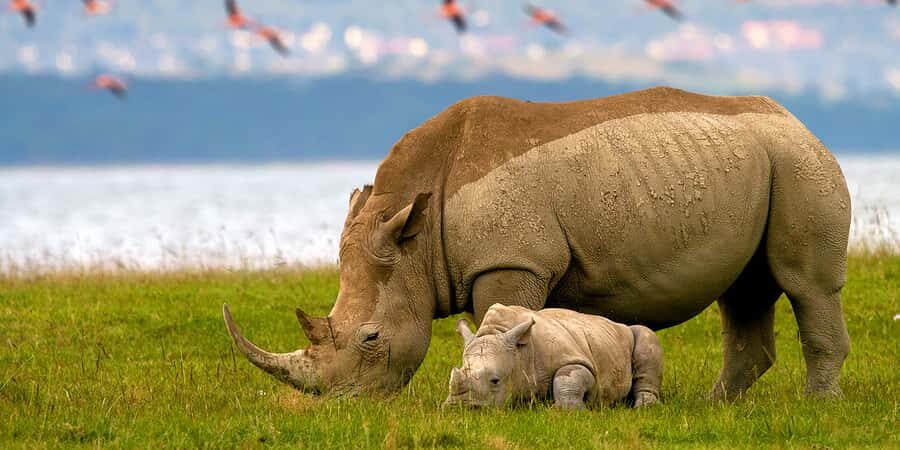
The big safari twist is that Nakuru isn’t only birds. It’s also a rhino sanctuary, so you can combine “wow, look at the lake” with “wait, where’s the rhino.” Once you enter the park gates, you’re not stuck with a distant view from a parking lot. You’ll do wildlife viewing as soon as you’re inside, and the drive continues as you search.
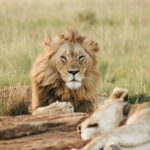
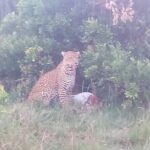
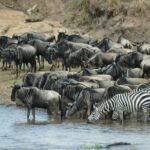
When the animals are moving, it’s a great feeling: you spot birds and then you pivot to mammals. This tour’s goal is broad, and it lines up well with what the park offers—rhinos, lions, giraffe, buffalo, and even sightings like leopards and hippos can happen depending on the day. One thing to keep your expectations grounded: flamingos aren’t guaranteed every single outing. Some days you get fewer flamingos, but you still get plenty of bird variety.
If your priority is flamingos, don’t treat that as a checkbox. Treat it as a high-probability highlight that can shift. Either way, Nakuru tends to deliver movement and variety.
The lodge lunch stop: how to avoid losing your best wildlife window
After the morning game drive, you’ll stop around lunchtime at a lodge area. Lunch itself is not included, so you’ll be buying from a local restaurant on your own. The tour plans for time, but it doesn’t promise a long, relaxed meal.
That matters because the best wildlife viewing often happens when you’re not burning time. One traveler noted there wasn’t a full formal lunch stop, and another recommended packing snacks and water so you don’t feel stuck waiting for food options. I agree with that approach. Even a small snack buffer makes the day smoother, especially on rough road days when appetite hits at unpredictable times.
Think of lunch as a pit stop. Plan to eat something filling enough to keep your energy up, but don’t expect a full sit-down feast that turns the day into a leisurely museum stroll.
Also, remember this schedule continues after lunch. You’ll keep driving and viewing wildlife as you head out of the park later in the afternoon.
Leaving Nakuru around 3:00 PM for Naivasha: timing and light shift
You’ll leave Lake Nakuru at roughly 3:00 PM and head to Lake Naivasha. This handoff is what keeps the day from feeling repetitive. Nakuru is about park driving and shoreline bird life. Naivasha is about water and the calm theatre of animals at a distance.
A subtle thing that affects your enjoyment: the afternoon timing can change how the scenery looks. One practical photo note from experience is that the Naivasha island area can be backlit in the afternoon, which makes photography trickier. It doesn’t ruin the trip, but if you’re sensitive to lighting, keep your expectations realistic.
This is also when the tour becomes more “eyes on nature” than “chase the next animal.” On water, you can slow down. You’ll still be watching hard, but the pace changes.
And yes, there can be variance. There was at least one case where Naivasha wasn’t visited due to circumstances, so it’s smart to stay flexible and confirm what’s planned for your specific day.
Lake Naivasha boat ride: eagle feeding, hippos, and the reality of “about an hour”
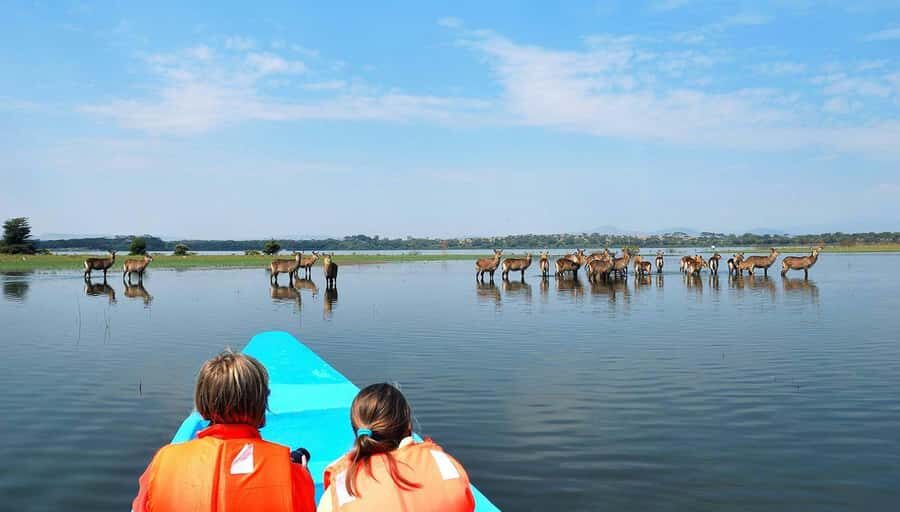
If you choose the boat option, you’ll get an optional ride that’s listed as about 1 hour. On the water, the focus is bird watching and hippo viewing, with the standout detail of eagle feeding. That’s a very different vibe from the road safari. Instead of scanning for movement across a savanna, you’re reading the shoreline and watching how animals come and go in a slower rhythm.
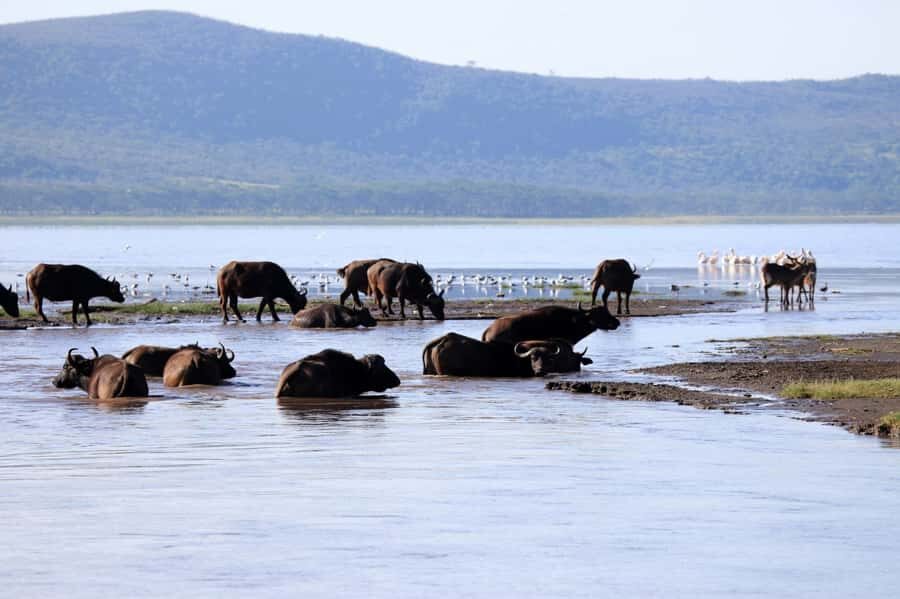
Hippo viewing is a highlight of Naivasha for a reason: you don’t need to find them. They’re there, and your boat ride puts you close enough to feel the scale and presence of these animals. Some boats can pass near groups that make you understand why hippos are taken seriously around water.
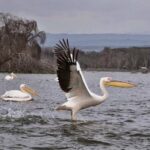
Birding here can be fun and interactive. Eagle feeding adds a built-in “event moment,” which keeps the ride from turning into a silent float. Even if birds aren’t right at the exact moment you want photos, the action tends to keep cycling.
Now the important practical point: at least one traveler reported the boat felt shorter than the paid hour and ended more rushed than expected. So while the experience is generally framed as an hour, treat it like a window rather than a guaranteed 60-minute cruise. If you care a lot about maximizing Naivasha time, plan for it to be short and enjoy the ride without banking on extra minutes.
Also bring your patience for small moments. A boat ride is less about controlling the sightings and more about reacting to what the lake gives you.
Private vehicle, small group, and why the guide actually shapes the day
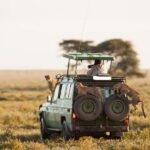
This tour runs in a private vehicle with a professional guide, and it’s offered as a small group option. That combo matters more than people think. With fewer people, the vehicle can move more quickly when you find something interesting, and you’re not constantly negotiating space for camera angles.
The guide can be the difference between a drive that feels random and a drive that feels like a plan. Several named guides came through in experience with calm driving and animal-spotting skills, including Martin, Simon, Titus, Steven, Joe, and John. What they tend to share is practical attention: they notice movement early and they help you time photo stops without turning the day into a traffic jam.
A good guide also manages the “read the day” part. If flamingos are thin, the focus shifts to other birds. If you’re waiting at the entrance, you make the best of the time you do have. One traveler had a voucher issue that delayed entry by about half an hour; the key outcome was that the day still stayed productive once underway.
If you want the safari to feel like a smooth, guided experience rather than a long drive with occasional stops, this setup helps.
Price and value: what you’re really paying for
The base price is $195 per person, with a duration listed as 10 to 12 hours. That price includes pickup (from Nairobi accommodation or the airport options), transport in a private vehicle, a guide, and the boat ride if you select the option. It also includes drop-off back in Nairobi.
What’s not included is a big part of budgeting: lunch is not included, and Lake Nakuru entry fees are separate. Lake Nakuru entry is listed as $90 per adult and $45 per child (depending on your option). That means your all-in cost will be base tour price plus park fees plus lunch.
Is it worth it? In my view, it’s a solid value if you care about two things: (1) getting real access time in protected areas without juggling local transport and (2) having a guide who can spot animals and keep the flow of the day.
You’re paying for convenience plus smarter time use. Nairobi-to-Nakuru is not a short hop, and roads take longer than you’d guess. The guided part helps you use that travel time well, especially with an early start.
Where the value math can wobble is if you’re unlucky with sightings or if timing is affected by delays. One traveler also noted Naivasha may not be visited in some situations. If that happens on your day, the value drops because the itinerary’s second half was part of what you booked.
Who should book this Nairobi lakes day trip
This tour fits best if you want a big “Kenya highlights” sampler without switching hotels or adding extra travel days. It’s especially good for first-time visitors who want both park wildlife and a lake experience in one long day.
You’ll likely enjoy it most if you:
- Like the idea of combining Lake Nakuru birds with Lake Naivasha hippos
- Want a guided day in a small group with a private vehicle
- Can handle an early start and a long drive without needing a slow pace
- Are happy to adapt if flamingo numbers aren’t peak on your day
It might be less ideal if:
- You want a very flexible schedule with no rushing
- You’re extremely sensitive to timing and lighting for photography
- You’re hoping for a guaranteed “perfect flamingo day” every time
If you bring snacks, water, and realistic expectations about wildlife variability, this is a strong way to spend your time near Nairobi.
Should you book this tour?
I’d book it if your priority is a well-run, one-day combo of Lake Nakuru National Park and Lake Naivasha. The potential for rhinos and big wildlife sightings at Nakuru, plus the bird-and-hippo boat time at Naivasha, is a good match for limited schedules.
Before you book, do two things to protect your experience: pack small snacks and water for the day, and choose the boat option only if you truly want that water segment in the afternoon light. If you want the best shot at flamingos, go in knowing it’s nature, not a timed show. And if your top goal is photos, accept that afternoon light on the Naivasha side can be tricky.
If your day looks anything like the best runs, you’ll leave Nairobi with birds on your mind, hippos on your camera roll, and a safari day that actually feels like safari time.
FAQ
What time does the tour start and end?
Pickup is at 6:00 AM in Nairobi (with airport or city pickup options available). The schedule is designed to return to Nairobi around 6:00 PM.
Is the boat ride on Lake Naivasha included?
The boat ride is included if you select the option when booking. It’s listed as an optional ride of about 1 hour.
Are park entry fees included in the tour price?
No. Lake Nakuru entry fees are not included: $90 per adult and $45 per child (depending on your option).
How long is the day trip?
It runs about 10 to 12 hours.
Is lunch included?
No. Lunch is available for purchase on your own.
Is the tour guide provided in English?
Yes. The tour guide is listed as English-speaking, and the tour uses a professional guide.