REVIEW · NAIROBI
5 Days Ol Pejeta-Lake Nakuru-Masai Mara Mid-Comfort Safari
Book on Viator →Operated by African Home Adventure Safaris · Bookable on Viator
Five days in Kenya, three parks, and some serious wildlife odds. This mid-comfort safari links Ol Pejeta (rhinos plus chimps), Lake Nakuru (flamingos and rhino country), and the Masai Mara (year-round game viewing) into one tight route with a luxury tented-camp feel. It starts with a morning pickup from Nairobi and ends back in town for your flight day.
Two things I especially like: Ol Pejeta’s conservation work, where you can see black rhinos (and even the last two Northern white rhinos in East Africa) in a place built for protecting them. And the Masai Mara portion is built for real sightings, including a full day in the park with a picnic-style packed lunch and prime predator country. I also find it reassuring that guides like Kenneth show up again and again in operator stories for being patient, safe, and focused on making the day enjoyable, not just checking boxes.
One possible drawback to plan for: you’ll be doing a lot of driving between parks, and it starts early. If you hate long travel days, or if you need very flexible pacing, this route may feel like it moves fast—especially with a formal dress code for parts of the trip.
In This Review
- Key things to know before you go
- Day 1: Ol Pejeta Conservancy from Nairobi, with black rhinos and chimps
- How Ol Pejeta’s conservation focus changes your whole game drive
- Day 2: Lake Nakuru’s pink shoreline, plus rhino country
- Day 3: Masai Mara arrival, then an afternoon game drive
- Day 4: A full day in Masai Mara with picnic-style lunch inside the park
- What you get with mid-comfort lodging in a luxury tented camp
- Private-group pace, real driving time, and why your guide can make or break it
- Price and value around $2,027 per person
- Practical tips: start times, formal dress, and what to pack for Kenya parks
- Optional Masai village day and the Carnivore lunch stop
- Should you book this 5-day Ol Pejeta–Nakuru–Masai Mara safari?
- FAQ
- What are the pickup and starting details in Nairobi?
- Does this safari include park admission tickets?
- How long is the safari, and how many days does it cover?
- Is the Masai village visit included?
- Is there a vegetarian option?
- Can I cancel and get a refund?
Key things to know before you go
- Ol Pejeta is a conservation-focused stop, not just a generic park drive, with a big black rhino sanctuary and chimps.
- Lake Nakuru is the flamingo show, and timing matters when the shoreline forms that deep pink band.
- Masai Mara gets a full-day game drive, with picnic-style lunch inside the park for maximum time spotting wildlife.
- You travel as a private group, so your schedule is geared to your party rather than constant re-grouping.
- Guide quality matters here, and names like Kenneth and Tom come up as people notice safe driving and good energy.
- This route is mid-comfort, so you’ll trade some “roughing it” for comfort, but you still stay in safari mode.
Day 1: Ol Pejeta Conservancy from Nairobi, with black rhinos and chimps
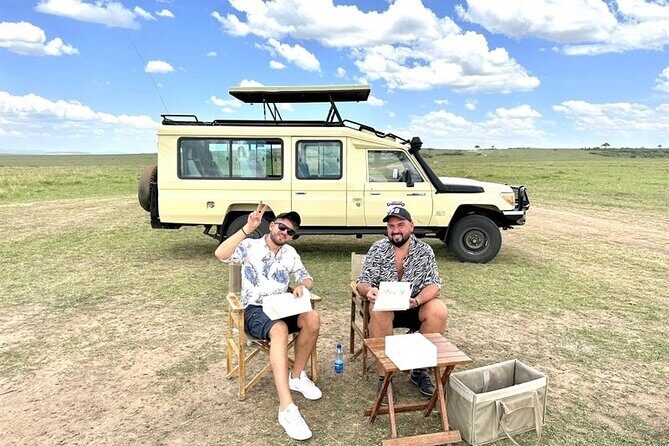
Your day starts early from Nairobi (usually the pickup window is around 7:30am, with the safari drive getting going near 8am). You’re heading straight out to Ol Pejeta Conservancy, with enough time on arrival to check in, grab lunch, and then reset before an afternoon game drive.
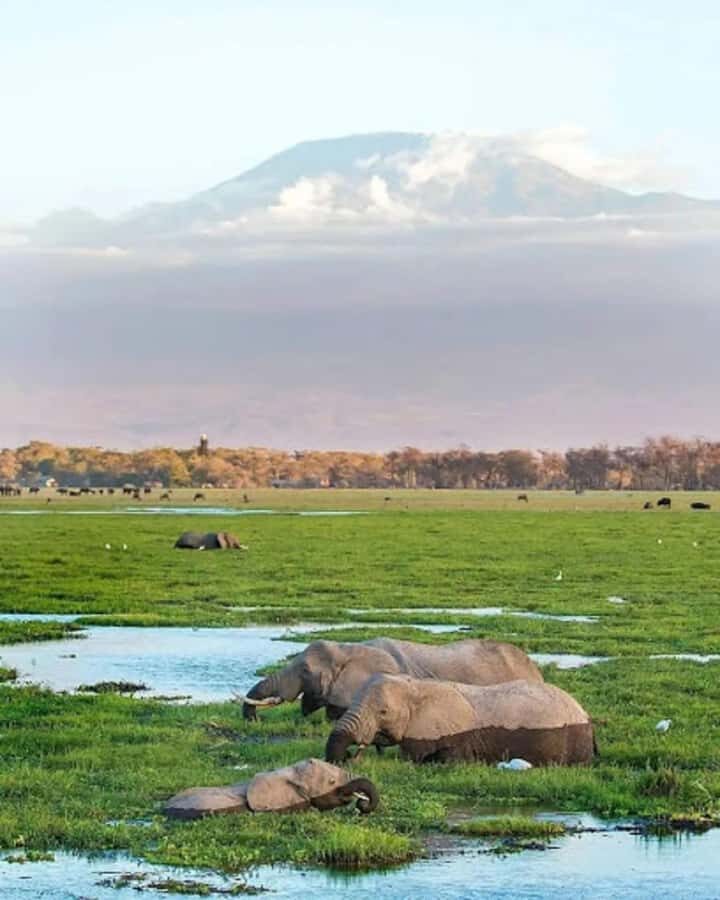
Ol Pejeta’s big draw is conservation-first wildlife. You’re going there specifically for the rhino story: the conservancy is known for hosting over 165 critically endangered black rhinos, and it’s also tied to the last two remaining Northern white rhinos in East Africa. That means your drive is not only about spotting—it’s about seeing how Kenya protects some of the rarest animals on the planet.
You should also know Ol Pejeta is the only home for chimps in Kenya (as described for this safari). That’s a big “wow” factor if you want more than the classic safari circuit. Even if your main target is rhinos, plan to keep your eyes moving—Ol Pejeta tends to reward the patient scanner, not just the person who rushes to the front of the vehicle.
A few more Nairobi tours and experiences worth a look
How Ol Pejeta’s conservation focus changes your whole game drive
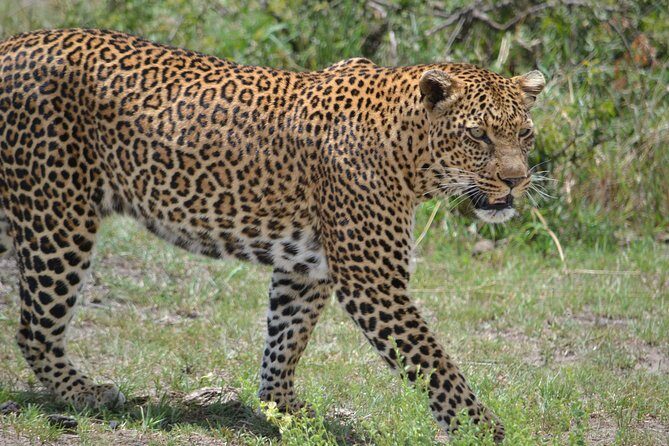
Game drives can feel the same everywhere—until you’re in a place that has been set up to protect threatened animals. Ol Pejeta’s reputation for rhinos comes from active sanctuary management, and that shifts your mindset while you’re out there. You’re less likely to treat sightings as a checklist and more likely to pay attention to behavior and habitat.
Here’s what tends to matter on the ground. The afternoon timing means your wildlife viewing often comes with changing light and shifting activity levels—great for seeing body language. The conservancy format also typically gives you more concentrated chances to find the animals you came for. That’s valuable when you only have one day in the area.
One more note: if your group cares about chimps, don’t assume the sightings will be guaranteed on an itinerary. This tour gives you the chance to be there, but wildlife timing is wildlife timing. What you can control is your approach: keep expectations flexible, ask your driver for the best viewing areas when you see others parked, and be ready to pause when something looks promising.
Day 2: Lake Nakuru’s pink shoreline, plus rhino country
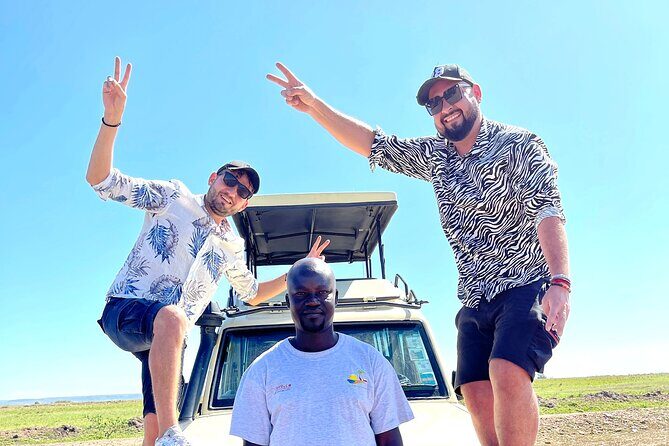
After breakfast, you leave Ol Pejeta and head to Lake Nakuru National Park, arriving in time for lunch at Lake Nakuru Sopa Lodge. Then you get an afternoon game drive, with dinner and overnight back at your lodge.
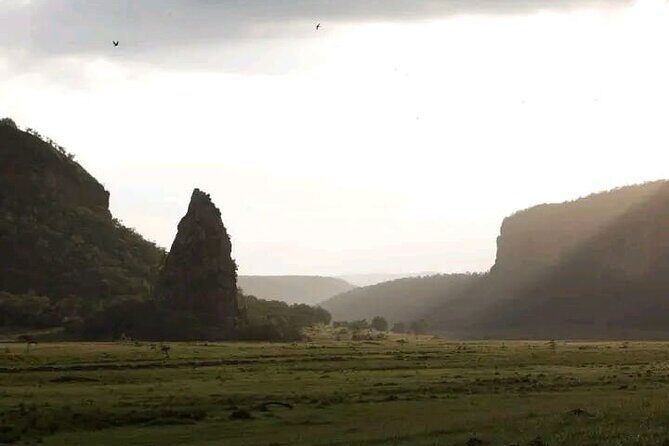
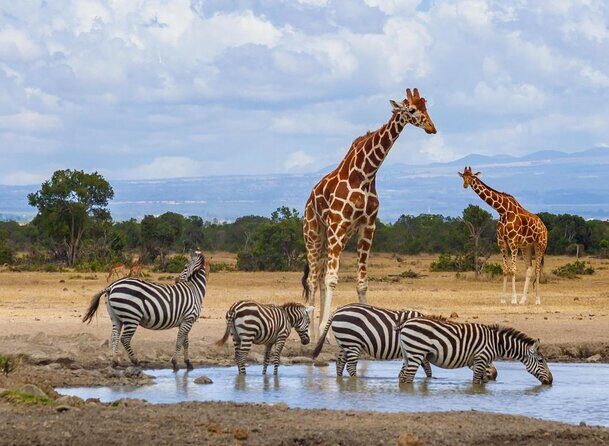
Lake Nakuru is famous for one thing first: flamingos. At times, the number can reach almost two million, creating that striking deep pink band along the lake edge. If you’re the kind of person who loves photos, this is one of the best places on the circuit to work on your best “standing knee-deep in wow” shot—without needing a long hike.
But don’t treat Nakuru as only a bird park. This area also has rhinos, and in this safari description it’s now a rhino sanctuary with a population of over 40 black rhinos and over 60 white rhinos. That matters because it balances the flamingo spectacle with real safari credibility—mammal sightings still play a major role even when the lake looks like a postcard.
A practical consideration: the morning game drive is listed as 06:30–09:00 in the description, but since the day is centered on the move from Ol Pejeta, you’ll often be trading a smooth sleep-in for better chances of wildlife activity and cooler conditions. If you’re sensitive to early starts, plan to be asleep early the night before.
Day 3: Masai Mara arrival, then an afternoon game drive
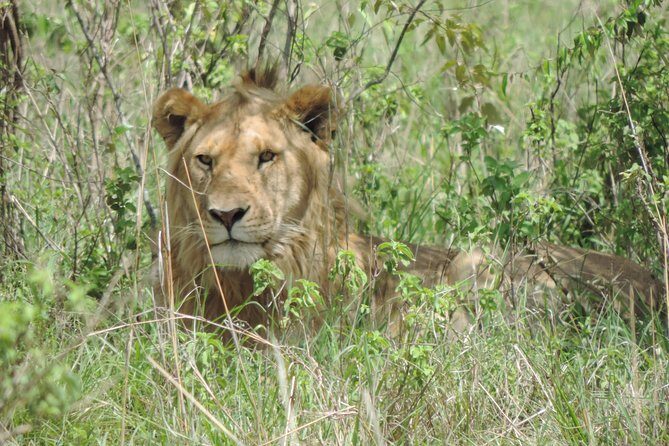
You’ll head from Nakuru to Masai Mara after breakfast. The day is designed around arrival and a first taste of the reserve: you get lunch at your lodge on arrival, some rest, and then an afternoon game drive.
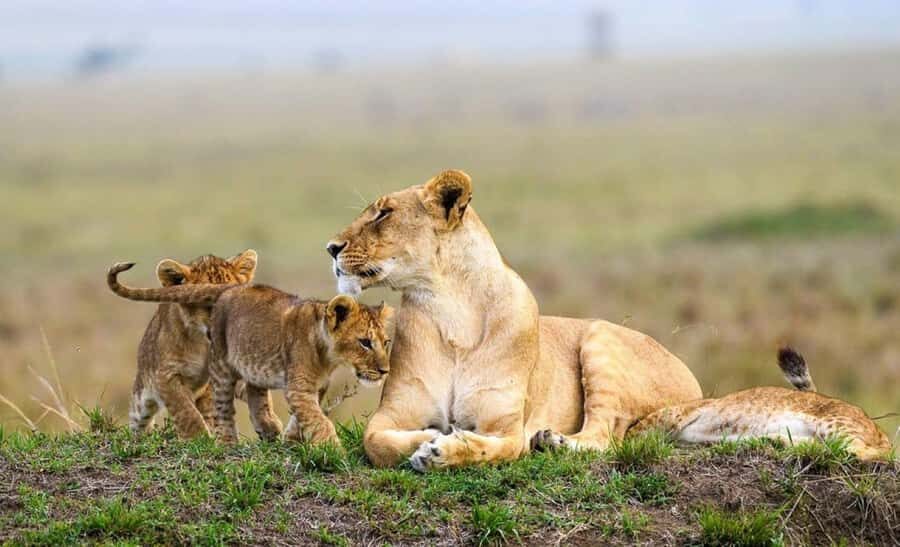
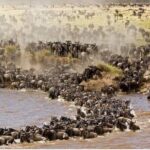
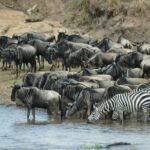
Masai Mara is the part of this safari that most people dream about. It sits at the northern tip of the broader Serengeti ecosystem, and the Mara is known for year-round wildlife viewing. If you’re traveling during migration season, the timing can be dramatic—this safari description points out that from around July, huge numbers of wildebeest move across the Mara River into Masai Mara to feed on the savannah. Even if you’re not there during peak migration, the Mara still tends to deliver predators and large herds.
I like how this itinerary gives you an afternoon drive on Day 3 rather than trying to cram a full day right away. You need a little adjustment time—new habitat, new rhythm, new roads. That first drive is also a good way to learn the area with your driver before the full-day viewing on Day 4.
Day 4: A full day in Masai Mara with picnic-style lunch inside the park
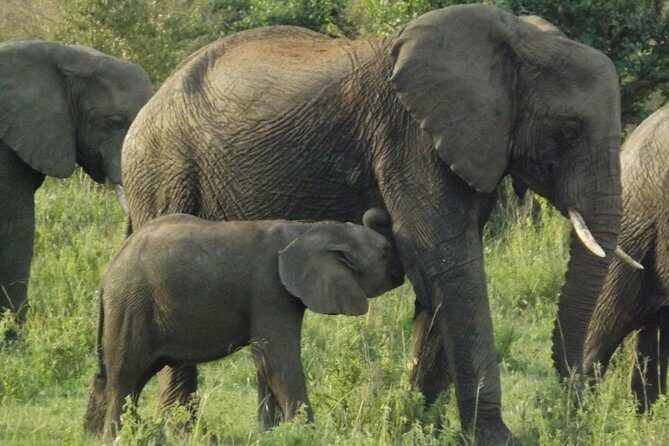
Day 4 is your main viewing day. You’re out for a full day of game viewing with a packed lunch served picnic-style inside the park.
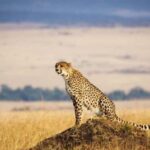
This is where the Mara’s “golden savannah” character becomes a practical tool for spotting. The grasslands are open enough to see far, but not so open that you feel like you’re staring at emptiness. In this habitat, predators like cheetahs can chase effectively. The tour description even points to the classic hunt rhythm: cheetahs working the sprint after Thomson’s gazelle. That kind of detail matters because it tells you what you’re watching for, not just what you’re hoping for.
You’ll also want to pay attention to the Mara River area if you’re in season. When the wildebeest movement is underway, the whole system seems to feel louder—more movement, more birds, more eyes on water. Even if your exact timing doesn’t line up with that peak, a full day gives you multiple chances to find food, shade, cover, and resting patterns.
The packed-lunch setup inside the park is a big value move. It means fewer returns to the lodge, which keeps you in the prime viewing hours for longer. On safari, time out there is the product.
A few more Nairobi tours and experiences worth a look
What you get with mid-comfort lodging in a luxury tented camp
This safari ends each day in a luxury tented camp style of accommodation. You get the feel of being in the wild without giving up basic comfort. That matters when you’re doing four game drives plus travel days and you still want sleep that doesn’t punish you.
A tented camp can also make early mornings easier. When you don’t have to travel far at dawn, you spend less time “getting ready” and more time watching. And after long drives, a comfortable base helps you reset quickly—especially in areas where temperatures can shift between day and night.
What I’d keep in mind: mid-comfort still means you’re in a safari environment. Roads, sounds, and wildlife presence are part of the deal. If you’re a light sleeper, bring earplugs. If you like a simple routine, plan for the camp to be your calm anchor while the parks do the heavy lifting.
Private-group pace, real driving time, and why your guide can make or break it
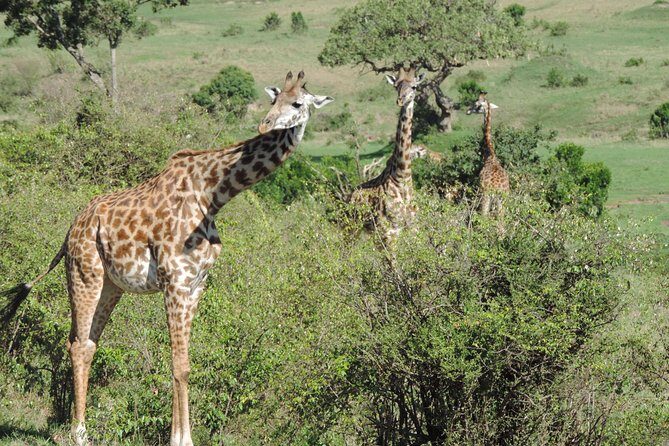
This is a private tour, so only your group participates. That’s a meaningful difference. You’re not waiting on other parties, and you can set your own pace for breaks and viewing time—within the practical limits of park rules and driving distances.
The guide quality piece is huge in this region, and that comes through in how the operator is discussed: Kenneth is repeatedly described as patient, fun to be around, and focused on safe driving. Tom is also thanked for expertise. On the other hand, there’s at least one note about inconsistent service when a preferred person wasn’t available due to personal engagements. That doesn’t mean your trip will be bad. It does mean you should be proactive.
My advice: confirm your assigned driver/guide name shortly after booking, and keep expectations flexible if the schedule needs adjustments. Safari operators sometimes shuffle staff. Good ones communicate early. You want that clarity so you can enjoy the ride instead of worrying about it.
Price and value around $2,027 per person
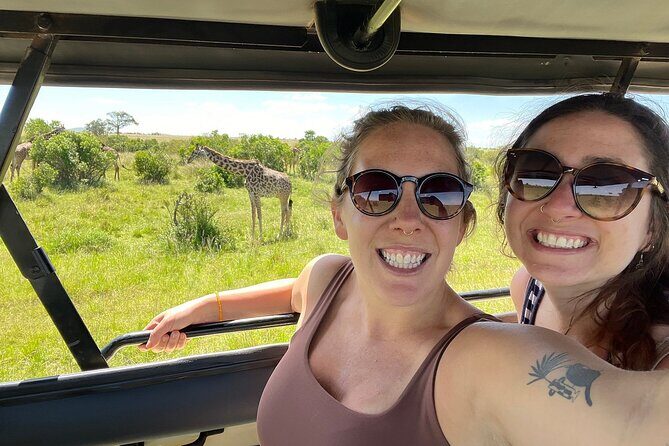
At about $2,027.03 per person for five days, this safari isn’t cheap, so you should measure value by what’s included and what’s not, not just by the nightly rate.
From the way the park fees are described, you get a mix of included and not-included admission: Ol Pejeta admission is included on Day 1, while Lake Nakuru and Masai Mara admission are described as free within the tour arrangement. On top of that, your route includes pickup and transfers between Nairobi and three major wildlife areas, plus your lodging across multiple nights.
Here’s how I frame value for this kind of itinerary:
- You’re paying for time in three high-demand parks without having to plan everything yourself.
- You’re also paying for the ability to focus on wildlife rather than logistics and ticket-hunting at every stop.
- The “private” aspect is part of the price logic—your group gets the scheduling advantage.
If you’re the kind of traveler who enjoys driving yourself or building your own route, you might find a cheaper option. But if you want a smooth flow—especially with a full day inside Masai Mara—this price starts to make sense.
Practical tips: start times, formal dress, and what to pack for Kenya parks
A few practical things are baked into this safari:
- The start time is set for Nairobi around 7:30am, with departure from your city hotel or JKIA around 8am on Day 1.
- The dress code is listed as formal. That may surprise you for a safari, but assume at least some dinners and day-end activities expect it. Pack one “proper” outfit even if you also bring casual clothes for game drives.
- The minimum drinking age is 18. If you’re traveling as a mixed-age group, this matters for planning who can enjoy which beverages.
What to pack (based on what safari days demand):
- A light layer for early mornings and the evening drive back.
- Sun protection (cap, sunglasses, sunscreen), because game drives mean long hours exposed.
- A small day bag for water and essentials.
- A camera strap or method to keep your gear stable while you scan for animals.
Also, expect that the Masai village visit on Day 5 is optional. If culture is important to you, factor in that last day can include that add-on before you head back to Nairobi for lunch and then your flight.
Optional Masai village day and the Carnivore lunch stop
Your final day includes an optional visit to a Masai village, offered after breakfast on the way back to Nairobi. If you choose it, you’ll learn about Masai culture (as described for this safari), then you’ll return to Nairobi.
Later, you’ll have a complimentary lunch at the Carnivore restaurant before being dropped back at your city hotel or JKIA based on flight timing. This is a convenient way to avoid scrambling for food on a departure day.
One caution: optional cultural stops are easiest when you keep your schedule loose. If your flight is tight or you hate any added stops, decide in advance whether you want the village visit.
Should you book this 5-day Ol Pejeta–Nakuru–Masai Mara safari?
I’d book it if you want the classic Kenya trio in one trip: conservation rhinos at Ol Pejeta, flamingos plus rhinos at Nakuru, and real safari viewing power at Masai Mara with a full day inside the reserve. The private-group setup and the full-day Mara plan are the strongest reasons, because they protect your time where wildlife viewing is best.
I’d think twice if your travel style needs lots of downtime. The route moves, and you’re looking at early mornings plus inter-park drives. Also, because the dress code is listed as formal, you’ll want to be ready to pack for that rather than assuming everything is casual.
If you do book, my best “make this smoother” tips are simple:
- Confirm who your guide/driver is right after booking, so you aren’t surprised by staffing changes.
- Pack one formal outfit and one practical layer for early mornings.
- Plan your camera battery strategy for long viewing days.
- Be flexible about chimp and specific rhino sightings; your best results come from staying focused once you’re on the ground.
FAQ
What are the pickup and starting details in Nairobi?
Pickup is offered from your city hotel or from JKIA Airport in Nairobi. The tour’s start time is listed as 7:30am, with Day 1 driving to Ol Pejeta Conservancy starting around 8am.
Does this safari include park admission tickets?
Ol Pejeta Conservancy admission is included on Day 1. Lake Nakuru National Park and Masai Mara National Reserve admission are listed as free within the tour arrangement.
How long is the safari, and how many days does it cover?
It runs for about 5 days, covering Ol Pejeta, Lake Nakuru, Masai Mara, and then returning to Nairobi for the final day.
Is the Masai village visit included?
The Masai village visit on Day 5 is optional. You can choose whether to add it before the drive back to Nairobi.
Is there a vegetarian option?
Yes. A vegetarian option is available if you request it at the time of booking.
Can I cancel and get a refund?
Free cancellation is available up to 24 hours in advance of the experience start time for a full refund. If you cancel less than 24 hours before, the amount paid is not refunded.