REVIEW · MTWAPA
Mombasa Cultural & Wildlife Experience
Book on GetYourGuide →Operated by Hakuna Matata Safaris · Bookable on GetYourGuide
Drums, then giraffes, in one trip. This Mombasa cultural and wildlife experience pairs Mijikenda village storytelling with a visit to local classrooms, then ends in nature where you can spot giraffes. I especially like the warm, human schoolchildren moments and the way village elders explain traditions in plain, everyday terms.
You get a lot of Kenya in a short time: cultural stops in Mtwapa, a live Mijikenda dance performance, and wildlife viewing in the Nguuni area. One thing to factor in early: the $100 price does not include the cash entry fees for the village and the sanctuary.
If you want more romance or camera-ready memories, there are optional upgrades too, including a private photoshoot. Just plan on bringing cash and comfy shoes, because this day runs on a steady walking pace and bright coastal sunshine.
In This Review
- Key highlights that make this tour worth your time
- The 4-hour plan: pickup in Nyali, Bamburi, or Mombasa
- School visit in Mtwapa: greetings that feel personal (weekdays only)
- Real Mijikenda village tour: elders, homesteads, and survival stories
- Live Mijikenda tribal dance: participation, not just watching
- Taste of the Coast: fresh coconuts and optional palm wine
- Nguuni Nature Sanctuary: giraffes, ostriches, and antelope close to the action
- Price and logistics that can surprise you: cash entry fees and add-ons
- What makes the guiding feel better than average
- Who this tour fits best (and who might want a different plan)
- Should you book Hakuna Matata Safaris for this Mombasa experience?
- FAQ
- How long is the Mombasa Cultural & Wildlife Experience?
- Is the school visit included, and is it always available?
- What extra fees should I expect in cash?
- What wildlife can I see at Nguuni Nature Sanctuary?
- Is there a tribal dance as part of the tour?
- Where does pickup and drop-off happen?
- What optional upgrades are available?
Key highlights that make this tour worth your time
- School visit on weekdays: real smiles, classroom curiosity, and local connection
- Village elders guide the route: survival stories and daily-life details, not a staged script
- Live Mijikenda dance: join in, laugh, and feel the rhythm up close
- Nguuni Wildlife Sanctuary sightings: giraffes, ostriches, and antelope in open natural areas
- Small-cost add-ons: romantic picnic under acacia trees, plus optional private photoshoot
- Guides like Rico: multiple visitors praised flexible, attentive guiding
The 4-hour plan: pickup in Nyali, Bamburi, or Mombasa
This is built as a tight, four-hour loop, so it works well when you want culture and wildlife without losing half your day. You’ll start with pickup from Nyali, Bamburi, or within Mombasa, then head to stops in the Mtwapa area.
The schedule is compact: a couple of guided and walking segments, a dance show, a short photo stop, a break, and then time on foot for wildlife viewing. If you’re short on time, this pacing is a win.
School visit in Mtwapa: greetings that feel personal (weekdays only)
The day starts with a local school visit, and it’s specifically described as available on weekdays only. This is not a quick drive-by. You’ll get a chance to walk through and see how kids and teachers interact—plus you’ll hear about hopes and dreams in a way that feels direct.
What I like about this part is the emotional payoff. It’s easy to do “sights,” but schools are about people, and the energy you get back is usually the strongest moment of the tour.
Practical note: bring a little patience for the heat and sun. The visit involves walking and standing outdoors, and coastal Kenya lighting is bright even when the day feels calm.
Real Mijikenda village tour: elders, homesteads, and survival stories
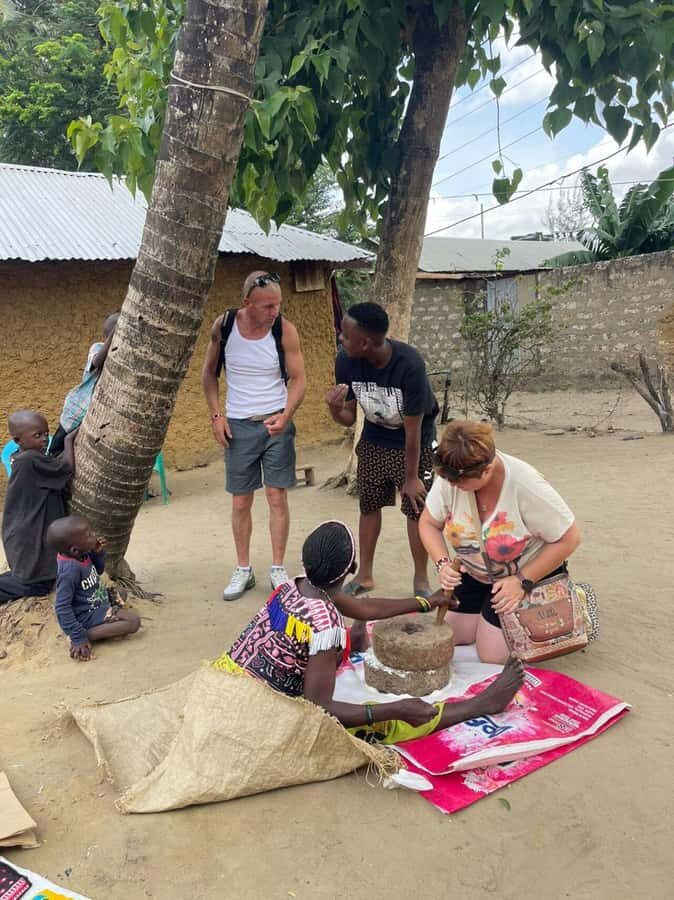
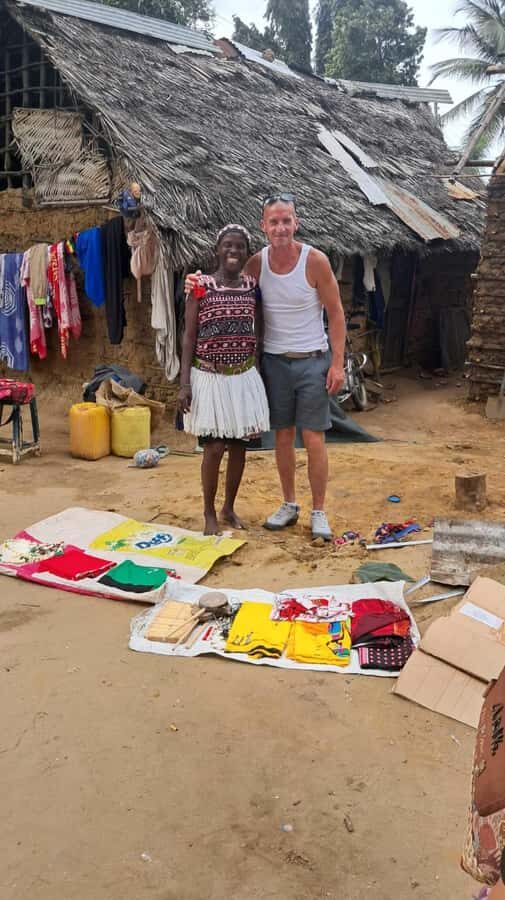
Next comes a guided traditional Mijikenda village tour led by village elders. This is where the cultural learning stops being abstract. You’ll hear stories about traditions, survival, and everyday life, and you’ll walk through homesteads as the explanation unfolds.
This type of village visit is valuable because it focuses on how people live, not just costumes. It also gives you context for the dance later in the day—those movements have meaning tied to community life.
Wear shoes you can trust. Even when paths aren’t rough, you’ll be walking on uneven ground, and you’ll want comfort more than style.
Live Mijikenda tribal dance: participation, not just watching
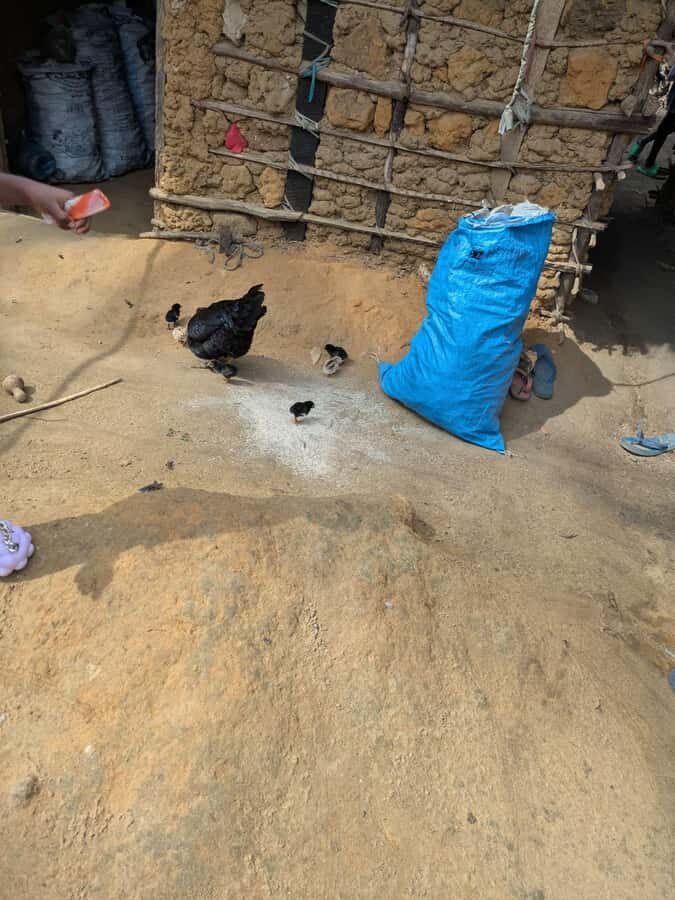
The tour then shifts gears to a live Mijikenda dance performance. You won’t just sit and clap at a distance. The format is described as an invitation to join in the movements, laugh with the dancers, and feel the energy from the drums.
This is one of those moments where your best move is to be relaxed. If you watch first, you’ll pick up the rhythm fast. If you join right away, you’ll probably have the most fun.
Tip: bring your camera, but also put it down for a minute or two. The joy is in the moment, not only in the footage.
Taste of the Coast: fresh coconuts and optional palm wine
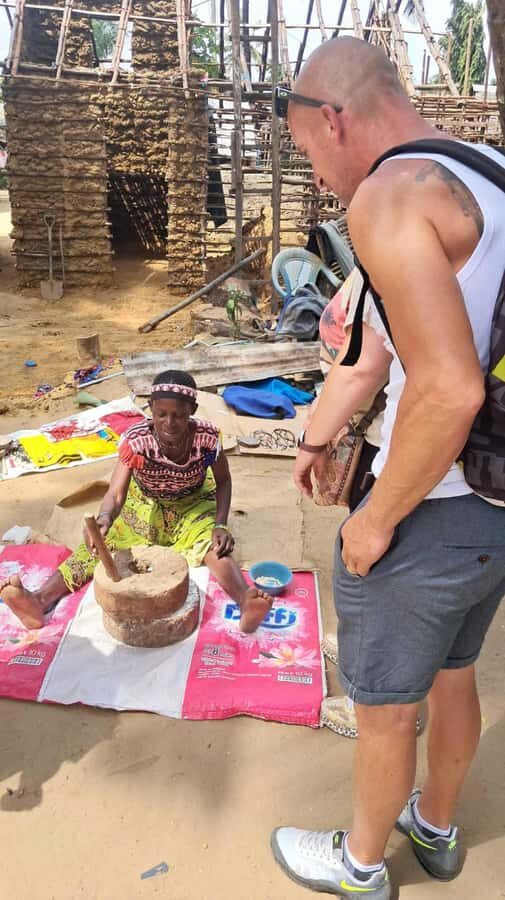
There’s a refreshment break built in, and you’ll get fresh coconut water straight from the tree. It’s a simple coastal treat, and it helps you reset before the wildlife segment.
For guests who want to try something more traditional, there’s also palm wine, with sweet or dry options. If you’re not sure, ask the guide what to expect before you sip—taste preferences vary a lot.
This is a good time to rehydrate, wipe sweat off your camera gear, and put on sunscreen again if needed.
Nguuni Nature Sanctuary: giraffes, ostriches, and antelope close to the action
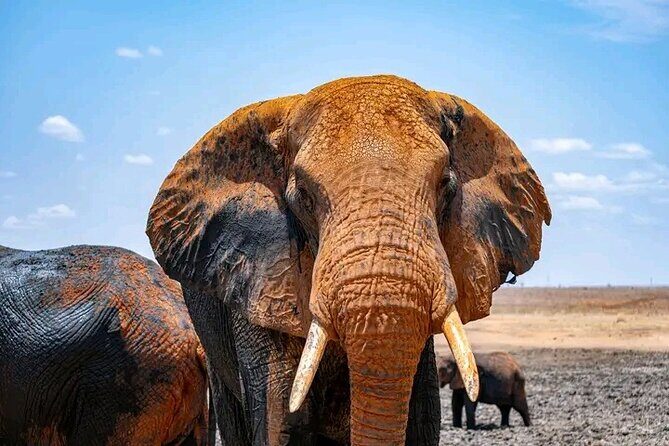
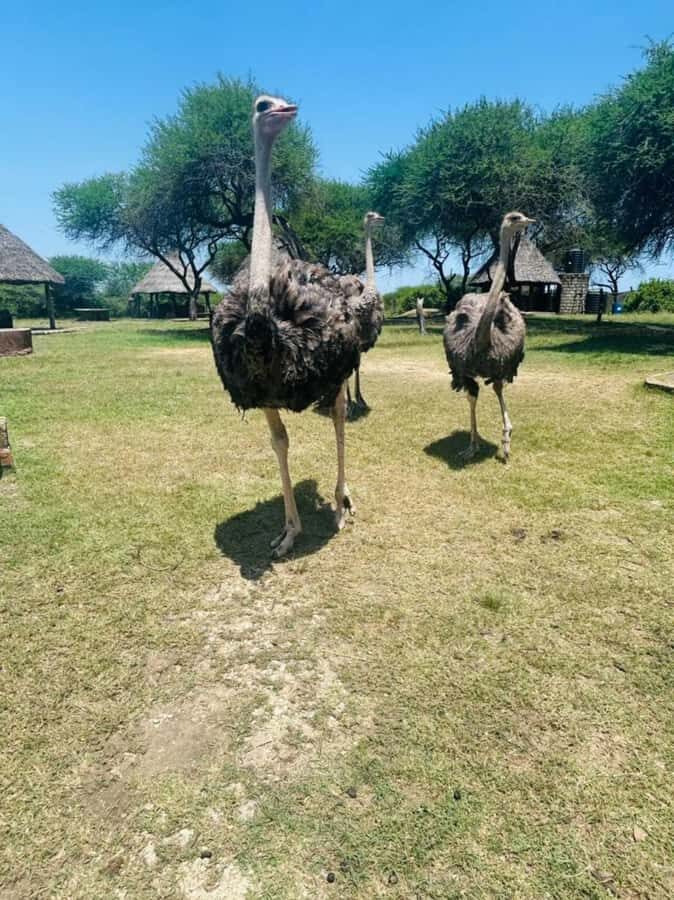
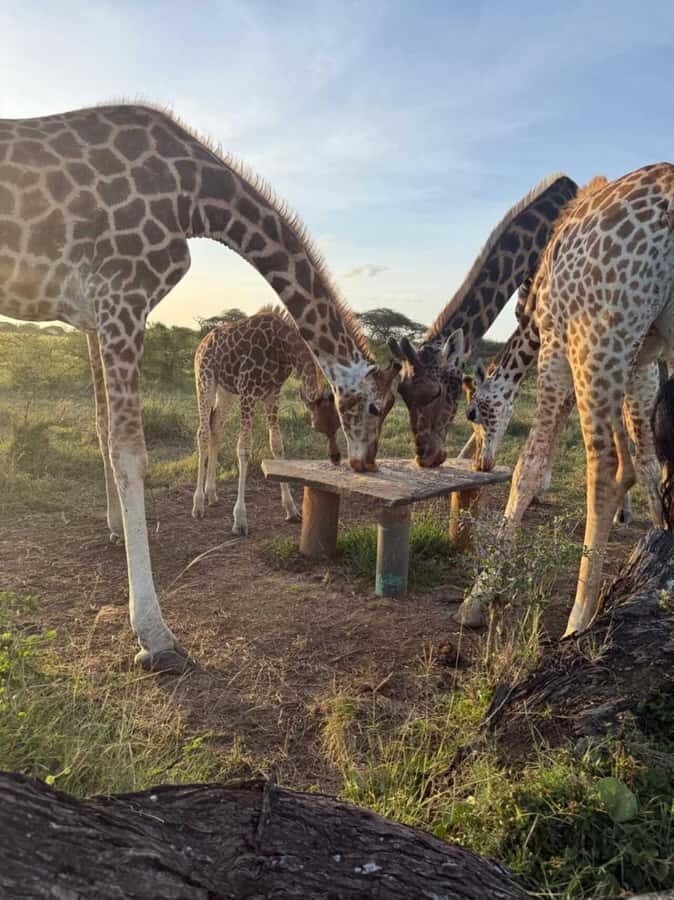
The wildlife portion takes place in a natural sanctuary setting where giraffes stroll, ostriches roam, and antelopes graze. This part is described as a beautiful area for photos and quiet viewing.
One theme from recent experiences is how close the animals feel, with a lighter, open feel than you’d expect from heavily fenced zoos. That closeness is exactly why you should stay alert and follow your guide’s directions—use slow, calm movement, and keep your distance if animals change their behavior.
If you care about the environment, bring that energy here. One experience noted plastic waste in the park, and the practical takeaway is simple: if you see litter, help pick it up and dispose of it properly when you can.
Price and logistics that can surprise you: cash entry fees and add-ons
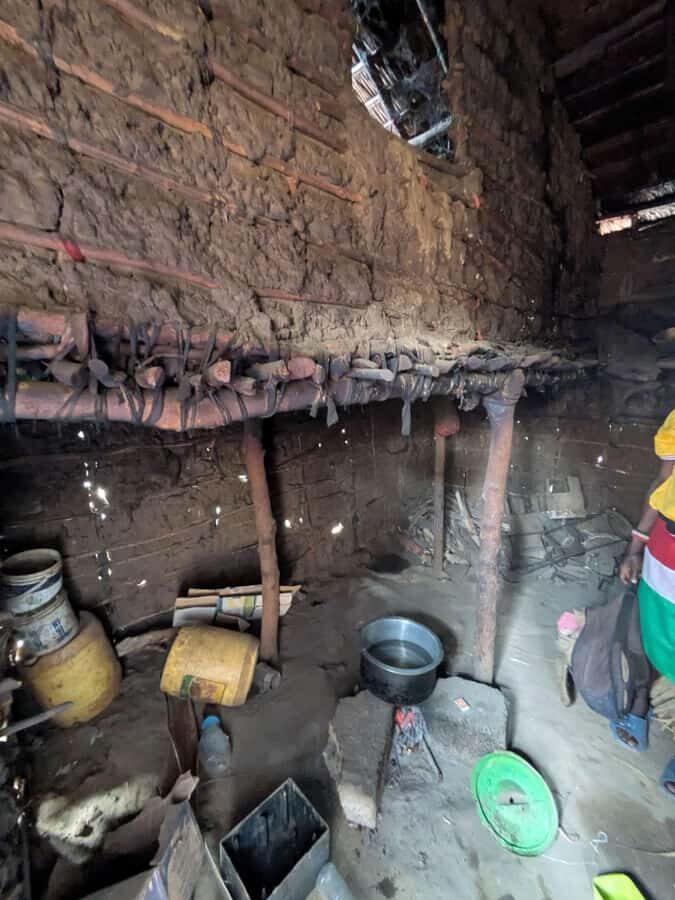
The headline price is $100 per person, and the value comes from the mix of cultural stops plus wildlife time, with an English-speaking local guide and bottled water included. Pickup and drop-off within Mombasa is also included, which saves you the hassle of arranging separate transport.
But budget realism matters here. You’ll pay extra:
- $20 village entry fee (paid in cash on the tour date)
- $10 Nguuni Sanctuary entry fee (paid in cash on arrival)
So think of your total as: the $100 covers the guide and core experience, and the $30 cash fees cover access to specific sites.
Optional upgrades can add cost too:
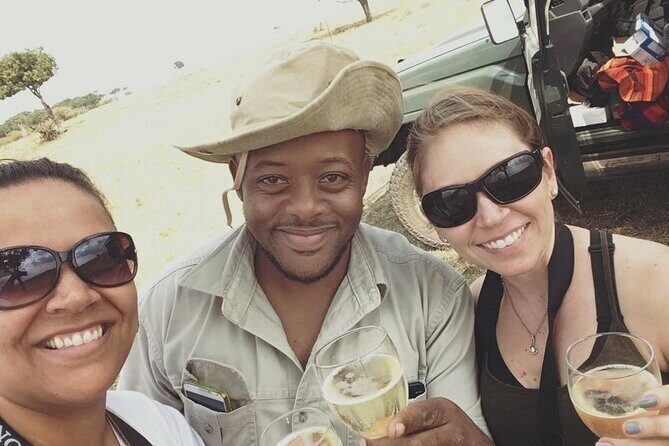
- Romantic picnic setup under acacia trees, with drinks and snacks
- Private photoshoot for professional-quality photos, described as possible with giraffes or in the scenic savannah
If you love photos, factor in time and energy. If you just want wildlife and culture, you can skip upgrades and still get a full day out.
What makes the guiding feel better than average
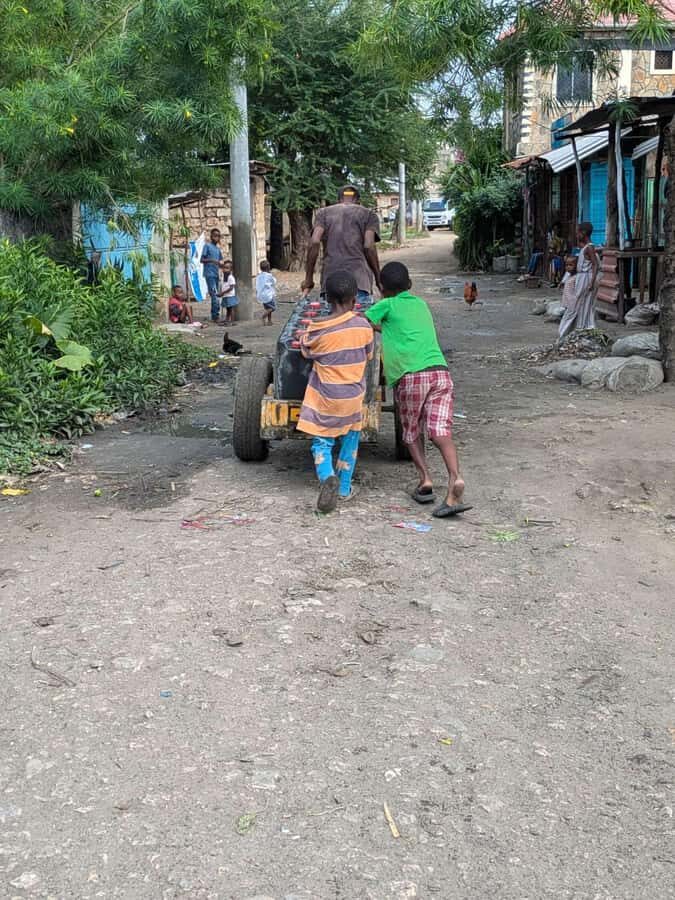
Tour quality often lives or dies with the guide. Multiple experiences here praised guides as flexible and attentive, including a mention of Rico for showing visitors a lot and keeping things comfortable. One person also noted a flexible approach to focus on animals when that’s what they cared about most.
That flexibility matters because wildlife can change by the hour, and cultural settings are always a little unpredictable. A good guide helps you stay calm, informed, and on schedule.
Also, you’ll have language options: the guide can work in English, German, French, or Italian.
Who this tour fits best (and who might want a different plan)
This works best if you:
- want both culture and wildlife in one short outing
- like hands-on interaction (school visit and joining the dance)
- enjoy photography and don’t mind walking on uneven ground
- want pickup from Nyali/Bamburi/Mombasa without planning taxis
You might want to choose something else if you:
- hate paying extra cash fees on arrival
- need very little walking or prefer long stays in one place
- are sensitive to heat and bright sun without much shade
The best part is the balance. You’re not stuck in only one theme park-style lane. You’re moving between human stories and animal sightings.
Should you book Hakuna Matata Safaris for this Mombasa experience?
I’d book this if you’re craving a day that feels like Kenya, not just checkpoints. The standout strength is the pairing: school + village storytelling + dance, followed by wildlife time at Nguuni.
It’s also a smart choice for first-timers who want a compact overview and don’t want to commit to a full day safari. Just do your part: bring cash for the $20 and $10 entry fees, wear comfortable shoes, and keep your expectations grounded in a 4-hour schedule.
If you’re considering the romantic picnic or private photoshoot, decide based on your priorities. For romance, it sounds like a sweet add-on. For wildlife photography, it can be worth it if you really care about getting clean, professional results.
FAQ
How long is the Mombasa Cultural & Wildlife Experience?
The tour lasts 4 hours.
Is the school visit included, and is it always available?
A guided visit to a local school is included, but it’s noted as weekdays only.
What extra fees should I expect in cash?
There’s a $20 village entry fee and a $10 Nguuni Sanctuary entry fee, both paid in cash on arrival.
What wildlife can I see at Nguuni Nature Sanctuary?
You may see giraffes, ostriches, and antelopes in the sanctuary.
Is there a tribal dance as part of the tour?
Yes. You’ll have a live Mijikenda tribal dance performance.
Where does pickup and drop-off happen?
Pickup and drop-off are included within Mombasa city, with options including Nyali, Bamburi, and Mombasa. Outside Mombasa may require extra transportation cost based on distance.
What optional upgrades are available?
Optional upgrades include a romantic picnic setup (under acacia trees with drinks and snacks) and a private photoshoot for professional-quality photos.