REVIEW · NAIROBI
Souvenir Crafts, Fabric Shopping & Hair Braiding & City Tour
Book on Viator →Operated by Local Experience Tours · Bookable on Viator
Nairobi shopping can be surprisingly easy here. This 3-hour walk with a local guide takes you through some of the best spots for Kenyan handmade crafts and Ankara fabric, with time for a city sights stroll and optional hair braiding. I love that you’re shown practical places to buy curios and art without getting lost, and I also love the focus on real fabric choices you can wear right away or tailor later. The main drawback to plan for is that hair braiding is optional, costs extra, and needs to be requested at least 2 days ahead.
I like how the pace stays manageable: a small group (max 10) keeps things personal, and the tour circles back to Westlands Square. You’ll spend your time shopping and walking in Nairobi Central Business District vibes, and you can add lunch from a local restaurant at your own cost before or after.
In This Review
- Key things to know before you go
- Where this tour fits in Nairobi: value, time, and what you’ll actually buy
- Westlands Square start: how the meeting point helps you
- Downtown craft shopping: how to shop smarter for handmade Kenyan souvenirs
- Ankara fabric market: picking prints you’ll love and using the design options
- The city sights walk: what you’re actually seeing between shops
- Hair braiding option: how to decide if it’s worth the extra planning
- Lunch is on you: simple ways to fit food into the day
- Pricing and logistics: what the $35 covers and what you’ll pay for separately
- Who should book this Nairobi souvenir and fabric tour
- Practical tips to get the best deals without stress
- Should you book this tour?
- FAQ
- FAQ
- How long is the Nairobi crafts and fabric shopping tour?
- Where does the tour start?
- What is included in the $35 price?
- Is lunch included?
- Can I add hair braiding to the tour?
- When should I request hair braiding?
- Is there a cancellation window with a full refund?
Key things to know before you go
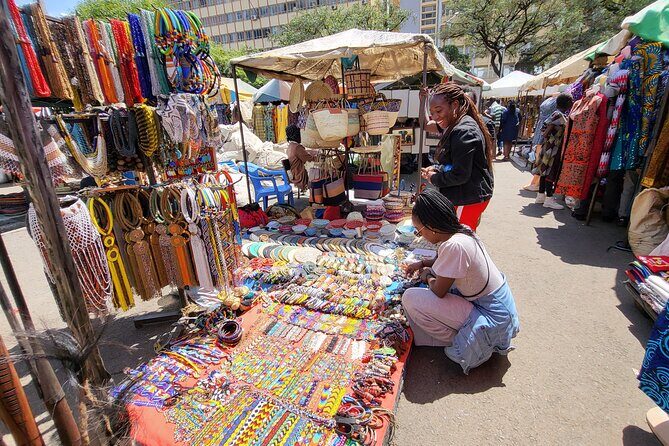
- Curios and crafts shopping with a local guide in Nairobi city spots that focus on handmade work
- Ankara fabric market time for choosing prints, dresses, shirts, skirts, and shawls
- Tailoring is possible if you want to share your design and have an outfit made
- Optional hair braiding available through a salonist for an additional fee (request early)
- A quick downtown city walk that pairs shopping with recognizable Nairobi sights
- Small-group flow (up to 10 people) during a ~3-hour experience
Where this tour fits in Nairobi: value, time, and what you’ll actually buy
At $35 per person for about 3 hours, this tour is built for one thing: getting you practical access to Nairobi’s craft and fabric world without spending your whole trip on guesswork. You’re not paying for luxury. You’re paying for a guide to help you move through the right places and spend your time where the quality and pricing are strong.
The best value shows up when you think about what you’re trying to do. If your goal is to take home real Kenyan handmade work (not just generic souvenirs), you need time and the right stops. If your goal is fabric you can wear or tailor into something, the Ankara market focus matters. And if you want an extra personal touch—hair braiding—you can add it, but only if you plan ahead for the extra cost.
The tour doesn’t include lunch or braiding, so budget a little extra if you want both. Also remember this experience is weather-dependent, so if it gets called off due to poor weather, you’ll be offered a different date or a full refund.
You can also read our reviews of more city tours in Nairobi


Westlands Square start: how the meeting point helps you
You meet at Westlands Square in Nairobi, and the tour ends back at the meeting point. That matters more than it sounds. Westlands is a straightforward place to anchor your day, especially if you’re staying somewhere nearby or using public transport.
Since the tour is marked as being near public transportation, you’re not stuck figuring out long, complicated transfers. The small-group size (max 10) also tends to make the starting logistics smoother—less waiting, more time actually shopping and walking.
You’ll get a mobile ticket, and confirmation happens at booking. That combination usually means you can focus on getting ready for the day rather than chasing paperwork.
Downtown craft shopping: how to shop smarter for handmade Kenyan souvenirs
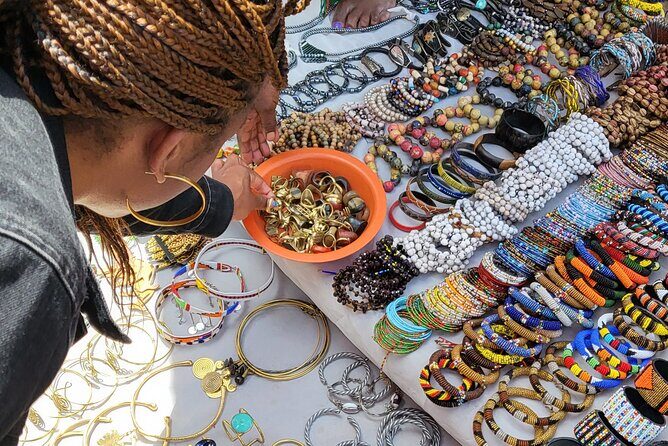
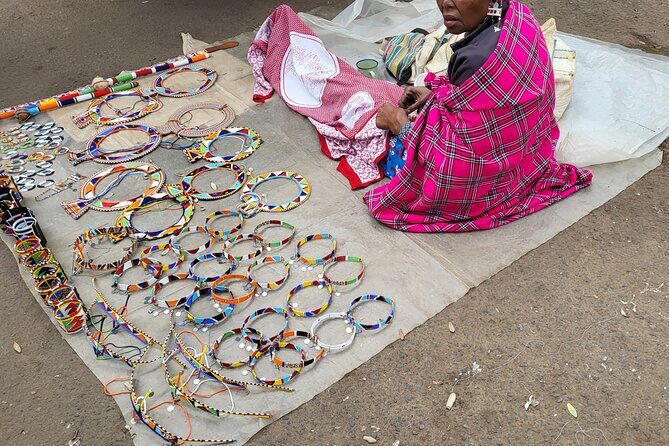
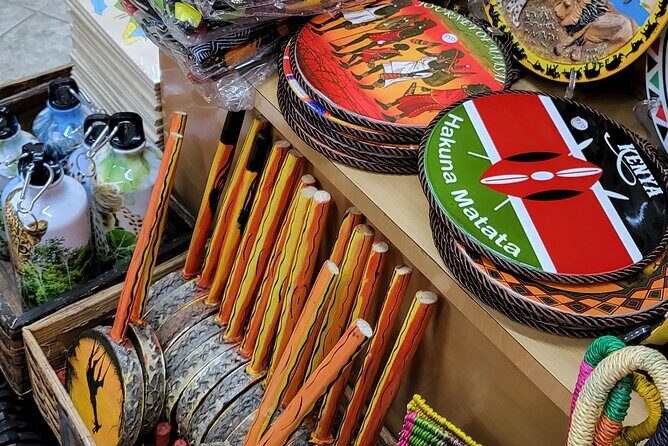
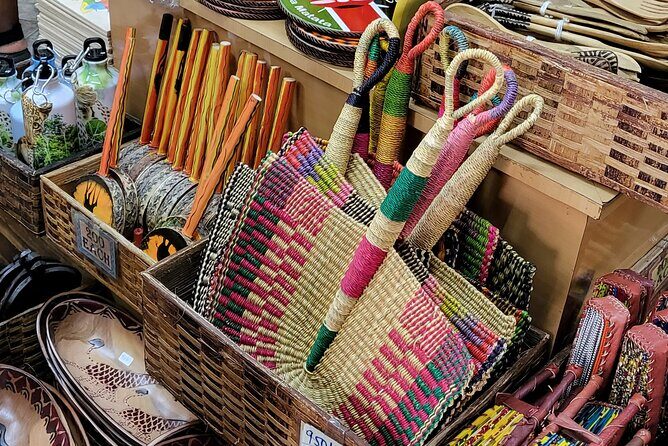
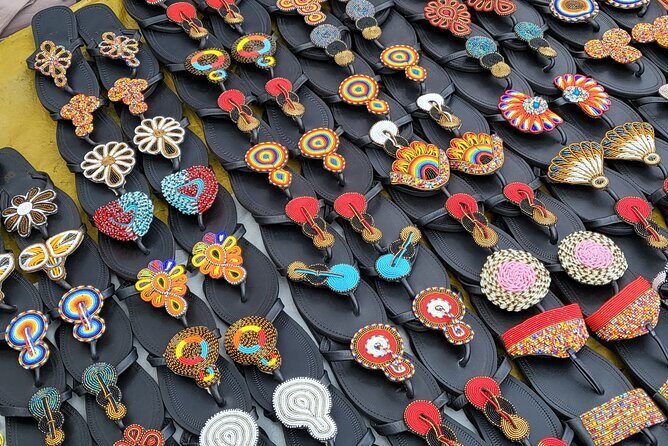
This part is the core of the experience: you shop with a local guide at affordable craft and curio shops in Nairobi, focusing on items made by local craftsmen and artists. You’ll see the kind of souvenirs that people actually look at after they buy them—things with materials, texture, and design details that come from a creator, not a mass factory.
What you can expect to look for includes:
- Jewelry and artwork
- Masks and sculptures
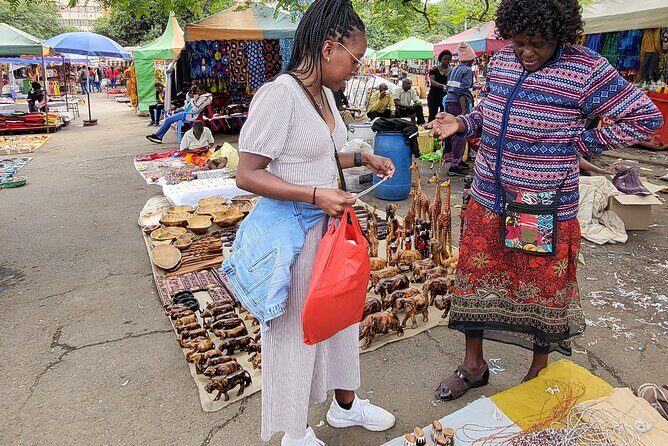
- Wooden carvings
- Ankara-related items like dresses, skirts, and shirts (depending on what’s available at the stops)
The big advantage of doing this with a guide is not just convenience. It’s speed and confidence. Shopping in a city center can be overwhelming, and prices can vary wildly from shop to shop. A guide can help you compare options efficiently so you’re not stuck hopping randomly.
A practical tip: go in with a clear mental list. Decide what category you’re buying first—jewelry, wood carvings, or artwork—then switch only when you see something you truly like. You’ll save time and avoid that end-of-tour panic where you buy what’s left instead of what you wanted.
Another practical thing I’d watch for: bring something to carry purchases (a tote bag works) and plan for the fact that crafts can be heavier than they look. If you’re combining craft shopping with fabric shopping, also think about how you’ll transport both during your Nairobi day.
Ankara fabric market: picking prints you’ll love and using the design options
If you’ve ever bought fabric while traveling, you know the joy and the risk: joy, because the prints can be stunning; risk, because you might end up with fabric that’s hard to translate into a wearable outfit. This tour solves that by placing the Ankara fabric market right in the middle of your plan.
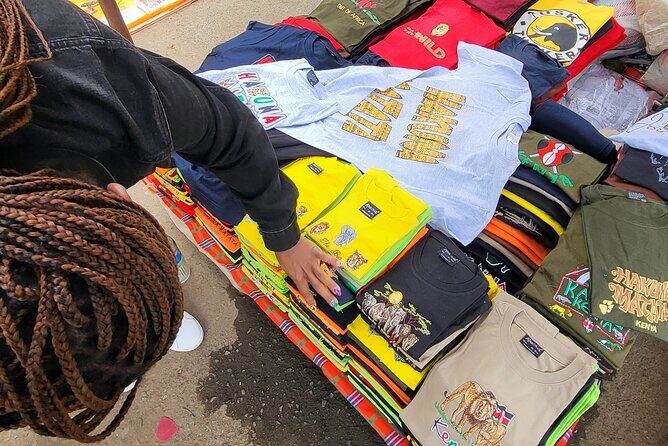
You’ll have time to shop for beautiful Ankara fabric, plus items like:
- dresses
- shawls
- shirts
- skirts
Even better, the plan is flexible. If you want to make this more than a souvenir purchase, you can share your design and have an outfit tailored. That turns your shopping day into something more personal: instead of taking home a roll of fabric only, you could leave with something you actually wear.
Here’s how to shop smart in a fabric market day:
- Decide what you want the fabric to become: a shirt, a dress, a skirt, or a shawl.
- Keep note of which prints you’re drawn to, then compare the feel and finish between options.
- If tailoring is your goal, think about what you’ll bring as references (even simple photos or a quick sketch helps in most tailoring contexts).
One note to keep expectations realistic: since tailoring requires extra coordination, it may not be something you can treat as spontaneous on the day. The tour gives you the opportunity to discuss it, but you’ll want to be ready with clarity about what you want and when.
The city sights walk: what you’re actually seeing between shops
This experience isn’t only shopping. You also get a walk around Nairobi Central Business District and a chance to enjoy a skyline view from one of the taller buildings in the city.
That matters because it gives your day texture. It’s easy to burn out when you only shop for 3 straight hours. The short city-stroll pieces act like a reset: look up, take in the layout, then return to shopping with a clearer head.
You’ll also move through the daily-life feel of Nairobi CBD. Even if you’re mainly there for souvenirs, a guided walk helps you understand what you’re seeing—where streets lead, which areas feel active, and what to expect visually as you go from one market stop to the next.
If you’re the type who likes travel days that feel both functional and human, this pairing is a good match. You can buy crafts, choose fabric, and still end the day feeling like you saw more than a shopping street.
You can also read our reviews of more shopping tours in Nairobi



Hair braiding option: how to decide if it’s worth the extra planning
Hair braiding is optional, and additional costs apply. The key detail is timing: you must request it at least 2 days before if you want it added to your experience.
So you should ask yourself one question: do you want a practical, travel-day upgrade that’s part souvenir, part personal style? If yes, it’s worth planning early, especially if you want a specific look. If you’re undecided, the safest choice is to treat braiding as a maybe, then make the call as your trip dates get closer.
Also, remember this is an add-on. Even if the tour is only about 3 hours, braiding is a separate service with extra coordination. For that reason, it works best when you plan your schedule around it rather than assuming you can tack it on spontaneously.
If you do want it, bring a clear idea of what you like (length, thickness, style direction). The better your reference, the more likely you’ll get something you’ll actually enjoy wearing after your Nairobi stop.
Lunch is on you: simple ways to fit food into the day
Lunch is not included, but you can add it at a local restaurant either before or after the shopping portion. This is common in city shopping tours because people have different tastes, budgets, and dietary needs.
For your planning, treat lunch as a flexibility slot:
- If you’re hungry early, grab it before you meet.
- If your shopping appetite comes first, eat after you’re done so you don’t feel rushed while you’re comparing items.
If you’re buying fabric, consider whether you want to eat something messy or not. Fabric shopping can involve handling, wrapping, and carrying. You’ll have an easier time if you keep food choices simple.
Pricing and logistics: what the $35 covers and what you’ll pay for separately
The $35 per person price covers guide fees. That’s it. Everything else—lunch and hair braiding costs—comes separately.
So here’s the honest value math:
- You’re paying for a guide to take you to multiple craft and fabric-related stops and to help you shop efficiently.
- You’re paying for structure (a planned flow through markets and city sights).
- You’re not paying for the goods themselves—that’s your shopping budget.
This tour is best when you already know you want to buy things and you want help finding good options. If you’re hoping to window-shop only and buy nothing, you might feel like the paid portion is doing less work for you.
On the logistics side, the group is small (max 10) and the tour lasts about 3 hours. Most travelers can participate, and it’s offered with free cancellation if you cancel at least 24 hours in advance.
Who should book this Nairobi souvenir and fabric tour
This is a strong fit if you:
- want authentic handmade crafts and not just generic tourist items
- are interested in Ankara fabric and may want an outfit tailored
- like walking through Nairobi CBD and seeing city sights alongside shopping
- want the option of hair braiding but can plan it ahead
You might skip or reconsider if:
- you don’t plan to buy any crafts or fabric
- you need a fully predetermined, fixed schedule inside each shop (this kind of market time depends on what looks good and what’s available)
- you’re traveling on very tight timing where a 2-day advance request for braiding would be a problem
Practical tips to get the best deals without stress
A few small moves make a big difference in market shopping days:
- Bring a tote bag or two so your purchases don’t get heavy or awkward.
- Keep your choices tight: one or two categories at a time, then decide.
- If tailoring is a possibility, focus on getting clear on what you want before you fall in love with 10 prints.
- Plan your spending by setting a rough budget for crafts first, then decide what’s left for fabric.
Also, don’t underestimate how much your energy affects shopping. A 3-hour tour can feel fast if you’re excited—and slow if you’re tired. Pace yourself. Take short breaks between stops when you can.
Should you book this tour?
If you want a Nairobi day that’s practical and giftable—souvenirs you’ll actually keep, fabric you can turn into real clothing, and a downtown city walk that breaks up the shopping—this is a solid booking. The small group size and guide-led stop sequence are the reasons it works: you spend less time wandering and more time comparing the right things.
Book it if you like the idea of a craft-and-fabric mission with a bonus city sights component. Skip it if your priority is only sightseeing or if you’re not planning to buy at least one or two items, since the goods are not included in the price.
FAQ
FAQ
How long is the Nairobi crafts and fabric shopping tour?
It runs for about 3 hours (approx.).
Where does the tour start?
The meeting point is Westlands Square, Nairobi, Kenya, and the tour ends back at the same place.
What is included in the $35 price?
The price includes guide fees. Admission ticket costs are listed as free.
Is lunch included?
No. Lunch is not included, and you can choose to buy it at a local restaurant either before or after the shopping excursion.
Can I add hair braiding to the tour?
Hair braiding is optional, but it is not included in the tour price. Additional costs apply.
When should I request hair braiding?
If you want braiding, you need to request it at least 2 days before.
Is there a cancellation window with a full refund?
Yes. Free cancellation is available: you can cancel up to 24 hours in advance for a full refund. If you cancel less than 24 hours before the start time, the amount paid is not refunded.