REVIEW · DIANI BEACH
giraffe feeding
Book on GetYourGuide →Operated by Frenzy Adventures Limited Kenya · Bookable on GetYourGuide
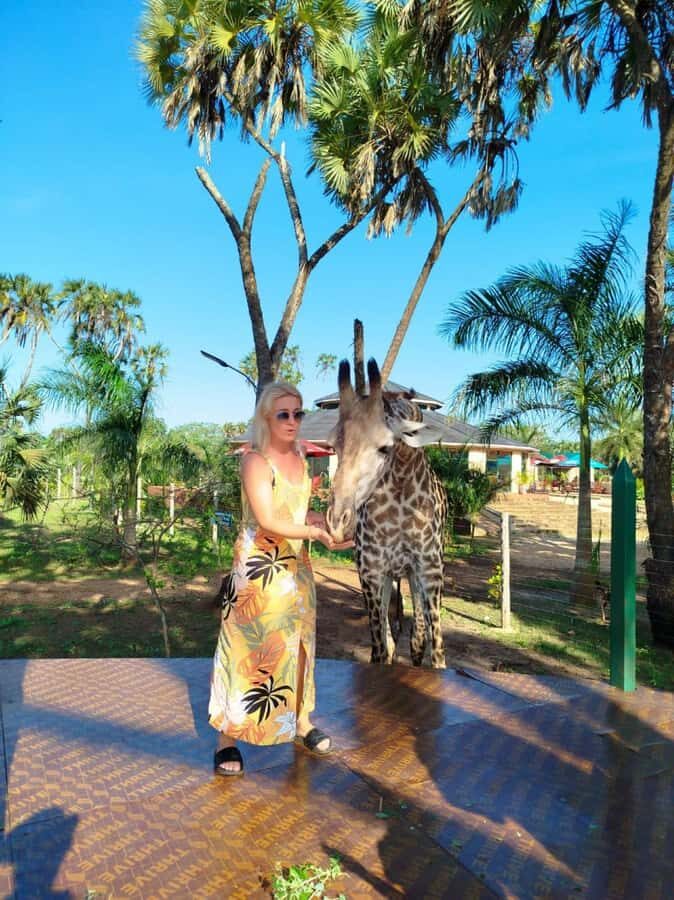
Giraffe feeding at a small 31-acre sanctuary is the main draw, and the fact it’s wrapped in a guided nature walk with a conservation focus makes it more than just a photo stop. You’ll also get hands-on time with zebras and warthogs, plus chances to spot birds and bigger animals like cape buffaloes and Nile crocodiles. The only real catch: at $115 per person for a short visit, the value can feel questionable if you’re expecting a longer, more varied safari-style outing.
You start with a convenient 10:00 pick-up from Diani Beach, then make the short hop to Bora Bora Wildlife Sanctuary. Once there, you check in, get a quick sense of what the sanctuary is trying to protect, and then spend about two hours walking the park with your guide.
Your guide is live and multi-lingual (English, French, German, Polish, Spanish, Italian), and transport plus key fees are included. Still, the mix of close-up animal feeding and the fast pace means it’s smart to go in with clear expectations.
In This Review
- Key things to know before you go
- Giraffe feeding at Bora Bora Wildlife Sanctuary (the 31-acre setup)
- From Diani Beach to the sanctuary: what the timing really looks like
- The guided nature walk: what you’ll feed and what you’ll spot
- Feeding stations: giraffes, zebras, and warthogs
- Animals you’ll likely see during the circuit
- How the guide changes the experience
- Price and value: when $115 feels fair (and when it doesn’t)
- Where the price makes sense
- Where people get frustrated
- My practical take
- What’s included versus not included (so you don’t get surprised)
- Guides and languages: what to expect from the communication
- Who should book this giraffe-feeding tour
- Quick booking check: the decision rule for you
- FAQ
- FAQ
- What time is pick-up from Diani Beach?
- How long does the sanctuary portion take?
- What time do you return to the hotel?
- What animals can I feed?
- What animals can I see even if I’m not feeding them?
- Is food included?
- What’s included in the price?
- What languages are available for the guide?
- Is free cancellation available?
Key things to know before you go
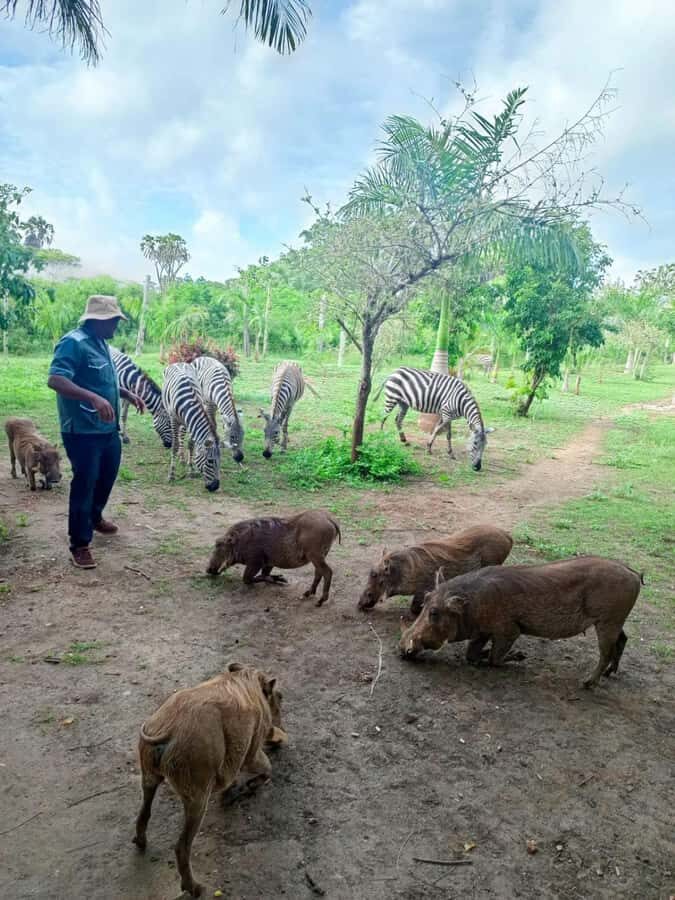
- Hands-on feeding is part of the walk, with giraffes, zebras, and African warthogs included
- The sanctuary is 31 acres, so you get a focused two-hour circuit rather than a long drive-and-search day
- You’ll view more than you feed, with sightings like Maasai ostriches, peacocks, cape buffaloes, and Nile crocodiles
- Expect a fully guided experience with park guiding and fees wrapped into the price
- The route is designed around a tight schedule: pick-up at 10:00 and return by about 1:00
Giraffe feeding at Bora Bora Wildlife Sanctuary (the 31-acre setup)
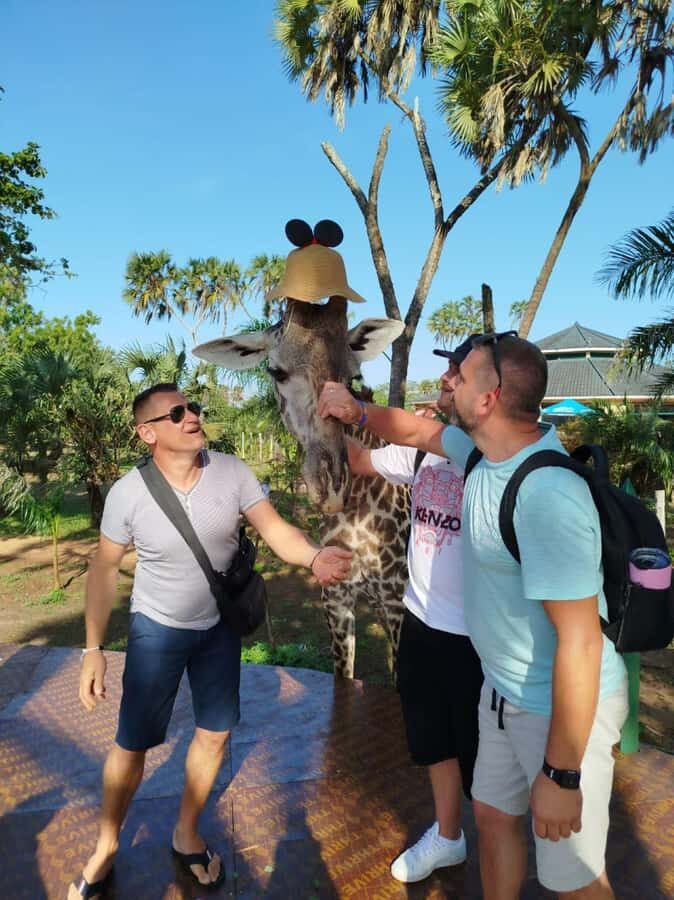
This experience is built around one big idea: give you close, guided access to animals in a controlled sanctuary setting, then balance it with conservation messaging. Bora Bora Wildlife Sanctuary sits on 31 acres, which is large enough to feel like you’re walking a real place, not just standing in one pen area.
I like this structure because it’s easy to plan around. You’re not signing up for an all-day safari where you hope for luck. Instead, you’re getting a guided circuit designed to show you what the sanctuary supports and how it works.
The animal lineup is a key reason people choose this. Yes, Maasai giraffes are the headliners, but the walk also sets you up for other species you may not expect in a Diani-area outing. Think birds like Maasai ostriches and peacocks, plus larger animals such as cape buffaloes and Nile crocodiles you can spot during the visit.
One practical note: feeding time isn’t described as being offered for every animal you’ll see. Based on the experience flow, you should expect feeding for the giraffes and other specific animals, while the rest are mainly for viewing.
You can also read our reviews of more tours and experiences in Diani Beach.
From Diani Beach to the sanctuary: what the timing really looks like
Pick-up happens at 10:00 from the Diani Beach area. From there it’s roughly a 20-minute drive to the sanctuary. That short transfer matters more than it sounds. It keeps the trip from eating your day, and it also helps you avoid those late-afternoon returns that can feel like you’re just rushing through everything.
Once you arrive, you check in and get a brief introduction to the sanctuary. Then your guide takes over and leads the park walk. The walk itself is about two hours, followed by the transfer back to your accommodation, typically by around 1:00.
If you hate waiting around, this schedule tends to suit you. The day stays tight and predictable.
If you’re sensitive to heat, it’s worth planning for it. One on-the-day detail that showed up in feedback is that the return ride can feel warm if the vehicle doesn’t have air-conditioning. If you’re booking in the middle of the day, bring a mindset for sun and warmth, even if the time window is only a few hours.
The guided nature walk: what you’ll feed and what you’ll spot
The heart of the tour is the guided walk through the sanctuary, where your guide points out animals and explains why conservation matters here. This matters because you’re not just paying for animal access. You’re paying for someone to help you understand what you’re seeing and how a sanctuary differs from a purely wild setting.
Feeding stations: giraffes, zebras, and warthogs
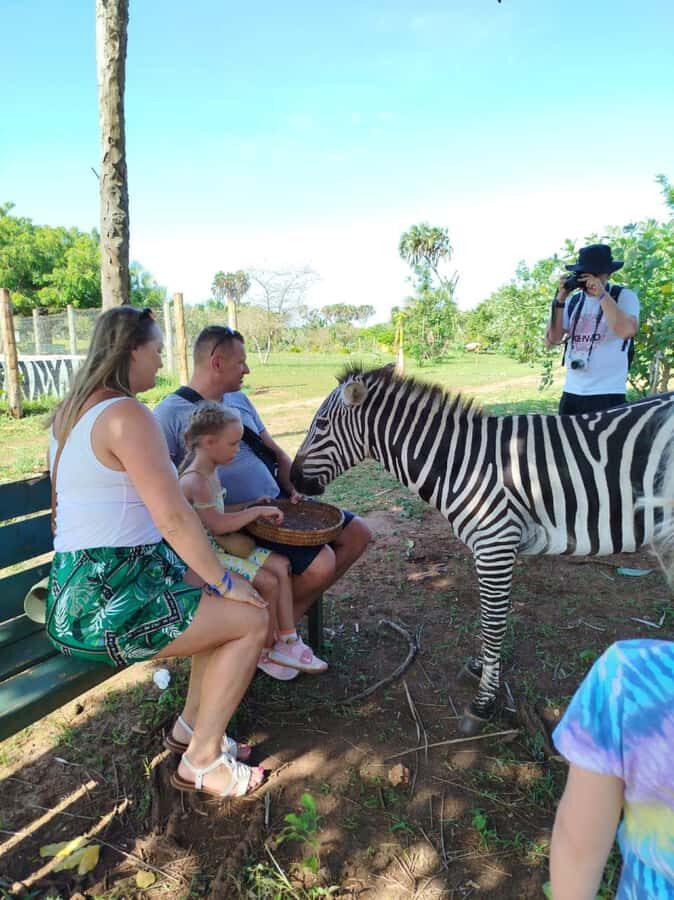
You’ll have opportunities to feed:
- Maasai giraffes
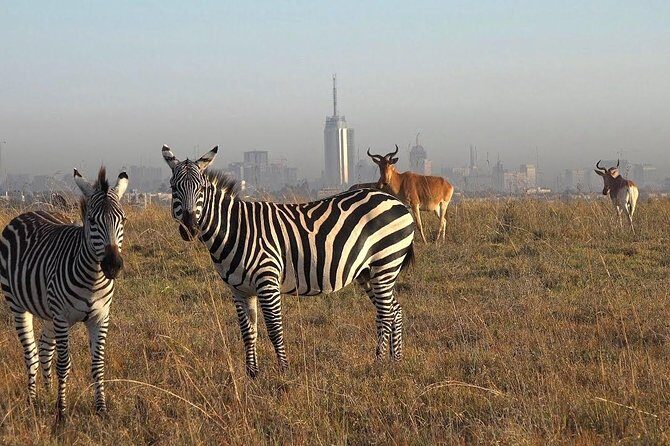
- Zebras
- African warthogs
This is the part many people talk about first, because it’s visual, tactile, and photo-friendly. There’s also a practical comfort in knowing feeding is explicitly part of the plan. You don’t have to guess whether feeding is staged or how long it lasts.
Keep in mind, though, that the walk is described as roughly two hours total. That means feeding moments are likely to be well paced and not endless. If you’re hoping for a slow, long session where you linger for every photo angle, you may find the schedule moves on pretty promptly.
Animals you’ll likely see during the circuit
Beyond feeding, the walk includes viewing time for a broader set of wildlife and birds:
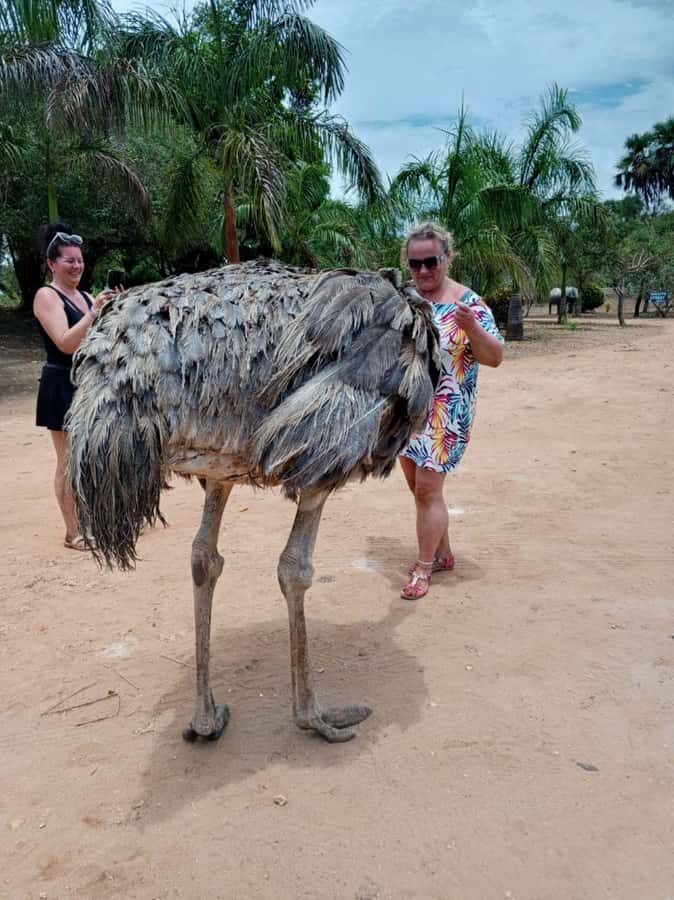
- Maasai ostriches (bird spotting is part of the experience)
- Peacocks
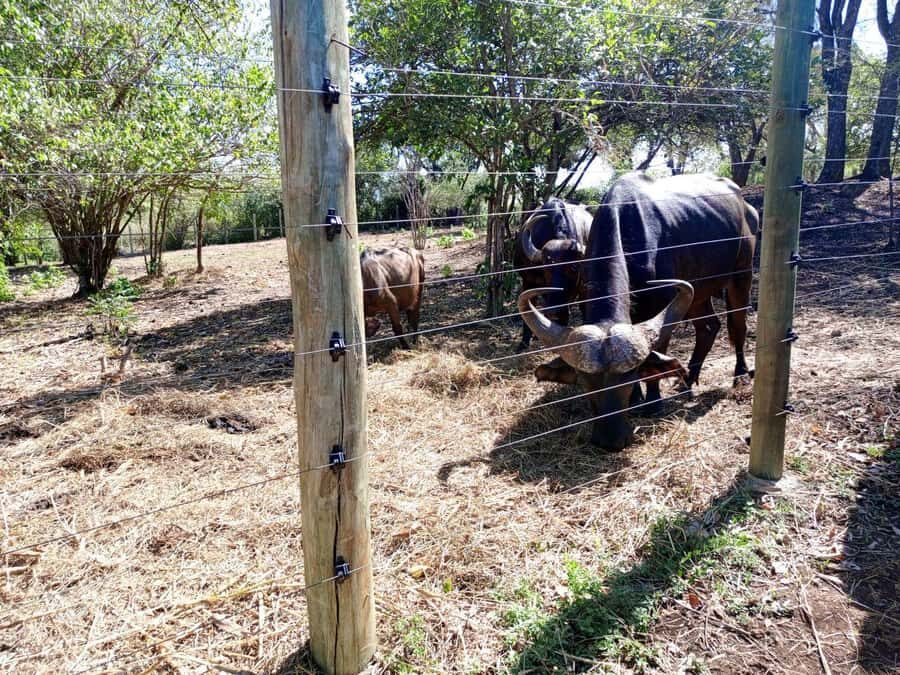
- Cape buffaloes
- Nile crocodiles
You can also expect other park residents to come into view during your guided loop, such as monitor lizards, wild boars, and a hinge-backed tortoise.
This mix is useful if you want variety without the unpredictability of a traditional safari. Even if a specific animal isn’t in exactly the right spot at the exact moment you approach, you’ll generally have multiple chances to see something interesting.

How the guide changes the experience
A tour like this lives or dies by the guide’s control of the pace and the clarity of the explanation. The good sign here is that the tour is sold as fully guided, with live guidance in multiple languages.
In feedback, guides like Adam and Kelvin were singled out for being friendly and for keeping the experience moving. That lines up with what you want in a short three-hour outing: you want someone to help you connect the animal sightings to the larger conservation story fast, without turning it into a lecture.
Some guides may also translate or adjust explanations as needed within the group language mix, which helps if you’re not fluent in one of the main languages offered.
Price and value: when $115 feels fair (and when it doesn’t)
At $115 per person for about three hours, this tour sits in a spot where people can feel two different ways.
Where the price makes sense
You are getting:
- Hotel-area pick-up and drop-off within the Diani Beach area
- Park fees and government taxes included
- Guiding fees included
- A live multi-lingual guide
- A planned circuit that’s meant to deliver multiple animal sightings and feeding opportunities
So yes, you’re paying for more than just entry. You’re paying for convenience, organization, and guided animal feeding and viewing inside the sanctuary.
For many couples and families, that bundled value is the whole point. If you don’t want to arrange transport, negotiate entry, and figure out who guides you at the park, this package approach can feel like a relief.
Where people get frustrated
The most common criticism tied to value is simple: the trip is short, and the animal encounters are close-up and staged in a sanctuary setting. If you’re expecting a longer wildlife day, or you strongly prefer wild, distant viewing, the experience can feel too quick for the money.
There’s also a recurring concern about pricing versus what some people would do independently. One practical suggestion that comes up is that you might save money by arranging your own tuk-tuk or transport to the park and then using an English guide on-site. That’s not always guaranteed to be cheaper, but it’s a real consideration if you’re comfortable doing logistics on your own.
My practical take
If you want a straightforward, guided, close-up animal experience near Diani with minimal planning, the price can feel reasonable because major fees are already covered.
If you’re price-sensitive or if you feel uncomfortable paying high rates for short, controlled animal interactions, then you’ll probably feel the pinch.
What’s included versus not included (so you don’t get surprised)
This is where the booking stays clean.
Included:
- Transfer within the Diani Beach area to Bora Bora and back
- Park fees and government taxes
- The guide and guiding fees in the park
Not included:
- Food
- drinks
That last bit is important because the tour ends around 1:00. You might still want a light snack or plan to eat soon after. If you’re heading straight into other beach plans after, it helps to arrive not-yet-hungry.
Also, because the visit is built around a guided walk, you should expect the schedule to be real. There’s not much slack time described between check-in and the circuit.
Guides and languages: what to expect from the communication
The tour offers live guidance in:
- English, French, German, Polish, Spanish, Italian
That’s a big deal on a short outing. Clear explanations make a huge difference when you’re trying to connect what you’re seeing—like ostriches, peacocks, and crocodiles—with the sanctuary’s conservation role.
In feedback, guides were described as super friendly and engaged. Some groups also experienced a smooth handoff within the park when the guide shifted the on-site guiding, with translation support available when needed.
If you’re traveling as a mixed-language group, this tour’s language coverage is one of its strongest practical advantages.
Who should book this giraffe-feeding tour
This tour is a good fit if:
- You want a short, guided animal experience near Diani
- You’re excited specifically about giraffe feeding plus hands-on time with zebras and warthogs
- You prefer predictable timing over searching for animals all day
- You like the idea of conservation messaging paired with animal viewing
It may be less ideal if:
- You want a long safari day with lots of driving and varied habitats
- You’re extremely price-sensitive and hate packaged convenience fees
- You dislike any feeling of being pushed toward purchases during a visit. If that would bother you, it’s worth keeping an eye out and sticking to your own plan.
Quick booking check: the decision rule for you
If you read your needs like this—short time, easy logistics, clear animal focus—then booking tends to make sense. At $115, you’re paying for convenience and a guided sanctuary circuit with feeding included.
If you’re hoping this will replace a full wildlife safari, or you’re only in it for the scenery and don’t care about feeding, you may feel it’s expensive for the time on the ground.
FAQ
FAQ
What time is pick-up from Diani Beach?
Pick-up is scheduled for 10:00 from the Diani Beach area.
How long does the sanctuary portion take?
The walk around the sanctuary takes about two hours.
What time do you return to the hotel?
You’re transferred back to your hotel by around 1:00 pm.
What animals can I feed?
You have an opportunity to feed Maasai giraffes, zebras, and African warthogs during the guided walk.
What animals can I see even if I’m not feeding them?
You may see Maasai ostriches, peacocks, cape buffaloes, and Nile crocodiles, plus other wildlife like monitor lizards, wild boars, and a hinge-backed tortoise.
Is food included?
No, food and drinks are not included.
What’s included in the price?
The price includes transfers within the Diani Beach area, park fees and government taxes, and the guide/guiding fees in the park.
What languages are available for the guide?
Live tour guidance is available in English, French, German, Polish, Spanish, and Italian.
Is free cancellation available?
Yes. You can cancel up to 24 hours in advance for a full refund.