If you love seeing wildlife through a lens, this trip has focus. You’ll spend serious time in Maasai Mara National Reserve, with schedules shaped for photographers and researchers. Two big pluses: the chance to work at dawn and golden hours, and the inclusion of a secure nature walk that can help you spot smaller details you’d miss from the vehicle.
One thing to consider before you plan your calendar: the name says 10 days, but the provided schedule is about 2 days in the Mara, so it’s a tighter sprint than you might expect.
In This Review
- Key highlights for photographers and researchers
- Nairobi pickup and the Rift Valley warm-up stop
- Narok town stop: use it for supplies and setting up your shots
- Maasai Mara arrival and the evening game drive rhythm
- What makes the Mara different from a generic safari day
- Day two: early breakfast, packed lunch, and your best shooting window
- Nature walk with security: close observation without leaving the wild
- Big Five odds, plus the rest of the Mara’s wildlife
- Included meals and how the camp rhythm affects your photos
- Price and value: what $4,600 per person really means
- Who should book this safari (and who should think twice)
- Practical tips to pack and shoot better in Maasai Mara
- A quick reality check on weather and expectations
- Should you book this 10 Days Maasai Mara photographer safari?
- FAQ
- Where does the safari start in Nairobi?
- What time does the experience start?
- Do you get picked up from the airport or hotel?
- How long is the safari?
- Is this a private tour?
- What meals are included?
- Are alcoholic drinks and snacks included?
- Is the wildebeest migration part of the experience?
- Is there a nature walk?
- FAQ
- What’s the cancellation policy?
Key highlights for photographers and researchers
- Dawn-focused wildlife shooting with early morning game drive time
- Mara River timing for wildebeest migration when it’s running in July
- Nature walk with security for close-up observation and research-style notes
- Big Five target mindset with lots of game viewing time in the reserve
- Great Rift Valley viewing stop to help you frame the region before you arrive
- Private format so your group can move as one unit
Nairobi pickup and the Rift Valley warm-up stop
The experience starts in Nairobi, with a pickup offered either from your hotel or the airport. Your meeting point is listed as 40-17 Moi Ave, and the start time is 7:00 pm, so plan for a late launch and a first day that’s more about getting to the Mara than checking boxes all morning.
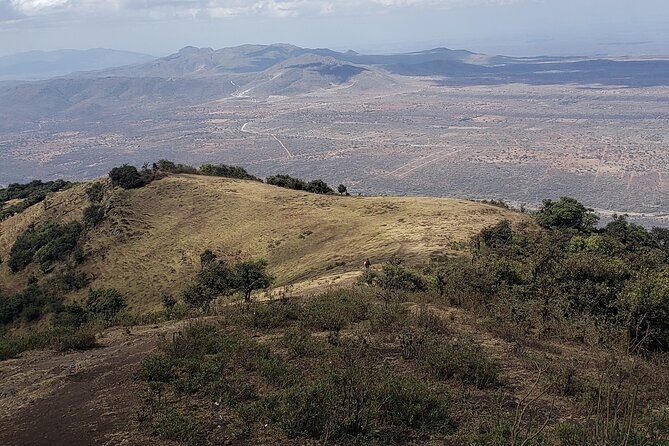
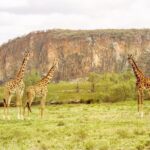
On the way out, you stop at the Great Rift Valley escarpment for views and background on the region. This is more than a quick photo break. When you can see the terrain that shaped East Africa’s wildlife movement, you tend to understand the Mara better once you’re there. It also helps you choose where to aim your camera later—open plains behave differently than rocky outcrops when the light shifts.
A small practical note: the pace early on is “travel first, shoot after.” If you’re the type who hates driving days, bring a little patience (and maybe a snack habit, since snacks aren’t included).
A few more Nairobi tours and experiences worth a look
Narok town stop: use it for supplies and setting up your shots
Lunch happens at a transit hotel in Narok town, and there’s a chance to shop if you need anything. This can be useful if you’ve forgotten an item you’d normally bring for a safari: lens cloth, extra batteries, water add-ons for your day kit, or something simple like a hat that won’t fly off at the first breeze.
I like stops like this because they reduce stress later. On safari, you’re often deciding between staying hands-on with your gear and running out the clock. A quick errand window can keep you from burning your best wildlife light on frustration.
Maasai Mara arrival and the evening game drive rhythm
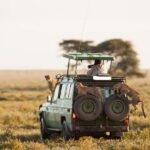
Once you arrive, you check into your camp, refresh, and then head out for an evening game drive. That timing matters. Late afternoon and early evening often give you softer light, plus animals that are active before full night. For photographers, that can mean more texture—fur details, dust, and the kind of contrast that makes savannah scenes look real instead of flat.
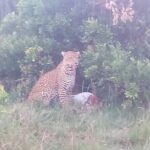
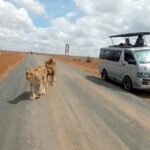
Even better, evening drives can be perfect for behavior shots. During the day you might get the big silhouettes; in the evening you can get the story: lions settling, cheetahs moving with purpose, elephants stepping into view. The Mara tends to deliver variety, and you’ll want those first hours to “get your eye in” before the morning push.
The day ends with dinner and overnight rest at the camp. This is one of those trips where meal timing is part of the photo plan. When you’re not cooking or searching for food, you can actually focus on your camera instead of your stomach.
What makes the Mara different from a generic safari day
Maasai Mara is famous for two things that actually help your photography: the Big Five reputation and the seasonal wildebeest migration. The reserve sits about 260 km from Nairobi, and it’s big enough to feel like a world of its own. It’s also right next to the Serengeti system in Tanzania, which is why the movement of animals can be so dramatic in the right season.
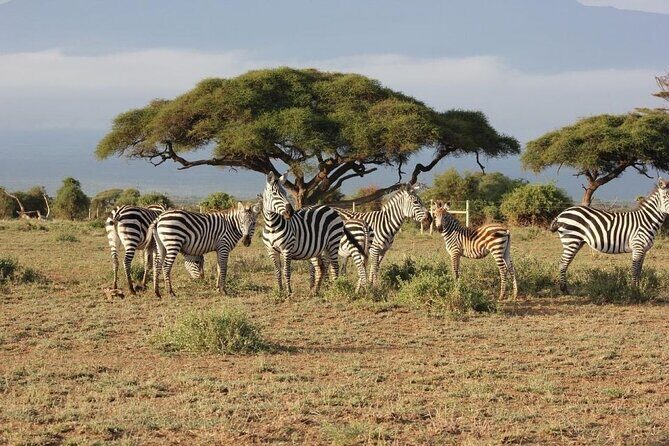
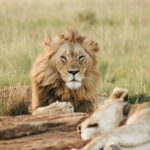
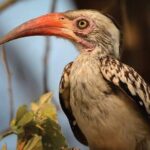
The reserve is listed as home to over 95 species of mammals and over 500 species of birds. That bird number matters for your final gallery. Even if you go for predators, you’ll often get frame-worthy scenes of smaller wildlife and birds perched against the plains. You’ll also see animals such as lions, giraffes, cheetahs, leopards, wildebeests, elephants, and zebra, depending on where the day’s luck—and the guide’s driving—takes you.
One more practical detail: your guide is there to help you use the day well. The experience is designed for people who want time to capture the “beauties of the Maasai Mara,” not just a quick bus tour of sightings.
Day two: early breakfast, packed lunch, and your best shooting window
The second day starts with an early breakfast, then you carry a packed lunch. That’s a smart structure for photographers. It keeps you from losing daylight to restaurant logistics and it supports longer continuous time in the field.
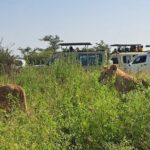
After breakfast, you go out on a morning game drive for wildlife viewing, with a strong focus on seeing the Big Five. Even if you don’t count it like a checklist, early hours are where the Mara can feel most alive—animals are moving, the air is cleaner for contrast, and your shutter speeds often behave better without harsh heat haze.
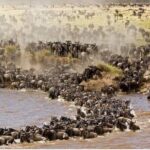
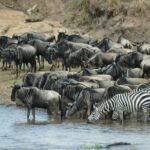
You’ll explore across the broader reserve area and also around the Mara River, where you may see migration activity when the wildebeest movement is happening (the season highlighted here is July, when migration can be spectacular). This river area is also where drama tends to happen: crossings, clusters, and the kind of layered action that fills a photo sequence from wide to tight.
If you’re serious about both research-style notes and storytelling photos, mornings also give you better “time for thinking.” You can watch patterns—where animals pause, how they react to vehicles, what the birds do nearby—then plan the next frame instead of rushing.
Nature walk with security: close observation without leaving the wild
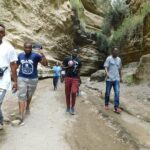
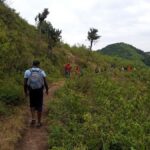
One of the most interesting parts of this experience is the nature walk, with security guaranteed. A walk changes the game from vehicle-only viewing. You can slow down, scan for tracks and smaller movement, and notice how plants and ground cover connect to animal behavior.
For photographers, it’s also a chance to practice a different style of shooting. Instead of hunting for distant action, you can look for details: movement in grass, bird activity, texture in rocks, or a moment of stillness that makes your subject feel grounded in place.
For researchers, the value is obvious: it’s time to observe and record without the “safely far away” limitation. Even if you’re not doing formal research, this walk tends to create better context for what you saw from the road.
Do bring a mindset for the walk: it’s not described as extreme, but it is still outdoors, with your moderate physical fitness required. If you know you get uncomfortable standing or walking in uneven terrain, plan accordingly.
Big Five odds, plus the rest of the Mara’s wildlife
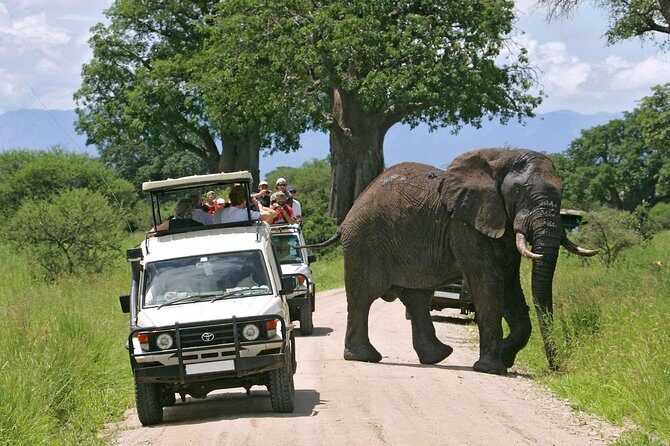
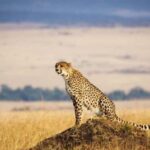
This trip is positioned for Big Five viewing, and you’ll spend enough time in the Mara to make those targets realistic. The reserve also includes cheetahs and leopards, giraffes, zebra, and elephants, plus wildlife connected to the migration cycle.
Here’s how I’d think about the Mara if you’re photographing it:
- For predators, you’re often waiting for positioning—someone has to move, or the herd has to draw attention. Your goal isn’t just “get a lion,” it’s “get a lion with context,” where the plains, the light angle, and the surrounding action make the frame mean something.
- For the migration, you’re looking for predictable chaos. Wildebeest can bring birds, other grazers, and predators. If you keep your eyes open for interactions, you’ll end up with more varied shots than just one dramatic crossing.
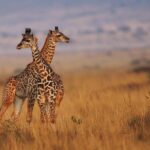
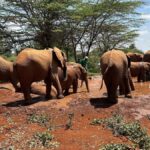
- For elephants and giraffes, aim for the moments when they’re calm. Those are the times when you can shape the background and get a cleaner look at form and color.
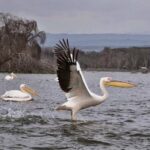
The Mara is also bird-heavy. Even if you don’t have a bird-specific lens, you might find opportunities for quick, satisfying shots. If you do have reach, you’ll likely be happier about your results.
Included meals and how the camp rhythm affects your photos
Food is included, which matters more than people think. You’ll have breakfast, plus lunch (2 times) and dinner (2 times). Alcoholic beverages and snacks are not included, so if you rely on snacks during long drive sessions, plan to budget for them or add your own.
At the camp, your first night is structured around rest and recovery. That’s valuable after a travel-heavy first day. It also means you can wake up on day two without that exhausted scramble that ruins early starts.
For photography, sleep and hydration show up in your results. When you’re not wiped out or constantly hungry, you pay better attention—and you catch more.
Price and value: what $4,600 per person really means
At $4,600 per person, this is not a budget safari. The value here isn’t just “we drove you to see animals.” It’s the way the schedule is built for people who take wildlife seriously: private format, time in the reserve, and activities that go beyond a quick vehicle ride.
You’re paying for:
- A focused stay in Maasai Mara, with enough time for photography-style patience
- Private participation, so your group can work at a pace that makes sense for gear-heavy days
- Meals included (breakfast, lunch twice, dinner twice), which reduces day-to-day friction
- A secure nature walk, which adds something you usually don’t get on simple safaris
A fair caution: since the active schedule is listed as about 2 days, the per-day cost is high. If you were imagining a long, multi-day field trip with lots of camp nights, this isn’t that. If you want a concentrated burst of Mara time with a photographer-minded structure, it can make sense.
Who should book this safari (and who should think twice)
This safari fits best if you’re traveling as a photographer or someone with a research angle. The structure is built around giving you time to capture both the bigger wildlife scenes and the smaller observational details that support notes and documentation.
It also fits people who like being with a guide who can help you use the time efficiently. The experience notes that you should make good use of the guide and everything at your disposal—translation: don’t waste the opportunity by sitting silently. Ask questions. Confirm where you should aim next. Use the walk for observation.
Think twice if:
- You expected a longer stay than about two days in the Mara
- You’re not comfortable with a moderate physical fitness level for the walk
- You’re traveling mainly for relaxation rather than field time (the schedule is built for movement and spotting)
Practical tips to pack and shoot better in Maasai Mara
You’ll get better results if you prepare for the realities of wildlife photography: changing light, dust, long viewing hours, and sudden action.
Here’s what I’d pack for a trip like this (especially with a nature walk mixed in):
- Camera support: a stable strap setup and lens cover for dust
- Backup power: extra batteries charged before you leave Nairobi
- Rain protection: a simple cover for your camera and bag (the weather can turn fast)
- Memory management: format cards when you start, and don’t wait until you’re full to clean up
- Small cloth bag: for wiping lenses during dust-heavy moments
- Comfortable walking shoes for the walk portion
On shooting style: start wide to establish the scene, then tighten to isolate behavior. The Mara can give you plenty of subjects, but your “keepers” often come from sequences, not single frames.
A quick reality check on weather and expectations
The experience notes that it depends on good weather. If weather is poor, it may be canceled with an offer of a different date or a full refund. That matters in Kenya because conditions can affect visibility and road comfort, especially when you’re out for long game drives.
So I’d plan with flexibility. If you’re the kind of photographer who needs perfect conditions, you’ll be happiest with a trip window that has backup options.
Should you book this 10 Days Maasai Mara photographer safari?
If what you want is a concentrated, photographer-focused Maasai Mara experience with dawn shooting time, serious reserve time, and a secure nature walk, this can be a strong pick. I like the balance of action (game drives) and detail work (the walk). The included meals also help you stay focused on the field instead of the logistics.
But don’t ignore the mismatch between the name and the listed schedule. If you truly want a longer, slower 10-day journey, you’ll likely feel shortchanged by the about-2-days-on-the-ground structure. If you want a tight Mara sprint, and you’re ready for early starts, this safari is built for you.
FAQ
Where does the safari start in Nairobi?
It starts at 40-17 Moi Ave, Nairobi, Kenya, and your trip ends back at the meeting point.
What time does the experience start?
The start time is listed as 7:00 pm.
Do you get picked up from the airport or hotel?
Yes. Pickup is offered from the airport or hotel, handled by a representative.
How long is the safari?
The duration is listed as 2 days (approx.).
Is this a private tour?
Yes. It’s a private tour/activity, and only your group participates.
What meals are included?
You get breakfast, plus lunch (2 times) and dinner (2 times).
Are alcoholic drinks and snacks included?
No. Alcoholic beverages and snacks are not included.
Is the wildebeest migration part of the experience?
The Mara River is highlighted for migration viewing, and migration is noted as happening in July.
Is there a nature walk?
Yes. There is a nature walk with security guaranteed.
FAQ
What’s the cancellation policy?
You can cancel for a full refund up to 24 hours in advance. If you cancel less than 24 hours before the start time, the amount paid is not refunded.