REVIEW · NAIROBI
3 Days Masai Mara Group Joining Safari
Book on Viator →Operated by Kairi Tours and Safaris · Bookable on Viator
Masai Mara is pure wildlife drama. With group safari timing built around game drives and meals, this 3-day trip from Nairobi sets you up for lions, elephants, and more—plus a stop at the Mara River when the migration season is in play. I also like how the day-by-day flow keeps you in the reserve when the animals are most active, and the service has a reputation for being organized and genuinely helpful. One thing to consider: park entrance fees and drinks aren’t included, so your final cost won’t be just the $195 price.
What you get is the classic Masai Mara rhythm: long drives out of Nairobi, sunrise wildlife on Day 2, and a calmer Day 3 with an optional Maasai Village visit. The group max is set at 80 travelers, so it’s not a tiny private safari, but it can still feel lively (especially if you’re traveling with friends). If you want total control of every stop, you might prefer a private or smaller-group option—otherwise, this is a smart value way to see a lot without getting lost in logistics.
In This Review
- Key Highlights You’ll Actually Care About
- Why Masai Mara Hits Hard on a Group Joining Safari
- One practical reality check
- From Nairobi to the Reserve: Rift Valley Road Trip Setup
- Drive tip
- Day 1 in Masai Mara: Your First Game Drive and Big-Animal Chances
- What to watch for in your first drive
- Day 2 Sunrise to Mara River: Big Five Time and Great Migration Season
- Bush picnic lunch: why it’s more than a meal
- The Mara River stop and migration timing
- Day 3: Breakfast, Maasai Village Option, and the Ride Back
- Who will like Day 3 most
- What’s Included (and Why It Affects Your Budget)
- Comfort expectations
- Price and Value: How $195 Plays Out
- My balanced take
- The Group Size Reality: Up to 80 Travelers
- Who Should Book This Safari (and Who Might Pass)
- Tips to Get the Best Out of Your Drives
- Should You Book This 3-Day Masai Mara Group Safari?
- FAQ
- Where does the safari start?
- What time is the pickup?
- How long is the safari?
- Is the pickup included?
- What meals are included?
- Are park entrance fees included?
- Are drinks included with the tour?
- Is a Maasai Village visit included?
- When is the Great Migration at the Mara River?
- What is the group size limit?
Key Highlights You’ll Actually Care About
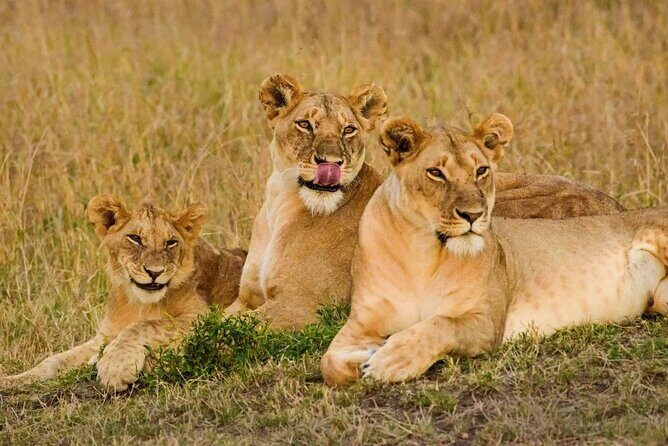
- Early-morning game drive that gives you better odds during prime predator hours
- Big Five focus in the planning, including rhino spotting as a realistic target
- Mara River stop timed with the July–October migration season (when it’s happening)
- Bush picnic lunch that swaps tables for open-air savannah time
- Optional Maasai Village visit on Day 3, handled as a guest-paid add-on
Why Masai Mara Hits Hard on a Group Joining Safari
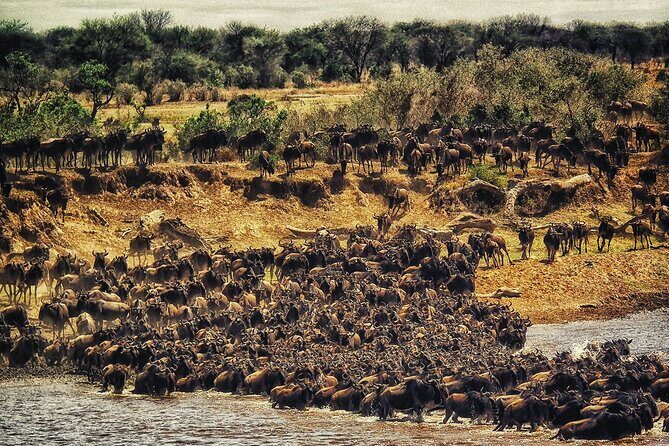
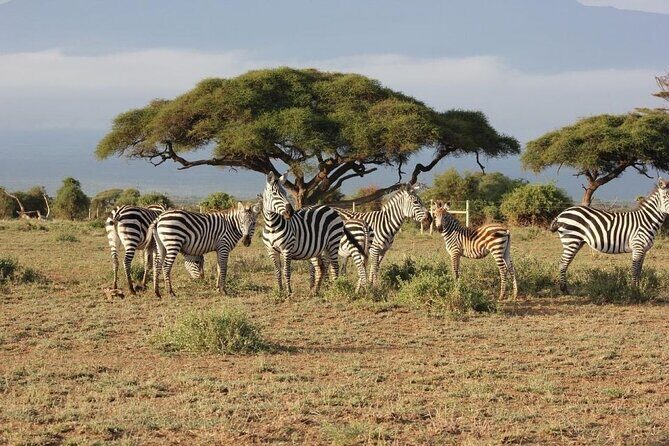
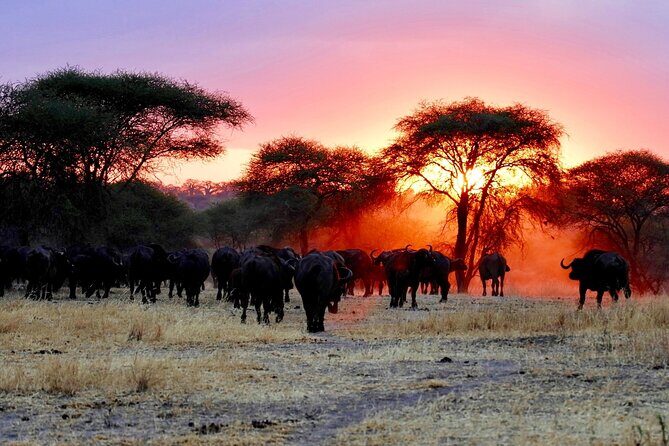
If you’ve never seen the Masai Mara in real life, here’s the headline: the place feels busy with life even when it looks calm. Acacia trees dot the plains, dust hangs in the air, and animals move like they own the road. The best part of a group joining safari is you don’t spend your brainpower coordinating everything. You show up, get picked up, and the schedule steers you toward the moments when wildlife is easiest to watch.
I like how this one is built around game drives at the right times of day. Day 1 leans into your first big introduction with an afternoon drive. Day 2 starts early, which matters because predators tend to be more active when light and temperatures are kinder. Then Day 3 slows down so you’re not leaving the park exhausted.
You’ll also notice the planning nods toward two “big reasons” people come here: the Big Five and the Great Migration timing. Even if every animal doesn’t line up on your personal wish list, the route is designed so you’re in the right area when chance is high.
A few more Nairobi tours and experiences worth a look
One practical reality check
This is a group experience. The max group size is up to 80 travelers, so it’s not a hushed, small-vehicle safari. You should expect a lively day and a bit of coordination energy—especially around meals and transfers. If you’re the type who hates waiting, bring snacks and patience. If you’re flexible and game, you’ll probably have a great time.
From Nairobi to the Reserve: Rift Valley Road Trip Setup
Your day starts with a 7:30 am pickup at Java House (Phoenix Uganda House) in Nairobi. That’s a useful anchor: it reduces the classic safari scramble where everyone has their own taxi plan. The drive to Masai Mara is typically about 5–6 hours, which is long enough to feel like travel but not so long you lose the day.
Along the way, you’ll travel through scenery connected to the Great Rift Valley, including stories about how the Rift Valley was formed. Those myths and legends are the kind of thing that can make a long drive pass faster, and they help you understand why the region looks the way it does.
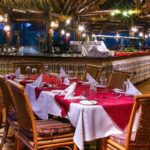
What matters for your safari day is simple: by the time you arrive, you can check in, eat lunch at your camp or lodge, and still get out for wildlife the same afternoon. That setup is where group itineraries can work in your favor. You don’t spend Day 1 doing nothing but packing and unpacking.
Drive tip
If you get motion sickness easily, consider packing something for it. The road is part of the journey here, and a sore stomach doesn’t help when the first giraffes or zebras pop up.
Day 1 in Masai Mara: Your First Game Drive and Big-Animal Chances
On Day 1, you arrive, check in, enjoy lunch, then head out for an afternoon game drive. This is the classic first taste. The animals might not be as “pushy” as sunrise, but you can still have great encounters.
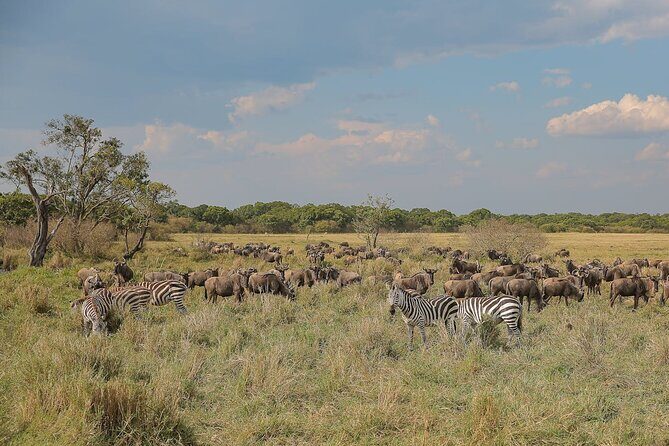
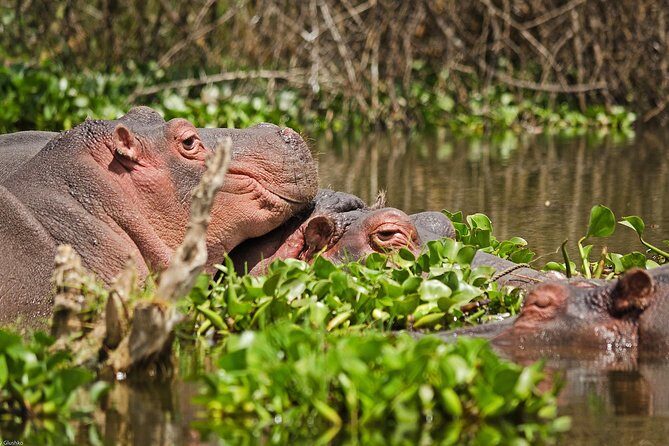
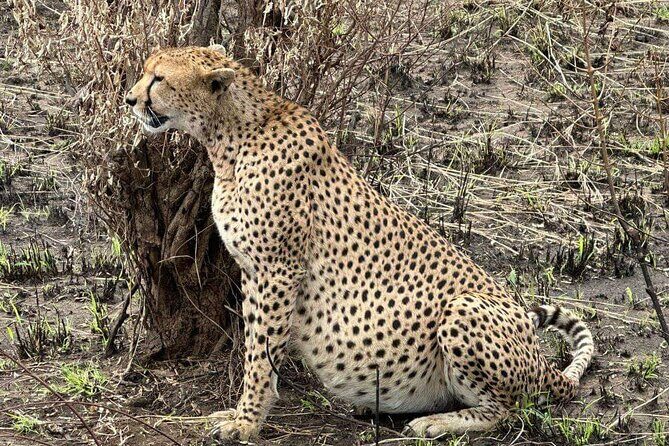
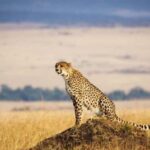
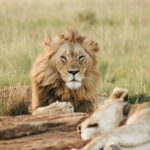
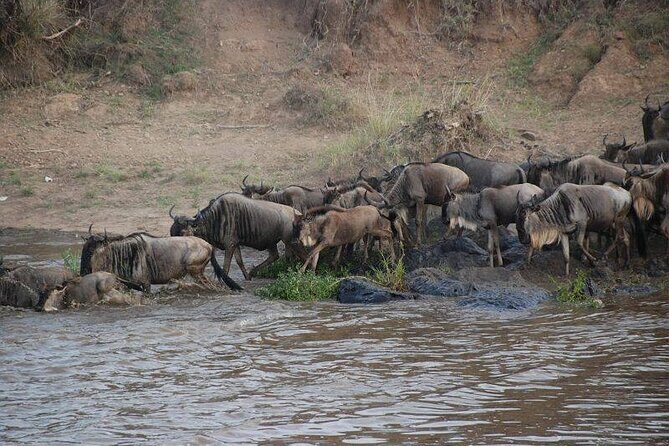
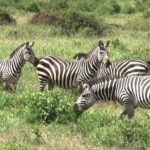
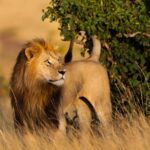
Expect to see a mix of the usual suspects: lions, cheetahs, hartebeests, wildebeests, elephants, buffaloes, zebras, and hippos. Giraffes and baboons may also show up, along with smaller surprises like bat-eared foxes and warthogs. In other words, it’s not just one species parade. It’s the whole working ecosystem, seen from the game-drive perspective.
The afternoon timing has one advantage: you often get a nice blend of animal movement and lighting that makes photos look better than harsh midday sun. The drawback is that some predators hunt more actively in early hours, so you’ll want Day 2’s sunrise drive too—which you get.
A few more Nairobi tours and experiences worth a look

What to watch for in your first drive
- Look for areas where animals naturally funnel: river edges, open grass patches, and the places where herds gather.
- Scan for stillness. Predators often look calm right before action.
Day 2 Sunrise to Mara River: Big Five Time and Great Migration Season
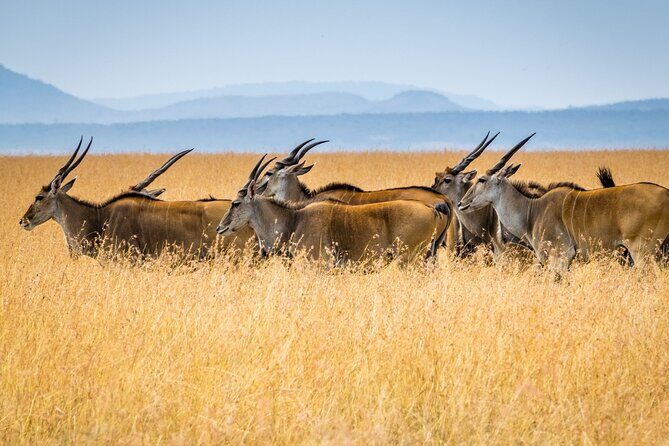
Day 2 is the money day. It starts with an early morning game drive after breakfast, as the sun rises over the plains. This is when the savannah looks and sounds like a living set. Predators tend to be more active, and you’re also more likely to see animals at rest earlier in the morning before heat kicks in.
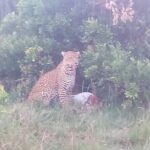
This day is built with a Big Five focus in mind: lions, leopards, elephants, buffaloes, and both white and black rhinos. Now, let’s be honest: you can’t guarantee rhino sightings or leopards on any safari. But the plan puts you in position to chase those targets. In my book, that’s better than “we’ll see what we see” with no strategy.
Bush picnic lunch: why it’s more than a meal
Lunch is a bush picnic in the wilderness. This matters because it changes the pace. Instead of feeling stuck inside a vehicle for hours, you get a break in the open air with the sounds of the reserve around you. It’s also one of those “you’ll remember this later” moments, because it feels like the day belongs to the animals, not to the clock.
The Mara River stop and migration timing
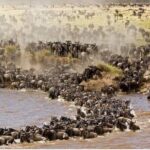
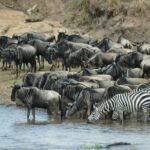
Later, you’ll stop by the Mara River, which is the stage for the Great Migration, typically from July to October. If you’re traveling during that window, this stop can add real drama to your day—because the river crossing period is when people come for the big, famous spectacle.
If you’re traveling outside July–October, you can still enjoy the river area, but the migration spectacle may not be as intense. Either way, this stop is valuable because it’s a named location where wildlife activity tends to concentrate.
Day 3: Breakfast, Maasai Village Option, and the Ride Back
Day 3 begins with breakfast and then you check out. This is the “finish strong” day. Instead of squeezing one last huge wildlife marathon, the pace shifts toward optional culture and a smoother return.
One optional add-on is a Maasai Village cultural visit, but it’s at your expense. If you want to understand how the Masai people live alongside wildlife in this region, this is the chance. It’s also a good reminder that this is not only a park—it’s a human landscape too.
For the rest of your day, you stop for lunch at a selected restaurant along the way back to Nairobi, then you’re dropped at your hotel or the airport. The tour ends back at the starting meeting point area, so you don’t get hit with complicated “end somewhere else” confusion.
Who will like Day 3 most
If you’re someone who wants one foot in wildlife and one in culture, Day 3 is your sweet spot. If you’re purely wildlife-obsessed, you may wish for more time in the reserve—but the schedule keeps the trip realistic and prevents you from rushing out of the park too late.
What’s Included (and Why It Affects Your Budget)
This safari includes:
- Breakfast (2)
- Lunch (3)
- Dinner (2)
What’s not included:
- Park entrance fees
- Soft and alcoholic drinks (available at the camp at a price)
This matters because food is a major cost on safari, and being covered for most meals helps keep your day-to-day spending predictable. Still, you should plan for park entrance fees separately. Since the listing doesn’t give a specific amount for those fees, you’ll need to budget conservatively and confirm the current entry charges at booking.
Also note that drinks are extra. If you like soda, bottled water, or a beer after a long drive, that’s fine, just assume it’s not part of the base package.
Comfort expectations
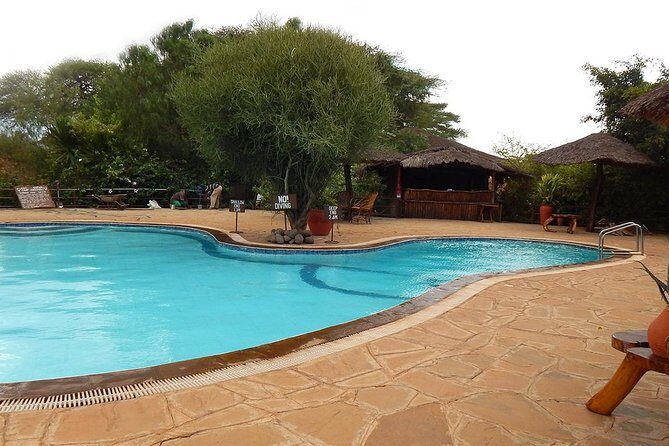
The information you have doesn’t spell out room standards or vehicle type, so I can’t promise luxury. What I can say: with meals and transport structured for you, you’re mostly paying for time in the right places and a guide-driven wildlife routine.
Price and Value: How $195 Plays Out
At $195 per person, this price is positioned as a budget-friendly entry into Masai Mara. The key for value is what $195 does not include: park entrance fees and drinks. Once you add those, the all-in cost increases.
But the value angle is strong because you’re getting:
- Round-trip transfer from Nairobi starting at a set pickup point
- Transport into and around the reserve for 3 days
- A structured set of meals (breakfasts, lunches, dinners)
The fact that this tour is commonly booked about 103 days in advance suggests it’s popular and you can get the dates you want if you plan ahead. For a destination like this, that’s a practical advantage.
My balanced take
If you’re looking for the lowest possible cost, this isn’t a “cheap ticket” once you factor fees. If you want a smooth experience that gets you out on drives and keeps meals handled, $195 can be a fair deal.
The Group Size Reality: Up to 80 Travelers
This safari has a maximum of 80 travelers. In practical terms, that means you could be in a group that feels energetic—more like an active tour than a silent expedition.
What helps is the schedule is still wildlife-centered. You’re not spending the day touring offices or waiting in museums. You’re moving between reserve moments, meals, and the Mara River stop.
To make group safaris work well, I recommend you:
- Stay flexible with timing around pickup and meals.
- Keep your expectations tuned for wildlife uncertainty. Some days are better than others.
- Have your camera ready, but also look with your eyes first. It’s easier than you think to spend the whole day filming and forget to enjoy the moment.
Who Should Book This Safari (and Who Might Pass)
This tour fits best if you:
- Want Big Five–focused planning without building your own itinerary
- Like the idea of joining a group to share excitement with other people
- Want a balance of wildlife and a possible Masai Village visit
- Appreciate being picked up at a set Nairobi location with a set start time
You might consider passing or upgrading to a different style of tour if you:
- Need maximum privacy or strict control over every game drive decision
- Hate waiting, group batching, or shared van timing
- Have a very narrow target (like expecting one specific leopard sighting on Day 2). Safari sightings are never guaranteed.
Tips to Get the Best Out of Your Drives
These are the small choices that make a big difference on safari days.
- Dress for heat and dust. Early morning can still feel cool at first, then it warms fast.
- Bring something for the long drives from Nairobi. A light snack and water routine can help.
- During game drives, be patient about spotting. The best sightings often happen after scanning for several minutes.
- If you’re traveling July–October, keep your expectations tuned for the Mara River migration season timing. It’s the best window for that “8th wonder” style drama.
And if you’re wondering whether the guides will help you spot animals: the feedback around the experience emphasizes professional, helpful staff and strong wildlife spotting. That’s exactly what you want on a group joining safari—someone who knows how to read the land and work with what’s happening that day.
Should You Book This 3-Day Masai Mara Group Safari?
My take: if you want an organized, wildlife-first safari with meals handled and a solid chance at Big Five sightings, this is a strong way to do Masai Mara for the money. The route makes sense—drive out Day 1, sunrise push Day 2, Mara River timing for migration season, then a calmer culture-and-return Day 3.
I’d book it if you’re flexible, you’re happy sharing the experience, and you treat it like wildlife chances rather than a guaranteed animal checklist. If you’re hoping for a totally private, no-wait, no-group setup, then it may feel a bit too “group tour” for your style.
FAQ
Where does the safari start?
It starts at Java House (Phoenix Uganda House) in Nairobi.
What time is the pickup?
The start time is 7:30 am.
How long is the safari?
It’s listed as 3 days (approx.).
Is the pickup included?
Yes, pickup is offered.
What meals are included?
Breakfast is included for 2 days, lunch is included for 3 days, and dinner is included for 2 days.
Are park entrance fees included?
No. Park entrance fees are not included.
Are drinks included with the tour?
No. Soft and alcoholic drinks are not included and are available at the camp at a price.
Is a Maasai Village visit included?
It’s an optional cultural visit on Day 3, and it’s at the guest’s expense.
When is the Great Migration at the Mara River?
The Great Wildebeest Migration is noted as occurring every year from July to October.
What is the group size limit?
The maximum is 80 travelers.