Three days to chase wildebeest in Maasai Mara. This budget-friendly safari takes you from Nairobi to the Maasai Mara National Reserve for game drives focused on the Great Migration and the Big Five. What I like most is the way the tour structures daylight hours for spotting and the fact you’re in the hands of a professional, English-speaking guide/driver.
I also like that comfort gets built in where it matters: pickup is offered, you travel in a comfortable safari vehicle, and you get bottled water during drives. One thing to weigh: park fees and admission tickets are not included, and there’s also an optional Maasai village stop you should plan for separately.
In This Review
- Key highlights worth knowing
- Budget Masai Mara Safari From Nairobi: What You Get for $297
- Rift Valley to Maasai Mara: Day 1 Game Drive Rhythm
- Day 2 Long Game Runs for Predators and Migration Action
- Day 3 Morning, Optional Maasai Village, and Back to Nairobi
- Guide, Vehicle, and Meals: The Practical Comfort Pieces
- Price Reality Check: What’s Included vs What You Still Pay
- How the Safari Fits Your Physical Pace and Expectations
- Who This Tour Fits Best (and Who Might Want Another Option)
- Should You Book This Wild Streamer 3-Day Mara Safari?
- FAQ
- What time does the safari start and where?
- What meals are included during the 3 days?
- Are park fees and admission tickets included?
- Is pickup available from Nairobi?
- Is the Maasai village visit included?
- What is the cancellation window?
Key highlights worth knowing
- Two long days in the reserve (one is listed as up to 11 hours) give you more real-time chances to find animals.
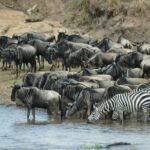
- Great Migration context: the Mara connects to the wider Serengeti plains, so herds and predator action are the main story.
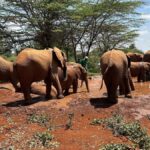
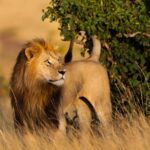
- Big Five target: lion, elephant, leopard, buffalo, and rhino are specifically part of the promise, even though sightings aren’t guaranteed.
- Professional driving matters: guides like James and Jose have been credited for finding animals and navigating well.
- Camp comfort can be strong on some departures: Enkorok tented camp has been described as clean, with hot showers and excellent staff.
- Day 3 is flexible: there’s an optional Maasai village visit, with the culture side kept gentle rather than forced.
Budget Masai Mara Safari From Nairobi: What You Get for $297
For about $297.44 per person, you’re buying three days of organized logistics plus real safari time in one of East Africa’s best-known reserves. You’re not just getting transportation; you’re getting multiple game-drive blocks designed to maximize daylight hunting by predators and grazing herds.
This is a 3-day/approx. 2-night style safari, anchored in Maasai Mara, with pickup offered in Nairobi and the trip starting at 8:00 am from Pioneer House on Kenyatta Avenue. You’ll also receive a mobile ticket, which is handy for getting through the early stages without paperwork stress.
What makes this “budget” tour feel worthwhile is that the included pieces line up with what usually costs you time and money when you plan independently: transport, timed driving, guide service, and meals. The parts that cost extra are pretty standard for Kenya safaris, but you should read the fine print before you assume everything is covered.
A few more Nairobi tours and experiences worth a look
Rift Valley to Maasai Mara: Day 1 Game Drive Rhythm
Day 1 is set up like a classic Kenya arrival: you drive from Nairobi toward the Great Rift Valley route and continue into Maasai Mara. The important value here is pacing. You’re not expected to be searching for lions at once; you get the long drive, then a structured break.
Once you reach the reserve, you’ll have lunch at the lodge, followed by an afternoon game drive. That late-day timing matters because animals often move more actively when temperatures start to cool, and the light gets better for photography.
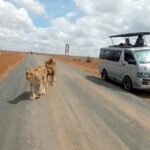
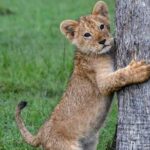
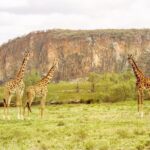
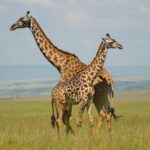
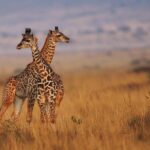
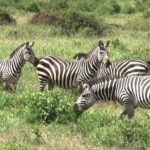
The Mara is described as part of the Serengeti plains, which is why the Great Migration is central to the experience. Even if you’re not seeing every dramatic moment, you’re in the right place for the big herds, plus resident animals like giraffe, buffalo, eland, impala, zebra, and gazelles. The tour specifically notes the Mara as home to the Big Five, so expect the guide to scan for lion and leopard signs and to keep elephant sightings on the radar.
A practical note: Day 1 is listed at about 3 hours for the reserve stop block, so it’s real safari time, but it’s not the longest day on the calendar. The tradeoff is that you start earlier and end with an overnight at the camp, letting you reset before the bigger search day.
Day 2 Long Game Runs for Predators and Migration Action
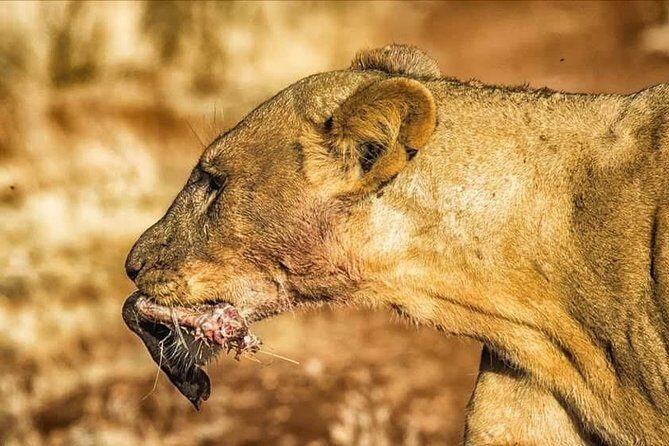
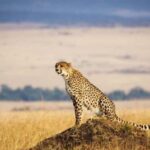
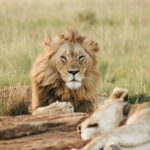
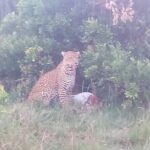
If Day 1 is your handshake with the Mara, Day 2 is the working day. Today is built around “extensive game runs,” with the goal of finding predators and the drama that comes with them. The itinerary calls out cheetah and leopard, plus the idea of searching for big cats and the possibility of cubs.
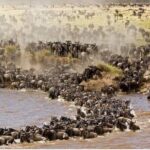
Day 2 is listed at 11 hours, which is a big deal. More hours in the reserve generally means more chances at the two things you came for: (1) the movement of migration herds across the plains and (2) the predator patterns that follow grazing animals. Lions, leopards, and cheetahs all operate on their own schedules, and a longer day improves your odds even when wildlife is unpredictable.
You’ll have breakfast, lunch, and dinner included, which helps because you won’t have to plan meals around game drives. On safari, meal logistics can quietly ruin a budget plan. Here, you avoid that. The tour also includes bottled water during safari time, which matters when you’re spending hours scanning acacia trees and grasslands.
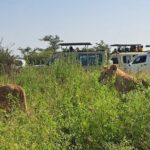
One more practical angle: this is a reserve where spotting can be feast-or-famine. I like that the day is designed to keep you moving. The guide/driver is doing the hard part—reading the land, locating signs, and steering you toward sightings when conditions line up.
Day 3 Morning, Optional Maasai Village, and Back to Nairobi
Day 3 starts with a full English breakfast, then you’re given an optional cultural add-on: an opportunity to visit a Maasai village to see singing and dancing tied to daily life and sacred rituals. Even though it’s optional, it’s the only cultural stop in the plan, so if you want more than animals, this is where it fits.
After that, you travel back to Nairobi by road and the safari ends back at the meeting point. Day 3 is shorter on paper (about 2 hours listed for the driving segment), but the day still feels complete: a morning in the Mara rhythm, one cultural window, then back to the city.
Keep in mind that the broader tour details say the visit to local tribes is not included in the cost. That doesn’t mean it’s off-limits. It means you should expect a separate payment for the village experience if you choose it.
Guide, Vehicle, and Meals: The Practical Comfort Pieces
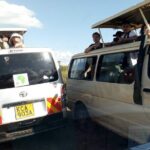
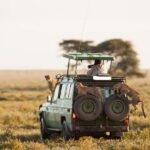
This is where budget safaris can either feel smooth—or feel stressful. In this case, you’re set up with a comfortable safari vehicle and game drives plus bottled water. Those sound like small perks, but on long drive days they’re real comfort.
You’re also traveling with a professional English-speaking guide/driver. In multiple experiences associated with this operator, drivers such as James, Jose, and Onesmos have been praised for being helpful, friendly, and focused on getting you to wildlife sightings. That last part is key: knowing where animals are and how to position the vehicle without wasting daylight can make your entire trip feel better.
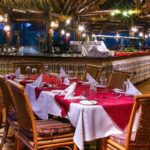
Meals are solidly included for a 3-day plan: breakfast (2), lunch (3), dinner (2). You shouldn’t go hungry. More importantly, you shouldn’t be spending your safari time thinking about where to eat.
About accommodation: the tour details don’t lock one specific camp into the description, but you may see stays at places like Enkorok tented camp, which has been described as comfortable, with delicious food, hot showers, and a clean setup. That aligns with what you want in the Mara: a bed and shower waiting after a dustier day, not a compromise that makes you dread returning to camp.
One more detail I’m glad this tour includes: government taxes are part of the package. That kind of clarity reduces surprise costs when you’re in the budgeting mood.
A few more Nairobi tours and experiences worth a look

Price Reality Check: What’s Included vs What You Still Pay
Let’s talk money the honest way. At $297.44 per person, you’re getting a lot of the major moving parts—game drives, transport, meals, and taxes. The included list also includes airport transfers, plus dinner, lunch, and breakfast counts, and bottled water for safari time.
But there are clear exclusions you should budget for:
- Park fees / park admission and tickets (explicitly not included)
- Tips
- Soft drinks or alcoholic drinks
- Balloon safari (not included)
- Visit to local tribes (not included)
- International flights from home
This is common for safaris, but it’s still important. If you only plan your budget around the listed price, you may arrive in Kenya with a gap. The smartest move is to ask ahead what you should expect to pay for park fees and any admissions tied to the reserve or your activities.
Another practical cost: tipping. It’s easy to ignore until you’re standing in front of your guide after a long day. In a place like Maasai Mara, where your guide is essentially your wildlife translator and driver, a fair tip can be part of how you keep the relationship respectful and the service steady.
How the Safari Fits Your Physical Pace and Expectations
The tour notes moderate physical fitness is recommended. That usually means you should feel okay with long sitting time in a safari vehicle, some walking around camp areas, and early starts. It’s not an extreme trek style adventure, but it’s not “sit in a lounge all day” either.
Also, the tour has a maximum of 100 travelers. That doesn’t mean you’ll see a crowd while game driving, but it does tell you the operator isn’t trying to be tiny-and-exclusive. If you prefer a quieter, smaller group feel, you might compare this with more intimate options. Still, for many people, 100 stays reasonable if the vehicles and schedules stay well run.
Finally, remember that wildlife is wildlife. You can target the Big Five and migration drama, but animals don’t come on command. What you’re buying is time in the right place with the right kind of guiding effort.
Who This Tour Fits Best (and Who Might Want Another Option)
I think this tour works especially well if you want:
- A first-time Maasai Mara experience without building a DIY plan
- More safari hours focused on spotting predators and migration herds
- Included meals that keep the day moving
- A guide/driver setup that aims for results rather than just sightseeing
It may not be perfect for you if:
- You hate costs you can’t see up front, since park fees are excluded
- You want a guaranteed, specific camp every time (accommodation can vary by departure)
- You plan to do every add-on and you’re trying to keep total spending ultra-low, because optional experiences and drinks can add up
If you’re traveling as a couple or solo and you’re fine sharing the safari experience with a larger group cap, this is a straightforward route into the Mara. Families can also do well here if kids are comfortable with long days in a vehicle and the “wait and spot” rhythm.
Should You Book This Wild Streamer 3-Day Mara Safari?
If you’re trying to choose between “cheap” and “smart cheap,” I’d lean toward booking this style of safari—with one condition: you confirm what’s covered and what’s not. Specifically, clarify expected park fees/admissions, ask how the camp selection works for your exact departure, and decide in advance whether you want the optional Maasai village stop.
On the positive side, the trip is built around what matters for Mara: multiple game drives, a long search day, and meals that keep you from losing time. And the human factor is strong, with names like James, Jose, Martin, and Onesmos showing up as examples of good coordination and capable guiding.
If you want a budget safari that still treats game drives like the main event—and not a rushed side quest—this is a solid choice.
FAQ
What time does the safari start and where?
The tour starts at 8:00 am and the meeting point is Pioneer House, Kenyatta Avenue, Nairobi.
What meals are included during the 3 days?
The meal plan includes breakfast (2), lunch (3), and dinner (2).
Are park fees and admission tickets included?
No. Park fees and admission tickets are not included.
Is pickup available from Nairobi?
Yes, pickup is offered, and the tour includes airport transfers as well.
Is the Maasai village visit included?
The Maasai village stop is described as optional, and the visit to local tribes is listed as not included.
What is the cancellation window?
You can cancel for a full refund up to 24 hours before the experience’s local start time.