REVIEW · NAIROBI
11-Day Serengeti, Maasai Mara, Tarangire, Amboseli Park
Book on Viator →Operated by Silver Spark Africa Safaris · Bookable on Viator
Five parks, one nonstop wildlife buzz. This safari strings together Kenya’s Maasai Mara and Tanzania’s Serengeti, plus bird-focused Rift Valley lakes and elephant country around Kilimanjaro. You’re also doing a proper crater day at Ngorongoro, with Olduvai Gorge on the way.
What I like most is the built-in rhythm: early drives, packed or picnic lunches, then another game drive later in the day. I also like how organized it feels from start to finish, with the guiding team led by Abongo (and also credited by name alongside Kevin, David and Minister in feedback I reviewed), plus a time-oriented approach to keep the days moving. The only real consideration is pace: you’ll change parks often and include a border crossing, so long driving days are part of the deal.
In This Review
- Key points
- Price and Logistics
- From Nairobi to Maasai Mara: Rift Valley Views and Big Five Odds
- Lake Nakuru and Elementaita: Birding Days That Still Feel Wild
- Amboseli and Kilimanjaro Views: Elephants, Observation Hill, and Big-Tusk Moments
- Crossing Into Tanzania via Namanga to Tarangire’s Baobab Country
- Serengeti in Two Styles: Afternoon Light to Morning Action
- Ngorongoro Crater and Olduvai Gorge: Rim Views and Early Humans on the Route
- Finishing in Arusha or Kilimanjaro: Endgame Timing That Depends on Your Ticket
- Accommodation and Meal Rhythm: What Is Actually Included
- Who This Safari Fits Best (and Who Might Want a Different Plan)
- Should You Book This Safari?
- FAQ
- Where does this safari start?
- How long is the tour?
- What parks and areas are included?
- Is pickup included?
- Are meals included in the price?
- Are park admission fees included?
- Is this a private tour?
- What does the tour provider include?
- What’s the cancellation policy?
Key points
- Maasai Mara + Serengeti: two different ways to see the Great Migration corridor
- Birding day stops: Lake Nakuru and Lake Elementaita are planned on purpose
- Amboseli elephant focus: Mt. Kilimanjaro viewpoints and big-tusk sightings are central
- Tarangire tradeoff: more animals and fewer crowds, with baobabs and dry-season water patterns
- Ngorongoro crater day: rim-to-floor wildlife concentration, plus Olduvai Gorge on the route
Price and Logistics
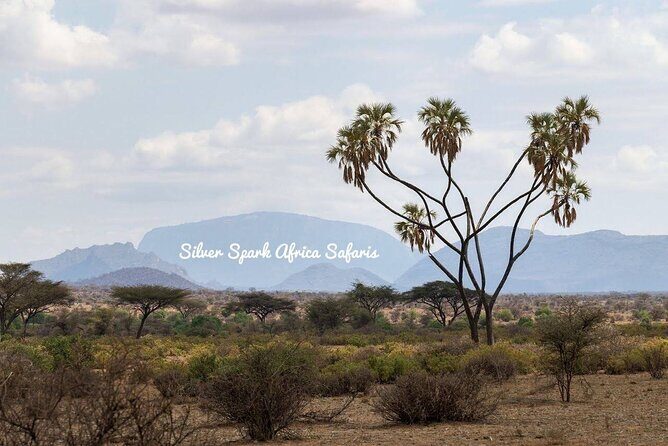
At $4,400 per person for an 11-day private safari, this is not a budget hop. But it is a value play if you want less planning stress and more safari time. The package includes accommodation and most meals (breakfast 11 times, lunch 10 times, dinner 10 times), which helps you compare apples to apples against DIY or piecemeal bookings.
It also helps that pickup is offered in Nairobi (airport or hotel, depending on what you choose), and you get a mobile ticket. The tour is private, so you’re not sharing vehicles or timing with strangers. One thing to keep in mind: the itinerary is tight by design, so you’ll likely spend a good chunk of each day traveling between big sites.
You can also read our reviews of more tours and experiences in Nairobi.

From Nairobi to Maasai Mara: Rift Valley Views and Big Five Odds
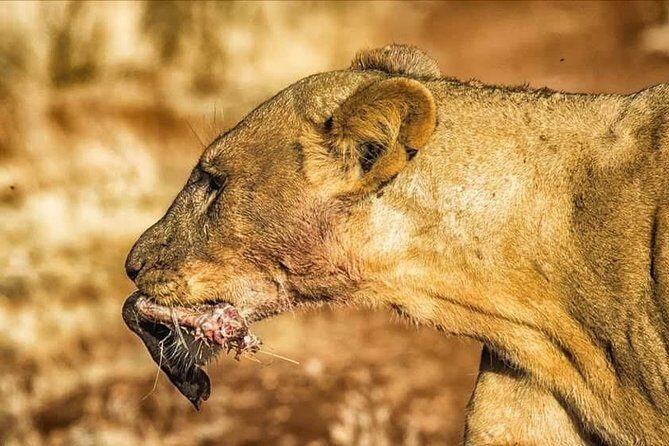
Your trip starts in Nairobi, with pickup from Jomo Kenyatta International Airport or your hotel. There’s a pre-departure meeting either at the airport or at your hotel in your car, which matters because it sets the tone for the whole safari—clear instructions, then straight into the plan.
Day 1 takes you through viewpoints over the Great Rift Valley escarpment as you head toward Narok County and Maasai Mara, an area tied to the larger Serengeti plains. You’ll arrive for lunch at the lodge or camp, then go out on an afternoon game drive.
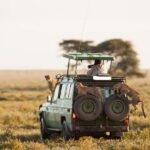
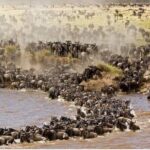
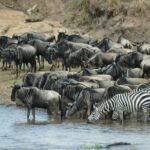
Day 2 is where Maasai Mara really starts to feel like a safari vacation instead of a checklist. You’ll do a full-day game drive in the reserve with a picnic lunch, covering the Mara Triangle area near the Mara River. This is prime Great Migration territory from July to September, when more than 1.5 million wildebeest, zebra and other animals move between Serengeti and the Mara in search of food and water. Even outside those months, Mara’s big-open savannah supports strong wildlife sightings.
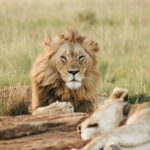
What you’ll enjoy here: Maasai Mara is specifically framed around the Big Five—lion, elephant, leopard, buffalo and rhino—so your drivers are working within an environment known for those encounters.
A practical note: because you’re in the reserve two days in a row, you’re not constantly resetting. You’ll learn the rhythm of the day and get better at spotting movement quickly.
Lake Nakuru and Elementaita: Birding Days That Still Feel Wild
After Maasai Mara, the itinerary pivots to the Rift Valley soda lakes, and that’s a smart switch. Day 3 brings you to Lake Nakuru National Park, one of Kenya’s best-known Rift Valley soda lakes. After check-in and lunch, you’ll head out on a game drive, and the point of the park is clear: it’s a bird lover’s hub.
The park is described as home to over 400 bird species. Flamingos are a highlight, living on the lake and across the savannah grasslands, along with birds like the African Fish Eagle, slender-billed greenbul, long-tailed widowbird and others listed in the itinerary description. That mix matters because you’re not just waiting for mammals; you also get a day where the best sightings can be feathers and behavior.
Day 4 adds Lake Elementaita National Park, also a soda lake in the Great Rift Valley about 120 km northwest of Nairobi. You’ll get a welcome drink and settle into your room, then after lunch take a late afternoon guided leisure walk along the bird-rich lake. Greater and lesser flamingos are again part of the expected picture.
The best bonus here is the hot-spring stop for a relaxing dip before dinner and a campfire. It’s one of the few moments in the itinerary that slows things down on purpose.
Why this is valuable: most safari routes focus only on big animals. These two lake days broaden your odds, and they also add variety in your photography subjects and what you’re scanning for.
How it might feel: the pace is still active, but you’re swapping some mammal hunting for calmer wildlife watching and bird spotting.
Amboseli and Kilimanjaro Views: Elephants, Observation Hill, and Big-Tusk Moments
Day 5 moves you south to Amboseli National Park, with a morning drive out of Nairobi through Maasai County. The itinerary connects Amboseli directly to Mt. Kilimanjaro views and to elephant country, and that’s exactly how it’s sold: majestic herds of elephant and the “glorious views” of Kilimanjaro in neighboring Tanzania.
You’ll drive through the plains below Kilimanjaro, and there’s even a picnic lunch en route with the backdrop in play. Once you arrive, the day is built around wildlife sightings—lion, elephant, leopard, rhino, cheetah and buffalo are all specifically named—so you’re not wandering without a target.
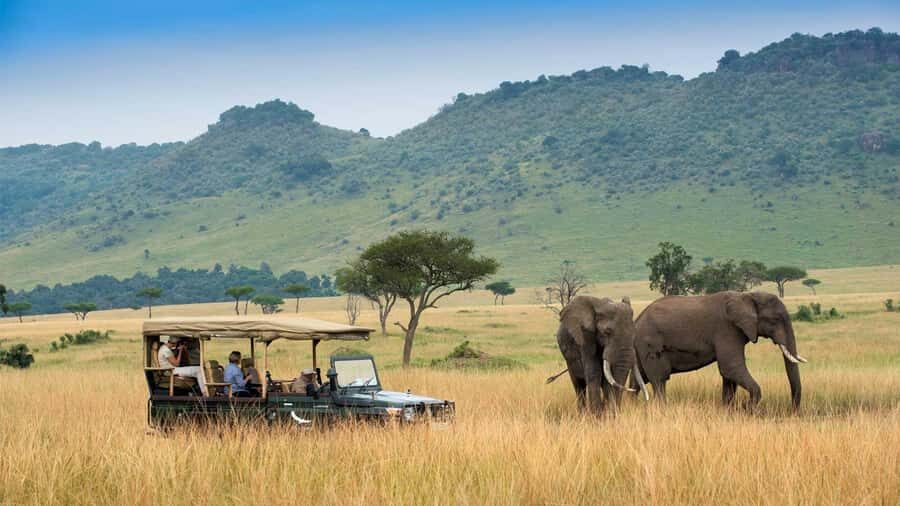
Day 6 is an early morning wake-up followed by breakfast, then a full-day game drive using a packed lunch. Amboseli’s signature setting is highlighted again: excellent elephant viewing in the marshy areas, plus Mt. Kilimanjaro views from Observation Hill, which the itinerary calls out as the best vistas spot. The goal becomes finding a massive gathering of big-tusked elephants with Kilimanjaro behind them—very “postcard perfect” on paper, but also genuinely cinematic when it aligns.
Accommodation for this day is listed as Sentrim Lodge Amboseli, which helps with planning because you know where the base is during this two-day block.
What you’ll enjoy most: Amboseli is the kind of park where scale and detail both matter—wide-open views, then sudden elephant drama when herds move through the marsh.
Consideration: Kilimanjaro views can depend on conditions (the itinerary frames it as a major feature, but nature controls the final clarity). Still, you’re staying two days, so you get more than one chance for good visibility.
Crossing Into Tanzania via Namanga to Tarangire’s Baobab Country
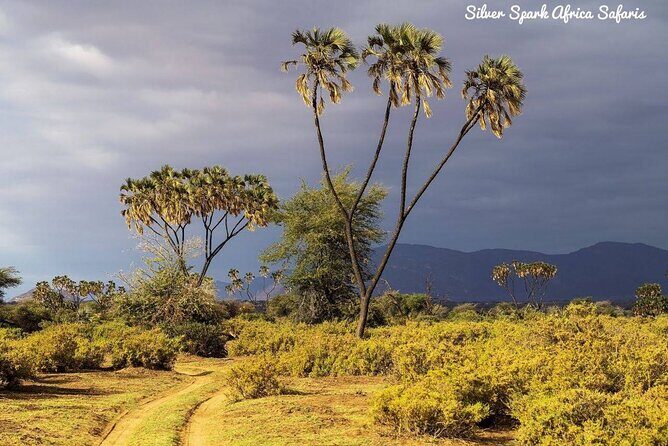
On Day 7, you head out from the Amboseli area after breakfast with Kilimanjaro still in the view as the drive continues. Then the route shifts to a border day: you go toward the Namanga border, complete immigration clearance, and then transfer into Tarangire National Park.
The itinerary frames Tarangire as lesser-known compared to the headline parks, and that’s part of its appeal. It’s positioned as a place to see a strong number and diversity of wildlife while also getting fewer tourists. Tarangire is described as a wonderful birding destination, and the animal story links directly to the Tarangire River—especially during the dry season, when the river becomes a major water source.
Another highlight is the sheer number of baobab trees, which gives Tarangire a distinct look compared with the more open Mara and Serengeti plains. Even if you’re there mainly for animals, the baobabs add something different to your viewing.
Why this stop matters: it breaks up the “big two” safari parks with a different ecosystem feel. It also helps balance your whole trip so it’s not just savannah all the way through.

Serengeti in Two Styles: Afternoon Light to Morning Action
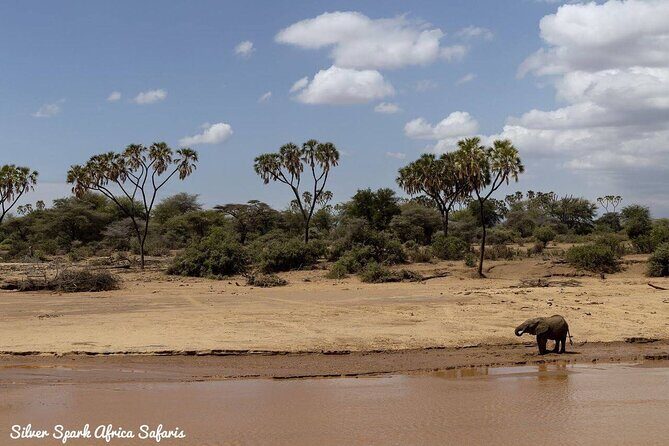
Once you reach Tanzania, Day 8 takes you into Serengeti National Park. The itinerary describes Serengeti as the Tanzanian counterpart to Maasai Mara, and the park is laid out as vast open plains with an abundance of wildlife. You’ll get a picnic lunch en route, then spend the afternoon viewing games and taking in the broad, almost treeless plains.
Day 8 also includes the typical safari rhythm—get out in the afternoon, then see what the park offers later as light changes. On Day 9, the schedule becomes more intensive with an early breakfast and an early morning game drive, followed by a hearty lunch, a brief rest, and then another afternoon game drive.
Day 9 is built as a full day in the Serengeti, with picnic lunch provided en route and then more time exploring those wide plains. The repetition is intentional. In a park this big, you’re not trying to “see it all.” You’re trying to give your driver enough time to find the animals again with different movement patterns.
What I’d aim for here: Serengeti is often remembered for the Great Migration storyline, but the value of your two Serengeti days is that you’re not locked into one moment. You get at least two different daily windows, which improves your odds and makes the trip feel fuller.
Ngorongoro Crater and Olduvai Gorge: Rim Views and Early Humans on the Route
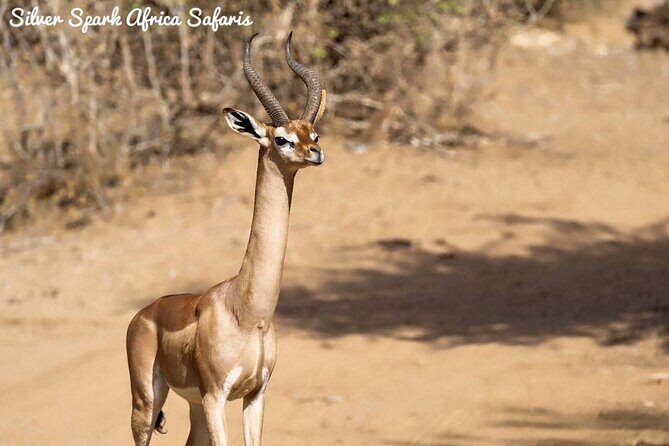
Day 10 shifts from plains to a crater day. You’ll transfer to Ngorongoro Crater via Olduvai Gorge. The itinerary describes Ngorongoro as a 20 km wide volcanic crater with 600 m walls, and it highlights rim views as breathtaking.
Wildlife is the other big reason the crater is central to this itinerary: there’s an ever-present abundance of animals due to permanent water on the crater floor. You’ll enjoy lunch overlooking the crater, and then the afternoon becomes leisure time—exactly what you want after a big, dramatic site day.
Olduvai Gorge comes in as the human history element. The route is described as famed for discovery of 3.5-million-year-old fossil fragments tied to early human civilization. It’s not presented as a museum day; it’s part of the journey into the crater.
Why this blend works: it keeps the safari from being only about hunting animals. You still get a major wildlife concentration, but you also get context for why this region matters in a longer timeline.
Finishing in Arusha or Kilimanjaro: Endgame Timing That Depends on Your Ticket
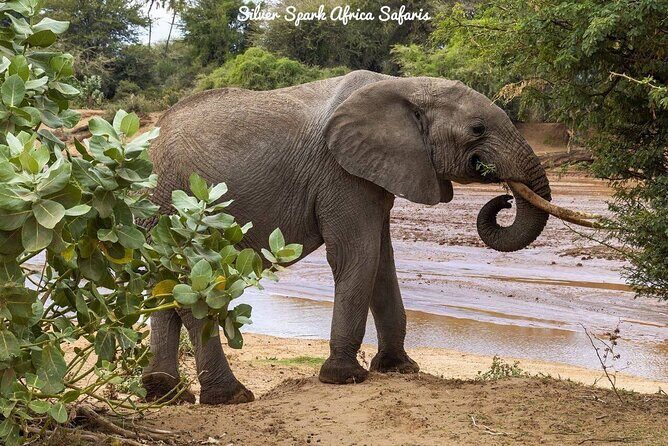
Day 11 is your wrap-up. After breakfast, you’ll be driven back to Arusha or to Kilimanjaro Airport depending on how your air ticket is booked. This is important because the end of the trip is not one-size-fits-all. If your flight time is tight, you’ll want to plan around that morning departure.
The itinerary notes the trip ends back at the meeting point area, and then the tour finishes for you. If you’re connecting to another part of East Africa later, this final day is where you’ll feel the “schedule discipline” the tour talks about—no last-minute wandering, just getting you to your onward plan.
Accommodation and Meal Rhythm: What Is Actually Included
Your package includes accommodation, plus meals in a fairly detailed rhythm. Breakfast is included 11 times, lunch 10 times, and dinner 10 times. That matters because safari food can vary a lot if you’re paying separately each day. Here, you can treat the driving and game drive schedule as the main event, and meals are already handled.
This also helps with sanity on border days and park transitions. When your day includes both immigration clearance and park transfers, having lunch and dinner arranged reduces decision fatigue.
Who This Safari Fits Best (and Who Might Want a Different Plan)
This tour fits best if you want a private route that connects Kenya and Tanzania without you building the itinerary yourself. The two-day blocks in Maasai Mara and Amboseli, plus two full days in Serengeti, suggest a plan aimed at repeat chances—better odds than a single quick drive-through.
It also fits well if you care about variety. You’re not stuck only on mammals. The parks include Rift Valley soda lakes with bird-focused time at Lake Nakuru and Lake Elementaita, and the Ngorongoro day adds both wildlife concentration and early human fossil context.
It might be less ideal if you strongly dislike long drives or frequent movement between parks. The itinerary is structured with time on the road (including the Namanga immigration clearance), so it’s a “go-go” kind of safari.
Should You Book This Safari?
I think this is a strong booking if your top priority is wildlife plus organization, and you’re okay with a packed route. The value comes from what you’re getting bundled: accommodation, meals, private transport with pickup, and a plan that hits both headline safari parks and the bird-and-science stops.
Before you book, check two things: your comfort with pace (this itinerary is not slow) and your flight timing for the Day 11 transfer. If you like early morning drives and you want multiple chances for the big moments—especially around elephants in Amboseli and the Migration corridor through Mara and Serengeti—this route makes sense.
And if your plans are flexible, you do have free cancellation up to 24 hours in advance for a full refund, which is a nice safety net when you’re coordinating flights.
FAQ
Where does this safari start?
It starts in Nairobi, either at Jomo Kenyatta International Airport or with hotel pickup, depending on your preference.
How long is the tour?
The duration is 11 days (approximately).
What parks and areas are included?
The itinerary includes Maasai Mara National Reserve, Lake Nakuru National Park, Lake Elementaita, Amboseli National Park, Tarangire National Park, Serengeti National Park, Ngorongoro Crater (via Olduvai Gorge), and Arusha at the end.
Is pickup included?
Yes. Pickup is offered, and the pre-departure meeting can be at your hotel or at the airport depending on your choice.
Are meals included in the price?
Yes. Breakfast is included 11 times, lunch is included 10 times, and dinner is included 10 times.
Are park admission fees included?
Admission tickets are listed as free on many days in the itinerary, and Ngorongoro Crater has admission ticket included on Day 10.
Is this a private tour?
Yes. It’s described as a private tour/activity, and only your group will participate.
What does the tour provider include?
The included items are accommodation plus the listed meals (breakfast, lunch, dinner).
What’s the cancellation policy?
You can cancel up to 24 hours in advance for a full refund, and if you cancel within 24 hours, the amount paid is not refunded.