REVIEW · NAIROBI
5 Days Getaway adventure to Masai Mara,L.Nakuru and L.Naivasha
Book on Viator →Operated by Savannah Woods Safaris · Bookable on Viator
First light, big skies, and wild moments. This safari strings together Masai Mara for top wildlife time, Lake Nakuru for rhinos and flamingos, then Naivasha for a quieter nature reset. I like that the plan is structured around real game-viewing hours and practical pacing, plus the team stays on top of your days so you’re not guessing. A possible consideration: rhino spotting (especially black and white) isn’t guaranteed on any single day, and some early departures mean you’ll want to sleep well the night before.
What you’ll really feel is the balance: serious safari time, plus cultural and scenery stops that break up the long hours in a good way. If you love animals and also want context—like meeting the Maasai community—this format makes sense. If you’re planning this around very specific dates, double-check any seasonal add-ons, since a festive supplement is listed for a tight window.
In This Review
- Key Points at a Glance
- Why This 5-Day Kenya Safari Makes Sense for First-Timers
- Getting to the Start: Nairobi Pickup and Early Safari Timing
- Masai Mara: Evening Game Drive, Big Cats, and the Mara River Pulse
- Day 2: Full-Day Drives, Mara River Viewing, and Unfenced Border Country
- Maasai Culture and the Rift Valley Stop That Resets Your Eyes
- Lake Nakuru National Park: Rhinos, Flamingos, and Makalia Falls
- What to Expect in Nakuru Country
- Naivasha: Crescent Island Wildlife and a Predator-Free Hell’s Gate
- Price and Value: What $2,545.46 Covers (and What You’ll Still Budget)
- Group Feel, Communication, and the Kind of Service That Makes Safari Easier
- Practical advice for you
- Who This Safari Fits Best (and Who Might Want a Different Plan)
- Should You Book This 5-Day Masai Mara–Nakuru–Naivasha Safari?
- FAQ
- What parks does this safari include?
- How long is the safari?
- Where are you picked up and dropped off?
- What wildlife are you hoping to see?
- Are park fees included?
- What meals are included?
- Is drinking water provided?
- What’s not included in the price?
- Is this a private tour?
- What if weather is poor?
Key Points at a Glance
- Two nights in Masai Mara mean you’re not cramming wildlife into one rushed day
- Full-day Mara drives plus Mara River areas give you more chances at predators and action
- Lake Nakuru’s rhino and bird focus includes both black-and-white rhino country and 400+ bird species
- A Maasai village cultural visit adds a human layer beyond the game drives
- Hell’s Gate’s walk and cycling is predator-free and great for legs-on-ground wildlife spotting
Why This 5-Day Kenya Safari Makes Sense for First-Timers
This trip works because it doesn’t just stack famous parks. It builds in the rhythm that makes safari days easier: morning drives for animals at their most active, a midday pause or viewpoint break, then an evening session where the light changes and the behavior often does too. You’ll move between three regions that feel different from each other, so the whole week doesn’t blur together.
Masai Mara is where the action tends to be concentrated—big cats, herds, and that constant sense of motion. Lake Nakuru brings a different vibe: famous rhino country plus big bird energy, especially around the lake. Naivasha and Hell’s Gate slow things down just enough that you get variety without losing the wildlife focus.
You’re also not traveling “on your own time.” Pickup, guiding, transport, park fees, meals, and most logistics are handled. That matters because safari travel is tiring even when you’re excited. Less confusion means more energy for watching, photographing, and enjoying.
A few more Nairobi tours and experiences worth a look
Getting to the Start: Nairobi Pickup and Early Safari Timing
Your day starts early—this is normal for Kenya wildlife. The tour lists a start time of 6:00 am, and the first morning flow includes hotel or airport pickup and a quick briefing before you head out. By the time you’re leaving Nairobi, you’re already buying yourself prime daylight for the drive.
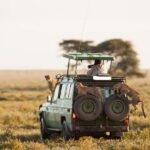
You’ll travel in a 4×4 Jeep, which is the right tool for this kind of game-country terrain. It’s not just comfort; it’s also the difference between a smooth ride and a bumpy one when you’re crossing uneven ground on the way to stops and within parks.
One practical note: because the schedule includes morning windows and later check-ins, you’ll want to pack like a minimalist. Keep your camera battery and lens cloth easy to grab, because you’ll likely be stepping in and out of the vehicle at multiple points.
Masai Mara: Evening Game Drive, Big Cats, and the Mara River Pulse
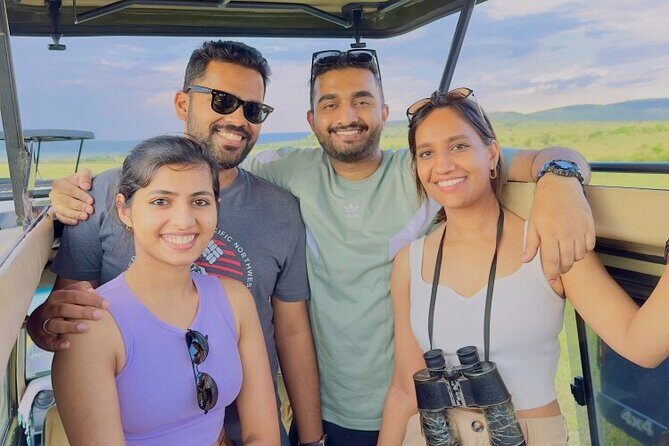
Masai Mara is where this safari really flexes. You arrive on Day 1 and get an evening game drive from roughly 4:00 pm to 6:30 pm, which is ideal for that first hit of wildlife excitement. This timing is also a smart strategy: after the drive and check-in, you still get meaningful time in the reserve without turning Day 1 into an all-day grind.
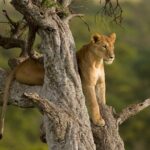
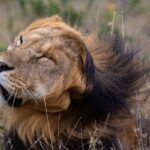
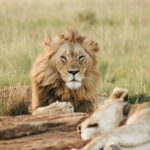
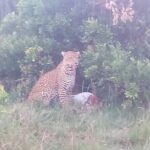
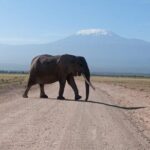
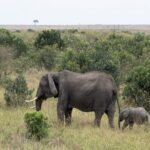
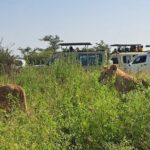
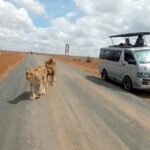
During these drives, you’re in classic Big Five country—lions, buffalo, elephants, and leopards are often expected, and rhino is the tougher one. That last part is important for your expectations. If you go in assuming rhino will happen for sure, you might feel disappointed. If you go in knowing rhino can be a lucky day, you’ll enjoy the rest more.
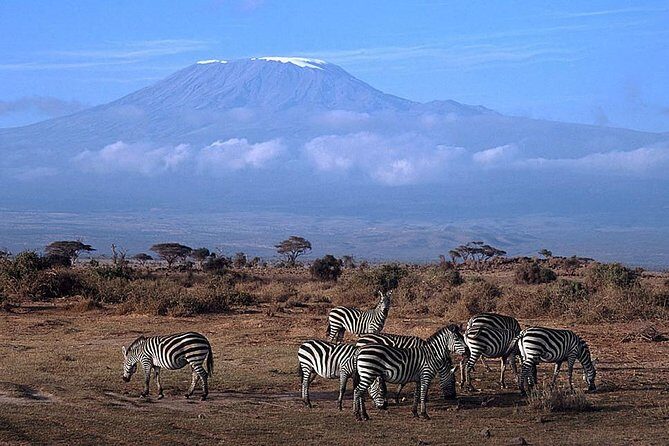
What I like about Mara in particular is the range of wildlife opportunities described: you’re not just looking for a single animal. You might spot foxes, hyenas, impalas, giraffes, gazelles, zebras, and plenty of smaller action too. It’s the kind of place where even if the Big Cats are quiet for a moment, something interesting is almost always moving nearby.
Day 2: Full-Day Drives, Mara River Viewing, and Unfenced Border Country
Day 2 is your heavy wildlife day, with game driving running from about 9:00 am to 6:30 pm. That length matters because predator sightings tend to be random. More hours means more chances at the moments people remember: a kill, a chase, a cat lounging in plain sight, or a herd funneling into a crossing.
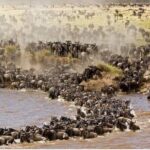
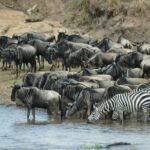
The safari plan also includes specific Mara areas you’ll likely drive through, like the Mara River for water-life viewing and the Musiara Swamp area described as strong for game watching. Then there’s mention of Eluai Plain for long views and scattered trees, and the unfenced Maasai Mara–Serengeti border zone where animals can move freely between Kenya and Tanzania (even though visitors can’t cross the border). That combination is useful: it broadens the “search pattern” so you’re not only watching one habitat style.
If you care about birds and water behavior, the river and swamp areas are where that shows up. Hippos, crocodiles, and water birds aren’t just background here—they’re part of the wildlife story. And if you’re into photography, those habitat variety shifts give you different angles and light effects across the day.
Maasai Culture and the Rift Valley Stop That Resets Your Eyes
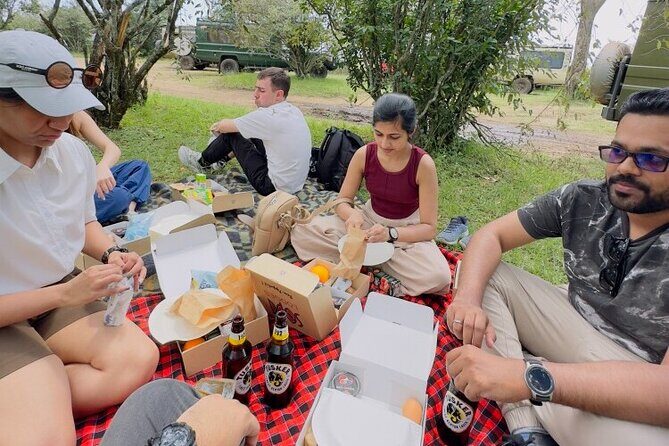
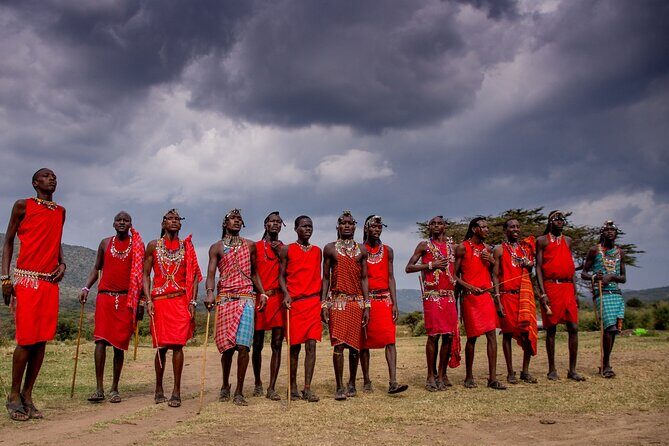
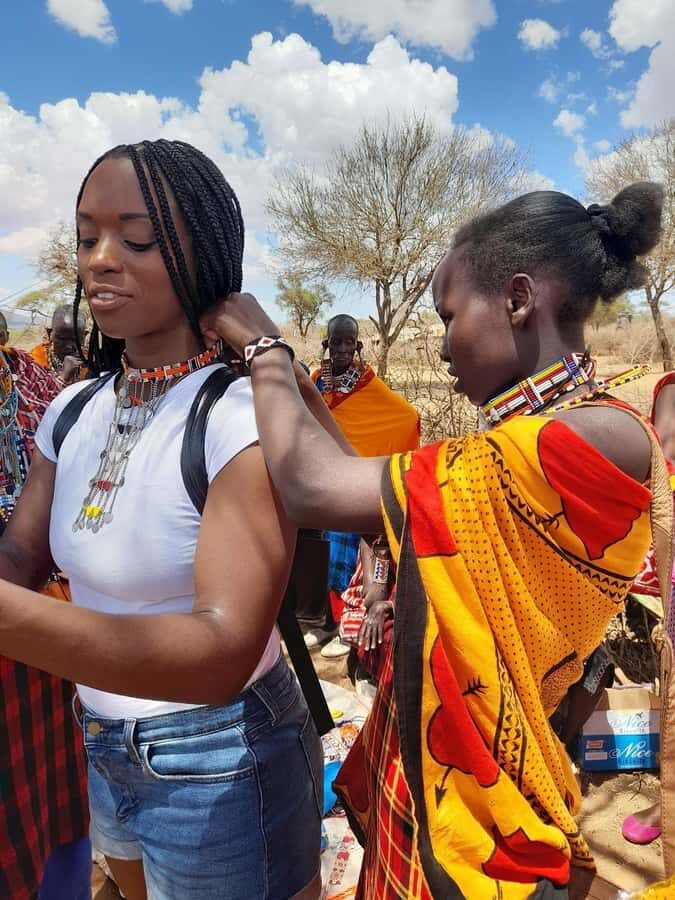
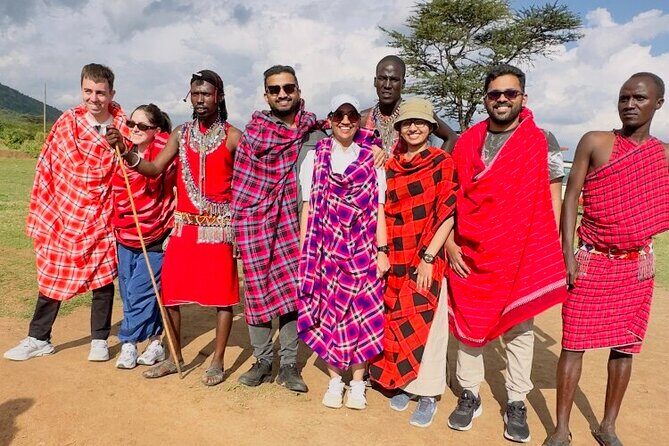
Not every safari needs a culture stop, but this one includes a Maasai village visit early on Day 3 (about 9:00 am to 10:00 am). It’s designed as a heritage and lifestyle experience: you’re received as a visitor, tour the manyatta area, and learn how huts are used and what daily life looks like.
The practical value here is not just “seeing a dance.” Culture stops work best when they add context. This one is brief enough that it doesn’t steal time from wildlife, but long enough that you can ask questions and actually understand what you’re seeing.
You also break up the long drive with a stop at the Rift Valley escarpments for views and photos. That’s a small moment, but it helps. After lots of driving and sitting, your brain needs a reset—wide views get your eyes out of “tracking mode” for a minute.

Lake Nakuru National Park: Rhinos, Flamingos, and Makalia Falls
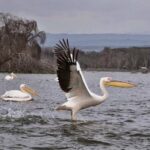
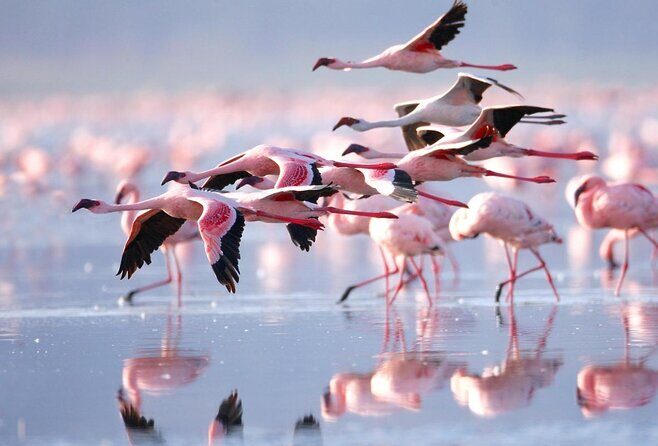
Lake Nakuru is famous for a reason. It’s one of those parks where the “headline animals” are clear: black and white rhinos plus a strong bird presence. The park is described as home to more than 50 animal species, and the bird side is huge—over 400 species are listed, including flamingos.
If you’re a bird person, this is a highlight. Flamingos in particular are the kind of sight that makes even non-birdwatchers stop and stare, because the lake turns into a moving color scene. Even if your rhino sighting happens early or later, the birds keep the day active.
The safari also includes a second day at Lake Nakuru, with game drives plus a Makalia Falls visit (described as a seasonal waterfall flowing into Lake Nakuru). This is a good pacing choice. Instead of doing everything in one hit, you get a proper chance to look for rhinos and giraffes, then you add a scenery-based stop that feels like you’re leaving the “animal hunt” mode for a while.
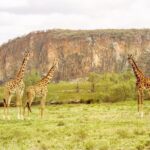
The giraffe mention is specific too: Rothschild’s giraffe is highlighted as one of the park’s stars. So if you like unique regional wildlife, Nakuru has a strong argument for a stop beyond the rhino.
What to Expect in Nakuru Country
Nakuru days can feel different from Mara. The terrain and animal behavior can be more visible at times, and birds make the lake area feel alive even when larger animals are slower. That’s why having two separate blocks of Nakuru time works well for you: if one day is quiet for a particular species, you’re not locked out.
Also, remember that flamingo and bird presence can vary with water and weather conditions. This tour notes that weather matters. If clouds roll in or visibility changes, your best plan is simple: keep your eyes on motion and don’t mentally “pause” the day.
Naivasha: Crescent Island Wildlife and a Predator-Free Hell’s Gate
Naivasha is a nice contrast after Mara and Nakuru. You get a stop at Crescent Island Game Sanctuary, described as one of Naivasha’s best-kept secrets and a strong option for wildlife watching and bird enthusiasts. It also sits in a setting that feels more intimate than big open plains.
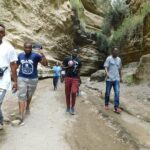
Then on the final day, you head to Hell’s Gate National Park for a nature walk and you can also cycle. The big selling point here for many people: the park has no predators, so the wildlife is viewed at a different pace than you’d get in Mara.
During the Hell’s Gate walk/cycle time, you might spot zebra, giraffe, impala, buffalo, and rock hyrax. It’s the kind of experience that gets you close to how animals move in the landscape—more “you’re in the world with them” and less “high-speed searching for the next sighting.”
Hell’s Gate is also described with strong scenery features: towering cliffs, water-gouged gorges, and stark rock towers. That combination—wildlife plus dramatic geology—helps you end the safari with something you’ll remember even if the last animal sighting wasn’t a perfect Big Five moment.
There’s also a note about a nearby volcano area southeast of Lake Naivasha described as having last erupted in the 1860s. If that’s part of what you see during the Naivasha-side drive, it’s a useful reminder of the Rift Valley story you’re traveling through.
Price and Value: What $2,545.46 Covers (and What You’ll Still Budget)
The price is listed at $2,545.46 per person for about five days. For many safaris, the real value isn’t only the Big Five wildlife—it’s what’s included that would otherwise cost you separately.
Here’s what’s covered in your package:
- park fees
- 4 nights accommodation
- professional tour guide/driver
- 4×4 Jeep transport
- drinking water during the safari
- hotel or airport pickup and drop-off
- government taxes and levies
- meals: breakfast (4), lunch (5), dinner (4)
That’s meaningful because park fees and vehicle time add up fast in Kenya. You’re also not paying for a separate vehicle for each day. You’re paying for a single machine that moves you across regions while you’re doing the viewing.
What’s not included (so you don’t get surprised):
- hotel hard/soft drinks
- tip for the tour guide/driver
- items of personal nature like visa fees
- personal insurance cover
- domestic and international flights
- and a festive supplement: USD 40 per person per night from 23rd to 3rd January
One detail to sanity-check: gratuities are listed as included, but tips for the driver/guide are also listed as not included. In real life, this is often just how vendors structure pricing vs on-the-ground tipping. I suggest you budget a bit for tipping anyway, even if “gratuities” is ticked as included—just confirm what’s already handled.
Also, with wildlife travel, sometimes the biggest costs are the ones you control: flights and travel insurance. If you’re coming from far away, make sure your insurance covers safari-style activities and time on bumpy roads.
Group Feel, Communication, and the Kind of Service That Makes Safari Easier
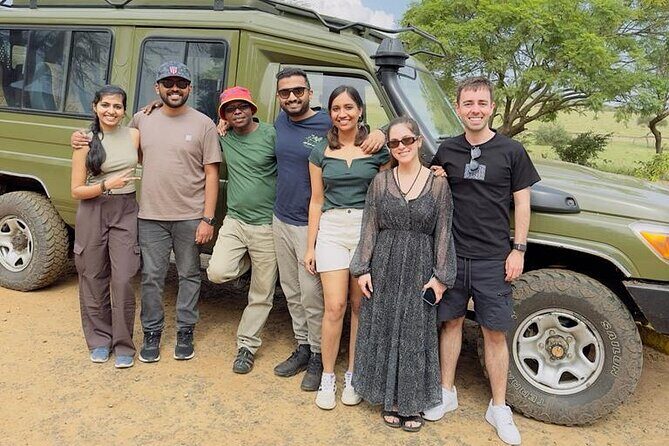
This safari is described as private, meaning it’s only your group. That tends to make the experience feel smoother because there’s no guessing about whether your timing will be disrupted by strangers. It also usually helps with flexibility, like asking small questions in real time or adjusting your pace slightly for photographs.
Communication seems to be a strong point based on past service feedback: the organizer Lucy is repeatedly referenced as responsive and organized, and named guides/drivers like Evans, Alvin, and Jimmy come up as professional and careful behind the wheel. There’s also mention of courtesy calls each evening to check in and see if you need anything. That kind of attention matters because safari days can run long and you don’t want to wonder if something has slipped.
Practical advice for you
If you want the best experience, bring patience for wildlife randomness. Then bring a good attitude for the long drives. When you treat each day as a viewing block—rather than an all-or-nothing checklist—you’ll enjoy the day even if a specific species doesn’t show up.
Who This Safari Fits Best (and Who Might Want a Different Plan)
This is a strong fit if you:
- want Masai Mara plus Lake Nakuru and Naivasha without doing separate trips
- enjoy both wildlife and cultural experience, not just animals
- want an all-in structure where meals, transport, and park fees are handled
- prefer a private-group setup rather than sharing with strangers
It may be less ideal if you:
- hate early mornings and long days
- are traveling only for one “must-see” animal with no backup plan
- want lots of unscheduled time, because this is a guided, time-structured experience
It also suits photographers. Mara plus river/swamp areas plus Nakuru bird country give you multiple subject types, and Hell’s Gate adds geology and movement you can shoot on foot.
Should You Book This 5-Day Masai Mara–Nakuru–Naivasha Safari?
I’d book it if your goal is a classic Kenya circuit with enough variety to feel fresh on each day. You’re getting serious wildlife time in Masai Mara, a strong Lake Nakuru focus on rhinos and birds, and then a calmer Naivasha close with Crescent Island and Hell’s Gate’s walk/cycle—plus the service structure that keeps everything running.
Before you confirm, do two things:
1) Confirm your pickup timing for your exact travel date, since the start time and departure windows show early-morning activity.
2) Set expectations for rhinos as a chance-based sighting, not a guaranteed event, and let the rest of the wildlife and birdlife carry the day.
If that sounds like your style, this is a practical, high-value safari plan for your first Kenya trip—or a rewarding repeat if you want a different mix of parks.
FAQ
What parks does this safari include?
It includes Masai Mara National Reserve, Lake Nakuru National Park, Crescent Island Game Sanctuary, and Hell’s Gate National Park.
How long is the safari?
The tour runs for 5 days (approx.), with 4 nights accommodation included.
Where are you picked up and dropped off?
You get hotel or airport pick up and drop off in Nairobi.
What wildlife are you hoping to see?
In Masai Mara, the Big Five are mentioned as possible sightings (lion, buffalo, elephant, leopard, with rhino noted as harder to spot). Lake Nakuru highlights black and white rhinos and lots of birds. Hell’s Gate lists zebra, giraffe, impala, buffalo, and rock hyrax as possible sightings.
Are park fees included?
Yes. Park fees are listed as included.
What meals are included?
Meals included are breakfast (4), lunch (5), and dinner (4).
Is drinking water provided?
Yes. Drinking water for the entire safari is listed as included.
What’s not included in the price?
Not included: hotel hard and soft drinks, tips for the tour guide/driver, personal items (like visa), personal insurance, domestic and international flights, and a festive supplement of USD 40 per person per night from 23rd to 3rd January.
Is this a private tour?
Yes. It’s described as private, meaning only your group will participate.
What if weather is poor?
The experience requires good weather. If it’s canceled due to poor weather, you’ll be offered a different date or a full refund.