REVIEW · NAIROBI
From Nairobi: Masai Tribe Village Visit
Book on GetYourGuide →Operated by Day2day tours and safaris Ltd · Bookable on GetYourGuide
A Maasai village visit from Nairobi is where culture stops being a story and starts being hands-on. You’ll learn how women prepare meals and how community members weave bead necklaces and wrist bands, with plenty of time to ask questions in a real home setting. The focus isn’t just watching. It’s doing and understanding.
You’ll also get a memorable, participatory moment when Maasai young men and women sing and jump for you. One thing to keep in mind: this experience can feel more structured than you expect, and timing may not match the full day you see in descriptions—so check what your on-village time will be and confirm any fees clearly before you arrive.
In This Review
- Key Points to Know Before You Go
- What This Maasai Village Visit Really Shows You
- Price and Logistics: The $52 Base Plus the $30 Entry Fee
- The Road Trip From Nairobi: Comfort, Coffee Stop, and Real Time
- Inside the Village: Meal Prep, Weaving, and Milking Goats
- The Singing and Jumping Moment: Why It Sticks
- Lunch, Coffee, and the Souvenir Reality
- Respect, Questions, and Money Clarity
- Who This Maasai Visit Is Best For
- Should You Book This Nairobi-to-Maasai Village Visit?
Key Points to Know Before You Go
- Hands-on learning: meal prep, weaving beadwork, and milking goats are part of the visit
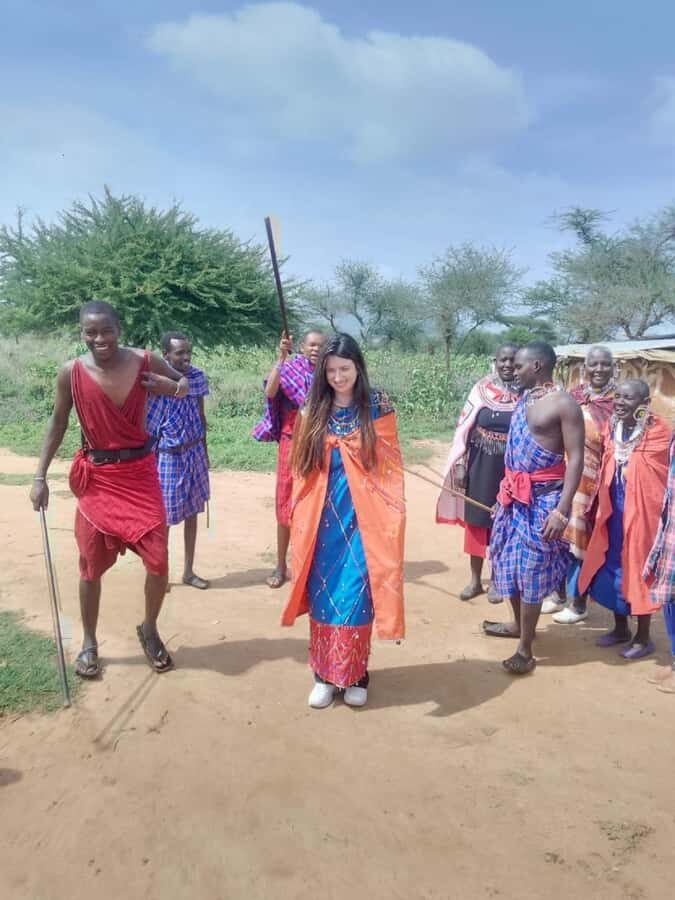
- Participatory culture moment: singing and jumping with young men and women
- Bring cash for add-ons: entry fee, lunch/food, and optional souvenir photo costs
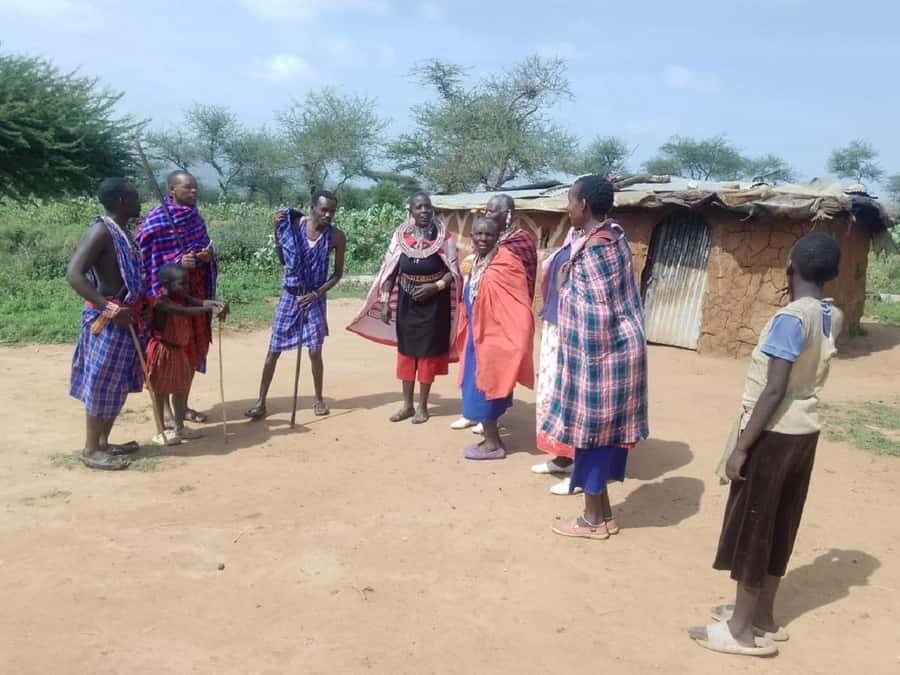
- Expect a real community setting: interactions happen at local homes, not a staged show
- Guide quality can vary: communication and introductions may depend on your driver/guide
What This Maasai Village Visit Really Shows You
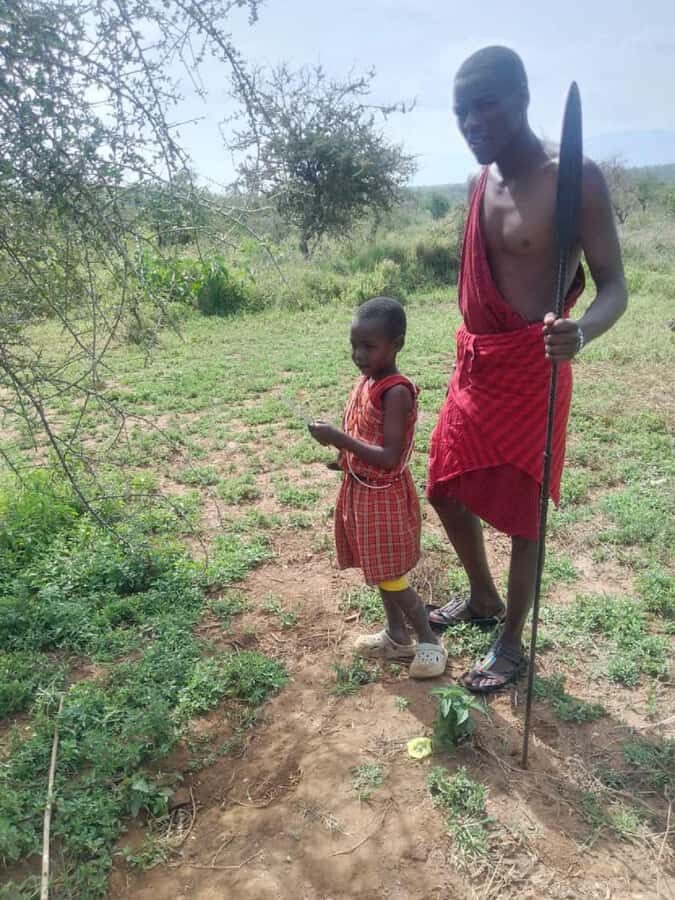
This trip is built around daily life in a Maasai community in Central Kenya, with hotel pickup and a drive from Nairobi in an air-conditioned vehicle. That matters more than it sounds. You start the day with comfort, then move into a slower rhythm where the value is in learning how people live, work, and keep traditions alive.
The biggest strength is the practical side of culture. You’re not just told about weaving—you learn the process behind bead necklaces and wrist bands. You’re not only watching food being made—you see how women prepare and cook meals. And if you’ve ever wondered how pastoral life actually works, you’ll get a chance to learn how milking goats fits into everyday routines.
It’s also a good reminder that Maasai history isn’t only about today’s village scenes. The Maasai were known as expert pastoralists, especially with herding cattle, and they were also famed as warriors in earlier periods. That broader context is useful because it explains why Maasai families historically needed wide grazing territory—something that can help you understand the region’s social changes between about 1500 and 1800 CE.
You can also read our reviews of more tours and experiences in Nairobi.



Price and Logistics: The $52 Base Plus the $30 Entry Fee
The headline price is $52 per person, and it includes hotel pickup/drop-off, a driver/guide, transport in an air-conditioned vehicle, and the Maasai village experience. That’s a fair structure for a Nairobi day trip, especially if you’d otherwise spend time arranging transport and figuring out logistics.
But the important part: an entry fee of $30 per person is not included. So your real starting budget is $82 per person before food and drinks. On top of that, lunch is usually on your own (you get time for it), and optional items like souvenirs and souvenir photos can add cost.
If you’re trying to decide whether it’s “worth it,” here’s the honest way to think about value. You’re paying for access—transport, coordination, and a chance to learn in a community setting. If you’re expecting a long, multi-act performance with lots of stage-style moments, you may feel disappointed. If you’re excited about practical learning and respectful interaction, it can feel like strong value for the effort and access you get.
The Road Trip From Nairobi: Comfort, Coffee Stop, and Real Time
You’re picked up from your hotel and driven to the village. The ride is in an air-conditioned vehicle, which helps a lot when you’re leaving Nairobi and heading toward the countryside.
You’ll also have a stop for coffee and lunch. That’s not just a perk—it helps you pace the day. A village visit can be intense in a good way, but you still need breaks, water, and a chance to regroup before you step into the community part of the program.
One practical consideration: day tours can get tight. Even when a trip is described as longer, the actual time on-site can be shorter depending on timing and how the day runs. So if your priority is spending lots of time observing and talking, ask your driver/guide (or the operator) how much time you’ll have once you reach the community.
Inside the Village: Meal Prep, Weaving, and Milking Goats
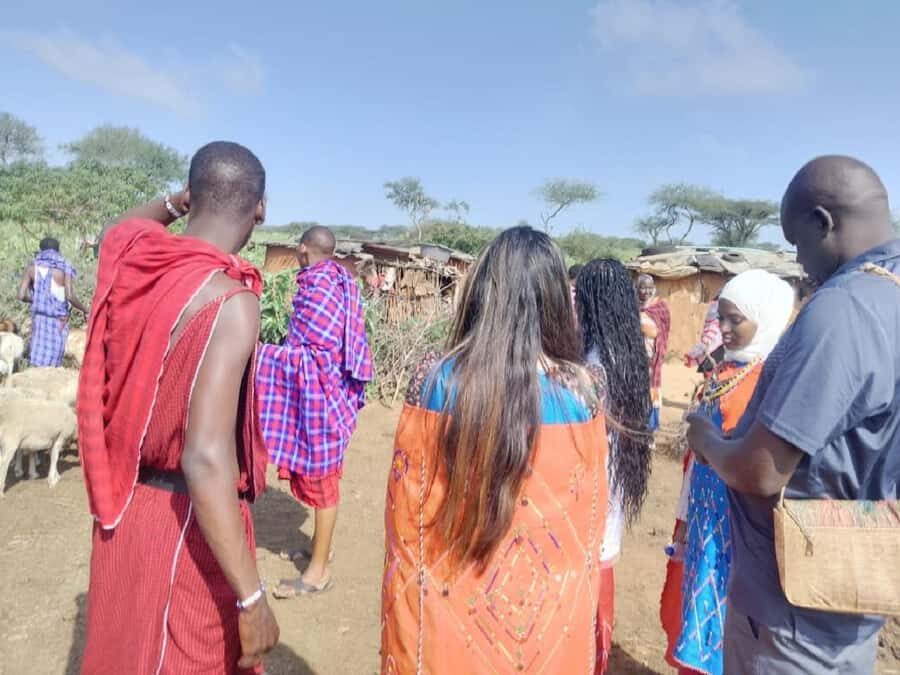
This is where the experience becomes more than photos.
You’ll spend time learning about local food preparation and cooking, with an emphasis on women’s roles in daily meal making. Watching the process gives you a deeper understanding than trying to guess from a quick explanation. It’s also the kind of interaction that tends to feel respectful—because you’re learning, not just consuming entertainment.
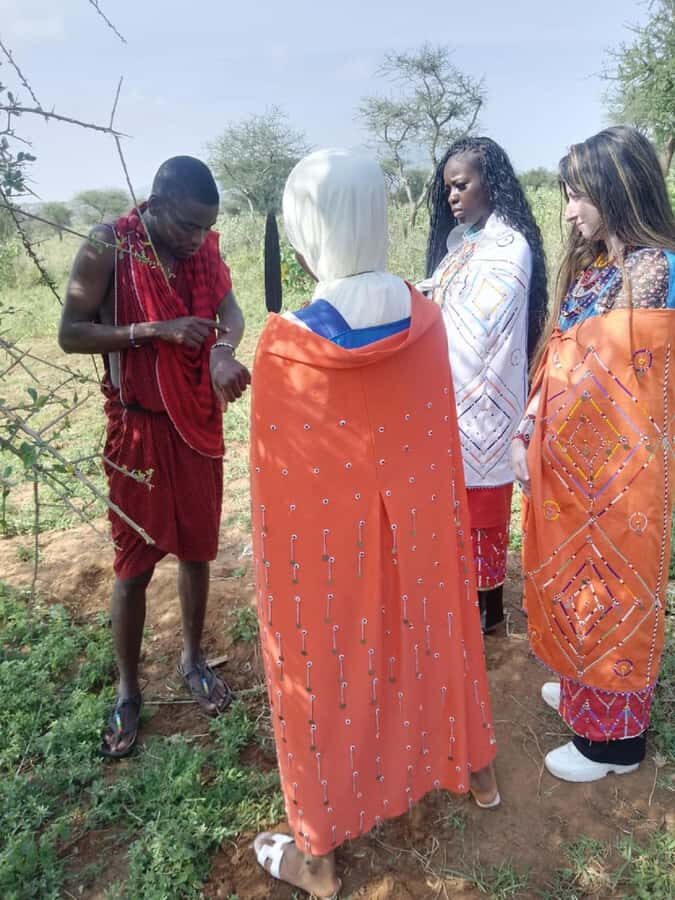
Then there’s beadwork. Maasai bead necklaces and wrist bands aren’t random crafts. They’re part of how beauty, identity, and tradition show up in daily life. If you ask good questions—how materials are sourced, what different pieces represent, how long it takes—you’ll get more meaning from the work you’re seeing.
Milking is another highlight. You’ll be able to learn how goats are milked, which connects directly to the pastoral lifestyle the Maasai are known for. Even if you’re not doing the milking yourself, you’ll likely understand the rhythm behind it: animals, routine, and the everyday work that keeps families going.
A small caution that can help: keep your expectations realistic. This is not a museum demo. It’s community life. That can mean the pace is flexible and you may not see every step in the exact order you imagined—so stay curious and ready for the day to flow.
The Singing and Jumping Moment: Why It Sticks
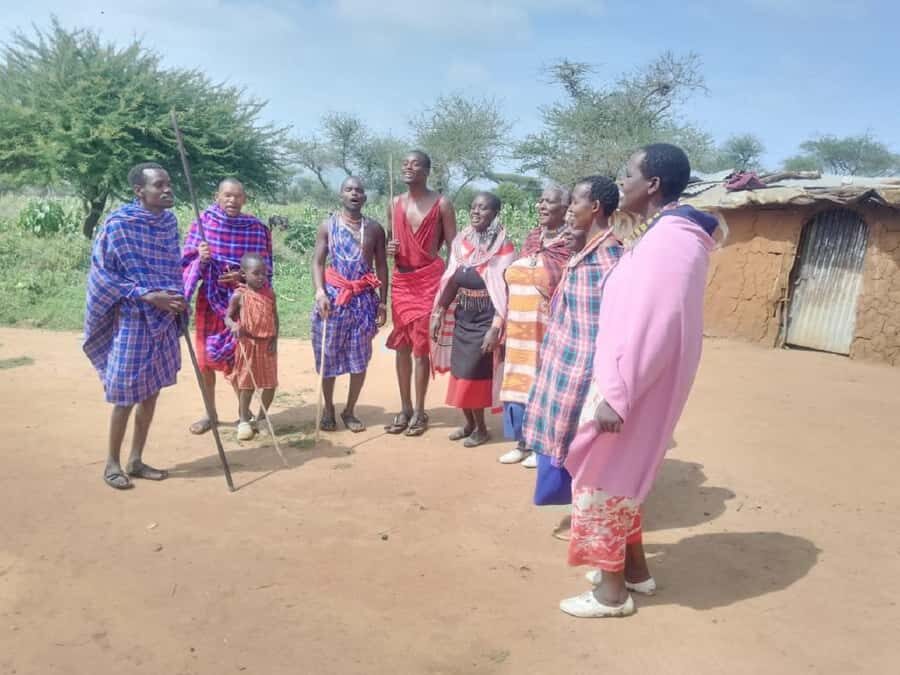
One of the most memorable parts of this kind of Maasai visit is the moment when Maasai young men and women sing and jump for you. It’s not just movement—it’s a cultural expression, and it often feels interactive because you’re present as it happens.
This is the part many people are looking forward to, and it’s also where your attitude matters. If you come ready to participate respectfully (even if you’re just watching and cheering quietly), the energy can feel great. If you come expecting it to be nonstop or super long, you might feel like it’s too short.
If you want the best experience here, come with simple questions in mind: What does it mean? When is it done? Why is it important to the community? Questions like that help you move from spectacle to understanding quickly.

Lunch, Coffee, and the Souvenir Reality

You’ll have time for lunch, but food and drinks are not included. That’s pretty common on cultural day trips, and it’s worth planning for. Bring some cash or be ready to pay for lunch at the stop you’re given.
Souvenirs are another practical topic. Souvenir photos are available to purchase, but they are not included. Also, what you might think is a professional photo session may not match reality. In some cases, people expect a photographer to take finished portraits for purchase, but instead the purchases can look more like items made by the women (like beadwork and accessories). If photos are a big priority for you, ask directly how souvenir photos work before you buy anything.
Bead purchases can be part of supporting the community, but do it with clear expectations:
- Pay attention to what you’re buying.
- Ask the meaning of pieces if you can.
- Don’t feel pressured; take your time.
Respect, Questions, and Money Clarity
This trip lives on interaction, so respect isn’t a slogan—it’s the whole game.
First, bring your identification. You should have a passport or ID card. That’s not optional on this kind of cultural access trip.
Second, ask about the entry fee and what it covers. The entry fee is listed as USD 30 per person and isn’t included in the $52 base price. Some people run into confusion when fees aren’t explained clearly. Before you leave, confirm the process: who collects it, and where it goes.
Third, treat the learning time like a conversation, not a checklist. If your driver/guide is talkative, you’ll get more context. If communication is limited, you can still get value by asking short, respectful questions during the village part—especially about food prep, bead weaving, and day-to-day animal care.
If you’re traveling with kids, or you get impatient with slower moments, it can help to set expectations ahead of time: this experience is structured around community life, and the pauses are part of it.
Who This Maasai Visit Is Best For
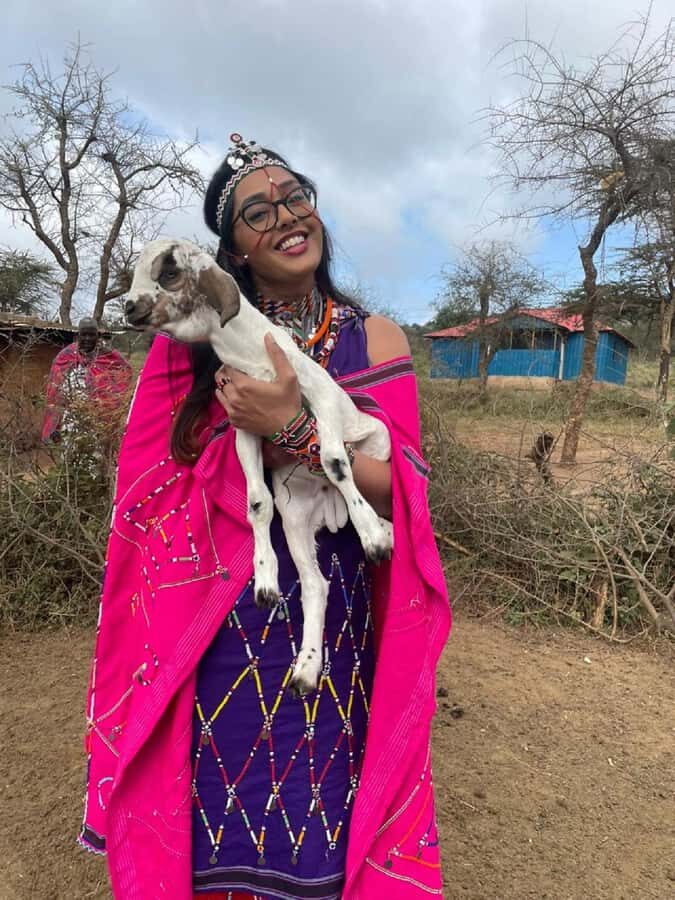
This works best if you like cultural experiences that are practical and personal.
You’ll likely enjoy it if:
- You want to learn about Maasai daily life through hands-on tasks like cooking, weaving, and animal routines
- You’re interested in pastoral culture and how it shapes schedules and community work
- You’re excited by the singing and jumping moment and want to watch it with context
You may want to choose something else if:
- You’re hoping for a long, nonstop multi-hour program inside the village
- You need extremely clear communication and full introductions in English from the start
- You only care about photos and a stage-style show
Also, the tour is offered in English, Swahili, and French, which is helpful. If you don’t speak those languages, ask how interpretation will be handled during the village interaction so you’re not left guessing.
Should You Book This Nairobi-to-Maasai Village Visit?
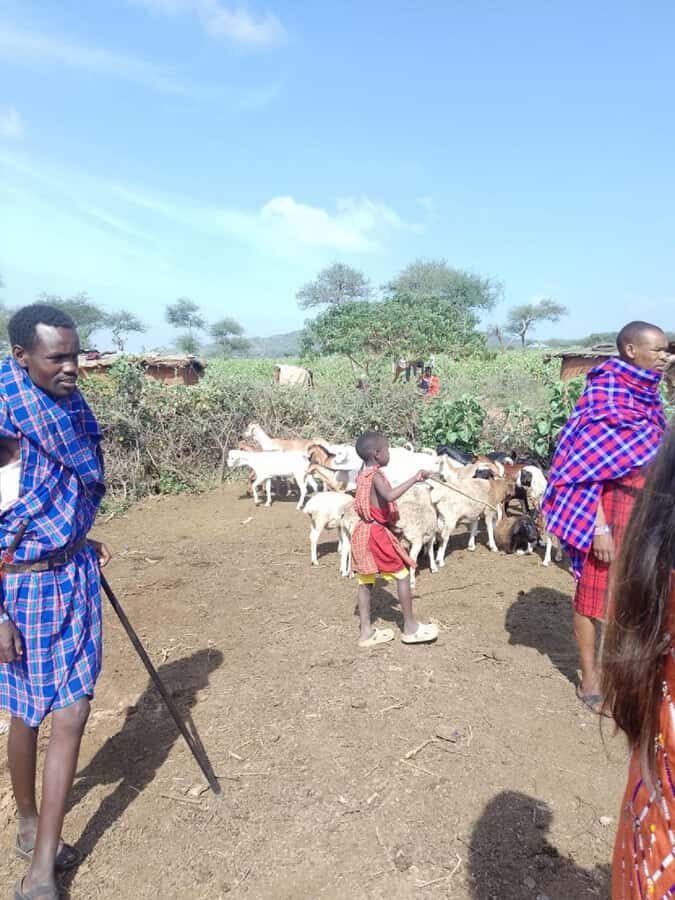
I’d book it if your goal is a real cultural day trip with hands-on learning and a chance to see community life up close. The meal prep, weaving, and singing/jumping are exactly the kind of experiences that feel more meaningful than a quick photo stop.
I’d pause and check details first if:
- You want the longest possible time inside the village (confirm the actual on-site duration)
- You want extra assurance on fee handling (especially the $30 entry fee)
- You care a lot about souvenir photos (ask what they actually include)
If you go in with respect, patience, and a few good questions, you’re likely to leave with a stronger understanding than you expected—plus some beautiful beadwork reminders if that fits your style and budget.