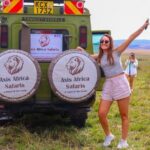
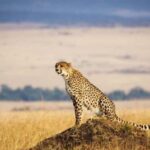
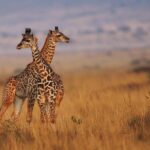
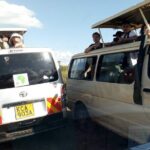
Four days of wild Kenya, fast. I like how this safari is built around real game-viewing time, not just transit. You also get professional driving guides and a comfortable 4×4 Land Cruiser style setup designed for constant spotting—plus the trip is priced with the key park costs and many meals handled for you. One thing to consider: you’re doing a long road day (Nairobi to the Mara, then Mara to Nakuru), so it’s best for people who enjoy early starts and long but scenic driving.
What I especially appreciate is the human side: guides rotate the route based on what’s happening out on the plains. In the Mara, I’m seeing this reflected in the guide names that come up again and again—drivers like John (9 years in the work), Joseph, James, Ben, and Anthony—each credited with getting close to lions, leopards, cheetahs, and even rhinos when conditions allowed. The other practical win is the structure: you’re not guessing when to hunt for animals. Game drives are stacked across the days, and you’re also fed well with included breakfasts, lunches, and dinners.
The main trade-off is simple: this is a group safari (maximum 24), and the pace is wildlife-first. That’s what makes it good value, but it can feel less flexible than a private charter if you want to control every minute. Also, some extras people sometimes expect—like an added Maasai village visit—aren’t part of this package.
In This Review
- Quick hits: what stands out
- Maasai Mara and Lake Nakuru in four days: good value, real expectations
- Day-by-day: how the driving and game time actually feels
- Day 1: Nairobi to Maasai Mara, with Rift Valley stop views and an evening drive
- Day 2: Maasai Mara full day—plains time, migration energy, and predator searching
- Day 3: Morning Mara drive, then road to Lake Nakuru with lunch in Narok Town
- Day 4: Lake Nakuru early game drive—pink lake vibes and birdwatching
- Guides and 4×4 driving: why this safari’s “how” matters
- Big Five chances at the Mara: what to watch for (and what not to stress about)
- Lake Nakuru: flamingos aren’t the only story
- Meals and included basics: fewer surprises in your budget
- Who this safari is best for
- Price and logistics: whether $1,572.47 per person makes sense
- Should you book this 4 days Maasai Mara and Lake Nakuru safari?
- FAQ
- What parks are included in this 4-day safari?
- How long is the safari?
- Is pickup included from Nairobi?
- What does the package include for meals and water?
- Are park fees and admission included?
- What’s not included in the price?
- Is a Maasai village visit included?
Quick hits: what stands out
- Big Five odds in the Mara with focused driving and time for searching
- High-probability wildlife viewing across multiple days of game drives, not just one
- Lake Nakuru’s bird spectacle with the pink-lake flamingo scene (and more)
- Well-run logistics for road travel between Nairobi, Mara, and Nakuru
- Meals and park costs included so you’re not doing mental math all trip
- Guides with strong spotting skills named repeatedly, including John, Joseph, James, Ben, and Anthony
Maasai Mara and Lake Nakuru in four days: good value, real expectations
This is the kind of Kenya trip that makes sense for a short schedule. You’re not trying to squeeze in ten parks. You’re hitting two of the most famous game areas that work as a one-two punch: Maasai Mara for big animals and predator chances, and Lake Nakuru National Park for bird life and rhino possibilities.
The value angle is not just the headline price. What you’re really paying for is time plus infrastructure: road transfers, a guide who knows where to position the jeep, and park access. On top of that, the package includes a lot of what typically adds up quickly on safari—meals (3 breakfasts, 3 dinners, and 4 lunches) and drinking water, plus fees and taxes.
Just keep your expectations honest on the animal side. The big five are listed as a high-chance target, but wildlife is wildlife. Your best move is to be out there for as many sightings as possible and accept that the “wow” moments often depend on luck, weather, and where the animals are that day.
A few more Nairobi tours and experiences worth a look
Day-by-day: how the driving and game time actually feels
Day 1: Nairobi to Maasai Mara, with Rift Valley stop views and an evening drive
Your day starts with pickup from your hotel in Nairobi, then a short safari briefing. After that, the drive heads out through scenic parts of the Great Rift Valley escarpment area, including viewpoint stops—good for stretching your legs and getting your bearings fast.
You’ll also stop for lunch in Narok Town and continue on toward the Mara. Arriving in the afternoon gives you two key benefits:
1) you’re not forced into an all-day drive with no wildlife time, and
2) you get a chance at an evening game drive, when predators and grazers can be active and the light is dramatic for photos.
Once you check in, you’re straight into wildlife time, then dinner and overnight at your lodge or camp.
Practical note: because you’re traveling by road, the pace depends on road conditions. Build in the mindset that this is a safari with driving days, not a flight-only hop.
Day 2: Maasai Mara full day—plains time, migration energy, and predator searching
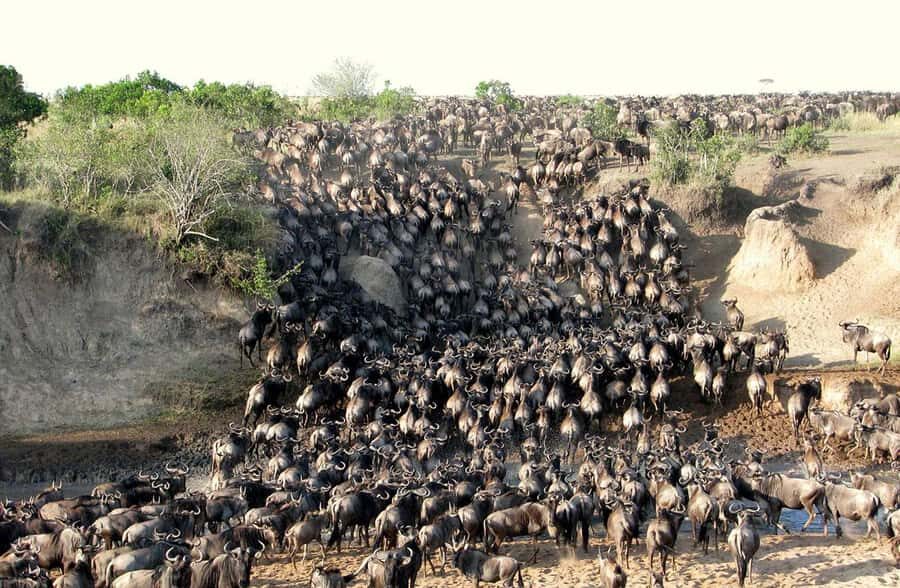
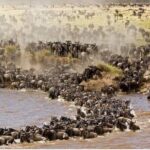
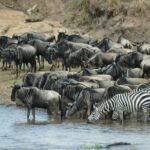
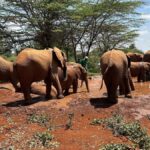
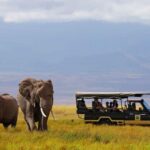
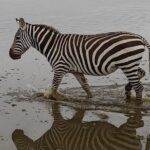
This is the core Mara day. You spend the whole day exploring the park’s high concentration of animals. The Mara is especially famous for wildebeest and zebra movement, and the general rhythm here is to keep scanning the plains, then shift when sightings pop up.
The park’s animal diversity is part of the appeal: over 450 species of animals are recorded here, and you’re not only hunting the big predators. You’re likely to see:
- grazing herds on the Mara plains
- browsing animals
- hippos near the river areas
- and crocodiles basking along water edges
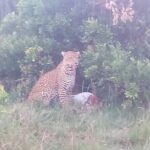
You may occasionally spot rhino or leopard. That “may” matters, because it’s often the difference between an average day and a “how did we get that?” day. The advantage of having a strong guide is that the search pattern changes with what’s happening—not what the guide hoped would happen.
Day 3: Morning Mara drive, then road to Lake Nakuru with lunch in Narok Town
Day 3 starts early again with a pre-breakfast morning game drive in the Mara. Then you return for breakfast before heading to Nakuru.
The big change is the road leg: you travel from the Mara toward Lake Nakuru National Park, with another lunch stop in Narok Town. Arrival is late afternoon, so you’re getting the benefit of both:
- a last morning in the Mara
- and a full-feel transition into Nakuru for the next day’s early wildlife/birding
This day is longer in terms of hours, even if the overall schedule is “simple.” If you hate long drives, this is the day you’ll notice most. If you’re okay with that trade, you’ll likely feel like you got your money’s worth—two parks, two different styles of wildlife, and no wasted time.
A few more Nairobi tours and experiences worth a look
Day 4: Lake Nakuru early game drive—pink lake vibes and birdwatching
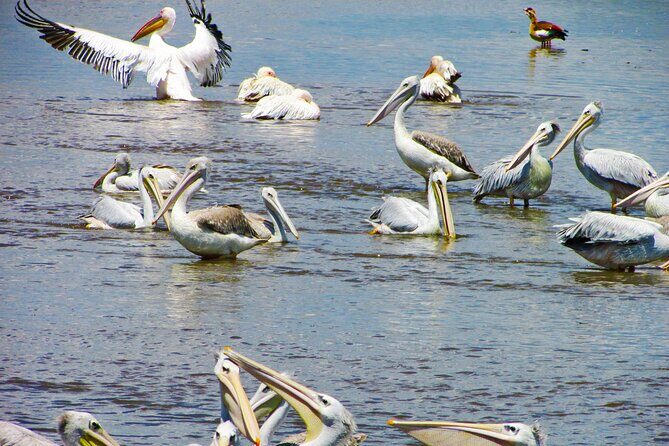
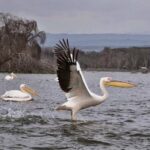
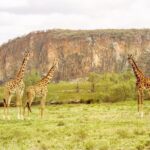
You start with an early breakfast, then head out for a game drive in Lake Nakuru. This park is known as the pink lake, largely because it can host huge numbers of flamingos. The scale mentioned is eye-catching: up to a million flamingos recorded at one time.
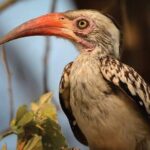
This is also a birdwatcher-friendly park, described as a birdwatchers paradise and tied to the abundance of bird life that helped establish it early on. If you like wildlife beyond the big mammal “chase,” this is your day.
After the morning drive, you leave Nakuru, stop for lunch along the route, and return to Nairobi in the evening with drop-off at your hotel or the airport.
Guides and 4×4 driving: why this safari’s “how” matters
In safari terms, the difference between a so-so day and a memorable day often comes down to positioning. This package leans into that with professional tour guides and well-maintained vehicles.
The guide names you’ll see mentioned again and again—John, Joseph, James, Ben, and Anthony—aren’t just random names. They’re tied to real spotting results:
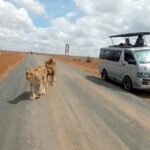
- close-ups of cheetahs and lions
- a black rhino sighting in Nakuru
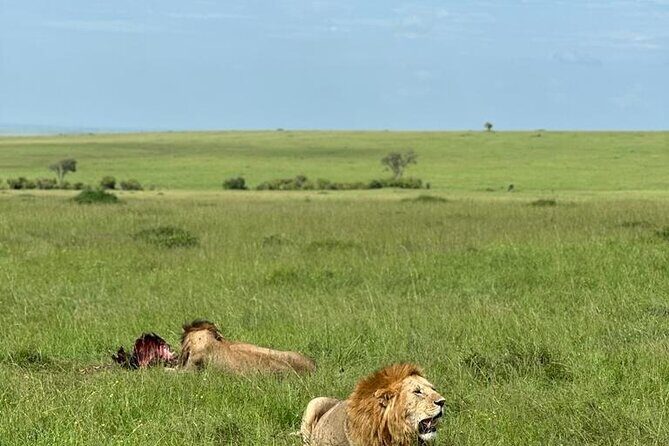
- fresh kill situations in the Mara
- leopard and cheetah sightings during search
I also like that many of these guides are described as prepared and communicative. One example: Ben met guests at around 4:30 a.m. at the airport area so the start of the trip felt organized and smooth.
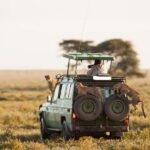
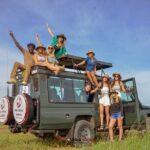
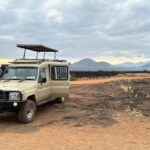
You’ll also feel the “right vehicle for the job” effect. A 4×4 Land Cruiser jeep matters for:
- getting to viewing spots quickly
- staying on workable tracks
- and keeping comfort over bumpy savanna roads
It’s not about luxury. It’s about not losing time and not feeling beaten up halfway through the day.
Big Five chances at the Mara: what to watch for (and what not to stress about)
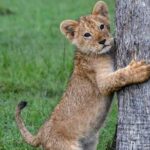
This safari markets high chances of seeing the Big Five: lion, leopard, rhino, elephant, and buffalo. In reality, no one can guarantee that set of animals on a short trip, and the “best practice” is to focus on patterns rather than a checklist.
Here’s how I’d play it in your head:
- In the Mara, you’re mainly trying to line up with predator movement and areas where grazing herds pull everything together. That’s why full days matter.
- In Nakuru, rhino and big-mammal sightings can happen, but the park’s identity also includes birds and water-edge wildlife.
If you’re chasing the “wow” animal list, your best bet is to be awake, alert, and ready to re-position quickly. The more you let the guide drive the logic, the more likely you are to hit the moments when animals are actually within reach.
Lake Nakuru: flamingos aren’t the only story
Lake Nakuru is known for flamingos, and yes, the pink-lake scenes are a highlight. The important part for your expectations: this park is not only about birds standing in one spot.
Depending on conditions, you may find:
- rhinos (including black rhino mentioned in guide reports)
- leopards spotted closely enough for a proper viewing experience
- and the classic Kenya mix of wildlife around water
The value here is variety. After two days of savanna-style big-game searching, Nakuru gives you a different rhythm: more scanning of branches, shores, and open water zones, with a strong bird-focused payoff.
Meals and included basics: fewer surprises in your budget
One reason this safari feels like good value is that it includes a lot of what typically balloons safari costs:
- Breakfasts (3)
- Lunches (4)
- Dinners (3)
- drinking water
- all fees and taxes
That means you’re not constantly negotiating meal costs between parks, and you’re less likely to face the classic safari problem of running out of snacks or paying for basic water every few hours.
What’s not included is also clearly stated:
- flights
- visa
- tips
- alcohol and non-alcoholic beverages
So plan your spending realistically. If you like beer or wine on safari, budget for it separately. And if you’re used to tipping as part of your trip planning, remember tips are not covered here.
Who this safari is best for
This is a strong fit if you:
- have limited time and want two famous wildlife areas in one trip
- like structured days with lots of game-viewing opportunities
- want a good balance of comfort and results through a reliable 4×4 setup
- prefer booking one package rather than stitching together several smaller services
It may be less ideal if you:
- want a fully private, total-control schedule
- hate long road days between parks
- plan to add a Maasai village visit as a must-do (it’s not included here)
Price and logistics: whether $1,572.47 per person makes sense
At $1,572.47 per person, you’re paying for a short but full-on safari package: road transport, guide services, park-related costs, and most meals. Whether that feels like a deal depends on what you’d otherwise pay if you booked pieces separately.
Here’s the simple way to judge it:
- If you’d have to pay separately for multiple park fees, transfers, and most meals, the included package starts to look efficient.
- If you already planned to cover meals on the road and you don’t need a guide constantly driving and positioning, you might compare rates with your own itinerary pieces.
The big value markers here are the included fees/taxes, meals, and the fact that you’re getting substantial game-drive time in two separate ecosystems. That’s what turns it into more than just “getting from A to B.”
Should you book this 4 days Maasai Mara and Lake Nakuru safari?
I’d say yes if your goal is a well-run Kenya wildlife hit in a short time. The combination of Maasai Mara game searching plus Lake Nakuru’s flamingo and birding-focus makes the four days feel purposeful, not stuffed. And the repeated praise for guides—John, Joseph, James, Ben, and Anthony—gives you a real clue about what you’ll experience on the ground: someone pushing for sightings, not just driving a route.
Book it if you’re flexible about wildlife unpredictability and you’re comfortable with early starts and longish road days. Skip it if you’re only interested in a specific single animal outcome or you want a totally customized schedule including things like a Maasai village visit, because those aren’t part of this package.
If you want my practical bottom line: this is a solid choice when you want big wildlife energy, good organization, and value that doesn’t require you to micromanage everything yourself.
FAQ
What parks are included in this 4-day safari?
You’ll visit Maasai Mara National Reserve and Lake Nakuru National Park.
How long is the safari?
The duration is listed as 4 days (approx.).
Is pickup included from Nairobi?
Yes. Pickup is offered, with pickup from your hotel in the morning on Day 1, and drop-off at your hotel or airport on Day 4.
What does the package include for meals and water?
The package includes 3 breakfasts, 3 dinners, and 4 lunches, plus drinking water.
Are park fees and admission included?
Yes. Admission tickets are listed as free in the itinerary details.
What’s not included in the price?
Flights, visa, tips, and alcoholic & non-alcoholic beverages are not included.
Is a Maasai village visit included?
No. A visit to the Maasai Village is listed as not included.