REVIEW · KENYA
From Nairobi: 3-Day Amboseli National Park Safari
Book on GetYourGuide →Operated by Hedge Tours and Safaris · Bookable on GetYourGuide
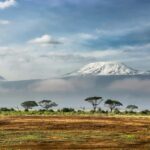
Amboseli is the safari with Kilimanjaro in the background. This 3-day trip gives you big elephant herds and repeated game drives where you actually have time to spot wildlife, not just rush past it.
I really like the way the views shape the whole experience, especially on clear mornings when the snowcapped peak frames everything.
Two things can make or break Amboseli: guide skill and schedule discipline. One possible drawback to plan for is timing—some bookings have complained about late starts and the last day not feeling long enough to catch the early action, so confirm early wake-up details before you go.
In This Review
- Key things worth knowing before you book
- Nairobi to Amboseli: the drive that changes your mood
- Game drives in Amboseli: where your best sightings depend on the guide
- Kilimanjaro in the frame: what the morning light on Day 2 really does
- Masai culture options: Boma vs village, and what to decide
- Little Amanya Camp: the kind of stay that helps you enjoy the safari
- The last early drive on Day 3: timing you can’t fake
- Price and fees: is $480 good value for Amboseli?
- Private group perks: better attention, fewer trade-offs
- Who should choose this Amboseli safari (and who should rethink)
- Should you book this 3-Day Amboseli Safari from Nairobi?
- FAQ
- What is the duration of the Nairobi to Amboseli safari?
- What is included in the $480 per person price?
- Are park entry fees included?
- Is the Maasai Boma visit included?
- Do I need a passport or ID card?
- When is the final game drive on the last day?
Key things worth knowing before you book
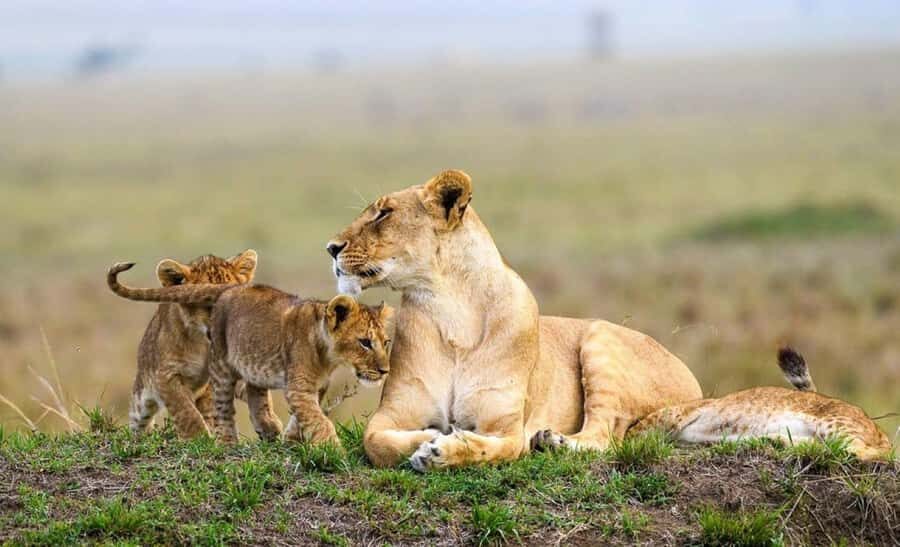
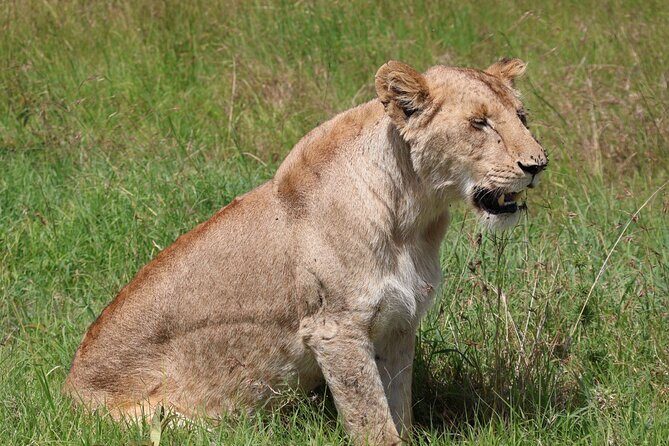
- Elephant-heavy Amboseli: this park is famous for large herds, so you spend your time looking at family groups, not just one-off sightings.
- Kilimanjaro views during drives: the mountain can show up in the background, especially on morning outings, which helps both photos and the vibe.
- Private group, English guide: you get one live guide and a driver working your schedule, not a crowded bus.
- Big Five target in real savanna time: game drives are built into multiple parts of the day, so you’re not waiting around for a single long session.
- Optional Maasai stops cost extra: a Masai Boma visit and a Masai village experience are priced separately, so decide what you want upfront.
Nairobi to Amboseli: the drive that changes your mood
You start this safari with pickup from your Nairobi area hotel or residence. That matters more than it sounds. When the meeting point is handled for you, you avoid the classic first-day chaos—finding your transport, waiting with no info, then losing prime viewing time.
You head out in the morning toward Amboseli National Reserve, right at the foot of Mount Kilimanjaro. Even before you reach the park, this day has a built-in anticipation factor: you’re crossing from the city rhythm into open country, and by the time lunch arrives you’re usually ready to go straight into the bush.
On Day 1, lunch comes after you arrive. Then you do an afternoon game drive, which is a smart way to start. Late-day light often gives animals better visibility and more relaxed behavior, and it’s less demanding than an early-morning start right out of the gate.
If you’re the kind of traveler who hates being rushed, this first day pacing can work well. If you need a lot of time in the park from minute one, you should still be ready for the fact that the road takes you away from wildlife right away.
A few more Kenya tours and experiences worth a look
Game drives in Amboseli: where your best sightings depend on the guide
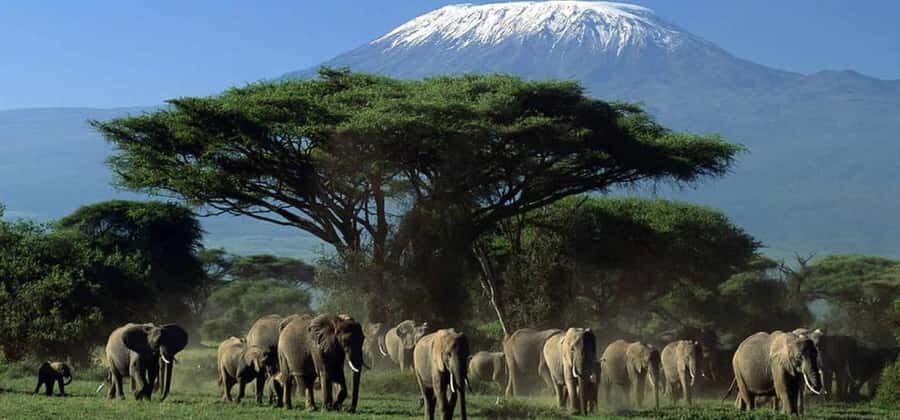
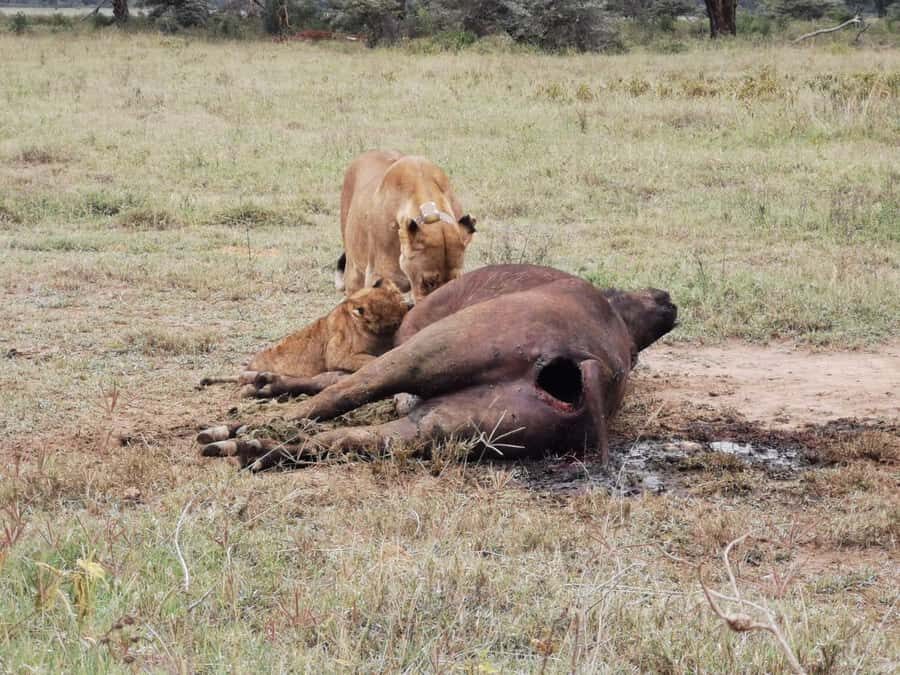
Amboseli is one of those parks where you learn quickly: good sightings aren’t just about luck. They’re about scanning skills—knowing where animals move, reading the terrain, and making smart stops without wasting your time.
That’s why the guide role matters. In one case, a guide named Kenneth made the difference with an eagle-like eye, spotting animals across the park and stopping whenever something interesting appeared. When your guide is active and observant, you’ll often feel like the whole drive has purpose, not just a “drive and hope” routine.
This safari includes game drives, with specific sessions built into each day. The standard rhythm looks like:
- Day 1: afternoon game drive
- Day 2: morning game drive, plus another game drive in the afternoon
- Day 3: a final early-morning drive window
That structure is valuable because wildlife behavior changes with the hours. Birds can be easier to catch in certain morning conditions, and larger mammals often show differently as temperatures rise.
Now for the practical side: you’re not just watching wildlife—you’re also dealing with the reality of safari driving. If your vehicle has issues (like a tire problem) or your driver is delayed, the whole timeline can squeeze. There are reports of waits caused by vehicle trouble, so it’s worth asking in advance how the operator handles backup plans and fixes quickly if something mechanical happens.
Kilimanjaro in the frame: what the morning light on Day 2 really does
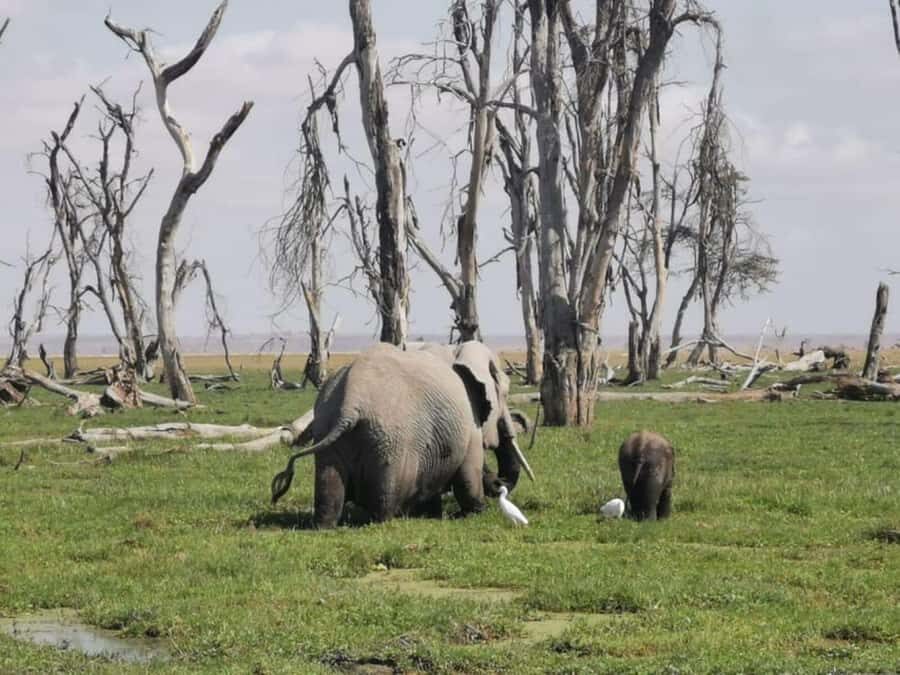
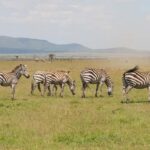
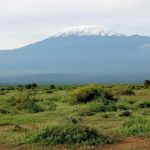
Day 2 is the big wildlife and photo day. After breakfast, you start with a morning game drive that also aims to capture Mount Kilimanjaro in the background. That combination is why Amboseli is so sought-after: you can see animals on the ground while also keeping the mountain in view.
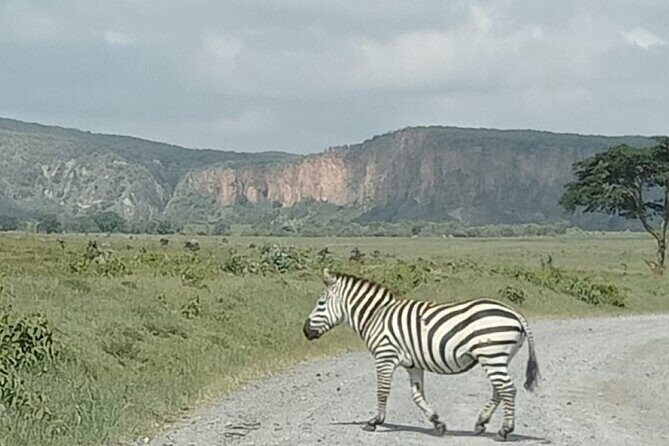
On this drive, you’re not only chasing the “headline” species. The itinerary also calls out the Big Five and prolific bird life, which is a nice reminder that Amboseli has more going on than just one safari target.
Morning drives tend to be more rewarding because:
- animals are easier to locate when they’re active and moving
- light is usually clearer for spotting movement and distinguishing details
- the mountain view often looks more defined earlier in the day (when clouds haven’t rolled in yet)
Then Day 2 gets even better with the afternoon portion. Lunch is served, followed by an afternoon game drive. That means you’re not stuck in camp for hours unless you choose to be. And if you’re a “one more sighting” person, having a second driving session gives you a real chance to top your first-day highlights.
Masai culture options: Boma vs village, and what to decide
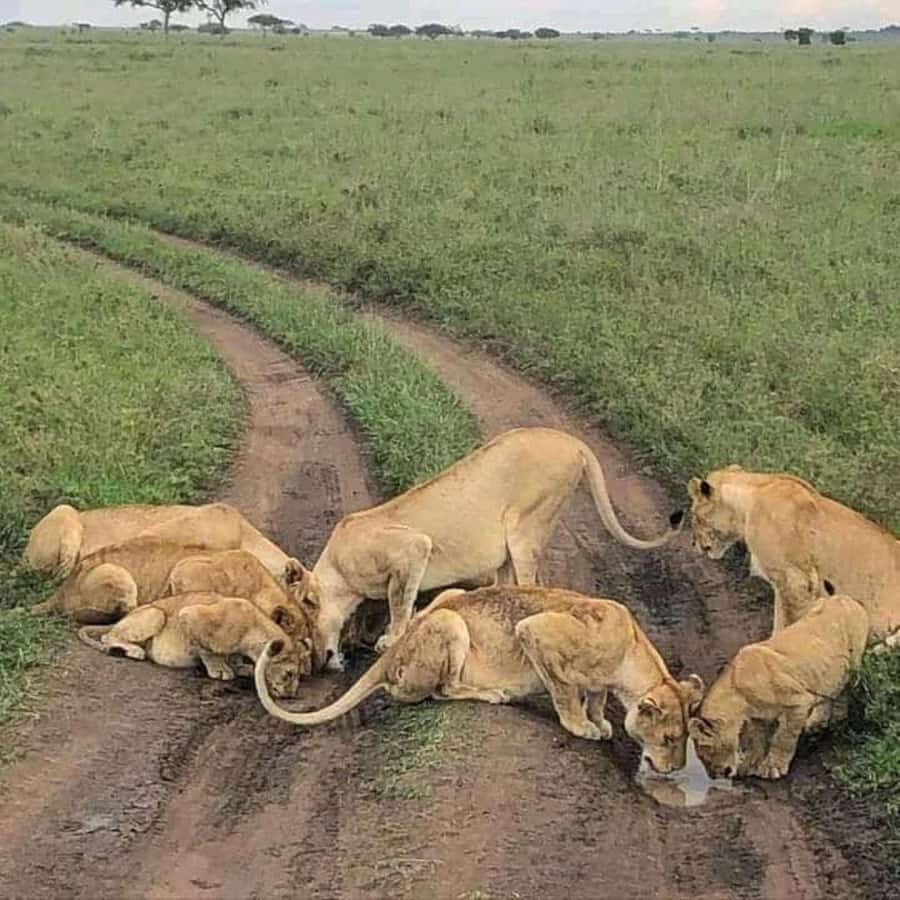
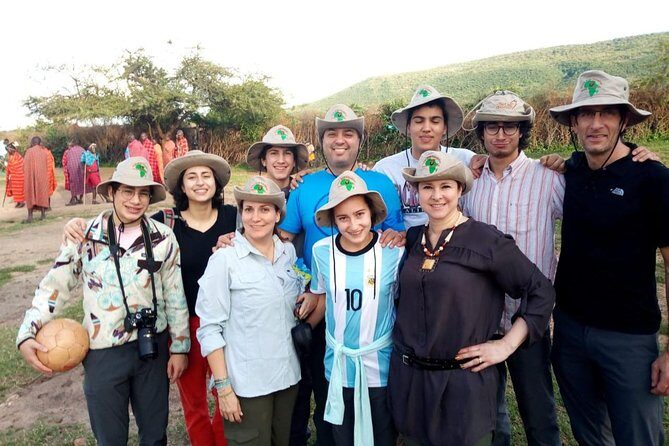
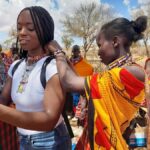
On Day 2, your afternoon has a fork in the road: you can stop at a Masai Boma for an optional cultural visit (extra payment), or you can relax at the camp.
This is one of the most practical choices you’ll make on the whole safari. Cultural time is great, but it can also steal hours from wildlife viewing, especially if you’re short on energy.
Here’s what the tour info tells you clearly:
- Masai Boma visit is optional: $30 per person
- Masai village is also listed as $30 per person
So you’ll want to clarify exactly what’s offered in your day’s plan, because the wording suggests multiple cultural options with similar pricing.
If your top priority is wildlife, I’d lean toward skipping the Boma unless you’re specifically excited about that format. If you want a more complete picture of the region, the cultural stop can add meaning to the trip—just keep expectations realistic. This isn’t a full-day cultural immersion; it’s a scheduled visit that fits inside a wildlife safari.
Also, remember that drinks and alcohol aren’t included, so if cultural time is part of your vibe, plan for what you’ll drink on top of what’s provided.
Little Amanya Camp: the kind of stay that helps you enjoy the safari
Your first night is at Little Amanya Camp (or an alternative accommodation, depending on your booking). One review detail that’s worth paying attention to: the camp was described as beautiful, clean, and calm, with Mount Kilimanjaro visible in the background.
That “calm” part isn’t just comfort talk. After long safari drives, where you’re scanning for animals and listening for instructions, a quiet, clean place makes a real difference. You’ll recharge faster, sleep better, and wake up with better patience for early driving.
Because accommodation can be an alternative, you should treat the camp specifics as a “likely good experience,” not a guaranteed script. Still, the itinerary is designed around the idea that you’ll have a decent base between game drives—dinner and overnight after the first day, then your second day ends with another camp-based reset before the final morning.
A few more Kenya tours and experiences worth a look
The last early drive on Day 3: timing you can’t fake
Day 3 is where safari schedules either pay off or frustrate you. After breakfast, you leave for the last game drive from 0630 to 0900. That early window matters because it’s prime time for visibility and animal activity.
Then you leave Amboseli for Nairobi. You’ll have a picnic lunch en route and reach Nairobi in the early afternoon.
This is the part I’d encourage you to take seriously when you book. One booking note complained about not getting the early wake-up and feeling like the last day didn’t deliver enough time. To protect yourself, ask your operator:
- what time you’ll be woken up
- what time breakfast happens
- whether you’ll actually depart the camp at 0630 for the drive
If those pieces line up, Day 3 can feel like the best finish: short, focused, and full of morning action. If they don’t, you can end up feeling like the trip ended on someone else’s schedule.
Price and fees: is $480 good value for Amboseli?
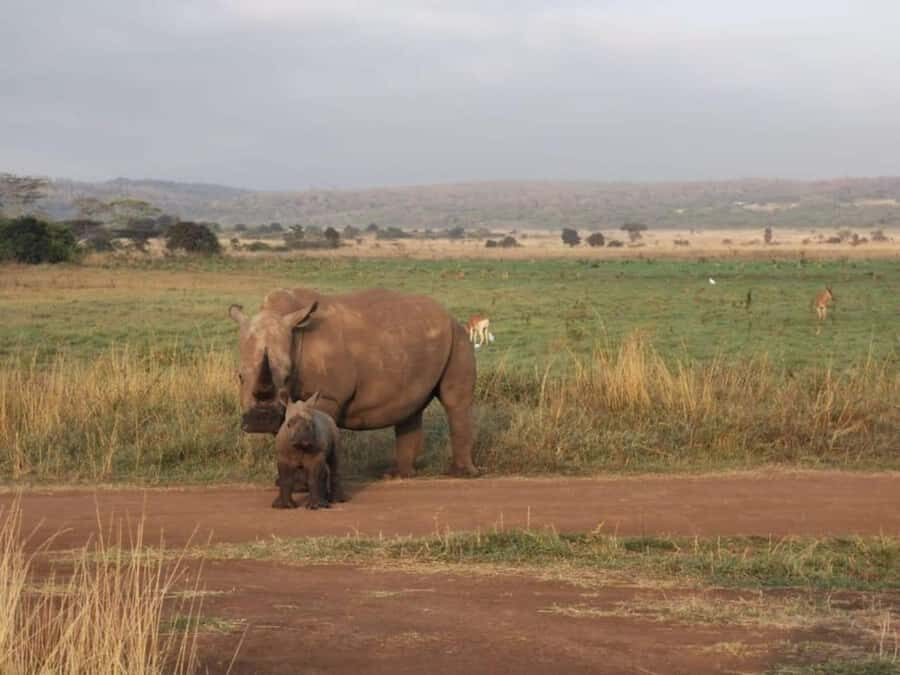
The listed price is $480 per person for a 3-day experience from Nairobi. On its own, that sounds straightforward, but safari value is mostly about what you don’t have to organize yourself.
Here’s what’s included:
- pickup and drop-off at your Nairobi area hotel/residence
- game drives
- overnight accommodation
- meals as per the itinerary
And here’s what’s not included:
- park entry fees: $60 per person
- Masai Boma visit: $30 per person (optional)
- Masai village: $30 per person
- drinks and alcohol
- personal items
- government taxes
- and anything else personal in nature
So your real budgeting math looks more like:
- Start with $480
- Add $60 for park entry fees
- Add cultural fees only if you choose them
- Plan for drinks/snacks you may want beyond included meals
Is that good value? For many visitors, yes—because you’re paying for transport from Nairobi, repeated game-drive time, and accommodation without having to coordinate it yourself. The value drops if you’re expecting every cultural item to be included or if you’re hoping park fees are covered.
The biggest “value risk” isn’t the money—it’s the experience quality tied to timing and vehicle reliability. If you want the best value, prioritize providers who run a tight schedule and communicate clearly about early departures.
Private group perks: better attention, fewer trade-offs
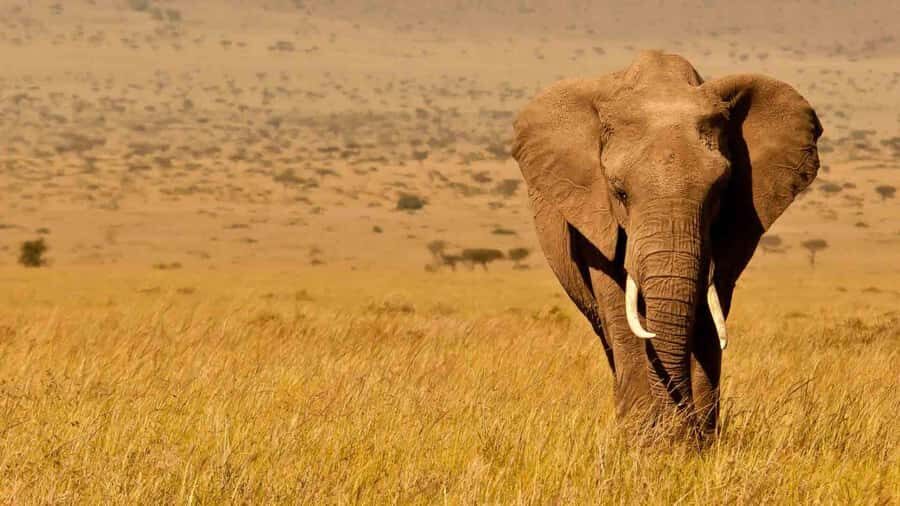
This is a private group safari with a live guide in English. That usually improves your day in three ways.
First, it’s easier to move at the pace your guide wants. When someone spots something interesting, you don’t need to negotiate for the entire group to agree.
Second, questions actually get answered. You can ask why an area is productive, what to watch for, or how to spot birds efficiently during morning light.
Third, the private format reduces the “lost time tax.” Shared group safaris can involve pickup detours and longer waiting. Here, pickup is directly from your Nairobi hotel/residence, so your first day starts cleaner.
That said, a private group doesn’t magically protect you from road delays or vehicle problems. It just means the troubleshooting is more direct with your guide and driver, not spread across strangers.
Who should choose this Amboseli safari (and who should rethink)
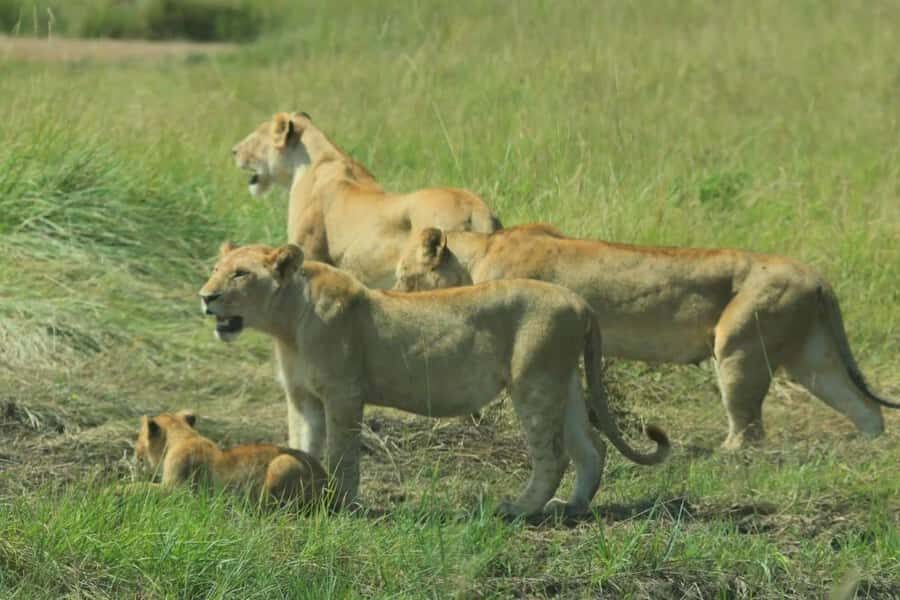
You’ll probably love this safari if:
- you want a Kilimanjaro-view safari and not just wildlife driving
- you like the idea of multiple game-drive sessions across 3 days
- you care about guide-driven spotting, because your odds improve when your guide is actively scanning
- you’re open to paying extra if you want Maasai culture (Masai Boma or Masai village)
You might reconsider if:
- early-morning timing is a deal-breaker for you (because Day 3 includes a 0630 start)
- you’re expecting a fully included cultural experience with no additional fees
- you’re extremely sensitive to schedule slips—there are reports of delays affecting the perceived time inside the park
If you’ve got limited vacation days and you want a focused classic Amboseli route, this is a good fit. If you’re the type who wants zero uncertainty, you’ll need to ask the operator pointed questions about early departures and contingency plans.
Should you book this 3-Day Amboseli Safari from Nairobi?
I’d book it if you want a classic Amboseli setup: repeated game drives, a real shot at elephants, and Kilimanjaro views during the right hours. The $480 base price can make sense because it covers the heavy work—transport, guides, accommodation, and meals—so you’re not building logistics from scratch.
Before you pay, do two things that protect your money and time:
- Confirm the 0630 Day 3 departure plan and breakfast timing.
- Ask how they handle vehicle issues so you’re not stuck waiting without updates if something goes wrong.
If the answers sound solid, this is a strong way to experience Amboseli’s magic without turning your trip into a schedule management project. And if your guide is as sharp as Kenneth reportedly was, the sightings can feel like the park is handing you animals one by one.
FAQ
What is the duration of the Nairobi to Amboseli safari?
The safari is 3 days.
What is included in the $480 per person price?
It includes pickup and drop-off in the Nairobi area, game drives, overnight accommodation, and meals as per the itinerary.
Are park entry fees included?
No. Park entry fees are listed separately at $60 per person.
Is the Maasai Boma visit included?
No. The Masai Boma visit is optional and costs $30 per person.
Do I need a passport or ID card?
Yes. The tour info asks you to bring a passport or ID card.
When is the final game drive on the last day?
The last game drive runs from 0630 to 0900 on Day 3.