REVIEW · KENYA
From Kilifi, Watamu, Malindi: Tsavo East Day Safari
Book on GetYourGuide →Operated by Explore PhotoTrip · Bookable on GetYourGuide
Tsavo East packs a lot into one day. From Kilifi, Malindi, Watamu, and Mambrui, you get an early hotel pickup, a long game-drive day aimed at the famous Red Elephants, and a lunch break inside the park area. The main drawback to plan for: guide language and on-the-day efficiency can vary, so I’d come prepared with your park-fee payment method and realistic expectations about timing.
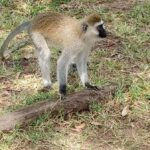
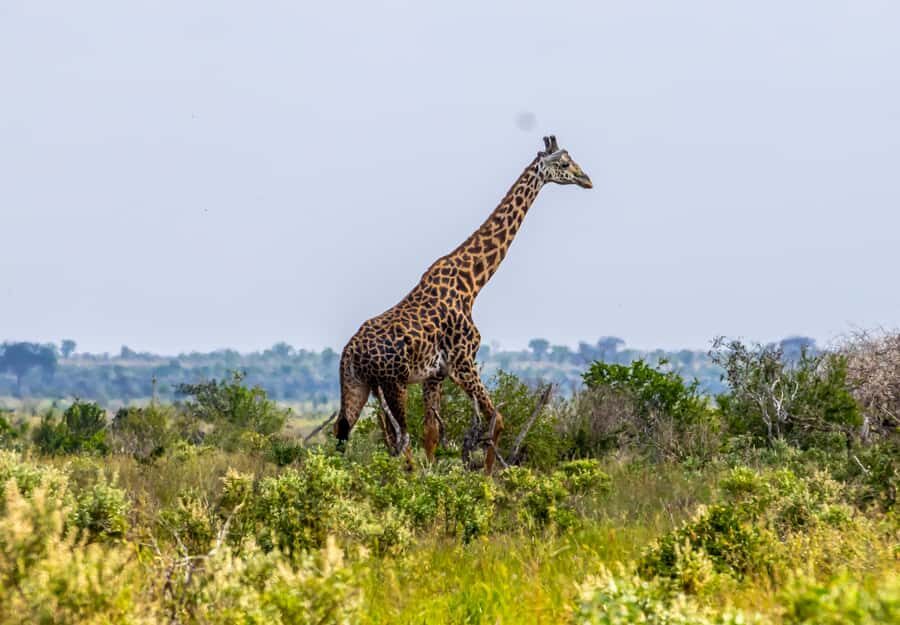
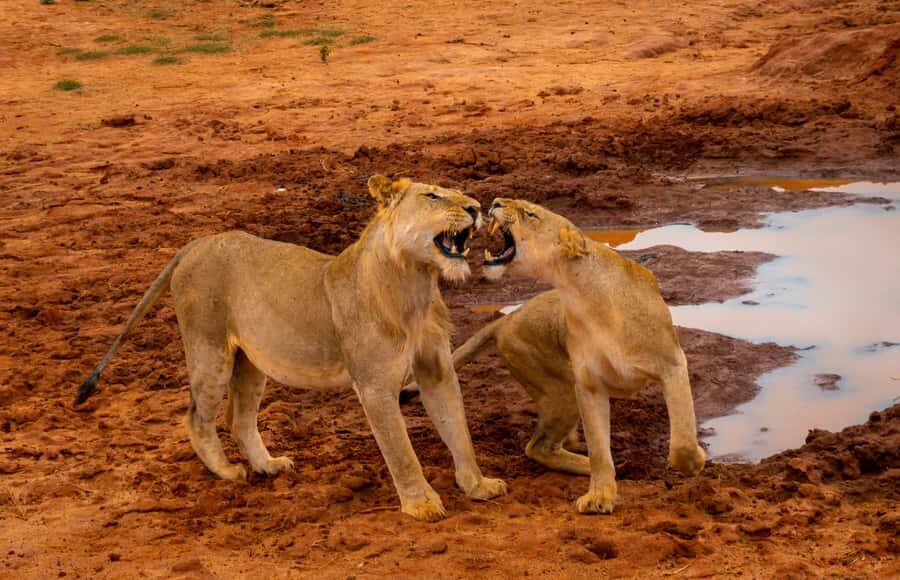
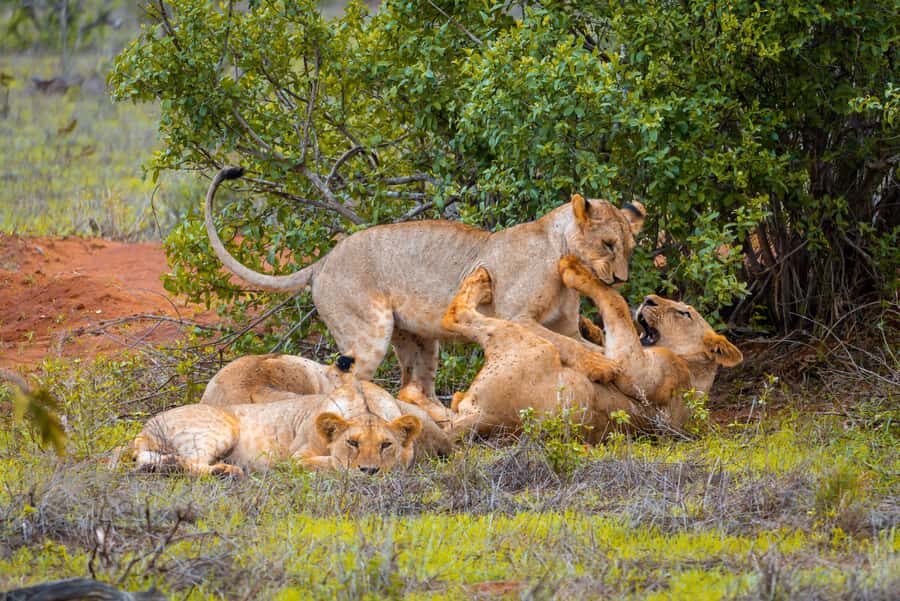
What I like most is how the day is built around actual sightings. You’re in the park for game drives with a guide who shares how the ecosystem works and what you’re seeing, including targets like lions, cheetahs, leopards, giraffes, zebras, buffalo herds, and lots of birds. The other big plus is comfort and convenience: private transport, drinking water, and a driver who meets you in the lobby with a sign using your last name.
One more practical note: park entry fees and food are not included in the $200 activity price, and they’re paid on the day using card details and/or cash. If you want this to run smoothly, set aside time for the entry and lunch step, and keep your documents ready.
In This Review
- Key things that make this Tsavo East safari worth your time
- Tsavo East day-trip flow: from the Kenyan coast into the wild
- Wildlife time: Red Elephants, big cats, and bird spotting
- Game drives on real ground: what the guides help you notice
- The road journey details: timing, comfort, and the 12-hour reality
- One caution to keep in mind
- Lunch in the bush: budgeting for food and drinks
- Park entry fees: the part that changes your real cost
- Guide language, communication, and how to protect your day
- Who this safari suits best (and who should skip it)
- Small checklist for your Tsavo East day safari
- Should you book the Tsavo East day safari from the coast?
- FAQ
- How long is the Tsavo East day safari?
- Where do pickups happen for this safari?
- What’s included in the price?
- Are park entry fees included?
- How much should I budget for food and drinks?
- How do I pay for park entry and lunch?
- How long does it take to drive from the coast to Tsavo East?
- Is there a break before entering the park?
- What languages are the guides available in?
- Is this safari suitable for pregnant women?
- Can I cancel and get a refund?
Key things that make this Tsavo East safari worth your time
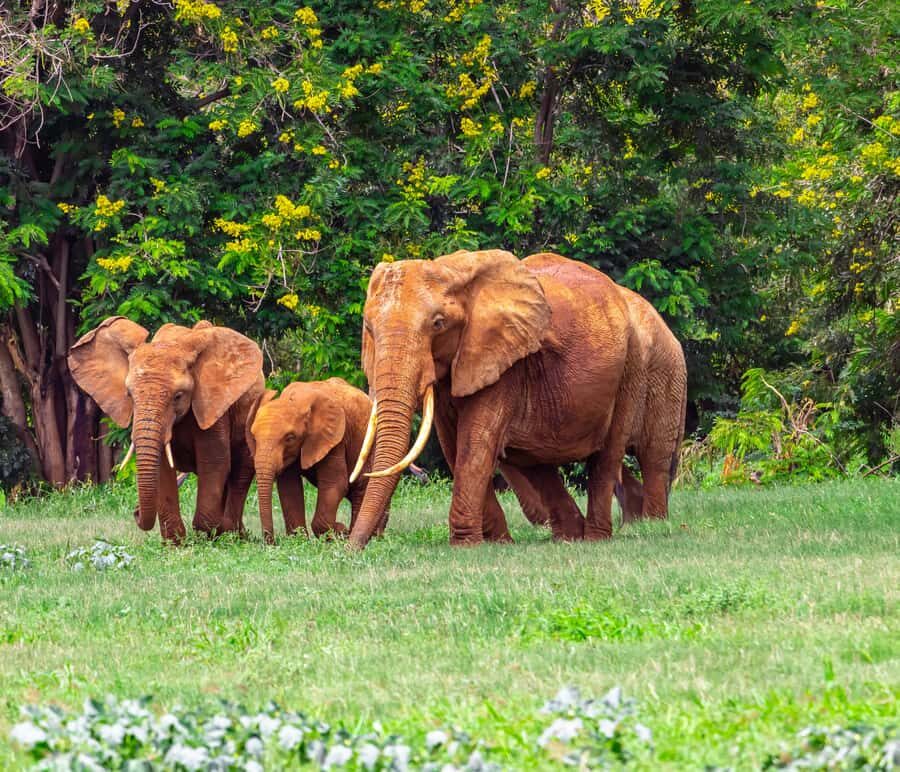
- Targeting Red Elephants and their rust-coloured dust-bath look
- Early departure and long game drives inside Tsavo East National Park
- A built-in 15-minute break for breakfast and washrooms before you enter
- Lunch stop in the park area with an extra budget line for food and drinks
- Guide languages listed (English/Italian/German), but I recommend confirming needs early
- Private transport + guide fees included, with drinking water during the day
Tsavo East day-trip flow: from the Kenyan coast into the wild
This is a true 12-hour, one-day safari built for people staying on the coast. Your morning starts with pickup from hotels in Kilifi, Malindi, Watamu, and Mambrui. Then you’ll head toward Tsavo East National Park, which is typically about 3 to 4 hours from the pickup area, depending on traffic and road conditions.
Before you enter the park, there’s a 15-minute stop for breakfast and washrooms. That matters more than it sounds, because once you’re in, you’re on a game-drive schedule, and you don’t want to be scrambling when everyone else is settling into viewing mode.
Once inside Tsavo East, the pace shifts. This is not a quick drive-through; it’s structured for spotting and stopping for wildlife, with your guide helping you interpret what’s happening—why animals are where they are, and what to watch for next.
A few more Kenya tours and experiences worth a look

Wildlife time: Red Elephants, big cats, and bird spotting
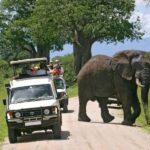
Tsavo East is known for its varied wildlife, and this day trip leans into that reality. The highlight most people hope for is the famous Red Elephants—the elephants associated with dust baths that can give them a rust-coloured look. Even when elephants aren’t right in front of your vehicle, the park’s style of sightings is part of the point: you’re driving through habitats where animals move and feed, and the day is designed around those chances.
In practical terms, here’s what you should keep your camera and eyes ready for:
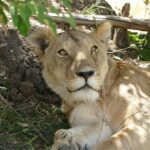
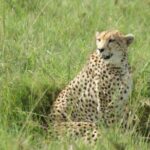
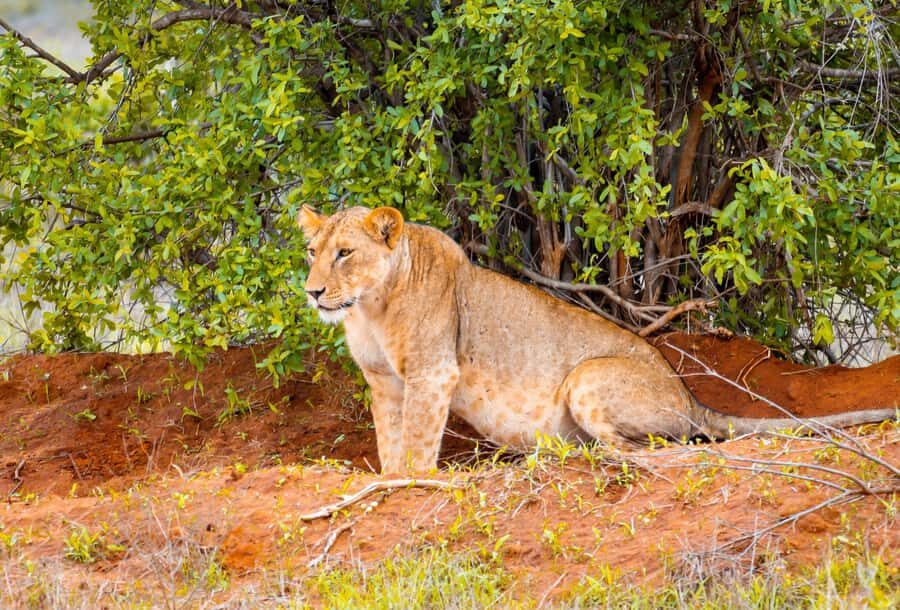
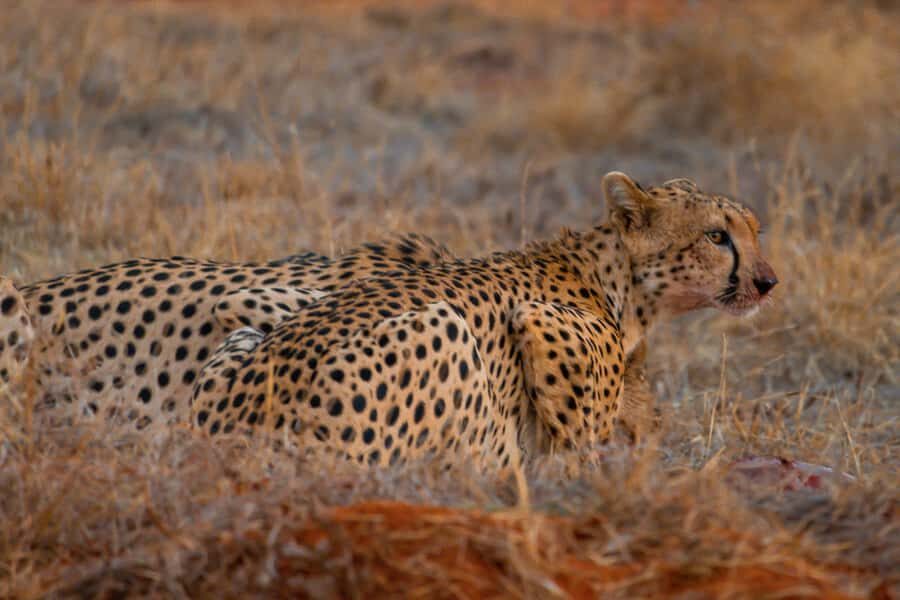
- Big cats like lions, cheetahs, and leopards
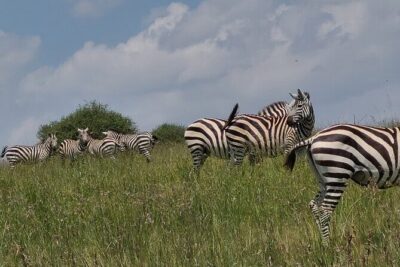
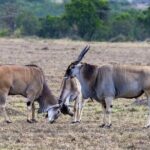
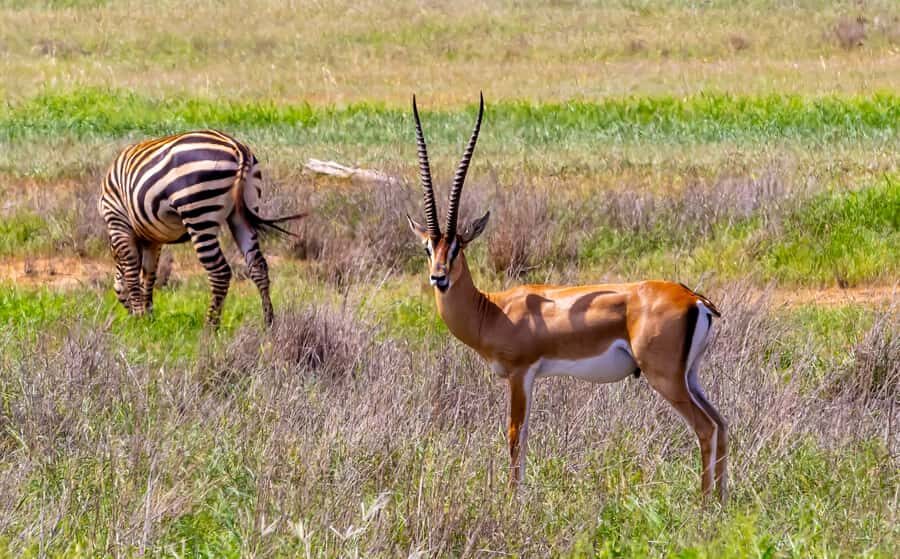
- Large herbivores such as giraffes, zebras, and buffalo herds
- Lots of birds, which can be easier to notice when the vehicle slows for sightings
A small truth about safari days: the checklist you carry in your head can’t always be guaranteed. But you can control how well you’re set up. Wear comfortable shoes, keep your sun protection strong (hat + sunscreen), and bring a camera strap or secure storage so you’re not fumbling when the sighting happens fast.
Game drives on real ground: what the guides help you notice
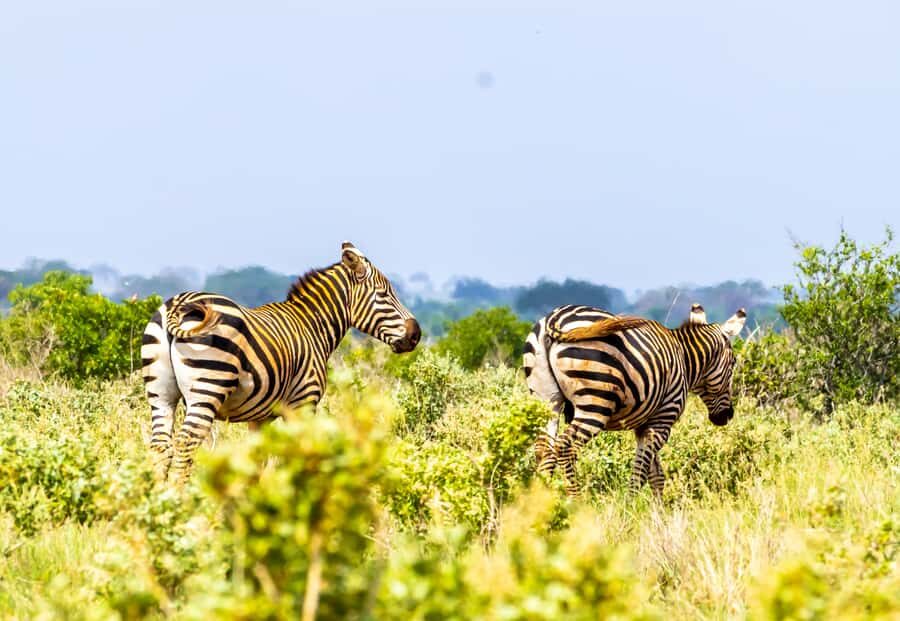
You’ll be with a guide during the game drives, and that guidance is one of the best parts of the day. Not because it turns the trip into a lecture, but because it helps you read the park like a living system: what animals do at different times, how they share space, and what to look for when visibility changes.
The day also uses the park’s different sections. That’s important because Tsavo East isn’t one uniform view. You’re moving between open spaces and areas with acacia-dotted savannah. Those shifts can change where animals appear and how easy they are to spot.
In real-world experiences, I’ve seen this kind of guiding make a difference. Some people have singled out guides like Abdul for helping them see many animals through solid field knowledge. Even when the day isn’t perfect, a strong guide can keep you focused on the next possible sighting instead of staring at empty stretches.
The road journey details: timing, comfort, and the 12-hour reality
Let’s talk logistics without the fluff. You’re leaving the coast early and spending a large chunk of your day traveling to the park and then returning. The travel time is usually 3–4 hours one way, which means you’ll feel the day is “long,” even if the game drive portion feels exciting.
Once the driving starts, private transport helps. You’re not sharing with strangers from across town, and you’re working as a group with your driver and guide. Drinking water is included, which is a comfort detail you’ll appreciate on a hot coast-to-safari day.
A practical tip: bring a light layer. Even in warm areas, vehicles can swing in temperature from morning pickup to later hours. And keep essentials accessible—sunscreen, hat, and water—so you’re not digging when you’re trying to get your window shot.
One caution to keep in mind
Safari days can include mechanical surprises. In at least one reported situation, a vehicle ended up stuck in sand and needed urgent help, and it threw the rest of the day off pace. That’s not something you can predict, but it’s a good reminder to:
- ask about vehicle type when you book
- be flexible about timing
- keep your expectations realistic if the day has an unexpected delay






Lunch in the bush: budgeting for food and drinks
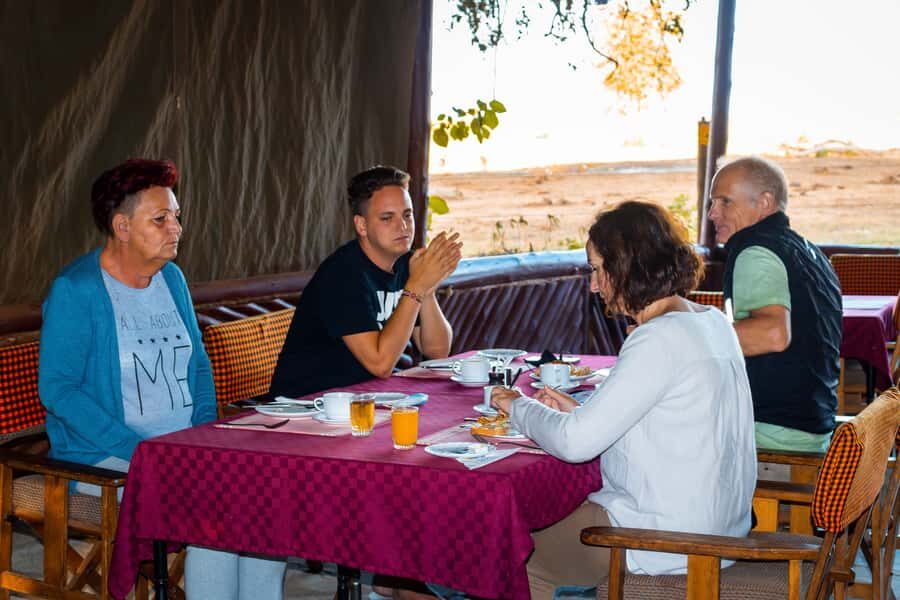
You’ll have a lunch stop midway through the day. The plan is for a picnic-style moment in the wilderness, or a stop that works like that in the park area. The key catch: food and drinks are not included in the base price.
Here’s what to budget:
- Food and drinks: US$25–35 (on top of your entry fees)
And because Tsavo East entry fees are also extra, you should plan money for the full day, not just the $200 safari price.
Payment also matters. You’re expected to carry a Credit or Debit Mastercard or Visa card to pay for:
- Park entry fees
- Lunch at the lodge’s restaurant (as applicable)
Some travelers also bring cash, which is wise given that you’ll be doing transactions on the day. If you’re depending on one method only and the system is slow, your schedule can suffer.
Park entry fees: the part that changes your real cost
The $200 per person price is only part of the budget. Park entry fees are separate:
- Adult: US$80
- Child (5–17 years old): US$40
Then add lunch and drinks (US$25–35). So, for an adult, your rough total can land around:
- US$200 (tour) + US$80 (entry) + US$25–35 (food/drinks)
= about US$305–315 per person, not counting any extra spending.
Why this matters: you can’t decide value using only the “$200” number. But if you’re comparing this to multi-day safaris, the math often still looks attractive because you’re getting a full wildlife day, pickup, transport, and guide fees in one block.
Guide language, communication, and how to protect your day
The activity lists live guide languages as English, Italian, and German. That’s great on paper. But one real-world lesson from similar trips is simple: confirm what you need before the driver arrives.
At least one situation included a mismatch where a guide in the expected language was not available, which led to communication problems around ticketing and lunch. The biggest practical takeaway is not to panic—it’s to prepare:
- If you need a specific language, verify it ahead of time.
- Have your payment method ready so you’re not forced into extra negotiation at the gate.
- Keep your patience for the inevitable small hiccups that happen when multiple vendors and payment steps are involved.
Also note that driver quality can be a huge factor in how smoothly sightings happen. Some people have credited a driver named Alfred with being attentive to requests and helping spot animals, and that kind of calm, helpful driving can turn a challenging day into a worthwhile one.
Who this safari suits best (and who should skip it)
This works well if you:
- want a single-day wildlife fix from the coast
- enjoy game drives and don’t mind a long day schedule
- can handle extra day-of costs like park fees and lunch
It may not be a great fit if you:
- are pregnant (this tour is marked not suitable for pregnant women)
- want a very short, low-stress outing
- need guaranteed language support with no risk of mismatch
If you’re traveling with kids, the entry fee is lower for ages 5–17, but the schedule is still long. Make sure everyone is comfortable with early pickup and spending most of the day in a vehicle.
Small checklist for your Tsavo East day safari
Here’s what the day asks you to bring, and why:
- Comfortable clothes and shoes (you’ll be in and out for short moments)
- Sun hat and sunscreen (coast sun plus park sun is no joke)
- Credit/debit card (Mastercard/Visa) for entry fees and lunch
- Cash (useful if anything stalls)
- Credit card / cash ready before the payment step
Also watch the pickup timing. You’ll wait in the lobby 10 minutes before pickup, and the driver will hold a sign with your last name. That makes it easier to find each other fast.
Should you book the Tsavo East day safari from the coast?
If your goal is a big-safari style day with real wildlife odds, I think this is a solid choice. The included pieces—hotel pickup, private transport, game drives, guide fees, and drinking water—mean you’re not spending your vacation time on planning or logistics. And Tsavo East’s chance to see Red Elephants and the broader mix of predators and big herbivores makes it a good match for first-time visitors.
I’d book with eyes open about two things: the added cost of park entry and lunch, and the possibility of day-of friction (especially around language expectations and payment steps). If you confirm your guide language needs, bring your card, and stay flexible, you’ll set yourself up for a day that’s about wildlife, not stress.
If, on the other hand, you’re expecting a perfectly smooth, guaranteed-language, no-surprises operation, you might be disappointed. For that traveler, a more controlled safari setup might feel safer.
FAQ
How long is the Tsavo East day safari?
It runs for 12 hours.
Where do pickups happen for this safari?
Pickup is available from hotels in Kilifi, Malindi, Watamu, and Mambrui.
What’s included in the price?
Hotel pickup and drop-off, private transport, game drives, guide fees, and drinking water are included.
Are park entry fees included?
No. Park entry fees are US$80 for adults and US$40 for children ages 5–17.
How much should I budget for food and drinks?
Food and drinks are not included and are listed at about US$25–35.
How do I pay for park entry and lunch?
You’re asked to carry a Credit or Debit Mastercard or Visa to pay for park entry fees and lunch at the lodge’s restaurant, and you should also bring cash.
How long does it take to drive from the coast to Tsavo East?
Travel time is usually 3 to 4 hours from your pickup point to Tsavo East National Park.
Is there a break before entering the park?
Yes. There is a 15-minute stopover for breakfast and washrooms before entering the park.
What languages are the guides available in?
The live guide languages listed are English, Italian, and German.
Is this safari suitable for pregnant women?
No. It is marked not suitable for pregnant women.
Can I cancel and get a refund?
Yes. You can cancel up to 24 hours in advance for a full refund.