REVIEW · KENYA
Watamu: Sunset Mangrove Canoe Tour with Coconut Drink
Book on GetYourGuide →Operated by Mida Creek Nature Camp · Bookable on GetYourGuide
A canoe glide through Watamu’s mangroves feels like stepping into a slower world, then the sunset lands the story with real drama. I like that this tour mixes serious nature spotting with a traditional dugout canoe and ends in a village, so you’re not just taking photos and leaving.
Two things that really stick with me: you’ll cross the mudflats and watch the small crabs scatter (it’s oddly fun and slightly gross in the best way), and you’ll get a clear mangrove-food-chain lesson as the guide points out frogfish or mudskippers and oysters growing on the roots. The birdlife time is also built in, with the creek hosting 65 species of birds.
One drawback to plan around: it’s not a sit-easy outing. You’ll walk, you’ll be in sun, and during low tide that can mean longer mudflat walking. If you have mobility issues, it’s not suitable.
In This Review
- Key points before you go
- Why this sunset canoe works in Watamu
- Low tide vs high tide: choose your walking level
- Boardwalk maintenance in Feb 2026: plan for changes
- Entering the mangroves: what happens on foot first
- Canoe time: traditional paddling and close bird moments
- Mangrove wildlife highlights: mudskippers, frogfish, and oysters
- The sunset payoff behind Green Island
- Giriama village stop: coconut or palm wine, plus village context
- Timing and duration: how to fit 210 minutes into your day
- Price value and the real issue: getting to the start
- What to bring: simple gear that keeps the day pleasant
- Who should book this and who should skip it
- Should you book the Watamu sunset mangrove canoe?
- FAQ
- How long is the sunset mangrove canoe tour?
- What time does the tour start if I do not choose a tide option?
- Can I choose low tide or high tide?
- What wildlife can I expect to see?
- What drinks are included?
- Where is the sunset viewed?
- Is transportation included?
- Are meals included?
- What should I bring?
- Is the boardwalk accessible in February 2026?
Key points before you go
- Low tide gives you the full mudflat walk with more chances to see crabs and the changing shoreline
- High tide cuts the walking and gets you into the canoe faster
- 65 species birdwatching happens while you’re moving through the creek
- Mudskippers or frogfish and oyster roots turn the mangroves into a living classroom
- Sunset behind Green Island is the payoff moment, timed into the return
- Giriama village stop includes a coconut drink or palm wine refreshment
Why this sunset canoe works in Watamu
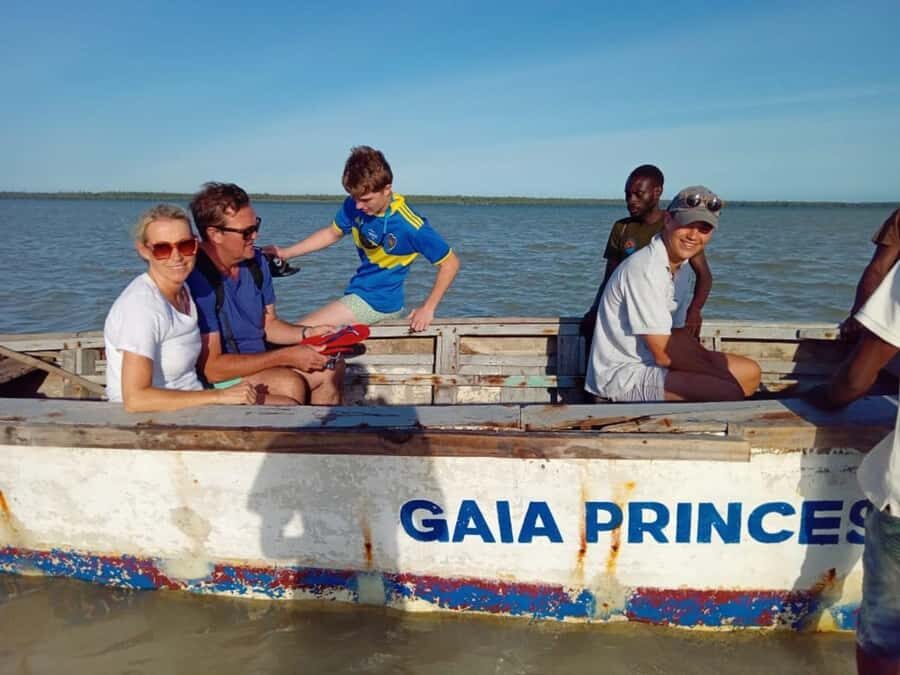
This isn’t the kind of tour where you spend most of your time on a boat watching water drift past. The whole rhythm is tied to the mangrove ecosystem and the tide: you start on foot, then switch to a dugout canoe that moves like the local fishermen do. That matters because mangroves aren’t “scenery.” They’re shelter, feeding zones, and nurseries.
The canoe part is simple and close. You’re not far out in open water where you can pretend you’re invisible. Instead, you ride through a creek where birds work the edges and the trees literally shape what you can see. In the middle of the route, the guide also steers attention toward the small stuff: frogfish or mudskippers and oysters attached to mangrove roots. That’s the difference between a casual sunset boat and a mangrove tour that teaches you where the life is hiding.
And then there’s the timing. The route waits for the sun to drop behind Green Island, so you get that pastel sky moment reflecting on the water ripples before you head back.
You can also read our reviews of more evening experiences in Kenya
Low tide vs high tide: choose your walking level
When you book, you can tell the operator whether you prefer low tide or high tide. If you don’t choose, the experience runs around 4:00 PM to fit the sunset over the lagoon.
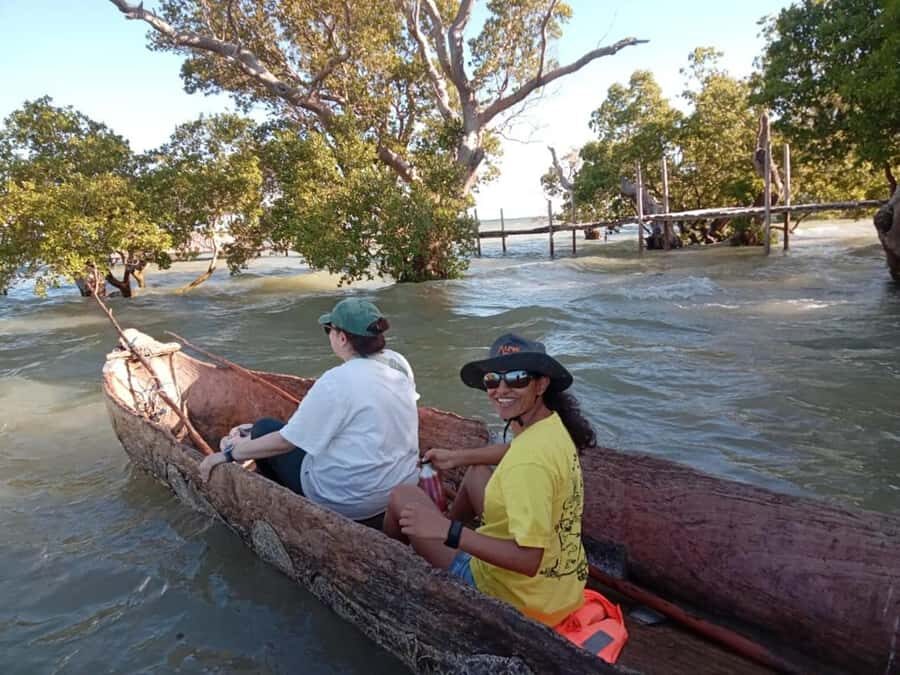
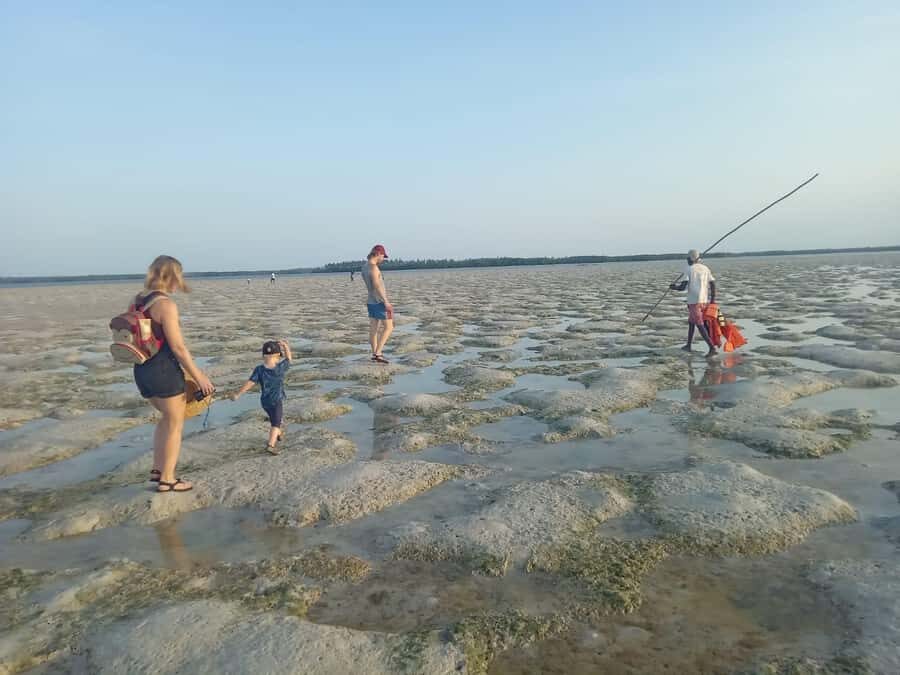
Low tide usually means more time on the mudflats. That’s the trade. The upside is a more atmospheric setting and more unique wildlife action right where the waterline used to be. You’ll cross the mud left by the lowering tide, and you’ll likely see crabs scrambling away from your steps. It can feel almost lunar underfoot, and the walking can be longer than you expect.
High tide shifts the balance. Less walking means you join the canoe from a point nearer the meeting area, so you spend more time floating and less time on the ground. If your knees hate mud, high tide is the kinder option.
Boardwalk maintenance in Feb 2026: plan for changes
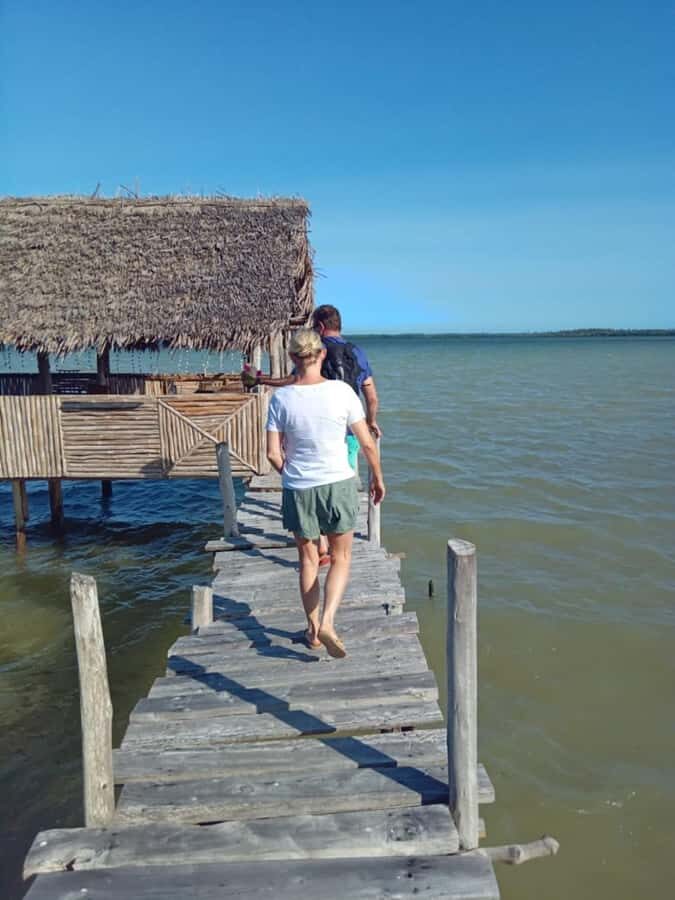
From February 2026, the boardwalk is under maintenance and temporarily inaccessible. That means your start portion may not follow the usual boardwalk route. Don’t show up thinking it’s always a neat, raised walkway.
If you’re booking around that time window, wear shoes you’re okay with getting muddy and consider swapping flimsy sandals for something grippy. This is still a walk-and-canoe trip. Comfort matters more than style here.
Entering the mangroves: what happens on foot first
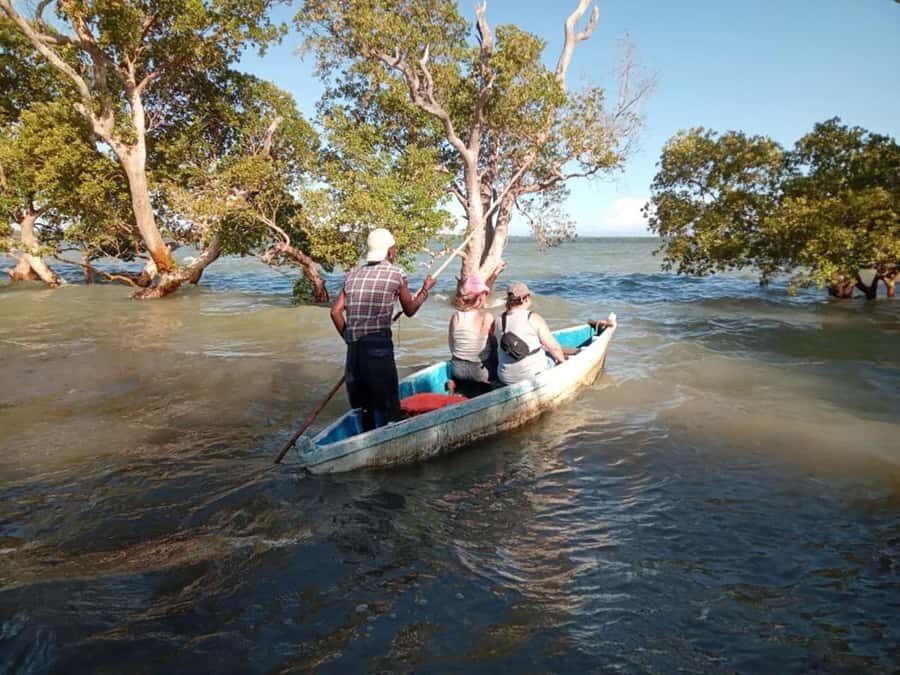
The start is structured to set up the tide-driven scenery. You begin with a walk through the mangroves and then cross the mudflats left behind by the lowering tide. This is where the ecosystem shows itself fast: the little crabs don’t care about your itinerary, and they’ll scatter as you step into their world.
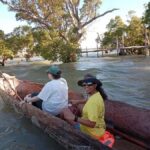
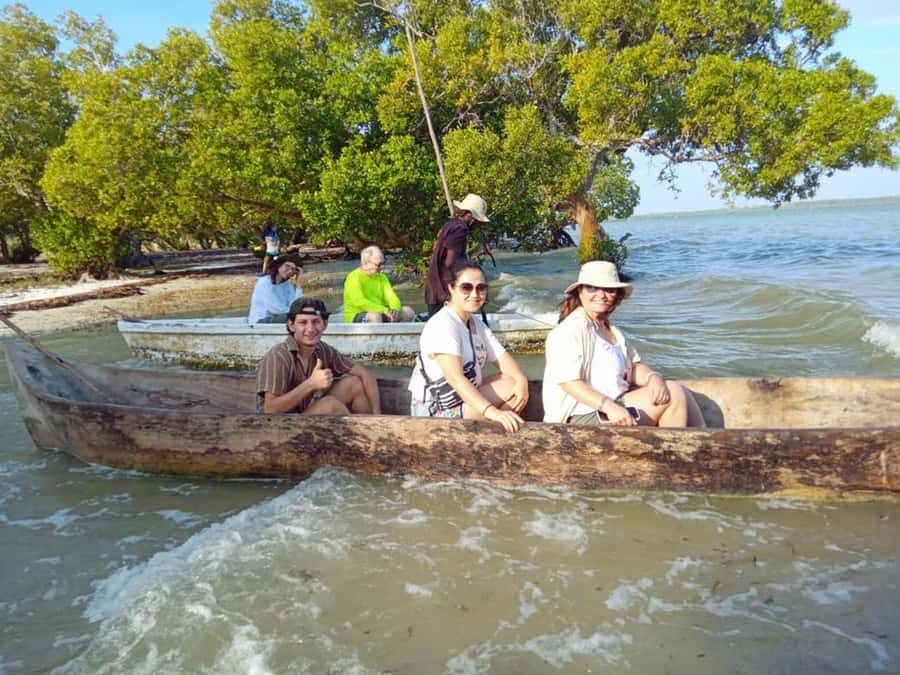
Once you reach the water, you board the dugout canoe. This is where the experience becomes more than a “ride.” The canoe moves through the creek in the same practical style local fishermen use. That can translate into close bird sightings, because you’re traveling through the channels where birds feed and rest rather than skimming past from too far away.
Canoe time: traditional paddling and close bird moments
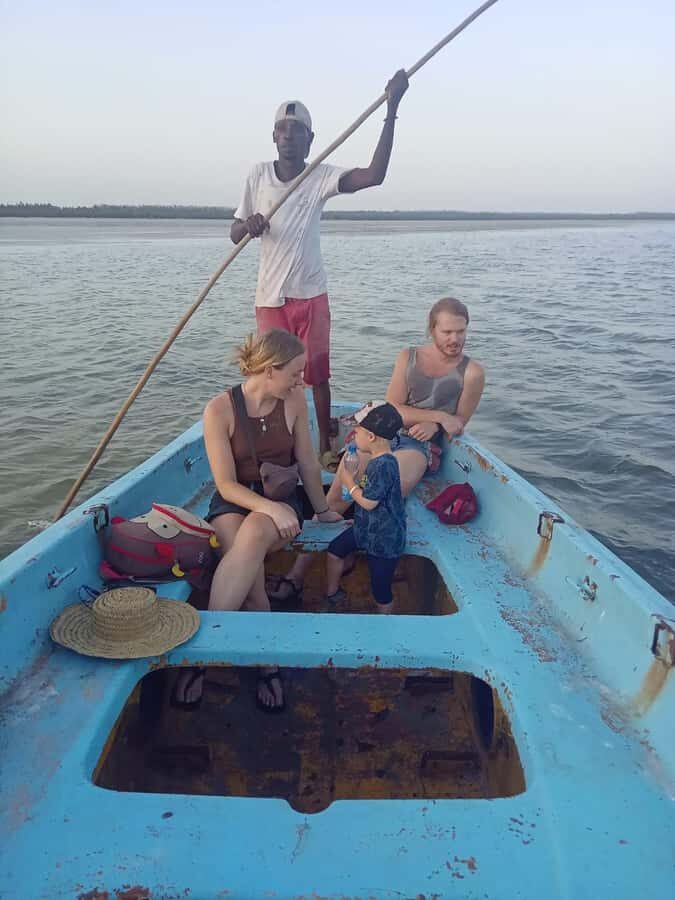
The canoe is a traditional dugout. You’ll feel it when you’re in motion, because the guide doesn’t treat it like a theme park boat. One guide may push the canoe forward with a long stick, which keeps the canoe moving through shallow, tight spaces.
That style can mean birds come near enough to notice details. In real life, you’re often close to what’s in front of you, and that’s what makes birdwatching here feel personal instead of distant.
Birdwatching runs while you cruise, with the creek supporting 65 different bird species. Even if you don’t try to identify everything, you’ll still get the rhythm of the place: movement in the branches, quick flashes above the water, and the sense that the mangroves are busy even when everything looks calm from shore.

Mangrove wildlife highlights: mudskippers, frogfish, and oysters
A big reason this tour earns its credibility is that it doesn’t stop at birds. Mid-route, you’ll go deep into the mangrove forest and get a chance to spot amphibious fish such as mudskippers or frogfish, known for living part-time on land and part-time near water.
The oysters are another key stop. You’ll look for oysters growing on the roots of the mangrove trees. It’s a reminder that mangroves aren’t just wood and shade. They’re built like a platform for life, with roots doing double duty—supporting trees while also hosting creatures.
If you like nature tours that explain what you’re seeing, this is the best part. You’re not just watching; you’re being taught how these animals use the mangroves.
The sunset payoff behind Green Island
This is the moment your photos will actually earn their storage space.
As the sun goes lower, the sky shifts into pastel colors and the light catches every ripple on the water surface. The route waits until the sun falls behind Green Island, then you start heading back.
Practically speaking, it’s also a relief. After walking, crossing mudflats, and concentrating on wildlife, the sunset is the easy part. You can relax your brain for a bit and just enjoy the light.
Giriama village stop: coconut or palm wine, plus village context
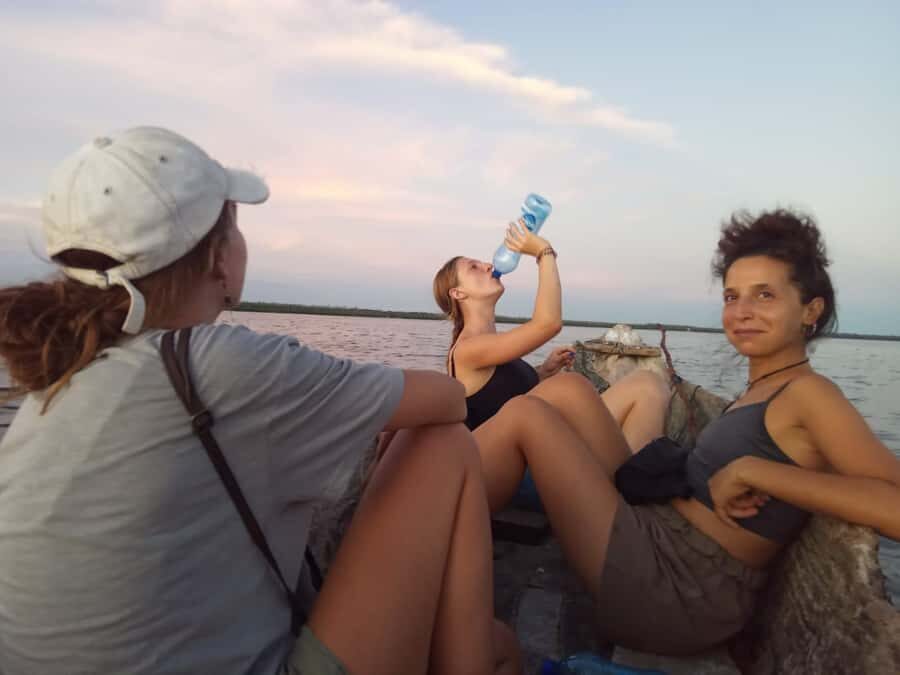
When the canoe journey winds down, you head to the Giriama village for refreshment. Included in the tour is either a coconut drink made from a freshly picked coconut or a glass of palm wine.
This stop is also where the cultural side shows up in a grounded way. Guides often explain how the village works and how the mangroves matter locally. One strong example from the guide experience is the attention to mangrove conservation, including efforts connected to replanting and encouraging younger mangroves to grow.
In some cases, you might also find typical village food offered as an optional lunch, depending on what’s available that day. Even if you skip food, the village portion adds meaning to the mangrove part. It helps connect why people protect these areas instead of treating them like “nature you visit.”
Timing and duration: how to fit 210 minutes into your day
The tour runs about 210 minutes (a little over 3 hours). That makes it realistic for a late afternoon slot, especially in a place like Watamu where sunset is often the main event.
If you don’t choose a tide option, the experience takes place around 4:00 PM to line up with the sunset. So you should plan your day around that start time. If you’re staying nearby, that’s simpler. If you’re farther out, transfer time becomes the hidden factor.
Price value and the real issue: getting to the start
At $20 per person, this tour is priced as a practical nature experience rather than a luxury excursion. The value comes from how many elements you get for that money: walking in the mangroves, canoe time, birdwatching, mangrove forest stops, sunset viewing, plus coconut or palm wine at the end.
But here’s the catch: transportation can change your total cost. Pickup is not automatically included in the listed price. You can arrange pickup at an additional cost depending on distance, using automobile, tuktuk, or motorcycle.
That’s why I tell you to price out the full day, not just the ticket. Watamu transfers can add up, and the travel to the starting point may cost more than the tour itself. Before you confirm, ask the operator what you’ll pay for pickup and where exactly you’ll join the group.
Also, make sure you’re clear on the meeting point and the route. There are different mangrove-creek style tours in the area, and joining the wrong one can cost you time and money.
What to bring: simple gear that keeps the day pleasant
This is a sun-and-mud outing. Pack like it’s an outdoor classroom with a canoe attached.
Bring:
- Camera (you’ll want it for the birds and the sunset reflections)
- Sunscreen
- Water
- Insect repellent
- Binoculars, if you have them (birdwatching is a core part)
Wear:
- Comfortable clothing and shoes that can handle walking on uneven ground
- Something you won’t mind getting dusty or muddy, especially at low tide
One more practical note: if you hate sharing space in tiny boats, remember the canoe is traditional and close. You’re doing this to be part of the ride, not hovering like a spectator.
Who should book this and who should skip it
This tour suits you if you want:
- A nature-forward outing that explains more than it shows
- A meaningful sunset plan that also includes real habitat time
- A chance to experience the mangroves through a local-style canoe journey
You should skip it if:
- You have mobility impairments. The walking and mudflats crossing make it unsuitable.
If you’re comfortable walking and you enjoy birdlife and mangrove wildlife, this tour is a good match, especially because it blends the ecological story with the village end stop.
Should you book the Watamu sunset mangrove canoe?
Book it if you care about seeing mangroves as a living system, not just taking a sunset cruise. The combination of birdwatching, mudskipper or frogfish spotting, oysters on root systems, and a timed sunset behind Green Island makes the experience feel worth the time.
I’d book high tide if you want less walking and a smoother route. Choose low tide if you want the full mudflat experience, including the crab scuttle show and a more dramatic sense of the coastline changing with the tide.
Think twice about booking only if you dislike muddy walking, need full step-free access, or you’re not sure about transportation costs from your hotel. Once you sort pickup and dress for mud and sun, this is exactly the kind of Watamu activity that feels grounded and local.
FAQ
How long is the sunset mangrove canoe tour?
It lasts about 210 minutes.
What time does the tour start if I do not choose a tide option?
If you don’t specify, it runs around 4:00 PM to allow you to enjoy the sunset over the lagoon.
Can I choose low tide or high tide?
Yes. You can book for low tide (longer walk and more mudflat wildlife) or high tide (less walking and entry closer to the meeting point). If you do not communicate a preference, the tour happens around 4:00 PM.
What wildlife can I expect to see?
You’ll do bird watching with 65 species in the creek area. You may also see amphibious fish such as frogfish or mudskippers, and you can view oysters growing on mangrove roots.
What drinks are included?
You’ll be refreshed with either a coconut drink or a glass of palm wine in the Giriama village.
Where is the sunset viewed?
You’ll watch the sunset as it sets behind Green Island.
Is transportation included?
No. Transportation to the starting point is not included. Pickup may be arranged for an additional cost depending on distance, using vehicle, tuktuk, or motorcycle.
Are meals included?
No meals are included.
What should I bring?
Bring a camera, sunscreen, water, insect repellent, and binoculars if you have them.
Is the boardwalk accessible in February 2026?
No. From February 2026, the boardwalk is under maintenance and temporarily inaccessible to guests.